Taxonomy & Classification
- Kingdom
- Animalia
- Phylum
- Chordata
- Class
- Amphibia
- Order
- Anura
- Family
- Myobatrachidae
- Genus
- Heleioporus

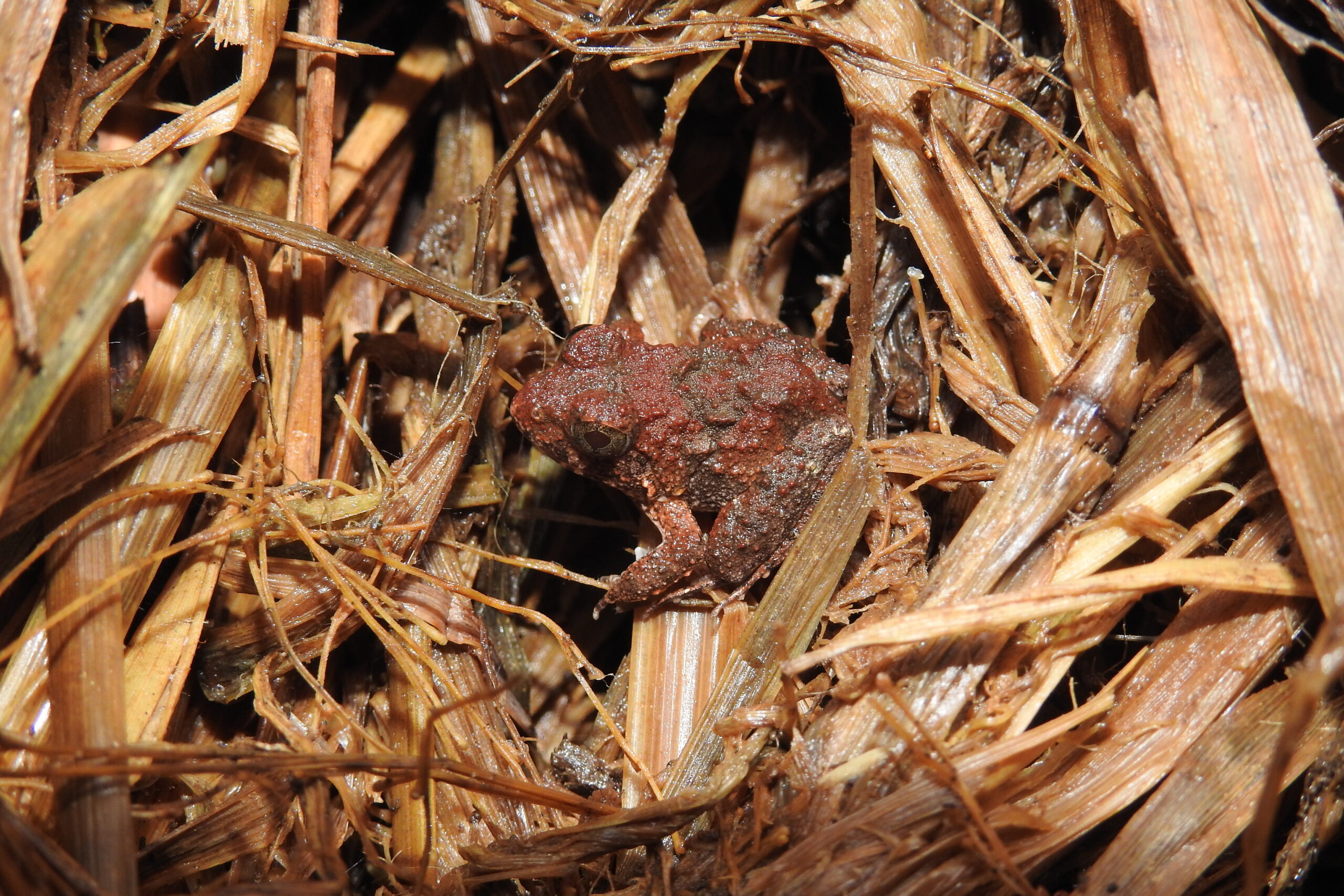 Photo Credit: Dr. Raju Kasambe / Wikimedia
In the heart of Australia’s lush woodlands, the Burrowing Frog, known scientifically as Heleioporus, emerges from its hidden world beneath the earth. With its stout body and rounded shape, this small amphibian is perfectly designed for life underground. Its skin, often a mottled blend of earthy browns and greens, helps it blend seamlessly into the forest floor, making it a master of camouflage. As the sun rises and the forest awakens, the Burrowing Frog remains tucked away, waiting for the right moment to venture out, showcasing its remarkable adaptations that have fascinated scientists and nature lovers alike.
What makes the Burrowing Frog truly captivating is its unique lifestyle. Unlike many frogs that thrive in water, this little creature spends much of its life buried in the soil, emerging primarily during the rainy season. This behavior not only helps it avoid predators but also allows it to take advantage of the moist conditions to hunt for insects and other small invertebrates. As the rains fall, the air fills with the sounds of croaking males calling out to attract females, creating a symphony of life that echoes through the trees. The Burrowing Frog’s role in its ecosystem is vital, as it helps control insect populations while also serving as a food source for larger animals. Join us as we dive deeper into the world of Heleioporus, exploring its fascinating behaviors, unique adaptations, and the challenges it faces in a changing environment.
The Burrowing Frog, scientifically known as Heleioporus, occupies a special place in the tree of life. This amphibian belongs to the class Amphibia, which includes frogs, toads, and salamanders. What sets the Burrowing Frog apart is its remarkable ability to adapt to arid environments. Unlike many of its relatives, this frog has developed a unique lifestyle that allows it to thrive in dry conditions, spending much of its life underground. This adaptation not only showcases the incredible diversity of life on Earth but also highlights the evolutionary innovations that enable species to survive in challenging habitats.
| Taxonomic Rank | Scientific Name | Meaning & Significance |
|---|---|---|
| Kingdom | Animalia | This name signifies that the Burrowing Frog is part of the vast group of multicellular organisms that are primarily heterotrophic, meaning they consume other organisms for energy. |
| Phylum | Chordata | Chordata refers to animals that have a notochord, a flexible rod that supports the body. In frogs, this structure is present during their early development. |
| Class | Amphibia | Amphibia means “double life,” which reflects the frog’s life cycle that includes both aquatic and terrestrial stages. |
| Order | Anura | Anura translates to “without a tail,” a defining characteristic of adult frogs and toads, distinguishing them from their larval forms. |
| Family | Myobatrachidae | This family name comes from Greek roots meaning “muscle” and “to hop,” highlighting the strong hind limbs that allow these frogs to jump and burrow. |
| Genus | Heleioporus | The name Heleioporus is derived from Greek, meaning “to dig,” which perfectly describes the Burrowing Frog’s behavior of creating burrows in the ground to escape harsh conditions. |
Understanding the Burrowing Frog’s classification reveals much about its evolutionary journey. As a member of the Myobatrachidae family, it shares a lineage with other frogs that have adapted to life in diverse environments. Its ability to burrow and survive in arid conditions showcases the remarkable ways in which amphibians have evolved to cope with their surroundings. This classification not only helps scientists understand the frog’s biological traits but also provides insight into the broader patterns of evolution and adaptation in the animal kingdom.
The evolutionary journey of the Burrowing Frog, belonging to the genus Heleioporus, stretches back millions of years, intertwining with the history of amphibians. These fascinating animals emerged during the Mesozoic Era, around 250 million years ago, a time when the Earth was dominated by dinosaurs. As amphibians adapted to various environments, the ancestors of the Burrowing Frog began to carve out a niche in the arid landscapes of Australia, where they would develop unique traits to thrive in challenging conditions.
The early ancestors of the Burrowing Frog were likely similar to other amphibians, with moist skin and a reliance on water for reproduction. However, as they adapted to drier habitats, significant evolutionary changes took place. One major transition was the development of a more robust body and specialized limbs, allowing them to dig into the ground. This adaptation was crucial for escaping the heat and conserving moisture. Over time, these frogs also evolved a unique reproductive strategy, laying eggs in temporary pools that form after rain, ensuring their young have a suitable environment to grow.
These adaptations have been vital for the Burrowing Frog’s survival in a harsh environment. By mastering the art of burrowing, they can escape the sweltering heat and avoid predators, while their moisture-retaining skin helps them thrive in dry conditions. Their unique breeding strategy ensures that their offspring have the best chance of survival, making the Burrowing Frog a true testament to the power of evolution in shaping life on Earth.
The Burrowing Frog is a small yet captivating amphibian that captures the imagination with its stout body and unique adaptations. With a rounded shape and a robust build, this frog is designed for life beneath the surface. Its limbs are short but powerful, perfect for digging into the earth, while its skin is smooth and permeable, allowing it to absorb moisture from its environment. This frog’s overall appearance is both charming and practical, making it a true marvel of nature.
| Feature | Description |
|---|---|
| Weight | 20g – 80g (0.7oz – 2.8oz) |
| Skin Type | Permeable, allowing for moisture absorption |
| Body Shape | Stout and rounded, ideal for burrowing |
| Limbs | Short and strong, perfect for digging |
The Burrowing Frog’s physical features are not just for show; they play a vital role in its survival. Its permeable skin helps it stay hydrated in dry environments, while its stout body and powerful limbs enable it to dig burrows where it can escape the heat and predators. This combination of traits allows the Burrowing Frog to thrive in its often harsh habitat, showcasing the incredible ways in which animals adapt to their surroundings.
The Burrowing Frog thrives in a variety of habitats that paint a vivid picture of its life. Imagine lush forests where sunlight filters through the leaves, creating a dappled effect on the forest floor. Picture winding rivers that meander through the landscape, their banks lined with vibrant vegetation. Marshes, with their rich, muddy soil and abundant water, provide the perfect environment for these frogs to dig and hide. These settings are not just beautiful; they are essential for the Burrowing Frog’s survival.
The Burrowing Frog prefers climates that offer a mix of wet and dry conditions. It thrives in areas where rainfall is seasonal, allowing it to take advantage of temporary ponds and marshes. These frogs are often found in regions that experience warm temperatures, which help them stay active. However, they also need cooler, moist environments to keep their skin hydrated, as amphibians rely on moisture to breathe through their skin. This balance of wet and dry is crucial for their life cycle, especially during breeding seasons.
Adaptation is key to the Burrowing Frog’s success in its chosen habitats. With powerful limbs, it can dig deep into the ground, creating burrows that protect it from extreme temperatures and predators. These burrows also serve as a refuge during dry spells, allowing the frog to enter a state of dormancy until conditions improve. This remarkable ability to burrow not only helps the Burrowing Frog survive but also plays a vital role in the ecosystem, as it aerates the soil and contributes to nutrient cycling. Through these adaptations, the Burrowing Frog has become a master of its environment, showcasing the incredible resilience of nature.
The Burrowing Frog leads a life that is both intriguing and practical, primarily focused on survival in its natural habitat. During the day, these frogs often remain hidden underground, where they dig burrows to escape the heat and dryness of their environment. As night falls, they emerge to hunt for food, primarily insects and other small invertebrates. Their nocturnal lifestyle allows them to take advantage of cooler temperatures, making it easier to find nourishment while avoiding predators. This rhythm of activity is essential for their well-being, as it helps them conserve energy and stay hydrated.
While Burrowing Frogs are generally solitary creatures, they do exhibit interesting social behaviors during the breeding season. Males will call out to attract females, creating a chorus that fills the night air. This vocal communication is crucial, as it helps females locate potential mates. Once a female chooses a male, they engage in a brief courtship before mating. Afterward, the female lays her eggs in water, often in temporary pools formed by rain. This social interaction, though limited, is vital for the continuation of their species, showcasing how even solitary animals can come together for reproduction.
| Behavior Type | Description |
|---|---|
| Activity Patterns | Burrowing Frogs are primarily nocturnal, emerging at night to hunt for insects and other small invertebrates while spending the day hidden underground. |
| Social Structure | These frogs are mostly solitary, but males will gather during the breeding season to call and attract females. |
| Communication Methods | Males use vocal calls to communicate with females, creating a chorus that helps females locate them for mating. |
The behaviors of the Burrowing Frog are finely tuned to ensure their survival in a challenging environment. By being active at night, they reduce the risk of dehydration and predation, while their burrowing habits provide shelter from extreme temperatures. The brief social interactions during breeding highlight the importance of communication in their life cycle, ensuring that they can reproduce and continue their lineage. Each aspect of their daily life is a testament to their adaptability and resilience in the wild.
The Burrowing Frog is a carnivore, which means it primarily eats meat. This little amphibian has a diet that consists mainly of insects, worms, and spiders. With its keen sense of smell and quick reflexes, the Burrowing Frog is an adept hunter. It uses its sticky tongue to catch prey, flicking it out with impressive speed to snatch up its next meal. This feeding behavior is not just about survival; it also plays a crucial role in controlling insect populations in its environment.
| Dietary Aspect | Details |
|---|---|
| Diet Type | Carnivore |
| Favorite Foods | Insects, worms, spiders |
| Prey Items | Various small invertebrates |
| Hunting/Foraging Strategies | Uses a sticky tongue to catch prey quickly |
The diet of the Burrowing Frog significantly influences its role in the ecosystem. By preying on insects and other small creatures, it helps maintain a balance in the food web. This not only supports the health of its habitat but also shapes the frog’s daily routine. With its nocturnal lifestyle, the Burrowing Frog emerges at night to hunt, making the most of the cooler temperatures and increased insect activity. This clever adaptation allows it to thrive in its environment while contributing to the intricate dance of life around it.
The Burrowing Frog has a fascinating mating ritual that takes place during the rainy season, when the air is filled with the sounds of croaking males calling out to attract females. These calls are not just random noises; they serve as a way for males to showcase their strength and health. Once a female chooses a mate, they engage in a courtship dance, which can include gentle nudging and movements that help them bond. After this exciting display, the female lays her eggs in shallow water, where they will begin their journey into the world.
| Reproductive Aspect | Details |
|---|---|
| Gestation Period | About 2 to 3 weeks |
| Litter Size | Up to 1,000 eggs |
| Age of Maturity | Approximately 1 to 2 years |
| Name of Young | Tadpoles |
Once the eggs hatch, the young, known as tadpoles, begin their life in the water. They are equipped with gills to breathe and a tail to swim, allowing them to navigate their aquatic environment. As they grow, these tadpoles undergo a remarkable transformation called metamorphosis, where they develop legs and lose their tails, eventually becoming adult frogs. Interestingly, Burrowing Frogs do not provide extensive parental care after the eggs are laid. Instead, they rely on the natural environment to nurture their young, allowing them to grow and thrive independently until they are ready to venture out into the world as fully formed frogs.
The Burrowing Frog plays a vital role in its ecosystem, nestled within the food web as both predator and prey. This amphibian feasts on insects and other small invertebrates, helping to control their populations. However, it also finds itself on the menu for various predators, making its survival a delicate balance in nature.
To defend itself against these dangers, the Burrowing Frog has developed several clever survival strategies. When threatened, it can burrow quickly into the ground, using its strong limbs to dig and hide from predators. This behavior not only provides immediate safety but also helps it retain moisture in its body, which is crucial for its survival in dry conditions. Additionally, its camouflaged skin allows it to blend seamlessly into its surroundings, making it harder for hungry eyes to spot it. Through these adaptations, the Burrowing Frog continues to thrive despite the challenges it faces in the wild.
A keystone species is an organism that has a disproportionately large impact on its environment relative to its abundance. This means that if a keystone species were to disappear, the entire ecosystem could change dramatically. The Burrowing Frog, known scientifically as Heleioporus, qualifies as a keystone species due to its significant role in maintaining the balance of its habitat. By influencing the populations of other species and contributing to the health of the ecosystem, this small amphibian plays a crucial part in its environment.
The Burrowing Frog has a unique way of impacting its ecosystem, particularly through its diet and behavior. As a carnivore, it primarily feeds on insects, worms, and spiders. By controlling the populations of these small creatures, the Burrowing Frog helps maintain a balance in the food web. For instance, if the frog’s population were to decline, there could be an explosion of insect numbers, which might lead to overgrazing of plants and disrupt the entire habitat.
Additionally, the Burrowing Frog’s burrowing behavior is essential for soil health. When these frogs dig into the ground, they aerate the soil, allowing water and nutrients to penetrate deeper. This process not only benefits the plants in the area but also creates a more hospitable environment for other organisms, such as beneficial bacteria and fungi. These interactions highlight the interconnectedness of life in the ecosystem.
Moreover, during the rainy season, the Burrowing Frog’s mating calls attract females, which can influence the breeding patterns of other species in the area. This activity can create a ripple effect, affecting the timing and success of reproduction for various organisms, from insects to larger predators that rely on these frogs for food.
If the Burrowing Frog were to vanish from its ecosystem, the consequences could be severe. Without this amphibian, insect populations could surge, leading to increased competition for food among plants and other animals. The soil would become less aerated, affecting plant growth and the overall health of the habitat. Additionally, the absence of the Burrowing Frog would disrupt the food web, leaving predators without a vital source of nutrition. In essence, the disappearance of this small but mighty frog could unravel the delicate balance of its ecosystem, demonstrating just how important keystone species are to the health of our natural world.
The Burrowing Frog, known scientifically as Heleioporus, plays a crucial role in its ecosystem, particularly in forest, river, and marsh habitats. This amphibian is not just a resident of these environments; it actively shapes them. By burrowing into the ground, it helps aerate the soil, allowing water and nutrients to penetrate deeper. This behavior creates a healthier environment for plants and other organisms, making the Burrowing Frog an essential player in maintaining ecological balance.
| Ecosystem Service | Impact |
|---|---|
| Soil Aeration | Improves water and nutrient absorption for plants |
| Pest Control | Regulates insect populations by preying on them |
| Food Source | Provides nourishment for larger predators |
| Habitat Creation | Creates burrows that can be used by other species |
The influence of the Burrowing Frog extends beyond its immediate actions. For instance, by preying on insects, it helps control pest populations, which can otherwise overwhelm plant life. This natural pest control is vital for the health of the ecosystem, as it allows plants to thrive without excessive competition for resources. Additionally, the burrows created by these frogs can serve as shelters for other small animals, promoting biodiversity. In this way, the Burrowing Frog not only survives but also supports a variety of life forms around it.
The broader ecological importance of the Burrowing Frog cannot be overstated. As a keystone species, its presence is essential for the stability of its habitat. If the Burrowing Frog were to disappear, the ripple effects would be felt throughout the ecosystem, potentially leading to overpopulation of insects and a decline in plant health. This interconnectedness highlights the delicate balance of nature, where every species, no matter how small, plays a vital role in sustaining life on Earth.
In the intricate web of life, symbiosis refers to the close and often long-term interactions between different species. These relationships can take many forms, including mutualism, where both species benefit, parasitism, where one benefits at the expense of the other, and commensalism, where one benefits while the other is neither helped nor harmed. The Burrowing Frog, known scientifically as Heleioporus, engages in various ecological partnerships that highlight the interconnectedness of nature. These relationships not only enhance the survival of the Burrowing Frog but also contribute to the health of its ecosystem.
| Species/Type | Relationship Type | Description |
|---|---|---|
| Ants | Mutualistic | Burrowing Frogs may benefit from ants by having their burrows maintained and protected, while ants gain access to moisture and nutrients in the frog’s burrow. |
| Fungi | Commensal | Fungi can grow in the moist environment of the Burrowing Frog’s burrow, benefiting from the humidity without affecting the frog. |
| Predatory Birds | Parasitic | While not a direct relationship, predatory birds can pose a threat to Burrowing Frogs, feeding on them when they are above ground. |
The evolution of these relationships showcases the adaptability of the Burrowing Frog and its companions. Over time, these species have developed ways to coexist, enhancing their chances of survival. Mutualistic relationships, like that with ants, demonstrate how cooperation can lead to shared benefits, while the presence of fungi highlights the importance of a healthy habitat. Understanding these connections helps us appreciate the delicate balance of ecosystems and the role each species plays in maintaining it.
The Burrowing Frog, a member of the Heleioporus genus, is a captivating amphibian that showcases some truly surprising traits. These frogs are not just ordinary jumpers; they have a unique lifestyle and adaptations that make them stand out in the animal kingdom.
The Burrowing Frog’s fascinating adaptations and behaviors not only help it survive but also highlight the incredible diversity of life on our planet. Whether you’re a budding naturalist or a seasoned wildlife enthusiast, there’s always something new to discover about these remarkable amphibians!
The Burrowing Frog, known scientifically as Heleioporus, has a rich history intertwined with human culture. Indigenous peoples in Australia have long recognized the significance of this amphibian, often incorporating it into their stories and traditions. The frog’s unique burrowing behavior and its ability to survive in arid conditions have made it a symbol of resilience. In many cultures, the Burrowing Frog is seen as a harbinger of rain, linking it to agricultural practices and the cycles of nature. This connection highlights the deep respect and understanding that humans have had for this remarkable creature throughout history.
Today, the relationship between humans and the Burrowing Frog is complex and evolving. As urbanization expands and habitats are altered, conservation efforts have become crucial. Many organizations are working to protect the natural environments where these frogs thrive, recognizing their role in maintaining ecological balance. However, conflicts can arise, particularly when agricultural practices encroach on their habitats. While domestication of the Burrowing Frog is not common, some people are interested in studying them for educational purposes, which can foster a greater appreciation for their ecological importance.
Looking ahead, the future of the Burrowing Frog and its relationship with humanity will depend on our commitment to conservation and education. As we learn more about the vital roles these frogs play in their ecosystems, we can foster a deeper respect for their existence. By balancing development with ecological preservation, we can ensure that future generations will continue to encounter the Burrowing Frog, not just in stories, but in the vibrant landscapes where they belong. Together, we can create a world where both humans and Burrowing Frogs thrive.
The Burrowing Frog, belonging to the genus Heleioporus, is currently classified as Vulnerable according to the International Union for Conservation of Nature (IUCN). This status indicates that the species faces a high risk of extinction in the wild. Population estimates are challenging to determine precisely, but trends suggest a decline in numbers due to various environmental pressures. As habitats change and human activities encroach, the future of this unique amphibian hangs in the balance.
| Conservation Factor | Status/Details |
|---|---|
| IUCN Status | Vulnerable |
| Population Estimates | Unknown, but declining |
| Trend Direction | Decreasing |
The main threats to the Burrowing Frog include habitat destruction, climate change, and pollution. As urban areas expand and agriculture intensifies, the natural environments where these frogs thrive are being altered or lost altogether. Additionally, climate change can lead to unpredictable weather patterns, affecting the availability of water and food sources. Pollution from pesticides and chemicals can also harm their delicate ecosystems, making survival increasingly difficult.
Conservation efforts are underway to protect the Burrowing Frog and its habitats. Organizations are working to restore natural environments and raise awareness about the importance of preserving these unique amphibians. By creating protected areas and promoting sustainable land use, there is hope for the Burrowing Frog’s future. With continued efforts and community involvement, we can help ensure that this fascinating species remains a part of our natural world for generations to come.
| Question | Answer |
|---|---|
| What is the natural habitat of the Burrowing Frog? | Burrowing Frogs are typically found in forests, rivers, and marshes. They prefer moist environments where they can dig into the ground to escape the heat and dryness. |
| What do Burrowing Frogs eat? | These frogs are carnivores, meaning they primarily eat other animals. Their diet consists of insects, worms, and small invertebrates, which they catch using their quick reflexes. |
| How do Burrowing Frogs behave? | Burrowing Frogs are known for their unique behavior of digging into the ground. They spend much of their time underground, emerging mainly during the rainy season to breed and feed. |
| How do Burrowing Frogs reproduce? | During the breeding season, male Burrowing Frogs call out to attract females. After mating, females lay their eggs in shallow water, where the tadpoles will develop before transforming into frogs. |
| What threats do Burrowing Frogs face? | Burrowing Frogs are considered vulnerable due to habitat loss and climate change. Urban development and pollution can destroy their natural environments, making it harder for them to survive. |
| What are some interesting characteristics of Burrowing Frogs? | One fascinating feature of Burrowing Frogs is their ability to survive long periods of drought by entering a state of dormancy. They can burrow deep into the ground and wait for rain to return to the surface. |
| How do Burrowing Frogs adapt to their environment? | Burrowing Frogs have developed strong limbs that help them dig into the soil quickly. Their skin is also adapted to retain moisture, which is crucial for their survival in varying climates. |