Taxonomy & Classification
- Kingdom
- Animalia
- Phylum
- Arthropoda
- Class
- Insecta
- Order
- Lepidoptera

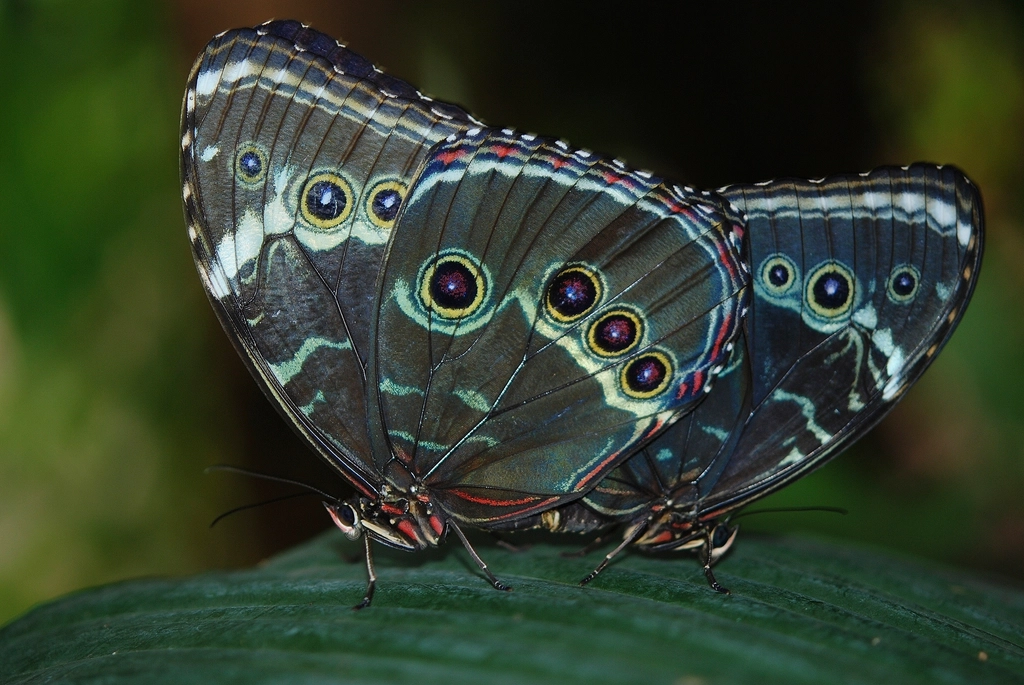 Photo Credit: Rawpixel
In the heart of a sun-drenched meadow, the Painted Lady Butterfly, scientifically known as Vanessa cardui, flutters gracefully from flower to flower. With its wings adorned in a stunning patchwork of orange, black, and white, this butterfly is a living canvas of nature’s artistry. As it dances through the air, it captures the attention of both curious children and seasoned nature enthusiasts alike. The Painted Lady is not just a pretty face; it plays a vital role in our ecosystem, helping to pollinate plants and maintain the delicate balance of life.
What makes the Painted Lady truly captivating is its incredible journey. These butterflies are known for their long migrations, traveling thousands of miles between breeding grounds and wintering habitats. Scientists are fascinated by their ability to navigate such vast distances, often using environmental cues like the position of the sun and the Earth’s magnetic field. This remarkable navigation skill, combined with their vibrant colors and delicate beauty, makes the Painted Lady a symbol of transformation and resilience in the natural world. As we explore the life cycle, behavior, and ecological importance of this enchanting insect, we uncover the secrets that make butterflies a cherished part of our planet’s biodiversity.
Butterflies are enchanting members of the animal kingdom, belonging to the class Insecta and the order Lepidoptera. This order is particularly special because it includes not only butterflies but also moths, which share similar characteristics. What sets butterflies apart is their vibrant colors and delicate wings, which are often adorned with intricate patterns. These features not only make them visually stunning but also play crucial roles in their survival, such as attracting mates and warding off predators. Butterflies are also known for their remarkable life cycle, which includes a transformative process called metamorphosis, where they change from caterpillars into the beautiful winged insects we admire.
| Taxonomic Rank | Scientific Name | Meaning & Significance |
|---|---|---|
| Kingdom | Animalia | The name “Animalia” comes from the Latin word “animalis,” meaning “having breath” or “living.” This reflects the essential characteristic of all animals: they breathe and are alive. |
| Phylum | Arthropoda | “Arthropoda” means “jointed legs” in Greek, highlighting a key feature of this group. All arthropods, including butterflies, have segmented bodies and jointed appendages, which allow for a wide range of movement. |
| Class | Insecta | The term “Insecta” comes from the Latin word “insectum,” meaning “cut into sections.” This refers to the three-part body structure of insects, which includes the head, thorax, and abdomen. |
| Order | Lepidoptera | “Lepidoptera” is derived from the Greek words “lepido,” meaning “scale,” and “ptera,” meaning “wings.” This name is fitting because butterflies and moths have wings covered in tiny, colorful scales that create their stunning patterns. |
Understanding the taxonomic classification of butterflies reveals much about their evolutionary journey. As members of the Arthropoda phylum, they share a common ancestry with other joint-legged animals, showcasing the incredible diversity of life forms that have evolved over millions of years. Their unique adaptations, such as the ability to undergo metamorphosis and their specialized wing structures, highlight the evolutionary pressures that have shaped them into the beautiful and vital pollinators we see today. This classification not only helps scientists study their biology and ecology but also emphasizes the interconnectedness of all living organisms on our planet.
The evolutionary journey of butterflies stretches back over 200 million years, weaving through the tapestry of Earth’s history. These delicate insects first emerged during the Triassic period, a time when dinosaurs roamed the planet. As the world transformed, so did butterflies, adapting to changing climates and ecosystems, ultimately leading to the vibrant species we see today.
Butterflies are descendants of ancient moth-like ancestors that fluttered through the forests of the Mesozoic era. These early insects had simple wings and were primarily nocturnal. Over millions of years, they underwent significant changes, including the development of colorful scales on their wings, which not only made them more visually appealing but also played a crucial role in attracting mates. The transition from a nocturnal lifestyle to a diurnal one, or daytime activity, allowed butterflies to exploit new food sources, such as nectar from flowers. This shift was pivotal, as it opened up a world of opportunities for feeding and reproduction.
These evolutionary adaptations have been crucial for the survival of butterflies. The ability to attract mates with colorful wings ensures the continuation of their species, while metamorphosis allows them to thrive in diverse environments. Their long proboscis opens up a buffet of nectar sources, and their agile flight helps them escape from hungry predators. Together, these traits have made butterflies not just survivors, but also a symbol of beauty and resilience in the natural world.
Butterflies are a stunning spectacle of nature, captivating our eyes with their delicate forms and vibrant colors. Their bodies are structured for grace and agility, featuring a slender torso that supports two pairs of intricately patterned wings. These wings, often larger than their bodies, are adorned with a kaleidoscope of colors and designs, making each butterfly a living piece of art. Their long, slender antennae help them navigate the world, while their legs, often equipped with tiny claws, allow them to perch gracefully on flowers and leaves.
| Feature | Description |
|---|---|
| Size | Typically ranges from 1 to 12 inches in wingspan, depending on the species. |
| Color | Vibrant hues including blues, oranges, yellows, and blacks, often with intricate patterns. |
| Skin Type | Covered in tiny scales that give wings their color and texture. |
| Body Structure | Slender body with a head, thorax, and abdomen, designed for flight. |
| Antennae | Long and feathery, used for sensing the environment and navigating. |
These physical features work together in a remarkable way to enhance the butterfly’s survival. The vibrant colors and patterns on their wings can serve as camouflage, helping them blend into their surroundings and evade predators. The scales on their wings not only create stunning visuals but also help in thermoregulation, allowing butterflies to absorb heat from the sun. Their slender bodies and agile flight enable them to dart quickly from flower to flower, making them efficient pollinators. Together, these characteristics create a perfect blend of beauty and functionality, allowing butterflies to thrive in diverse environments.
Butterflies are often found fluttering through quiet forests and sunlit pastures, where they dance among wildflowers and sip nectar from blossoms. These enchanting insects thrive in environments that offer a mix of open spaces and sheltered areas, allowing them to bask in the sun while also finding protection from predators. Imagine a warm, breezy day, with colorful butterflies flitting from flower to flower, their wings shimmering in the sunlight. This picturesque scene is a typical home for many butterfly species.
Butterflies prefer climates that are warm and temperate, as these conditions help them thrive. They are often found in areas where the temperature is mild, allowing them to be active during the day. These insects are sensitive to extreme weather, so they tend to avoid places that are too cold or too wet. A sunny day is their playground, where they can warm their wings and take flight, searching for food and mates.
To survive in their chosen habitats, butterflies have developed some clever adaptations. Their vibrant colors not only attract mates but also serve as camouflage among flowers and leaves, helping them evade hungry predators. Additionally, many species have evolved to time their life cycles with the blooming of specific plants, ensuring a steady supply of food. This remarkable ability to blend into their surroundings and synchronize with their environment allows butterflies to flourish in diverse landscapes around the globe.
Butterflies lead a daily life filled with vibrant activity and delicate grace. As the sun rises, these colorful insects awaken from their nighttime rest, stretching their wings to soak in the warmth. Their day typically begins with a search for food, as they flit from flower to flower, sipping sweet nectar with their long, straw-like tongues called proboscises. This feeding ritual not only fuels their energy but also plays a crucial role in pollination, helping plants reproduce. Throughout the day, butterflies engage in sunbathing, basking on warm surfaces to regulate their body temperature, which is essential for their flight.
Socially, butterflies exhibit intriguing behaviors that highlight their group dynamics. While many species are solitary, some butterflies gather in groups, especially during migration or when feeding. These gatherings can be a way to find safety in numbers, as predators are less likely to target a large group. Communication among butterflies is often visual, with their bright colors and patterns serving as signals to attract mates or warn rivals. Some species even engage in a behavior called “puddling,” where they congregate around moist areas to drink minerals from the soil, which is vital for their reproductive health.
| Behavior Type | Description |
|---|---|
| Feeding | Butterflies use their proboscis to sip nectar from flowers, which provides energy and aids in pollination. |
| Sunbathing | They bask in the sun to warm their bodies, which is necessary for flight and activity. |
| Group Gathering | Some species form groups for safety, especially during migration or feeding, reducing the risk of predation. |
| Visual Communication | Bright colors and patterns are used to attract mates and signal to others, playing a key role in social interactions. |
| Puddling | Butterflies gather at moist areas to drink minerals, which are important for their reproductive success. |
These behaviors are not just charming; they are essential for survival. By feeding efficiently, regulating their body temperature, and engaging in social interactions, butterflies enhance their chances of thriving in their environments. Their ability to communicate and gather in groups also helps them navigate the challenges of predation and reproduction. In the intricate dance of life, every flutter of a butterfly’s wings contributes to the delicate balance of nature.
Butterflies are primarily herbivores, which means they mainly eat plant-based foods. Their favorite meals consist of nectar, pollen, and honey. To obtain these delicious treats, butterflies use their long, straw-like mouthparts called proboscis. This specialized feeding tool allows them to sip nectar from flowers, much like a straw. When they land on a blossom, they unfurl their proboscis and delicately extract the sweet liquid, which provides them with the energy they need to flutter about and explore their surroundings.
| Dietary Aspect | Details |
|---|---|
| Diet Type | Herbivore |
| Favorite Foods | Nectar, pollen, honey |
| Prey Items | Primarily nectar from flowers |
| Hunting/Foraging Strategies | Using proboscis to sip nectar from blossoms |
This diet plays a crucial role in the butterfly’s ecology and daily routine. By feeding on nectar, butterflies not only fuel their own bodies but also contribute to the pollination of plants. As they move from flower to flower, they help fertilize these plants, allowing them to produce seeds and fruits. This relationship is vital for the health of ecosystems, as it supports plant diversity and provides food for other animals. So, the next time you see a butterfly flitting about, remember that its quest for nectar is not just about satisfying hunger; it’s also about nurturing the world around it.
Butterflies have a captivating mating ritual that often takes place during the warm months of spring and summer. Males typically engage in a dance-like display to attract females, showcasing their vibrant colors and fluttering movements. Once a female is impressed, she will mate with the male, and together they will begin the process of reproduction. This is a crucial time for butterflies, as the right conditions can lead to a successful generation of new butterflies.
| Reproductive Aspect | Details |
|---|---|
| Gestation Period | Eggs hatch in about 10 days, depending on temperature and species. |
| Litter Size | Average of 100 eggs per female. |
| Age of Maturity | Butterflies typically reach maturity in 2 to 4 weeks after hatching. |
| Name of Young | Young butterflies are called caterpillars or larvae. |
After the eggs hatch, the young caterpillars emerge and begin their journey of growth. These tiny larvae are voracious eaters, munching on leaves and plants to fuel their development. As they grow, they will shed their skin several times in a process called molting. Eventually, they will form a protective casing around themselves, known as a chrysalis or pupa. Inside this cocoon, they undergo a magical transformation, changing from a caterpillar into a beautiful butterfly. Once they emerge, they will spread their wings and take to the skies, ready to continue the cycle of life.
Butterflies play a vital role in the food web, serving as both pollinators and prey. These delicate insects help plants reproduce by transferring pollen from one flower to another, which is essential for plant growth and fruit production. However, their beauty also makes them targets for various predators, highlighting the delicate balance of nature.
To defend themselves against these dangers, butterflies have developed several clever strategies. Many species possess bright colors and patterns that can confuse or startle predators, a tactic known as aposematism. Some butterflies even mimic the appearance of toxic species, tricking potential threats into thinking they are unappetizing. Additionally, their ability to quickly flutter away and hide among flowers or foliage helps them evade capture. Through these fascinating adaptations, butterflies continue to thrive in a world filled with challenges.
A keystone species is a vital part of an ecosystem, meaning its presence and activities have a significant impact on the environment and other living things. Butterflies can indeed be considered a keystone species due to their essential roles in pollination and as a food source for various animals. Their delicate beauty and intricate life cycles contribute to the health and balance of their habitats, making them crucial players in the natural world.
Butterflies are remarkable pollinators, helping many plants reproduce by transferring pollen from one flower to another. This process is essential for the growth of fruits, seeds, and new plants. For example, many wildflowers and crops depend on butterflies to thrive, which in turn supports a diverse range of wildlife. Without these colorful insects, the abundance of flowering plants would decline, leading to a ripple effect throughout the ecosystem.
Additionally, butterflies serve as a food source for various animals, including birds, small mammals, and other insects. Their presence supports a complex food web, where each species relies on others for survival. For instance, when birds feed on butterflies, they gain essential nutrients, which helps them thrive and reproduce. This interconnectedness highlights how butterflies contribute to the overall health of their ecosystems.
If butterflies were to disappear, the consequences would be profound. Many plants would struggle to reproduce, leading to a decline in their populations. This would not only affect the plants themselves but also the animals that rely on them for food and shelter. The entire ecosystem could become unbalanced, resulting in a loss of biodiversity and a decline in the health of the environment. In essence, the absence of butterflies would create a domino effect, highlighting just how crucial these delicate insects are to the world around us.
Butterflies occupy a crucial ecological niche as pollinators and indicators of environmental health. These delicate insects flit from flower to flower, sipping nectar and, in the process, transferring pollen. This not only helps plants reproduce but also supports the entire food web. Their presence signals a thriving ecosystem, as they require a variety of plants to survive, making them sensitive to changes in their environment. When butterflies thrive, it often means that the ecosystem is balanced and healthy.
| Ecosystem Service | Impact |
|---|---|
| Pollination | Helps plants reproduce, leading to fruit and seed production. |
| Food Source | Serves as prey for birds and other animals, supporting biodiversity. |
| Soil Health | Contributes to nutrient cycling through their life stages and decay. |
| Habitat Indicator | Reflects the health of their environment, signaling changes in biodiversity. |
Butterflies influence their ecosystems in many specific ways. For instance, when they pollinate flowers, they help produce fruits and seeds that feed other animals, including birds and mammals. This creates a chain reaction, as these animals rely on the plants for food. Additionally, the caterpillars of butterflies serve as a nutritious meal for various predators, including birds and small mammals. By being part of this intricate web of life, butterflies help maintain the balance of their habitats.
The broader ecological importance of butterflies cannot be overstated. As keystone species, their activities support not just their own survival but also the health of entire ecosystems. When butterfly populations decline, it can indicate larger environmental issues, such as habitat loss or climate change. Protecting butterflies means protecting the rich tapestry of life they support, ensuring that our natural world remains vibrant and diverse for generations to come.
In the intricate web of life, butterflies engage in various partnerships with other species, showcasing the beauty of symbiosis. Symbiosis is a term that describes the close interactions between different organisms, which can be beneficial, harmful, or neutral. These relationships are essential for the survival of many species and help maintain the balance of ecosystems. Butterflies, with their delicate presence, participate in these ecological relationships, forming connections that highlight the interconnectedness of life.
| Species/Type | Relationship Type | Description |
|---|---|---|
| Flowers | Mutualistic | Butterflies and flowers share a mutualistic relationship, where butterflies sip nectar from flowers while helping them reproduce by transferring pollen from one bloom to another. |
| Ants | Mutualistic | Some butterflies, like the larvae of the Lycaenidae family, have a mutualistic relationship with ants. The caterpillars secrete a sugary substance that ants love, and in return, ants protect the caterpillars from predators. |
| Parasites (like wasps) | Parasitic | Some butterflies can fall victim to parasitic wasps, which lay their eggs inside the caterpillars. The wasp larvae then consume the caterpillar from the inside, ultimately harming the butterfly. |
These relationships have evolved over millions of years, shaped by the needs and behaviors of the species involved. Mutualistic partnerships, like those between butterflies and flowers or ants, provide essential benefits that enhance survival and reproduction. On the other hand, parasitic relationships illustrate the darker side of nature, where one species benefits at the expense of another. Understanding these connections helps us appreciate the delicate balance of ecosystems and the roles that butterflies play within them.
Butterflies are not just beautiful; they are also full of surprises that reveal the wonders of nature. Here are some intriguing facts that will surely captivate nature enthusiasts of all ages.
Throughout history, butterflies have captivated human imagination and culture. Ancient civilizations often viewed these delicate insects as symbols of transformation and beauty. In many cultures, butterflies represent the soul or the spirit, embodying the idea of rebirth. For instance, in Japanese culture, a butterfly is seen as a representation of a person’s soul, while in Native American traditions, they are considered messengers of change. This deep-rooted connection has inspired art, literature, and folklore, highlighting the profound impact butterflies have had on human thought and creativity.
In today’s world, our interactions with butterflies have evolved significantly. Conservation efforts are underway to protect their habitats, as many species face threats from climate change and habitat loss. Organizations and communities are working together to create butterfly gardens, which provide essential food sources and safe spaces for these insects. However, conflicts can arise, especially in agricultural areas where butterflies may be seen as pests. Some farmers use pesticides that can harm butterfly populations, leading to a delicate balance between agricultural needs and ecological preservation. Additionally, there are efforts to domesticate certain butterfly species for educational purposes, allowing people to learn about their life cycles and ecological importance.
As we look to the future, the relationship between butterflies and humanity holds great potential. With increasing awareness of environmental issues, more people are recognizing the importance of these insects in our ecosystems. By fostering a deeper understanding of butterflies and their roles as pollinators, we can work together to ensure their survival. This partnership can lead to healthier ecosystems and a more vibrant planet. As we nurture our connection with butterflies, we not only protect these beautiful creatures but also enrich our own lives through the wonders of nature.
Butterflies, with their dazzling colors and graceful flight, currently hold a conservation status of “Least Concern” according to the International Union for Conservation of Nature (IUCN). This means that, overall, their populations are stable and not facing immediate threats of extinction. However, this status can vary significantly among different species of butterflies, as some may be experiencing declines due to environmental changes.
| Conservation Factor | Status/Details |
|---|---|
| IUCN Status | Least Concern |
| Population Estimates | Varies by species; many are stable |
| Trend Direction | Generally stable, but some species declining |
Despite their overall stable status, butterflies face several significant threats that can impact their populations. Habitat loss is one of the most pressing issues, as urban development, agriculture, and deforestation reduce the natural spaces where butterflies thrive. Additionally, climate change alters their habitats and food sources, making it harder for them to survive. Pesticides and pollution also pose dangers, affecting their health and reproductive success.
Conservation efforts are underway to protect butterflies and their habitats. Many organizations are working to restore natural environments and promote sustainable practices that benefit these insects. Planting native flowers and creating butterfly gardens can provide essential food sources and breeding grounds. With continued awareness and action, the outlook for butterflies remains hopeful, ensuring that future generations can enjoy their beauty and ecological importance.
| Question | Answer |
|---|---|
| Where do butterflies live? | Butterflies can be found in quiet forests and open pastures. They prefer areas with plenty of flowers, as these provide food and places to lay their eggs. |
| What do butterflies eat? | Butterflies are herbivores, which means they primarily eat plants. Their favorite food is nectar from flowers, but they also consume tree sap, rotting fruit, and even animal dung for nutrients. |
| How do butterflies behave? | Butterflies are known for their graceful flight and colorful wings. They often bask in the sun to warm up and are most active during the day, fluttering from flower to flower. |
| How do butterflies reproduce? | Butterflies undergo a fascinating life cycle that includes four stages: egg, larva (caterpillar), pupa (chrysalis), and adult. After mating, females lay eggs on host plants, which caterpillars will eat once they hatch. |
| What threats do butterflies face? | Butterflies face several threats, including habitat loss due to urban development and agriculture. Pesticides and climate change also pose significant risks to their populations. |
| What are some interesting characteristics of butterflies? | Butterflies have a unique ability to taste with their feet, allowing them to find suitable plants for laying eggs. They also undergo metamorphosis, transforming from a caterpillar into a beautiful adult butterfly. |
| How long do butterflies live? | The lifespan of a butterfly can vary widely depending on the species. Some butterflies live only a few weeks, while others, like the Monarch, can live up to several months during migration. |