Taxonomy & Classification
- Kingdom
- Animalia
- Phylum
- Chordata
- Class
- Actinopterygii
- Order
- Perciformes
- Family
- Chaetodontidae
- Genus
- Chaetodon

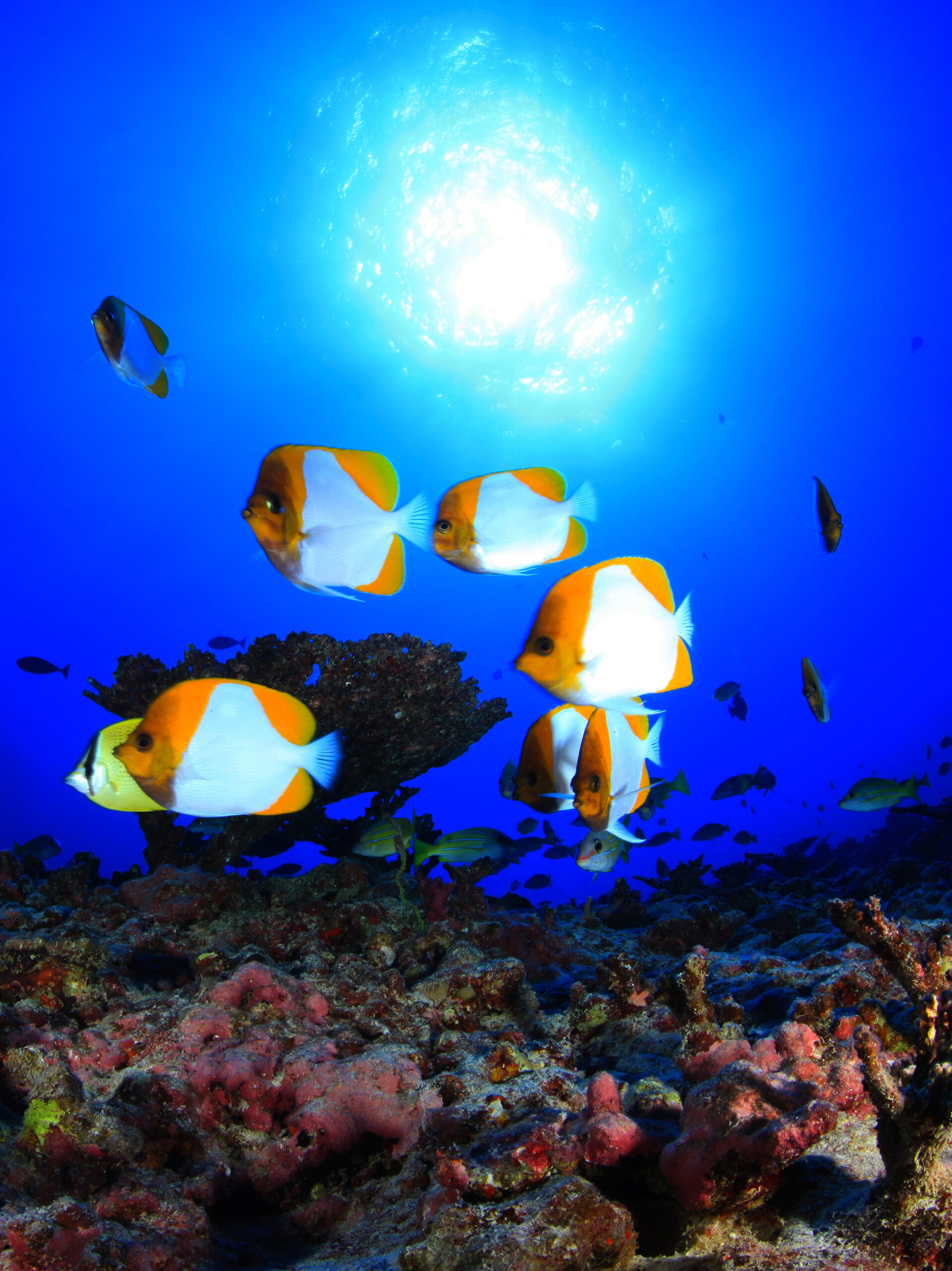 Photo Credit: National Marine Sanctuaries / Wikimedia
Meet the butterfly fish, or Chaetodon, a dazzling inhabitant of the coral reefs that captivates both scientists and nature lovers alike. Picture a sunlit underwater world where these vibrant fish flit gracefully among the corals, their elongated noses and bright colors creating a stunning display against the backdrop of the ocean. With their sleek, flattened bodies, butterfly fish glide effortlessly through the warm, shallow waters, showcasing a palette of yellows, blues, and oranges that seem to dance in the sunlight.
What makes these fish so intriguing is not just their beauty, but their essential role in the marine ecosystem. As they dart in and out of the coral formations, they feast on small invertebrates and algae, helping to maintain the delicate balance of their habitat. Scientists are fascinated by their complex behaviors, including their elaborate mating rituals and symbiotic relationships with other marine species. The butterfly fish is more than just a pretty face; it is a vital player in the underwater world, contributing to the health of coral reefs and the overall biodiversity of our oceans. Join us as we dive deeper into the life of the butterfly fish, exploring its habits, diet, and the challenges it faces in a changing environment.
The butterfly fish, belonging to the family Chaetodontidae, is a vibrant and captivating member of the animal kingdom. These colorful fish are often found in warm, shallow waters of coral reefs, where their striking patterns and shapes help them blend into their surroundings. With over 120 species, butterfly fish are known for their laterally compressed bodies, which allow them to navigate through tight spaces among corals. Their unique adaptations and behaviors, such as forming monogamous pairs, make them a fascinating subject of study in marine biology.
| Taxonomic Rank | Scientific Name | Meaning & Significance |
|---|---|---|
| Kingdom | Animalia | This name signifies that butterfly fish are part of the vast group of multicellular organisms known as animals, which are characterized by their ability to move and respond to their environment. |
| Phylum | Chordata | Chordata means “having a notochord,” a flexible rod that supports the body. This group includes all animals with a backbone, highlighting the evolutionary link between butterfly fish and other vertebrates. |
| Class | Actinopterygii | Actinopterygii translates to “ray-finned fishes,” referring to the bony rays that support their fins. This classification emphasizes their adaptation to life in water, allowing for agile swimming. |
| Order | Perciformes | Perciformes means “perch-like,” indicating that these fish share common features with perch and other similar species. This order is one of the largest in the fish world, showcasing a wide variety of forms and habitats. |
| Family | Chaetodontidae | Chaetodontidae comes from the Greek words “chaetos,” meaning hair, and “odous,” meaning tooth. This name reflects the small, comb-like teeth of butterfly fish, which are perfect for scraping algae off coral. |
| Genus | Chaetodon | Chaetodon combines “chaetos” and “odon,” meaning “hairy tooth.” This name highlights the distinctive tooth structure that helps these fish thrive in their coral reef environments. |
Understanding the taxonomic position of butterfly fish reveals much about their evolutionary journey. As members of the Chordata phylum, they share a common ancestry with all vertebrates, while their classification within the Actinopterygii class showcases their adaptation to aquatic life. The unique features that define the Chaetodontidae family, such as their specialized teeth and vibrant colors, illustrate how these fish have evolved to thrive in the complex ecosystems of coral reefs. This intricate web of relationships not only highlights the butterfly fish’s place in the tree of life but also emphasizes the importance of biodiversity in our oceans.
The evolutionary journey of butterfly fish, belonging to the family Chaetodontidae, stretches back millions of years, tracing its roots to the ancient oceans of the Eocene epoch, around 56 million years ago. This period marked a time of significant change in marine life, as the ancestors of modern fish began to diversify and adapt to various ecological niches. Over time, these fish evolved into the vibrant and specialized forms we see today, thriving in the warm, shallow waters of coral reefs.
The ancestral forms of butterfly fish were likely more generalized in their body shape and feeding habits. As they adapted to their environments, they underwent major evolutionary transitions, developing features that allowed them to exploit the rich resources of coral reefs. One of the most significant changes was the evolution of their flattened bodies, which helped them maneuver through the complex structures of coral. This adaptation not only improved their ability to hide from predators but also allowed them to access food sources that other fish could not reach.
These adaptations have been crucial for the survival of butterfly fish in their vibrant ecosystems. Their striking colors not only help them blend into the coral but also attract potential mates, ensuring the continuation of their species. The specialized mouths enable them to thrive on a diet of coral polyps and small invertebrates, while their social structures provide safety in numbers. Together, these traits have allowed butterfly fish to flourish in the diverse and competitive world of coral reefs, making them a vital part of marine biodiversity.
The butterfly fish is a dazzling spectacle of the underwater world, showcasing a body that is both sleek and vibrant. With a flattened shape, these fish glide gracefully through the coral reefs, resembling living jewels in a sea of blue. Their bodies are adorned with a kaleidoscope of colors, making them stand out against the backdrop of their colorful habitats. This striking appearance not only captivates the eyes of divers and snorkelers but also plays a crucial role in their survival.
| Feature | Description |
|---|---|
| Weight | 20-80 grams |
| Skin Type | Scales |
| Most Distinctive Feature | Bright colors |
The butterfly fish’s bright colors serve multiple purposes in its life. These vivid hues not only attract mates during the breeding season but also help in camouflage among the colorful corals and anemones. By blending in with their surroundings, they can evade predators and sneak up on prey. Their lightweight, streamlined bodies allow for quick movements, making them agile swimmers in the bustling reef environment. Together, these features create a perfect blend of beauty and functionality, ensuring that butterfly fish thrive in their vibrant underwater homes.
The butterfly fish thrives in the vibrant underwater world of coral reefs, where the sun’s rays dance through the water, illuminating a kaleidoscope of colors. These fish are often seen darting among the intricate structures of coral, which provide both shelter and food. The reefs are bustling ecosystems, teeming with life, and the butterfly fish play a vital role in this underwater community. Their bright hues and patterns not only make them a delight to observe but also help them blend into the colorful surroundings, offering protection from predators.
Butterfly fish prefer warm, tropical waters, typically found in areas where the temperature ranges from 24 to 28 degrees Celsius (75 to 82 degrees Fahrenheit). They thrive in environments with plenty of sunlight, which is essential for the health of coral reefs. These fish are often found in shallow lagoons, mudflats, and seagrass beds, where they can easily access their favorite foods, such as coral polyps and small invertebrates. The clarity of the water is also important, as it allows them to spot both food and potential threats.
To survive in their specific habitats, butterfly fish have developed several fascinating adaptations. Their flattened bodies allow them to maneuver easily through the nooks and crannies of coral reefs, while their vibrant colors help them blend in with the corals and other marine life. This camouflage is crucial for avoiding predators. Additionally, their specialized mouths are perfectly designed for feeding on coral, allowing them to nibble on the tiny organisms that live within. These adaptations not only enhance their survival but also contribute to the overall health of the coral reef ecosystem.
As the sun rises over the coral reefs, butterfly fish begin their day with a flurry of activity. These lively fish are often seen darting in and out of the colorful corals, searching for breakfast. Their diet mainly consists of small invertebrates, like tiny shrimp and coral polyps. Throughout the day, they engage in a variety of behaviors, from foraging for food to exploring their vibrant surroundings. Butterfly fish are known for their graceful swimming patterns, which allow them to navigate the complex structures of the reef with ease.
Socially, butterfly fish are quite engaging. They often form schools, which are groups of fish that swim together for protection and companionship. This schooling behavior not only helps them avoid predators but also allows them to communicate with one another. When they swim in unison, it creates a mesmerizing display that can confuse potential threats. Within these schools, butterfly fish establish a social hierarchy, where certain individuals may dominate feeding spots or preferred swimming areas.
| Behavior Type | Description |
|---|---|
| Foraging | Butterfly fish search for food among the corals, using their specialized mouths to pick at small invertebrates. |
| Schooling | They swim in groups, which provides safety in numbers and enhances their ability to find food. |
| Communication | Butterfly fish use body movements and color changes to signal to each other, helping maintain group cohesion. |
| Territorial Behavior | Some species may defend specific areas of the reef, ensuring access to food and shelter. |
These behaviors are crucial for the survival of butterfly fish. By foraging in groups, they increase their chances of finding food while reducing the risk of becoming a meal themselves. Their social structures and communication methods help them navigate the challenges of their environment, ensuring they thrive in the bustling underwater world of coral reefs. Through cooperation and clever strategies, butterfly fish continue to enchant us with their vibrant presence and dynamic lives.
Butterfly fish are omnivores, which means they enjoy a varied diet that includes both plant matter and small invertebrates. These vibrant fish are often seen foraging among the coral reefs, where they use their specialized mouths to nibble on algae and other plant life. Their feeding behavior is quite fascinating; they often dart in and out of crevices, skillfully picking off tiny creatures like shrimp and other small invertebrates that hide among the corals. This adaptability in their diet allows them to thrive in their colorful underwater homes.
| Dietary Aspect | Details |
|---|---|
| Diet Type | Omnivore |
| Favorite Foods | Algae, small invertebrates |
| Prey Items | Shrimp, small crustaceans |
| Hunting/Foraging Strategies | Darting in and out of coral, using specialized mouths to nibble |
This diverse diet not only supports the butterfly fish’s health but also plays a crucial role in the coral reef ecosystem. By feeding on algae, they help keep the reefs clean and promote the growth of corals. Their daily routine of foraging and feeding is essential for maintaining the balance of their vibrant habitat, showcasing how interconnected life is in the underwater world.
Butterfly fish have a captivating mating ritual that often takes place during the warmer months when conditions are just right. During the breeding season, males and females engage in a series of elaborate courtship displays. These displays can include synchronized swimming and gentle nudging, which help strengthen their bond. Once a pair has formed, they will often stay together for the duration of the breeding season, working as a team to ensure the survival of their future offspring.
| Reproductive Aspect | Details |
|---|---|
| Gestation Period | 30 hours |
| Litter Size | Hundreds of eggs |
| Age of Maturity | 1 year |
| Name of Young | Fry |
After the eggs are fertilized, they hatch into tiny fry, which are the young butterfly fish. These fry are incredibly small and vulnerable, drifting in the currents of the ocean. Interestingly, the parents do not provide direct care for their young after the eggs are laid. Instead, the fry must fend for themselves, relying on their instincts to find food and avoid predators. As they grow, they gradually develop the vibrant colors and patterns that make butterfly fish so enchanting. Over time, these young fish will mature into adults, ready to join the bustling life of the coral reef.
Butterfly fish play a crucial role in the marine food web, serving as both prey and predator. These colorful fish are often found in coral reefs, where they feast on small invertebrates and algae. However, their vibrant appearance also makes them a target for larger predators. In the delicate balance of the ocean ecosystem, butterfly fish contribute to the health of coral reefs while also being vulnerable to various threats.
To survive against these dangers, butterfly fish have developed several clever strategies. They often hide among the coral, using their bright colors as camouflage to blend in with the vibrant reef environment. When threatened, they can quickly dart into crevices or behind coral formations, making it difficult for predators to reach them. Additionally, their social behavior allows them to swim in groups, providing safety in numbers. By utilizing these defensive tactics, butterfly fish navigate the challenges of their underwater world, ensuring their survival amidst the many dangers they face.
A keystone species is an organism that has a disproportionately large impact on its environment relative to its abundance. In simpler terms, these species play a crucial role in maintaining the structure of an ecosystem. The butterfly fish, with its vibrant colors and essential behaviors, qualifies as a keystone species in coral reef ecosystems. Its presence helps to shape the community of organisms that live in these underwater habitats.
Butterfly fish are vital to the health of coral reefs. They feed on algae and small invertebrates, helping to control algal growth. This is important because excessive algae can smother corals, blocking sunlight and disrupting the delicate balance of the reef ecosystem. By keeping algae in check, butterfly fish promote coral health and growth, allowing the reef to thrive. Additionally, their foraging behavior helps to disperse coral larvae, which is essential for the reproduction and spread of coral species.
Moreover, butterfly fish are a food source for larger predators, such as groupers and barracudas. Their role in the food web is significant; without them, these predators would struggle to find enough food. The butterfly fish also contribute to the biodiversity of the reef. Their varied diet and behaviors support a wide range of other marine life, creating a rich tapestry of interactions that sustain the ecosystem.
If butterfly fish were to disappear, the consequences would ripple through the entire coral reef ecosystem. Algal overgrowth would likely occur, leading to the decline of coral health and potentially causing widespread coral bleaching. This would not only affect the corals but also the myriad of species that depend on them for habitat and food. The loss of butterfly fish would disrupt the balance of the food web, leading to a decline in larger predators and a significant reduction in biodiversity. In essence, the disappearance of butterfly fish would signal a troubling decline in the health of coral reefs, highlighting their importance in maintaining the vibrant underwater world.
The butterfly fish occupies a vital ecological niche within coral reef ecosystems. These vibrant fish are not just beautiful to look at; they play a significant role in maintaining the health and balance of their underwater homes. By feeding on algae and small invertebrates, butterfly fish help control algal growth, ensuring that corals receive the sunlight they need to thrive. This interaction highlights the interconnectedness of life in coral reefs, where each species contributes to the overall health of the ecosystem.
| Ecosystem Service | Impact |
|---|---|
| Algal Control | Prevents overgrowth that can smother corals |
| Food Source | Serves as prey for larger fish and marine animals |
| Habitat Structure | Contributes to the biodiversity of coral reefs |
| Pollination | Assists in the reproduction of certain marine plants |
The influence of butterfly fish extends beyond their immediate feeding habits. For instance, by grazing on algae, they help maintain a balance that allows corals to flourish. This is crucial because healthy corals provide shelter and breeding grounds for countless marine species. Additionally, butterfly fish are often seen in pairs, showcasing their social behavior, which can encourage other species to thrive in the same area. Their presence can also attract larger predators, creating a dynamic food web that supports a variety of marine life.
The broader ecological importance of butterfly fish cannot be overstated. As a keystone species, their activities help sustain the delicate balance of coral reef ecosystems. When butterfly fish populations are healthy, the entire reef benefits, leading to increased biodiversity and resilience against environmental changes. Protecting these colorful fish is essential not only for their survival but also for the health of the vibrant underwater world they help sustain. By understanding their role, we can appreciate the intricate web of life that exists beneath the waves.
In the intricate web of life beneath the waves, butterfly fish engage in various partnerships with other species, showcasing the beauty of symbiosis. Symbiosis is a term that describes the close interactions between different species, which can be beneficial, harmful, or neutral. These relationships are essential for the health of ecosystems, especially in vibrant habitats like coral reefs. Here, butterfly fish not only thrive but also contribute to the balance of their underwater world through their interactions with other marine life.
| Species/Type | Relationship Type | Description |
|---|---|---|
| Cleaner Shrimp | Mutualistic | Butterfly fish often visit cleaner shrimp, which remove parasites and dead skin from their bodies. In return, the shrimp get a meal, benefiting both parties. |
| Coral | Commensal | Butterfly fish rely on coral reefs for shelter and food. While the coral is not harmed, the fish gain protection and a source of nutrition, creating a one-sided benefit. |
| Sea Anemones | Mutualistic | Some butterfly fish are known to associate with sea anemones, which provide safety with their stinging tentacles. The fish help keep the anemones clean, benefiting both species. |
These relationships have evolved over time, shaped by the needs and behaviors of the species involved. Mutualistic partnerships, like those with cleaner shrimp, highlight how cooperation can lead to greater survival for both parties. Meanwhile, commensal relationships with coral demonstrate how one species can thrive without negatively impacting another. As butterfly fish navigate their colorful world, they not only enhance their own lives but also contribute to the health and stability of the entire reef ecosystem. This interconnectedness is a reminder of the delicate balance that sustains life in our oceans.
Butterfly fish are not just a feast for the eyes; they are also full of surprises that reveal the wonders of marine life. These colorful fish, with their bright hues and unique behaviors, play an important role in the underwater ecosystem. Here are some intriguing facts that showcase their remarkable nature.
Throughout history, butterfly fish have captivated the imaginations of people around the world. These vibrant creatures, often seen gliding gracefully through coral reefs, have been featured in art, folklore, and even ancient texts. In many cultures, they symbolize beauty and grace, embodying the enchanting allure of the ocean. Fishermen and divers have long admired their colors and patterns, often associating them with good fortune. As a result, butterfly fish have become a significant part of coastal communities, inspiring stories and traditions that celebrate the wonders of marine life.
In modern times, the relationship between butterfly fish and humanity has evolved, reflecting both our admiration for these fish and the challenges they face. Conservation efforts are underway to protect their habitats, as coral reefs are increasingly threatened by climate change, pollution, and overfishing. While some people engage in responsible snorkeling and diving to appreciate these fish in their natural environment, others may inadvertently harm them through destructive fishing practices or habitat degradation. Additionally, the aquarium trade has led to the domestication of certain butterfly fish species, raising concerns about sustainability and the impact on wild populations.
Looking ahead, the future of the relationship between butterfly fish and humanity hinges on our ability to balance admiration with responsibility. As we continue to explore the underwater world, it is crucial to foster a sense of stewardship for these vibrant fish and their habitats. By supporting conservation efforts and promoting sustainable practices, we can ensure that future generations will also be able to marvel at the beauty of butterfly fish, preserving their role in the delicate tapestry of marine ecosystems. Together, we can create a harmonious relationship that benefits both humans and the enchanting creatures of the sea.
The conservation status of butterfly fish is currently classified as “Least Concern” by the International Union for Conservation of Nature (IUCN). This means that, overall, they are not considered at immediate risk of extinction. However, while their population size is not precisely known, it is believed to be stable in many areas. This is encouraging news, but it’s essential to keep monitoring their numbers to ensure they remain healthy and thriving in their vibrant coral reef habitats.
| Conservation Factor | Status/Details |
|---|---|
| IUCN Status | Least Concern |
| Estimated Population Size | Unknown |
| Population Trend | Stable |
Despite their current stable status, butterfly fish face several significant threats. One of the most pressing dangers is habitat loss due to coral reef degradation. Coral reefs are sensitive ecosystems that can be harmed by climate change, pollution, and overfishing. When these reefs suffer, so do the butterfly fish that rely on them for food and shelter. Additionally, the aquarium trade can impact certain species, as they are often collected from the wild to be sold as pets, which can further strain local populations.
Conservation efforts are underway to protect butterfly fish and their habitats. Marine protected areas (MPAs) are being established to safeguard coral reefs from destructive practices and to promote biodiversity. These efforts aim to create safe havens where butterfly fish can thrive alongside other marine life. With continued awareness and action, the outlook for butterfly fish remains hopeful, as they play a vital role in the health of coral reef ecosystems. By supporting conservation initiatives, we can help ensure that these colorful fish continue to grace our oceans for generations to come.
| Question | Answer |
|---|---|
| Where do Butterfly Fish live? | Butterfly Fish are commonly found in coral reefs, mudflats, seagrass beds, and lagoons. These vibrant fish thrive in warm, shallow waters where they can easily find food and shelter among the corals. |
| What do Butterfly Fish eat? | Butterfly Fish are omnivores, which means they eat both plants and animals. Their diet mainly consists of coral polyps, small invertebrates, and algae, allowing them to play an important role in their ecosystem. |
| How do Butterfly Fish behave? | Butterfly Fish are known for their curious and social nature. They often swim in pairs or small groups, exploring their surroundings and communicating with each other through body movements and color changes. |
| How do Butterfly Fish reproduce? | Butterfly Fish typically reproduce by spawning, which means they release eggs and sperm into the water at the same time. This usually happens during specific times of the year, often linked to the lunar cycle, ensuring the best chance for the eggs to survive. |
| What threats do Butterfly Fish face? | While Butterfly Fish are currently classified as Least Concern, they still face threats from habitat destruction, pollution, and climate change. Coral reef degradation can significantly impact their populations, as they rely on healthy reefs for food and shelter. |
| What is a unique characteristic of Butterfly Fish? | One of the most distinctive features of Butterfly Fish is their bright colors and patterns. These vibrant hues not only make them beautiful but also help them blend into their coral reef environments, providing camouflage from predators. |
| Can Butterfly Fish change color? | Yes, Butterfly Fish can change color to communicate with each other or to blend in with their surroundings. This ability helps them avoid predators and establish social bonds with other fish. |