Taxonomy & Classification
- Kingdom
- Animalia
- Phylum
- Arthropoda
- Class
- Insecta
- Order
- Lepidoptera
- Family
- Pyralidae
- Genus
- Cactoblastis
- Species
- C. cactorum

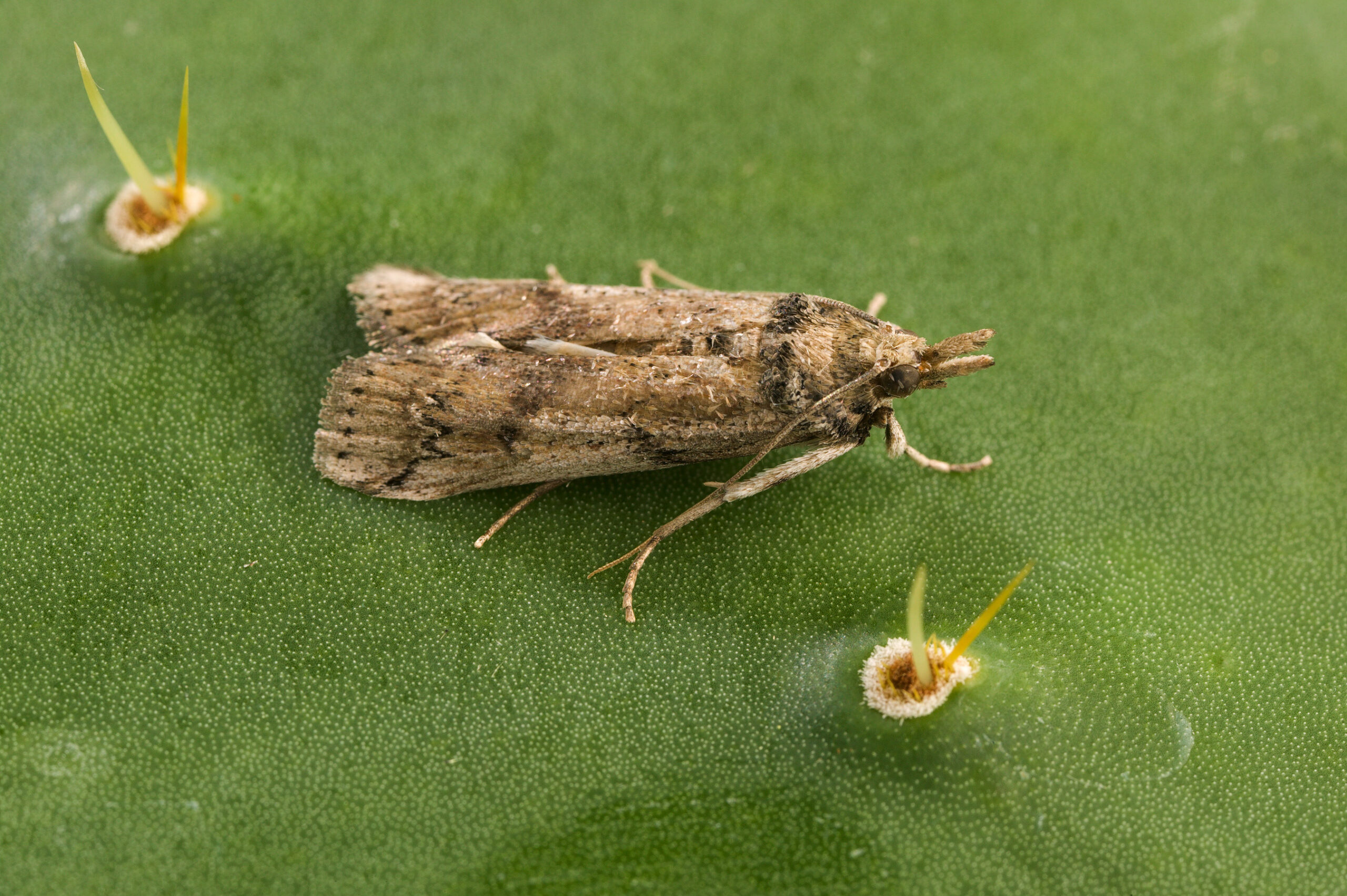 Photo Credit: Wikipedia
In the sun-drenched deserts of the southwestern United States, the Cactus Moth, or Cactoblastis cactorum, flits gracefully among the towering cacti. With its delicate wings adorned in a stunning array of earthy tones, this nocturnal insect blends seamlessly into its arid surroundings. As dusk falls, the Cactus Moth emerges from its daytime hiding spots, ready to explore the vibrant world of prickly pear and saguaro. Its unique adaptations, such as a specialized diet that focuses on the pads and fruits of cacti, make it a vital player in the desert ecosystem, capturing the attention of scientists and nature lovers alike.
What truly sets the Cactus Moth apart is its fascinating life cycle and behavior. As it dances through the night air, male moths release pheromones—chemical signals that attract females—creating a captivating spectacle of courtship. This intricate mating ritual, combined with its role as both herbivore and prey, highlights the Cactus Moth’s importance in maintaining the balance of its environment. With each flutter of its wings, this remarkable insect not only showcases the beauty of nature but also serves as a reminder of the delicate connections that sustain life in the desert. Join us as we delve deeper into the world of the Cactus Moth, exploring its habitat, diet, and the critical role it plays in the ecosystem.
The Cactus Moth, scientifically known as Cactoblastis cactorum, occupies a fascinating niche in the tree of life. This intriguing insect belongs to the kingdom Animalia, which includes all animals, and is part of the phylum Arthropoda, home to creatures with exoskeletons, segmented bodies, and jointed legs. As a member of the order Lepidoptera, which encompasses butterflies and moths, the Cactus Moth is particularly notable for its specialized diet, feeding primarily on cacti. This unique adaptation not only shapes its lifestyle but also influences the ecosystems where it thrives, making it a key player in the balance of desert environments.
| Taxonomic Rank | Scientific Name | Meaning & Significance |
|---|---|---|
| Kingdom | Animalia | The kingdom of all animals, highlighting the Cactus Moth’s status as a living organism. |
| Phylum | Arthropoda | Meaning “jointed legs,” this name reflects the Cactus Moth’s segmented body and exoskeleton. |
| Class | Insecta | From the Latin word for “cut,” this class includes insects, which are characterized by their three-part bodies and six legs. |
| Order | Lepidoptera | This name means “scale wings,” referring to the tiny scales that cover the wings of moths and butterflies, giving them their vibrant colors. |
| Family | Pyralidae | Commonly known as snout moths, this family name comes from the distinctive snout-like mouthparts of many members. |
| Genus | Cactoblastis | Derived from “cactus” and “blast,” meaning to destroy, this name highlights the moth’s role in feeding on cacti. |
| Species | cactorum | This species name directly references its primary food source, the cactus, emphasizing its ecological niche. |
The classification of the Cactus Moth reveals much about its evolutionary journey. Its position within the Lepidoptera order indicates a long history of adaptation to specific environments, particularly arid regions where cacti flourish. By evolving to feed on these plants, the Cactus Moth has carved out a unique ecological role, showcasing the intricate connections between species and their habitats. This relationship not only highlights the moth’s survival strategies but also underscores the delicate balance of desert ecosystems, where every organism plays a vital part in the web of life.
The evolutionary journey of the Cactus Moth, or Cactoblastis cactorum, stretches back millions of years, intertwining with the history of cacti themselves. This moth is a member of the Pyralidae family, which is known for its diverse and adaptable species. As cacti evolved to thrive in arid environments, so too did the Cactus Moth, developing traits that allowed it to exploit these unique plants as both habitat and food source.
The ancestors of the Cactus Moth likely resembled other moths in the Pyralidae family, which are known for their ability to feed on various plant materials. Over time, as cacti emerged and diversified in the deserts of the Americas, the Cactus Moth adapted to this new ecological niche. One major transition was the development of specialized mouthparts that allowed it to feed on the tough, fibrous tissues of cacti. This adaptation not only provided a reliable food source but also reduced competition with other herbivores that could not digest the cactus material.
These evolutionary adaptations have been crucial for the survival of the Cactus Moth in its harsh desert environment. By developing specialized feeding mechanisms, effective camouflage, and a life cycle that aligns with its food source, the Cactus Moth has carved out a successful niche. This remarkable ability to adapt to the challenges of its environment showcases the intricate dance of evolution, where survival often hinges on the smallest of changes.
The Cactus Moth is a striking insect that captures attention with its delicate yet sturdy form. Its wings, when spread, reveal a beautiful tapestry of colors that mimic the arid landscapes it inhabits. The body is slender and elongated, allowing it to navigate through the spiny arms of cacti with ease. With a wingspan that can reach up to 2 inches, this moth is not just a small visitor; it’s a vibrant part of its ecosystem, blending seamlessly into the desert environment.
| Feature | Description |
|---|---|
| Size | Wingspan of up to 2 inches (5 cm) |
| Color | Light brown to tan with darker mottled patterns |
| Skin Type | Soft, velvety texture on wings |
| Body Shape | Slender and elongated, aiding in maneuverability |
| Eyes | Large and prominent, enhancing vision in low light |
The Cactus Moth’s features are not just for show; they play vital roles in its survival. The soft, velvety texture of its wings helps it blend into the sandy and spiny surroundings, making it less visible to predators. Its coloration, with light browns and tans, mimics the desert landscape, providing excellent camouflage. The large eyes allow it to navigate effectively during twilight hours when it is most active, ensuring it can find food and avoid danger. Together, these characteristics create a perfect adaptation to life among the cacti, showcasing the intricate relationship between form and function in nature.
The Cactus Moth thrives in the sun-drenched landscapes of deserts and arid regions, where cacti stand tall and proud. Picture a vast expanse dotted with spiky green plants, their vibrant flowers bursting forth in a riot of colors. This is the perfect home for the Cactus Moth, as it relies on these hardy plants not just for shelter, but also as a vital food source for its larvae. The warm, dry air and sandy soil create an environment that is both challenging and rewarding, allowing this moth to flourish in its unique niche.
To thrive, the Cactus Moth requires a climate that is typically hot and dry, with plenty of sunshine. These moths are well-suited to environments where rainfall is scarce, as they have adapted to survive in conditions that would challenge many other species. The warmth of the sun helps to keep their bodies active, while the arid conditions ensure that their primary food source, cacti, is abundant and healthy.
Adaptation is key to the Cactus Moth’s success in these harsh habitats. Its life cycle is intricately tied to the cacti, as the moth lays its eggs on the flat pads of these plants. Once the larvae hatch, they feast on the cactus tissue, which provides them with the nutrients they need to grow. This close relationship with cacti not only offers food but also protection from predators. By evolving to thrive in such specific conditions, the Cactus Moth has carved out a niche that allows it to flourish where few others can.
The Cactus Moth, or Cactoblastis cactorum, leads a life that is both intriguing and essential to its desert ecosystem. As a nocturnal insect, it comes alive under the cover of darkness, fluttering around cacti and other plants. Each night, it embarks on a quest for food, primarily feasting on the pads and flowers of cacti. This feeding frenzy not only sustains the moth but also plays a role in pollination, helping to ensure the survival of the very plants it depends on. As dawn approaches, the Cactus Moth seeks refuge, hiding among the spines of cacti or in crevices to avoid predators.
Socially, Cactus Moths are generally solitary creatures, but they do exhibit interesting behaviors when it comes to mating. Males often release pheromones, which are chemical signals that attract females from a distance. This communication method is crucial for reproduction, as it helps ensure that males and females find each other in the vast desert landscape. While they may not form large groups, their interactions during mating season can create a temporary gathering of individuals, showcasing a brief but vital social dynamic.
| Behavior Type | Description |
|---|---|
| Feeding | Cactus Moths primarily feed on the pads and flowers of cacti, which provides them with essential nutrients. |
| Mating | Males release pheromones to attract females, facilitating reproduction in the desert environment. |
| Hiding | During the day, they seek shelter among cactus spines or in crevices to avoid predators. |
| Solitary Behavior | While generally solitary, they may gather temporarily during mating season. |
The behaviors of the Cactus Moth are finely tuned to its environment, ensuring its survival in a challenging habitat. By feeding on cacti, it not only sustains itself but also contributes to the health of these plants through pollination. The use of pheromones for mating allows for successful reproduction, while their ability to hide during the day protects them from predators. Each of these activities plays a crucial role in the delicate balance of life in the desert, showcasing the interconnectedness of all living things.
The Cactus Moth, or Cactoblastis cactorum, has a diet that is both diverse and specialized. As an omnivore, it feeds on a variety of plant materials, primarily focusing on the pads and fruits of cacti. This feeding behavior is not just a matter of preference; it plays a crucial role in the moth’s life cycle and the health of its ecosystem. By consuming these plants, the Cactus Moth helps to control cactus populations, which can become overgrown in certain environments.
| Dietary Aspect | Details |
|---|---|
| Diet Type | Omnivore |
| Favorite Foods | Cactus pads and fruits |
| Prey Items | Primarily plant material, especially cacti |
| Hunting/Foraging Strategies | Feeding primarily occurs at night, using its keen sense of smell to locate food |
The diet of the Cactus Moth significantly influences its daily routine and ecological role. By feeding on cacti, it not only sustains itself but also participates in the delicate balance of its desert habitat. This relationship helps maintain the health of cactus populations, ensuring that these iconic plants continue to thrive in their arid environments. The Cactus Moth’s nocturnal foraging habits also allow it to avoid many daytime predators, making it a clever survivor in the wild.
The mating behavior of the Cactus Moth is a captivating spectacle that unfolds during the warm months of spring and summer. As the sun sets, male moths take to the air, releasing pheromones—chemical signals that attract females. Once a female is located, the male performs a series of fluttering dances to impress her. If she is receptive, they mate, and the female begins her important task of laying eggs. This breeding season is crucial for the continuation of their species, as it ensures the next generation will emerge to thrive in their arid habitats.
| Reproductive Aspect | Details |
|---|---|
| Gestation Period | Approximately 10 days |
| Litter Size | Up to 200 eggs |
| Age of Maturity | About 4 to 6 weeks |
| Name of Young | Larvae or caterpillars |
After the female lays her eggs, they hatch into tiny larvae, commonly known as caterpillars. These young moths are voracious eaters, primarily feeding on the pads and fruits of cacti. As they munch away, they grow rapidly, shedding their skin several times in a process called molting. This growth phase lasts about four to six weeks, during which they develop into pupae, a transitional stage before becoming adults. Once they emerge from their cocoons, they are ready to take flight, continuing the cycle of life in the desert ecosystem. The Cactus Moth’s journey from egg to adult is a testament to the resilience and adaptability of life in challenging environments.
The Cactus Moth, or Cactoblastis cactorum, plays a vital role in its ecosystem, particularly within the food web of desert environments. As both a herbivore and a prey species, it interacts with various plants and animals. The moth feeds on cacti, which are crucial for its survival, while also serving as a food source for a range of predators. This delicate balance highlights the interconnectedness of life in arid regions, where every species has a part to play.
To defend itself against these dangers, the Cactus Moth has developed several survival strategies. Its coloration helps it blend into the desert landscape, making it less visible to hungry eyes. Additionally, the moth’s nocturnal habits allow it to avoid many predators that are active during the day. When threatened, it can also rely on its ability to quickly dart away, using its agile flight to escape danger. These adaptations are essential for the Cactus Moth, allowing it to thrive in a world filled with challenges.
A keystone species is an organism that has a disproportionately large impact on its environment relative to its abundance. These species help maintain the structure of an ecosystem, influencing the types and numbers of other species present. The Cactus Moth, or Cactoblastis cactorum, is often considered a keystone species in desert ecosystems where cacti are prevalent. Its role is crucial, as it not only affects the health of cactus populations but also influences the entire community of organisms that depend on these plants.
The Cactus Moth primarily feeds on cacti, particularly their pads and fruits. By doing so, it helps control cactus populations, preventing any one species from dominating the landscape. This feeding behavior creates space for other plants to thrive, promoting biodiversity. Additionally, the moth serves as a food source for various predators, including birds and other insects. This connection illustrates how the Cactus Moth supports the food web, linking plant life to higher trophic levels.
Moreover, the Cactus Moth plays a role in pollination. While it primarily feeds on cactus pads, it also visits flowers, inadvertently transferring pollen from one bloom to another. This process is vital for the reproduction of many cactus species, ensuring that they can produce seeds and continue their life cycle. The health of cactus populations, in turn, supports a variety of other species that rely on these plants for shelter and food.
If the Cactus Moth were to disappear, the consequences could be significant. Without this moth, cactus populations might grow unchecked, leading to a decline in plant diversity. This shift could disrupt the entire ecosystem, affecting not only the plants but also the animals that depend on cacti for food and shelter. The loss of the Cactus Moth would ripple through the food web, potentially leading to a decline in predator species and altering the balance of life in these arid landscapes. The intricate connections within the ecosystem highlight just how vital the Cactus Moth is to its environment.
The Cactus Moth, known scientifically as Cactoblastis cactorum, plays a vital role in shaping its desert ecosystem. This nocturnal insect thrives in arid regions, where it primarily feeds on cacti. By doing so, it helps regulate cactus populations, ensuring that these plants do not overgrow and dominate the landscape. This balance is crucial, as it allows other plant species to flourish, promoting biodiversity in the desert environment. The Cactus Moth’s activities create a ripple effect, influencing various aspects of the ecosystem.
| Ecosystem Service | Impact |
|---|---|
| Herbivory | Controls cactus growth, preventing overpopulation |
| Food Source | Serves as prey for birds and other desert animals |
| Pollination | Contributes to the pollination of certain desert plants |
| Soil Health | Facilitates nutrient cycling through plant decay |
The influence of the Cactus Moth extends beyond just its feeding habits. For instance, as it consumes cactus pads and fruits, it creates openings for other plants to grow, fostering a diverse plant community. Additionally, the moth’s presence attracts various predators, such as birds and lizards, which rely on it as a food source. This interaction helps maintain the balance of the food web in the desert, where every species plays a part in the survival of others. Moreover, the Cactus Moth can also aid in pollination, as it flits from flower to flower, helping to fertilize plants and promote their reproduction.
The broader ecological importance of the Cactus Moth cannot be overstated. As a keystone species, it significantly influences the structure and health of its ecosystem. By regulating cactus populations and supporting a variety of other species, the Cactus Moth helps maintain the delicate balance of life in arid environments. This intricate web of interactions highlights the importance of every organism, no matter how small, in sustaining the rich tapestry of nature. Understanding the role of the Cactus Moth encourages us to appreciate the complexity of ecosystems and the interconnectedness of all living things.
In the intricate web of life, symbiosis refers to the close interactions between different species, which can take many forms. These relationships can be mutualistic, where both species benefit, parasitic, where one benefits at the other’s expense, or commensal, where one benefits while the other is neither helped nor harmed. The Cactus Moth, or Cactoblastis cactorum, engages in various ecological partnerships that highlight the complexity of its role in the desert ecosystem.
| Species/Type | Relationship Type | Description |
|---|---|---|
| Cacti | Mutualistic | The Cactus Moth feeds on cacti, helping to pollinate them while also benefiting from the nutrients they provide. |
| Predatory insects (e.g., wasps) | Parasitic | Some predatory insects may lay eggs on or near Cactus Moth larvae, using them as a food source for their own young. |
| Birds | Commensal | Birds may feed on Cactus Moths, benefiting from a food source while the moths do not gain or lose anything directly from this interaction. |
The evolution of these relationships showcases the dynamic nature of ecosystems. Over time, the Cactus Moth has adapted to thrive alongside cacti, developing a mutualistic bond that enhances both species’ survival. Meanwhile, the presence of predators keeps the moth population in check, ensuring a balance in the ecosystem. These interactions illustrate how interconnected life is in the desert, where every species plays a role in maintaining the health and stability of its environment.
The Cactus Moth, or Cactoblastis cactorum, is a captivating insect that plays a crucial role in desert ecosystems. Its unique adaptations and behaviors make it a fascinating subject for nature enthusiasts of all ages.
The relationship between the Cactus Moth, or Cactoblastis cactorum, and humanity has a rich history that dates back to the early 20th century. Originally from South America, this moth was introduced to Australia in the 1920s to control invasive cactus species that were overtaking farmland. This historical encounter highlights the moth’s cultural significance as a biological control agent, showcasing how humans have harnessed nature to solve agricultural challenges. The Cactus Moth’s role in managing cactus populations has made it a subject of interest in both ecological studies and agricultural practices, illustrating the interconnectedness of species and human endeavors.
Today, interactions between the Cactus Moth and humans are more complex. While it continues to be valued for its pest control abilities, it also poses challenges. In some regions, the moth has become a pest itself, threatening native cactus species and disrupting local ecosystems. Conservation efforts are underway to balance the benefits of the Cactus Moth with the need to protect vulnerable plant species. Researchers are exploring ways to manage its populations responsibly, ensuring that this insect can coexist with both humans and the diverse flora of its habitat.
As we look to the future, the relationship between the Cactus Moth and humanity will likely continue to evolve. With ongoing research and a growing understanding of ecological balance, there is potential for innovative solutions that benefit both the moth and the ecosystems it inhabits. By fostering a respectful coexistence, we can ensure that this intriguing insect remains a vital part of our natural world while also supporting the health of our agricultural landscapes.
The conservation status of the Cactus Moth, scientifically known as Cactoblastis cactorum, is currently classified as “Not Evaluated” by the International Union for Conservation of Nature (IUCN). This means that there hasn’t been a formal assessment of its population trends or threats. While the Cactus Moth is not considered endangered at this time, understanding its ecological role and potential risks is essential for future conservation efforts.
| Conservation Factor | Status/Details |
|---|---|
| IUCN Status | Not Evaluated |
| Population Estimates | Unknown |
| Trend Direction | Unknown |
The main threats to the Cactus Moth include habitat loss and climate change. As deserts and arid regions face increasing pressures from urban development and agricultural expansion, the natural habitats of cacti, which the moth relies on, are shrinking. Additionally, climate change can alter the delicate balance of these ecosystems, affecting the availability of food sources and suitable breeding grounds for the moth.
Conservation efforts for the Cactus Moth are still in their infancy, given its current evaluation status. However, raising awareness about the importance of desert ecosystems and the species that inhabit them is crucial. Protecting cacti and their habitats can help ensure that the Cactus Moth continues to thrive. As researchers gather more data, there is hope that targeted conservation strategies will emerge, allowing this fascinating insect to maintain its role in the desert landscape.
| Question | Answer |
|---|---|
| What is the habitat of the Cactus Moth? | The Cactus Moth primarily inhabits areas where cacti grow, particularly in deserts and semi-arid regions. These environments provide the perfect conditions for their lifecycle, as they rely on cacti for food and shelter. |
| What does the Cactus Moth eat? | Cactus Moths are omnivores, meaning they eat a variety of foods. Their diet mainly consists of the pads and fruits of cacti, but they may also consume other plant materials when necessary. |
| How does the Cactus Moth behave? | Cactus Moths are generally nocturnal, which means they are most active at night. During the day, they often rest on cacti, blending in with their surroundings to avoid predators. |
| How do Cactus Moths reproduce? | Cactus Moths lay their eggs on the pads of cacti. Once the eggs hatch, the larvae, or caterpillars, feed on the cactus, which helps them grow until they are ready to pupate and become adult moths. |
| What threats do Cactus Moths face? | While the Cactus Moth is not currently evaluated for conservation status, it can face threats from habitat loss and climate change. Additionally, natural predators and diseases can impact their populations. |
| What are some interesting characteristics of the Cactus Moth? | Cactus Moths have a unique adaptation that allows them to thrive in harsh desert environments. Their ability to camouflage with cacti helps them avoid predators, and their lifecycle is closely tied to the growth cycles of their host plants. |
| Where are Cactus Moths commonly found? | Cactus Moths are commonly found in the southwestern United States and parts of Mexico. They are particularly associated with regions that have abundant cactus species, which provide essential resources for their survival. |