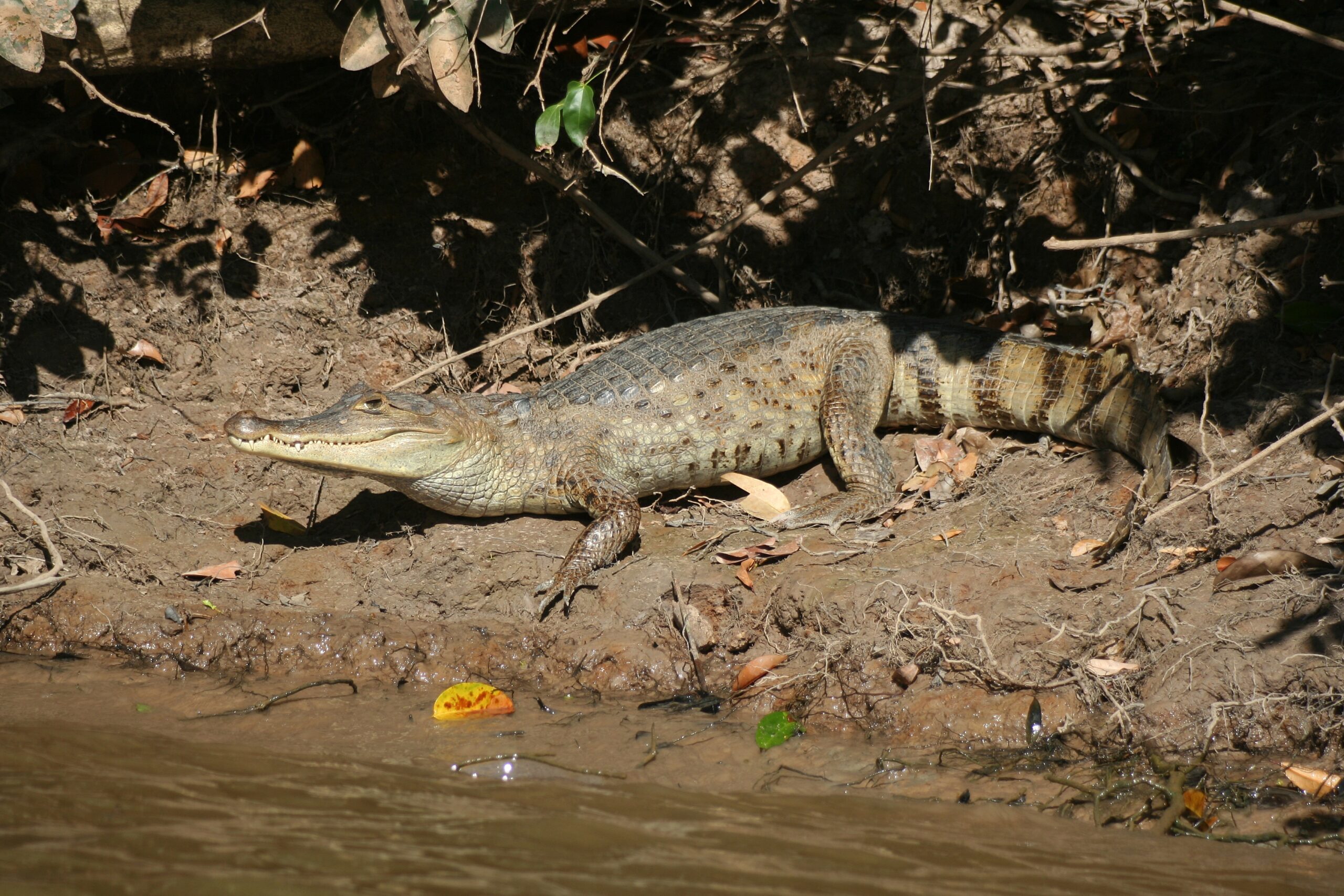
How Is the Caiman Classified?
Caimans are intriguing reptiles that hold a special place in the animal kingdom. They belong to the order Crocodilia, which includes alligators, crocodiles, and gharials. What sets caimans apart is their adaptability to various freshwater habitats, from rivers to swamps. With their armored bodies and powerful jaws, they are well-equipped for life in the water, making them efficient predators. Caimans are not just fascinating for their physical traits; they also play a crucial role in their ecosystems, helping to maintain the balance of aquatic life.
| Taxonomic Rank |
Scientific Name |
Meaning & Significance |
| Kingdom |
Animalia |
This name means “animals” in Latin, highlighting that caimans are part of the vast group of multicellular organisms that are typically motile and consume organic material. |
| Phylum |
Chordata |
Derived from the Greek word “chordē,” meaning “string,” this classification indicates that caimans have a notochord, a flexible rod that supports their bodies during development. |
| Class |
Reptilia |
This term comes from the Latin “reptilis,” meaning “creeping,” which reflects the way reptiles move and their cold-blooded nature. |
| Order |
Crocodilia |
Named after the ancient Greek word “krokodilos,” meaning “lizard,” this order includes all modern crocodilians, known for their semi-aquatic lifestyles. |
| Family |
Alligatoridae |
This name combines “Alligator” with the suffix “-idae,” indicating a family of reptiles that includes both alligators and caimans, emphasizing their close evolutionary relationship. |
| Genus |
Caimaninae |
The name “Caiman” is derived from the indigenous Tupi word “ka’iman,” which refers to these reptiles, showcasing their cultural significance in South America. |
Understanding the taxonomic classification of caimans reveals much about their evolutionary journey. As members of the Archosauria clade, which also includes birds and dinosaurs, caimans share a common ancestor with these fascinating creatures. This lineage highlights the long history of adaptation and survival that has allowed caimans to thrive in diverse environments. Their unique features, such as their powerful jaws and armored skin, are not just adaptations for hunting; they also tell the story of millions of years of evolution, making caimans a living link to the ancient past.
Evolutionary History of the Caiman
The evolutionary journey of caimans stretches back millions of years, tracing their lineage to ancient reptiles that roamed the Earth during the time of the dinosaurs. These fascinating creatures belong to the family Alligatoridae, which diverged from their closest relatives, the crocodiles and alligators, around 80 million years ago. Caimans have adapted to a variety of environments, primarily in Central and South America, showcasing their resilience and evolutionary success.
Caimans share a common ancestor with other members of the Crocodylia order, which includes alligators and crocodiles. This lineage can be traced back to the Archosauria group, which also gave rise to birds and dinosaurs. Over time, caimans developed distinct features that set them apart from their relatives. For instance, their smaller size compared to other crocodilians allowed them to thrive in diverse habitats, from freshwater rivers to swamps. Their unique skull structure, with a broad snout, is perfectly designed for catching fish and other prey, showcasing a significant evolutionary adaptation.
- Strong jaws: Caimans possess powerful jaws that can crush hard-shelled prey, such as turtles, allowing them to access a wider range of food sources.
- Armored skin: Their tough, scaly skin provides protection against predators and environmental challenges, making them resilient in their habitats.
- Webbed feet: These adaptations enable caimans to swim efficiently, helping them navigate through water and hunt for food.
- Cold-blooded metabolism: As ectothermic reptiles, caimans rely on external heat sources to regulate their body temperature, allowing them to thrive in warm climates.
- Camouflage: Their dark, mottled skin helps them blend into their surroundings, making it easier to ambush prey and avoid detection by predators.
These evolutionary adaptations have played a crucial role in the survival of caimans. Their strong jaws and armored skin allow them to dominate their aquatic environments, while their webbed feet and camouflage skills enhance their hunting prowess. By mastering the art of adaptation, caimans have thrived for millions of years, proving their resilience in the ever-changing tapestry of life on Earth.
Caiman Appearance & Physical Traits
Caimans are captivating reptiles that command attention with their powerful presence. With a streamlined body designed for life in water, they can grow quite large, reaching weights from a modest 6 kilograms to a hefty 300 kilograms. Their skin is covered in tough, plate-like scales that not only provide protection but also help them blend into their surroundings. The most striking aspect of a caiman’s appearance is its eyes and nostrils, which are cleverly positioned on the top of its head. This adaptation allows them to remain mostly submerged while still being able to see and breathe, making them expert ambush predators.
| Feature |
Description |
| Weight |
6 kg – 300 kg (13 lbs – 660 lbs) |
| Skin Type |
Plate-like scales |
| Most Distinctive Feature |
Eyes and nostrils located on top of the head and snout |
The combination of these features makes caimans highly effective hunters in their aquatic habitats. Their robust bodies allow for powerful swimming, while the tough scales protect them from potential threats. The strategic placement of their eyes and nostrils means they can lie in wait for unsuspecting prey, barely breaking the surface of the water. This clever design not only aids in hunting but also helps them stay hidden from larger predators. In the wild, every aspect of a caiman’s physical form plays a crucial role in its survival, showcasing the incredible ways nature has shaped these remarkable reptiles.
Where Do Caimans Live?
Caimans thrive in lush, watery environments that paint a vivid picture of life in the tropics. Imagine winding rivers, expansive lakes, and sprawling swamplands, all teeming with life. These habitats are often surrounded by dense vegetation, where sunlight filters through the leaves, creating a dappled effect on the water’s surface. The murky waters provide a perfect hiding spot for caimans, allowing them to blend seamlessly into their surroundings as they bask in the sun or stealthily hunt for food.
- Central America
- South America
Caimans prefer warm, humid climates that are typical of tropical regions. They thrive in areas where temperatures are consistently high, often ranging from 75 to 95 degrees Fahrenheit. These reptiles are also found in places with abundant freshwater, as they rely on rivers, lakes, and swamps for their survival. The presence of vegetation is crucial, as it provides shelter and nesting sites, while the water helps regulate their body temperature and offers a rich source of food.
Over time, caimans have developed remarkable adaptations to their watery homes. Their powerful tails propel them through the water with ease, while their tough, scaly skin protects them from predators and the elements. Caimans are also excellent at camouflaging themselves among the reeds and murky waters, making them stealthy hunters. Their keen eyesight and acute sense of hearing allow them to detect even the slightest movements, ensuring they can thrive in their dynamic habitats.
Behavior & Daily Life of the Caiman
Caimans lead a life that is both intriguing and strategic, primarily active during the night. As nocturnal reptiles, they spend their days basking in the sun, soaking up warmth to fuel their bodies. When the sun sets, they come alive, hunting for food and engaging in social interactions. Their daily activities revolve around foraging for fish, crustaceans, and small mammals, using their keen senses to navigate the murky waters. With their powerful jaws and stealthy movements, they are well-adapted to their environment, making the most of the cover provided by dense vegetation.
Social behavior among caimans is quite fascinating. They are known to be social animals, often found in groups, especially during the breeding season. These gatherings can range from a few individuals to larger congregations, where they communicate through a variety of sounds, including hisses and growls. This social structure helps them establish territories and find mates. Young caimans often stay close to their mothers for protection, learning essential survival skills while developing their own social dynamics within the group.
| Behavior Type |
Description |
| Activity Patterns |
Nocturnal foraging for food, basking during the day to regulate body temperature. |
| Social Structure |
Live in groups, especially during breeding; young stay close to mothers for safety. |
| Communication Methods |
Use hisses, growls, and body language to communicate with each other. |
The behaviors of caimans are finely tuned to ensure their survival in the wild. By being nocturnal, they avoid many daytime predators and can hunt more effectively under the cover of darkness. Their social interactions not only help them find mates but also provide safety in numbers, allowing them to thrive in their lush habitats. Through these daily activities and social structures, caimans have adapted to their environment, showcasing the intricate balance of life in the wild.
What Do Caimans Eat?
Caimans are carnivorous reptiles, meaning they primarily eat meat. Their diet is diverse and includes a variety of prey, which they skillfully hunt in their watery habitats. Caimans are opportunistic feeders, meaning they take advantage of whatever food is available. They are known for their stealthy hunting techniques, often lurking just beneath the water’s surface, waiting for the perfect moment to strike. With their powerful jaws and sharp teeth, they can capture a range of animals, from fish to larger mammals.
| Dietary Aspect |
Details |
| Diet Type |
Carnivore |
| Favorite Foods |
Fish, crustaceans, waterfowl, capybara |
| Prey Items |
Small to medium-sized animals, including birds and mammals |
| Hunting/Foraging Strategies |
Stealthy ambush, lurking underwater, and quick strikes |
The diet of caimans plays a crucial role in their ecology and daily routine. By preying on various animals, they help maintain the balance of their ecosystems, controlling fish populations and influencing the behavior of other species. Their hunting habits also dictate their activity patterns, as they are primarily nocturnal, using the cover of darkness to hunt more effectively. This fascinating interplay between diet and behavior showcases the important role caimans play in their natural habitats.
How Caimans Reproduce
Caimans have a fascinating mating ritual that takes place during the warmer months, typically from late spring to early summer. During this breeding season, males become quite vocal, using deep bellows to attract females. These calls echo through the wetlands, creating a symphony of sounds that signal readiness to mate. Once a pair has formed, they engage in a courtship dance, swimming together and even rubbing their snouts against each other. This bonding behavior is essential for ensuring a successful partnership for reproduction.
| Reproductive Aspect |
Details |
| Gestation Period |
Approximately 65 to 90 days |
| Litter Size |
Average of 20 to 40 eggs |
| Age of Maturity |
4 to 10 years |
| Name of Young |
Hatchling |
After the eggs are laid, the female caiman takes on the role of protector. She carefully constructs a nest made of vegetation and mud, where she lays her eggs. Once the hatchlings emerge, usually after about two to three months, she guides them to the water, ensuring they are safe from predators. This maternal care is crucial, as the young are vulnerable in their early days. As they grow, these hatchlings learn to hunt and navigate their environment, gradually developing the skills they need to thrive as independent adults. With time, they will reach sexual maturity and continue the cycle of life in the wetlands.
Predators & Threats to the Caiman
Caimans play a vital role in their ecosystems, sitting near the top of the food web as apex predators. This means they help control the populations of other animals, maintaining a balance in their watery habitats. However, despite their powerful position, caimans face several dangers that threaten their survival.
- Habitat loss due to deforestation and human development
- Hunting for their skin and meat
- Competition with other predators, such as larger crocodilians
- Pollution in their aquatic environments
- Climate change affecting their habitats
To defend themselves against these threats, caimans have developed several survival strategies. They are masters of camouflage, blending seamlessly into their surroundings, which helps them avoid detection by both predators and humans. When threatened, they can quickly slip into the water, using their powerful tails to propel themselves away from danger. Additionally, caimans are known to be quite territorial, using vocalizations and displays to ward off intruders. These behaviors, combined with their tough, armored skin, help them navigate the challenges of their environment and continue to thrive in the wild.
Caiman as a Keystone Species
A keystone species is an organism that has a disproportionately large impact on its environment relative to its abundance. In simpler terms, if you remove a keystone species, the entire ecosystem can change dramatically. Caimans, as apex predators in their watery habitats, qualify as keystone species. Their presence is crucial for maintaining the balance of their ecosystems, which include rivers, lakes, and swamplands.
Caimans play a vital role in controlling the populations of various prey species, such as fish and small mammals. By keeping these populations in check, they help prevent overgrazing and overpopulation, which can lead to habitat degradation. For example, if caimans were to disappear, fish populations could explode, leading to overfishing of aquatic plants and altering the entire food web. Additionally, caimans create and maintain open water channels in their habitats by their movements, which benefits other species that rely on these waterways for survival.
Moreover, caimans contribute to nutrient cycling in their ecosystems. When they hunt and consume prey, they excrete waste that enriches the water and surrounding soil with nutrients. This process supports the growth of aquatic plants and algae, which are essential for oxygen production and serve as food for other animals. Their nesting behavior also creates habitats for other species, as abandoned nests can become homes for various birds and small mammals.
- Control fish and small mammal populations, preventing overpopulation.
- Create open water channels that benefit other aquatic species.
- Enrich the ecosystem with nutrients through their waste.
- Provide nesting sites for other animals.
If caimans were to vanish from their ecosystems, the consequences would be severe. The balance of life in rivers and swamps would be disrupted, leading to overpopulation of certain species and a decline in others. This imbalance could result in the loss of biodiversity, as many plants and animals depend on the stability that caimans help maintain. In essence, the disappearance of caimans would ripple through the ecosystem, affecting everything from the smallest fish to the largest birds, ultimately transforming the vibrant habitats they once ruled.
How Caimans Impact Their Ecosystem
Caimans are fascinating reptiles that play a crucial role in their ecosystems, particularly in the rivers, lakes, and swamplands they inhabit. As apex predators, they help maintain the balance of their environment by controlling the populations of various species. This means that caimans not only influence the number of fish and other aquatic animals but also affect the overall health of their habitats. Their presence is essential for the stability of the ecosystems they call home, making them a vital part of the intricate web of life.
| Ecosystem Service |
Impact |
| Population Control |
Caimans regulate the numbers of fish and other prey species, preventing overpopulation and promoting biodiversity. |
| Nutrient Cycling |
As they hunt and consume prey, caimans contribute to nutrient cycling, returning essential nutrients to the ecosystem through their waste. |
| Habitat Creation |
Their nesting activities can create habitats for other species, such as birds and amphibians, enhancing the overall biodiversity of the area. |
| Food Source |
Caimans serve as a food source for larger predators, such as jaguars and large birds, linking different levels of the food web. |
Caimans influence their ecosystems in several specific ways. For instance, by preying on fish and small mammals, they help keep these populations in check, which in turn allows aquatic plants to thrive. Healthy plant life is essential for maintaining water quality and providing shelter for other animals. Additionally, when caimans nest, they create mounds that can become breeding grounds for various bird species. This nesting behavior not only supports avian populations but also contributes to the overall richness of the ecosystem.
The broader ecological importance of caimans cannot be overstated. As keystone species, their presence is vital for the health and stability of their habitats. If caimans were to disappear, the balance of their ecosystems would be disrupted, leading to potential declines in biodiversity and the health of the environment. By understanding and protecting these remarkable reptiles, we can help ensure the survival of the intricate ecosystems they support, highlighting the interconnectedness of all living things.
Symbiotic Relationships of the Caiman
In the intricate web of life, symbiosis refers to the close interactions between different species, which can take many forms. These relationships can be mutualistic, where both species benefit; parasitic, where one benefits at the expense of the other; or commensal, where one benefits while the other is neither helped nor harmed. Caimans, with their powerful presence in aquatic ecosystems, engage in various partnerships that highlight the complexity of nature. These relationships not only showcase the adaptability of caimans but also illustrate the interconnectedness of all living things.
| Species/Type |
Relationship Type |
Description |
| Birds (e.g., Cattle Egrets) |
Mutualistic |
Caimans and certain bird species, like cattle egrets, often share the same habitat. The birds benefit by feeding on insects and parasites found on the caimans’ skin, while the caimans enjoy a cleaning service that helps keep them healthy. |
| Fish (e.g., Piranhas) |
Commensal |
Some fish, like piranhas, may follow caimans to scavenge leftovers from their meals. While the fish benefit from an easy meal, the caimans are largely unaffected by their presence. |
| Leeches |
Parasitic |
Leeches can attach themselves to caimans, feeding on their blood. This relationship is harmful to the caimans, as it can lead to blood loss and potential infections. |
These relationships have evolved over time, shaped by the needs and behaviors of the species involved. Mutualistic partnerships, like those with birds, enhance the health of caimans while providing food for their feathered friends. Commensal relationships allow fish to thrive without impacting the caimans, showcasing a delicate balance in nature. On the other hand, parasitic interactions, such as those with leeches, remind us that not all relationships are beneficial. Understanding these connections helps us appreciate the dynamic ecosystems in which caimans live, revealing how each species plays a role in the grand tapestry of life.
The Most Interesting Facts About the Caiman
Caimans are captivating reptiles that often fly under the radar compared to their larger relatives, the crocodiles and alligators. These remarkable creatures have some surprising traits that make them truly stand out in the animal kingdom.
- Caimans have eyes and nostrils positioned on the top of their heads, allowing them to see and breathe while mostly submerged in water. This clever adaptation helps them stay hidden from both prey and potential threats, making them expert ambush hunters.
- Unlike many reptiles, caimans are known to exhibit social behavior, often basking together in groups. This social structure can help them regulate their body temperature and offers protection against predators, showcasing a surprising level of cooperation among these reptiles.
- Some caiman species can grow to impressive lengths, with the black caiman reaching up to 16 feet! This makes them one of the largest members of the crocodilian family, and their size plays a crucial role in their position as apex predators in their ecosystems.
- Caimans are opportunistic feeders, meaning they will eat whatever is available, from fish to small mammals. This adaptability in diet allows them to thrive in various environments, showcasing their resilience in the face of changing conditions.
- During the breeding season, male caimans become quite vocal, using deep bellows to attract females. This unique courtship display not only helps them find mates but also establishes their territory, adding a layer of complexity to their social interactions.
- Interestingly, caiman mothers are known to be attentive parents, guarding their nests and even helping their hatchlings reach the water after they emerge. This nurturing behavior is quite rare among reptiles and highlights the strong bond between mother and offspring.
- In some regions, caimans are considered a keystone species, meaning their presence is vital for maintaining the health of their ecosystems. By controlling the populations of other animals, they help ensure a balanced environment, demonstrating their importance in the natural world.
Human Interactions with the Caiman
Caimans have long been intertwined with human history, serving as both symbols and subjects of fascination. Indigenous cultures in South America have revered these reptiles, often incorporating them into their myths and legends. For many communities, caimans represent strength and resilience, embodying the spirit of the rivers and wetlands they inhabit. Historical encounters between humans and caimans have ranged from awe to fear, as these powerful reptiles command respect in their natural habitats. Their presence in folklore and art highlights their cultural significance, making them more than just animals; they are part of the identity of the regions they call home.
In modern times, the relationship between caimans and humans has evolved, reflecting both cooperation and conflict. Conservation efforts are underway to protect these reptiles and their habitats, as many species face threats from habitat loss and illegal hunting. However, conflicts can arise when caimans venture into human-populated areas, leading to fears for safety and livestock. Some communities have even explored the idea of domestication, raising caimans for their skins or meat, which raises ethical questions about wildlife management and sustainability. Balancing the needs of humans with the conservation of caimans is a complex challenge that requires understanding and respect for these remarkable reptiles.
- Indigenous tribes use caiman skins for traditional crafts and clothing.
- Conservation programs aim to protect caiman habitats while educating local communities.
- Some farmers have developed strategies to coexist with caimans, reducing conflict.
- Ecotourism initiatives allow people to observe caimans in their natural environments, promoting awareness and conservation.
- Research on caiman behavior helps scientists understand their role in the ecosystem and informs conservation efforts.
Looking ahead, the future of the relationship between caimans and humanity hinges on mutual respect and understanding. As awareness of environmental issues grows, there is hope for a more harmonious coexistence. By valuing caimans not just as resources but as vital components of their ecosystems, we can foster a relationship that benefits both humans and these ancient reptiles. With continued education and conservation efforts, we can ensure that caimans thrive alongside us, enriching our world with their presence for generations to come.
Conservation Status of the Caiman
Caimans currently hold a conservation status of “Least Concern,” according to the International Union for Conservation of Nature (IUCN). This means that, overall, they are not considered at immediate risk of extinction. However, specific population estimates remain elusive, as many factors can influence their numbers in the wild. While they are generally stable, local populations may face challenges that could affect their long-term viability.
| Conservation Factor |
Status/Details |
| IUCN Status |
Least Concern |
| Estimated Population Size |
Unknown |
| Population Trend |
Stable |
Caimans face several threats that could impact their populations in the future. Habitat loss is a significant concern, as wetlands and river systems are often drained for agriculture or urban development. Additionally, pollution from agricultural runoff can degrade their habitats, making it harder for them to find food and reproduce. Illegal hunting for their skins and meat also poses a risk, particularly in areas where regulations are not strictly enforced.
Conservation efforts are underway to protect caimans and their habitats. Many organizations are working to raise awareness about the importance of these reptiles in their ecosystems. Protected areas and wildlife reserves are being established to safeguard their natural environments. With continued efforts and community involvement, the outlook for caimans remains hopeful, as they play a vital role in maintaining the balance of their aquatic ecosystems.
Caiman - Most Asked Questions
Below you will find the most asked questions about Caiman along with answers to those questions.
| Question |
Answer |
| Where do caimans live? |
Caimans are found in freshwater habitats like rivers, lakes, and swamplands throughout Central and South America. They prefer warm, tropical environments where they can bask in the sun and hunt for food. |
| What do caimans eat? |
Caimans are carnivores, which means they primarily eat meat. Their diet includes fish, birds, small mammals, and even other reptiles, making them skilled hunters in their aquatic environments. |
| How do caimans behave? |
Caimans are generally solitary animals, but they can be seen basking in groups on sunny days. They are most active during the night, a behavior known as being nocturnal, which helps them hunt more effectively. |
| How do caimans reproduce? |
Caimans typically mate during the rainy season. The female lays eggs in a nest made of vegetation, and she will guard the nest until the eggs hatch, showing a strong maternal instinct. |
| What threats do caimans face? |
While caimans are currently listed as Least Concern, they still face threats from habitat loss due to deforestation and pollution. Additionally, hunting for their skin and meat poses risks to some populations. |
| What is a unique characteristic of caimans? |
One of the most distinctive features of caimans is that their eyes and nostrils are located on top of their heads. This adaptation allows them to see and breathe while mostly submerged in water, making them excellent ambush predators. |
| Can caimans be kept as pets? |
While some people may consider keeping caimans as pets, it is not recommended. They require specialized care, large enclosures, and a diet that can be difficult to provide, making them best suited for their natural habitats. |