Taxonomy & Classification
- Kingdom
- Animalia
- Phylum
- Arthropoda
- Class
- Arachnida
- Order
- Araneae
- Family
- Theraphosidae
- Genus
- Aphonopelma
- Species
- Aphonopelma californicum

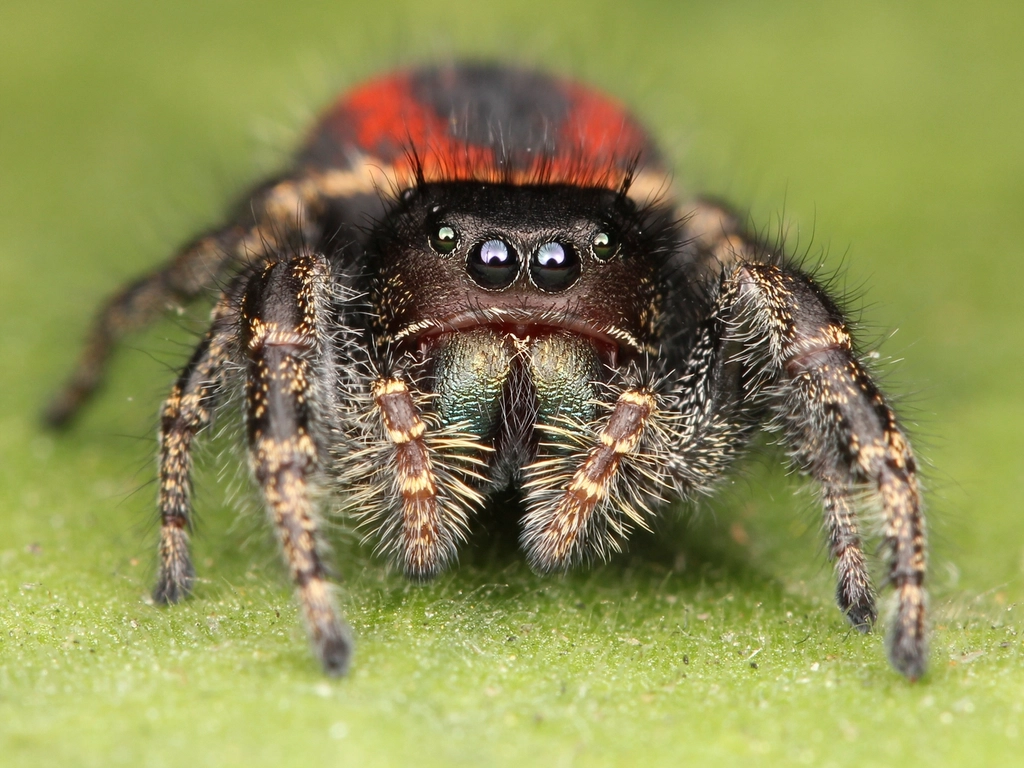 Photo Credit: Rawpixel
In the sun-drenched landscapes of California, the California Tarantula, or Aphonopelma, emerges as a captivating figure of the wild. Picture a robust spider, its body cloaked in a rich brown hue that blends seamlessly with the earthy tones of its surroundings. With a leg span that can reach up to five inches, this impressive arachnid commands attention, evoking both awe and curiosity. Its hairy exterior is not just for show; these fine hairs serve a purpose, helping the tarantula sense vibrations in the air, making it a skilled hunter in the twilight hours.
As night falls, the California Tarantula comes alive, leaving the safety of its burrow to explore the world around it. This nocturnal lifestyle allows it to hunt a variety of prey, from insects to small mammals, playing a vital role in its ecosystem. Scientists and nature enthusiasts alike are drawn to this creature not only for its striking appearance but also for its fascinating behaviors and adaptations. The tarantula’s life is a testament to the intricate balance of nature, where every creature, no matter how small, contributes to the grand tapestry of life. Join us as we delve deeper into the world of the California Tarantula, exploring its habitat, diet, and the unique role it plays in the environment.
The California Tarantula, scientifically known as Aphonopelma, occupies a distinctive place in the tree of life. This impressive spider belongs to the kingdom Animalia, which includes all animals, and is classified under the phylum Arthropoda, the group that encompasses invertebrates with exoskeletons, segmented bodies, and jointed limbs. Within this phylum, it falls under the class Arachnida, which includes spiders, scorpions, and ticks. The California Tarantula is part of the order Araneae, the vast group of spiders, and is specifically classified in the family Theraphosidae, known for its large, hairy tarantulas. What sets this species apart is not just its size and appearance, but also its fascinating behaviors and adaptations that have evolved over millions of years.
| Taxonomic Rank | Scientific Name | Meaning & Significance |
|---|---|---|
| Kingdom | Animalia | This name means “animals” in Latin, highlighting the diverse group of living organisms that share certain characteristics, such as being multicellular and capable of movement. |
| Phylum | Arthropoda | Derived from Greek, meaning “jointed feet,” this name refers to the jointed appendages that are a hallmark of this group, including the California Tarantula’s eight legs. |
| Class | Arachnida | This term comes from the Greek word for “spider,” emphasizing the unique features of arachnids, such as having eight legs and no antennae. |
| Order | Araneae | Simply meaning “spiders,” this classification groups all spiders together, showcasing their shared traits like silk production and predatory habits. |
| Family | Theraphosidae | This name is derived from the Greek word “theraphos,” meaning “beast,” which reflects the large size and often intimidating appearance of tarantulas. |
| Genus | Aphonopelma | This name combines Greek roots meaning “without” and “hairy,” which is interesting because many tarantulas, including the California Tarantula, have a hairy appearance. |
The classification of the California Tarantula reveals a rich evolutionary history that connects it to a vast lineage of arachnids. Its position within the Theraphosidae family indicates adaptations that have allowed it to thrive in various environments, particularly in the arid landscapes of California. The unique features and behaviors of this spider, such as its burrowing habits and defensive postures, are a testament to the evolutionary pressures it has faced over time. Understanding its taxonomic position not only highlights its biological significance but also invites us to appreciate the intricate web of life that connects all living organisms.
The evolutionary journey of the California Tarantula, known scientifically as Aphonopelma, stretches back millions of years, intertwining with the history of the Earth itself. These fascinating spiders belong to the family Theraphosidae, which has been around since the late Jurassic period, roughly 150 million years ago. As the world changed, so did the ancestors of the California Tarantula, adapting to new environments and challenges.
The early ancestors of tarantulas were small, primitive arachnids that roamed the ancient landscapes. Over time, they evolved into larger, more specialized forms, developing traits that would help them thrive in diverse habitats. One major transition was the shift from a primarily arboreal lifestyle, where they lived in trees, to a more terrestrial existence, allowing them to burrow into the ground for shelter. This adaptation not only provided safety from predators but also helped them regulate their body temperature in varying climates.
The adaptations of the California Tarantula have been crucial for its survival in the wild. Their formidable fangs and silk production allow them to effectively hunt and protect themselves, while their burrowing behavior offers refuge from harsh weather and potential threats. The ability to blend into their environment with their coloration further enhances their chances of evading predators. Together, these traits have enabled the California Tarantula to thrive in its native habitats, showcasing the incredible power of evolution in shaping life on Earth.
The California Tarantula is a striking sight, with a robust body that can evoke both awe and curiosity. This spider boasts a hefty frame, typically weighing between 1 to 3 ounces, which gives it a solid presence. Its legs are long and powerful, allowing it to move with surprising grace despite its size. The overall impression is one of strength and resilience, with a body that is not just for show but is built for survival in its arid habitat.
| Feature | Description |
|---|---|
| Size | Typically weighs between 1 to 3 ounces, with a body length of about 4 to 5 inches. |
| Color | Often a mix of brown and black, providing excellent camouflage against the earthy tones of its environment. |
| Skin Type | Covered in tiny hairs that serve multiple purposes, including sensory functions and defense. |
| Most Distinctive Feature | The body is densely covered in fine hairs, which can irritate predators and help the tarantula sense its surroundings. |
These features work together to create a formidable survivor in the wild. The California Tarantula’s size and coloration help it blend seamlessly into its surroundings, making it less visible to both predators and prey. The tiny hairs covering its body are not just for show; they play a crucial role in its ability to detect vibrations and changes in the environment. When threatened, these hairs can also be flicked off to irritate attackers, providing a clever defense mechanism. Together, these adaptations make the California Tarantula a master of its domain, perfectly suited to thrive in the diverse landscapes of California.
The California Tarantula thrives in a variety of habitats that paint a vivid picture of its life. Imagine wide-open grasslands where the sun shines brightly, and the air is filled with the sounds of chirping crickets and rustling leaves. These spiders also make their homes in dry forests, where the trees stand tall and the ground is covered with a mix of dirt and dried leaves. This combination of open spaces and shaded areas provides the perfect backdrop for their daily activities.
To flourish in these environments, the California Tarantula requires a specific climate. It prefers warm, dry conditions, which are typical of the regions it inhabits. These spiders are most active during the late summer and early fall when temperatures are at their peak. They thrive in areas where rainfall is scarce, allowing them to dig burrows in the ground that provide shelter from the heat and predators.
Adaptation is key to the survival of the California Tarantula in its chosen habitats. With its burrowing behavior, this spider creates a cozy home underground, protecting itself from the harsh sun and potential threats. Its ability to tolerate dry conditions means it can go for long periods without water, relying on the moisture from its prey. This remarkable skill set allows the California Tarantula to not only survive but also thrive in the diverse landscapes of the American Southwest.
The California Tarantula leads a life that is both intriguing and essential to its ecosystem. As a nocturnal creature, it comes alive under the cover of darkness, emerging from its burrow to hunt and explore. During the night, it scours the ground for insects and other small prey, using its keen senses to detect movement. With a slow and deliberate pace, this spider navigates its territory, often pausing to listen for the sounds of potential meals. As dawn approaches, the tarantula retreats to its burrow, where it rests and conserves energy for the next night’s adventures.
While the California Tarantula is primarily a solitary hunter, it does have interesting interactions during mating season. Males will venture out to find females, often engaging in a delicate dance of courtship. This involves specific movements and vibrations that communicate their intentions. Once a male successfully attracts a female, they may spend time together, but after mating, they typically go their separate ways. This solitary lifestyle helps reduce competition for food and resources, allowing each tarantula to thrive in its own space.
| Behavior Type | Description |
|---|---|
| Activity Patterns | Nocturnal foraging for insects and small prey, resting during the day in burrows. |
| Social Structure | Primarily solitary, with interactions mainly during mating season. |
| Communication Methods | Vibrations and movements during courtship to signal readiness to mate. |
The behaviors of the California Tarantula are finely tuned to ensure its survival in the wild. By being nocturnal, it avoids the heat of the day and reduces the risk of predation. Its solitary nature allows it to maintain control over its territory and resources, while its unique courtship rituals ensure the continuation of its species. Each aspect of its daily life is a testament to the adaptability and resilience of this remarkable spider, making it a vital part of its ecosystem.
The California Tarantula is a carnivore, which means it primarily eats meat. This spider has a taste for a variety of prey, including insects, crickets, small mice, and even small lizards. With its keen hunting skills, the tarantula uses a combination of stealth and patience to capture its meals. It often waits in ambush, hiding in its burrow or among the foliage, ready to pounce on unsuspecting prey that wanders too close.
| Dietary Aspect | Details |
|---|---|
| Diet Type | Carnivore |
| Favorite Foods | Insects, crickets, small mice, small lizards |
| Prey Items | Insects and small vertebrates |
| Hunting/Foraging Strategies | Ambush predator, waits in burrows or foliage |
This diet plays a crucial role in the California Tarantula’s ecology and daily routine. By preying on various insects and small animals, it helps control their populations, contributing to a balanced ecosystem. The tarantula’s nocturnal lifestyle allows it to hunt when many of its prey are active, making it an efficient predator. This fascinating interplay between predator and prey not only shapes the tarantula’s life but also influences the broader environment in which it lives.
When it comes to the California Tarantula’s mating rituals, the scene is both dramatic and captivating. Breeding season typically occurs in late summer to early fall, when male tarantulas venture out in search of a mate. During this time, males perform a courtship dance, tapping their front legs on the ground to create vibrations that attract females. This dance is not just for show; it helps the female identify a suitable partner. Once a male successfully courts a female, he must be cautious, as females can sometimes see them as a meal. If all goes well, the pair will mate, and the female will later lay her eggs.
| Reproductive Aspect | Details |
|---|---|
| Gestation Period | Approximately 6 to 8 weeks |
| Litter Size | Up to 200 eggs |
| Age of Maturity | 3 to 5 years |
| Name of Young | Spiderlings |
After mating, the female California Tarantula lays her eggs in a silk sac, which she carefully guards. This sac can contain up to 200 eggs, showcasing the potential for a large number of spiderlings. Once the eggs hatch, the tiny spiderlings emerge, looking like miniature versions of their parents. They remain with their mother for a short time, receiving protection and guidance as they learn to navigate their world. As they grow, these young tarantulas will eventually venture out on their own, maturing into the impressive adults that roam the California landscape. The journey from egg to adult is a remarkable transformation, filled with challenges and adventures that shape their lives.
The California Tarantula plays a vital role in its ecosystem, sitting comfortably within the food web. As a predator, it helps control the populations of insects and small animals, while also serving as a meal for various larger creatures. This balance is crucial for maintaining the health of its environment, but it also means that the tarantula faces several dangers from those higher up the food chain.
To survive these threats, the California Tarantula has developed some clever defensive behaviors. When faced with danger, it can use its impressive size to intimidate potential predators. If that doesn’t work, it may rear up on its hind legs, displaying its fangs and making itself look even larger. Additionally, it can release a cloud of irritating hairs from its abdomen, which can deter attackers and cause discomfort. These strategies, combined with its burrowing lifestyle, help the tarantula navigate the challenges of its environment and continue to thrive in the wild.
A keystone species is an organism that has a disproportionately large impact on its environment relative to its abundance. In simpler terms, if you remove a keystone species, the entire ecosystem can change dramatically. The California Tarantula, known scientifically as Aphonopelma, qualifies as a keystone species due to its significant role in controlling insect populations and providing food for other animals.
The California Tarantula plays a crucial role in maintaining the balance of its ecosystem. As a carnivore, it primarily feeds on insects, including crickets and beetles, which helps keep these populations in check. Without the tarantula, these insects could multiply unchecked, leading to overgrazing of vegetation and disrupting the habitat for other species. This spider also serves as a food source for larger predators, such as birds and mammals, creating a vital link in the food web.
Moreover, the burrowing behavior of the California Tarantula contributes to soil aeration. When it digs its burrow, it helps to mix the soil, allowing air and water to penetrate more easily. This process is essential for plant health, as it promotes root growth and nutrient absorption. The tarantula’s presence thus supports not only its own survival but also the well-being of the plants and animals that share its habitat.
If the California Tarantula were to disappear, the consequences could be severe. Insect populations would likely surge, leading to a decline in plant life as they consume more foliage. This imbalance could ripple through the ecosystem, affecting not just the plants but also the animals that rely on them for food and shelter. The loss of this spider would disrupt the delicate web of life, illustrating just how interconnected all species are within their habitats.
The California Tarantula, known scientifically as Aphonopelma, plays a crucial role in shaping its ecosystem. This impressive spider thrives in grasslands and dry forests, where it occupies a unique ecological niche as both a predator and prey. By hunting various insects and small animals, it helps maintain a balance in the population of these creatures, ensuring that no single species overwhelms the environment. Its nocturnal lifestyle allows it to interact with other species in the ecosystem during the night, contributing to the dynamic web of life.
| Ecosystem Service | Impact |
|---|---|
| Predation | Controls insect populations, preventing overpopulation and promoting biodiversity. |
| Prey for other species | Serves as a food source for birds, mammals, and reptiles, supporting higher trophic levels. |
| Soil aeration | Burrowing behavior helps aerate the soil, improving water infiltration and nutrient cycling. |
| Indicator species | Reflects the health of the ecosystem, as their presence indicates a balanced environment. |
The California Tarantula’s influence extends beyond its immediate hunting habits. For instance, by preying on insects like crickets and beetles, it helps control their populations, which can otherwise explode and lead to plant damage. Additionally, its burrowing activities aerate the soil, allowing water and nutrients to penetrate deeper, which benefits plant life. This, in turn, supports a variety of other organisms that rely on healthy vegetation for survival. The tarantula’s role as both predator and prey creates a ripple effect throughout the ecosystem, highlighting its importance in maintaining ecological balance.
In a broader sense, the California Tarantula is a keystone species, meaning its presence is vital for the health of its ecosystem. If this spider were to disappear, the consequences could be significant, leading to unchecked insect populations and a decline in the species that rely on it for food. By understanding the role of the California Tarantula, we gain insight into the intricate connections that sustain life in grasslands and dry forests. This spider is not just a fascinating creature; it is a key player in the ongoing story of nature’s delicate balance.
In the intricate web of life, symbiosis refers to the close interactions between different species, which can take on various forms. These relationships can be mutualistic, where both species benefit, parasitic, where one benefits at the other’s expense, or commensal, where one benefits while the other is neither helped nor harmed. The California Tarantula, a fascinating inhabitant of grasslands and dry forests, engages in several ecological partnerships that highlight the complexity of its environment.
| Species/Type | Relationship Type | Description |
|---|---|---|
| Ants | Mutualistic | California Tarantulas and certain ant species often coexist. The tarantula provides shelter in its burrow, while ants help keep the area clean by removing debris and potential pests. |
| Fungi | Commensal | Fungi can grow in the burrows of California Tarantulas. While the fungi benefit from the moist environment, the tarantula is generally unaffected by their presence. |
| Small rodents | Parasitic | Occasionally, small rodents may invade tarantula burrows, feeding on the spider’s eggs or even preying on juvenile tarantulas, which can be detrimental to the spider’s reproductive success. |
These relationships have evolved over time, shaped by the needs and behaviors of the species involved. The mutualistic bond with ants showcases how cooperation can enhance survival for both parties, while the commensal relationship with fungi illustrates the interconnectedness of life in a tarantula’s burrow. On the other hand, the parasitic interactions remind us that not all relationships are beneficial. Understanding these dynamics helps us appreciate the delicate balance of ecosystems and the roles that each species plays in maintaining that balance.
The California Tarantula is a captivating spider that often sparks curiosity and intrigue. With its impressive size and unique behaviors, this arachnid has many surprising traits that even seasoned nature enthusiasts might not know.
The California Tarantula, a creature that has roamed the earth for millions of years, has a rich history intertwined with human culture. Native American tribes often viewed these spiders with a mix of reverence and fear, incorporating them into folklore and traditional stories. In some cultures, the tarantula symbolizes strength and resilience, while in others, it represents danger. Historical encounters between humans and these large spiders have sparked curiosity and fascination, leading to a deeper understanding of their role in the ecosystem. As people began to study these arachnids, they discovered not only their unique behaviors but also their importance in controlling insect populations.
Today, interactions between California Tarantulas and humans are varied and complex. While many people appreciate these spiders for their ecological contributions, others may view them with apprehension. Conservation efforts are underway to protect their habitats, especially as urban development encroaches on their natural environments. However, conflicts can arise when tarantulas wander into residential areas, leading to fear and misunderstanding. Some enthusiasts even keep tarantulas as pets, promoting a greater appreciation for these fascinating animals. This domestication, while controversial, has opened doors for education about their biology and behavior, helping to dispel myths and fears.
As we look to the future, the relationship between California Tarantulas and humanity holds promise. With increased awareness and education, people can learn to appreciate these spiders for their ecological roles rather than fear them. By fostering a sense of coexistence, we can ensure that both humans and tarantulas thrive in a shared environment. As conservation efforts continue and more people become interested in these remarkable arachnids, the potential for a harmonious relationship grows, paving the way for a deeper understanding of the natural world.
The California Tarantula, known scientifically as Aphonopelma, currently holds a conservation status of “Least Concern” according to the International Union for Conservation of Nature (IUCN). This means that, at present, the species is not facing any immediate threat of extinction. Population estimates suggest that these fascinating spiders are stable, and their numbers are not declining significantly. However, ongoing monitoring is essential to ensure that they remain abundant in their natural habitats.
| Conservation Factor | Status/Details |
|---|---|
| IUCN Status | Least Concern |
| Population Estimates | Stable |
| Trend Direction | Stable |
Despite their current stable status, California Tarantulas face several threats that could impact their future. Habitat loss is a significant concern, as urban development and agricultural expansion encroach on their natural environments. Additionally, climate change poses risks by altering the ecosystems they depend on, potentially affecting their food sources and breeding patterns. Human activities, such as pesticide use, can also harm these spiders and their habitats.
Conservation efforts are underway to protect the California Tarantula and its environment. Organizations are working to raise awareness about the importance of these spiders in the ecosystem, emphasizing their role in controlling insect populations. Habitat preservation initiatives are also crucial, ensuring that these remarkable arachnids have safe spaces to thrive. With continued efforts and public support, the outlook for the California Tarantula remains positive, allowing future generations to appreciate this incredible species.
| Question | Answer |
|---|---|
| What is the habitat of the California Tarantula? | The California Tarantula thrives in grasslands and dry forests. These areas provide the perfect environment for them to dig burrows, which they use for shelter and protection from predators. |
| What does the California Tarantula eat? | This spider is a carnivore, meaning it primarily eats other animals. Its diet mainly consists of insects, such as crickets and grasshoppers, but it can also catch small rodents and lizards when the opportunity arises. |
| How does the California Tarantula behave? | California Tarantulas are generally solitary creatures, preferring to live alone in their burrows. They are mostly nocturnal, which means they are active at night, hunting for food and exploring their surroundings under the cover of darkness. |
| How do California Tarantulas reproduce? | During mating season, male tarantulas seek out females, often traveling long distances to find them. After mating, the female lays hundreds of eggs in a silk sac, which she guards until the spiderlings hatch. |
| What threats do California Tarantulas face? | While California Tarantulas are currently classified as Least Concern, they still face threats from habitat loss due to urban development and agriculture. Additionally, they can fall prey to larger animals, such as birds and snakes. |
| What is an interesting characteristic of the California Tarantula? | One of the most distinctive features of the California Tarantula is its body, which is covered in tiny hairs. These hairs can help the spider sense its environment and can even be used defensively by releasing them when threatened. |
| Are California Tarantulas dangerous to humans? | California Tarantulas are not considered dangerous to humans. While their bites can be painful, they are not venomous enough to cause serious harm, making them more of a fascinating creature to observe than a threat. |