Taxonomy & Classification
- Kingdom
- Animalia
- Phylum
- Arthropoda
- Class
- Insecta
- Order
- Orthoptera
- Family
- Rhaphidophoridae

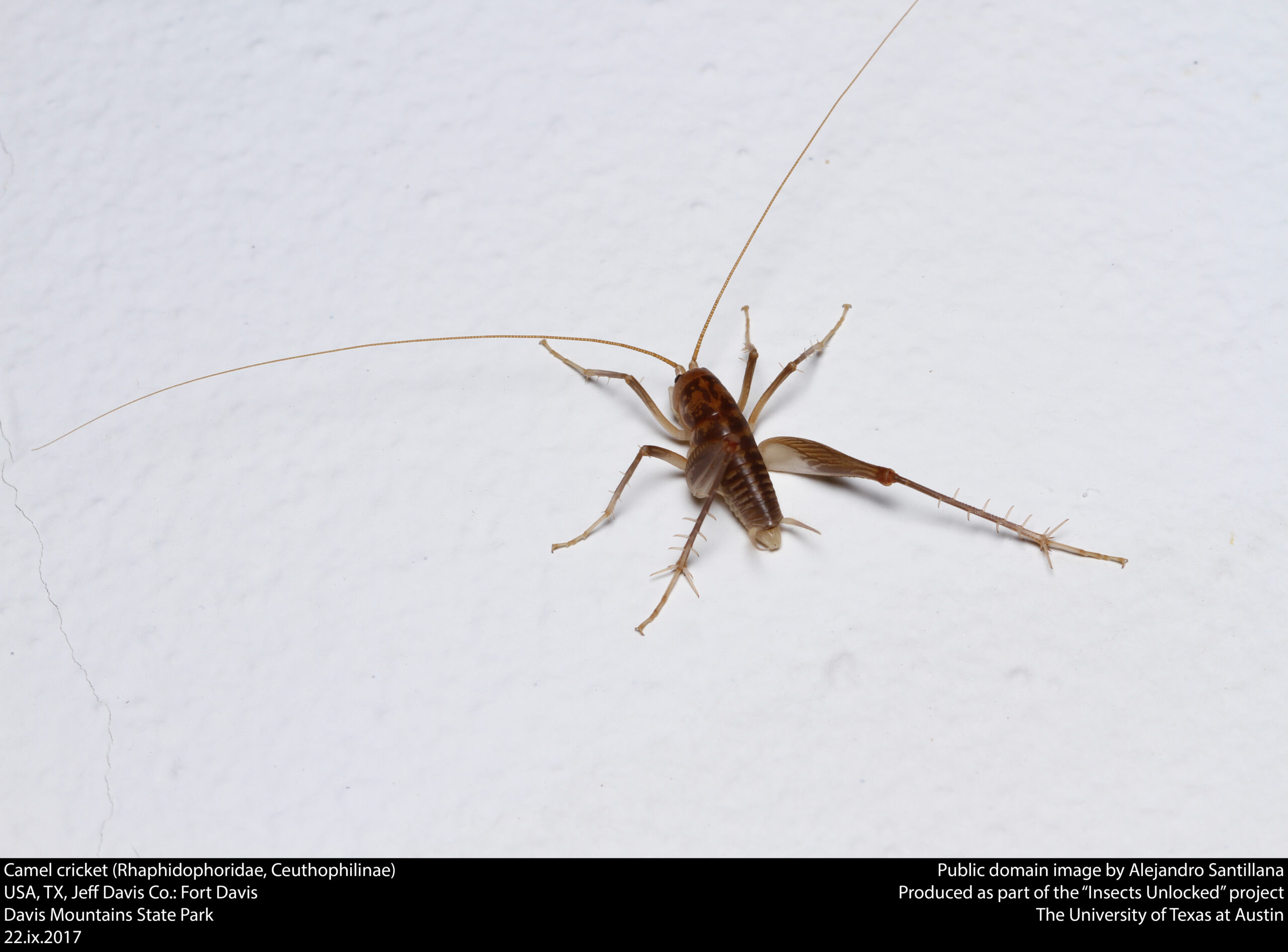 Photo Credit: Insects Unlocked / Wikimedia
In the dimly lit corners of our homes and the cool, damp underbrush of forests, the camel cricket, scientifically known as Ceuthophilus, makes its home. With its long, spindly legs and elongated body, this intriguing insect resembles a miniature grasshopper, but it possesses a charm all its own. Camel crickets are nocturnal, meaning they come alive at night, hopping about in search of food and shelter. Their unique appearance and behavior have captivated scientists and nature enthusiasts alike, sparking curiosity about their role in the ecosystem and their fascinating life cycle.
Imagine a quiet evening, where the only sounds are the gentle rustle of leaves and the soft chirping of crickets. Suddenly, a camel cricket emerges from the shadows, its body glistening in the moonlight. These insects thrive in moist environments, often found in dark corners of basements or under logs in the forest. They play a vital role in their ecosystems, acting as scavengers that help break down decaying organic material. As we delve deeper into the world of camel crickets, we will explore their diet, mating rituals, and the important part they play in maintaining the balance of nature. Join us on this adventure to uncover the secrets of these remarkable insects!
Camel crickets, often found lurking in dark, damp corners of our homes and gardens, hold a special place in the animal kingdom. These intriguing insects belong to the family Rhaphidophoridae, which is part of the larger order Orthoptera. This order also includes grasshoppers and crickets, but camel crickets stand out due to their long legs and humped backs, giving them a distinctive appearance. Unlike their more vocal relatives, camel crickets are known for their silence, relying on their keen sense of touch and smell to navigate their environments. This unique combination of features makes them a captivating subject for both scientists and curious nature lovers alike.
| Taxonomic Rank | Scientific Name | Meaning & Significance |
|---|---|---|
| Kingdom | Animalia | This name means “animals” in Latin, highlighting that camel crickets are part of the vast group of multicellular organisms that are typically mobile and consume organic material. |
| Phylum | Arthropoda | Derived from Greek, meaning “jointed feet,” this classification emphasizes the camel cricket’s segmented body and jointed limbs, which are characteristic of all arthropods. |
| Class | Insecta | This term comes from the Latin word for “cut,” referring to the segmented body structure of insects, including camel crickets, which have three main body parts: head, thorax, and abdomen. |
| Order | Orthoptera | This name means “straight wings” in Greek, which is fitting for many members of this order, although camel crickets are wingless, they share other traits with their winged relatives. |
| Family | Rhaphidophoridae | The name comes from Greek roots meaning “to carry” and “to bear,” reflecting the family’s unique adaptations for life in dark, moist environments, where they often carry their long legs and humped bodies. |
The classification of camel crickets reveals much about their evolutionary journey. As members of the Arthropoda phylum, they share a common ancestry with a diverse array of creatures, from spiders to crustaceans. Their place in the Orthoptera order connects them to other familiar insects, showcasing the adaptability and variety within this group. The unique features of camel crickets, such as their long legs and silent behavior, suggest that they have evolved specific traits to thrive in their environments, particularly in dark, humid habitats where they can avoid predators and find food. Understanding their taxonomic position not only highlights their individuality but also illustrates the intricate web of life that connects all living organisms.
The evolutionary journey of camel crickets stretches back millions of years, tracing their lineage to ancient ancestors that roamed the Earth long before humans arrived. These insects belong to the family Rhaphidophoridae, which emerged during the late Paleozoic era, around 300 million years ago. As the world transformed through dramatic climate changes and shifting landscapes, camel crickets adapted to thrive in diverse environments, leading to the unique forms we see today.
Camel crickets are believed to have evolved from primitive winged ancestors. Over time, they lost their wings, a significant transition that allowed them to become more adept at navigating the dark, moist habitats they prefer. This loss of wings is thought to be an adaptation to their lifestyle, as it reduces the risk of predation and allows for better movement in tight spaces. Additionally, their long, spindly legs evolved to help them jump quickly and escape from threats, while their large, sensitive antennae developed to enhance their ability to detect changes in their environment, such as the presence of food or predators.
These adaptations have been crucial for the survival of camel crickets in their preferred habitats. By becoming wingless, they can hide more effectively in the shadows, while their long legs and sensitive antennae allow them to be agile and aware of their surroundings. This combination of traits has enabled camel crickets to thrive in environments that many other insects find challenging, showcasing the power of evolution in shaping life on Earth.
Camel crickets present a striking appearance that captures the imagination. With their elongated bodies and long, spindly legs, they seem almost like miniature grasshoppers. These insects can grow up to 10 centimeters in height, making them quite noticeable when they leap into action. Their hard shell provides a sturdy exterior, while their brown stripes create a beautiful pattern that helps them blend into their surroundings. This combination of size and coloration gives them a unique presence, whether they are hiding in the shadows or making a sudden jump.
| Feature | Description |
|---|---|
| Height | 10 cm |
| Weight | 20 grams |
| Skin Type | Hard Shell |
| Most Distinctive Feature | Brown stripes on body |
The camel cricket’s features work together in fascinating ways to enhance its survival. The hard shell not only protects it from predators but also helps it retain moisture in damp environments. The brown stripes serve as camouflage, allowing it to hide from both hungry eyes and curious onlookers. This clever combination of physical traits makes the camel cricket a master of its dark, hidden world, where it thrives in the shadows, ready to leap into action at a moment’s notice.
Camel crickets thrive in moist environments, often found in the shadows of our homes and gardens. Picture a cool, dark corner of a basement or the damp underbelly of a log in a forest. These areas provide the perfect sanctuary for camel crickets, where they can hide from predators and find the humidity they need to survive. Their habitats are typically rich in organic matter, which not only offers shelter but also serves as a food source.
Camel crickets prefer environments that are consistently moist, as they are sensitive to dry conditions. They thrive in temperatures ranging from 70 to 80 degrees Fahrenheit, which is comfortable for both them and many of their potential food sources. These insects are often found in places where humidity levels are high, making them more common in regions with ample rainfall or near bodies of water.
To adapt to their specific habitats, camel crickets have developed a few clever strategies. Their long legs allow them to navigate through dense vegetation and tight spaces, while their ability to remain hidden helps them avoid predators. Additionally, their preference for dark, damp areas means they can stay hydrated and find food more easily. This combination of physical traits and behavioral habits makes them well-suited to their moist environments, allowing them to thrive where many other insects might struggle.
Camel crickets lead a life that is both intriguing and essential to their survival. As nocturnal creatures, they come alive at night, hopping around in search of food and shelter. Their daily activities revolve around foraging for organic matter, such as decaying leaves and fungi, which provide the nutrients they need. During the day, they prefer to stay hidden in dark, damp places, avoiding the light and potential predators. This behavior not only helps them find food but also keeps them safe from the dangers of the outside world.
Socially, camel crickets exhibit a fascinating mix of solitary and group behaviors. While they can often be found alone, they are not entirely antisocial. In certain conditions, they may gather in small groups, especially in areas rich in food. This group dynamic can provide safety in numbers, as more eyes can spot predators. Communication among them is subtle; they use vibrations and body movements to signal to one another, helping to maintain their social structure without the need for loud sounds.
| Behavior Type | Description |
|---|---|
| Activity Patterns | Nocturnal foraging for food, primarily at night, while hiding during the day. |
| Social Structure | Can be solitary or found in small groups, depending on food availability and environmental conditions. |
| Communication Methods | Utilizes vibrations and body movements to communicate with others, rather than vocal sounds. |
The behaviors of camel crickets are finely tuned to ensure their survival in a world filled with challenges. By being nocturnal, they avoid many predators that hunt during the day. Their ability to adapt to both solitary and group living allows them to thrive in various environments. Whether they are foraging alone or in small groups, their communication methods help them navigate their surroundings and stay safe. This blend of behaviors not only supports their daily needs but also plays a crucial role in their overall survival in the wild.
Camel crickets are omnivores, which means they enjoy a varied diet that includes both plant and animal matter. These resourceful insects primarily feed on decaying organic material, such as leaves and fungi, but they also munch on smaller insects when the opportunity arises. Their feeding behavior is quite fascinating; they use their long, spindly legs to navigate through their dark habitats, searching for food in the damp corners where they reside. This adaptability allows them to thrive in environments where food sources may be limited.
| Dietary Aspect | Details |
|---|---|
| Diet Type | Omnivore |
| Favorite Foods | Decaying leaves, fungi, and small insects |
| Prey Items | Smaller insects and organic matter |
| Hunting/Foraging Strategies | Active at night, using their keen sense of touch to locate food |
The diet of camel crickets plays a crucial role in their ecology and daily routine. By consuming decaying plant material, they help break down organic matter, contributing to nutrient cycling in their ecosystems. This process enriches the soil, promoting plant growth and supporting other wildlife. Their nocturnal foraging habits also mean they are less likely to encounter predators, allowing them to feed safely in the shadows. This clever adaptation not only ensures their survival but also highlights their importance in maintaining the balance of their habitats.
Camel crickets have a fascinating mating ritual that takes place during the warmer months, typically in late spring and summer. Males attract females by producing a series of rhythmic sounds, known as stridulation, which they create by rubbing their wings together. This courtship display is not just about sound; it also involves physical gestures that help the male show off his strength and fitness. Once a female is attracted, she will mate with the male, and together they will begin the process of reproduction.
| Reproductive Aspect | Details |
|---|---|
| Gestation Period | 10-12 weeks |
| Litter Size | Varies, typically dozens of eggs |
| Age of Maturity | Approximately 3-4 months |
| Name of Young | Eggs |
After mating, the female camel cricket lays her eggs in a safe, moist environment, often hidden in the soil or under decaying leaves. These eggs will hatch into nymphs, which are miniature versions of adult crickets. Unlike some insects that undergo complete metamorphosis, camel crickets grow through a process called incomplete metamorphosis. This means that the young nymphs gradually develop into adults without going through a pupal stage. During this time, the nymphs will molt several times, shedding their exoskeletons as they grow. Parental care is minimal, as the adults do not tend to their young after the eggs are laid, but the nymphs are equipped with instincts that help them survive and thrive in their environment.
Camel crickets play a vital role in the food web, serving as both prey and scavengers. These nocturnal insects are an important food source for various predators, helping to maintain the balance of their ecosystems. By feeding on decaying organic matter, they also contribute to nutrient cycling, breaking down materials that enrich the soil. However, their position in the food web makes them vulnerable to a range of threats.
Camel crickets have developed several defensive behaviors to help them survive these dangers. When threatened, they often freeze in place, blending into their surroundings to avoid detection. Their long legs allow for quick escapes, enabling them to leap away from predators in a flash. Additionally, their preference for dark, damp environments provides them with hiding spots, making it harder for predators to find them. By using these strategies, camel crickets can navigate the challenges of their world while continuing to play their essential role in the ecosystem.
A keystone species is an organism that has a disproportionately large impact on its environment relative to its abundance. This means that if a keystone species were to disappear, the entire ecosystem could change dramatically. Camel crickets, while not the most famous of insects, do play a significant role in their habitats, particularly in moist environments where they thrive. Their presence can influence the dynamics of the ecosystem, making them an interesting candidate for a keystone role.
Camel crickets contribute to their ecosystems in several important ways. As omnivores, they feed on decaying organic matter, such as leaves and other plant material. This scavenging behavior helps break down and recycle nutrients back into the soil, promoting healthy plant growth. Additionally, they serve as a food source for various predators, including birds and small mammals. By being part of the food web, camel crickets help maintain the balance of life in their habitats. Their nocturnal activities also contribute to the nighttime ecosystem, where they interact with other species and help sustain the delicate web of life.
If camel crickets were to vanish from their ecosystems, the effects could be significant. Without these insects, the decomposition of organic material would slow down, leading to nutrient buildup and potentially harming plant life. Predators that rely on camel crickets for food would face challenges, possibly leading to declines in their populations. This ripple effect could disrupt the entire ecosystem, highlighting the importance of even the smallest creatures in maintaining ecological balance. The loss of camel crickets would remind us that every species, no matter how small, plays a vital role in the intricate tapestry of life.
Camel crickets occupy a fascinating ecological niche, thriving in moist environments where they play a crucial role in their ecosystems. These nocturnal insects are often found in dark corners of homes, gardens, and forests, where they contribute to the decomposition process and serve as a food source for various predators. By breaking down organic matter, camel crickets help recycle nutrients back into the soil, promoting healthy plant growth and maintaining the balance of their habitats.
| Ecosystem Service | Impact |
|---|---|
| Decomposition | Break down decaying organic material, enriching the soil. |
| Food Source | Provide nourishment for predators like birds and small mammals. |
| Soil Aeration | Help aerate the soil as they move through it, improving water infiltration. |
| Seed Dispersal | Assist in spreading plant seeds through their feeding habits. |
Camel crickets influence their environment in several specific ways. As they feed on decaying leaves and other organic matter, they break it down into smaller pieces, making it easier for microorganisms to further decompose it. This process enriches the soil with nutrients, which is essential for plant health. Additionally, by serving as prey for birds and small mammals, camel crickets help sustain local wildlife populations. Their presence in the ecosystem supports a diverse food web, ensuring that energy flows through the environment effectively.
The broader ecological importance of camel crickets cannot be overstated. As a keystone species, their activities significantly impact the health and stability of their ecosystems. If camel crickets were to disappear, the effects would ripple through the food web, potentially leading to declines in predator populations and disruptions in nutrient cycling. By understanding the role of camel crickets, we gain insight into the intricate connections that sustain life in our natural world, reminding us of the importance of every creature, no matter how small.
In the intricate web of life, symbiosis plays a vital role in shaping the relationships between different species. Symbiosis refers to the close interactions between organisms, which can be beneficial, harmful, or neutral. These relationships can take many forms, such as mutualism, where both species gain advantages, parasitism, where one benefits at the expense of the other, and commensalism, where one species benefits while the other is neither helped nor harmed. Understanding these connections helps us appreciate the delicate balance of ecosystems and the roles that various organisms play within them.
| Species/Type | Relationship Type | Description |
|---|---|---|
| Fungi | Mutualistic | Camel crickets often share their habitat with fungi, which break down organic matter. In return, the crickets benefit from the nutrients released during this process. |
| Small mammals | Commensal | When small mammals dig through the soil, they create spaces that camel crickets can use for shelter. The mammals are unaffected by the crickets’ presence. |
| Predatory insects | Parasitic | Some predatory insects may feed on camel crickets, taking advantage of their nocturnal habits. This relationship is harmful to the crickets, as they become prey. |
The evolution of these relationships is a testament to nature’s adaptability and resilience. Over time, camel crickets have developed ways to thrive alongside other species, whether by forming beneficial partnerships or navigating the challenges posed by predators. These interactions not only enhance the survival of camel crickets but also contribute to the overall health of their ecosystems. By understanding these connections, we can better appreciate the complexity of life and the importance of every species in maintaining the balance of nature.
Camel crickets, often overlooked in the insect world, are full of surprises that can spark curiosity in nature enthusiasts of all ages. These fascinating creatures have unique adaptations and behaviors that make them stand out in their dark, damp habitats.
Camel crickets have danced through the pages of human history, often in the shadows, yet their presence has not gone unnoticed. These intriguing insects have been part of folklore and cultural tales across various societies. In some cultures, they symbolize good luck or serve as omens, while in others, they are simply seen as pests. Their nocturnal habits and distinctive sounds have inspired stories and myths, making them a curious part of our shared narrative with nature. As humans have settled into homes and cities, camel crickets have adapted, finding refuge in our basements and gardens, creating a unique bond that reflects both our coexistence and our conflicts.
Today, the relationship between camel crickets and humanity is a mix of fascination and frustration. While many people appreciate their role in the ecosystem as scavengers, helping to break down organic matter, others view them as unwelcome guests in their homes. This has led to various methods of pest control, often sparking debates about the best ways to manage these insects without harming the environment. Interestingly, some researchers are exploring the potential of camel crickets in scientific studies, particularly in understanding their behaviors and adaptations. This ongoing interaction highlights the delicate balance between conservation and conflict, as we navigate our shared spaces.
As we look to the future, the relationship between camel crickets and humanity will likely continue to evolve. With growing awareness of biodiversity and the importance of every species, there may be a shift towards more harmonious coexistence. By understanding the ecological roles of these insects, we can appreciate their contributions to our environment while finding ways to manage their presence in our homes. This journey of discovery invites us to embrace the wonders of the natural world, fostering a sense of curiosity and respect for all living beings, no matter how small.
The conservation status of camel crickets is currently classified as “Least Concern” by the International Union for Conservation of Nature (IUCN). This means that, overall, they are not facing immediate threats that could lead to their extinction. Their population is estimated to be in the millions, indicating a stable presence in various environments. While some local populations may experience fluctuations, the species as a whole appears to be thriving.
| Conservation Factor | Status/Details |
|---|---|
| IUCN Status | Least Concern |
| Estimated Population Size | Millions |
| Population Trend | Stable |
Despite their stable status, camel crickets face several threats that could impact their populations in the future. Habitat loss due to urban development and changes in land use can reduce the moist environments they rely on for survival. Additionally, the use of pesticides in gardens and homes can pose a risk to these insects, as they may inadvertently consume harmful chemicals. Climate change, with its unpredictable weather patterns, could also affect their habitats and food sources.
Conservation efforts for camel crickets are not as prominent as for some other species, but awareness of their ecological role is growing. By promoting natural pest control methods and reducing pesticide use, we can help maintain healthy populations of these fascinating insects. As long as their habitats remain protected and their ecological importance is recognized, the outlook for camel crickets remains positive. They continue to play a vital role in their ecosystems, contributing to the balance of life in the shadows of our homes and gardens.
| Question | Answer |
|---|---|
| What is the habitat of camel crickets? | Camel crickets thrive in moist environments, such as basements, caves, and under logs. They prefer dark, damp places where they can hide from predators and find food. |
| What do camel crickets eat? | Camel crickets are omnivores, meaning they eat both plant and animal matter. Their diet includes decaying leaves, fungi, and even other small insects, making them important recyclers in their ecosystems. |
| How do camel crickets behave? | Camel crickets are nocturnal, which means they are most active at night. They are known for their unique hopping movement and can be quite agile, allowing them to escape from threats quickly. |
| How do camel crickets reproduce? | Camel crickets reproduce by laying eggs in moist soil or decaying organic matter. The eggs hatch into nymphs, which look like smaller versions of adults and grow through several molts before reaching maturity. |
| What threats do camel crickets face? | While camel crickets are currently classified as Least Concern, they can face threats from habitat destruction and climate change. Changes in moisture levels can impact their populations, as they rely on damp environments to survive. |
| What is an interesting characteristic of camel crickets? | One of the most distinctive features of camel crickets is their brown stripes on their bodies. These stripes help them blend into their surroundings, providing camouflage from predators. |
| Can camel crickets make sounds? | Unlike many other crickets, camel crickets do not chirp. Instead, they communicate through body movements and vibrations, which can be quite fascinating to observe. |