Taxonomy & Classification
- Kingdom
- Animalia
- Phylum
- Arthropoda
- Class
- Arachnida
- Order
- Solifugae
- Family
- Solpugidae
- Genus
- Galeodes

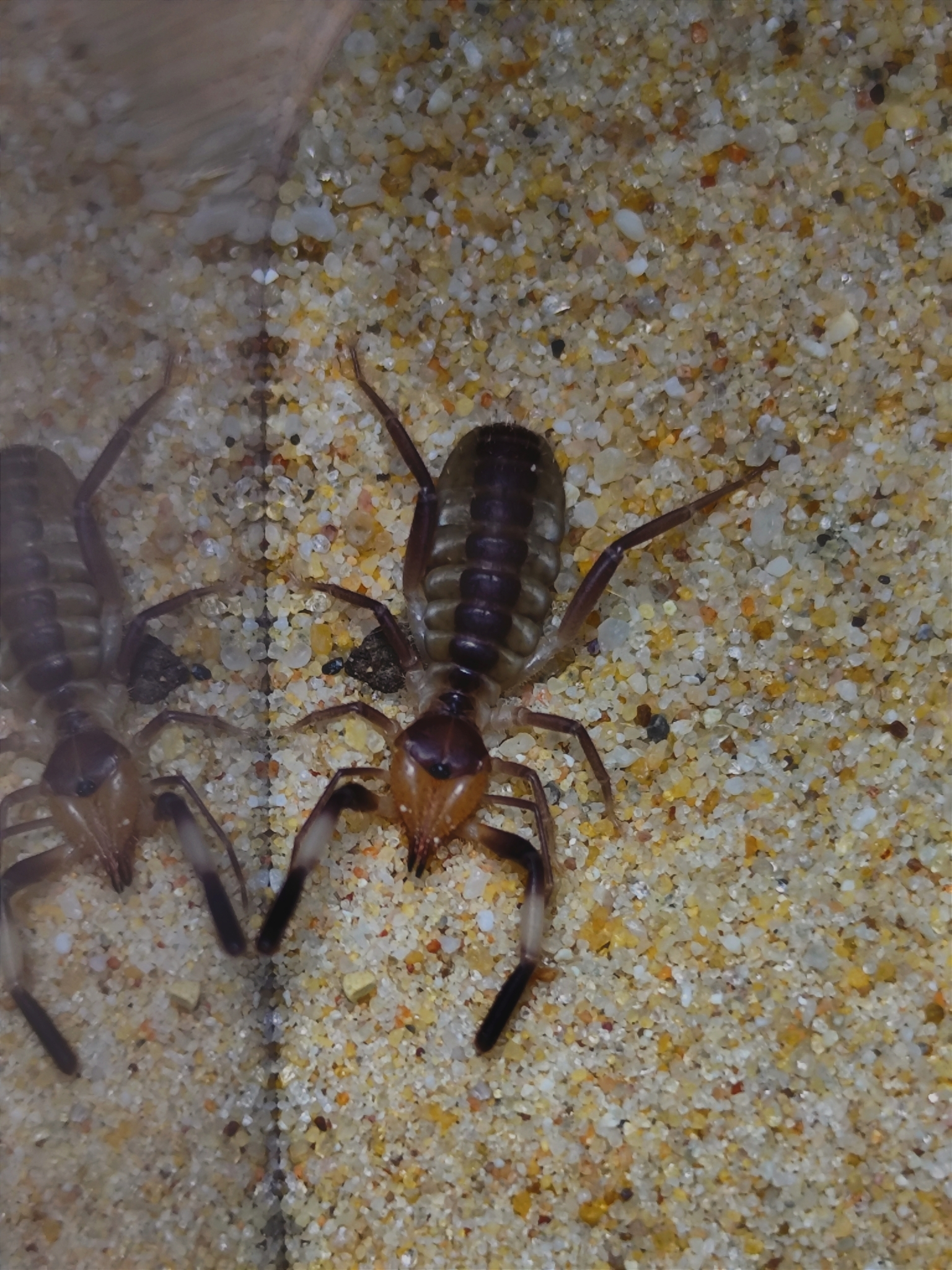 Photo Credit: 0959kedi / Wikimedia Commons
In the sun-baked expanses of the desert, where the golden sands stretch endlessly beneath a blazing sky, lives the camel spider, scientifically known as Galeodes. This remarkable arachnid, often called a wind scorpion or sun spider, is a master of its arid domain. With its flattened body and long, spindly legs, the camel spider is perfectly designed for swift movement across the hot terrain. Its powerful jaws, which can deliver a painful bite, are not just for show; they make it a formidable predator, capable of taking down a variety of small creatures, from insects to lizards.
What truly captivates scientists and nature enthusiasts alike is the camel spider’s unique adaptations and behaviors. As a nocturnal hunter, it emerges under the cover of darkness, using its keen senses to navigate the desert landscape. This creature is often misunderstood, surrounded by myths that exaggerate its size and danger. Yet, the camel spider plays a vital role in its ecosystem, helping to control populations of smaller animals and contributing to the balance of life in its harsh environment. Join us as we delve deeper into the world of the camel spider, exploring its fascinating life cycle, hunting strategies, and the intricate relationships it shares with its surroundings.
The camel spider, often shrouded in myth and mystery, occupies a distinctive niche in the animal kingdom. Scientifically classified within the phylum Arthropoda, which includes insects, arachnids, and crustaceans, this intriguing creature belongs to the class Arachnida, the same group that encompasses spiders and scorpions. What sets camel spiders apart is their unique combination of speed and predatory behavior, making them skilled hunters in their arid habitats. Despite their name, they are not true spiders; instead, they belong to the order Solifugae, which translates to “those that flee from the sun,” highlighting their preference for cooler, shaded areas during the heat of the day.
| Taxonomic Rank | Scientific Name | Meaning & Significance |
|---|---|---|
| Kingdom | Animalia | This name signifies that camel spiders are part of the vast group of multicellular organisms that are primarily heterotrophic, meaning they consume organic material for energy. |
| Phylum | Arthropoda | Derived from Greek, meaning “jointed legs,” this name reflects the camel spider’s segmented body and jointed appendages, a characteristic feature of arthropods. |
| Class | Arachnida | This term comes from the Greek word for spider, indicating that camel spiders share key traits with other arachnids, such as having eight legs and a body divided into two main parts. |
| Order | Solifugae | Meaning “those that flee from the sun,” this name highlights their behavior of seeking shelter from the intense heat of their desert environments. |
| Family | Solpugidae | This family name is derived from the Latin word “solpuga,” which means “sun scorpion,” emphasizing their predatory nature and habitat. |
| Genus | Galeodes | This name is rooted in Greek, meaning “a kind of spider,” which reflects their spider-like appearance, even though they are not true spiders. |
The classification of camel spiders reveals a fascinating evolutionary history that connects them to both arachnids and their unique adaptations to life in harsh environments. Their position in the tree of life illustrates how they have evolved specialized traits, such as their powerful chelicerae (the mouthparts used for grasping prey) and remarkable speed, to thrive in the deserts they call home. Understanding their taxonomy not only sheds light on their biological characteristics but also highlights the intricate relationships among various life forms on our planet.
The evolutionary journey of the camel spider, belonging to the family Solpugidae and the genus Galeodes, stretches back millions of years. These intriguing arachnids have adapted to a variety of environments, primarily arid regions, where they have thrived since the time of the dinosaurs. Their lineage showcases a remarkable ability to survive and evolve in harsh conditions, making them a captivating subject for both scientists and nature enthusiasts alike.
Camel spiders are part of a larger group known as Solifugae, which means “those that flee from the sun” in Latin. This name reflects their behavior of seeking shelter during the hottest parts of the day. Ancestral forms of camel spiders likely resembled other arachnids but gradually developed unique adaptations that set them apart. Over time, they evolved larger body sizes and powerful chelicerae, or mouthparts, which allow them to capture and consume prey efficiently. Their ability to run swiftly across sandy terrain is another significant evolutionary transition, enabling them to escape predators and hunt effectively.
These adaptations have been crucial for the survival of camel spiders in their challenging habitats. Their speed and agility allow them to navigate the unforgiving terrain of deserts, while their powerful jaws ensure they can take down prey efficiently. The ability to resist desiccation means they can thrive in environments where water is scarce. Camouflage helps them avoid detection, and their nocturnal lifestyle allows them to hunt when conditions are more favorable. Together, these traits illustrate the camel spider’s remarkable evolutionary success in some of the planet’s most extreme environments.
The camel spider is an astonishing sight, with a body that can evoke both awe and curiosity. Its overall form is a blend of strength and agility, featuring a robust, flattened body that allows it to navigate the sandy terrains of its desert habitat. With long, spindly legs that can stretch out to impressive lengths, this arachnid moves with surprising speed, making it a formidable predator. Its most distinctive feature, the long pedipalps, resemble oversized pincers, adding to its striking appearance and serving multiple purposes in its daily life.
| Feature | Description |
|---|---|
| Weight | 2 oz |
| Skin Type | Hair |
| Most Distinctive Feature | Long pedipalps |
The combination of these features plays a crucial role in the camel spider’s survival. Its lightweight body allows for quick movements, essential for both hunting and evading predators. The hairy skin helps it blend into the sandy environment, providing camouflage against potential threats. Meanwhile, the long pedipalps are not just for show; they are vital for sensing the surroundings and capturing prey. Together, these adaptations make the camel spider a master of its arid domain, perfectly equipped to thrive in one of the harshest environments on Earth.
The camel spider thrives in some of the most arid and sun-baked environments on Earth. Picture vast stretches of golden sand dunes, rocky outcrops, and sparse vegetation. These landscapes, often characterized by their harshness, provide the perfect backdrop for the camel spider’s life. Here, the sun blazes down during the day, while the nights can be surprisingly cool. This unique habitat is not just a home; it’s a stage for survival, where every crevice and shadow offers a chance to hunt or hide.
Camel spiders are well-suited to thrive in climates that are hot and dry. They prefer areas with minimal rainfall, where temperatures can soar during the day. These conditions create a challenging environment, but the camel spider is equipped to handle it. The dry air and sandy soil allow them to burrow and find shelter from the intense heat, while the cooler nights provide a respite from the scorching sun.
To survive in such extreme habitats, camel spiders have developed several clever adaptations. Their flattened bodies help them navigate through the sand and squeeze into tight spaces, making it easier to find shade or ambush prey. Additionally, their ability to move quickly allows them to escape predators and hunt effectively. These adaptations not only enhance their survival but also make them fascinating inhabitants of the desert and scrubland ecosystems.
The daily life of a camel spider is a blend of stealth and strategy, primarily taking place under the cover of night. As nocturnal hunters, these arachnids emerge after sunset, ready to explore their arid habitats. With their keen senses, they navigate the sandy terrain, searching for prey like insects and small rodents. Their agile movements allow them to cover large distances, making them effective predators in the dark. During the day, they often seek refuge in burrows or under rocks, conserving energy and avoiding the harsh sun.
While camel spiders are primarily solitary creatures, their interactions can be quite intriguing. They do not form social groups like some other species; instead, they prefer to hunt and live alone. This solitary lifestyle means that each spider is responsible for its own survival, relying on its instincts and skills to find food. However, they may occasionally cross paths with others, especially during mating season. Communication among camel spiders is subtle, often involving body language and pheromones, which are chemical signals that convey information about their readiness to mate or establish territory.
| Behavior Type | Description |
|---|---|
| Activity Patterns | Nocturnal hunters that emerge at night to search for prey, resting during the day in burrows or under rocks. |
| Social Structure | Primarily solitary, with interactions mainly occurring during mating season. |
| Communication Methods | Utilizes body language and pheromones to convey information about mating and territory. |
The behaviors of camel spiders are finely tuned to ensure their survival in harsh environments. By being nocturnal, they avoid the extreme heat of the day, which helps them conserve moisture and energy. Their solitary nature allows them to be stealthy hunters, reducing competition for food. Each interaction, whether it’s a fleeting encounter with another spider or a calculated hunt, plays a crucial role in their ability to thrive in the wild. Through these adaptations, camel spiders continue to navigate the challenges of their desert homes with remarkable efficiency.
Camel spiders are carnivorous hunters, primarily feeding on a variety of small animals. Their diet consists of beetles, lizards, small birds, and even rodents. With their powerful jaws and keen senses, they are well-equipped to capture and consume their prey. These arachnids are not just opportunistic feeders; they actively hunt, using their speed and agility to ambush unsuspecting victims in their arid habitats.
| Dietary Aspect | Details |
|---|---|
| Diet Type | Carnivore |
| Favorite Foods | Beetles, lizards, small birds, rodents |
| Prey Items | Insects, small vertebrates |
| Hunting/Foraging Strategies | Active hunters that rely on speed and ambush tactics |
The camel spider’s diet plays a crucial role in its ecological niche. By preying on various small animals, it helps control their populations, contributing to the balance of its desert ecosystem. This hunting behavior also shapes the camel spider’s daily routine, as it must be vigilant and strategic, often waiting patiently for the right moment to strike. In this way, the camel spider exemplifies the intricate connections between diet, behavior, and the environment in which it thrives.
When it comes to reproduction, camel spiders have a fascinating courtship ritual that sets the stage for their breeding season. Males often engage in a dance-like display to attract females, showcasing their strength and agility. This mating season typically occurs in warmer months when conditions are just right for the survival of their young. After a successful courtship, the female lays her eggs in a safe, hidden location, ensuring that her offspring have the best chance of survival.
| Reproductive Aspect | Details |
|---|---|
| Gestation Period | 11 days |
| Average Litter Size | 50-200 |
| Name Of Young | Spiderling |
| Age of Maturity | Approximately 3-6 months |
Once the eggs hatch, the young spiderlings emerge, ready to face the world. These tiny creatures are vulnerable at first, relying on their instincts to find food and shelter. As they grow, they undergo a series of molts, shedding their exoskeletons to accommodate their increasing size. Parental care is minimal, as camel spiders do not nurture their young after laying eggs. Instead, the spiderlings must quickly learn to fend for themselves, developing into independent adults within just a few months. This rapid growth and adaptation are crucial for survival in their harsh desert habitats.
The camel spider plays a crucial role in its ecosystem, sitting near the top of the food web in its arid habitat. As a skilled predator, it helps control populations of smaller animals, such as insects and lizards. However, despite its formidable hunting skills, the camel spider faces several dangers that threaten its survival.
To defend itself against these threats, the camel spider employs a variety of survival strategies. Its speed and agility allow it to dart away from predators quickly, while its ability to blend into the sandy environment provides excellent camouflage. Additionally, when faced with danger, it can burrow into the ground or hide under rocks, making it harder for predators to spot. These clever adaptations help the camel spider navigate the challenges of its harsh surroundings, ensuring its place in the ecosystem.
A keystone species is a vital part of its ecosystem, meaning its presence and activities have a significant impact on the environment and other living things. The camel spider, while not as widely recognized as some other keystone species, does play an important role in its desert habitat. By controlling the populations of various small animals, it helps maintain the balance of its ecosystem.
In the arid landscapes where camel spiders thrive, they are skilled predators. Their diet mainly consists of insects, lizards, and even small birds. By preying on these animals, camel spiders help regulate their populations, preventing any one species from becoming too dominant. This balance is crucial because it allows for a diverse range of species to coexist. For example, if camel spiders were to disappear, the number of insects could explode, leading to overgrazing of vegetation and a decline in plant diversity.
Moreover, camel spiders contribute to the nutrient cycle in their environment. When they hunt and consume their prey, they help break down organic matter, returning nutrients to the soil. This process supports plant growth, which in turn provides food and shelter for other animals. The presence of camel spiders can also influence the behavior of their prey, making them more cautious and affecting their feeding patterns.
If camel spiders were to vanish from their habitats, the consequences could be severe. Without these predators, the populations of their prey would likely surge, leading to overpopulation and depletion of resources. This imbalance could trigger a cascade of effects, disrupting the entire ecosystem. Plants might struggle to survive under the pressure of excessive herbivory, and the overall biodiversity of the area could decline. In essence, the disappearance of camel spiders would ripple through the food web, highlighting their crucial role in maintaining the health of their environment.
The camel spider, a fascinating inhabitant of deserts and scrublands, plays a vital role in shaping its ecosystem. As a nocturnal predator, it thrives in arid environments, where it hunts under the cover of darkness. This unique lifestyle allows it to avoid the heat of the day while actively seeking out prey. By controlling the populations of smaller animals, the camel spider helps maintain a balance in its ecosystem, ensuring that no single species overwhelms the environment.
| Ecosystem Service | Impact |
|---|---|
| Predation | Controls populations of insects and small vertebrates, preventing overpopulation. |
| Soil Aeration | Burrowing behavior helps aerate the soil, promoting healthier plant growth. |
| Food Source | Serves as prey for larger predators, contributing to the food web. |
The influence of the camel spider extends beyond its role as a predator. By preying on insects and small vertebrates, it helps regulate their populations, which can otherwise explode in numbers. For instance, when camel spiders hunt beetles or small lizards, they not only keep these populations in check but also ensure that plants have a chance to thrive without being overgrazed. Additionally, their burrowing activities can improve soil quality, allowing for better water retention and nutrient availability, which benefits the entire ecosystem.
The broader ecological importance of the camel spider cannot be overstated. As a keystone species, its presence is crucial for maintaining the balance of life in its harsh habitat. By influencing the populations of various organisms and contributing to soil health, the camel spider supports a diverse range of life forms. This interconnectedness highlights the delicate web of relationships that exists in nature, reminding us that even the smallest creatures can have a significant impact on their environment.
In the intricate web of life, symbiosis refers to the close interactions between different species, which can take on various forms. These relationships can be mutualistic, where both species benefit; parasitic, where one benefits at the expense of the other; or commensal, where one benefits while the other is neither helped nor harmed. Understanding these connections helps us appreciate the delicate balance of ecosystems, where every creature plays a role, including the camel spider.
| Species/Type | Relationship Type | Description |
|---|---|---|
| Ants | Mutualistic | Certain species of ants may protect camel spiders from predators in exchange for the spider’s waste, which provides nutrients for the ants. |
| Small rodents | Parasitic | While not a traditional parasite, camel spiders can prey on small rodents, benefiting from their energy while harming the rodent. |
| Desert plants | Commensal | Camel spiders often take shelter under desert plants, gaining protection from the sun and predators without affecting the plants. |
These relationships have evolved over time, shaped by the needs and behaviors of the species involved. The mutualistic bond with ants showcases how cooperation can enhance survival, while the predatory nature of camel spiders highlights the fierce competition for resources in their harsh desert habitats. Each interaction, whether beneficial or harmful, contributes to the rich tapestry of life, demonstrating that even the most solitary creatures can be part of a larger community.
Camel spiders, often misunderstood and surrounded by myths, are truly captivating creatures that deserve a closer look. These fascinating arachnids, known for their impressive adaptations and behaviors, reveal the wonders of life in some of the harshest environments on Earth.
Throughout history, camel spiders have sparked both fear and fascination among humans. These intriguing arachnids, often found in arid regions, have been part of various cultural narratives. In some cultures, they are seen as symbols of strength and resilience, while in others, they are the subject of myths that exaggerate their size and behavior. Soldiers stationed in desert regions have shared stories of encounters with camel spiders, often describing them as fearsome creatures. This blend of reality and myth has shaped how people perceive these animals, leading to a complex relationship that intertwines respect, curiosity, and caution.
In modern times, interactions between camel spiders and humans have evolved. While they are not domesticated animals, their presence in human habitats can lead to conflict, especially in areas where people live near their natural environments. Conservation efforts are not typically focused on camel spiders, but understanding their role in the ecosystem is crucial. As predators, they help control populations of insects and small animals, contributing to the balance of their habitats. However, as urban areas expand into desert regions, the potential for human-wildlife conflict increases, prompting discussions about coexistence and the importance of preserving natural habitats.
Looking ahead, the relationship between camel spiders and humanity will likely continue to evolve. As we learn more about these remarkable arachnids and their ecological importance, there is potential for greater appreciation and understanding. By fostering a sense of respect for the natural world, we can work towards a future where humans and camel spiders coexist harmoniously, recognizing the vital roles each plays in the intricate web of life.
The conservation status of the camel spider is currently classified as “Least Concern” by the International Union for Conservation of Nature (IUCN). This means that, at present, they are not considered at risk of extinction. However, specific population estimates remain unknown, making it difficult to assess their numbers accurately. While they are not facing immediate threats, ongoing monitoring is essential to ensure their populations remain stable.
| Conservation Factor | Status/Details |
|---|---|
| IUCN Status | Least Concern |
| Population Estimates | Unknown |
| Trend Direction | Stable |
Despite their current stable status, camel spiders face several threats that could impact their future. Habitat destruction is a significant concern, as human activities such as urban development and agriculture encroach on their natural environments. Additionally, climate change poses a risk by altering the delicate ecosystems where these arachnids thrive. Changes in temperature and precipitation patterns can affect their food sources and breeding grounds, potentially leading to population declines.
Conservation efforts for camel spiders are not as prominent as for some other species, but awareness is growing. Researchers and conservationists are beginning to recognize the importance of these creatures in their ecosystems. By studying their behavior and habitat needs, scientists can better understand how to protect them. As long as their habitats remain intact and the threats are managed, the outlook for camel spiders appears positive, allowing them to continue their role as fascinating nocturnal predators in the wild.
| Question | Answer |
|---|---|
| Where do Camel Spiders live? | Camel Spiders are commonly found in deserts and scrublands. These habitats provide the dry, warm conditions they thrive in, allowing them to hunt and hide from predators. |
| What do Camel Spiders eat? | As carnivores, Camel Spiders primarily feed on insects and other small animals. They are skilled hunters, using their speed and agility to catch their prey. |
| How do Camel Spiders behave? | Camel Spiders are known for their quick movements and aggressive hunting style. They are mostly nocturnal, meaning they are active at night when temperatures are cooler. |
| How do Camel Spiders reproduce? | During mating, male Camel Spiders will perform a courtship dance to attract females. After mating, females lay eggs in the ground, where they will hatch into tiny spiderlings. |
| What threats do Camel Spiders face? | While Camel Spiders are currently classified as Least Concern, they can face threats from habitat destruction and climate change. These factors can reduce their living spaces and food sources. |
| What is a unique characteristic of Camel Spiders? | One of the most distinctive features of Camel Spiders is their long pedipalps, which are the appendages near their mouths. These help them sense their environment and catch prey. |
| Are Camel Spiders dangerous to humans? | While Camel Spiders can look intimidating, they are not dangerous to humans. They do not possess venom that affects people, and they typically avoid contact with us. |