Taxonomy & Classification
- Kingdom
- Animalia
- Phylum
- Chordata
- Class
- Mammalia
- Order
- Carnivora
- Family
- Felidae
- Genus
- Lynx
- Species
- Lynx canadensis

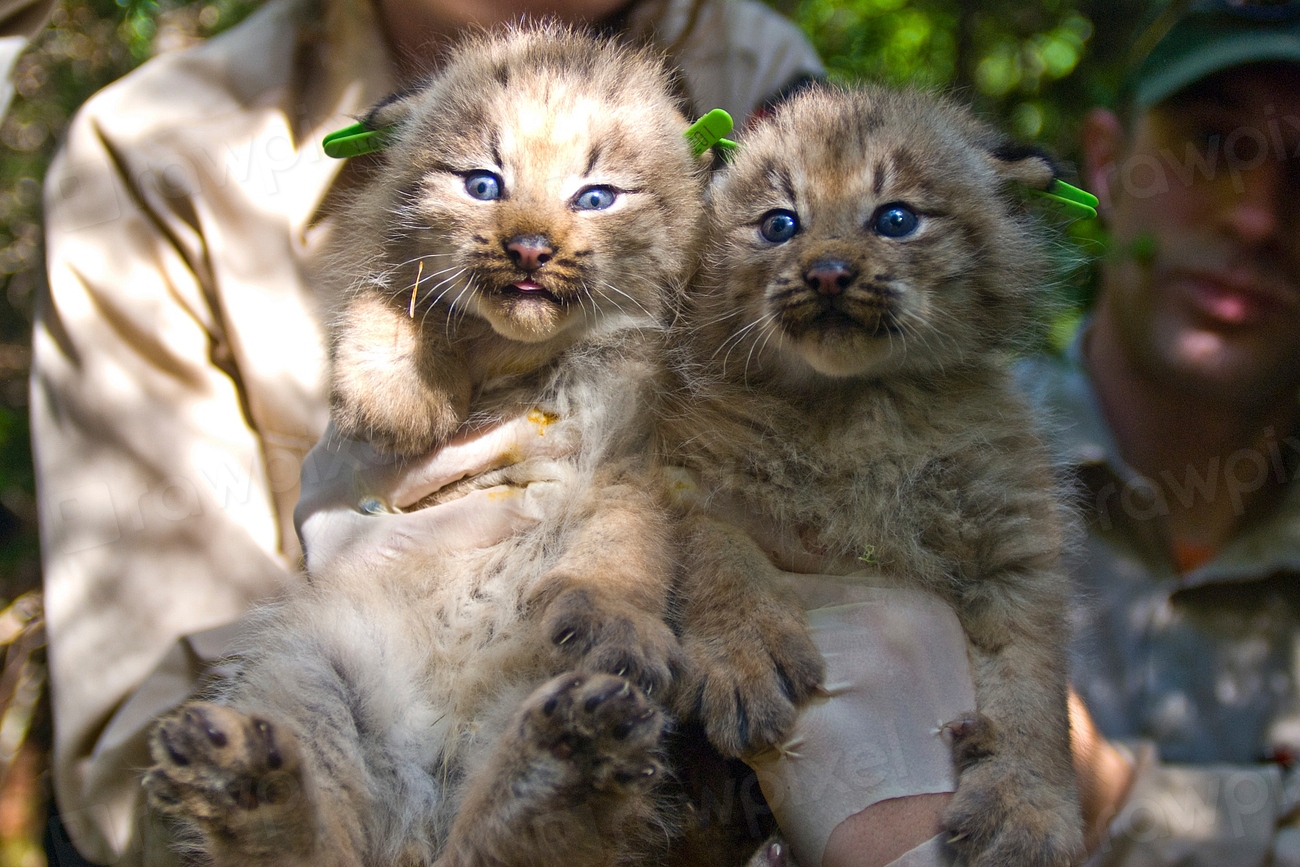 Photo Credit: U.S. Fish and Wildlife Service / Rawpixel
In the heart of North America’s boreal forests, the Canada Lynx, or Lynx canadensis, prowls with an air of mystery and grace. This medium-sized wildcat, with its tufted ears and strikingly large paws, is perfectly adapted to its snowy surroundings. Imagine a soft blanket of white covering the ground, while the tall coniferous trees stand sentinel, their branches heavy with frost. Here, the Canada Lynx moves silently, its thick fur providing warmth against the chill, and its keen eyesight scanning the landscape for movement.
What makes the Canada Lynx particularly captivating is its role as a masterful hunter, primarily preying on the snowshoe hare. This relationship is a delicate balance; as the hare population ebbs and flows, so too does the lynx’s survival. Scientists and nature enthusiasts alike are drawn to this fascinating dynamic, as it highlights the intricate web of life in these northern forests. With its solitary nature and stealthy behavior, the Canada Lynx embodies the wild spirit of the wilderness, inviting us to explore the wonders of its world and the vital role it plays in maintaining the health of its ecosystem.
The Canada Lynx is a captivating member of the animal kingdom, nestled within the intricate web of life. Taxonomically, it belongs to the Kingdom Animalia, which includes all animals, and is classified under the Phylum Chordata, meaning it has a backbone. This feline marvel is part of the Class Mammalia, indicating it is a warm-blooded animal that nurses its young with milk. Within the Order Carnivora, which encompasses meat-eating mammals, the Canada Lynx finds its place in the Family Felidae, the group that includes all cats. Its Genus, Lynx, highlights its close relatives, such as the bobcat and the Eurasian lynx. What sets the Canada Lynx apart is its specialized adaptations for life in snowy environments, including large, furry paws that act like snowshoes, allowing it to traverse deep snow with ease.
| Taxonomic Rank | Scientific Name | Meaning & Significance |
|---|---|---|
| Kingdom | Animalia | This name signifies the broad category of all animals, highlighting the Canada Lynx’s place among living organisms that share certain biological characteristics. |
| Phylum | Chordata | Derived from the Greek word “chordates,” meaning “having a cord,” this classification emphasizes the presence of a backbone, a key feature of the Canada Lynx. |
| Class | Mammalia | This term comes from the Latin “mamma,” meaning “breast,” referring to the Canada Lynx’s ability to nurse its young, a defining trait of mammals. |
| Order | Carnivora | From the Latin “carnivorous,” meaning “meat-eating,” this classification highlights the Canada Lynx’s diet, which primarily consists of snowshoe hares. |
| Family | Felidae | This name comes from the Latin word “felis,” meaning “cat,” indicating the Canada Lynx’s close relationship with other feline species. |
| Genus | Lynx | Derived from the Greek word “lynx,” which refers to a type of wild cat, this name connects the Canada Lynx to its relatives, emphasizing its unique characteristics within the cat family. |
The classification of the Canada Lynx reveals a rich evolutionary history that connects it to a lineage of animals adapted to diverse environments. Its position within the Felidae family underscores its specialized hunting skills and physical adaptations, such as its keen eyesight and powerful limbs. As a member of the Carnivora order, the Canada Lynx showcases the evolutionary traits that have allowed it to thrive in the cold, snowy habitats of North America. Understanding its taxonomic position not only highlights its unique features but also provides insight into the broader story of life on Earth, illustrating how species evolve and adapt over time.
The evolutionary journey of the Canada Lynx stretches back millions of years, weaving through the tapestry of time and adapting to the changing landscapes of North America. This feline, scientifically known as Lynx canadensis, is a member of the Felidae family, which includes all modern cats. Its ancestors roamed the Earth during the late Miocene epoch, around 10 million years ago, when the climate and habitats began to shift dramatically.
The Canada Lynx shares a common ancestor with other lynx species, such as the Eurasian lynx and the Iberian lynx. Over time, these ancestors adapted to their environments, leading to the distinct features we see today. The Canada Lynx evolved to thrive in the cold, snowy forests of Canada and the northern United States. One major transition was the development of its long legs and large, furry paws, which act like snowshoes, allowing it to move effortlessly through deep snow. This adaptation was crucial for hunting its primary prey, the snowshoe hare, which also adapted to the snowy environment.
The adaptations of the Canada Lynx have been vital for its survival in a challenging environment. Its ability to move swiftly through snow and locate prey with precision has allowed it to thrive where other predators might struggle. As the climate continues to change, these evolutionary traits will be essential for the Canada Lynx to navigate its world and maintain its role in the ecosystem.
The Canada Lynx is a striking animal that captures the imagination with its elegant form and distinctive features. This medium-sized wild cat boasts a sturdy body, standing about 1.1 meters long and weighing around 9 kilograms. Its long legs and large, furry paws are perfectly designed for navigating snowy terrains, making it a master of its cold, northern habitat. The lynx’s tufted ears and the long hair that frames its face give it a regal appearance, while its thick fur coat provides insulation against the chill of winter.
| Feature | Description |
|---|---|
| Height | 0.33m-1.1m (1.7ft-3.9ft) |
| Weight | 9 kgs (20 lbs) |
| Skin Type | Hair |
| Most Distinctive Feature | Long hair on cheeks and ears |
These physical traits are not just for show; they play crucial roles in the lynx’s survival. The long hair on its cheeks and ears helps to amplify sound, allowing the lynx to detect the faintest rustle of prey in the underbrush. Its large paws act like snowshoes, distributing its weight and enabling it to move swiftly across deep snow. Together, these features create a well-adapted predator, perfectly suited to thrive in the snowy forests of Canada and beyond. The Canada Lynx is not just a beautiful animal; it is a finely tuned machine of nature, designed for life in the wild.
The Canada Lynx thrives in the enchanting boreal forests of North America, where tall coniferous trees stretch toward the sky, creating a lush, green canopy. This habitat is a mosaic of dense thickets, open spaces, and snow-covered ground in winter, providing the perfect playground for this elusive feline. The underbrush is often rich with shrubs and small plants, offering both cover and food for the lynx and its prey.
The climate in these regions is typically cold, with long winters and short summers. The Canada Lynx is well-suited to this environment, as it prefers areas with deep snow, which helps it hunt its primary prey, the snowshoe hare. The boreal forest experiences significant snowfall, creating a winter wonderland that the lynx navigates with ease. These conditions also mean that the lynx must be adaptable, as it relies on the seasonal changes to find food and shelter.
Adaptations are key to the Canada Lynx’s survival in its boreal home. Its large, furry paws act like snowshoes, allowing it to walk on top of the snow without sinking. The lynx’s thick fur keeps it warm during frigid temperatures, while its keen eyesight and acute hearing help it detect prey even in the thickest of woods. These features make the Canada Lynx a master of its snowy domain, perfectly equipped to thrive in the wild, wintry landscapes it calls home.
The Canada Lynx leads a life that is both solitary and stealthy, filled with activities that revolve around its need for food and territory. As night falls, these cats become active hunters, using their keen senses to navigate the snowy landscapes. They rely on their excellent hearing to detect the rustling of prey, primarily snowshoe hares, which make up a significant portion of their diet. During the day, Canada Lynx often rest in the safety of dense thickets or under the cover of trees, conserving energy for their nighttime escapades. Their daily rhythm is a dance of patience and precision, as they stalk their prey with a quiet grace.
In terms of social behavior, Canada Lynx are solitary animals, preferring to roam alone rather than in groups. This independence allows them to maintain large territories, which they mark with scent to communicate their presence to other lynx. While they may come together during mating season, they generally avoid social interactions outside of that time. Their solitary nature means they rely heavily on their senses and instincts to navigate their environment and find food, making them expert hunters in their own right.
| Behavior Type | Description |
|---|---|
| Activity Patterns | Primarily nocturnal, Canada Lynx hunt at night and rest during the day, using their keen senses to locate prey. |
| Social Structure | Solitary animals that maintain large territories, marking them with scent to communicate with others. |
| Communication Methods | Use scent marking and vocalizations, such as growls and yowls, to communicate with potential mates and rivals. |
The behaviors of the Canada Lynx are finely tuned to ensure their survival in the wild. By being solitary, they reduce competition for food and can effectively manage their territories. Their nocturnal hunting habits allow them to take advantage of the cover of darkness, making it easier to stalk and ambush their prey. This combination of independence and skillful hunting is what allows the Canada Lynx to thrive in the challenging environments of North America’s boreal forests.
The Canada Lynx is a carnivore, which means it primarily eats meat. Its favorite meal is the snowshoe hare, a small rabbit known for its large feet and ability to hop through deep snow. The lynx has adapted its hunting skills to be especially effective in snowy environments, where it uses its keen eyesight and excellent hearing to locate its prey. With a stealthy approach, the lynx can pounce on unsuspecting hares, making it a skilled predator in its boreal forest home.
| Dietary Aspect | Details |
|---|---|
| Diet Type | Carnivore |
| Favorite Foods | Snowshoe hare |
| Prey Items | Small mammals, birds |
| Hunting/Foraging Strategies | Stealthy stalking, pouncing, using keen senses |
The diet of the Canada Lynx plays a crucial role in shaping its ecology and daily routine. By primarily preying on snowshoe hares, the lynx helps regulate their population, which in turn affects the entire ecosystem. This relationship highlights the delicate balance of nature, where each species plays a part in maintaining harmony. The lynx’s hunting habits also dictate its activity patterns, as it often hunts during twilight hours when its prey is most active, making every night an adventure in the snowy wilderness.
The mating behavior of the Canada Lynx is a captivating aspect of their life cycle. Breeding season typically occurs in late winter to early spring, around February to March. During this time, males will roam their territories, seeking out females. They communicate through vocalizations and scent markings, which help them find potential mates. Once a female is receptive, she will mate with one or more males, ensuring genetic diversity in her offspring.
| Reproductive Aspect | Details |
|---|---|
| Gestation Period | 74 days |
| Litter Size | 1 to 4 kittens |
| Age of Maturity | 21-33 months |
| Name of Young | Kittens |
After the kittens are born, the mother takes on the crucial role of caregiver. She will find a secluded den, often in a hollow log or under dense brush, to keep her young safe from predators. The kittens are born blind and helpless, relying entirely on their mother for warmth and nourishment. As they grow, the mother teaches them essential survival skills, such as hunting and navigating their forest home. By the time they reach maturity, the young lynx are ready to venture out on their own, equipped with the knowledge and instincts needed to thrive in the wild.
The Canada Lynx plays a vital role in its ecosystem, primarily as a predator. It helps control the population of its main prey, the snowshoe hare, which in turn affects the vegetation in its habitat. This delicate balance is crucial for maintaining the health of the boreal forests where the lynx resides. However, like all animals, the Canada Lynx faces various dangers that threaten its survival.
To defend itself against these threats, the Canada Lynx has developed several survival strategies. Its thick fur provides insulation against the cold, allowing it to thrive in snowy environments. The lynx is also an expert at camouflage, blending seamlessly into its surroundings to avoid detection by both predators and prey. When faced with danger, it can swiftly escape into dense underbrush or climb trees, using its sharp claws to grip the bark. These adaptations help the Canada Lynx navigate the challenges of its environment, ensuring its place in the food web.
A keystone species is an organism that has a disproportionately large impact on its environment relative to its abundance. In simpler terms, these species play a crucial role in maintaining the structure of an ecosystem. The Canada Lynx qualifies as a keystone species due to its significant influence on the populations of its prey, particularly the snowshoe hare. By controlling hare numbers, the lynx helps maintain a balance in the boreal forest ecosystem where it resides.
The Canada Lynx is a masterful predator, primarily hunting snowshoe hares. This relationship is a classic example of predator-prey dynamics. When lynx populations are healthy, they keep hare numbers in check. If the hare population grows too large, it can lead to overgrazing of vegetation, which can harm the entire forest ecosystem. Conversely, if lynx numbers decline, hare populations can explode, leading to a cascade of ecological changes. This balance is vital for the health of the boreal forest, as it ensures that plant life can thrive and support other species.
Additionally, the presence of Canada Lynx influences the behavior of other animals in the forest. For instance, smaller predators and scavengers may alter their hunting patterns or foraging habits based on the presence of lynx. This creates a ripple effect throughout the food web, affecting not just the hare population but also the plants and other animals that depend on a balanced ecosystem.
If the Canada Lynx were to disappear from its habitat, the consequences would be profound. Without this key predator, snowshoe hare populations could surge, leading to overconsumption of young trees and shrubs. This overgrazing would not only diminish plant diversity but could also disrupt the entire food web, affecting countless other species that rely on the forest for survival. The loss of the lynx would create a domino effect, ultimately threatening the health and stability of the boreal forest ecosystem itself.
The Canada Lynx occupies a vital ecological niche in the boreal forests of North America. As a skilled predator, it primarily hunts snowshoe hares, which are its main source of food. This relationship is crucial because the lynx helps regulate hare populations, preventing them from overgrazing the vegetation. By maintaining this balance, the Canada Lynx plays a significant role in shaping its ecosystem, ensuring that the forest remains healthy and diverse.
| Ecosystem Service | Impact |
|---|---|
| Population Control | Regulates snowshoe hare numbers, preventing overgrazing of plants. |
| Habitat Maintenance | Encourages plant diversity by controlling herbivore populations. |
| Food Source for Other Predators | Serves as prey for larger carnivores, contributing to the food web. |
| Indicator Species | Reflects the health of the boreal forest ecosystem. |
The influence of the Canada Lynx extends beyond just its hunting habits. For instance, when lynx populations thrive, they keep the snowshoe hare numbers in check. This balance allows various plant species to flourish, which in turn supports a wide range of other wildlife. Additionally, the presence of lynx can indicate a healthy ecosystem, as they require large territories and abundant prey. When their numbers decline, it can signal underlying issues in the environment, such as habitat loss or climate change.
The broader ecological importance of the Canada Lynx cannot be overstated. As a keystone species, its role in the ecosystem is crucial for maintaining the health and stability of the boreal forest. By controlling prey populations and influencing plant diversity, the lynx helps create a balanced environment that supports countless other species. This interconnectedness highlights the delicate web of life in which the Canada Lynx plays a starring role, reminding us of the importance of preserving these magnificent animals and their habitats for future generations.
In the intricate dance of nature, symbiosis refers to the close relationships between different species that can benefit one or both parties involved. These ecological partnerships can take many forms, including mutualism, where both species gain advantages; commensalism, where one benefits while the other is neither helped nor harmed; and parasitism, where one species benefits at the expense of another. The Canada Lynx, a solitary hunter of the boreal forests, engages in various relationships that highlight the interconnectedness of life in its ecosystem.
| Species/Type | Relationship Type | Description |
|---|---|---|
| Snowshoe Hare | Mutualistic | The Canada Lynx preys on the snowshoe hare, helping to control its population. In turn, the hare’s abundance provides a reliable food source for the lynx, creating a balance in the ecosystem. |
| Forest Vegetation | Commensal | The presence of Canada Lynx can influence the behavior of other animals in the forest, such as smaller mammals. While the lynx does not directly benefit from the vegetation, its hunting patterns can help maintain healthy plant growth by controlling herbivore populations. |
| Ticks | Parasitic | Ticks can latch onto Canada Lynx, feeding on their blood. This relationship is harmful to the lynx, as it can lead to health issues, but it benefits the ticks by providing them with nourishment. |
The relationships that the Canada Lynx forms with other species have evolved over time, shaped by the demands of survival and the delicate balance of ecosystems. These interactions not only benefit the lynx but also play a crucial role in maintaining the health of the boreal forest. By preying on snowshoe hares, the lynx helps regulate their population, which in turn supports the growth of vegetation. Meanwhile, the presence of the lynx can influence the behavior of other animals, creating a ripple effect throughout the ecosystem. Understanding these connections deepens our appreciation for the complexity of nature and the vital roles each species plays in sustaining life on Earth.
The Canada Lynx is a captivating wild cat that roams the snowy forests of North America. With its striking features and unique adaptations, this feline is full of surprises that will intrigue nature lovers of all ages.
The Canada Lynx has long been a part of human history, weaving its way into the cultural fabric of the regions it inhabits. Indigenous peoples of North America have revered this elusive feline, often featuring it in their stories and traditions. The lynx symbolizes stealth and adaptability, qualities that resonate with the human experience in the wild. Early European settlers also encountered these magnificent cats, sometimes hunting them for their luxurious fur. This historical relationship has shaped how we view the Canada Lynx, blending admiration with a sense of caution as we navigate our shared environments.
Today, the interactions between Canada Lynx and humans are complex and multifaceted. Conservation efforts are underway to protect this species, especially as its habitat faces threats from logging, climate change, and urban development. While some people appreciate the lynx for its role in maintaining ecological balance, others may see it as a competitor for game animals or livestock. In some areas, conflicts arise when lynx venture into human-populated spaces, leading to misunderstandings about their behavior and needs. Unlike domesticated cats, Canada Lynx are wild animals that thrive in their natural habitats, making it crucial for us to respect their space and understand their role in the ecosystem.
As we look to the future, the relationship between Canada Lynx and humanity holds both challenges and opportunities. With ongoing conservation efforts and a growing understanding of wildlife ecology, there is hope for a harmonious coexistence. By fostering respect for these magnificent cats and their habitats, we can ensure that future generations will continue to marvel at the Canada Lynx in the wild. Together, we can create a world where both humans and lynx thrive, celebrating the beauty of nature and the intricate connections that bind us all.
The Canada Lynx is currently classified as “Least Concern” on the IUCN Red List, indicating that it is not facing immediate extinction threats. However, its population trends are not well-documented, leading to uncertainty about the exact number of individuals in the wild. While the species is generally stable in some regions, localized declines have been observed, particularly in areas where habitat loss and climate change impact their primary prey, the snowshoe hare.
| Conservation Factor | Status/Details |
|---|---|
| IUCN Status | Least Concern |
| Estimated Population Size | Unknown |
| Population Trend | Stable in some areas, localized declines in others |
Despite its current status, the Canada Lynx faces several significant threats. Habitat destruction due to logging, urban development, and climate change poses a serious risk to its survival. As temperatures rise, the snowshoe hare populations, which the lynx depend on for food, may decline or shift to different areas, making it harder for the lynx to find enough to eat. Additionally, increased human activity in their habitats can lead to more vehicle collisions and disturbances that disrupt their natural behaviors.
Conservation efforts are underway to protect the Canada Lynx and its habitat. Organizations and wildlife agencies are working to preserve the boreal forests where these cats thrive, ensuring that they have the space and resources they need to survive. Monitoring programs are also being established to better understand population dynamics and habitat use. With continued efforts and public awareness, there is hope that the Canada Lynx will maintain its presence in North America for generations to come.
| Question | Answer |
|---|---|
| What type of habitat do Canada Lynx prefer? | Canada Lynx thrive in boreal forests, which are dense, coniferous woodlands found in northern regions. These forests provide plenty of cover and hunting grounds, making them ideal for the lynx's lifestyle. |
| What do Canada Lynx eat? | As carnivores, Canada Lynx primarily hunt snowshoe hares, which make up a large part of their diet. They are skilled hunters, using their keen eyesight and excellent hearing to track down their prey. |
| How do Canada Lynx behave in the wild? | Canada Lynx are solitary animals, meaning they prefer to live alone except during mating season or when a mother is raising her young. They are mostly nocturnal, which means they are active at night, and they use their sharp claws to climb trees and navigate their forested homes. |
| How do Canada Lynx reproduce? | Canada Lynx typically mate in late winter, and after a gestation period of about 60 to 70 days, the female gives birth to a litter of two to four kittens. The mother raises the kittens alone, teaching them essential survival skills until they are ready to fend for themselves. |
| What threats do Canada Lynx face? | While Canada Lynx are currently listed as Least Concern, they face threats from habitat loss due to logging and development. Climate change also poses a risk, as it can affect the populations of their primary prey, the snowshoe hare. |
| What is a unique characteristic of Canada Lynx? | One of the most distinctive features of Canada Lynx is the long tufts of hair on their ears and the thick fur around their cheeks. These adaptations help them hear better and stay warm in their cold, northern habitats. |
| How do Canada Lynx adapt to their environment? | Canada Lynx have large, furry paws that act like snowshoes, allowing them to walk on top of deep snow without sinking. This adaptation is crucial for hunting in snowy conditions, where their prey is often hidden beneath the surface. |