Taxonomy & Classification
- Kingdom
- Animalia
- Phylum
- Chordata
- Class
- Chondrichthyes
- Order
- Carcharhiniformes
- Family
- Carcharhinidae
- Genus
- Carcharhinus
- Species
- C. Perezi

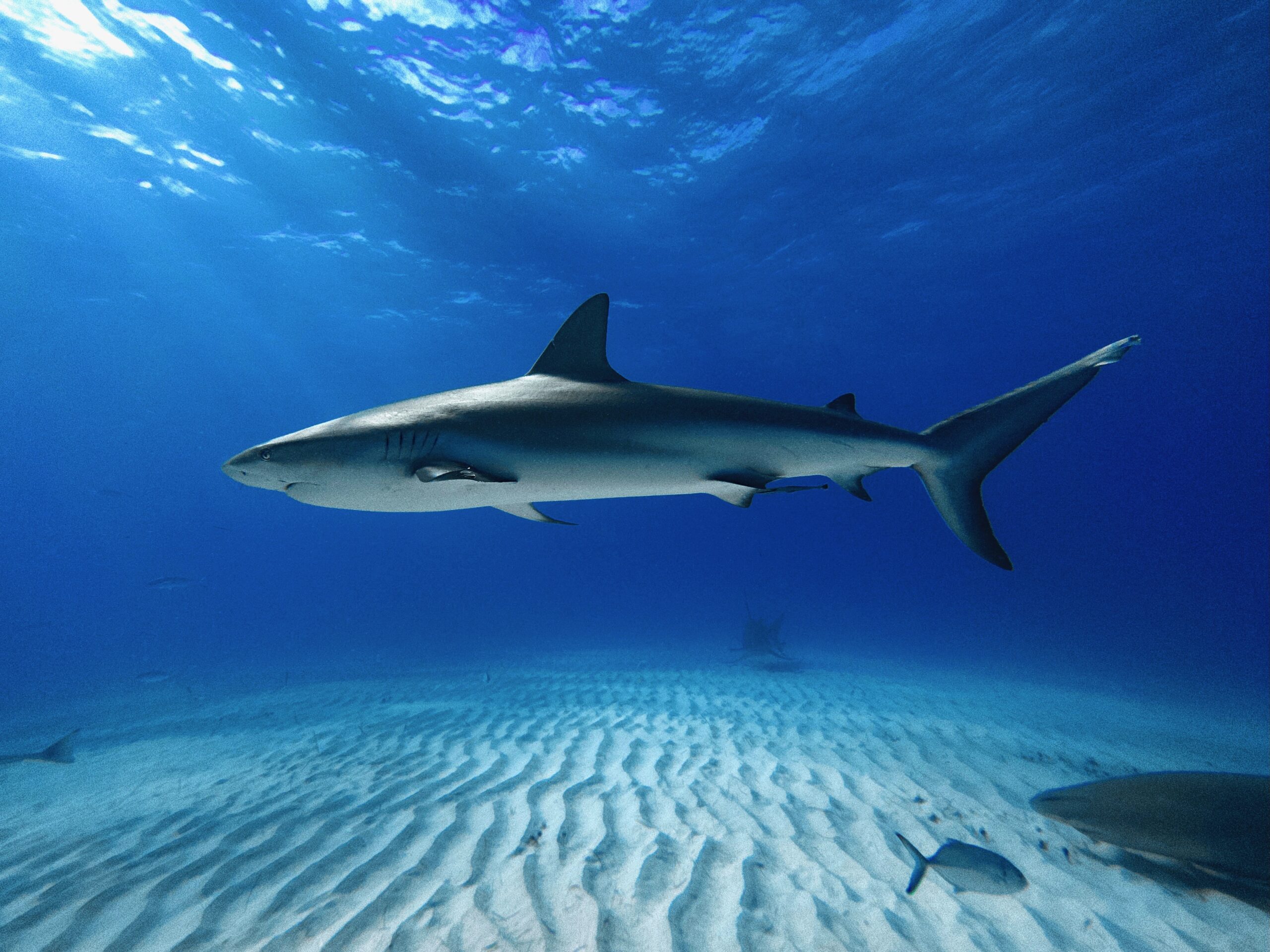 Photo Credit: Dennis Hipp (Zepto) / Wikimedia
In the sun-drenched waters of the Caribbean Sea, the Caribbean Reef Shark, or Carcharhinus perezi, glides effortlessly through a vibrant underwater world. With its sleek, streamlined body and distinctive pointed snout, this shark is a master of its domain, embodying both grace and power. As it navigates the colorful coral reefs, the Caribbean Reef Shark showcases its keen hunting skills, darting after schools of fish with remarkable agility. Its presence is not just a spectacle; it plays a crucial role in maintaining the balance of marine life, making it a subject of fascination for scientists and nature enthusiasts alike.
The Caribbean Reef Shark is more than just a beautiful creature; it is a keystone species, meaning its existence is vital for the health of its ecosystem. By preying on various fish and invertebrates, it helps regulate populations and ensures a diverse underwater community. This dynamic predator is most active during the day, often seen patrolling the reefs and open waters, embodying the spirit of the Caribbean’s rich marine biodiversity. As we dive deeper into the life of the Caribbean Reef Shark, we will explore its behaviors, diet, and the challenges it faces in a world increasingly influenced by human activity. Join us on this adventure to uncover the secrets of this remarkable shark and its underwater realm.
The Caribbean Reef Shark, scientifically known as Carcharhinus perezi, occupies a significant position in the tree of life. This sleek predator is part of the Kingdom Animalia, which includes all animals, and belongs to the Phylum Chordata, characterized by having a backbone. What sets the Caribbean Reef Shark apart is its role as a top predator in coral reef ecosystems, where it helps maintain the balance of marine life. With its streamlined body and keen senses, this shark is perfectly adapted to its environment, showcasing the incredible diversity of life forms that have evolved over millions of years.
| Taxonomic Rank | Scientific Name | Meaning & Significance |
|---|---|---|
| Kingdom | Animalia | This name signifies all animals, highlighting the Caribbean Reef Shark’s place among the diverse life forms on Earth. |
| Phylum | Chordata | Chordata means “having a cord,” referring to the notochord, a flexible rod that supports the body, which is a key feature in this shark’s development. |
| Class | Chondrichthyes | This class name means “cartilage fish,” indicating that the Caribbean Reef Shark has a skeleton made of cartilage instead of bone, making it lighter and more agile. |
| Order | Carcharhiniformes | This order includes “ground sharks,” a term that reflects their tendency to inhabit the ocean floor and hunt in shallow waters. |
| Family | Carcharhinidae | This family name translates to “requiem sharks,” which are known for their active hunting behavior and adaptability in various marine environments. |
| Genus | Carcharhinus | The genus name means “sharp nose,” a reference to the shark’s pointed snout that aids in its hunting prowess. |
| Species | perezi | This species name honors the naturalist who studied these sharks, connecting the animal to human efforts in marine research. |
Understanding the Caribbean Reef Shark’s classification reveals much about its evolutionary journey. As a member of the Chondrichthyes class, it shares a lineage with ancient fish that have thrived for over 400 million years. This long history showcases the shark’s successful adaptations to various marine environments, particularly coral reefs. By studying its taxonomic position, we gain insights into the ecological roles these sharks play and the importance of conserving their habitats for future generations.
The Caribbean Reef Shark, known scientifically as Carcharhinus perezi, has a rich evolutionary history that stretches back millions of years. Sharks, in general, have been swimming in our oceans for over 400 million years, making them one of the oldest groups of vertebrates. The Caribbean Reef Shark is a modern descendant of ancient shark lineages that adapted to life in warm, tropical waters, showcasing the incredible journey of evolution.
The ancestors of the Caribbean Reef Shark were part of a diverse group of early sharks that roamed the seas during the Devonian period, often referred to as the “Age of Fishes.” These early sharks had a cartilaginous skeleton, which is lighter and more flexible than bone, allowing them to be agile hunters. Over time, as the oceans changed, so did these sharks. They developed specialized features that helped them thrive in various marine environments. The Caribbean Reef Shark, in particular, evolved to become a skilled predator, adapting to the vibrant coral reefs of the Caribbean Sea.
The adaptations of the Caribbean Reef Shark have been crucial for its survival in the competitive marine ecosystem. Its streamlined body and sharp teeth make it a formidable predator, while its enhanced senses allow it to locate prey even in murky waters. The ability to blend into its surroundings helps it ambush fish, ensuring it can find food in the bustling coral reefs. Together, these traits not only highlight the shark’s evolutionary success but also its vital role in maintaining the balance of marine life in its habitat.
The Caribbean Reef Shark is a striking figure gliding through the vibrant waters of the Caribbean. With its streamlined body, this shark is built for speed and agility, allowing it to navigate effortlessly through coral reefs and open seas. Its sleek form is complemented by a powerful tail, which propels it forward with grace. The overall impression is one of elegance and strength, a true apex predator of its underwater realm.
| Feature | Description |
|---|---|
| Weight | 150 pounds |
| Skin Type | Rough |
| Color | Grayish-brown with a lighter underside |
| Body Shape | Streamlined and elongated |
| Fins | Long pectoral fins and a pronounced dorsal fin |
The Caribbean Reef Shark’s physical features are not just for show; they play crucial roles in its survival. The rough texture of its skin helps reduce drag as it swims, making it more efficient in the water. Its grayish-brown coloration provides excellent camouflage against the ocean floor, allowing it to ambush prey while remaining hidden from potential threats. Together, these characteristics create a formidable predator, perfectly adapted to thrive in the rich ecosystems of the Caribbean.
The Caribbean Reef Shark thrives in the warm, crystal-clear waters of the Caribbean Sea and surrounding tropical regions. Picture a sun-drenched underwater world filled with colorful coral reefs, swaying sea grasses, and schools of shimmering fish. This shark is often found patrolling the vibrant reef ecosystems, where it plays a vital role in maintaining the balance of marine life. The shallow waters, typically ranging from 30 to 100 feet deep, provide an ideal hunting ground for this agile predator.
The Caribbean Reef Shark prefers warm waters, usually between 70°F and 85°F (21°C to 29°C). These temperatures are essential for its survival, as they support the shark’s metabolism and overall health. The environment is typically characterized by clear visibility, which helps the shark spot prey and avoid potential threats. Additionally, the presence of coral reefs provides shelter and breeding grounds, making these areas particularly important for the shark’s life cycle.
Adapted to its specific habitat, the Caribbean Reef Shark has developed keen senses and remarkable agility. Its streamlined body allows it to navigate swiftly through the water, while its excellent eyesight helps it detect movement even in low light. The shark’s ability to thrive in diverse environments, from shallow lagoons to deeper waters, showcases its versatility. With a diet that includes fish and crustaceans, it has evolved to be an efficient hunter, ensuring its place in the vibrant tapestry of marine life.
The Caribbean Reef Shark leads a dynamic life in the sunlit waters of the Caribbean Sea. As a diurnal species, it is most active during the day, swimming gracefully through coral reefs and open waters. These sharks spend their time hunting for fish and other marine creatures, using their keen senses to detect movement and vibrations in the water. They are agile swimmers, often seen gliding effortlessly as they patrol their territory, searching for food and exploring their vibrant underwater environment.
While Caribbean Reef Sharks are primarily solitary, they do exhibit interesting social behaviors at times. They may gather in small groups, especially around abundant food sources or during mating seasons. These gatherings can be brief, as each shark tends to maintain its own space. Communication among these sharks is subtle but effective, relying on body language and movements to convey their intentions. For instance, a shark might arch its back or change its swimming speed to signal to others nearby.
| Behavior Type | Description |
|---|---|
| Activity Patterns | Active during the day, hunting for fish and exploring their environment. |
| Social Structure | Primarily solitary but may form small groups around food or during mating. |
| Communication Methods | Uses body language and swimming patterns to communicate with other sharks. |
The behaviors of the Caribbean Reef Shark are finely tuned to ensure their survival in a competitive marine ecosystem. By being active during the day, they can take advantage of the abundant light to hunt effectively. Their solitary nature allows them to be stealthy predators, while occasional social interactions help them navigate their environment and find mates. This blend of independence and adaptability is key to thriving in the rich, bustling waters of the Caribbean.
The Caribbean Reef Shark is an omnivorous predator, meaning it enjoys a varied diet that includes both plant and animal matter. This shark primarily hunts bony fishes, octopuses, and crabs, showcasing its adaptability in the vibrant marine ecosystem. With keen eyesight and a highly developed sense of smell, it can detect prey from a distance. The shark employs a combination of stealth and speed, often lurking near coral reefs before launching a swift attack on unsuspecting prey.
| Dietary Aspect | Details |
|---|---|
| Diet Type | Omnivore |
| Favorite Foods | Bony fishes, octopuses, crabs |
| Prey Items | Small fish, crustaceans, cephalopods |
| Hunting Strategies | Stealthy approach, quick bursts of speed |
This diverse diet plays a crucial role in the Caribbean Reef Shark’s ecology and daily routine. By preying on various species, it helps maintain the balance of marine life in its habitat. The shark’s hunting activities also influence the population dynamics of its prey, ensuring that no single species dominates the ecosystem. As it glides through the waters, the Caribbean Reef Shark not only fulfills its own dietary needs but also contributes to the health of the vibrant coral reef community it calls home.
When it comes to the mating rituals of the Caribbean Reef Shark, the process is as intriguing as the shark itself. These sharks typically breed during the warmer months, which is when the waters are teeming with life. Males engage in a courtship dance, showcasing their strength and agility to attract females. This often involves a series of swift movements and gentle nudges, as the male tries to impress his potential mate. Once a female is receptive, the pair will mate, and the female will carry the developing young for about a year.
| Reproductive Aspect | Details |
|---|---|
| Gestation Period | 12 months |
| Litter Size | Typically 4-6 pups |
| Age of Maturity | 4-5 years |
| Name of Young | Pups |
After the long gestation period, the female gives birth to live young, known as pups. These pups are born fully formed and ready to swim away, which is crucial for their survival. Unlike many other species, Caribbean Reef Shark pups do not receive parental care after birth. Instead, they must fend for themselves from the moment they enter the world. As they grow, these young sharks learn to navigate their environment, honing their hunting skills and adapting to life in the vibrant coral reefs. Over the next few years, they will mature into the agile predators that roam the Caribbean waters, continuing the cycle of life in this beautiful underwater realm.
The Caribbean Reef Shark plays a crucial role in the marine food web, acting as both predator and prey. As a top predator, it helps maintain the balance of fish populations in its habitat. This means that by keeping certain fish species in check, the Caribbean Reef Shark contributes to the overall health of coral reef ecosystems. However, despite its position at the top of the food chain, it faces several dangers that threaten its survival.
To defend itself against these threats, the Caribbean Reef Shark employs a variety of survival strategies. It is known for its agility and speed, allowing it to swiftly evade potential dangers. Additionally, these sharks often swim in groups, which can provide safety in numbers. When faced with threats, they may also use their keen senses to detect changes in their environment, helping them to avoid danger before it strikes. By adapting to their surroundings and utilizing their natural instincts, Caribbean Reef Sharks continue to navigate the challenges of their underwater world.
A keystone species is a vital part of its ecosystem, meaning its presence has a significant impact on the environment and other species within it. The Caribbean Reef Shark, or Carcharhinus perezi, qualifies as a keystone species due to its role as a top predator in the coral reef ecosystems of the Caribbean Sea. By regulating the populations of various fish and invertebrates, this shark helps maintain the balance necessary for a healthy marine environment.
The Caribbean Reef Shark plays a crucial role in controlling the populations of its prey, which primarily includes bony fishes, octopuses, and crabs. By keeping these populations in check, the shark prevents overgrazing of coral reefs by herbivorous fish. This balance is essential because healthy coral reefs provide habitat for countless marine species and protect coastlines from erosion. When the shark hunts, it targets the weaker or sick individuals, which helps ensure that only the healthiest fish survive and reproduce, promoting a robust ecosystem.
Moreover, the presence of Caribbean Reef Sharks can influence the behavior of other marine animals. For instance, smaller fish often change their feeding habits and habitats when sharks are nearby, which can lead to a more diverse and balanced community. This behavior helps maintain the overall health of the reef, as it encourages a variety of species to thrive in the area.
If the Caribbean Reef Shark were to disappear, the consequences would be dire. Without this apex predator, fish populations could explode, leading to overgrazing of coral reefs. This would result in the decline of coral health, ultimately affecting the entire marine ecosystem. The loss of biodiversity would not only harm the reef but also impact the livelihoods of communities that depend on these ecosystems for fishing and tourism. In essence, the disappearance of the Caribbean Reef Shark would unravel the delicate balance of life in the Caribbean Sea, highlighting just how crucial this shark is to its environment.
The Caribbean Reef Shark, or Carcharhinus perezi, plays a vital role in its underwater world, acting as a keystone species. This means that its presence is crucial for maintaining the balance of the ecosystem. As a top predator, it helps regulate the populations of various fish and invertebrates, ensuring that no single species dominates the reef. By doing so, the Caribbean Reef Shark supports the health and diversity of coral reefs, which are among the most productive ecosystems on the planet.
| Ecosystem Service | Impact |
|---|---|
| Population Control | Regulates fish and invertebrate populations, preventing overpopulation. |
| Habitat Maintenance | Promotes healthy coral reefs by controlling herbivore populations. |
| Nutrient Cycling | Contributes to nutrient flow through the food web by preying on various species. |
| Tourism Attraction | Supports eco-tourism, which can lead to conservation efforts. |
The Caribbean Reef Shark influences its environment in several specific ways. For instance, by preying on smaller fish, it helps maintain a balanced ecosystem where no single species can overpopulate and disrupt the reef’s health. This predation is essential for keeping herbivorous fish in check, which in turn allows coral to thrive. Healthy coral reefs provide shelter and food for countless marine species, creating a vibrant underwater community. Additionally, the presence of these sharks can attract divers and snorkelers, promoting eco-tourism that supports local economies and conservation initiatives.
The broader ecological importance of the Caribbean Reef Shark cannot be overstated. As a keystone species, its role extends beyond just its immediate environment. By maintaining the balance of marine life, it helps ensure the resilience of coral reefs against threats like climate change and pollution. These ecosystems are not only vital for marine biodiversity but also for human communities that rely on them for food, recreation, and coastal protection. Protecting the Caribbean Reef Shark is essential for preserving the intricate web of life in the oceans, highlighting the interconnectedness of all species within this vibrant ecosystem.
In the vibrant underwater world of the Caribbean, the Caribbean Reef Shark engages in fascinating partnerships with various species. These relationships can be classified into three main types: mutualism, parasitism, and commensalism. Symbiosis, a term that describes the close interactions between different species, plays a crucial role in the health of marine ecosystems. Each type of relationship offers unique benefits, whether it’s providing food, protection, or a place to live. Understanding these connections helps us appreciate the complexity of ocean life and the importance of each species within its habitat.
| Species/Type | Relationship Type | Description |
|---|---|---|
| Cleaner Wrasse | Mutualistic | The Caribbean Reef Shark allows cleaner wrasses to remove parasites and dead skin from its body. In return, the wrasses get a meal and a safe place to work. |
| Remora Fish | Commensal | Remoras attach themselves to the shark’s body, gaining a free ride and access to food scraps. The shark is generally unaffected by their presence. |
| Sea Turtles | Parasitic | While not a direct relationship, Caribbean Reef Sharks may prey on sick or injured sea turtles, which can be seen as a parasitic interaction where the shark benefits at the turtle’s expense. |
These relationships have evolved over time, shaped by the needs and behaviors of the species involved. The mutualistic bond between the Caribbean Reef Shark and cleaner wrasses is a perfect example of how cooperation can lead to benefits for both parties. The shark stays healthy, while the wrasses thrive on the food they collect. Commensal relationships, like that with remora fish, highlight how some species can benefit from others without causing harm. Understanding these intricate connections not only deepens our appreciation for marine life but also emphasizes the importance of preserving these ecosystems for future generations.
The Caribbean Reef Shark is a captivating inhabitant of the warm waters of the Caribbean Sea, known for its sleek body and dynamic behavior. Here are some surprising facts that showcase the intriguing life of this remarkable shark.
The Caribbean Reef Shark has long been a part of human history, woven into the cultural fabric of the Caribbean islands. Indigenous peoples often viewed these sharks with a mix of reverence and fear, seeing them as powerful symbols of the ocean’s might. In many Caribbean cultures, stories and legends feature these sleek predators, highlighting their importance in local folklore. As European explorers arrived, they too encountered these sharks, sometimes depicting them in their writings and art. This historical relationship has shaped how people perceive the Caribbean Reef Shark, blending admiration with caution.
Today, interactions between Caribbean Reef Sharks and humans are complex and multifaceted. On one hand, these sharks are vital to marine ecosystems, helping to maintain the balance of fish populations. On the other hand, they face threats from overfishing and habitat destruction, leading to conservation efforts aimed at protecting their populations. Some communities have embraced ecotourism, allowing people to dive and snorkel with these magnificent creatures, fostering a sense of appreciation and understanding. However, conflicts can arise, especially in fishing areas where sharks may be seen as competitors for resources.
Looking ahead, the future of the relationship between Caribbean Reef Sharks and humanity hinges on our ability to balance respect for these creatures with the need for sustainable practices. As awareness grows about the ecological importance of sharks, more people are advocating for their protection. By fostering a deeper understanding of these magnificent animals, we can ensure that future generations will not only coexist with Caribbean Reef Sharks but also appreciate their vital role in the health of our oceans. Together, we can create a world where humans and sharks thrive side by side.
The Caribbean Reef Shark, known scientifically as Carcharhinus perezi, is currently classified as Endangered. This status reflects a concerning decline in its population, primarily due to human activities. Overfishing, habitat loss, and the impacts of climate change have all contributed to a decrease in their numbers. As a result, these sharks are facing significant challenges in their natural habitats, which are vital for their survival.
| Conservation Factor | Status/Details |
|---|---|
| IUCN Status | Endangered |
| Population Estimates | Unknown, but declining |
| Trend Direction | Decreasing |
The main threats to the Caribbean Reef Shark are largely driven by human activities. Overfishing is a significant concern, as these sharks are often caught unintentionally in fishing gear or targeted for their fins, which are highly valued in some cultures. Additionally, habitat destruction, particularly of coral reefs, poses a serious risk to their breeding and feeding grounds. Climate change further complicates their situation, as rising ocean temperatures and acidification can disrupt the delicate balance of their ecosystems.
Conservation efforts are underway to protect the Caribbean Reef Shark and its habitat. Various organizations are working to establish marine protected areas, where fishing is restricted, allowing shark populations to recover. Public awareness campaigns aim to educate communities about the importance of sharks in maintaining healthy ocean ecosystems. While the outlook remains challenging, these initiatives provide hope for the future of the Caribbean Reef Shark, emphasizing the need for continued action and support to ensure their survival in our oceans.
| Question | Answer |
|---|---|
| What is the habitat of the Caribbean Reef Shark? | The Caribbean Reef Shark is commonly found in warm, shallow waters of the Caribbean Sea and around coral reefs. These sharks prefer areas with plenty of fish and other marine life, which provide them with food and shelter. |
| What do Caribbean Reef Sharks eat? | Caribbean Reef Sharks are omnivores, meaning they eat both plants and animals. Their diet mainly consists of fish, crustaceans, and sometimes even small sharks, making them skilled hunters in their underwater world. |
| How do Caribbean Reef Sharks behave? | These sharks are known for their curious and social nature. They often swim in groups, called schools, and can be seen patrolling their territory, which they defend from other sharks. |
| How do Caribbean Reef Sharks reproduce? | Caribbean Reef Sharks reproduce through a process called ovoviviparity, where the eggs hatch inside the female's body. After a gestation period of about 10 to 12 months, the female gives birth to live young, usually around four to six pups. |
| What threats do Caribbean Reef Sharks face? | These sharks are currently classified as endangered due to overfishing and habitat loss. Pollution and climate change also pose significant threats to their coral reef environments, which are crucial for their survival. |
| What are some interesting characteristics of Caribbean Reef Sharks? | Caribbean Reef Sharks have a distinctive, streamlined body and can grow up to 10 feet long. They are known for their impressive speed and agility, making them one of the top predators in their ecosystem. |
| How do Caribbean Reef Sharks communicate? | These sharks communicate primarily through body language and movements. They use their fins and body posture to signal to each other, especially during mating or when establishing dominance in their territory. |