Taxonomy & Classification
- Kingdom
- Animalia
- Family
- Felidae
- Genus
- Felis

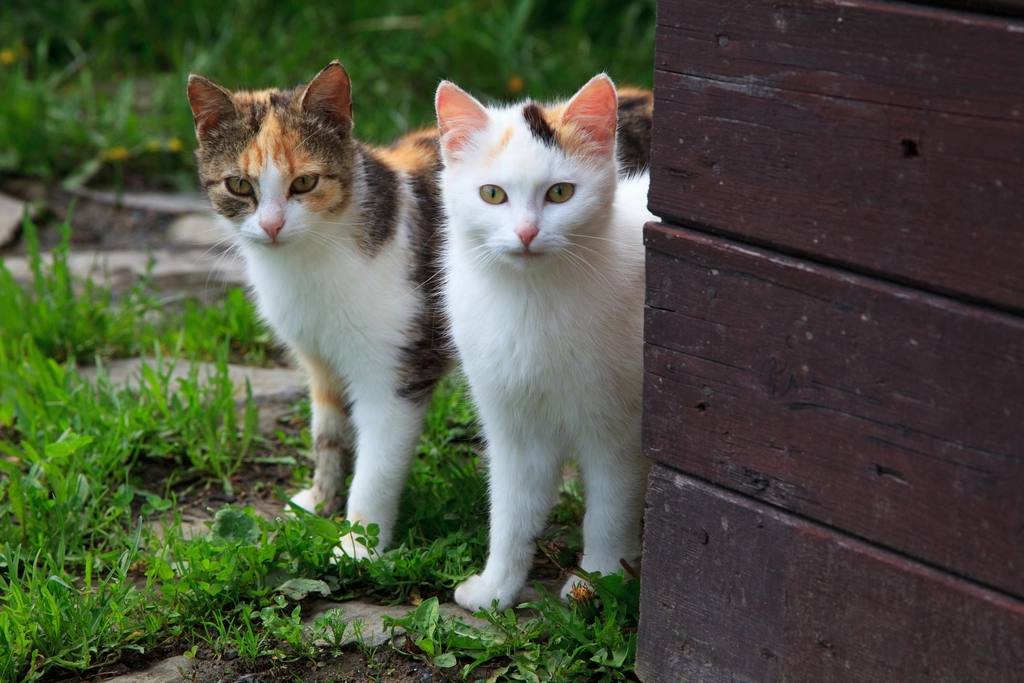 Photo Credit: Rawpixel
In the sun-dappled corners of the world, the domestic cat, scientifically known as Felis catus, prowls with an air of mystery and grace. With its sleek body, sharp claws, and mesmerizing eyes, this small feline is a master of stealth, often seen slinking through gardens or lounging in sunbeams. Its fur, which can range from the softest white to the deepest black, is not just for show; it serves as camouflage, helping it blend into its surroundings while it stalks its next playful target. This captivating creature has intrigued scientists and nature lovers alike, not only for its beauty but also for its complex behaviors and remarkable adaptability.
As you watch a cat stretch and yawn, you might notice its keen senses at work. With ears that swivel to catch the faintest sounds and whiskers that detect even the slightest changes in the air, cats are finely tuned to their environment. They are natural hunters, equipped with sharp teeth and agile bodies that allow them to pounce with precision. But there’s more to these furry companions than meets the eye. Their social behaviors, vocalizations, and even their relationships with humans reveal a depth of intelligence and emotion that continues to fascinate researchers. Join us as we explore the enchanting world of cats, uncovering the secrets of their lives, their roles in ecosystems, and their enduring bond with people.
Cats are more than just adorable companions; they hold a special place in the tree of life. Classified within the Kingdom Animalia, cats belong to the family Felidae, which includes all the big and small cats. This family is known for its carnivorous diet, sharp retractable claws, and keen senses, making them exceptional hunters. The genus Felis encompasses the smaller species of cats, including the domestic cat, which is scientifically known as Felis catus. What makes cats particularly interesting is their evolutionary adaptations, such as their ability to purr, which not only communicates contentment but may also have healing properties.
| Taxonomic Rank | Scientific Name | Meaning & Significance |
|---|---|---|
| Kingdom | Animalia | This name comes from the Latin word “animalis,” meaning “having breath” or “living.” It signifies all living organisms that are not plants, fungi, or bacteria. |
| Family | Felidae | Derived from the Latin word “felis,” meaning “cat.” This name highlights the shared characteristics of all cats, such as their sharp retractable claws and carnivorous diet. |
| Genus | Felis | This term also comes from Latin, meaning “cat.” It emphasizes the smaller species of cats, which are agile and often solitary hunters. |
| Species | Felis catus | The species name “catus” is derived from the Latin word for “domestic cat.” It reflects the long history of domestication and companionship between humans and cats. |
Understanding where cats fit in the tree of life reveals much about their evolutionary journey. As members of the Felidae family, they share a common ancestor with larger cats like lions and tigers, which helps explain their hunting prowess and social behaviors. The classification also highlights their adaptability, as they have thrived in various environments alongside humans. This connection to both wild and domestic life showcases the fascinating interplay between evolution and domestication, making cats a captivating subject of study in the animal kingdom.
The evolutionary journey of cats stretches back millions of years, weaving through the tapestry of time to reveal a lineage that is both ancient and dynamic. The story begins around 10 to 15 million years ago, when the first members of the family Felidae emerged. These early felids were small, agile hunters that roamed the forests and grasslands of what is now Europe and Asia. Over time, they adapted to various environments, leading to the diverse array of cats we see today.
The ancestors of modern cats were part of a larger group known as Carnivora, which includes all meat-eating mammals. As they evolved, these early felids developed key traits that would define their success as predators. One significant transition was the development of retractable claws, allowing them to keep their claws sharp for hunting while also providing better grip when climbing. Another major change was the refinement of their senses, particularly their vision and hearing, which became finely tuned for detecting movement in low light.
These evolutionary adaptations have played a crucial role in the survival of cats throughout the ages. Their ability to hunt effectively, navigate diverse environments, and evade predators has allowed them to thrive in various habitats around the world. From the wild savannas to our cozy homes, cats continue to showcase the remarkable results of millions of years of evolution, reminding us of the intricate connections that bind all living beings.
Cats are a captivating blend of elegance and agility, with a body structure that is both sleek and powerful. Their overall impression is one of grace, as they move with a fluidity that seems almost magical. With a flexible spine and long legs, they can leap great distances and navigate tight spaces with ease. Their heads are typically rounded, adorned with sharp, alert ears that can swivel independently, allowing them to pick up even the faintest sounds. This combination of features makes them not just beautiful, but also highly effective hunters.
| Feature | Description |
|---|---|
| Size | Domestic cats usually weigh between 5 to 20 pounds, with an average length of about 18 inches, not including the tail. |
| Color | Cats come in a dazzling array of colors and patterns, including solid, tabby, calico, and tortoiseshell. |
| Skin Type | Covered in soft fur, which can vary in length and texture, providing insulation and protection. |
| Eyes | Large, expressive eyes that can be green, blue, or amber, allowing for excellent night vision. |
| Whiskers | Long, sensitive whiskers that help them navigate their environment and gauge the width of openings. |
These physical features work together in a remarkable way to enhance a cat’s survival. Their keen eyesight allows them to hunt effectively at dawn and dusk, when many of their prey are most active. The soft fur not only keeps them warm but also helps them blend into their surroundings, making them stealthy predators. Whiskers serve as a vital tool for spatial awareness, helping them to maneuver through tight spaces without bumping into things. Together, these characteristics create a creature that is not only a beloved pet but also a master of its environment.
Cats are found in a variety of habitats that reflect their adaptability and resourcefulness. From sun-drenched deserts to lush forests, these agile animals thrive in environments that offer both shelter and hunting opportunities. Imagine a warm, sunny day in a grassy meadow, where a cat stealthily stalks its prey, or picture a dense thicket where it can hide and pounce. Each habitat provides a unique backdrop for their playful antics and serious hunting skills.
Cats are quite versatile when it comes to climate and environmental conditions. They can adapt to a range of temperatures, from the scorching heat of the desert to the chilly air of mountainous regions. However, they generally prefer areas that provide a mix of cover and open space, allowing them to hunt effectively while also having places to hide from potential threats. This flexibility in habitat choice is one of the reasons cats are found on nearly every continent.
To thrive in these diverse environments, cats have developed a range of adaptations. Their keen senses, especially their sharp eyesight and acute hearing, help them detect prey and avoid danger. Their retractable claws allow them to climb and navigate various terrains with ease, while their agile bodies enable quick movements. These traits not only enhance their hunting prowess but also ensure their survival in the wild, making them one of nature’s most successful predators.
Cats lead a life filled with intriguing routines and behaviors that reflect their instincts and adaptability. Each day begins with a stretch and a yawn, as they shake off the remnants of sleep. After a quick grooming session, which helps keep their fur clean and free of parasites, they embark on their daily adventures. Whether it’s lounging in a sunbeam, stalking imaginary prey, or engaging in playful antics, cats are masters of both relaxation and play. Their keen senses guide them as they explore their surroundings, always on the lookout for anything that might pique their curiosity.
Socially, cats exhibit a range of behaviors that can vary widely depending on their environment and upbringing. While often seen as solitary animals, many cats form strong bonds with their human companions and other pets. They communicate through a mix of vocalizations, body language, and scent marking. For instance, a gentle purr can signal contentment, while a flicking tail might indicate irritation. In multi-cat households, they establish a social hierarchy, often determining who gets the best sunny spot or the first nibble of food. This social structure can be quite complex, with each cat playing a role in the group dynamic.
| Behavior Type | Description |
|---|---|
| Activity Patterns | Cats are crepuscular, meaning they are most active during dawn and dusk. They spend a significant portion of their day sleeping, often up to 16 hours, to conserve energy for hunting and play. |
| Social Structure | In groups, cats establish a hierarchy based on factors like age, size, and personality. They may form close bonds with certain individuals, often grooming each other as a sign of affection. |
| Communication Methods | Cats use a variety of sounds, including meows, purrs, and hisses, to convey their feelings. Body language, such as ear position and tail movement, also plays a crucial role in their communication. |
The behaviors of cats are not just charming quirks; they are essential for their survival. Their ability to adapt to different environments and social situations allows them to thrive in various settings, from bustling homes to quiet farms. By honing their hunting skills and forming social bonds, cats ensure they can find food, protect themselves, and enjoy companionship. This blend of independence and social interaction makes them not only fascinating pets but also resilient survivors in the wild.
Cats are primarily carnivorous, which means they thrive on a diet that consists mainly of meat. Their feeding behavior is a fascinating blend of instinct and skill. As natural hunters, cats possess sharp retractable claws and keen senses, allowing them to stalk and pounce on their prey with remarkable precision. This predatory nature is not just about survival; it shapes their daily activities and interactions with their environment.
| Dietary Aspect | Details |
|---|---|
| Diet Type | Carnivorous |
| Favorite Foods | Small mammals, birds, and fish |
| Prey Items | Rats, mice, rabbits, and songbirds |
| Hunting/Foraging Strategies | Stalking, pouncing, and ambushing |
This carnivorous diet plays a crucial role in the ecology of cats. By hunting small animals, they help control populations of these species, maintaining a balance in their ecosystems. Their daily routine revolves around hunting, resting, and grooming, which not only keeps them healthy but also strengthens their social bonds when they live in groups. Understanding their diet and feeding behavior gives us a glimpse into the intricate web of life that connects all animals in the wild.
When it comes to mating, cats are known for their intriguing behaviors. The breeding season typically occurs in the spring, although it can vary depending on the climate. During this time, female cats, or queens, emit a special scent and vocalize loudly to attract males. This behavior is called “calling,” and it signals to potential mates that they are ready to reproduce. Male cats, or toms, will often compete for the attention of a female, showcasing their strength and agility. Once a pair mates, the female will go through a series of changes as she prepares for pregnancy.
| Reproductive Aspect | Details |
|---|---|
| Gestation Period | Approximately 64 to 67 days |
| Litter Size | Typically 2 to 5 kittens |
| Age of Maturity | About 5 to 12 months |
| Name of Young | Kittens |
After the kittens are born, the mother cat takes on the vital role of caregiver. She is attentive and protective, ensuring her young are safe and well-fed. Kittens are born blind and helpless, relying entirely on their mother for warmth and nourishment. As they grow, they begin to explore their surroundings, developing their senses and learning essential survival skills. By the time they reach maturity, they are ready to venture out on their own, equipped with the instincts and knowledge needed to thrive in the world. This nurturing process is crucial, as it shapes the kittens into the independent and agile hunters they will become.
Cats occupy a unique position in the food web, often sitting at the top as skilled predators. However, they are not without their own set of dangers. While they are adept hunters, their size and solitary nature can make them vulnerable to larger threats. In the wild, cats must navigate a world filled with potential predators and environmental hazards that can impact their survival.
To defend themselves against these threats, cats have developed a range of survival strategies. Their keen senses allow them to detect danger early, while their agility helps them escape quickly. When faced with a predator, a cat may choose to hide or climb to safety, using their sharp claws and strong muscles to navigate trees or other high places. Additionally, their stealthy hunting techniques and ability to remain silent can help them avoid unwanted attention. Through these behaviors, cats demonstrate their resilience and adaptability in a world filled with challenges.
A keystone species is an organism that plays a crucial role in maintaining the structure of its ecosystem. This means that its presence and activities significantly influence the types and numbers of other species in that environment. Domestic cats, while beloved pets, do not typically qualify as keystone species in the same way that wolves or sea otters do. However, they can have notable impacts on their surroundings, especially in urban and rural settings.
Cats are natural hunters, and their predatory behavior can shape local wildlife populations. For instance, in areas where cats roam freely, they can significantly reduce the numbers of small mammals and birds. This predation can lead to a decline in certain species, which may disrupt the balance of the ecosystem. In some cases, this can even lead to the extinction of vulnerable species, particularly on islands where native wildlife has not evolved defenses against such predators.
Moreover, cats can influence the behavior of their prey. When small mammals sense the presence of cats, they may alter their foraging habits or nesting sites to avoid becoming a meal. This change can have ripple effects throughout the food web, affecting not just the prey species but also the predators that rely on them for food.
If cats were to disappear from their environments, the consequences could be complex. Rodent populations might surge, leading to increased competition for food and resources among other predators. This could result in a decline in plant health, as more rodents would mean more damage to crops and vegetation. Additionally, the absence of cats could allow certain bird species to thrive, potentially leading to overpopulation and further ecological imbalance. In essence, while cats may not be classic keystone species, their presence does play a role in shaping the ecosystems they inhabit.
Cats are not just beloved pets; they play a vital role in shaping their ecosystems. As skilled hunters, they help control populations of small mammals and birds, which can prevent overpopulation and the spread of disease. This balance is essential for maintaining healthy environments, as it allows various species to thrive without overwhelming the resources available. By fulfilling this ecological niche, cats contribute to the intricate web of life that sustains their habitats.
| Ecosystem Service | Impact |
|---|---|
| Population Control | Cats help keep the numbers of rodents and other small animals in check, preventing overgrazing and resource depletion. |
| Prey Dynamics | By hunting, cats influence the behavior and distribution of their prey, which can affect plant life and overall biodiversity. |
| Seed Dispersal | Some cats may inadvertently aid in seed dispersal by carrying seeds in their fur or through their droppings, promoting plant growth. |
| Habitat Structure | Through their hunting activities, cats can shape the structure of their habitats, creating spaces for other species to thrive. |
In urban areas, for example, feral cats can significantly impact local wildlife. They often hunt birds and small mammals, which can lead to declines in those populations. However, this predation can also create opportunities for other species to flourish, as the removal of certain animals can open up niches for new ones. In rural settings, cats may help control rodent populations that threaten crops, showcasing their dual role as both predator and protector of agricultural interests.
The broader ecological importance of cats extends beyond their immediate environment. As keystone species, their presence can influence the entire ecosystem’s health and stability. When cats are removed from an area, the balance can shift dramatically, leading to overpopulation of prey species and subsequent habitat degradation. This ripple effect highlights how interconnected all living things are, reminding us that even the smallest of creatures can have a profound impact on the world around us. Understanding this role encourages us to appreciate and protect these fascinating animals, ensuring they continue to thrive in their ecosystems.
In the intricate web of life, animals often form partnerships that benefit them in various ways. These relationships can be classified into three main types: mutualism, where both species gain advantages; commensalism, where one benefits while the other is neither helped nor harmed; and parasitism, where one species benefits at the expense of the other. Understanding these ecological relationships helps us appreciate the interconnectedness of all living things, including our beloved cats.
| Species/Type | Relationship Type | Description |
|---|---|---|
| Birds (e.g., oxpeckers) | Mutualistic | Oxpeckers perch on large mammals, including cats, to eat ticks and parasites. In return, the cats benefit from reduced irritation and potential disease. |
| Fleas | Parasitic | Fleas live on cats, feeding on their blood. This relationship harms the cat, causing discomfort and potential health issues. |
| Plants (e.g., catnip) | Commensal | Catnip attracts cats, providing them with a stimulating experience. The plant benefits from being spread by the cats, who may help its seeds disperse. |
These relationships have evolved over time, shaped by the needs and behaviors of the species involved. Mutualistic partnerships, like that of cats and oxpeckers, highlight how cooperation can enhance survival. On the other hand, parasitic relationships, such as those with fleas, remind us of the challenges that come with living in close quarters with other organisms. Commensal relationships, like that with catnip, show how one species can thrive without negatively impacting another. Together, these interactions illustrate the dynamic balance of nature, where every species plays a role in the grand tapestry of life.
Cats are not just charming companions; they are also filled with surprises that reveal their incredible adaptations and behaviors. Here are some intriguing facts that will captivate nature enthusiasts of all ages.
Throughout history, cats have woven themselves into the fabric of human culture and society. These enigmatic animals were revered in ancient Egypt, where they were seen as symbols of grace and protection. Egyptians believed that cats had mystical powers, and they often depicted them in art and sculpture. As time passed, cats traveled with humans across continents, becoming companions and hunters. Their ability to control pests made them invaluable to agricultural societies, leading to a bond that has lasted for thousands of years. Today, cats are celebrated in literature, art, and even internet memes, showcasing their enduring significance in our lives.
In modern times, the relationship between cats and humans has evolved, reflecting both harmony and conflict. While many people cherish their feline friends as beloved pets, the presence of free-roaming cats can lead to challenges in wildlife conservation. These agile hunters can impact local bird populations and other small animals. On the other hand, efforts are underway to promote responsible pet ownership, including spaying and neutering programs to control cat populations. Domesticated cats have also become a source of comfort and companionship, providing emotional support to millions of people around the world. This duality of cats as both cherished pets and ecological challengers highlights the complexity of our interactions.
As we look to the future, the relationship between cats and humanity is likely to continue evolving. With growing awareness of animal welfare and conservation, we may see more initiatives aimed at balancing the needs of both cats and the ecosystems they inhabit. Education about responsible pet ownership will play a crucial role in fostering a harmonious coexistence. As our understanding of these fascinating animals deepens, we can hope for a future where cats remain cherished companions while also being mindful stewards of the natural world.
The conservation status of cats varies widely depending on the species, but many face significant challenges in the wild. While domestic cats are abundant and thrive in human environments, wild cat populations are often declining due to habitat loss, hunting, and other human-related pressures. Some species, like the Iberian lynx, are critically endangered, while others, such as the lion, are experiencing worrying population declines. Understanding these trends is crucial for the future of these magnificent animals.
| Conservation Factor | Status/Details |
|---|---|
| IUCN Status | Varies by species; some are critically endangered, while others are of least concern. |
| Population Estimates | Wild cat populations can range from a few hundred for endangered species to millions for domestic cats. |
| Trend Direction | Many wild cat populations are declining, while domestic cats are increasing. |
The main threats to wild cats are numerous and often interconnected. Habitat destruction, primarily due to urban development and agriculture, reduces the space where these animals can live and hunt. Additionally, poaching and illegal hunting pose serious risks, as some cats are targeted for their beautiful fur or for sport. Climate change also plays a role, altering habitats and food availability, which can further stress already vulnerable populations.
Conservation efforts are underway to protect wild cats and their habitats. Organizations are working to create protected areas, enforce anti-poaching laws, and raise awareness about the importance of these species. Captive breeding programs, like those for the Iberian lynx, aim to boost populations and reintroduce them into the wild. The outlook for cats varies, but with continued efforts and public support, there is hope for many species to recover and thrive in their natural environments.
| Question | Answer |
|---|---|
| What is a cat's natural habitat? | Cats are incredibly adaptable creatures. They can thrive in various environments, from urban areas to rural farms and forests. Wild cats, like lions and tigers, prefer grasslands and dense jungles, while domestic cats often make their homes in human households. |
| What do cats eat? | Cats are obligate carnivores, which means they need meat to survive. Their diet mainly consists of small animals like mice, birds, and insects. Domestic cats often eat commercial cat food, which is specially formulated to provide all the nutrients they need. |
| How do cats behave? | Cats are known for their playful and curious nature. They often engage in hunting behaviors, like stalking and pouncing, even when playing with toys. Socially, they can be independent but also enjoy companionship, often forming strong bonds with their human families. |
| How do cats reproduce? | Cats reach sexual maturity around five to twelve months of age. Female cats go into heat, a period when they are receptive to mating, several times a year. After a gestation period of about 64 to 67 days, a mother cat can give birth to a litter of kittens, usually ranging from two to six. |
| What threats do cats face? | |
| What are some interesting characteristics of cats? | |
| Why do cats purr? |