Taxonomy & Classification
- Kingdom
- Animalia
- Phylum
- Arthropoda
- Class
- Insecta
- Order
- Lepidoptera

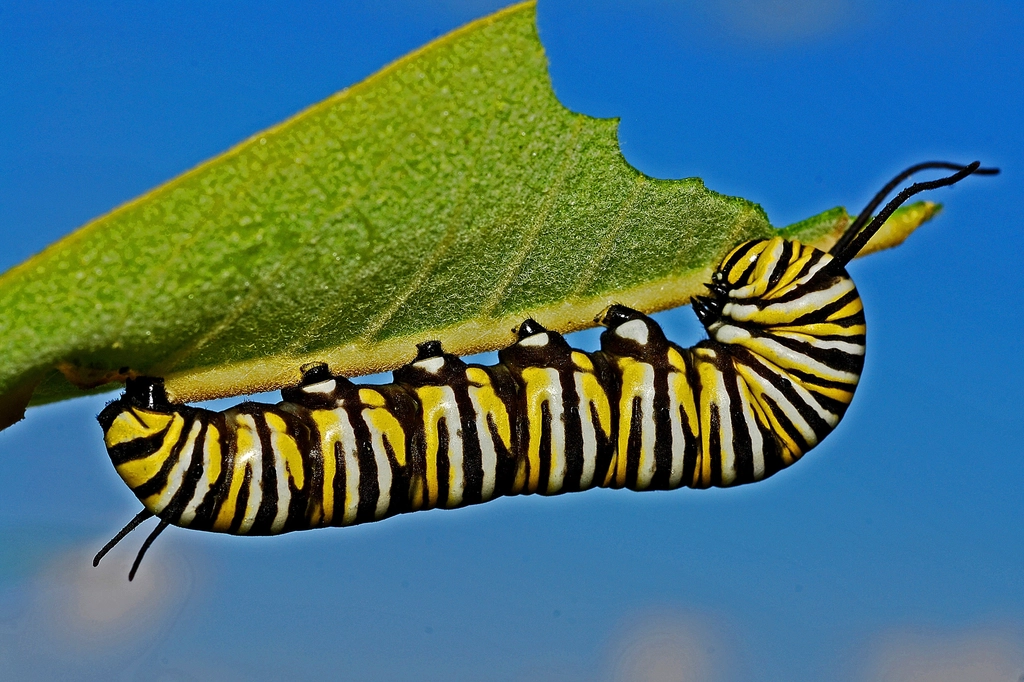 Photo Credit: Rawpixel
In the heart of a sun-dappled forest, the caterpillar, known scientifically as the larva of Lepidoptera, emerges as a vibrant marvel of nature. With its soft, segmented body adorned in striking colors and patterns, this little creature captivates the imagination of both scientists and nature lovers alike. As it munches on tender leaves, its plump form sways gently with the breeze, embodying the essence of transformation and growth. Each caterpillar is a living canvas, showcasing the beauty of evolution and the intricate designs of the natural world.
Caterpillars are not just charming; they play a crucial role in their ecosystems. As herbivores, they feast on a variety of plants, helping to maintain the balance of their habitats. Their voracious appetites support a diverse range of wildlife, making them a vital link in the food web. Scientists are particularly fascinated by their life cycle, which includes a remarkable metamorphosis into butterflies or moths. This transformation is a stunning example of nature’s ingenuity, showcasing how these tiny beings can change from humble larvae into graceful, winged wonders. As we explore the world of caterpillars, we uncover the secrets of their lives, their habitats, and the essential roles they play in the environment.
Caterpillars are intriguing members of the animal kingdom, nestled within the vast and diverse tree of life. They belong to the Kingdom Animalia, which includes all animals, and are classified under the Phylum Arthropoda, known for its jointed limbs and exoskeletons. Within this phylum, caterpillars fall under the Class Insecta, which encompasses all insects. What sets caterpillars apart is their role as the larval stage of moths and butterflies, belonging to the Order Lepidoptera. This order is characterized by its scaly wings and metamorphic life cycle, which transforms these tiny, often colorful larvae into beautiful flying adults.
| Taxonomic Rank | Scientific Name | Meaning & Significance |
|---|---|---|
| Kingdom | Animalia | The name “Animalia” comes from the Latin word “animalis,” meaning “having breath” or “living.” This reflects the essential characteristic of all animals: they breathe and are alive. |
| Phylum | Arthropoda | “Arthropoda” is derived from the Greek words “arthron,” meaning “joint,” and “pous,” meaning “foot.” This name highlights the jointed legs that are a defining feature of this group. |
| Class | Insecta | The term “Insecta” comes from the Latin word “insectum,” meaning “cut into sections.” This refers to the segmented bodies of insects, which are divided into three main parts: head, thorax, and abdomen. |
| Order | Lepidoptera | “Lepidoptera” is derived from the Greek words “lepidos,” meaning “scale,” and “ptera,” meaning “wings.” This name is significant because it describes the scaly wings that are a hallmark of butterflies and moths. |
Caterpillars’ classification reveals much about their evolutionary journey. As members of the Lepidoptera order, they share a common ancestry with butterflies and moths, showcasing a remarkable adaptation to their environments. The metamorphosis they undergo—from a crawling caterpillar to a soaring butterfly—illustrates the incredible transformations that life can take. This process not only highlights their survival strategies but also emphasizes the interconnectedness of life forms, reminding us that every creature, no matter how small, plays a vital role in the tapestry of nature.
The evolutionary journey of caterpillars stretches back millions of years, intertwining with the history of insects themselves. Insects first appeared around 400 million years ago, during the Devonian period. As they evolved, they adapted to various environments, leading to the emergence of diverse forms, including the fascinating caterpillar. These larvae are the juvenile stage of moths and butterflies, which belong to the order Lepidoptera, a group that has been around for about 200 million years.
Caterpillars evolved from ancient ancestors that were likely similar to today’s primitive insects. Over time, they developed a series of adaptations that allowed them to thrive in different habitats. One major transition was the shift from a simple body structure to a more complex one, featuring a segmented body and specialized mouthparts for chewing leaves. This change enabled them to exploit a wide range of plant materials, making them effective herbivores. As they continued to evolve, caterpillars also developed the ability to camouflage themselves, blending into their surroundings to avoid predators. This clever adaptation has been crucial for their survival.
These adaptations have played a vital role in the survival of caterpillars throughout their evolutionary history. By blending into their environments, feeding efficiently, and transforming into flying adults, they have successfully navigated the challenges of their ecosystems. This remarkable journey from a tiny egg to a vibrant butterfly showcases the incredible resilience and adaptability of these fascinating insects.
Caterpillars are enchanting little beings that capture our imagination with their vibrant colors and curious shapes. Their bodies are soft and segmented, resembling a living piece of art. With a plump, elongated form, they often appear as if they are made of squishy jelly. These fascinating larvae are designed for one purpose: to eat and grow. Their bodies are equipped with tiny legs and prolegs, which help them inch along leaves and branches, while their skin is covered in fine hairs that can serve various functions, from camouflage to deterring predators.
| Feature | Description |
|---|---|
| Size | Caterpillars can vary greatly in size, typically ranging from 1 inch to several inches long, depending on the species. |
| Color | They display a dazzling array of colors, including greens, yellows, and browns, often with striking patterns that help them blend into their surroundings. |
| Skin Type | Their skin is covered in fine hairs, which can provide protection and help them sense their environment. |
These features work together in a remarkable way to enhance the caterpillar’s chances of survival. The vibrant colors and patterns can confuse predators, making it hard for them to spot the caterpillar among the leaves. The soft, hairy skin not only provides a layer of protection but also helps the caterpillar feel its way through the world, sensing vibrations and changes in its environment. As they munch on leaves, these adaptations allow them to thrive in their habitats, preparing them for the incredible transformation that lies ahead.
Caterpillars thrive in a variety of habitats, but they particularly favor quiet forests and lush pastures. Imagine walking through a serene woodland, where sunlight filters through the leaves, creating a dappled pattern on the forest floor. Here, among the greenery, caterpillars munch on leaves, blending seamlessly into their surroundings. In open pastures, they find a buffet of plants to feast on, making these areas perfect for their growth and development.
Caterpillars are adaptable and can be found in many climates, from temperate regions with distinct seasons to tropical areas that are warm year-round. They prefer environments that provide plenty of food sources, like leaves from trees and shrubs. These habitats often have a mix of sun and shade, which helps regulate temperature and humidity, creating a comfortable space for these little munchers to thrive.
To survive in their chosen homes, caterpillars have developed some clever adaptations. Their green or brown bodies often mimic the leaves they eat, providing excellent camouflage against predators. This ability to blend in helps them avoid being spotted by hungry birds and other animals. Additionally, some caterpillars can even produce chemicals that make them taste bad or smell unpleasant, further deterring potential threats. These adaptations ensure that they can continue to flourish in their diverse habitats around the world.
Caterpillars lead a busy life filled with essential activities that revolve around growth and survival. Each day begins with a hearty breakfast, as these little munchers feast on leaves and other plant materials. Their primary goal is to eat as much as possible, which helps them grow quickly. As they munch away, they also engage in a bit of stretching and wriggling, which aids in their development. Throughout the day, they may take short breaks to rest, but the call of food is never far away. As evening approaches, they often find a safe spot to settle down, preparing for the next day of exploration and feasting.
Socially, caterpillars can be quite interesting. While many species are solitary, some caterpillars exhibit social behaviors, especially when they are in groups. These gatherings can provide safety in numbers, as being part of a larger group can help deter predators. Some caterpillars even communicate with each other through chemical signals, which are like invisible messages sent through the air. This communication can alert others to danger or help them find food sources. In these social settings, they may also engage in behaviors like synchronized movement, which can confuse potential threats.
| Behavior Type | Description |
|---|---|
| Feeding | Caterpillars spend most of their day eating leaves and other plant materials to fuel their growth. |
| Resting | After long feeding sessions, they take breaks to conserve energy and prepare for more eating. |
| Group Dynamics | Some species gather in groups for safety, which can help protect them from predators. |
| Communication | Caterpillars use chemical signals to communicate with one another, alerting them to danger or food. |
| Synchronized Movement | When in groups, they may move together, creating a confusing display for potential predators. |
These behaviors are crucial for the caterpillar’s survival. By eating voraciously, they ensure they have enough energy to grow and eventually transform into butterflies or moths. Social interactions can provide safety from predators, while communication helps them navigate their environment more effectively. Each action they take is a step toward their ultimate goal: metamorphosis into a beautiful adult insect, ready to take on the world.
Caterpillars are primarily herbivores, meaning they feast on plant material to fuel their growth and development. These little munchers have a voracious appetite, often consuming large quantities of leaves, flowers, and other plant parts. Their feeding behavior is quite fascinating; they use their strong mandibles, or jaws, to chew through tough plant tissues. This not only provides them with the nutrients they need but also helps shape the environment around them, as they can significantly impact plant growth.
| Dietary Aspect | Details |
|---|---|
| Diet Type | Herbivore |
| Favorite Foods | Leaves, flowers, and various plant parts |
| Prey Items | Primarily plant material |
| Hunting/Foraging Strategies | Chewing through leaves and flowers using strong mandibles |
This plant-based diet plays a crucial role in the caterpillar’s ecology and daily routine. By consuming vast amounts of foliage, caterpillars not only grow rapidly but also contribute to the health of their ecosystems. Their feeding habits can help control plant populations and provide food for other animals, like birds and small mammals, that rely on them as a source of nutrition. As they munch their way through the greenery, caterpillars are not just preparing for their transformation into butterflies or moths; they are also weaving themselves into the intricate web of life that sustains the natural world.
Caterpillars have a fascinating mating ritual that often takes place during the warmer months, typically in spring and summer. Male caterpillars use pheromones, which are special chemicals, to attract females. Once a female is located, the male will perform a series of dances and displays to impress her. After successful mating, the female lays her eggs on or near the plants that will serve as food for the hatching caterpillars. This strategic choice ensures that the young have plenty to eat as soon as they emerge.
| Reproductive Aspect | Details |
|---|---|
| Gestation Period | Eggs typically hatch within 5 to 10 days, depending on the species and environmental conditions. |
| Litter Size | A female can lay anywhere from a few dozen to several hundred eggs at a time. |
| Age of Maturity | Caterpillars usually reach maturity in about 2 to 4 weeks, depending on the species and food availability. |
| Name of Young | The young caterpillars are called larvae, which is the stage right after they hatch from the eggs. |
Once the eggs hatch, the tiny larvae emerge and begin their journey of growth. These young caterpillars are often very small and vulnerable, but they quickly start munching on leaves to fuel their rapid development. As they grow, they will shed their skin several times in a process called molting. This allows them to accommodate their increasing size. While caterpillars do not receive direct parental care after hatching, their choice of food plants is crucial for their survival. Eventually, after several weeks of feasting and growing, they will enter the next stage of their life cycle, transforming into pupae, and later emerging as beautiful butterflies or moths.
Caterpillars play a crucial role in the food web, serving as a vital food source for many animals. They are the larval stage of butterflies and moths, and their presence supports a variety of predators. By munching on leaves, they help plants grow by trimming excess foliage, which can promote new growth. However, this important role also makes them targets for a range of hungry creatures.
Caterpillars have developed some clever strategies to defend themselves against these threats. Many species use camouflage, blending in with leaves and twigs to avoid detection. Some caterpillars even mimic the appearance of twigs or bird droppings, making them less appealing to predators. Others have evolved to produce toxins, which can make them taste bad or even harmful to those who dare to eat them. By employing these survival tactics, caterpillars can navigate the dangers of their world, ensuring they continue their journey toward becoming beautiful butterflies or moths.
A keystone species is an organism that has a disproportionately large impact on its environment relative to its abundance. This means that if it were removed, the ecosystem would change dramatically. Caterpillars, the larval stage of butterflies and moths, can indeed be considered a keystone species in many ecosystems. Their role is vital, as they contribute significantly to the health and balance of their habitats.
Caterpillars are herbivores, meaning they primarily eat plants. By munching on leaves, they help control plant populations, which can prevent any one species from dominating the landscape. This grazing encourages biodiversity, allowing various plants to thrive and creating a more balanced ecosystem. Additionally, caterpillars serve as a crucial food source for many animals, including birds, small mammals, and even some reptiles. Their presence supports a wide range of predators, which rely on them for nourishment during their own life cycles.
Moreover, caterpillars play a role in pollination indirectly. As they feed on plants, they can help stimulate growth and flowering, which benefits pollinators like bees and butterflies. This interaction is essential for the reproduction of many flowering plants, further enhancing the ecosystem’s diversity. The transformation of caterpillars into butterflies and moths also contributes to the cycle of life, as these adult insects are important pollinators themselves.
If caterpillars were to disappear from their ecosystems, the consequences would be significant. Without these little munchers, plant populations could become unbalanced, leading to overgrowth of certain species and a decline in others. This shift would affect the animals that rely on caterpillars for food, potentially causing declines in their populations as well. The loss of caterpillars would ripple through the food web, disrupting the delicate balance of life and reducing biodiversity. In essence, the absence of caterpillars would create a less vibrant and resilient ecosystem, highlighting their importance in the natural world.
Caterpillars occupy a fascinating ecological niche as herbivores, primarily feeding on leaves and other plant materials. Their role in the ecosystem is vital, as they not only contribute to plant health but also serve as a crucial food source for various predators. By munching on foliage, caterpillars help control plant growth and promote biodiversity, allowing different species to thrive in their habitats. This balance is essential for maintaining healthy ecosystems, especially in quiet forests and lush pastures where they are commonly found.
| Ecosystem Service | Impact |
|---|---|
| Herbivory | Controls plant growth and promotes diversity |
| Food Source | Provides nourishment for birds, mammals, and other predators |
| Soil Enrichment | Contributes to nutrient cycling through waste |
| Pollination Support | Encourages the presence of adult butterflies and moths, which are pollinators |
Caterpillars influence their environment in several specific ways. For instance, as they feed on leaves, they can help shape the structure of plant communities. By selectively eating certain plants, they can prevent any one species from dominating, allowing a variety of plants to flourish. This diversity is crucial for the overall health of the ecosystem. Additionally, when caterpillars excrete waste, they return nutrients to the soil, enriching it and supporting the growth of other plants. Their transformation into butterflies and moths also plays a role in pollination, as these adult forms help fertilize flowers, leading to the production of seeds and fruits.
The broader ecological importance of caterpillars cannot be overstated. As a keystone species, their presence supports a web of life that includes not only their predators but also the plants they feed on. If caterpillars were to disappear, the effects would ripple through the ecosystem, potentially leading to declines in bird populations and changes in plant communities. By understanding the role of caterpillars, we gain insight into the intricate connections that sustain our natural world, reminding us of the delicate balance that exists in every ecosystem.
In the intricate web of life, symbiosis plays a vital role, connecting different species in various ways. Symbiosis refers to the close and often long-term interactions between organisms of different species. These relationships can be mutualistic, where both parties benefit; parasitic, where one benefits at the other’s expense; or commensal, where one benefits while the other is neither helped nor harmed. Caterpillars, with their diverse lifestyles and habitats, engage in several fascinating partnerships that illustrate the complexity of nature.
| Species/Type | Relationship Type | Description |
|---|---|---|
| Ants | Mutualistic | Caterpillars produce sugary secretions that ants love to eat. In return, ants protect caterpillars from predators, creating a win-win situation. |
| Parasitic Wasps | Parasitic | Some wasps lay their eggs inside caterpillars. The wasp larvae feed on the caterpillar, ultimately harming it, which is a classic example of a parasitic relationship. |
| Fungi | Commensal | Caterpillars can host certain fungi that live on their bodies. The fungi benefit by getting a place to grow, while the caterpillar is generally unaffected. |
The evolution of these relationships showcases the adaptability and resilience of species. Over time, caterpillars have developed traits that enhance their survival, such as producing sweet secretions to attract ants for protection. Meanwhile, parasitic wasps have evolved to exploit caterpillars as hosts for their young, demonstrating the harsh realities of nature. These interactions not only shape the lives of caterpillars but also influence the broader ecosystem, highlighting the interconnectedness of all living things.
Caterpillars are not just the baby stage of butterflies and moths; they are fascinating creatures with surprising traits that capture the imagination. Here are some intriguing facts that showcase their remarkable lives.
Caterpillars have long held a special place in human culture and history. These colorful larvae, which transform into butterflies and moths, have inspired countless stories, myths, and artworks. In many cultures, they symbolize transformation and growth, reflecting the journey from a humble caterpillar to a beautiful winged creature. Ancient civilizations, such as the Chinese, revered silk-producing caterpillars, recognizing their role in creating luxurious silk fabric. This relationship has woven itself into the fabric of human life, showcasing how deeply intertwined we are with these remarkable insects.
Today, our interactions with caterpillars are multifaceted, ranging from conservation efforts to agricultural challenges. As we become more aware of environmental issues, many people are working to protect caterpillar habitats, recognizing their importance in ecosystems. However, caterpillars can also be seen as pests, particularly in farming, where they may munch on crops and cause damage. Some farmers have turned to domestication, raising specific caterpillar species for silk production or as part of sustainable farming practices. This delicate balance between conservation and conflict highlights the complexity of our relationship with these fascinating creatures.
Looking ahead, the future of our relationship with caterpillars will likely continue to evolve. As we face challenges like climate change and habitat loss, understanding and protecting these creatures will be crucial. By fostering a deeper appreciation for caterpillars and their role in nature, we can ensure that they thrive alongside us. This partnership can lead to innovative solutions that benefit both humans and the environment, allowing us to celebrate the beauty of transformation in all its forms.
Caterpillars, the larval stage of butterflies and moths, currently hold a conservation status of “Least Concern” according to the International Union for Conservation of Nature (IUCN). This means that, overall, they are not facing immediate threats of extinction. Their populations are generally stable, allowing them to thrive in various habitats around the world. However, this status can vary by species, as some caterpillars may be more vulnerable than others due to specific environmental pressures.
| Conservation Factor | Status/Details |
|---|---|
| IUCN Status | Least Concern |
| Population Estimates | Generally stable, varies by species |
| Trend Direction | Stable |
Despite their overall stable status, caterpillars face several significant threats. Habitat loss is a major concern, as urban development and agricultural expansion reduce the natural environments where they thrive. Pesticides, which are chemicals used to kill pests, can also harm caterpillars by contaminating their food sources. Additionally, climate change poses a risk, altering the ecosystems that caterpillars depend on for survival. These factors can lead to localized declines in certain species, even if the overall group remains secure.
Conservation efforts for caterpillars focus on habitat preservation and restoration. By protecting the natural areas where these larvae live, we can help ensure their continued survival. Educating the public about the importance of caterpillars in ecosystems is also crucial, as it fosters appreciation and support for their conservation. With ongoing efforts and awareness, the outlook for caterpillars remains positive, allowing them to continue their essential role in nature as they transform into the beautiful butterflies and moths we all admire.
| Question | Answer |
|---|---|
| Where do caterpillars live? | Caterpillars can be found in quiet forests and pastures. They prefer areas with plenty of plants to munch on, as they are herbivores, meaning they eat only plants. |
| What do caterpillars eat? | Caterpillars are herbivores, which means they primarily eat leaves, flowers, and other plant parts. Some species are picky eaters and will only consume specific types of plants, while others are more generalists. |
| How do caterpillars behave? | Caterpillars are often seen munching on leaves during the day, but they can also be active at night. They have a unique way of moving, using a series of muscle contractions to inch along, which can make them look like they are "crawling." |
| How do caterpillars reproduce? | Caterpillars are the larval stage of butterflies and moths. After mating, female butterflies lay eggs on suitable plants, and when the eggs hatch, tiny caterpillars emerge ready to start their journey of growth. |
| What are the threats to caterpillars? | Caterpillars face threats from predators like birds and insects, as well as environmental changes. Pesticides and habitat loss can also impact their populations, although many species are currently classified as least concern. |
| What are some interesting characteristics of caterpillars? | Caterpillars can be quite colorful and often have unique patterns that help them blend into their surroundings. Some species can even mimic twigs or leaves to avoid being eaten! |
| How long do caterpillars live? | The lifespan of a caterpillar can vary widely depending on the species, but many live for a few weeks to a couple of months. After this time, they will enter the pupal stage, transforming into butterflies or moths. |