Taxonomy & Classification
- Kingdom
- Animalia
- Phylum
- Chordata
- Class
- Amniota
- Order
- Dinosauria
- Family
- Ornithischia
- Genus
- Cerapoda
- Species
- Ceratopsia

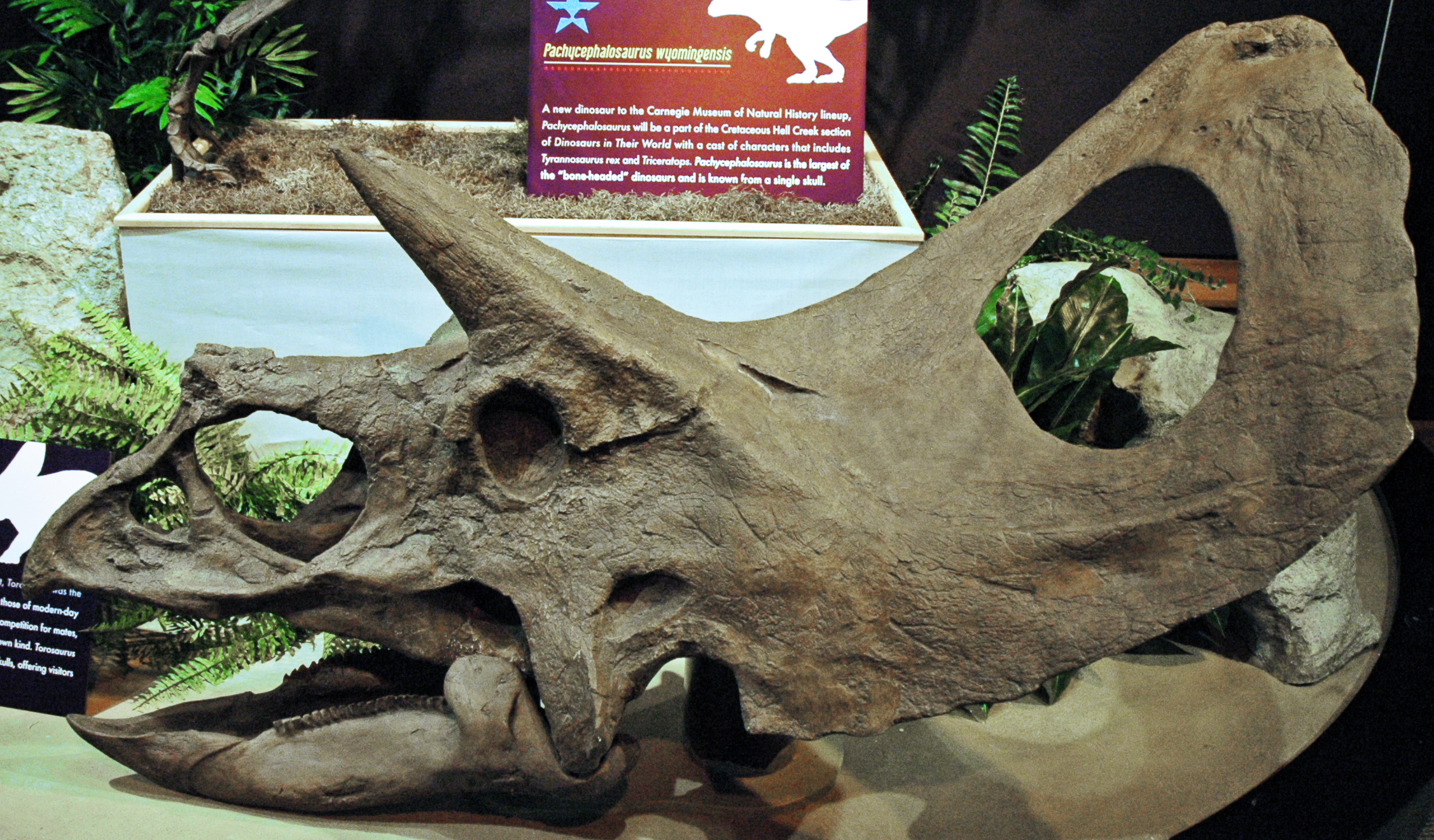 Photo Credit: James St. John / Wikimedia
In the sun-drenched plains of the Late Cretaceous period, a magnificent ceratopsian known as Triceratops horridus stands proudly, its impressive frill casting a shadow over the lush vegetation below. With its three distinct facial horns and a massive, bony crest, this dinosaur is not just a sight to behold; it’s a marvel of evolution. Imagine a creature that could grow up to 30 feet long, weighing as much as a small car, all while munching on ferns and low-lying shrubs. The sheer size and unique features of Triceratops have captivated scientists and dinosaur enthusiasts alike, sparking endless curiosity about its life and environment.
As Triceratops grazes peacefully, the sounds of a bustling prehistoric world fill the air. Nearby, other ceratopsians roam in herds, their horns and frills creating a stunning display of colors and shapes. These plant-eating giants played a vital role in their ecosystems, shaping the landscape as they fed and interacted with other species. Their fascinating adaptations, like strong beaks for tearing tough plants and social behaviors that hint at complex relationships, make ceratopsians a key focus for paleontologists. Join us as we explore the incredible world of these dinosaurs, uncovering the secrets of their lives, their habitats, and their lasting impact on the planet.
Ceratopsians are a captivating group of dinosaurs that belong to the order Dinosauria, specifically within the family Ornithischia. These remarkable animals are best known for their distinctive features, such as their frills and horns, which set them apart in the animal kingdom. Ceratopsians roamed the Earth during the Late Cretaceous period, around 75 to 66 million years ago, and their unique adaptations suggest they were well-equipped for survival in their environments. Their name, which means “horned face,” reflects their most striking physical characteristics, making them a favorite among dinosaur enthusiasts of all ages.
| Taxonomic Rank | Scientific Name | Meaning & Significance |
|---|---|---|
| Kingdom | Animalia | This name signifies that ceratopsians are part of the vast group of multicellular organisms that are primarily heterotrophic, meaning they consume other organisms for energy. |
| Phylum | Chordata | Ceratopsians belong to this phylum, which includes animals with a notochord, a flexible rod that provides support. In vertebrates, this structure develops into the backbone. |
| Class | Amniota | This class includes animals that lay eggs on land or retain them within the mother. Ceratopsians, like other amniotes, had adaptations that allowed them to thrive in terrestrial environments. |
| Order | Dinosauria | The term “Dinosauria” means “terrible lizards,” a name that reflects the awe-inspiring size and diversity of these ancient reptiles, including ceratopsians. |
| Family | Ornithischia | This family name means “bird-hipped,” referring to the hip structure of these dinosaurs, which is similar to that of modern birds, despite their differences. |
| Genus | Cerapoda | The name “Cerapoda” translates to “horned feet,” highlighting the unique adaptations of ceratopsians and their relatives, which often had specialized limbs for their lifestyles. |
Understanding the taxonomic position of ceratopsians reveals much about their evolutionary journey. As members of the Ornithischia family, they share a common ancestry with other plant-eating dinosaurs, showcasing a fascinating example of how different species can adapt to their environments over millions of years. Their distinctive features, such as horns and frills, not only served as defense mechanisms but also played roles in social interactions and mating displays. This classification helps us appreciate the rich tapestry of life that once thrived on our planet and the intricate connections that bind all living organisms together.
The evolutionary journey of ceratopsians spans a remarkable timeline, beginning in the Late Jurassic period, around 160 million years ago, and continuing through the Late Cretaceous, about 66 million years ago. These fascinating dinosaurs thrived during a time when the Earth was teeming with life, and they adapted to various environments, showcasing a dynamic evolutionary story that reflects the changing world around them.
Ceratopsians evolved from earlier ornithischian dinosaurs, which were primarily herbivorous and walked on two legs. As they transitioned into the Late Jurassic and Early Cretaceous periods, they began to develop distinctive features. One of the most significant changes was the shift from bipedal to quadrupedal locomotion, allowing them to support their larger bodies and access a wider range of vegetation. Over time, ceratopsians also developed elaborate frills and horns, which likely served multiple purposes, including defense against predators, display during mating rituals, and social interactions within herds. These adaptations not only made them visually striking but also played crucial roles in their survival.
These evolutionary adaptations were vital for ceratopsians, enabling them to thrive in diverse habitats. The development of horns and frills not only provided defense but also facilitated social interactions, which were essential for their survival in a world filled with predators. Their efficient feeding mechanisms and quadrupedal stance allowed them to exploit various food sources, ensuring they could adapt to changing environments. Together, these traits made ceratopsians some of the most successful dinosaurs of their time, leaving a lasting legacy in the fossil record.
Imagine standing in a sunlit prehistoric landscape, where the air is filled with the sounds of rustling leaves and distant roars. Before you, a ceratopsian stands tall and proud, its massive body supported by sturdy legs. This dinosaur boasts a robust frame, often reaching lengths of up to 30 feet. Its most striking feature is the large frill that extends from the back of its head, adorned with impressive horns that jut out like natural armor. The ceratopsian’s skin is covered in tough scales, giving it a rugged appearance that speaks to its strength and resilience in a world filled with predators.
| Feature | Description |
|---|---|
| Size | Can reach lengths of up to 30 feet, making them one of the larger dinosaurs. |
| Color | Often depicted in earthy tones like greens and browns, helping them blend into their surroundings. |
| Skin Type | Covered in tough scales, providing protection against predators and environmental elements. |
| Frill | A large, bony structure at the back of the head, which may have been used for display or defense. |
| Horns | Prominent horns on the face, which could serve as weapons against rivals or predators. |
The combination of size, color, and formidable features like the frill and horns creates a powerful image of the ceratopsian. These adaptations not only provide protection from predators but also play a crucial role in social interactions, such as attracting mates or establishing dominance within a herd. The tough scales shield them from the harsh elements of their environment, while their impressive stature and striking appearance command respect in the ancient world. Together, these characteristics make ceratopsians not just survivors, but also fascinating players in the intricate web of prehistoric life.
Ceratopsians roamed a variety of habitats that painted a vivid picture of life during the Late Cretaceous period. These dinosaurs thrived in lush, open plains, dense forests, and even semi-arid regions. Imagine vast landscapes dotted with ferns, cycads, and flowering plants, where ceratopsians grazed peacefully. Their homes were often near rivers and lakes, providing ample water and a rich supply of vegetation to munch on.
Ceratopsians preferred climates that were warm and temperate, with plenty of rainfall to support the greenery they depended on. These environments allowed for a diverse range of plant life, which was essential for their herbivorous diet. The weather was generally mild, with seasonal changes that brought about new growth in plants, ensuring a steady food supply throughout the year.
To thrive in these specific habitats, ceratopsians developed several adaptations. Their strong beaks and specialized teeth were perfect for stripping leaves and tough plant material. Some species even had elaborate frills and horns, which not only provided protection from predators but also played a role in social interactions and mating displays. These features helped them navigate their environments effectively, making the most of the resources available to them.
As the sun rises over a prehistoric landscape, ceratopsians begin their day in a bustling herd. These dinosaurs are primarily herbivores, meaning they feast on plants, and their daily activities revolve around foraging for food. They spend hours munching on leaves, ferns, and other vegetation, using their strong beaks to clip and tear their meals. Throughout the day, they move together, often in a slow, deliberate manner, as they search for the best grazing spots. Their large bodies require a significant amount of food, so they are constantly on the move, exploring their surroundings while keeping an eye out for potential dangers.
Social behavior is a key aspect of ceratopsian life. Living in herds provides safety in numbers, allowing them to protect one another from predators. These groups often consist of family units, where adults care for their young and teach them essential survival skills. Communication among ceratopsians is vital; they use a variety of sounds and body language to convey messages. For instance, they might bellow to alert others of a threat or nuzzle each other to reinforce social bonds. This strong social structure helps maintain harmony within the herd, ensuring that everyone works together to thrive in their environment.
| Behavior Type | Description |
|---|---|
| Foraging | Ceratopsians spend much of their day searching for and eating plants, using their beaks to clip leaves and ferns. |
| Herd Living | They live in groups, which provides safety from predators and helps in raising young. |
| Communication | These dinosaurs communicate through sounds and body language, alerting each other to danger and reinforcing social bonds. |
The behaviors of ceratopsians are not just fascinating; they are essential for survival. By living in herds, they can protect each other from predators, share knowledge about food sources, and nurture their young. Their ability to communicate effectively ensures that the herd remains cohesive and alert, allowing them to thrive in a world filled with challenges. In this way, ceratopsians exemplify the power of community in the animal kingdom, showcasing how cooperation and social interaction can lead to success in the wild.
Ceratopsians are primarily herbivores, which means they mainly eat plants. Their diet consists of a variety of vegetation, including leaves, ferns, and low-lying shrubs. With their strong beaks and specialized teeth, these dinosaurs were well-equipped to munch on tough plant material. They often foraged in groups, using their size and numbers to help protect each other from predators while they grazed. This social behavior not only made feeding safer but also allowed them to cover more ground in search of food.
| Dietary Aspect | Details |
|---|---|
| Diet Type | Herbivore |
| Favorite Foods | Leaves, ferns, and low shrubs |
| Prey Items | N/A (as they are not predators) |
| Hunting/Foraging Strategies | Foraging in groups for safety and efficiency |
The diet of ceratopsians plays a crucial role in their ecology and daily routine. By consuming large amounts of plant material, they helped shape their environment, influencing the growth of vegetation in their habitats. Their foraging habits also meant they needed to move frequently in search of food, which kept them active and engaged in their surroundings. This constant search for nourishment not only supported their massive bodies but also contributed to the balance of the ecosystems they inhabited, making ceratopsians vital players in the prehistoric world.
As the breeding season approaches, ceratopsians engage in a variety of intriguing mating behaviors. Males often display their impressive frills and horns to attract females, showcasing their strength and vitality. This courtship can involve elaborate rituals, such as head-butting or vocalizations, which help establish dominance and attract potential mates. Once a pair has formed, they will mate, and the female will prepare for the arrival of her young.
| Reproductive Aspect | Details |
|---|---|
| Gestation Period | Approximately 3 to 6 months |
| Litter Size | Usually 1, occasionally 2 |
| Age of Maturity | About 3 to 5 years |
| Name of Young | Hatchlings or juveniles |
After the eggs hatch, the young ceratopsians, known as hatchlings or juveniles, are vulnerable and rely on their parents for protection and guidance. Parental care is crucial during this early stage of life. Adult ceratopsians often stay close to their young, teaching them how to forage for food and navigate their environment. As the hatchlings grow, they gradually gain independence, learning to fend for themselves while still benefiting from the safety of the herd. This nurturing process helps ensure that the next generation of ceratopsians can thrive in their prehistoric world.
Ceratopsians, the plant-eating giants of the dinosaur world, held a significant position in the food web of their time. As herbivores, they primarily consumed a variety of vegetation, which made them essential for the ecosystem. However, their size and strength did not exempt them from danger. These magnificent creatures faced threats from various predators, making survival a constant challenge in their prehistoric habitats.
To defend themselves against these threats, ceratopsians developed impressive survival strategies. Their large size and formidable horns served as powerful weapons against predators. When faced with danger, they often formed herds, using their collective strength to deter attackers. Additionally, their tough skin and bony frills provided extra protection, allowing them to withstand the challenges of their environment. Through these adaptations, ceratopsians showcased their resilience in a world filled with peril.
A keystone species is a vital part of its ecosystem, playing a role that affects many other organisms and the environment itself. Ceratopsians, with their impressive size and herbivorous diet, certainly qualify as keystone species in their prehistoric habitats. By consuming vast amounts of vegetation, they help shape the plant community and influence the dynamics of their ecosystem.
Ceratopsians had a significant ecological impact, particularly through their feeding habits. As herbivores, they grazed on a variety of plants, including ferns and shrubs. This not only kept plant growth in check but also promoted biodiversity by allowing different plant species to thrive. When ceratopsians fed, they created open spaces in the vegetation, which benefited smaller animals and plants that needed sunlight to grow.
Moreover, their herd behavior played a crucial role in their ecosystem. By moving in groups, ceratopsians could trample down dense vegetation, which helped to create pathways and clearings. These areas would then become habitats for other species, from insects to small mammals. Additionally, their waste contributed nutrients back into the soil, enriching it and supporting the growth of new plants.
If ceratopsians were to disappear, the effects on their ecosystem would be profound. Without these giants to graze on vegetation, certain plant species could become overly dominant, leading to a decline in biodiversity. This shift would ripple through the food web, affecting not only the plants but also the animals that rely on them for food and shelter. The entire ecosystem could become less resilient, making it more vulnerable to changes and disturbances. In essence, the absence of ceratopsians would create a less balanced and less vibrant prehistoric world.
Ceratopsians, the plant-munching giants of the dinosaur world, played a crucial role in shaping their ecosystems during the Late Cretaceous period. As herbivores, they primarily fed on a variety of vegetation, including leaves, ferns, and low-lying shrubs. This feeding behavior not only influenced the types of plants that thrived in their habitats but also created a dynamic environment where other species could flourish. By grazing on certain plants, ceratopsians helped maintain the balance of their ecosystems, allowing for a diverse range of flora and fauna to coexist.
| Ecosystem Service | Impact |
|---|---|
| Plant Grazing | Controls plant growth and diversity, preventing any single species from dominating. |
| Seed Dispersal | Helps in spreading seeds through their droppings, promoting plant reproduction. |
| Soil Aeration | Their movement through the landscape helps to aerate the soil, improving its quality. |
| Habitat Creation | By feeding on certain plants, they create open spaces that benefit other species. |
Ceratopsians influenced their environment in several fascinating ways. For instance, their grazing habits allowed various plant species to thrive by preventing overgrowth. This not only maintained a healthy balance in the plant community but also created habitats for smaller animals and insects. Additionally, as they moved through their environment, ceratopsians helped aerate the soil, making it more fertile and suitable for plant growth. Their droppings acted as natural fertilizers, enriching the soil and promoting a vibrant ecosystem.
The broader ecological importance of ceratopsians cannot be overstated. As keystone species, their presence had a ripple effect throughout their habitats. By shaping plant communities and influencing soil health, ceratopsians supported a diverse array of life, from tiny insects to larger predators. Their role in the ecosystem highlights the interconnectedness of all living things, reminding us that even the largest creatures can have a profound impact on the world around them. Understanding these relationships helps us appreciate the delicate balance of nature and the importance of preserving ecosystems today.
In the intricate web of life, symbiosis refers to the close and often long-term interactions between different species. These relationships can take many forms, including mutualism, where both species benefit, parasitism, where one benefits at the expense of the other, and commensalism, where one benefits while the other is neither helped nor harmed. Ceratopsians, the plant-eating dinosaurs known for their impressive frills and horns, engaged in various ecological relationships that shaped their existence and the environments they inhabited.
| Species/Type | Relationship Type | Description |
|---|---|---|
| Small herbivorous dinosaurs | Mutualistic | Small herbivores may have benefited from the presence of ceratopsians, as their grazing habits helped maintain open areas, allowing more sunlight to reach the ground and promoting the growth of plants that both could eat. |
| Insects (like beetles) | Commensal | Insects could have lived on or around ceratopsians, feeding on leftover plant material without affecting the dinosaurs, thus enjoying a free meal while the ceratopsians went about their day. |
| Predatory dinosaurs (like theropods) | Parasitic | While not a direct relationship, predatory dinosaurs may have preyed on young or weak ceratopsians, benefiting from the easy meal while the ceratopsians suffered from this threat. |
The evolution of these relationships likely occurred over millions of years, as ceratopsians adapted to their environments and interacted with other species. Mutualistic relationships helped ceratopsians thrive by promoting plant growth, which in turn provided them with ample food. Commensal relationships allowed smaller creatures to benefit from the presence of these massive dinosaurs without any cost. Meanwhile, the presence of predators shaped the behavior and social structures of ceratopsian herds, encouraging them to stay vigilant and work together for protection. These dynamic interactions illustrate the complexity of prehistoric ecosystems and the importance of every species in maintaining balance.
Ceratopsians are a captivating group of dinosaurs that roamed the Earth during the Late Cretaceous period. With their impressive horns and frills, these plant-eating giants were not just remarkable in appearance but also in behavior and ecology. Here are some surprising facts that showcase their fascinating world.
Throughout history, ceratopsians have captured the imagination of humanity, inspiring countless stories and cultural symbols. These fascinating dinosaurs, with their impressive horns and frills, have appeared in various forms of art, literature, and folklore. Ancient cultures often viewed them as powerful creatures, embodying strength and resilience. Even today, they continue to be a source of wonder, reminding us of a time when giants roamed the Earth. Museums and educational programs showcase their fossils, allowing people of all ages to connect with these prehistoric beings and explore the mysteries of our planet’s past.
In modern times, our relationship with ceratopsians is primarily one of fascination and education, as they no longer roam the Earth. However, their fossils play a crucial role in scientific research and conservation efforts. Paleontologists study these ancient remains to understand the ecosystems of the past and how they relate to today’s biodiversity. While ceratopsians themselves are not directly involved in conservation efforts, their stories help raise awareness about the importance of protecting current species and their habitats. Additionally, the ongoing discovery of new ceratopsian fossils continues to spark interest and debate within the scientific community, highlighting the dynamic nature of paleontological research.
As we look to the future, the relationship between humanity and ceratopsians will likely continue to evolve. While these magnificent creatures are long extinct, their legacy lives on through education and scientific inquiry. By studying ceratopsians, we gain valuable insights into the history of life on Earth and the importance of preserving our planet’s biodiversity. As we strive to protect the natural world, the stories of ceratopsians remind us of the interconnectedness of all living things and the lessons we can learn from the past.
The conservation status of ceratopsians is a poignant reminder of the fragility of life on Earth. These magnificent dinosaurs, which once roamed the planet during the Late Cretaceous period, are now classified as extinct. This means that there are no living members of this group today, and their population has dwindled to zero. The extinction of ceratopsians is a significant loss, as they played a vital role in their ecosystems and captured the imagination of many.
| Conservation Factor | Status/Details |
|---|---|
| IUCN Status | Extinct |
| Population Estimates | None |
| Trend Direction | Decreasing (extinct) |
The main threats that led to the extinction of ceratopsians were likely a combination of environmental changes and competition with other species. During the Late Cretaceous, dramatic shifts in climate and habitat could have altered the availability of food sources. Additionally, the rise of new predators and herbivores may have intensified competition for resources, making survival increasingly difficult for these large dinosaurs.
Despite their extinction, ceratopsians continue to inspire conservation efforts aimed at protecting the habitats of modern-day species. Paleontologists study their fossils to understand the past and learn valuable lessons about biodiversity and ecosystem health. By preserving the environments where living relatives of ceratopsians, like birds and reptiles, thrive, we can help ensure that the mistakes of the past are not repeated. The story of ceratopsians serves as a powerful reminder of the importance of conservation and the need to protect our planet’s rich tapestry of life.
| Question | Answer |
|---|---|
| What are Ceratopsians? | Ceratopsians are a group of herbivorous dinosaurs known for their distinctive horns and frills. They lived during the Late Cretaceous period, around 75 to 66 million years ago, and include famous species like Triceratops. |
| What did Ceratopsians eat? | As herbivores, Ceratopsians primarily fed on plants. Their beak-like mouths were perfect for cropping tough vegetation, and they likely munched on leaves, ferns, and low-lying shrubs. |
| Where did Ceratopsians live? | Ceratopsians roamed various habitats, including forests and open plains. Fossils have been found mainly in North America and parts of Asia, indicating they thrived in diverse environments. |
| How did Ceratopsians behave? | Ceratopsians are believed to have lived in herds, which provided safety in numbers against predators. Their impressive horns and frills may have been used for display, social interactions, or even combat with rivals. |
| How did Ceratopsians reproduce? | Like many dinosaurs, Ceratopsians laid eggs. Fossilized nests suggest they may have cared for their young, providing a safe environment for hatchlings to grow and develop. |
| What were the threats to Ceratopsians? | Ceratopsians faced threats from large carnivorous dinosaurs, such as Tyrannosaurus rex. Additionally, environmental changes and habitat loss during the Late Cretaceous may have contributed to their extinction. |
| What is an interesting fact about Ceratopsians? | One fascinating feature of Ceratopsians is their elaborate frills and horns, which varied greatly among species. These unique characteristics not only helped them stand out but also played a role in species recognition and mating displays. |