Taxonomy & Classification
- Kingdom
- Animalia
- Phylum
- Chordata
- Class
- Reptilia
- Order
- Squamata
- Family
- Colubridae
- Genus
- Thamnophis
- Species
- Thamnophis marcianus

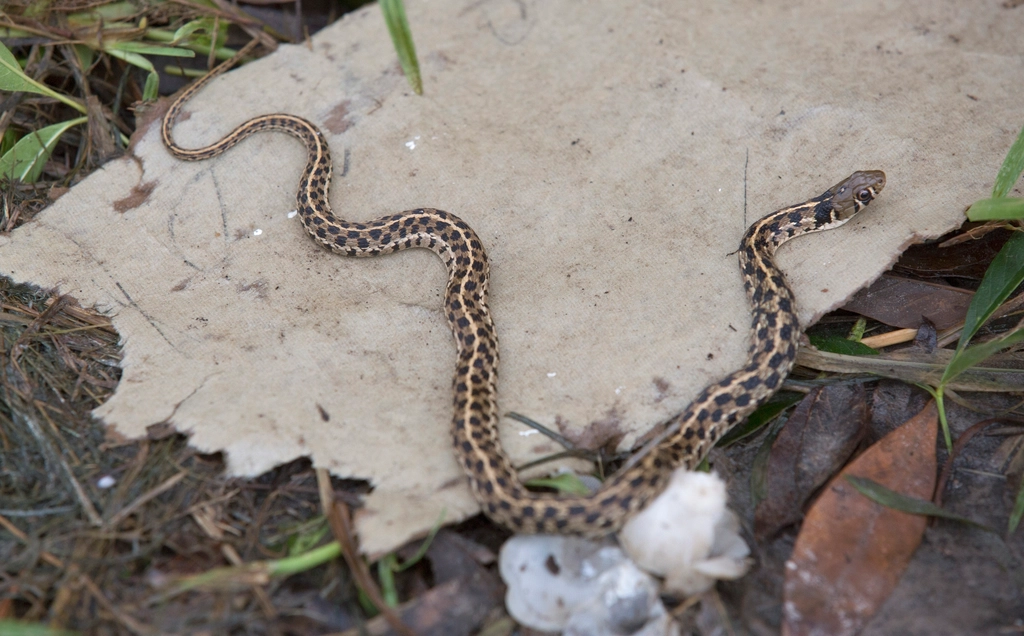 Photo Credit: Rawpixel
In the sun-drenched meadows and marshy edges of North America, the Checkered Garter Snake, or Thamnophis marcianus, glides gracefully through the tall grasses. With its striking black and white checkered pattern, this slender snake is a living tapestry of nature, captivating the eyes of anyone lucky enough to spot it. As it weaves through its habitat, the Checkered Garter Snake showcases not only its beauty but also its role in the ecosystem, where it helps maintain the balance of life by preying on small creatures like frogs and fish.
What makes the Checkered Garter Snake particularly intriguing to scientists and nature lovers alike is its adaptability. Found in a variety of environments—from lush wetlands to dry grasslands—this snake thrives in diverse conditions, demonstrating a remarkable ability to survive and flourish. Its daytime activity, basking in the sun to warm its body, adds to its charm, as it becomes a part of the vibrant tapestry of life that fills its surroundings. As we explore the world of the Checkered Garter Snake, we will uncover its fascinating behaviors, diet, and the vital role it plays in the ecosystem, revealing why this unassuming reptile deserves our admiration and respect.
The Checkered Garter Snake, a member of the animal kingdom, holds a special place in the intricate web of life. Taxonomically, it belongs to the Kingdom Animalia, which includes all animals, and it is classified under the Phylum Chordata, meaning it has a backbone. This snake is part of the Class Reptilia, which encompasses reptiles like lizards and turtles. Within the Order Squamata, known for its scaly skin and ability to shed, the Checkered Garter Snake is further categorized in the Family Colubridae, a diverse group of non-venomous snakes. Its scientific name, Thamnophis, hints at its unique characteristics, particularly its affinity for wetland habitats.
| Taxonomic Rank | Scientific Name | Meaning & Significance |
|---|---|---|
| Kingdom | Animalia | This name signifies all animals, highlighting the Checkered Garter Snake’s place among living organisms that share certain biological traits. |
| Phylum | Chordata | Meaning “having a cord,” this term refers to the presence of a notochord, or backbone, which is a key feature of this snake and its relatives. |
| Class | Reptilia | This classification indicates that the Checkered Garter Snake is a reptile, characterized by its scaly skin and cold-blooded nature. |
| Order | Squamata | Derived from the Latin word for “scaly,” this term reflects the snake’s distinctive skin texture and its ability to shed its skin as it grows. |
| Family | Colubridae | This name refers to a large family of non-venomous snakes, emphasizing the Checkered Garter Snake’s harmlessness to humans and its role in the ecosystem. |
| Genus | Thamnophis | Meaning “to wander in the bushes,” this name highlights the snake’s habitat preferences, often found near water and in grassy areas. |
The classification of the Checkered Garter Snake reveals much about its evolutionary journey. As a member of the Colubridae family, it shares a lineage with many other non-venomous snakes, showcasing adaptations that have allowed it to thrive in various environments. Its genus, Thamnophis, suggests a close relationship with other garter snakes, which have evolved to exploit similar habitats. This evolutionary history not only informs us about the snake’s physical traits and behaviors but also illustrates the dynamic interplay between species and their environments over millions of years. Understanding where the Checkered Garter Snake fits in the tree of life helps us appreciate the complexity and diversity of the natural world.
The evolutionary journey of the Checkered Garter Snake, scientifically known as Thamnophis marcianus, stretches back millions of years, intertwining with the history of the Colubridae family. This family, which includes a diverse array of non-venomous snakes, has adapted to various environments across North America. The Checkered Garter Snake’s ancestors roamed the earth during the late Cretaceous period, around 70 million years ago, when the world was a very different place, filled with dinosaurs and lush vegetation.
The ancestors of the Checkered Garter Snake were likely small, agile reptiles that thrived in a variety of habitats. Over time, these early snakes underwent significant changes, adapting to their surroundings and developing traits that would help them survive. One major transition was the shift from a primarily aquatic lifestyle to a more terrestrial one, allowing them to explore new environments. This adaptability opened up a world of opportunities, leading to the evolution of various species within the Thamnophis genus, each with its own unique characteristics.
These adaptations have been vital for the Checkered Garter Snake’s survival. The ability to camouflage itself not only protects it from predators but also enhances its hunting success. Its flexible diet allows it to take advantage of whatever food sources are available, ensuring it can thrive in diverse environments. Additionally, basking behavior helps it maintain the energy needed for daily activities, from hunting to escaping threats. Together, these traits illustrate how evolution shapes species, enabling them to adapt and flourish in a constantly changing world.
The Checkered Garter Snake is a striking sight, with a body that seems to dance between elegance and practicality. Its slender form, typically measuring around two to three feet long, is perfectly designed for slithering through grass and underbrush. The snake’s skin is covered in smooth, shiny scales that glisten in the sunlight, enhancing its visual appeal. The most eye-catching aspect of this snake is its distinctive black and white checkered pattern, which creates a mesmerizing contrast that can easily catch the eye of anyone lucky enough to spot it.
| Feature | Description |
|---|---|
| Size | Typically 2 to 3 feet long |
| Color | Black and white checkered pattern |
| Skin Type | Smooth, shiny scales |
The combination of its size and striking coloration serves multiple purposes in the wild. The checkered pattern not only makes the snake visually appealing but also provides excellent camouflage among the dappled light and shadows of its natural habitat. This helps it evade predators while hunting for small prey like frogs and insects. The smooth scales allow for easy movement through various terrains, making the Checkered Garter Snake a master of stealth and agility. Together, these features create a perfect blend of beauty and survival skill, showcasing the wonders of nature’s design.
The Checkered Garter Snake thrives in a variety of habitats that paint a vivid picture of its life. Imagine a landscape where lush grasses sway gently in the breeze, interspersed with patches of wildflowers and the occasional rocky outcrop. This snake enjoys the warmth of sunny meadows, wetlands, and even the edges of forests, where it can bask in the sun and hunt for its favorite meals. The combination of open spaces and nearby water sources creates a perfect setting for this agile reptile.
The Checkered Garter Snake prefers climates that offer a mix of warmth and moisture. It is often found in areas where the temperature can range from mild to warm, allowing it to bask in the sun to regulate its body heat. These snakes thrive in environments that experience seasonal changes, as they are adapted to both the sunny days of summer and the cooler temperatures of spring and fall. They are also drawn to areas with ample vegetation, which provides cover from predators and a rich hunting ground for their prey.
Adaptation is key to the survival of the Checkered Garter Snake in its chosen habitats. With its keen sense of smell and excellent swimming abilities, it can navigate through both water and land with ease. The snake’s coloration, featuring a checkered pattern, helps it blend into the grass and foliage, making it less visible to both predators and prey. This camouflage, combined with its ability to thrive in diverse environments, allows the Checkered Garter Snake to flourish in the wild, showcasing the wonders of nature’s design.
As dawn breaks, the Checkered Garter Snake begins its day in the warm embrace of the sun. These snakes are most active during the day, basking on rocks or sunlit patches of grass to soak up heat. This behavior is crucial because, like many reptiles, they are ectothermic, meaning they rely on external sources to regulate their body temperature. After warming up, they slither through their habitat, hunting for small prey such as frogs, worms, and insects. Their keen sense of smell, aided by their forked tongues, helps them detect food and navigate their surroundings.
In the world of Checkered Garter Snakes, social interactions play a significant role. While they are generally solitary creatures, they can often be found in groups, especially during the breeding season. Males may engage in playful wrestling matches to establish dominance and attract females. These interactions are not just about competition; they also help maintain a social structure within their populations. Communication among these snakes is subtle but effective, relying on body language and scent marking to convey messages about territory and reproductive readiness.
| Behavior Type | Description |
|---|---|
| Activity Patterns | Active during the day, basking in the sun to regulate body temperature and hunting for small prey. |
| Social Structure | Generally solitary but can form groups during breeding season, with males competing for female attention. |
| Communication Methods | Uses body language and scent marking to communicate about territory and reproductive status. |
The behaviors of the Checkered Garter Snake are finely tuned to ensure their survival in the wild. By basking in the sun, they maintain the energy needed for hunting and movement. Their social interactions, particularly during mating, help them find partners and ensure the continuation of their species. Through effective communication and group dynamics, these snakes navigate their environment, making them well-adapted to thrive in diverse habitats. Each day is a blend of sun, movement, and interaction, all essential for their life in the wild.
The Checkered Garter Snake is a carnivore, which means it primarily eats other animals. This snake has a particular fondness for small creatures like amphibians, fish, and even some insects. With its keen sense of smell and quick reflexes, the Checkered Garter Snake is an adept hunter, often using its speed and stealth to catch its prey. It can be seen slithering through grass or near water, patiently waiting for the perfect moment to strike.
| Dietary Aspect | Details |
|---|---|
| Diet Type | Carnivore |
| Favorite Foods | Amphibians, fish, and insects |
| Prey Items | Frogs, tadpoles, small fish, and earthworms |
| Hunting/Foraging Strategies | Uses speed and stealth to ambush prey, often found near water sources |
This diet plays a crucial role in the Checkered Garter Snake’s ecology and daily routine. By feeding on a variety of small animals, it helps control their populations, contributing to a balanced ecosystem. The snake’s hunting habits also dictate its movements throughout the day, as it seeks out sunny spots to bask and areas rich in prey. This connection between diet and behavior highlights the intricate relationships within nature, where every creature has a role to play.
As spring arrives, the Checkered Garter Snake enters its breeding season, a time filled with excitement and energy. Males engage in a captivating courtship dance, where they may intertwine with one another, competing for the attention of females. This display is not just for show; it helps the females choose the strongest mates. After a successful courtship, the female will store the male’s sperm for several months before fertilizing her eggs, ensuring that she can time the birth of her young for optimal conditions.
| Reproductive Aspect | Details |
|---|---|
| Gestation Period | Approximately 60 to 70 days |
| Litter Size | 4 to 30 snakelets |
| Age of Maturity | 1 to 2 years |
| Name of Young | Snakelets or neonates |
Once the young are born, they emerge as tiny, fully formed snakelets, ready to face the world. These neonates are independent from the moment they are born, relying on their instincts to find food and shelter. Unlike some animals that receive extensive parental care, Checkered Garter Snakes do not nurture their young after birth. Instead, the young must quickly learn to navigate their environment, hunting small prey and avoiding predators. As they grow, they will shed their skin several times, a process called molting, which allows them to grow and develop into the striking adults they are destined to become.
The Checkered Garter Snake plays a vital role in its ecosystem, sitting comfortably in the middle of the food web. As a predator, it helps control populations of small animals like frogs and fish, while also serving as a meal for larger creatures. This balance is crucial for maintaining healthy environments, where each species contributes to the overall harmony of nature.
To survive against these threats, the Checkered Garter Snake has developed several clever defensive strategies. When faced with danger, it may freeze in place, blending into its surroundings to avoid detection. If that doesn’t work, it can release a foul-smelling musk to deter predators. Additionally, its speed and agility allow it to escape quickly, darting into the underbrush or water. These adaptations help ensure that this fascinating snake continues to thrive in its natural habitat.
A keystone species is an organism that has a disproportionately large impact on its environment relative to its abundance. In simpler terms, if you remove a keystone species, the entire ecosystem can change dramatically. The Checkered Garter Snake, known scientifically as Thamnophis marcianus, qualifies as a keystone species due to its significant role in controlling populations of various small animals and maintaining the balance of its ecosystem.
The Checkered Garter Snake primarily feeds on amphibians, fish, and insects, making it an important predator in its habitat. By keeping the populations of these animals in check, it helps prevent overpopulation, which can lead to resource depletion. For example, if the snake’s population were to decline, the number of frogs and small fish could surge, potentially leading to overgrazing of aquatic plants and destabilizing the local ecosystem. This balance is crucial for maintaining healthy waterways and the overall health of the environment.
Additionally, the Checkered Garter Snake serves as prey for larger predators, such as birds of prey and mammals. This means it plays a vital role in the food web, linking various species together. Its presence supports not only its own survival but also the survival of those that rely on it for food. The snake’s activities contribute to nutrient cycling, as its hunting and feeding behaviors help distribute energy throughout the ecosystem.
If the Checkered Garter Snake were to disappear, the ripple effects would be felt throughout its ecosystem. Without this snake, the populations of its prey could explode, leading to overconsumption of vegetation and destabilizing habitats. This could result in a decline in plant diversity and health, affecting other species that rely on those plants for food and shelter. Ultimately, the loss of the Checkered Garter Snake would disrupt the delicate balance of its environment, showcasing just how interconnected life truly is.
The Checkered Garter Snake occupies a crucial ecological niche, acting as both predator and prey within its environment. This slender snake, with its striking checkered pattern, plays a significant role in maintaining the balance of its ecosystem. By controlling populations of small animals, it helps ensure that no single species overwhelms the habitat. This balance is essential for the health of the ecosystem, allowing various plants and animals to thrive together.
| Ecosystem Service | Impact |
|---|---|
| Population Control | Regulates numbers of amphibians and small fish, preventing overpopulation. |
| Prey for Larger Animals | Serves as a food source for birds of prey and larger mammals, contributing to the food web. |
| Soil Health | By preying on certain species, it helps maintain healthy soil ecosystems through balanced nutrient cycling. |
The Checkered Garter Snake influences its surroundings in several fascinating ways. For instance, by feeding on frogs and small fish, it helps keep these populations in check. This is important because too many frogs can lead to overgrazing of aquatic plants, which are vital for water quality and habitat stability. Additionally, as a prey item for birds like hawks and owls, the snake supports the survival of these larger predators, creating a dynamic food web that sustains various life forms.
The broader ecological importance of the Checkered Garter Snake cannot be overstated. As a keystone species, its presence helps maintain the health and diversity of its ecosystem. When this snake thrives, it indicates a balanced environment, rich in biodiversity. Conversely, a decline in its population can signal underlying issues, such as habitat loss or pollution. By understanding and protecting the Checkered Garter Snake, we also safeguard the intricate web of life that depends on it, ensuring a vibrant and resilient ecosystem for generations to come.
In the natural world, many species form intricate partnerships that help them survive and thrive. These relationships can be classified into three main types: mutualism, where both species benefit; commensalism, where one species benefits while the other is neither helped nor harmed; and parasitism, where one species benefits at the expense of another. The Checkered Garter Snake, with its unique lifestyle and ecological role, engages in various relationships that highlight the interconnectedness of life.
| Species/Type | Relationship Type | Description |
|---|---|---|
| Amphibians (e.g., frogs) | Mutualistic | The Checkered Garter Snake preys on amphibians, helping to control their populations. In return, the presence of these snakes can encourage amphibians to stay in healthy habitats, as they help maintain a balanced ecosystem. |
| Birds (e.g., herons) | Commensal | Herons may benefit from the presence of Checkered Garter Snakes by finding food more easily. As the snakes hunt, they disturb the environment, making it easier for birds to spot other small prey. |
| Ticks | Parasitic | Ticks can latch onto Checkered Garter Snakes, feeding on their blood. This relationship is harmful to the snakes, as it can lead to health issues, but it provides sustenance for the ticks. |
These relationships have evolved over time, shaped by the needs and behaviors of the species involved. The Checkered Garter Snake’s role as both predator and prey creates a dynamic balance in its ecosystem. By controlling populations of amphibians, it helps maintain biodiversity, while its interactions with birds and parasites illustrate the complexity of life. Understanding these connections not only highlights the importance of each species but also emphasizes the delicate balance that sustains our natural world.
The Checkered Garter Snake is a captivating creature that often surprises those who take the time to learn about it. With its striking black and white checkered pattern, this snake is not just a pretty face; it has some intriguing traits that make it stand out in the animal kingdom.
The Checkered Garter Snake has long been a part of human history, weaving its way through our stories and cultures. Native American tribes often viewed this snake as a symbol of transformation and renewal, reflecting its ability to thrive in diverse environments. In folklore, it has been depicted as a creature of mystery, sometimes feared and other times revered. These historical encounters have shaped our understanding of the Checkered Garter Snake, highlighting its significance in the natural world and its connection to human culture.
Today, the relationship between the Checkered Garter Snake and humanity is complex. While many people appreciate these snakes for their role in controlling pest populations, others may see them as a threat, especially in areas where they come into contact with humans. Conservation efforts are underway to protect their habitats, as urban development and agricultural practices can disrupt their ecosystems. Interestingly, some people have even taken to keeping these snakes as pets, fostering a deeper understanding of their behavior and needs. This interaction can help bridge the gap between humans and wildlife, promoting coexistence rather than conflict.
Looking ahead, the future of the Checkered Garter Snake and its relationship with humanity will depend on our willingness to understand and protect this remarkable species. As we learn more about their ecological importance, we can foster a sense of respect and appreciation for these snakes. By promoting conservation efforts and encouraging responsible pet ownership, we can ensure that the Checkered Garter Snake continues to thrive alongside us, enriching our lives and ecosystems for generations to come.
The Checkered Garter Snake, known scientifically as Thamnophis marcianus, currently holds a conservation status of “Least Concern” according to the International Union for Conservation of Nature (IUCN). This means that, at present, the species is not facing an immediate threat of extinction. Population trends suggest that the Checkered Garter Snake remains stable across its range, which includes various habitats in North America. While it is not considered endangered, ongoing monitoring is essential to ensure that it continues to thrive in the wild.
| Conservation Factor | Status/Details |
|---|---|
| IUCN Status | Least Concern |
| Population Estimates | Stable |
| Trend Direction | Stable |
Despite its current stable status, the Checkered Garter Snake faces several threats that could impact its future. Habitat loss is a significant concern, as urban development and agricultural expansion can destroy the wetlands and grasslands where these snakes thrive. Additionally, pollution from pesticides and chemicals can harm their food sources and overall health. Climate change also poses a risk, altering the delicate balance of their ecosystems and potentially affecting their breeding and feeding patterns.
Conservation efforts are underway to protect the Checkered Garter Snake and its habitats. Organizations and wildlife agencies are working to preserve wetlands and grasslands, ensuring that these snakes have safe places to live and breed. Public education about the importance of snakes in the ecosystem is also crucial, as it helps reduce fear and misunderstanding. With continued efforts and awareness, the outlook for the Checkered Garter Snake remains positive, allowing this fascinating species to continue its role in the natural world.
| Question | Answer |
|---|---|
| What is the habitat of the Checkered Garter Snake? | The Checkered Garter Snake is commonly found in a variety of habitats, including grasslands, wetlands, and near water sources like ponds and streams. They enjoy areas with plenty of cover, such as tall grasses and shrubs, which help them hide from predators. |
| What does the Checkered Garter Snake eat? | This snake is a carnivore, meaning it primarily eats other animals. Its diet mainly consists of small fish, amphibians, and invertebrates, which it hunts using its keen sense of smell and quick reflexes. |
| How does the Checkered Garter Snake behave? | Checkered Garter Snakes are generally active during the day, making them diurnal. They are known for their curious nature and can often be seen basking in the sun or swimming in water, showcasing their agility and grace. |
| How do Checkered Garter Snakes reproduce? | These snakes are ovoviviparous, which means they give birth to live young rather than laying eggs. Mating typically occurs in the spring, and females can give birth to a litter of 10 to 40 baby snakes in late summer. |
| What threats do Checkered Garter Snakes face? | While the Checkered Garter Snake is currently listed as Least Concern, it still faces threats from habitat destruction and pollution. Additionally, they can fall prey to larger animals, including birds of prey and mammals. |
| What is the most distinctive feature of the Checkered Garter Snake? | The most striking characteristic of the Checkered Garter Snake is its unique black and white checkered pattern. This beautiful coloration not only helps it blend into its surroundings but also makes it easily recognizable among other snakes. |
| Are Checkered Garter Snakes dangerous to humans? | No, Checkered Garter Snakes are not dangerous to humans. They are non-venomous and generally shy, preferring to escape rather than confront potential threats. |