Taxonomy & Classification
- Kingdom
- Animalia
- Phylum
- Chordata
- Class
- Aves
- Order
- Galliformes
- Family
- Phasianidae
- Genus
- Gallus
- Species
- Gallus gallus

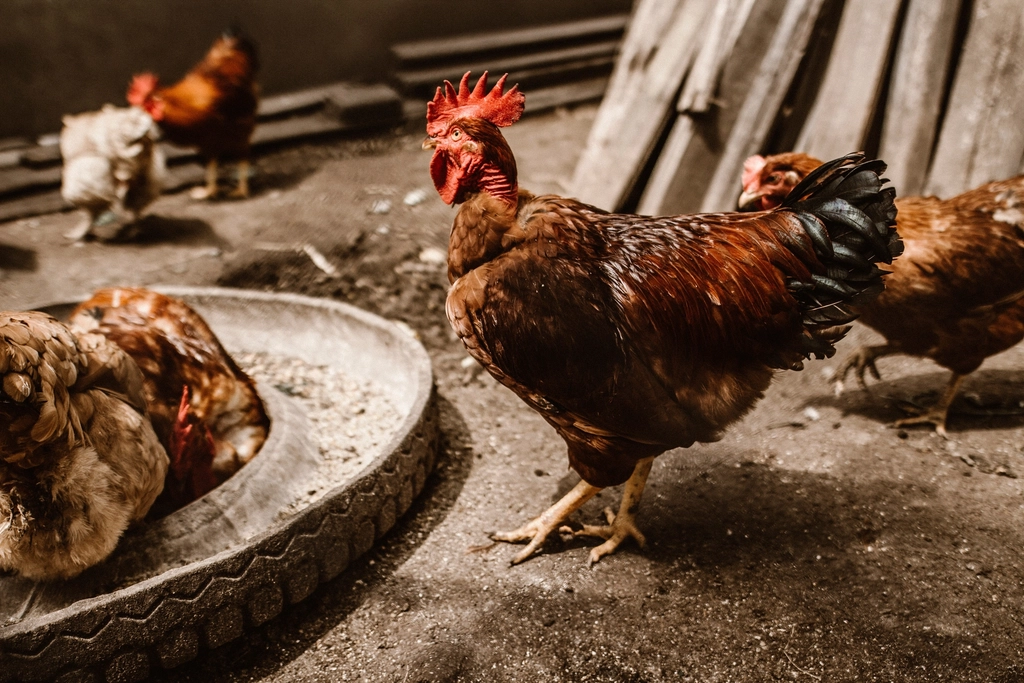 Photo Credit: Rawpixel
In the sun-drenched fields of farms and backyards, the chicken, known scientifically as Gallus gallus domesticus, struts with a lively spirit that captures the hearts of many. With their vibrant feathers ranging from deep reds to soft whites, these birds are not just a common sight; they are a window into the wonders of nature. Chickens possess a sturdy body, a curious beak, and a unique comb on their heads, which is that fleshy crest that can be red or pink. This combination of features makes them not only visually striking but also a subject of fascination for scientists and nature lovers alike.
Imagine a warm morning where the air is filled with the cheerful clucking of chickens as they scratch at the ground, searching for seeds and insects. These omnivorous birds play a vital role in their ecosystems, helping to control pests while also contributing to the soil’s health through their foraging habits. Their social behavior is equally captivating; chickens form complex hierarchies and communicate with a variety of sounds, each with its own meaning. As we explore the world of chickens, we will uncover their evolutionary history, their impact on human culture, and the surprising intelligence that lies behind those bright eyes. Join us on this adventure to discover why these seemingly simple birds are anything but ordinary.
Chickens are more than just a common farm animal; they hold a special place in the tree of life. Scientifically classified within the Kingdom Animalia, they belong to the Phylum Chordata, which includes all animals with a backbone. Chickens are part of the Class Aves, meaning they are birds, and they fall under the Order Galliformes, which is known for ground-feeding birds like turkeys and quails. Their family, Phasianidae, includes pheasants and partridges. What makes chickens particularly interesting is their domestication history, which dates back thousands of years, making them one of the first animals to be raised for food. This long relationship with humans has shaped their behavior and physical traits, making them a vital part of agriculture and culture worldwide.
| Taxonomic Rank | Scientific Name | Meaning & Significance |
|---|---|---|
| Kingdom | Animalia | This name comes from the Latin word for “animal,” highlighting that chickens are part of the vast group of living organisms that are multicellular and capable of movement. |
| Phylum | Chordata | Derived from the Greek word “chordē,” meaning “string,” this term refers to animals that possess a notochord, a flexible rod that supports the body, at some stage of their development. |
| Class | Aves | This Latin term means “birds,” indicating that chickens have feathers, lay eggs, and are warm-blooded, which are key characteristics of all birds. |
| Order | Galliformes | From the Latin “gallus,” meaning “rooster,” this order includes birds that are generally ground-dwelling and have a stout body, short wings, and strong legs. |
| Family | Phasianidae | This name comes from “phasianus,” the Latin word for pheasant, which reflects the family’s connection to colorful, ground-feeding birds. |
| Genus | Gallus | Also derived from the Latin word for “rooster,” this genus includes domesticated chickens and highlights their importance in human culture and agriculture. |
The classification of chickens reveals a rich evolutionary history that connects them to their wild ancestors and other bird species. Chickens are believed to have descended from the red junglefowl, a wild bird native to Southeast Asia. This lineage shows how domestication has influenced their traits over time, leading to the diverse breeds we see today. Understanding their place in the animal kingdom not only highlights their biological characteristics but also emphasizes their role in human society, agriculture, and even cultural traditions. Chickens are a living testament to the intricate web of life that connects all animals, showcasing how evolution shapes the world around us.
The evolutionary journey of the chicken is a captivating tale that stretches back millions of years. Chickens, scientifically known as Gallus gallus domesticus, are descendants of wild birds that roamed the Earth long before humans began domesticating them. Their story begins in Southeast Asia, where the red junglefowl, a wild ancestor, first took flight in the dense forests. Over time, through a series of adaptations and selective breeding, these birds transformed into the familiar chickens we know today.
The transition from wild fowl to domesticated chicken involved several key evolutionary steps. Initially, the red junglefowl was a small, agile bird, well-adapted to its forest habitat. As humans began to cultivate crops, they provided a steady food source, encouraging these birds to venture closer to human settlements. This shift marked the beginning of a symbiotic relationship, where chickens became valuable for their eggs and meat. Over generations, selective breeding favored traits such as size, egg production, and docility, leading to the diverse breeds we see now.
These adaptations have played a vital role in the survival and success of chickens throughout history. Their ability to thrive in diverse environments, coupled with their social structures and reproductive strategies, has allowed them to flourish alongside humans. Today, chickens are not just a source of food; they are a testament to the power of evolution and the intricate relationships between species and their environments.
Chickens are charming birds that often strut around farms and backyards, showcasing their vibrant personalities and colorful plumage. With a sturdy body structure, they typically weigh between 1 to 3 kilograms, or about 2.2 to 6.6 pounds. Their rounded bodies are supported by strong legs, which allow them to scratch the ground in search of food. Chickens have a distinctive shape, with a broad breast and a slightly curved back, giving them a robust appearance. Their heads are adorned with a fleshy comb on top, which can vary in size and shape, and their beady eyes shine with curiosity.
| Feature | Description |
|---|---|
| Weight | 1 kg – 3 kg (2.2 lbs – 6.6 lbs) |
| Skin Type | Feathers |
These physical features work together to help chickens thrive in their environments. Their feathers not only provide warmth and protection but also come in a variety of colors and patterns, which can help them blend into their surroundings, making it harder for predators to spot them. The strong legs are perfect for foraging, allowing them to dig into the soil for seeds and insects. Overall, the chicken’s body structure and features are finely tuned for survival, making them both resilient and resourceful in the wild and on farms.
Chickens thrive in a variety of environments, but they particularly enjoy open woodlands and sheltered grasslands. Imagine a sun-drenched field dotted with patches of trees, where the ground is soft and rich with insects and seeds. This habitat provides the perfect playground for chickens, allowing them to scratch and peck at the earth while also finding shade when the sun gets too hot. The gentle rustle of leaves and the chirping of other birds create a lively atmosphere, making it an ideal home for these social birds.
Chickens are quite adaptable when it comes to climate and environmental conditions. They prefer temperate climates, where the weather is neither too hot nor too cold. Ideally, they thrive in areas with moderate rainfall, which helps keep their habitats lush and green. However, they can also tolerate a range of temperatures, as long as they have access to shelter from extreme weather. This flexibility allows them to live in diverse regions around the world, from the rolling hills of Europe to the warm fields of North America.
Over time, chickens have developed several adaptations that help them flourish in their chosen habitats. Their strong legs and sharp claws are perfect for scratching the ground, allowing them to uncover tasty treats like seeds and insects. Additionally, their feathers provide insulation, keeping them warm during cooler nights and protecting them from the sun during the day. Chickens are also social animals, often forming flocks that help them stay safe from predators. This social behavior, combined with their physical adaptations, makes them well-suited to life in open woodlands and grasslands.
Chickens lead a lively daily life filled with a variety of activities that keep them engaged and healthy. As the sun rises, they begin their day with a chorus of clucks and crows, signaling the start of their morning routine. Foraging for food is a primary activity, as they scratch at the ground with their strong feet, searching for seeds, insects, and tasty plants. Throughout the day, they alternate between foraging, dust bathing to keep their feathers clean, and resting in the shade to escape the heat. As evening approaches, they gather together in their coop, settling down for a good night’s sleep, often snuggling close for warmth and security.
Social behavior is a key aspect of a chicken’s life. Chickens are highly social animals that thrive in flocks, which provide them with safety and companionship. Within these groups, they establish a pecking order, a social hierarchy that determines access to food and mates. This order is maintained through various behaviors, including gentle pecking and vocalizations. Chickens communicate with each other using a range of sounds, from soft clucks to loud crows, each serving a different purpose, such as alerting others to danger or signaling the presence of food. Their social interactions are vital for their well-being, as they rely on each other for support and protection.
| Behavior Type | Description |
|---|---|
| Foraging | Chickens scratch the ground to find seeds, insects, and plants, which is essential for their diet. |
| Dust Bathing | They roll in dust to keep their feathers clean and free of parasites, which is important for their health. |
| Social Hierarchy | Chickens establish a pecking order that determines access to resources and mates, helping maintain group stability. |
| Vocal Communication | They use various sounds to communicate, alerting others to food or potential threats, enhancing flock safety. |
The behaviors of chickens are not just interesting; they are crucial for their survival. By foraging together, they increase their chances of finding food, while their social structure helps protect them from predators. Communication within the flock ensures that all members are aware of their surroundings, allowing them to react quickly to danger. In essence, these daily activities and social interactions create a dynamic system that supports the health and safety of the entire group, showcasing the remarkable adaptability of chickens in their environment.
Chickens are omnivores, which means they enjoy a diverse diet that includes both plant and animal matter. Their feeding behavior is quite interesting; they often scratch at the ground with their feet to uncover hidden treasures like seeds and insects. This natural foraging instinct allows them to explore their surroundings while searching for tasty morsels. Chickens are also known to peck at fruits and berries, adding a splash of color and flavor to their meals.
| Dietary Aspect | Details |
|---|---|
| Diet Type | Omnivore |
| Favorite Foods | Seeds, fruits, berries |
| Prey Items | Insects |
| Hunting/Foraging Strategies | Scratching the ground and pecking |
This varied diet plays a crucial role in shaping the chicken’s ecology and daily routine. By consuming a mix of plants and insects, chickens help control pest populations while also dispersing seeds through their droppings. This not only benefits their own health but also contributes to the health of their environment. As they forage throughout the day, chickens engage in social behaviors, strengthening their bonds with one another and creating a lively atmosphere in their habitat.
When it comes to reproduction, chickens have some intriguing behaviors. The breeding season typically begins in the spring when the days grow longer and warmer. During this time, roosters, the male chickens, become quite vocal, using their crowing to attract hens, the females. Courtship displays are common, with roosters performing elaborate dances and showing off their colorful feathers to impress potential mates. Once a hen is receptive, she will mate with the rooster, and this can happen multiple times to ensure fertilization of the eggs.
| Reproductive Aspect | Details |
|---|---|
| Gestation Period | Chickens do not have a gestation period like mammals; instead, the eggs take about 21 days to incubate before hatching. |
| Litter Size | A typical clutch can range from 8 to 12 eggs, although some hens may lay more or fewer eggs. |
| Age of Maturity | Chickens usually reach sexual maturity at around 5 to 6 months of age. |
| Name of Young | The young chickens are called chicks. |
After the eggs are laid, the hen will carefully incubate them, keeping them warm and turning them regularly to ensure even development. Once the chicks hatch, they are precocial, meaning they are relatively mature and mobile right from the start. They quickly learn to peck for food and follow their mother closely for protection and guidance. The hen plays a vital role in their upbringing, teaching them essential survival skills and keeping them safe from predators. As the chicks grow, they develop their feathers and eventually become independent, ready to explore the world on their own. This nurturing process highlights the strong bond between the hen and her young, showcasing the beauty of parental care in the animal kingdom.
Chickens occupy a unique position in the food web, serving as both prey and, in some cases, predators. As domesticated birds, they are primarily raised for their eggs and meat, but in the wild, their ancestors faced numerous challenges. Chickens are often at the mercy of various predators, which makes their survival a constant balancing act in the natural world.
To defend themselves against these threats, chickens have developed several survival strategies. They are known for their keen eyesight, which helps them spot danger from afar. When they sense a predator, chickens often take to the skies, flapping their wings and running for cover. They also rely on their flocking behavior, sticking together to confuse and deter attackers. Additionally, some breeds have a natural instinct to freeze in place, blending into their surroundings to avoid detection. These clever tactics help chickens navigate the challenges of their environment and stay safe from harm.
A keystone species is a vital part of its ecosystem, meaning its presence and activities have a significant impact on the environment and other living things. While chickens are often seen as simple farm animals, they do play a role in their ecosystems, though not as a classic keystone species like wolves or sea otters. Instead, chickens contribute to their surroundings in various ways, influencing both plant life and other animal populations.
Chickens are omnivores, which means they eat both plants and animals. This diverse diet allows them to help control insect populations by foraging for bugs and larvae. By keeping these populations in check, chickens help maintain a balance in their environment. Additionally, as they scratch the ground in search of food, they aerate the soil, which promotes healthy plant growth. This behavior can lead to a more vibrant ecosystem, as plants thrive and provide food and shelter for other animals.
Moreover, chickens produce manure that acts as a natural fertilizer. This nutrient-rich waste enriches the soil, supporting the growth of various plants. Healthy plants, in turn, provide food for other species, creating a ripple effect throughout the ecosystem. Chickens also serve as a food source for predators, such as foxes and hawks, contributing to the food web. Their presence supports a variety of life forms, making them an important part of their habitat.
If chickens were to disappear from their ecosystems, the effects could be significant. Insect populations might surge, leading to overgrazing of plants and potential harm to crops. Without their natural fertilization, soil health could decline, affecting plant growth and the animals that rely on those plants for food. The absence of chickens would disrupt the balance of the ecosystem, highlighting how even the most familiar animals can play a crucial role in the web of life.
Chickens play a fascinating role in their ecosystems, acting as both contributors and consumers. As omnivores, they help maintain balance by eating a variety of foods, including insects, seeds, and plants. This diverse diet allows them to thrive in open woodlands and sheltered grasslands, where they interact with their environment in meaningful ways. By scratching the ground, they aerate the soil, which is essential for plant growth. Their presence in these habitats creates a dynamic interplay between the birds and the flora and fauna around them.
| Ecosystem Service | Impact |
|---|---|
| Soil Aeration | Chickens scratch the ground, helping to mix nutrients and improve soil health. |
| Pest Control | By eating insects and larvae, chickens help control pest populations naturally. |
| Seed Dispersal | As they forage, chickens can spread seeds, promoting plant diversity in their habitat. |
| Nutrient Recycling | Their droppings enrich the soil, providing essential nutrients for plants. |
Chickens influence their surroundings in several specific ways. For instance, when they forage for food, they not only consume harmful pests but also help to control their populations. This natural pest control reduces the need for chemical pesticides, which can harm other wildlife. Additionally, as chickens scratch the earth, they expose seeds to sunlight and air, which can lead to new plant growth. Their droppings, rich in nitrogen, act as a natural fertilizer, enhancing soil fertility and supporting a variety of plant life.
The broader ecological importance of chickens cannot be overstated. As a keystone species, their activities significantly shape the environment around them. By promoting soil health, controlling pests, and aiding in plant growth, chickens contribute to a balanced ecosystem. Their presence supports not only their own survival but also the well-being of countless other species. In this way, chickens exemplify how even the most familiar animals can have a profound impact on the natural world, reminding us of the interconnectedness of all living things.
In the intricate web of life, symbiosis plays a crucial role in shaping the relationships between different species. Symbiosis refers to the close interactions between organisms, which can be beneficial, harmful, or neutral. These relationships can be classified into three main types: mutualism, where both species benefit; parasitism, where one species benefits at the expense of the other; and commensalism, where one species benefits while the other is neither helped nor harmed. Chickens, with their adaptable nature, engage in various ecological partnerships that highlight the complexity of their interactions with other species.
| Species/Type | Relationship Type | Description |
|---|---|---|
| Ticks | Parasitic | Ticks attach to chickens and feed on their blood, which can weaken the birds and transmit diseases. |
| Insects (like beetles and ants) | Mutualistic | Chickens scratch the ground, uncovering insects, which they eat. In return, chickens help control insect populations. |
| Plants (like clover and grasses) | Commensal | Chickens forage among plants, benefiting from the seeds and insects found there, while the plants are largely unaffected. |
These relationships have evolved over time, shaped by the needs and behaviors of the species involved. Chickens have adapted to their environments, forming partnerships that enhance their survival and well-being. For instance, while they may suffer from parasites like ticks, their interactions with insects can help them thrive by providing food and controlling pest populations. Understanding these connections not only highlights the importance of chickens in their ecosystems but also emphasizes the delicate balance of nature, where every species plays a role in the grand tapestry of life.
Chickens are often seen as simple farm animals, but they have a surprising array of traits and behaviors that make them truly captivating. Here are some intriguing facts that showcase the remarkable world of chickens.
Chickens have been intertwined with human history for thousands of years, serving as both companions and sources of sustenance. Domesticated from wild ancestors in Southeast Asia, these birds have traveled across continents, becoming a staple in various cultures. In many societies, chickens symbolize prosperity and fertility, often appearing in folklore and rituals. Their eggs and meat have provided nourishment, making them a vital part of agricultural practices and culinary traditions around the world. From ancient civilizations to modern farms, the relationship between chickens and humanity has evolved, reflecting our changing needs and values.
Today, chickens are at the center of numerous interactions with humans, ranging from farming to conservation efforts. While many people raise chickens for their eggs and meat, there is also a growing movement towards humane treatment and sustainable farming practices. Some communities are working to protect local chicken breeds, recognizing their unique genetic traits and cultural significance. However, conflicts can arise, especially in urban areas where noise and space limitations challenge traditional chicken-keeping. The domestication of chickens has led to a complex relationship, balancing the benefits of agricultural production with the need for ethical treatment and environmental stewardship.
As we look to the future, the relationship between chickens and humanity is likely to continue evolving. With increasing awareness of animal welfare and environmental issues, more people are advocating for ethical farming practices. Innovations in technology may also lead to better living conditions for chickens, enhancing their well-being while meeting human needs. By fostering a respectful and sustainable connection with these remarkable birds, we can ensure that chickens remain a cherished part of our lives for generations to come.
The conservation status of chickens is classified as “Least Concern” by the International Union for Conservation of Nature (IUCN). This means that, overall, chickens are not currently at risk of extinction. In fact, their population is vast and continues to grow, thanks to their domestication and widespread farming practices around the world. Chickens are one of the most common and numerous bird species, with billions of individuals globally, primarily raised for their eggs and meat.
| Conservation Factor | Status/Details |
|---|---|
| IUCN Status | Least Concern |
| Population Estimates | Over 25 billion worldwide |
| Trend Direction | Increasing |
Despite their stable status, chickens face several threats that can impact local populations. One of the main challenges is habitat loss due to urbanization and agricultural expansion. As cities grow and farmland is developed, the natural environments where wild relatives of chickens might thrive are diminished. Additionally, intensive farming practices can lead to issues like disease outbreaks, which can affect both domesticated and wild populations. Predation from animals such as foxes and raccoons can also pose a risk, especially for free-range chickens.
Conservation efforts for chickens primarily focus on promoting sustainable farming practices and protecting their wild relatives. Organizations are working to ensure that chickens are raised in humane conditions, which not only benefits the birds but also supports biodiversity. By maintaining healthy populations of both domesticated and wild chickens, we can help preserve the genetic diversity that is crucial for their long-term survival. The outlook for chickens remains positive, as they continue to thrive in various environments around the globe, supported by human care and interest.
| Question | Answer |
|---|---|
| What is the natural habitat of chickens? | Chickens thrive in open woodland and sheltered grassland. They prefer areas where they can scratch the ground for food and find shelter from predators. |
| What do chickens eat? | Chickens are omnivores, meaning they eat both plants and animals. Their diet includes seeds, insects, and even small animals, making them adaptable foragers. |
| How do chickens behave in a flock? | Chickens are social animals that live in flocks, which helps them feel safe. They establish a pecking order, a social hierarchy that determines who gets to eat first and who gets the best nesting spots. |
| How do chickens reproduce? | Chickens reproduce by laying eggs, which are usually fertilized by a rooster. A hen can lay about 300 eggs a year, and after about 21 days of incubation, the eggs hatch into chicks. |
| What are the main threats to chickens? | Chickens face threats from predators like foxes, raccoons, and birds of prey. Additionally, diseases and poor living conditions can also pose significant risks to their health. |
| What are some interesting characteristics of chickens? | Chickens have a remarkable sense of smell and can recognize over 100 different faces, both human and animal. They also communicate with each other using a variety of sounds, including clucks, squawks, and even purrs. |
| Are chickens good for the environment? | Yes, chickens can be beneficial for the environment. They help control pests by eating insects and can contribute to soil health through their droppings, which act as a natural fertilizer. |