Taxonomy & Classification
- Kingdom
- Animalia
- Phylum
- Arthropoda
- Class
- Arachnida
- Order
- Araneae
- Family
- Theraphosidae
- Genus
- Grammostola
- Species
- Grammostola rosea

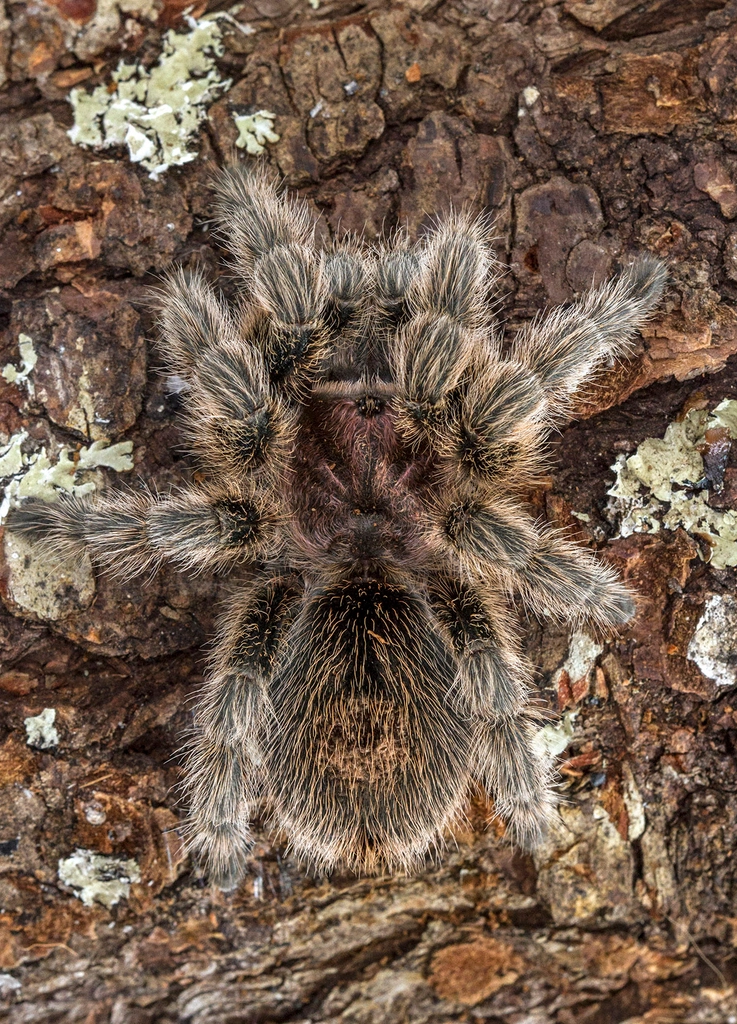 Photo Credit: insectsunlockedproject / Rawpixel
In the sun-drenched landscapes of Chile, the Chilean Rose Tarantula, or Grammostola rosea, makes its home among the rocky outcrops and sparse vegetation. Picture a warm afternoon where the golden rays filter through the dry grass, illuminating this remarkable spider with its soft, pinkish-brown hairs that shimmer like a sunset. With a body that can weigh up to two ounces and a leg span reaching nearly five inches, the Chilean Rose Tarantula is not just a sight to behold; it’s a creature that sparks curiosity and admiration among scientists and nature lovers alike.
What makes Grammostola rosea particularly captivating is its blend of beauty and behavior. This tarantula is a master of camouflage, often blending seamlessly into its surroundings, which helps it evade predators and ambush unsuspecting prey. As a nocturnal hunter, it comes alive under the cover of darkness, showcasing its predatory skills as it stalks insects like crickets and grasshoppers. Its fascinating lifestyle and unique adaptations have made it a subject of study for arachnologists, who seek to understand the intricate roles these spiders play in their ecosystems. Whether you’re a budding entomologist or simply someone who enjoys the wonders of nature, the Chilean Rose Tarantula invites you to explore the mysteries of the animal kingdom.
The Chilean Rose Tarantula, scientifically known as Grammostola rosea, occupies a distinctive position in the animal kingdom. It belongs to the phylum Arthropoda, which includes all invertebrates with exoskeletons, segmented bodies, and jointed limbs. This tarantula is part of the class Arachnida, a group that encompasses spiders, scorpions, and ticks. What sets the Chilean Rose apart is not just its striking appearance, with a beautiful rose-colored hue, but also its fascinating behaviors, such as its ability to thrive in various environments, from arid deserts to lush forests. This adaptability showcases the tarantula’s evolutionary success and resilience.
| Taxonomic Rank | Scientific Name | Meaning & Significance |
|---|---|---|
| Kingdom | Animalia | This name signifies that the Chilean Rose is part of the vast group of multicellular organisms that are primarily heterotrophic, meaning they consume other organisms for energy. |
| Phylum | Arthropoda | Derived from Greek words meaning “jointed feet,” this classification highlights the tarantula’s segmented body and jointed appendages, which are key features of all arthropods. |
| Class | Arachnida | This term comes from the Greek word for spider, emphasizing that the Chilean Rose is part of a group characterized by eight legs and a body divided into two main segments. |
| Order | Araneae | This order includes all spiders, and its name is rooted in the Latin word for spider, reflecting the tarantula’s web-spinning relatives. |
| Family | Theraphosidae | This name means “tarantulas,” derived from the Italian town of Taranto, where a famous spider bite led to a dance craze. It highlights the family’s reputation for large, hairy spiders. |
| Genus | Grammostola | This name comes from Greek, meaning “large mouth,” which refers to the tarantula’s impressive fangs and feeding habits. |
| Species | rosea | The species name means “rosy” in Latin, aptly describing the tarantula’s beautiful coloration that can range from light pink to deep rose. |
The classification of the Chilean Rose Tarantula reveals much about its evolutionary journey. As a member of the Theraphosidae family, it shares a lineage with other large, terrestrial spiders, showcasing adaptations that have allowed it to thrive in diverse habitats. Its unique physical traits and behaviors, such as its ability to tolerate varying climates and its defensive posturing, reflect millions of years of evolution. Understanding its taxonomic position not only highlights its biological significance but also connects us to the broader web of life, illustrating how all creatures, big and small, are interlinked in the grand tapestry of nature.
The evolutionary journey of the Chilean Rose Tarantula, or Grammostola rosea, stretches back millions of years, tracing its lineage to the ancient ancestors of spiders. These early arachnids emerged during the Silurian period, around 400 million years ago, evolving from simple, primitive forms into the diverse and complex species we see today. The Theraphosidae family, to which the Chilean Rose belongs, has adapted over time to thrive in various environments, particularly in the arid regions of South America.
Ancestral tarantulas were likely small and less specialized, living in a variety of habitats. As they evolved, they developed larger bodies and more effective hunting strategies. One major transition was the shift from a primarily ambush-based hunting style to a more active predatory approach. This change allowed tarantulas to capture a wider range of prey, enhancing their survival. Over time, adaptations such as burrowing behavior emerged, providing protection from predators and harsh environmental conditions. The Chilean Rose Tarantula, in particular, has developed a unique set of traits that help it thrive in its native habitats.
These adaptations have been crucial for the Chilean Rose Tarantula’s survival in the wild. By blending into its surroundings, it avoids detection by both predators and prey. Its formidable fangs and silk production enhance its hunting and defensive capabilities, while a slow metabolism allows it to endure periods of food scarcity. Together, these traits have enabled the Chilean Rose Tarantula to thrive in the diverse ecosystems of South America, showcasing the wonders of evolution in action.
The Chilean Rose Tarantula is a captivating sight, with its robust body and striking appearance. This spider boasts a hefty frame, typically weighing between 1 to 2 ounces, which gives it a solid presence. Its legs are long and sturdy, allowing it to navigate its environment with surprising grace. The most eye-catching aspect of this tarantula is its bristled hairs, which shimmer in shades of pink, creating a soft yet vibrant aura. These features combine to create an impression of both beauty and strength, making it a fascinating subject for both nature enthusiasts and curious onlookers.
| Feature | Description |
|---|---|
| Size | Typically weighs between 1 to 2 ounces |
| Color | Distinctive pink-colored bristles and hairs |
| Skin Type | Bristled hairs that cover the body |
The combination of size, color, and texture in the Chilean Rose Tarantula serves important survival purposes. The bristled hairs not only add to its striking appearance but also play a role in defense. When threatened, these hairs can irritate potential predators, providing a layer of protection. Additionally, the pink coloration can help it blend into its surroundings, especially among the sandy soils and rocky terrains of its native habitat in Chile. Together, these features create a well-adapted spider that thrives in its environment while captivating the hearts of those who encounter it.
The Chilean Rose Tarantula thrives in a variety of habitats that paint a vivid picture of its world. Imagine wide-open grasslands where the sun shines brightly, or arid deserts with their warm, sandy expanses. This spider also finds a home in lush jungles, where the air is thick with humidity and the sounds of nature fill the atmosphere. Each of these environments offers a unique setting, allowing the Chilean Rose to adapt and flourish.
To thrive, the Chilean Rose Tarantula prefers a climate that balances warmth and moisture. It enjoys temperatures that typically range from 70 to 80 degrees Fahrenheit, which is just right for its active lifestyle. The humidity levels can vary, but this spider is quite resilient, able to tolerate drier conditions found in its desert habitats. These environmental factors are crucial, as they help regulate its body temperature and support its overall health.
Adaptation is key to the survival of the Chilean Rose Tarantula in its diverse habitats. With its burrowing behavior, it creates cozy retreats in the ground, providing shelter from predators and extreme weather. Its ability to thrive in both dry and humid environments showcases its versatility. This spider has also developed a unique feeding strategy, allowing it to hunt effectively in the varied landscapes it calls home. By blending into its surroundings and using its keen senses, the Chilean Rose Tarantula has become a master of survival in the wild.
The Chilean Rose Tarantula, known scientifically as Grammostola rosea, leads a life that is both intriguing and methodical. As a nocturnal creature, it comes alive when the sun sets, embarking on nightly adventures in search of food and shelter. During the day, it often retreats into its burrow or hides under rocks, where it remains safe from predators and the harsh sun. When night falls, this tarantula becomes active, using its keen senses to navigate its environment, hunt for insects, and explore its territory.
While the Chilean Rose Tarantula is primarily solitary, it exhibits interesting behaviors that reflect its adaptability. These spiders are not social animals, preferring to live alone rather than in groups. However, they do have a fascinating way of communicating with one another, especially during mating season. Males will perform a series of intricate movements and vibrations to attract females, showcasing their strength and health. This courtship dance is crucial, as it helps ensure that the strongest genes are passed on to the next generation.
| Behavior Type | Description |
|---|---|
| Activity Patterns | Nocturnal foraging for food, primarily insects, during the night while resting in burrows or under rocks during the day. |
| Social Structure | Solitary lifestyle, with minimal interaction with other tarantulas except during mating. |
| Communication Methods | Vibrational signals and body movements used by males to attract females during mating season. |
The behaviors of the Chilean Rose Tarantula are finely tuned to ensure its survival in the wild. By being nocturnal, it avoids the heat of the day and reduces the risk of predation. Its solitary nature allows it to maintain control over its territory, ensuring access to food without competition. The unique courtship rituals not only help in reproduction but also promote the health of the species by favoring the strongest individuals. In this way, the Chilean Rose Tarantula thrives in its environment, showcasing the delicate balance of life in the natural world.
The Chilean Rose Tarantula is a carnivore, which means it primarily eats other animals. This fascinating spider has a diet that mainly consists of insects, such as crickets and grasshoppers, but it can also catch small frogs. With its keen senses and powerful legs, the tarantula employs a stealthy approach to hunting. It often waits patiently in its burrow or among the foliage, using its excellent vision and vibration sensitivity to detect movement. When prey comes too close, it strikes with remarkable speed, using its fangs to inject venom that immobilizes its meal.
| Dietary Aspect | Details |
|---|---|
| Diet Type | Carnivore |
| Favorite Foods | Insects, crickets, grasshoppers, small frogs |
| Prey Items | Crickets, grasshoppers, and occasionally small frogs |
| Hunting/Foraging Strategies | Stealthy ambush, waiting in burrows or foliage |
This diet plays a crucial role in the Chilean Rose Tarantula’s ecology and daily routine. By preying on various insects, it helps control their populations, contributing to the balance of its ecosystem. Its nocturnal lifestyle allows it to hunt when many of its prey are active, maximizing its chances of a successful catch. This spider’s feeding habits not only sustain its own life but also influence the dynamics of the habitats it inhabits, showcasing the interconnectedness of life in the natural world.
The mating rituals of the Chilean Rose Tarantula are as intriguing as the spider itself. During the breeding season, which typically occurs in the warmer months, male tarantulas embark on a quest to find a female. They perform a delicate dance, tapping their front legs on the ground to signal their presence. This courtship display is crucial, as it helps the male avoid being mistaken for a meal. Once a female accepts a male’s advances, they engage in a mating process that can last several hours, ensuring the transfer of sperm for fertilization.
| Reproductive Aspect | Details |
|---|---|
| Gestation Period | Approximately 30 to 60 days |
| Litter Size | Up to 200 spiderlings |
| Age of Maturity | About 2 to 3 years |
| Name of Young | Spiderlings |
After mating, the female lays her eggs in a silk sac, which she carefully guards. Once the eggs hatch, the tiny spiderlings emerge, looking like miniature versions of their parents. These young tarantulas are independent from the start, meaning they do not receive any parental care after hatching. Instead, they must fend for themselves, finding food and shelter in their environment. As they grow, they will molt several times, shedding their exoskeletons to accommodate their increasing size. This process is essential for their development into mature adults, allowing them to thrive in the wild.
The Chilean Rose Tarantula plays a vital role in its ecosystem, serving as both predator and prey. As a carnivore, it helps control insect populations, while also being a food source for larger animals. This delicate balance is crucial for maintaining the health of its environment, but it also places the tarantula in a precarious position within the food web.
To survive against these threats, the Chilean Rose Tarantula has developed several clever defensive behaviors. When faced with danger, it can use its ability to blend into its surroundings, making it harder for predators to spot. Additionally, it may rear up and display its fangs, a warning sign to potential attackers. If that doesn’t work, it can release irritating hairs from its abdomen, which can deter or confuse predators. These strategies, combined with its nocturnal lifestyle, help the tarantula navigate the challenges of its environment and continue to thrive.
A keystone species is an organism that has a disproportionately large impact on its environment relative to its abundance. In simpler terms, if you remove a keystone species, the entire ecosystem can change dramatically. The Chilean Rose Tarantula, or Grammostola rosea, qualifies as a keystone species in its habitat. This spider plays a crucial role in maintaining the balance of its ecosystem, particularly in grasslands, deserts, and jungles.
The ecological impact of the Chilean Rose Tarantula is significant. As a carnivore, it primarily feeds on insects like crickets and grasshoppers. By controlling these populations, the tarantula helps prevent overgrazing of vegetation, which can lead to habitat degradation. This balance is essential for the health of the ecosystem, as it allows various plant species to thrive, providing food and shelter for other animals.
Moreover, the Chilean Rose Tarantula serves as a food source for larger predators, such as birds and mammals. This relationship creates a web of interactions that supports biodiversity. When these larger animals hunt the tarantula, they help regulate its population, ensuring that it does not become too numerous and disrupt the ecosystem.
The tarantula also contributes to soil health. As it burrows into the ground, it aerates the soil, allowing water and nutrients to penetrate more easily. This process benefits plant life, which in turn supports a variety of other organisms, from insects to larger herbivores.
If the Chilean Rose Tarantula were to disappear, the consequences could be severe. Without this spider, insect populations could explode, leading to overgrazing and a decline in plant life. This would not only affect the plants but also the animals that rely on them for food and shelter. The entire ecosystem could become unbalanced, demonstrating just how vital the Chilean Rose Tarantula is to its environment.
The Chilean Rose Tarantula, or Grammostola rosea, plays a crucial role in its ecosystem, acting as both predator and prey. This fascinating spider thrives in diverse habitats, including grasslands, deserts, and jungles. By hunting insects and other small creatures, it helps maintain a balance in the population of these species. This balance is essential for the health of the ecosystem, as it prevents any one species from overwhelming the environment.
| Ecosystem Service | Impact |
|---|---|
| Predation | Controls insect populations, preventing overpopulation and promoting biodiversity. |
| Soil Aeration | Burrowing behavior helps aerate the soil, improving water infiltration and nutrient cycling. |
| Food Source | Serves as prey for larger animals, contributing to the food web. |
The Chilean Rose Tarantula’s predatory habits are particularly significant. By feeding on insects like crickets and grasshoppers, it helps keep these populations in check. This is vital because unchecked insect populations can lead to crop damage and disrupt the balance of the ecosystem. Additionally, as the tarantula burrows into the ground, it aerates the soil, allowing water and nutrients to penetrate more effectively. This process supports plant growth, which in turn benefits other animals that rely on those plants for food and shelter.
The broader ecological importance of the Chilean Rose Tarantula cannot be overstated. As a keystone species, its presence is essential for maintaining the health of its environment. If this spider were to disappear, the effects would ripple through the ecosystem, potentially leading to overpopulation of insects and a decline in plant health. By understanding the role of the Chilean Rose Tarantula, we gain insight into the intricate web of life that sustains our planet, reminding us of the delicate balance that exists in nature.
In the intricate web of life, symbiosis refers to the close interactions between different species, which can take on various forms. These relationships can be mutualistic, where both species benefit, parasitic, where one benefits at the other’s expense, or commensal, where one benefits while the other is neither helped nor harmed. The Chilean Rose Tarantula, known scientifically as Grammostola rosea, engages in several fascinating ecological relationships that highlight the complexity of its environment.
| Species/Type | Relationship Type | Description |
|---|---|---|
| Ants | Mutualistic | Chilean Rose Tarantulas may share their burrows with ants, which help protect the tarantula’s home from intruders while benefiting from the shelter. |
| Fungi | Commensal | Fungi can grow in the burrows of tarantulas, breaking down organic matter and enriching the soil, benefiting the ecosystem without affecting the tarantula. |
| Birds | Parasitic | Some birds may prey on juvenile tarantulas, taking advantage of their vulnerability during their early life stages. |
These relationships have evolved over time, shaped by the needs and behaviors of the species involved. The mutualistic bond with ants, for instance, showcases how cooperation can enhance survival for both parties. Meanwhile, the commensal relationship with fungi illustrates how organisms can coexist, contributing to the health of their environment without direct interaction. On the other hand, the parasitic relationship with birds highlights the challenges that juvenile tarantulas face in their quest for survival. Understanding these connections not only enriches our knowledge of the Chilean Rose Tarantula but also emphasizes the delicate balance of ecosystems where every species plays a role.
The Chilean Rose Tarantula, known scientifically as Grammostola rosea, is a captivating spider that has intrigued nature enthusiasts for years. With its striking appearance and fascinating behaviors, this tarantula offers a glimpse into the complex world of arachnids. Here are some surprising facts that showcase just how remarkable this creature truly is.
The relationship between the Chilean Rose Tarantula and humanity is steeped in history and cultural significance. For centuries, these intriguing spiders have captured the imagination of people in Chile and beyond. In some cultures, they are seen as symbols of strength and resilience, while in others, they evoke fear and fascination. Historically, indigenous communities have respected these creatures, often incorporating them into local folklore and traditions. Their striking appearance and unique behaviors have made them subjects of curiosity, leading to a blend of admiration and apprehension among humans.
In modern times, interactions with the Chilean Rose Tarantula have evolved significantly. As interest in exotic pets has surged, many people have chosen to keep these tarantulas in their homes. This domestication has sparked discussions about responsible pet ownership and the ethical implications of removing these spiders from their natural habitats. Additionally, conservation efforts are underway to protect their populations in the wild, as habitat loss and climate change pose threats to their survival. While some people view them as fascinating pets, others still fear them, leading to conflicts in urban areas where these spiders may wander into homes.
As we look to the future, the relationship between the Chilean Rose Tarantula and humanity holds both promise and challenges. With increased awareness of their ecological importance, there is potential for greater appreciation and conservation efforts. Education can help demystify these spiders, fostering a sense of respect rather than fear. By promoting responsible pet ownership and protecting their natural habitats, we can ensure that future generations will continue to marvel at the beauty and complexity of the Chilean Rose Tarantula, celebrating its role in the rich tapestry of life on Earth.
The Chilean Rose Tarantula, or Grammostola rosea, currently holds a conservation status of “Not Listed” according to the International Union for Conservation of Nature (IUCN). This means that there is not enough data to determine its risk of extinction. While population estimates are not precisely known, these tarantulas are relatively common in their native habitats of Chile. However, trends in their populations are difficult to assess due to limited research and monitoring efforts.
| Conservation Factor | Status/Details |
|---|---|
| IUCN Status | Not Listed |
| Population Estimates | Not precisely known |
| Trend Direction | Unknown |
Despite their current status, the Chilean Rose Tarantula faces several threats that could impact its future. Habitat loss is a significant concern, primarily due to agricultural expansion and urban development in Chile. Additionally, the pet trade poses risks, as many individuals are captured from the wild to meet the demand for exotic pets. This can lead to local population declines if not managed properly. Furthermore, climate change may alter their habitats, affecting their survival.
Conservation efforts for the Chilean Rose Tarantula are still in their infancy, but awareness is growing. Organizations are beginning to focus on habitat preservation and responsible pet ownership to ensure that wild populations remain stable. Education about the ecological role of these spiders is also crucial, as it helps foster appreciation and understanding among the public. With continued efforts, there is hope that the Chilean Rose Tarantula will thrive in its natural environment for generations to come.
| Question | Answer |
|---|---|
| What is the natural habitat of the Chilean Rose Tarantula? | The Chilean Rose Tarantula is commonly found in grasslands, deserts, and jungles. These environments provide the warm temperatures and shelter they need to thrive. |
| What does the Chilean Rose Tarantula eat? | This spider is a carnivore, meaning it primarily eats other animals. Its diet includes insects like crickets and grasshoppers, which it captures using its quick reflexes and strong fangs. |
| How does the Chilean Rose Tarantula behave? | Chilean Rose Tarantulas are generally calm and can be quite docile, especially when handled gently. They are nocturnal, meaning they are most active at night, and they often spend their days hiding in burrows or under rocks. |
| How do Chilean Rose Tarantulas reproduce? | During mating, the male approaches the female and performs a courtship dance to attract her. After mating, the female lays eggs in a silk sac, which she guards until the spiderlings hatch. |
| What threats do Chilean Rose Tarantulas face? | While not currently listed as endangered, Chilean Rose Tarantulas can face threats from habitat destruction and the pet trade. Their populations can decline if their natural habitats are damaged or if they are over-collected for sale. |
| What is a unique characteristic of the Chilean Rose Tarantula? | One of the most distinctive features of the Chilean Rose Tarantula is its beautiful pink-colored bristles or hairs. These not only make the spider visually striking but also serve a purpose in defense and communication. |
| Can Chilean Rose Tarantulas be kept as pets? | Yes, many people keep Chilean Rose Tarantulas as pets due to their relatively calm nature. However, it's important to provide them with a suitable habitat and proper care to ensure their health and well-being. |