Taxonomy & Classification
- Kingdom
- Animalia
- Phylum
- Chordata
- Class
- Aves
- Order
- Psittaciformes
- Family
- Cacatuidae
- Genus
- Nymphicus
- Species
- Nymphicus hollandicus

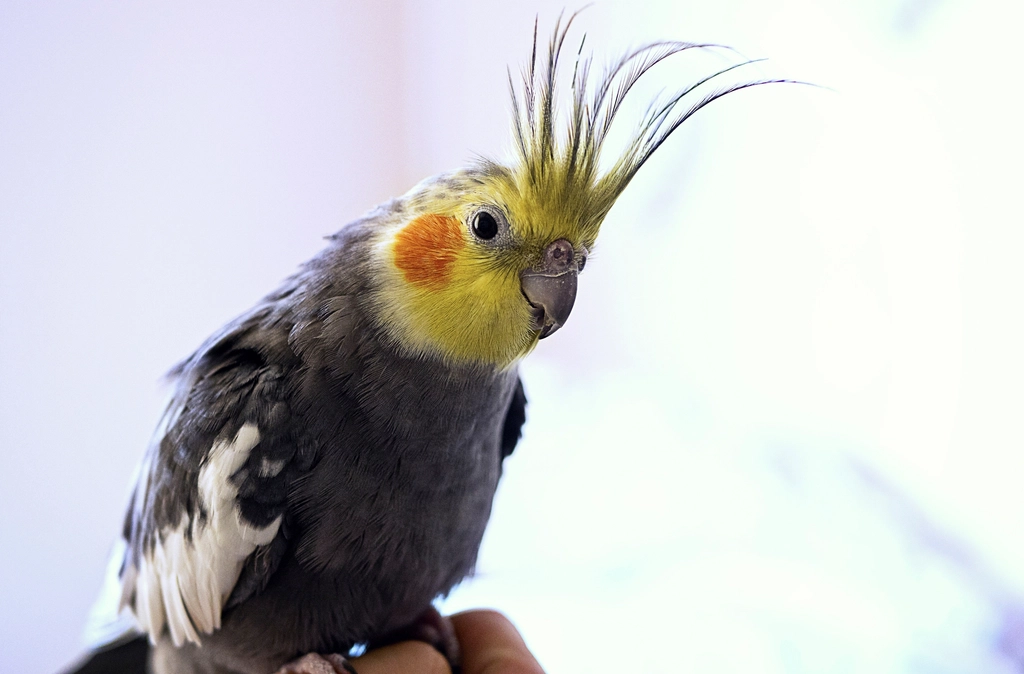 Photo Credit: Rawpixel
In the sun-drenched expanses of Australia, the cockatiel, scientifically known as Nymphicus hollandicus, flits gracefully among the low shrubs and open grasslands. With its striking crest and vibrant plumage, this small parrot captures the eye and heart of anyone lucky enough to spot it. Measuring about 11.8 to 13.7 inches in length, the cockatiel is a delightful blend of colors, featuring soft grays, bright yellows, and splashes of orange on its cheeks. Its lively personality and social nature make it a favorite among bird enthusiasts and scientists alike, who are drawn to its playful antics and complex behaviors.
As the cockatiel navigates its natural habitat, it engages in a variety of activities that showcase its intelligence and adaptability. These birds are known for their charming vocalizations, which range from soft whistles to playful mimicry, adding a musical quality to the Australian landscape. Scientists are particularly fascinated by the cockatiel’s social structures and breeding behaviors, which reveal much about the dynamics of avian life. With their endearing traits and vibrant presence, cockatiels not only enrich their ecosystems but also captivate the imaginations of those who study and admire them. Join us as we explore the world of the cockatiel, uncovering the secrets of its life, habitat, and the vital role it plays in the natural world.
The cockatiel, a charming and sociable bird, holds a special place in the tree of life. It belongs to the class Aves, which includes all birds, and is part of the order Psittaciformes, known for its colorful and intelligent members like parrots. What sets the cockatiel apart is its playful personality and distinctive crest, which can be raised or lowered depending on its mood. This delightful bird is not just a pet; it represents a fascinating branch of avian evolution, showcasing traits that have helped it thrive in various environments.
| Taxonomic Rank | Scientific Name | Meaning & Significance |
|---|---|---|
| Kingdom | Animalia | This name signifies that cockatiels are part of the vast group of multicellular organisms that are primarily heterotrophic, meaning they consume organic material for energy. |
| Phylum | Chordata | Chordata refers to animals that have a notochord, a flexible rod that supports the body. In cockatiels, this structure is present during their development, highlighting their vertebrate lineage. |
| Class | Aves | Aves is the class that encompasses all birds, characterized by feathers, beaks, and the ability to lay eggs. Cockatiels, like all birds, are warm-blooded and have adaptations for flight. |
| Order | Psittaciformes | This order includes parrots and their relatives, known for their strong, curved beaks and high intelligence. The cockatiel’s playful nature and ability to mimic sounds connect it to this vibrant group. |
| Family | Cacatuidae | The family Cacatuidae, or cockatoos, is known for their crests and social behavior. The cockatiel’s crest is a defining feature, allowing it to express emotions and communicate with others. |
| Genus | Nymphicus | Nymphicus means “little nymph,” a nod to the bird’s delicate appearance and lively personality, evoking images of playful spirits in nature. |
Understanding the cockatiel’s classification reveals much about its evolutionary journey. As a member of the Psittaciformes order, it shares a common ancestor with other intelligent birds, suggesting that social behavior and communication have been vital for survival. The cockatiel’s unique features, like its crest and playful demeanor, are not just charming traits; they are adaptations that have evolved over time, helping it thrive in the wild and connect with humans. This classification not only highlights its biological relationships but also emphasizes the intricate web of life that connects all living beings.
The evolutionary journey of the cockatiel is a captivating tale that stretches back millions of years. These delightful birds belong to the family Cacatuidae and the genus Nymphicus, which diverged from their ancestors around 30 million years ago. This timeline places them within the larger group of parrots, known for their intelligence and vibrant colors. As they evolved, cockatiels adapted to their environments in Australia, where they developed traits that helped them thrive in diverse habitats.
The ancestors of cockatiels were likely small, seed-eating birds that roamed the forests and grasslands of ancient Australia. Over time, they transitioned from these early forms to develop features that would define their lineage. One major evolutionary change was the development of their distinctive crest, which not only adds to their charm but also plays a role in communication and social interactions. Additionally, their strong, curved beaks evolved to crack open tough seeds, allowing them to access a vital food source. As they adapted to the arid Australian climate, cockatiels also developed a unique ability to regulate their body temperature, helping them survive in the heat.
These adaptations have been crucial for the survival of cockatiels in the wild. Their crest not only enhances their social interactions but also helps them signal danger to their flock. The powerful beak ensures they can access food sources that other birds might struggle with, while their keen eyesight keeps them alert to threats. Being social creatures, their ability to mimic sounds fosters connections with their flock, enhancing their chances of survival in a world filled with challenges. Through these evolutionary changes, cockatiels have become well-equipped to navigate their environment, making them a beloved species among bird enthusiasts and nature lovers alike.
The cockatiel is a small yet striking bird that captures attention with its lively personality and vibrant appearance. With a body length of about 12 to 14 inches, it boasts a compact form that is both agile and graceful. Its most eye-catching feature is the bright orange cheek patches that stand out against its soft, gray plumage. The cockatiel’s slender body is complemented by a long, pointed tail that adds to its elegance as it flits about, showcasing its playful nature.
| Feature | Description |
|---|---|
| Weight | 3.17 ounces |
| Skin Type | Feathers |
| Most Distinctive Feature | Bright orange cheek patches |
These features not only make the cockatiel visually appealing but also serve important functions in its daily life. The feathers provide insulation, keeping the bird warm in cooler temperatures, while the vibrant cheek patches play a crucial role in communication and social interactions. These patches can signal mood and health to other cockatiels, helping them establish bonds and navigate their social world. Together, these characteristics create a bird that is not only beautiful but also well-adapted to its environment, thriving in the wild and as a beloved pet.
The cockatiel thrives in the sun-drenched landscapes of Australia, where it finds its home in a variety of habitats. Picture vast stretches of scrubland, dotted with low bushes and shrubs, where these birds flit about in search of seeds and insects. They also enjoy the lush environments of wetlands, where water and vegetation create a rich tapestry of life. This vibrant setting is not just a feast for the eyes; it provides the perfect backdrop for the cockatiel’s playful antics and social interactions.
In Australia, the climate varies from arid to subtropical, offering a range of temperatures and weather conditions. Cockatiels prefer areas that are warm and dry, as they are not fond of extreme cold or heavy rain. They thrive in environments where they can easily find food and water, often seeking out open spaces that allow them to soar and socialize. The combination of sunshine and mild temperatures creates an ideal atmosphere for these lively birds to flourish.
Adaptation is key to the cockatiel’s success in its natural habitat. With their strong, agile bodies, they are well-equipped to navigate the dense foliage and open skies. Their ability to forage for seeds and insects allows them to make the most of their surroundings, while their social nature helps them form flocks for safety and companionship. These adaptations not only enhance their survival but also contribute to the vibrant social dynamics that define cockatiel life in the wild.
Cockatiels lead vibrant and active daily lives, filled with a variety of engaging activities. As dawn breaks, these lively birds awaken, stretching their wings and shaking off the night’s rest. Their day typically begins with foraging for seeds, fruits, and greens, which they enjoy nibbling on throughout the morning. Cockatiels are known for their playful antics, often climbing around their environment, whether it’s in the wild or in a cozy home. They spend time preening their feathers, ensuring they stay clean and healthy, and they often engage in vocalizations, chirping and whistling to communicate with one another.
Social behavior is a cornerstone of cockatiel life. These birds thrive in flocks, where they establish strong bonds with their companions. In a group, they engage in a variety of social interactions, from grooming each other to playing games. Cockatiels are highly communicative, using a range of sounds to express their feelings and maintain group cohesion. They often mimic sounds from their environment, showcasing their intelligence and adaptability. This social structure not only provides companionship but also enhances their survival, as they can alert each other to potential dangers.
| Behavior Type | Description |
|---|---|
| Foraging | Cockatiels search for seeds, fruits, and greens, which are essential for their diet. |
| Social Grooming | They preen each other’s feathers, strengthening social bonds and maintaining hygiene. |
| Vocal Communication | Cockatiels use a variety of chirps and whistles to communicate with flock members. |
| Playful Interactions | They engage in playful behaviors, which help to build relationships and reduce stress. |
| Flocking Behavior | Living in groups provides safety in numbers, allowing them to watch for predators. |
The behaviors of cockatiels are not just entertaining; they play a crucial role in their survival. By living in flocks, these birds can better protect themselves from predators, as there are more eyes to spot danger. Their social interactions foster strong relationships, which can lead to cooperative behaviors that enhance their chances of finding food and shelter. In essence, the daily life of a cockatiel is a beautiful blend of play, communication, and community, all of which are vital for thriving in the wild and in our homes.
Cockatiels are primarily herbivores, which means they mainly eat plant-based foods. Their diet consists of seeds, fruits, and vegetables, making them well-suited for foraging in their natural habitats. These birds are known for their playful and curious nature, often exploring their surroundings to find tasty treats. They use their strong beaks to crack open seeds and nibble on various plant materials, showcasing their adaptability and resourcefulness in obtaining food.
| Dietary Aspect | Details |
|---|---|
| Diet Type | Herbivore |
| Favorite Foods | Seeds, fruits, and vegetables |
| Prey Items | Terrestrial insects |
| Hunting/Foraging Strategies | Foraging on the ground and in trees, using their beaks to crack seeds and explore plants |
This diverse diet not only fuels their energetic lifestyle but also plays a crucial role in their ecology. By foraging for seeds and fruits, cockatiels help in seed dispersal, which is vital for plant reproduction. Their daily routine revolves around finding food, socializing with other birds, and engaging in playful activities, all of which contribute to their well-being and the health of their environment.
As the breeding season approaches, cockatiels engage in a delightful courtship dance. Males often showcase their vibrant plumage and perform charming displays to attract females. This includes bobbing their heads, whistling, and even mimicking sounds. Once a pair has formed a bond, they will seek out a cozy nesting site, often in tree hollows or other sheltered areas. The breeding season typically occurs in the spring and summer months, when food is plentiful and conditions are just right for raising young.
| Reproductive Aspect | Details |
|---|---|
| Gestation Period | 21 to 25 days |
| Litter Size | 3 to 7 eggs |
| Age of Maturity | 6 to 12 months |
| Name of Young | Chicks |
Once the eggs hatch, the devoted parents take on the important role of caregivers. Both the male and female cockatiel share the responsibility of feeding and protecting their chicks. They regurgitate food, a process where they bring up partially digested seeds and other goodies, to nourish their young. As the chicks grow, they begin to develop their feathers and learn to explore their surroundings. By the time they reach maturity, usually within six months to a year, they are ready to spread their wings and embark on their own adventures, continuing the cycle of life in the vibrant world of cockatiels.
In the intricate web of life, cockatiels occupy a unique position as both prey and foragers. These lively birds are primarily herbivores, feasting on seeds, fruits, and vegetables. However, their vibrant colors and cheerful calls also make them targets for various predators. Understanding their place in the food web helps us appreciate the challenges they face in the wild.
To survive these threats, cockatiels have developed several clever defensive behaviors. They often rely on their agility and speed to evade predators, darting quickly through trees and shrubs. Additionally, their ability to blend into their surroundings helps them avoid detection. When threatened, cockatiels may also use alarm calls to warn others in their flock, showcasing their social nature and teamwork in the face of danger. These strategies are vital for their survival in the wild, allowing them to thrive despite the risks they encounter.
A keystone species is a vital part of its ecosystem, playing a crucial role in maintaining the structure and balance of that environment. If removed, the ecosystem could change dramatically, often leading to the decline of other species. While cockatiels are not typically classified as keystone species, they do contribute significantly to their habitats in Australia, particularly in scrublands, wetlands, and bush areas.
Cockatiels primarily feed on seeds, fruits, and vegetables, which makes them important seed dispersers. As they forage, they help spread plant seeds across their environment, promoting plant growth and diversity. This activity supports a variety of other wildlife that depend on these plants for food and shelter. Additionally, their flocking behavior creates a dynamic social structure that can influence the distribution of other species in their habitat. When cockatiels gather in large groups, they can impact the availability of food resources, which can affect other birds and animals that share their environment.
Moreover, cockatiels serve as prey for larger predators, such as hawks and snakes. Their presence in the food web helps sustain these predators, which in turn keeps the population of herbivores in check. This balance is essential for maintaining the health of the ecosystem. By being both foragers and prey, cockatiels play a role in the intricate relationships that define their habitats.
If cockatiels were to disappear from their ecosystems, the effects could be profound. Without these birds, the plants they help disperse might struggle to grow, leading to a decline in plant diversity. This, in turn, would affect the animals that rely on those plants for food and shelter. The absence of cockatiels would also disrupt the food web, potentially leading to an overpopulation of certain herbivores and a decline in predator species. The delicate balance of life in their habitats would be thrown into disarray, highlighting just how interconnected all species are within an ecosystem.
The cockatiel plays a significant role in its ecosystem, particularly in the scrublands and wetlands of Australia. As a herbivore, it primarily feeds on seeds, fruits, and vegetables, which positions it as an important player in the plant community. By foraging for food, cockatiels help in seed dispersal, allowing various plant species to thrive and spread. This interaction not only supports plant diversity but also contributes to the overall health of their habitats.
| Ecosystem Service | Impact |
|---|---|
| Seed Dispersal | Cockatiels help spread seeds through their droppings, promoting plant growth and diversity. |
| Foraging Behavior | By foraging, they help control plant populations, preventing any one species from dominating. |
| Food Source for Predators | Cockatiels serve as prey for larger birds and mammals, contributing to the food web. |
| Social Interaction | Their social behavior can influence the dynamics of other species in their habitat. |
In their daily lives, cockatiels engage in activities that significantly influence their environment. For instance, as they forage for seeds, they inadvertently help to aerate the soil, which can improve water absorption and nutrient availability for plants. Their social interactions, characterized by vocalizations and displays, can also affect the behavior of other birds in the area, creating a lively atmosphere that fosters community among various species. This interconnectedness highlights how the cockatiel’s presence can enhance the vibrancy of its ecosystem.
The broader ecological importance of cockatiels cannot be overstated. As a keystone species, their activities help maintain the balance of their habitats. If cockatiels were to disappear, the effects would ripple through the ecosystem, potentially leading to overgrowth of certain plants and a decline in biodiversity. By supporting plant health and serving as a food source for predators, cockatiels play a crucial role in sustaining the intricate web of life in their environment. Their lively presence is not just a delight to observe; it is essential for the health and stability of their ecosystems.
In the vibrant tapestry of nature, symbiosis refers to the close and often long-term interactions between different species. These relationships can take many forms, including mutualism, where both species benefit, parasitism, where one benefits at the expense of the other, and commensalism, where one benefits while the other is neither helped nor harmed. Cockatiels, with their lively personalities and social nature, engage in various ecological relationships that highlight the interconnectedness of life in their habitats.
| Species/Type | Relationship Type | Description |
|---|---|---|
| Acacia Trees | Mutualistic | Cockatiels often feed on the seeds and flowers of acacia trees. In return, their droppings help fertilize the soil, promoting tree growth. |
| Other Bird Species | Commensal | Cockatiels may flock with other bird species, benefiting from the safety of numbers while the other birds are not significantly affected. |
| Insects (e.g., mites) | Parasitic | Some cockatiels may host mites or other small parasites, which can cause discomfort and health issues for the birds. |
These relationships have evolved over time, shaped by the needs and behaviors of the species involved. The mutualistic bond with acacia trees showcases how cockatiels contribute to their environment while gaining nourishment. Meanwhile, their interactions with other birds highlight the importance of social structures in the wild, providing safety in numbers. However, the presence of parasites reminds us that not all relationships are beneficial. Understanding these dynamics helps us appreciate the delicate balance of ecosystems and the roles each species plays in maintaining it.
Cockatiels are not just charming companions; they are also full of surprises that reveal their fascinating nature. These delightful birds have unique traits and behaviors that make them stand out in the avian world.
The relationship between cockatiels and humanity has a rich history that dates back to the early encounters of European explorers in Australia. These charming birds, with their playful personalities and striking crests, quickly captured the hearts of those who first laid eyes on them. In many cultures, cockatiels symbolize joy and companionship, often appearing in art and literature as symbols of friendship. Their ability to mimic sounds and even human speech has further solidified their place in our lives, making them beloved pets around the world.
Today, cockatiels continue to thrive in human environments, both as cherished pets and as subjects of conservation efforts. While many people enjoy the companionship of these birds, there are also challenges that arise from domestication. Some cockatiels are bred in captivity, which can lead to genetic issues if not managed properly. Additionally, habitat loss in their native Australia poses a threat to wild populations. However, conservationists are working hard to protect their natural habitats and ensure that these delightful birds can continue to flourish in the wild.
As we look to the future, the bond between cockatiels and humans is likely to evolve. With ongoing efforts in conservation and responsible pet ownership, we can ensure that these vibrant birds continue to thrive both in our homes and in their natural habitats. By fostering a deeper understanding of their needs and behaviors, we can create a harmonious relationship that benefits both cockatiels and the people who cherish them. The journey ahead is filled with promise, as we work together to protect these delightful companions for generations to come.
The cockatiel, a beloved bird known for its playful nature and striking appearance, currently holds a conservation status of “Least Concern.” This means that, overall, the species is not facing immediate threats of extinction. While specific population estimates are difficult to determine, the cockatiel is generally considered to be stable in the wild. This is encouraging news for bird enthusiasts and conservationists alike, as it suggests that these charming birds continue to thrive in their natural habitats.
| Conservation Factor | Status/Details |
|---|---|
| IUCN Status | Least Concern |
| Estimated Population Size | Undetermined |
| Population Trend | Stable |
Despite their stable status, cockatiels face several challenges that could impact their future. Habitat loss is a significant threat, primarily due to agricultural expansion and urban development in Australia. As their natural environments shrink, these birds may struggle to find food and nesting sites. Additionally, the illegal pet trade poses a risk, as some individuals are captured from the wild to be sold as pets. This not only reduces their numbers in the wild but can also disrupt local populations.
Conservation efforts are underway to ensure the continued well-being of cockatiels. Organizations are working to protect their natural habitats and raise awareness about the importance of preserving these vibrant birds. By promoting responsible pet ownership and discouraging the illegal trade, conservationists aim to safeguard the future of cockatiels. With ongoing efforts and public support, the outlook for these delightful birds remains hopeful, allowing them to continue enchanting people around the world.
| Question | Answer |
|---|---|
| What is the natural habitat of cockatiels? | Cockatiels are native to Australia, where they thrive in scrublands, bush areas, and wetlands. These environments provide them with plenty of seeds and plants to eat, as well as places to nest and hide from predators. |
| What do cockatiels eat? | Cockatiels are herbivores, which means they primarily eat plant-based foods. Their diet mainly consists of seeds, fruits, and vegetables, providing them with the nutrients they need to stay healthy and energetic. |
| How do cockatiels behave in the wild? | Cockatiels are social birds that often live in flocks. They communicate with each other through a variety of whistles and calls, and they enjoy playing and interacting with their companions, both feathered and human. |
| How do cockatiels reproduce? | Cockatiels typically breed in the spring and summer months. The female lays a clutch of eggs, usually between three to seven, and both parents help care for the chicks once they hatch, feeding them and keeping them warm. |
| What threats do cockatiels face in the wild? | While cockatiels are currently classified as Least Concern, they still face threats from habitat loss due to agriculture and urban development. Additionally, they can be preyed upon by larger birds and mammals. |
| What is a distinctive feature of cockatiels? | One of the most distinctive features of cockatiels is their bright cheek patches, which can be orange or yellow depending on the bird's color mutation. These patches are not just for show; they play a role in communication and attracting mates. |
| Can cockatiels mimic sounds or words? | Yes, cockatiels are known for their ability to mimic sounds, including whistles and even some human words. This talent makes them popular pets, as they can be quite entertaining and interactive with their owners. |