Taxonomy & Classification
- Kingdom
- Animalia
- Phylum
- Mollusca
- Class
- Gastropoda
- Order
- Neogastropoda
- Family
- Conidae

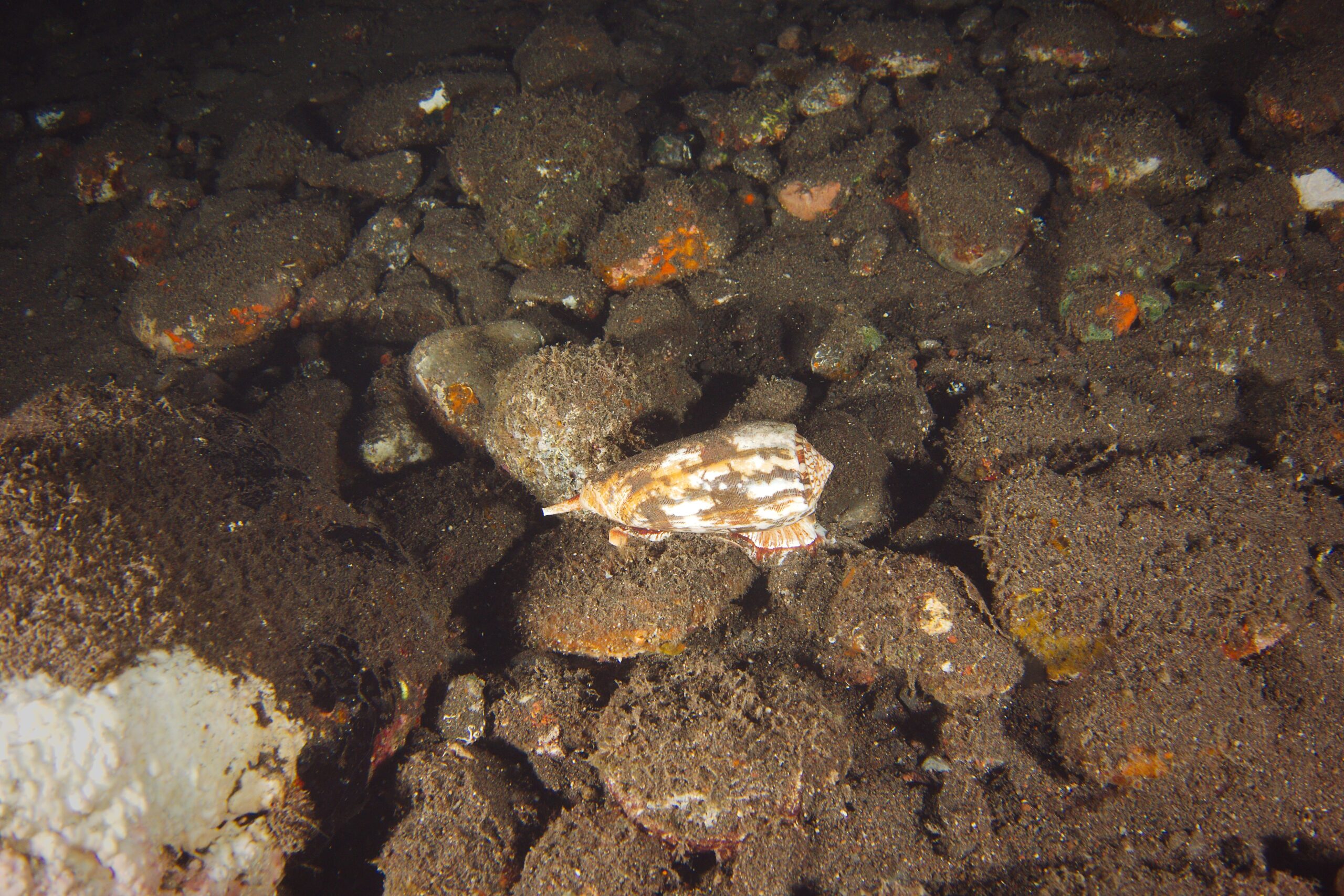 Photo Credit: Дима Г / Wikimedia Commons
In the sun-dappled shallows of tropical oceans, the cone snail, known scientifically as Conus, glides gracefully over sandy beds and vibrant coral reefs. With its striking, spiraled shell that tapers to a sharp point, this marine mollusk is a true marvel of nature. The intricate patterns and colors of its shell not only serve as a beautiful display but also provide camouflage against predators, allowing it to blend seamlessly into its surroundings. As the sun sets and the waters darken, the cone snail emerges from its hiding place, ready to showcase its remarkable hunting skills.
What makes the cone snail particularly captivating is its unique method of capturing prey. Armed with a venomous harpoon-like tooth, it can deliver a potent sting to fish and other small creatures, paralyzing them almost instantly. This fascinating adaptation has drawn the attention of scientists and nature enthusiasts alike, as researchers explore the potential medical applications of cone snail venom. From pain relief to cancer treatment, the secrets hidden within this tiny predator’s arsenal may hold the key to groundbreaking discoveries. Join us as we dive deeper into the world of the cone snail, uncovering its behaviors, ecological role, and the challenges it faces in a changing ocean.
The cone snail is a captivating member of the animal kingdom, nestled within the vast tree of life. Scientifically classified under the Kingdom Animalia, Phylum Mollusca, Class Gastropoda, Order Neogastropoda, and Family Conidae, these snails are not your average garden variety. What sets them apart is their strikingly beautiful shells, which come in a variety of colors and patterns, and their remarkable hunting abilities. Cone snails are equipped with a venomous harpoon-like tooth that they use to capture prey, making them one of the few snails that actively hunt rather than graze. This combination of beauty and danger makes them a true marvel of evolution.
| Taxonomic Rank | Scientific Name | Meaning & Significance |
|---|---|---|
| Kingdom | Animalia | The name means “animals,” highlighting their status as multicellular organisms that can move and respond to their environment. |
| Phylum | Mollusca | This term comes from the Latin word “mollis,” meaning “soft,” which refers to the soft-bodied nature of these animals, often protected by a hard shell. |
| Class | Gastropoda | Derived from Greek, meaning “stomach foot,” this name describes how these snails move using their muscular foot, which is located on their belly. |
| Order | Neogastropoda | This name means “new gastropods,” indicating a more advanced group of snails that have evolved specialized features, including their predatory habits. |
| Family | Conidae | Named after the Latin word “conus,” meaning “cone,” this family is recognized for its cone-shaped shells, which are often beautifully patterned. |
The classification of cone snails reveals a rich evolutionary history that showcases their adaptation to a predatory lifestyle. As members of the Neogastropoda order, they have developed unique features that allow them to thrive in diverse marine environments. Their venomous capabilities not only highlight their role as effective hunters but also illustrate the intricate relationships they maintain within their ecosystems. Understanding where cone snails fit in the tree of life helps us appreciate the complexity and beauty of nature’s designs, reminding us that even the smallest creatures can have a significant impact on their world.
The evolutionary journey of the cone snail stretches back millions of years, tracing its origins to the ancient seas of the Cretaceous period, around 100 million years ago. These marine mollusks belong to the family Conidae, which has adapted and diversified over time, leading to the incredible variety of cone snails we see today. As they evolved, these snails developed unique features that helped them thrive in their underwater habitats.
The ancestors of modern cone snails were simple, soft-bodied creatures that roamed the ocean floor. Over time, they underwent significant changes, including the development of a coiled shell, which provided protection from predators. This shell not only served as armor but also allowed them to burrow into the sand, creating a safe haven. As they evolved further, cone snails began to develop specialized feeding mechanisms, including a venomous harpoon-like structure called a radula. This adaptation enabled them to capture prey more effectively, marking a major transition in their hunting strategy.
The adaptations of cone snails have been crucial for their survival in diverse marine environments. Their venomous harpoon allows them to capture prey efficiently, while their colorful shells provide both protection and a means of attracting mates. By burrowing into the sand, they can evade predators and create a strategic advantage when hunting. These evolutionary traits have enabled cone snails to thrive in various habitats, showcasing the incredible power of adaptation in the natural world.
The cone snail is a striking marine inhabitant that captures the eye with its elegant, conical shape. Its body is encased in a hard shell that spirals upward, tapering to a sharp point. This shell is not just for show; it serves as a protective armor against predators. The surface of the shell is often adorned with vibrant colors and intricate patterns, making each species a little masterpiece of nature. When you spot a cone snail gliding gracefully over the ocean floor, its smooth, glossy shell glistens in the sunlight, creating a mesmerizing display of hues.
| Feature | Description |
|---|---|
| Weight | 0.47 to 2.19 ounces |
| Skin Type | Hard Shell |
| Most Distinctive Feature | Colorful shell |
The combination of a hard shell and vibrant colors serves multiple purposes for the cone snail. The hard shell protects it from potential threats in its underwater habitat, while the colorful patterns can either camouflage it among coral and rocks or serve as a warning to predators about its venomous capabilities. This clever blend of beauty and defense makes the cone snail not only a visual delight but also a master of survival in the complex marine ecosystem.
The cone snail thrives in vibrant underwater worlds, often found in shallow waters that hug the edges of coral reefs. Picture a sun-drenched seascape where colorful corals sway gently with the currents, and schools of fish dart playfully among the corals. These snails prefer to settle in cozy nooks, often hiding beneath coral shelves or nestled among rocks, where they can blend in with their surroundings. This habitat not only provides shelter but also a rich hunting ground for their prey.
The cone snail’s preferred environment is characterized by warm, tropical waters, typically ranging from 20 to 30 degrees Celsius (68 to 86 degrees Fahrenheit). These snails thrive in areas with plenty of sunlight, which helps support the growth of the corals and other marine life they depend on. The gentle waves and currents of these shallow waters create a dynamic ecosystem, rich in nutrients and teeming with life, making it an ideal home for the cone snail.
To survive in these specific habitats, cone snails have developed remarkable adaptations. Their conical shells not only provide protection from predators but also help them camouflage against the colorful backdrop of coral and rocks. Additionally, their ability to hunt using a specialized venomous harpoon allows them to capture prey efficiently, ensuring they can thrive in the competitive environment of coral reefs. This combination of physical features and hunting strategies makes the cone snail a master of its underwater domain.
The cone snail leads a life that is both intriguing and methodical, primarily active during the night. As a nocturnal creature, it emerges from its hiding spots in the sand or coral to hunt for food under the cover of darkness. With a keen sense of smell, it glides through the water, searching for prey like small fish and other marine animals. Using its specialized radula, a tongue-like organ with tiny teeth, it drills into its meal, delivering a potent venom that quickly immobilizes its target. This hunting ritual is a blend of stealth and precision, showcasing the cone snail’s remarkable adaptations for survival.
While cone snails are generally solitary, they do exhibit interesting behaviors when it comes to their interactions with others of their kind. These snails prefer to keep to themselves, often staking out a territory where they can hunt and rest undisturbed. However, when they do encounter one another, they may engage in subtle displays of dominance or territoriality. This can include posturing or changing their body position to signal their presence. Despite their solitary nature, these interactions are crucial for establishing boundaries and ensuring that each snail has access to the resources it needs.
| Behavior Type | Description |
|---|---|
| Activity Patterns | Nocturnal hunting, primarily active at night to avoid predators and maximize hunting success. |
| Social Structure | Solitary lifestyle, with each snail maintaining its own territory to ensure access to food. |
| Communication Methods | Subtle body movements and positioning to establish dominance or territorial claims when encountering other snails. |
The behaviors of the cone snail are finely tuned to enhance its chances of survival in the competitive underwater world. By being nocturnal, it reduces the risk of predation while effectively hunting for food. Its solitary nature allows it to control its territory, ensuring that it has enough resources to thrive. These adaptations, combined with its unique hunting techniques, make the cone snail a fascinating example of how life in the ocean has evolved to meet the challenges of survival.
The cone snail is a carnivorous marvel of the ocean, primarily feeding on fish, mollusks, and worms. With its specialized hunting techniques, this marine mollusk has developed a unique way to capture its prey. Using a venomous harpoon-like tooth, the cone snail injects toxins into its unsuspecting victims, immobilizing them almost instantly. This clever method allows the snail to feast on creatures that might otherwise escape its grasp.
| Dietary Aspect | Details |
|---|---|
| Diet Type | Carnivore |
| Favorite Foods | Fish, mollusks, and worms |
| Prey Items | Small fish, other mollusks, and marine worms |
| Hunting/Foraging Strategies | Uses a venomous tooth to immobilize prey |
This diet not only shapes the cone snail’s daily routine but also plays a crucial role in its ecological niche. By preying on various marine organisms, the cone snail helps maintain the balance of its underwater environment. Its hunting prowess ensures that populations of its prey remain in check, contributing to the overall health of coral reef ecosystems. As it glides through the water, the cone snail’s feeding habits reflect the intricate web of life that thrives beneath the waves.
When it comes to reproduction, cone snails have a fascinating approach. During the breeding season, which varies depending on the species and environmental conditions, these snails engage in a unique mating ritual. Males and females often come together in shallow waters, where they exchange sperm. This process can be quite elaborate, with the snails sometimes intertwining their bodies. After mating, the female lays her eggs in a protective capsule, ensuring that the next generation has a safe start in life.
| Reproductive Aspect | Details |
|---|---|
| Gestation Period | Three days |
| Litter Size | Varies by species |
| Age of Maturity | 6 to 12 months |
| Name of Young | Hatchlings, veligers, or veliconchas |
Once the eggs hatch, the young cone snails, known as hatchlings or veligers, begin their journey in the ocean. These tiny snails are initially free-swimming and rely on their surroundings for food and protection. As they grow, they gradually develop their shells and adapt to life on the ocean floor. While cone snails do not provide direct parental care, the protective capsule in which the eggs are laid offers a safe environment for the young to thrive until they are ready to venture out on their own. Over time, these veligers will mature into adult cone snails, continuing the cycle of life in the vibrant underwater world.
The cone snail occupies a crucial role in the marine food web, serving as both predator and prey. These fascinating mollusks are skilled hunters, using their venomous harpoons to capture fish and other small creatures. However, they are not invincible; various predators and environmental threats loom in their underwater world, reminding us that survival is a constant challenge in nature.
To defend themselves against these threats, cone snails have developed several survival strategies. Their hard, conical shells provide a sturdy barrier against many predators. When threatened, they can retreat into their shells, making it difficult for attackers to reach them. Additionally, their potent venom serves as a powerful deterrent, ensuring that most would-be predators think twice before taking a bite. This combination of physical and chemical defenses helps the cone snail navigate the dangers of its vibrant yet perilous ocean habitat.
A keystone species is an organism that plays a critical role in maintaining the structure of its ecosystem. Its presence or absence can significantly impact the environment and the species that inhabit it. The cone snail, with its unique hunting methods and ecological interactions, qualifies as a keystone species in its marine habitat. By influencing the population dynamics of its prey and competitors, the cone snail helps shape the community structure of coral reefs and other shallow water ecosystems.
Cone snails are carnivorous and primarily feed on fish, mollusks, and worms. Their specialized hunting technique involves using a venomous harpoon to immobilize prey quickly. This predatory behavior not only regulates the populations of these species but also ensures that the ecosystem remains balanced. For instance, by controlling the number of certain fish species, cone snails help maintain the health of coral reefs, which rely on a diverse array of marine life to thrive.
Moreover, the cone snail’s venom has garnered attention for its potential medical applications, particularly in pain management. The compounds found in their venom can lead to the development of new pharmaceuticals, showcasing how this species contributes to human health as well. Additionally, as a solitary hunter, the cone snail reduces competition among other predators, allowing for a more diverse range of species to coexist in its habitat.
If cone snails were to disappear from their ecosystems, the consequences could be profound. Without these skilled hunters, the populations of their prey could explode, leading to overgrazing of coral reefs and a decline in biodiversity. This imbalance could trigger a cascade of effects, ultimately harming the entire marine community. The loss of cone snails would not only disrupt the delicate balance of life in the ocean but could also hinder advancements in medicine that rely on their unique venom. In essence, the cone snail is not just a fascinating marine inhabitant; it is a vital player in the health of its ecosystem.
The cone snail plays a vital role in its ecosystem, acting as both a predator and a prey. Found in the shallow waters near coral reefs, these fascinating mollusks help maintain the balance of marine life. By hunting fish and other small creatures, they regulate populations and contribute to the health of their underwater communities. Their nocturnal lifestyle adds an intriguing layer to their ecological niche, as they emerge at night to hunt, allowing them to avoid competition with other daytime predators.
| Ecosystem Service | Impact |
|---|---|
| Predation | Controls populations of fish and other marine organisms, preventing overpopulation. |
| Prey for larger species | Serves as a food source for various predators, contributing to the food web. |
| Habitat structure | Influences the distribution of other species by creating microhabitats in their environment. |
| Venom research | Provides insights into medical science, as their venom has potential applications in pain management. |
The cone snail’s predatory behavior is particularly impactful. By feeding on fish and other small marine animals, they help keep these populations in check, which is essential for the overall health of coral reef ecosystems. For instance, if a certain fish species were to multiply unchecked, it could lead to overgrazing of algae, disrupting the delicate balance of the reef. Additionally, their venomous harpoons, used to capture prey, are not only fascinating but also serve as a reminder of the complex interactions within marine environments.
The broader ecological importance of the cone snail cannot be overstated. As a keystone species, their presence helps shape the structure of their habitat, influencing the diversity and abundance of other marine life. By maintaining the balance of predator and prey, they contribute to the resilience of coral reefs, which are vital ecosystems for countless marine organisms. Understanding the role of cone snails in their environment highlights the intricate connections that sustain life in our oceans, reminding us of the importance of preserving these unique habitats.
In the intricate web of life beneath the waves, symbiosis plays a vital role in shaping the relationships between different species. Symbiosis refers to the close interactions between organisms, which can be beneficial, harmful, or neutral. These ecological relationships can take many forms, such as mutualism, where both species benefit, parasitism, where one benefits at the expense of the other, and commensalism, where one benefits while the other is neither helped nor harmed. The cone snail, a fascinating marine mollusk, engages in various partnerships that highlight the complexity of ocean ecosystems.
| Species/Type | Relationship Type | Description |
|---|---|---|
| Coral Reefs | Mutualistic | Cone snails benefit from the shelter and hunting grounds provided by coral reefs, while corals benefit from the nutrients released by the snails. |
| Small Fish | Parasitic | Cone snails prey on small fish, using their venomous harpoons to immobilize them, which allows the snails to feed. |
| Algae | Commensal | Algae growing on the shells of cone snails can benefit from the snail’s movement, gaining access to sunlight, while the snail is unaffected. |
The evolution of these relationships showcases the adaptability of the cone snail and its partners. Over time, these interactions have developed to enhance survival and reproductive success. For instance, the mutualistic relationship with coral reefs not only provides the cone snail with a safe habitat but also supports the health of the reef ecosystem. Similarly, the predatory nature of the cone snail ensures that it plays a crucial role in controlling fish populations, which helps maintain balance in the marine environment. Through these partnerships, the cone snail and its companions illustrate the interconnectedness of life in the ocean, reminding us of the delicate balance that sustains our planet’s biodiversity.
Cone snails are not just beautiful; they are also some of the ocean’s most intriguing hunters. With their colorful shells and remarkable adaptations, these marine mollusks have a lot to teach us about survival in the underwater world.
Throughout history, cone snails have captivated human imagination and curiosity. These striking marine mollusks, with their beautifully patterned shells, have been used in various cultures as decorative items and tools. In some coastal communities, they are even considered symbols of protection and prosperity. Ancient peoples often crafted jewelry and ornaments from their shells, while others have woven them into myths and legends, highlighting their mysterious nature. The allure of the cone snail extends beyond aesthetics; their venom has been a source of fascination for scientists and healers alike, leading to a deeper exploration of their potential medicinal properties.
In modern times, the relationship between cone snails and humanity has evolved significantly. While these creatures are still appreciated for their beauty, they are also recognized for their ecological importance and the potential dangers they pose. Conservation efforts are underway to protect their habitats, especially as coral reefs face threats from climate change and pollution. However, conflicts arise when humans inadvertently disturb their environments, leading to a decline in cone snail populations. Additionally, researchers are investigating the use of cone snail venom in medicine, particularly for pain relief, which could revolutionize how we treat chronic pain conditions.
Looking ahead, the future of the relationship between cone snails and humanity holds both promise and challenges. As we continue to uncover the secrets of their venom and the roles they play in marine ecosystems, it is crucial to balance our curiosity with conservation efforts. By fostering a deeper understanding of these remarkable creatures, we can ensure that they thrive in their natural habitats while also benefiting from their unique contributions to science and culture. Together, we can create a harmonious relationship that respects the wonders of the ocean and the life it supports.
The conservation status of cone snails varies among different species, but many face significant challenges. While some populations remain stable, others are declining due to habitat loss and over-collection. The International Union for Conservation of Nature (IUCN) has assessed several species, highlighting the need for ongoing monitoring and conservation efforts to ensure their survival in the wild.
| Conservation Factor | Status/Details |
|---|---|
| IUCN Status | Varies by species; some are listed as Vulnerable or Near Threatened |
| Population Estimates | Not well-documented; varies widely among species |
| Trend Direction | Some populations are declining, while others are stable |
The main threats to cone snails include habitat destruction, particularly from coastal development and pollution, which can degrade their delicate ecosystems. Additionally, over-collection for the shell trade poses a significant risk, as these beautiful shells are often sought after for decorative purposes. Climate change also plays a role, as rising ocean temperatures and acidification can impact their habitats and food sources.
Conservation efforts are underway to protect cone snails and their habitats. Organizations are working to raise awareness about the importance of these mollusks in marine ecosystems. By promoting sustainable practices and responsible collection, they aim to ensure that future generations can appreciate the beauty and ecological significance of cone snails. With continued efforts, there is hope for a brighter future for these fascinating marine inhabitants.
| Question | Answer |
|---|---|
| Where do Cone Snails live? | Cone Snails are typically found in shallow waters close to coral reefs, under coral shelves, or in mangroves. They often hide underneath rocks in both intertidal and subtidal zones, making them well-adapted to their coastal environments. |
| What do Cone Snails eat? | Cone Snails are carnivores, meaning they primarily eat other animals. Their diet mainly consists of small fish and marine worms, which they capture using a specialized harpoon-like tooth that delivers venom to immobilize their prey. |
| How do Cone Snails behave? | Cone Snails are generally solitary creatures, spending most of their time camouflaged among rocks and coral. They are slow movers, but when hunting, they can strike quickly to catch their prey. |
| How do Cone Snails reproduce? | Cone Snails reproduce by laying eggs in the water, where they develop into free-swimming larvae. This process allows the young snails to disperse and find new habitats as they grow. |
| What threats do Cone Snails face? | |
| What is an interesting characteristic of Cone Snails? | |
| Are Cone Snails dangerous to humans? |