Taxonomy & Classification
- Kingdom
- Animalia
- Phylum
- Chordata
- Class
- Reptilia
- Order
- Squamata
- Family
- Elapidae
- Genus
- Various
- Species
- Various

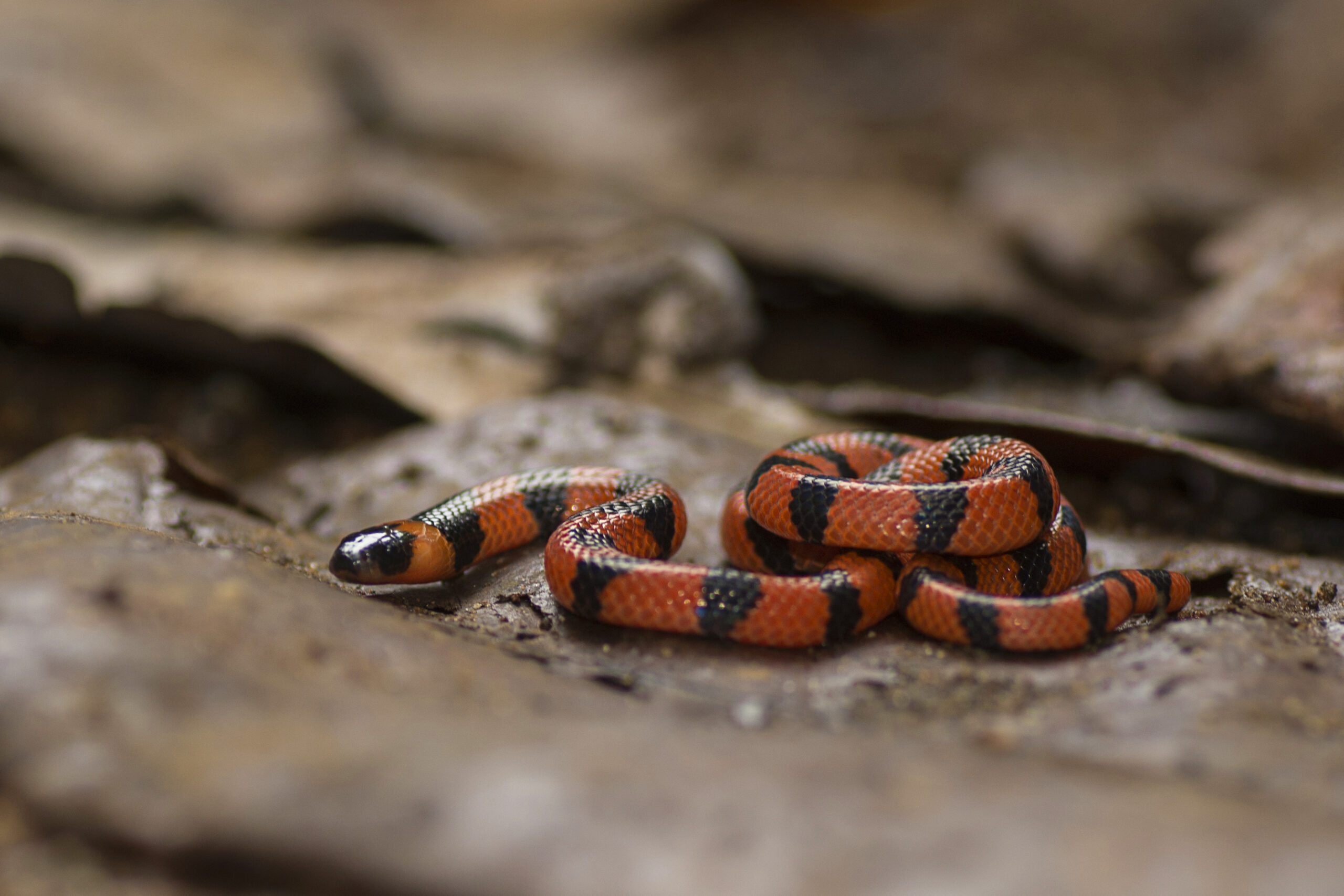 Photo Credit: Prasenjeet yadav / Wikimedia
In the heart of the lush, tropical forests of Central and South America, the coral snake, scientifically known as Micrurus, weaves through the underbrush with a grace that belies its potent reputation. With its striking bands of red, yellow, and black, this slender reptile is a living masterpiece, captivating the eyes of anyone lucky enough to spot it. The vibrant colors serve a dual purpose: they not only dazzle onlookers but also warn potential predators of the snake’s venomous nature. This combination of beauty and danger has made the coral snake a subject of fascination for scientists and nature enthusiasts alike.
As the sun dips below the horizon, the coral snake becomes more active, slithering silently through the leaf litter in search of its next meal. Unlike many of its fellow reptiles, this nocturnal hunter prefers a diet of other snakes, showcasing its role as both predator and prey in the intricate web of life. The coral snake’s unique adaptations, including its potent venom and specialized hunting techniques, make it a vital player in its ecosystem. With each flick of its tongue, it gathers information about its surroundings, revealing a world of sensory exploration that is as intriguing as its vibrant appearance. Join us as we delve deeper into the life of the coral snake, exploring its habitat, behavior, and the critical role it plays in the natural world.
The coral snake is a captivating member of the animal kingdom, known for its vibrant colors and potent venom. It belongs to the family Elapidae, which includes other venomous snakes like cobras and mambas. What sets coral snakes apart is their distinctive banding pattern, typically featuring bright red, yellow, and black rings. This striking coloration serves as a warning to potential predators, signaling that they are not to be trifled with. Their unique appearance and potent venom make them a subject of intrigue and respect in the world of reptiles.
| Taxonomic Rank | Scientific Name | Meaning & Significance |
|---|---|---|
| Kingdom | Animalia | This name signifies that coral snakes are part of the vast group of multicellular organisms known as animals, which are characterized by their ability to move and respond to their environment. |
| Phylum | Chordata | Chordata means “having a notochord,” a flexible rod that provides support. In coral snakes, this structure is present during their early development, linking them to all vertebrates, including mammals and birds. |
| Class | Reptilia | Reptilia refers to reptiles, a class of cold-blooded animals that typically have scaly skin. Coral snakes, like other reptiles, rely on external heat sources to regulate their body temperature. |
| Order | Squamata | Squamata means “scaly,” which is fitting for coral snakes as they possess smooth, shiny scales that help them glide through their environments with ease. |
| Family | Elapidae | This family name is derived from the Greek word “elaps,” meaning “to glide.” It highlights the swift, agile movements of these venomous snakes, which are known for their quick strikes. |
| Genus | Various | The genus name varies among species, but it often reflects specific characteristics or the geographic location of the snake, emphasizing the diversity within the coral snake group. |
Understanding the coral snake’s classification reveals much about its evolutionary journey. As a member of the Elapidae family, it shares a common ancestor with other venomous snakes, showcasing the adaptations that have allowed these reptiles to thrive in various environments. The vibrant coloration and potent venom of coral snakes are not just for show; they are evolutionary traits that enhance their survival. By studying their taxonomic position, we gain insight into the intricate web of life and the remarkable adaptations that have shaped these fascinating reptiles over millions of years.
The evolutionary journey of the coral snake stretches back millions of years, weaving through the complex tapestry of life on Earth. These striking reptiles belong to the family Elapidae, which emerged during the late Cretaceous period, around 100 million years ago. As the world transformed, so did the ancestors of modern coral snakes, adapting to their environments and evolving into the species we recognize today.
The earliest ancestors of coral snakes were likely small, non-venomous reptiles that roamed the lush landscapes of prehistoric times. Over time, these ancestors developed venom as a means to subdue prey, a significant evolutionary leap that allowed them to hunt more effectively. This transition marked the beginning of a new era for these snakes, as they became part of the elite group of venomous snakes known as elapids. As they evolved, coral snakes also developed their iconic coloration, which serves as a warning to potential predators. This bright patterning is not just for show; it plays a crucial role in their survival by signaling danger.
The adaptations of coral snakes have been vital for their survival in diverse habitats, from tropical forests to arid regions. Their vibrant colors not only deter predators but also attract mates, ensuring the continuation of their lineage. The development of potent venom allows them to efficiently hunt and consume prey, while their small size and burrowing abilities provide them with refuge from larger threats. Together, these traits have enabled coral snakes to thrive in a variety of environments, showcasing the incredible power of evolution in shaping life on our planet.
The coral snake is a stunning sight to behold, with a body that seems to be painted by an artist’s brush. Its slender form is typically around two to three feet long, making it a relatively small snake. The most striking feature is its vibrant coloration, which consists of bold bands of red, yellow, and black. This eye-catching pattern not only makes it stand out in its environment but also serves as a warning to potential predators. The smooth scales that cover its body glisten in the light, adding to its allure and making it a true gem of the reptile world.
| Feature | Description |
|---|---|
| Size | Typically 2 to 3 feet long |
| Color | Bright bands of red, yellow, and black |
| Skin Type | Smooth, shiny scales |
The coral snake’s vivid colors are not just for show; they play a crucial role in its survival. The bright red and yellow bands serve as a warning to predators, signaling that this snake is venomous and not to be trifled with. This type of coloration is known as aposematism, which is a fancy term for warning coloration. Additionally, its slender body allows it to navigate through the underbrush and burrows with ease, making it an agile hunter. Together, these features create a perfect blend of beauty and practicality, ensuring that the coral snake thrives in its natural habitat.
The coral snake thrives in a variety of habitats that are as colorful as its own scales. Picture lush forests and dense jungles, where sunlight filters through the canopy, creating a dappled effect on the forest floor. These environments are rich with life, providing the perfect backdrop for the coral snake’s vibrant bands of red, yellow, and black. In addition to these terrestrial realms, coral snakes can also be found in some aquatic areas, where they may slither through shallow waters or hide among the roots of mangroves.
The climate where coral snakes make their home is typically warm and humid, which is essential for their survival. They prefer areas with plenty of cover, such as leaf litter, fallen logs, and dense vegetation, where they can easily hide from predators and ambush their prey. These snakes are most active during the warmer months, taking advantage of the heat to regulate their body temperature. The moisture in their environment also supports the small animals they feed on, like lizards and small mammals.
Adaptation is key to the coral snake’s success in these habitats. Their striking coloration serves as a warning to potential predators, signaling that they are venomous and not to be trifled with. This bright pattern helps them blend into the vibrant surroundings of the jungle, making it easier to sneak up on unsuspecting prey. Additionally, their slender bodies allow them to navigate through tight spaces in the underbrush, while their ability to swim helps them explore aquatic environments. These adaptations ensure that the coral snake remains a master of its domain, thriving in the rich tapestry of life that surrounds it.
As the sun sets and darkness blankets the landscape, the coral snake begins its nightly adventures. This nocturnal reptile is most active after the sun goes down, slithering through its habitat in search of food. With its keen sense of smell and sight, the coral snake navigates the underbrush, hunting for small prey like lizards and other snakes. Its vibrant colors, a warning to potential predators, help it blend into the shadows while it stalks its next meal.
Unlike many other snakes, the coral snake prefers a solitary lifestyle. It does not form groups or social structures, which means it spends most of its time alone. This independence allows it to be stealthy and efficient in its hunting. When it encounters another coral snake, it may engage in a brief interaction, but these meetings are rare and usually do not lead to long-term associations. Communication among these snakes is subtle, relying on body language and the chemical signals they leave behind in their environment.
| Behavior Type | Description |
|---|---|
| Activity Patterns | Nocturnal foraging for food, primarily active at night. |
| Social Structure | Solitary, with minimal interaction with other coral snakes. |
| Communication Methods | Uses body language and scent marking to communicate with others. |
The coral snake’s solitary habits and nocturnal lifestyle are key to its survival. By hunting at night, it avoids many daytime predators and can take advantage of the cover of darkness to ambush its prey. Its vibrant coloration serves as a warning to potential threats, while its ability to navigate its environment quietly ensures it remains undetected. This combination of behaviors not only helps the coral snake thrive in its habitat but also highlights the intricate balance of life in the wild.
The coral snake is a carnivore, which means it primarily eats meat. This striking snake has a particular taste for other snakes, including its own kind, but it also enjoys the occasional small mammal. With its slender body and agile movements, the coral snake is a skilled hunter, using its keen sense of smell and sight to locate prey. It often relies on stealth and quick strikes to capture its meals, making it a fascinating predator in its ecosystem.
| Dietary Aspect | Details |
|---|---|
| Diet Type | Carnivore |
| Favorite Foods | Other snakes and small mammals |
| Prey Items | Primarily other snakes, including some venomous species |
| Hunting/Foraging Strategies | Stealthy movements and quick strikes to capture prey |
The coral snake’s diet plays a crucial role in its ecological niche. By preying on other snakes, it helps control their populations, contributing to a balanced ecosystem. Its nocturnal hunting habits also mean that it is active when many other predators are resting, allowing it to thrive in its environment. This unique feeding behavior not only shapes the coral snake’s daily routine but also influences the dynamics of the habitats it inhabits.
When it comes to reproduction, coral snakes have a fascinating mating ritual that takes place during the warmer months, typically in the spring. Males engage in a competitive display, often wrestling with one another to attract females. This courtship can be quite a sight, as the males intertwine their bodies, showcasing their strength and agility. Once a female selects a mate, the pair will copulate, and the female will later lay her eggs in a safe, hidden location.
| Reproductive Aspect | Details |
|---|---|
| Gestation Period | Approximately 60 days |
| Litter Size | Typically 3 to 12 eggs |
| Age of Maturity | About 2 to 3 years |
| Name of Young | Hatchling |
After the eggs are laid, the female coral snake does not provide any parental care. Instead, the eggs are left to develop on their own, hidden away from predators. When the hatchlings emerge, they are fully formed and ready to face the world. These young snakes are miniature versions of their parents, complete with the same striking coloration. As they grow, they will learn to hunt and navigate their environment, gradually maturing into the beautiful and elusive adults they are destined to become.
The coral snake plays a vital role in its ecosystem, often positioned as both predator and prey within the food web. As a carnivore, it helps control the populations of other snakes and small mammals, maintaining a balance in its environment. However, this striking reptile faces numerous dangers that threaten its survival.
To defend itself against these threats, the coral snake relies on a combination of its vibrant coloration and potent venom. Its bright bands of red, yellow, and black serve as a warning to potential predators, signaling that it is not a safe snack. When threatened, the coral snake can deliver a painful bite, injecting venom that can be dangerous to its attackers. Additionally, it often prefers to hide in leaf litter or burrow into the ground, using its camouflage to avoid detection. These survival strategies help the coral snake navigate the challenges of its environment, ensuring its place in the intricate web of life.
A keystone species is a vital part of its ecosystem, meaning its presence has a significant impact on the environment and the other organisms living there. The coral snake, with its striking colors and potent venom, qualifies as a keystone species. By controlling the populations of other snakes and small mammals, it helps maintain the balance of its habitat, which includes lush forests and jungles.
Coral snakes are carnivores, primarily feeding on other snakes, including their own species, as well as small mammals. This predatory behavior is crucial for regulating the populations of these animals. If coral snakes were to disappear, the number of their prey could skyrocket, leading to overpopulation. This imbalance can cause a ripple effect throughout the ecosystem, affecting plants and other animals that rely on those prey species for food.
The coral snake also plays a role in the food web as both predator and prey. While it hunts smaller snakes and mammals, it is also a target for larger predators. This dual role helps to create a dynamic balance in the ecosystem, ensuring that no single species dominates the environment. Additionally, the coral snake’s bright coloration serves as a warning to potential predators about its venomous nature, which helps to maintain its population and that of its prey.
If coral snakes were to vanish from their ecosystems, the consequences could be severe. Without these snakes to keep prey populations in check, smaller snakes and mammals could multiply unchecked, leading to overgrazing of vegetation and a decline in plant diversity. This, in turn, would affect other animals that depend on those plants for food and shelter. The disappearance of the coral snake would disrupt the intricate web of life, highlighting just how essential this vibrant reptile is to its environment.
The coral snake occupies a crucial ecological niche, acting as both a predator and prey within its environment. This vibrant reptile is primarily found in forests and jungles, where it thrives in the underbrush and leaf litter. Its nocturnal lifestyle allows it to hunt for food under the cover of darkness, making it an effective predator of other snakes and small mammals. By controlling the populations of these animals, the coral snake helps maintain a balanced ecosystem, ensuring that no single species dominates the habitat.
| Ecosystem Service | Impact |
|---|---|
| Population Control | Regulates the numbers of other snakes and small mammals, preventing overpopulation. |
| Food Source | Serves as prey for larger predators, contributing to the food web. |
| Soil Health | Through its hunting activities, it helps aerate the soil and promote nutrient cycling. |
The influence of the coral snake extends beyond its immediate hunting habits. For instance, by preying on smaller snakes, it helps keep their populations in check, which can prevent the spread of diseases that might occur in overcrowded conditions. Additionally, as a food source for larger predators, such as birds of prey, the coral snake plays a vital role in the food web. Its presence supports a diverse range of wildlife, ensuring that various species can thrive in the same habitat.
The broader ecological importance of the coral snake cannot be overstated. As a keystone species, its role in the ecosystem is essential for maintaining balance and health. The interactions it has with other organisms help shape the community structure of its habitat. By influencing both predator and prey dynamics, the coral snake contributes to the overall biodiversity of its environment, making it a fascinating and integral part of the natural world.
In the intricate web of life, symbiosis plays a vital role, connecting different species in various ways. Symbiosis refers to the close and often long-term interactions between different biological species. These relationships can be mutualistic, where both species benefit; parasitic, where one benefits at the expense of the other; or commensal, where one benefits while the other is neither helped nor harmed. Understanding these relationships helps us appreciate the delicate balance of ecosystems and the roles that each species plays within them.
| Species/Type | Relationship Type | Description |
|---|---|---|
| Cleaner Fish | Mutualistic | Coral snakes may benefit from cleaner fish that remove parasites from their skin, promoting health for both species. |
| Birds (e.g., Cuckoos) | Parasitic | Some birds may lay their eggs in the nests of coral snake prey, leading to competition for resources. |
| Small Mammals | Commensal | Small mammals may share the same habitat as coral snakes, benefiting from the snake’s presence as a predator of common pests. |
These relationships have evolved over time, shaped by the needs and behaviors of the species involved. Mutualistic interactions, like those with cleaner fish, enhance the health of coral snakes, allowing them to thrive in their environments. Meanwhile, parasitic relationships can create challenges, pushing species to adapt and compete for survival. Commensal relationships highlight the interconnectedness of ecosystems, where one species can benefit without impacting the other. Together, these interactions illustrate the dynamic nature of life on Earth, reminding us that every creature, big or small, plays a part in the grand story of nature.
Coral snakes are not just beautiful; they are also full of surprises that make them truly captivating. Here are some intriguing facts that will spark your curiosity about these colorful reptiles.
Throughout history, coral snakes have sparked both fear and fascination in human cultures. Their striking colors—bold bands of red, yellow, and black—have made them symbols of danger and beauty. Many indigenous peoples have woven tales around these snakes, often portraying them as mystical creatures. In some cultures, their venomous bite has been associated with both healing and harm, leading to a complex relationship that blends reverence with caution. As people have encountered these snakes in the wild, they have learned to respect their potent venom, which can be deadly if not treated promptly.
In modern times, interactions between coral snakes and humans have evolved, focusing on conservation and education. As habitats are threatened by urban development and climate change, efforts are underway to protect these vibrant reptiles and their ecosystems. Unfortunately, misunderstandings about their nature often lead to conflict. Many people fear coral snakes due to their venom, which can result in unnecessary killings. However, education about their role in the ecosystem and their generally shy behavior can help reduce these conflicts. Unlike some other snakes, coral snakes are not aggressive and prefer to avoid confrontation, making them less of a threat than many believe.
As we look to the future, the relationship between coral snakes and humanity holds promise for both understanding and coexistence. With increased awareness and education, people can learn to appreciate these snakes for their ecological role rather than fear them. Conservation efforts can help ensure that coral snakes continue to thrive in their natural habitats, benefiting both the environment and human communities. By fostering a sense of curiosity and respect, we can create a world where humans and coral snakes coexist harmoniously, each playing a vital role in the tapestry of life.
The coral snake is currently classified as endangered, which means its population is at risk of disappearing. This status reflects a concerning trend, as these snakes face numerous challenges in their natural habitats. While exact population estimates can be tricky to pin down, it is clear that their numbers are declining due to various environmental pressures. Conservationists are working hard to understand and address these issues, but the future of the coral snake remains uncertain.
| Conservation Factor | Status/Details |
|---|---|
| IUCN Status | Endangered |
| Population Estimates | Unknown, but declining |
| Trend Direction | Decreasing |
One of the main threats to coral snakes is habitat loss, primarily due to human activities like deforestation and urban development. As forests are cleared for agriculture or construction, these snakes lose their homes and the resources they need to survive. Additionally, climate change poses a significant risk, altering the delicate balance of their ecosystems. Pollution and road mortality also contribute to their declining numbers, making it increasingly difficult for coral snakes to thrive in the wild.
Conservation efforts are underway to help protect the coral snake and its habitat. Organizations are working to raise awareness about the importance of preserving these vibrant reptiles and their ecosystems. By promoting sustainable land use and protecting critical habitats, conservationists aim to create a safer environment for coral snakes. With continued efforts and public support, there is hope that these striking snakes can recover and once again flourish in their natural homes.
| Question | Answer |
|---|---|
| What is the habitat of the Coral Snake? | Coral Snakes are often found in forests and jungles, where they can hide among the leaves and branches. They are also known to inhabit some aquatic environments, which allows them to hunt for prey in both land and water. |
| What do Coral Snakes eat? | Coral Snakes are carnivores, meaning they primarily eat other animals. Their diet mainly consists of small reptiles, such as lizards and other snakes, which they subdue using their potent venom. |
| How do Coral Snakes behave? | Coral Snakes are generally secretive and prefer to stay hidden. They are not aggressive and will often try to escape rather than confront a threat, using their bright colors as a warning to potential predators. |
| How do Coral Snakes reproduce? | Coral Snakes are oviparous, which means they lay eggs. The female typically lays a clutch of 3 to 12 eggs in a hidden location, and the young snakes hatch after several weeks, ready to fend for themselves. |
| What threats do Coral Snakes face? | Coral Snakes are considered endangered due to habitat loss and human activities. Deforestation and urban development reduce their natural habitats, while road traffic and illegal pet trade further threaten their populations. |
| What are some interesting characteristics of Coral Snakes? | One fascinating feature of Coral Snakes is their bright coloration, which serves as a warning to predators about their venomous nature. They have a unique pattern of red, yellow, and black bands, and their venom is among the most potent of all snakes. |
| How can you tell a Coral Snake apart from similar species? | Coral Snakes can be confused with non-venomous species like the Milk Snake. A helpful rhyme to remember is "Red on yellow, kill a fellow; red on black, friend of Jack," which highlights the color patterns that distinguish them from harmless look-alikes. |