Taxonomy & Classification
- Kingdom
- Animalia
- Phylum
- Chordata
- Class
- Mammalia
- Order
- Carnivora
- Family
- Canidae
- Genus
- Canis
- Species
- Canis latrans

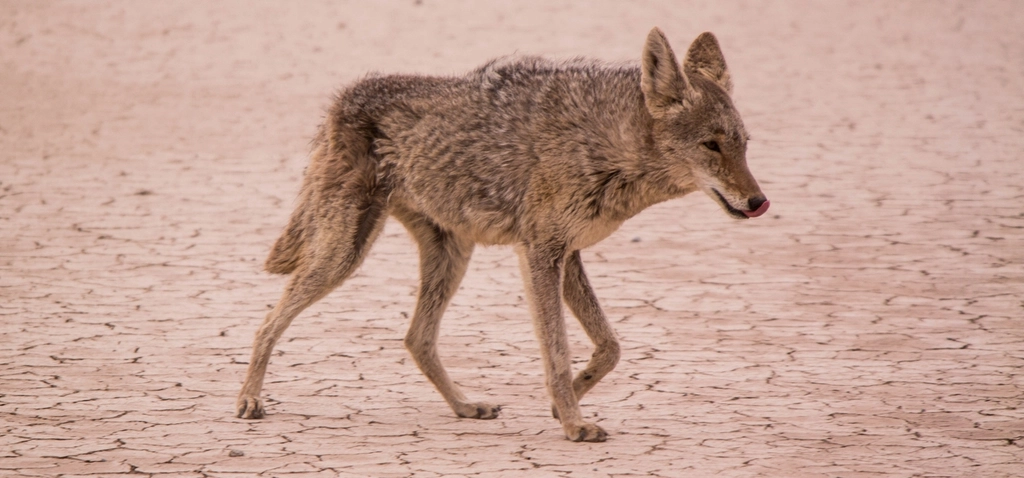 Photo Credit: Rawpixel
In the heart of North America, the coyote, known scientifically as Canis latrans, roams the diverse landscapes with a blend of grace and cunning. Picture a golden sunset casting long shadows over the open plains, where this agile creature stands alert, its keen ears perked up and its bushy tail held high. With a lean body that can reach up to four feet long, including its tail, the coyote is a master of adaptation, thriving in environments ranging from deserts to forests. Its striking coat, a mix of browns, grays, and tans, allows it to blend seamlessly into its surroundings, making it a skilled hunter and a fascinating subject for scientists and nature lovers alike.
Coyotes are not just ordinary animals; they are symbols of resilience and intelligence. Their ability to thrive in urban areas as well as remote wilderness showcases their remarkable adaptability. These clever canids are known for their complex social structures and vocalizations, which include howls, yips, and barks that echo through the night. As they navigate their world, coyotes play a crucial role in maintaining the balance of their ecosystems, controlling populations of small mammals and influencing the dynamics of their habitats. This unique combination of traits makes the coyote a captivating creature, inviting us to explore the intricate relationships within nature and the stories that unfold in the wild.
The coyote, a clever and adaptable member of the animal kingdom, holds a special place in the tree of life. Taxonomically, it belongs to the Kingdom Animalia, which includes all animals, and it is classified under the Phylum Chordata, meaning it has a backbone. As a member of the Class Mammalia, coyotes are warm-blooded and nurse their young with milk. They fall under the Order Carnivora, which includes meat-eating animals, and the Family Canidae, the group that encompasses dogs, wolves, and foxes. What makes the coyote particularly interesting is its ability to thrive in diverse environments, from deserts to urban areas, showcasing its remarkable adaptability and intelligence.
| Taxonomic Rank | Scientific Name | Meaning & Significance |
|---|---|---|
| Kingdom | Animalia | This name comes from the Latin word for “animal,” highlighting that coyotes are part of the vast group of living organisms that are not plants or fungi. |
| Phylum | Chordata | Derived from the Greek word “chordē,” meaning “string,” this term refers to animals with a notochord, or backbone, which is a key feature of coyotes. |
| Class | Mammalia | This name comes from the Latin “mamma,” meaning “breast,” indicating that female coyotes produce milk to feed their young, a defining trait of mammals. |
| Order | Carnivora | From the Latin “carnivorus,” meaning “meat-eating,” this classification reflects the coyote’s diet, which primarily consists of small mammals, birds, and even fruits. |
| Family | Canidae | This name is derived from the Latin “canis,” meaning “dog,” which connects coyotes to their close relatives, including domestic dogs and wolves. |
| Genus | Canis | Also from the Latin word for “dog,” this genus includes various species of canids, emphasizing the coyote’s close genetic ties to other dog-like animals. |
| Species | latrans | This Latin term means “barking,” a nod to the coyote’s distinctive vocalizations, which are an important part of its social behavior. |
The classification of the coyote reveals much about its evolutionary history. As a member of the Canidae family, coyotes share a common ancestor with wolves and domestic dogs, which helps explain their social structures and hunting strategies. Their adaptability to various habitats and diets showcases their evolutionary success, allowing them to thrive alongside humans in many regions. Understanding where the coyote fits in the tree of life not only highlights its biological traits but also emphasizes the intricate connections between species in the natural world.
The evolutionary journey of the coyote stretches back millions of years, weaving through the tapestry of time and adaptation. This cunning animal, known scientifically as Canis latrans, is a member of the Canidae family, which includes wolves, foxes, and domestic dogs. The story of the coyote begins in North America, where its ancestors roamed the land during the late Pleistocene epoch, around 2.6 million years ago. As the climate changed and habitats shifted, these early canids evolved to thrive in diverse environments.
The coyote’s ancestors were part of a larger group of canids that emerged from a common ancestor shared with wolves and domestic dogs. Over time, these ancestral forms adapted to their surroundings, leading to significant evolutionary transitions. One of the most notable changes was the development of a more slender body and longer legs, which allowed for greater speed and agility. This adaptation was crucial for hunting and escaping predators. Additionally, the coyote’s keen sense of hearing and smell evolved, enabling it to locate prey even in dense vegetation or during the cover of night.
These evolutionary adaptations have played a vital role in the coyote’s survival. Their ability to thrive in diverse habitats, from deserts to urban areas, showcases their remarkable flexibility. By being social and vocal, they can work together to hunt and defend their territory. Their varied diet allows them to take advantage of whatever food sources are available, ensuring they can endure even in challenging conditions. This combination of traits has made the coyote not just a survivor, but a thriving symbol of adaptability in the wild.
The coyote is a striking figure in the wild, embodying both grace and cunning. With a lean, athletic body, it stands about two feet tall at the shoulder and stretches up to four feet long, including its bushy tail. Its long legs and slender frame allow for agile movements, making it an adept hunter and a quick escape artist. The coyote’s sharp, pointed ears and elongated snout give it an alert appearance, always ready to listen for the faintest sounds of prey or danger.
| Feature | Description |
|---|---|
| Weight | 7 kg – 21 kg (15 lbs – 46 lbs) |
| Skin Type | Fur |
| Color | Typically a mix of gray, brown, and tan, with a lighter underbelly |
| Eyes | Bright, expressive eyes that can range from yellow to amber |
| Tail | Long and bushy, often held low or curled over the back |
The coyote’s physical features are not just for show; they play vital roles in its survival. Its fur, which varies in color, helps it blend into different environments, from deserts to forests, making it a stealthy predator. The keen eyesight and acute hearing allow it to detect prey from great distances, while its lightweight body enables swift movements, whether chasing down a meal or evading larger predators. Together, these characteristics create a well-adapted animal, perfectly suited to thrive in diverse habitats across North America.
The coyote thrives in a variety of habitats, painting a picture of adaptability across the North American landscape. Imagine wide-open plains where the grass sways gently in the breeze, dense forests filled with towering trees, and arid deserts where the sun blazes down. Each of these environments offers the coyote a unique setting to hunt, roam, and raise its young. With its keen senses and agile body, the coyote navigates these diverse terrains with ease, making it one of the most versatile mammals in the wild.
Coyotes are not picky when it comes to climate. They can be found in environments ranging from the chilly forests of the Rockies to the scorching heat of the deserts. They thrive in areas with moderate rainfall, which supports the growth of vegetation and provides ample food sources. While they can tolerate a variety of temperatures, they prefer regions where they can find shelter and hunting grounds, allowing them to adapt to seasonal changes.
These clever animals have developed remarkable adaptations to survive in their chosen habitats. Their keen sense of hearing helps them detect prey even in dense underbrush, while their sharp eyesight allows them to spot movement from a distance. Coyotes are also social animals, often hunting in pairs or small packs, which increases their chances of catching food. Their ability to thrive in both wild and urban settings showcases their resilience and intelligence, making them a true symbol of adaptability in the animal kingdom.
Coyotes lead a dynamic daily life that showcases their adaptability and intelligence. As dawn breaks, these resourceful animals begin their day, often engaging in activities like hunting, foraging, and socializing. They are primarily nocturnal, meaning they are most active during the night, but they can also be seen during the day, especially in areas where they feel safe. Their keen senses help them navigate their environment, whether they are chasing after small mammals or scavenging for food.
Socially, coyotes are known for their pack behavior, which plays a crucial role in their survival. A typical pack consists of a family unit, including a breeding pair and their offspring. These groups work together to hunt and raise their young, demonstrating strong bonds and cooperation. Communication is vital among pack members, and they use a variety of vocalizations, body language, and even scent marking to convey messages. This social structure not only enhances their hunting success but also strengthens their relationships within the pack.
| Behavior Type | Description |
|---|---|
| Activity Patterns | Coyotes are primarily active at night, hunting and foraging for food. They may also be seen during the day in safe areas. |
| Social Structure | Coyotes live in packs, typically consisting of a breeding pair and their offspring, which helps them cooperate in hunting and raising young. |
| Communication Methods | They communicate through vocalizations like howls and yips, body language, and scent marking to maintain social bonds and coordinate activities. |
The behaviors of coyotes are finely tuned to ensure their survival in a variety of environments. Their pack dynamics allow them to hunt more effectively and protect their young from predators. By communicating and working together, they can adapt to challenges and thrive in the wild. This blend of social interaction and individual skill makes coyotes one of nature’s most successful survivors.
Coyotes are primarily carnivores, which means they mainly eat meat. However, their diet is quite diverse, allowing them to thrive in various environments. These clever animals are opportunistic feeders, meaning they take advantage of whatever food sources are available. From small mammals to larger prey, coyotes have developed a range of hunting and foraging strategies that help them secure their meals. Their keen senses and adaptability make them skilled hunters, whether they are chasing down a rabbit or scavenging for leftovers.
| Dietary Aspect | Details |
|---|---|
| Diet Type | Carnivore |
| Favorite Foods | Rabbits, mice, and deer |
| Prey Items | Small mammals, birds, and carrion |
| Hunting/Foraging Strategies | Stalking, chasing, and scavenging |
The coyote’s varied diet plays a crucial role in its ecological niche. By preying on small mammals like rabbits and mice, they help control these populations, which can prevent overgrazing of vegetation. Their scavenging habits also contribute to the ecosystem by cleaning up dead animals, which helps maintain a healthy environment. This adaptability in diet not only shapes their daily routines but also allows them to thrive in changing landscapes, showcasing their resilience in the wild.
Coyotes have a fascinating mating ritual that begins in late winter, typically around January to March. During this time, males and females engage in a series of vocalizations, including howls and yips, to attract each other. Once a pair has formed a bond, they will mate, often for life, showcasing a strong partnership. This breeding season is crucial for ensuring the survival of their young, as it aligns with the warmer months when food is more abundant.
| Reproductive Aspect | Details |
|---|---|
| Gestation Period | About 63 days |
| Litter Size | Average of 6 |
| Age of Maturity | 10 months to 2 years |
| Name of Young | Pups |
Once the pups are born, the parental care provided by the mother and father is essential for their survival. The mother typically stays with the pups in a den, a safe and cozy place where they can grow and develop. The father plays a vital role too, bringing food back to the den to feed the nursing mother and her young. As the pups grow, they begin to explore their surroundings, learning important skills from their parents. By the time they reach maturity, they are well-equipped to navigate the world on their own, ready to continue the cycle of life in the wild.
Coyotes play a crucial role in the food web, acting as both predators and prey. As skilled hunters, they help control populations of small mammals, such as rabbits and rodents. However, they are not at the top of the food chain. Various animals and environmental factors pose significant threats to their survival, making their existence a delicate balance within their ecosystems.
To navigate these dangers, coyotes have developed a range of defensive behaviors and survival strategies. They are incredibly social animals, often hunting in packs, which allows them to take down larger prey and defend against threats. Their keen senses help them detect danger from afar, and their agility enables them to escape quickly. Additionally, coyotes are known for their adaptability, often changing their habits and diets based on the challenges they face, ensuring their survival in a world full of risks.
A keystone species is an organism that has a disproportionately large impact on its environment relative to its abundance. This means that if it were removed, the ecosystem would change dramatically. Coyotes, known scientifically as Canis latrans, certainly qualify as a keystone species. Their presence influences the populations of various animals and plants, shaping the entire ecosystem in which they live.
Coyotes are skilled hunters and play a vital role in controlling the populations of small mammals, such as rabbits and rodents. By keeping these populations in check, they help maintain a balance in the ecosystem. If rabbit numbers were to soar unchecked, they could overgraze vegetation, leading to habitat degradation. This, in turn, would affect other species that rely on those plants for food and shelter.
Moreover, coyotes are opportunistic feeders, meaning they adapt their diet based on what is available. This flexibility allows them to consume not only small mammals but also fruits, insects, and carrion—dead animals. By eating a variety of foods, they help disperse seeds and nutrients throughout their habitat, promoting plant growth and diversity.
Coyotes also serve as prey for larger predators, such as mountain lions and bears. This predator-prey dynamic is crucial for maintaining the health of the ecosystem. When coyotes are present, they provide a food source for these larger animals, which helps keep their populations stable as well.
If coyotes were to disappear from their ecosystems, the consequences would be significant. Without these clever hunters, small mammal populations could explode, leading to overgrazing and a decline in plant life. This would not only affect the plants but also the many animals that depend on them for food and shelter. The entire balance of the ecosystem could shift, resulting in a less diverse and less resilient environment. In essence, the absence of coyotes would ripple through the food web, demonstrating just how crucial they are to the health of their habitats.
The coyote, a clever and adaptable member of the Canidae family, plays a vital role in shaping its ecosystem. As a carnivore, it occupies an ecological niche that allows it to influence the populations of various species in its habitat. Coyotes are found in diverse environments, including forests, plains, and deserts, showcasing their remarkable ability to thrive in different conditions. Their presence helps maintain a balance in the ecosystem, making them an essential player in the natural world.
| Ecosystem Service | Impact |
|---|---|
| Population Control | Coyotes help regulate the numbers of small mammals, such as rabbits and rodents, preventing overpopulation and promoting biodiversity. |
| Scavenging | By consuming carrion, or dead animals, coyotes help clean up the environment, reducing the spread of disease. |
| Seed Dispersal | As they move through their habitat, coyotes can inadvertently spread seeds through their droppings, aiding plant growth. |
| Prey for Larger Predators | Coyotes serve as a food source for larger predators, such as mountain lions and eagles, contributing to the food web. |
Coyotes influence their environment in many fascinating ways. For instance, by keeping the populations of small mammals in check, they help ensure that plant life can flourish. When rabbit numbers are controlled, vegetation has a chance to thrive, which in turn supports other wildlife. Additionally, coyotes are known to scavenge on carrion, which not only helps clean the landscape but also provides nutrients back to the soil. This cycle of life and death is crucial for maintaining healthy ecosystems.
The broader ecological importance of coyotes cannot be overstated. As a keystone species, their presence or absence can dramatically alter the landscape. When coyotes are removed from an area, the populations of their prey can explode, leading to overgrazing and a decline in plant diversity. This ripple effect can impact countless other species that rely on those plants for food and shelter. By understanding the role of coyotes, we gain insight into the intricate web of life that sustains our planet, reminding us of the delicate balance that exists in nature.
In the intricate web of nature, symbiosis refers to the close and often long-term interactions between different species. These relationships can take many forms, including mutualism, where both species benefit, parasitism, where one benefits at the expense of the other, and commensalism, where one benefits while the other is neither helped nor harmed. Coyotes, with their adaptable nature, engage in various ecological partnerships that highlight the complexity of life in their habitats.
| Species/Type | Relationship Type | Description |
|---|---|---|
| Ravens | Mutualistic | Coyotes and ravens often work together during hunts. Ravens help locate prey, and in return, they get to share in the leftovers after the coyote has eaten. |
| Ticks | Parasitic | Ticks can latch onto coyotes, feeding on their blood. This relationship benefits the ticks but can harm the coyote by causing irritation and potential disease. |
| Small mammals (like rabbits) | Commensal | While coyotes hunt small mammals, these animals are not directly affected by the coyote’s presence until they become prey. The small mammals benefit from the habitat created by the coyote’s hunting activities. |
These relationships have evolved over time, shaped by the needs and behaviors of the species involved. The mutualistic bond between coyotes and ravens showcases how cooperation can enhance survival for both parties. Meanwhile, the parasitic relationship with ticks highlights the challenges that come with being a top predator. Understanding these connections not only reveals the adaptability of coyotes but also emphasizes the delicate balance of ecosystems where every species plays a role, whether as a partner, a host, or a prey.
Coyotes are more than just the howling inhabitants of the night; they are fascinating animals with surprising traits that capture the imagination. Here are some intriguing facts about these clever canines that will delight nature enthusiasts of all ages.
Throughout history, coyotes have woven themselves into the fabric of human culture and folklore. Native American tribes often viewed these clever animals as symbols of cunning and adaptability. Stories and legends featuring coyotes highlight their intelligence and resourcefulness, sometimes portraying them as tricksters who outsmart other animals. This cultural significance reflects the deep connection between humans and coyotes, as both species have coexisted in North America for thousands of years. From ancient tales to modern encounters, the coyote has captured the human imagination, serving as a reminder of the wildness that still exists in our world.
In contemporary society, the relationship between coyotes and humans is complex and multifaceted. As urban areas expand into coyote habitats, encounters have become more common. While some people appreciate the presence of these adaptable animals, others view them as a nuisance, especially when they prey on pets or livestock. Conservation efforts aim to educate the public about the ecological role of coyotes, emphasizing their importance in controlling rodent populations and maintaining a balanced ecosystem. However, conflicts can arise, leading to debates about management strategies, including relocation or population control. Interestingly, some individuals have even attempted to domesticate coyotes, though this is a challenging endeavor due to their wild nature and strong instincts.
As we look to the future, the relationship between coyotes and humanity will likely continue to evolve. With ongoing urbanization and climate change, coyotes may adapt even further, finding new ways to thrive alongside us. Education and understanding will be key in fostering a harmonious coexistence. By appreciating the role of coyotes in our ecosystems and respecting their wild nature, we can create a future where both humans and coyotes can share the landscape, enriching each other’s lives in the process.
The coyote, a resilient and adaptable species, currently holds a conservation status of “Least Concern” according to the International Union for Conservation of Nature (IUCN). This means that, overall, coyotes are not facing immediate threats to their survival. In fact, their population is estimated to be stable or even increasing in many areas across North America. Their ability to thrive in diverse habitats and adjust to changing environments has allowed them to flourish, making them a common sight in both rural and urban landscapes.
| Conservation Factor | Status/Details |
|---|---|
| IUCN Status | Least Concern |
| Population Estimates | Stable or increasing |
| Trend Direction | Stable |
Despite their current success, coyotes face several challenges that could impact their future. Habitat loss due to urban development and agriculture is a significant threat, as it reduces the space available for these animals to roam and hunt. Additionally, conflicts with humans often arise, particularly when coyotes prey on livestock or pets. These interactions can lead to negative perceptions and even culling efforts, which can disrupt local populations.
Conservation efforts for coyotes focus on promoting coexistence with humans and protecting their habitats. Education programs aim to inform communities about the ecological role of coyotes and how to minimize conflicts. As long as these efforts continue, the outlook for coyotes remains positive. Their adaptability and resilience suggest that they will continue to thrive in the wild, playing an essential role in maintaining the balance of their ecosystems.
| Question | Answer |
|---|---|
| What is the habitat of a coyote? | Coyotes are incredibly adaptable animals that can live in a variety of habitats. They are commonly found in forests, plains, and deserts, which means they can thrive in both rural and urban areas. |
| What do coyotes eat? | Coyotes are carnivores, meaning they primarily eat meat. Their diet includes small mammals like rabbits and rodents, but they are also known to eat fruits, insects, and even carrion, which is dead animals. |
| How do coyotes behave in the wild? | Coyotes are social animals that often live in family groups. They are known for their vocalizations, including howls, yips, and barks, which they use to communicate with each other, especially during the night. |
| How do coyotes reproduce? | Coyotes typically mate in late winter or early spring. After a gestation period of about 63 days, the female gives birth to a litter of 4 to 7 pups, which are cared for by both parents until they are old enough to hunt on their own. |
| What are the main threats to coyotes? | While coyotes are currently classified as Least Concern in terms of conservation status, they face threats from habitat loss and hunting. In some areas, they are hunted or trapped to control their populations, which can impact their numbers. |
| What are some interesting characteristics of coyotes? | Coyotes are known for their intelligence and adaptability, which helps them survive in various environments. They can run up to 40 miles per hour and have a keen sense of smell, making them excellent hunters. |
| Can coyotes be found in urban areas? | Yes, coyotes have increasingly adapted to urban environments. They often find food in parks, gardens, and even trash cans, showing their remarkable ability to thrive alongside humans. |