Taxonomy & Classification
- Kingdom
- Animalia
- Phylum
- Chordata
- Class
- Mammalia
- Order
- Carnivora
- Family
- Canidae
- Genus
- Vulpes
- Species
- Vulpes vulpes

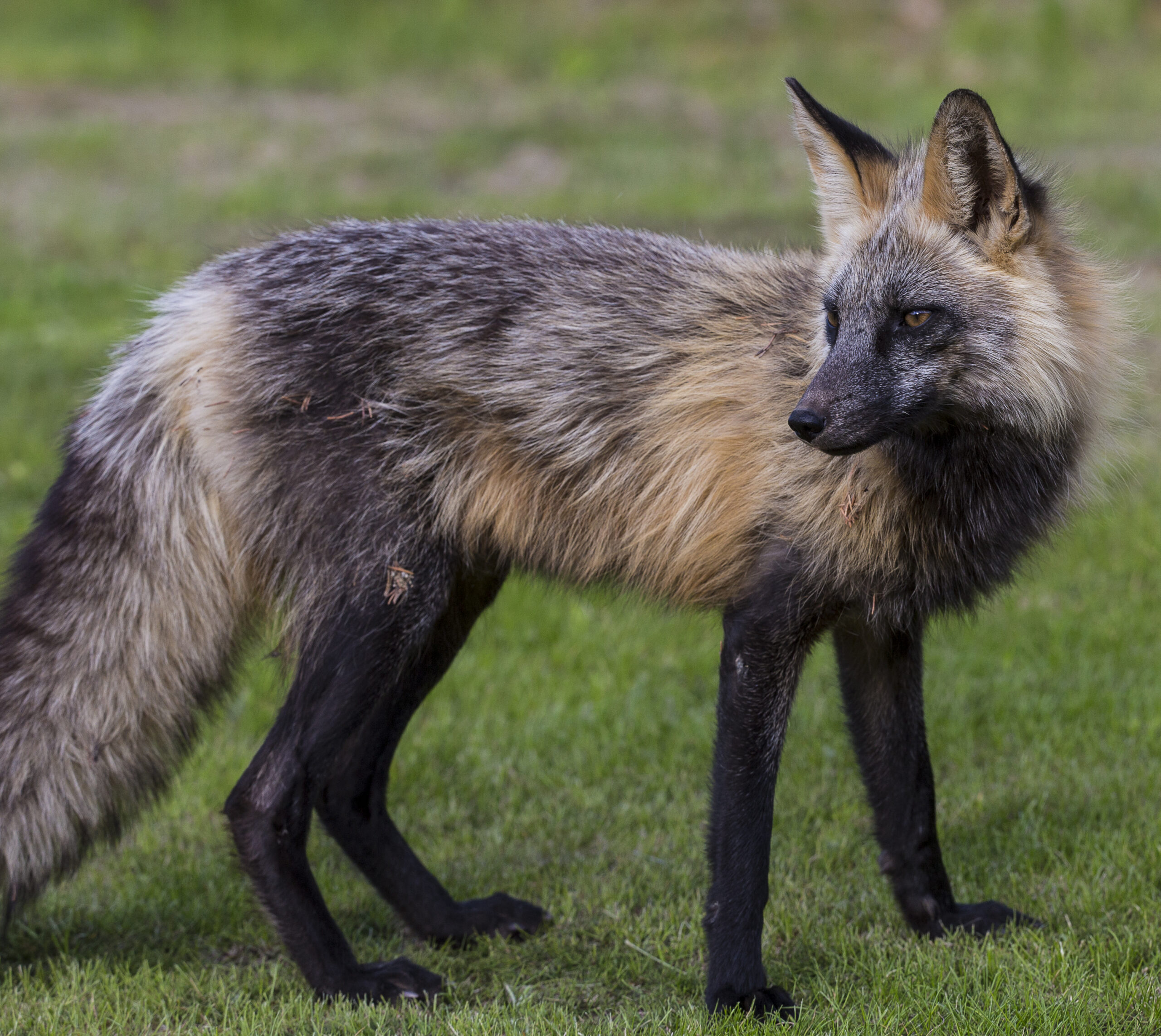 Photo Credit: OptimusPrimeBot / Wikimedia Commons
In the heart of North America’s diverse landscapes roams the Cross Fox, scientifically known as Vulpes vulpes. This enchanting variant of the red fox is easily recognized by the striking dark cross pattern that adorns its back, a feature that not only captivates the eye but also sparks the curiosity of scientists and nature lovers alike. With its sleek, slender body and bushy tail, the Cross Fox embodies both elegance and agility, making it a master of its environment.
Imagine a twilight scene where the sun dips below the horizon, casting a golden glow over a patchwork of forests and open prairies. Here, the Cross Fox emerges, its fur shimmering in shades of russet and black, blending seamlessly with the autumn leaves. As it prowls through the underbrush, its keen senses are on high alert, ready to detect the slightest rustle of a small mammal or the flutter of a bird. This clever carnivore plays a vital role in its ecosystem, helping to maintain the balance of nature by controlling populations of various prey species. The Cross Fox is not just a beautiful sight; it is a fascinating creature that embodies the intricate connections of life in the wild.
The Cross Fox, a captivating member of the animal kingdom, occupies a special place in the taxonomic hierarchy. It belongs to the family Canidae, which includes all dogs, wolves, and foxes. What sets the Cross Fox apart is its striking coat, characterized by a mix of reddish-brown fur with black markings that create a cross-like pattern on its back. This unique coloration not only makes it visually distinct but also serves as a form of camouflage in its natural habitat, helping it blend into the forested landscapes where it often roams.
| Taxonomic Rank | Scientific Name | Meaning & Significance |
|---|---|---|
| Kingdom | Animalia | This name signifies that the Cross Fox is part of the vast group of multicellular organisms that are primarily heterotrophic, meaning they consume other organisms for energy. |
| Phylum | Chordata | Chordata refers to animals that have a notochord, a flexible rod that supports the body. In the case of the Cross Fox, this structure is present during its embryonic development. |
| Class | Mammalia | Mammalia indicates that the Cross Fox is a mammal, which means it has fur and typically gives live birth, feeding its young with milk produced by mammary glands. |
| Order | Carnivora | Carnivora is the order that includes meat-eating mammals. The Cross Fox, like its relatives, has adaptations for hunting and consuming a diet rich in small animals. |
| Family | Canidae | Canidae encompasses all dog-like mammals, highlighting the Cross Fox’s close relationship with other foxes, wolves, and domestic dogs. |
| Genus | Vulpes | Vulpes is the genus name for true foxes, which reflects the Cross Fox’s characteristics and behaviors that are typical of this agile and clever group. |
Understanding the Cross Fox’s classification reveals much about its evolutionary journey. As a member of the Canidae family, it shares a common ancestor with other canids, which adapted over millions of years to various environments. The Cross Fox’s unique adaptations, such as its striking coloration and hunting skills, illustrate how evolution shapes species to thrive in their specific habitats. This fascinating lineage not only connects the Cross Fox to its relatives but also highlights the intricate web of life that exists within the animal kingdom.
The evolutionary journey of the Cross Fox, a striking variant of the red fox, stretches back millions of years. This timeline reveals a rich tapestry of adaptation and survival, showcasing how these clever animals have thrived in diverse environments. The Cross Fox, scientifically known as Vulpes vulpes, is a product of both natural selection and genetic variation, which have shaped its distinctive features over time.
The ancestors of modern foxes roamed the Earth during the late Miocene epoch, around 10 million years ago. These early canids were small, agile hunters that adapted to various habitats, from forests to grasslands. As the climate changed and landscapes evolved, these ancestors diversified, leading to the emergence of different species, including the red fox. The Cross Fox, with its unique coloration and patterns, is a result of genetic mutations that occurred as populations adapted to their specific environments. This adaptation allowed them to blend into their surroundings, enhancing their ability to hunt and evade predators.
The adaptations of the Cross Fox have been crucial for its survival in the wild. Their camouflaged fur not only aids in hunting but also protects them from larger predators. The ability to eat a wide range of foods ensures they can find nourishment in various environments, while their social behaviors enhance their chances of survival. With sharp senses and remarkable agility, these foxes are well-equipped to thrive in the ever-changing landscapes they call home. Each adaptation tells a story of resilience and ingenuity, showcasing the wonders of evolution in action.
The Cross Fox is a stunning sight to behold, with a body that perfectly balances elegance and agility. Standing between 14 to 20 inches tall at the shoulder, this fox has a sleek, slender form that allows it to navigate through its environment with ease. Its fur is a rich tapestry of colors, primarily a warm reddish-brown, accented by striking black markings. The most distinctive feature is the dark cross pattern that adorns its back, a unique trait that sets it apart from other foxes. This striking design not only adds to its beauty but also serves as a form of camouflage in the dappled light of its forested habitat.
| Feature | Description |
|---|---|
| Height | 14 to 20 inches at the shoulder |
| Skin Type | Soft, dense fur |
| Color | Reddish-brown with black markings |
| Most Distinctive Feature | A dark cross pattern on its back |
The combination of the Cross Fox’s size, coloration, and distinctive markings plays a crucial role in its survival. The warm hues of its fur help it blend into the autumn leaves and forest underbrush, making it less visible to both predators and prey. Meanwhile, the cross pattern on its back not only adds to its charm but may also confuse potential threats, allowing the fox to slip away unnoticed. This clever design showcases nature’s artistry, where beauty and function come together in the wild.
The Cross Fox thrives in a variety of habitats, showcasing its adaptability and resourcefulness. Picture a landscape where lush forests meet open prairies, or where rugged mountains rise above sprawling deserts. This fox can be found in urban areas, too, weaving through city streets and suburban backyards. Whether it’s the cool shade of a forest or the wide expanse of a tundra, the Cross Fox makes its home in places that offer both shelter and opportunities for hunting.
The Cross Fox prefers environments that provide a mix of cover and open space. It thrives in areas with moderate climates, where temperatures can vary but are generally not extreme. These foxes are often found near rivers and streams, which offer a reliable source of water. They can also adapt to different elevations, from the lowlands of prairies to the heights of mountains, as long as there is enough food and shelter available.
To survive in these diverse habitats, the Cross Fox has developed several clever adaptations. Its thick fur helps it stay warm in colder climates, while its keen senses allow it to detect prey even in dense underbrush. The Cross Fox is also an opportunistic feeder, meaning it will eat whatever is available, from small mammals to fruits and insects. This flexibility in diet and habitat choice is key to its success in various environments, making it a true survivor in the wild.
The Cross Fox leads a life filled with activity and adventure, primarily during the twilight hours of dawn and dusk. These clever animals are crepuscular, meaning they are most active during these times. As the sun begins to rise or set, the Cross Fox emerges from its den, ready to explore its surroundings. It spends its days resting in a cozy burrow or under dense brush, conserving energy for the hunt. When night falls, it roams its territory, using its keen senses to locate food, which includes small mammals, birds, and even fruits.
While the Cross Fox is primarily solitary, it does exhibit interesting social behaviors, especially during the breeding season. Males and females come together to mate, and they may stay in close proximity while raising their young. However, once the pups are old enough to fend for themselves, the adults often return to their independent lifestyles. Communication among Cross Foxes is subtle yet effective, involving a range of vocalizations, body language, and scent marking to establish territory and signal their presence to others.
| Behavior Type | Description |
|---|---|
| Activity Patterns | Active mainly at dawn and dusk, known as crepuscular behavior, hunting for food during these hours. |
| Social Structure | Primarily solitary, but forms temporary pairs during the breeding season to raise young. |
| Communication Methods | Uses vocalizations, body language, and scent marking to communicate and establish territory. |
These behaviors are crucial for the Cross Fox’s survival in the wild. By being active during twilight, it avoids many predators and takes advantage of the cover of darkness to hunt. Its solitary nature allows it to be stealthy and resourceful, relying on its sharp instincts to find food and navigate its territory. The ability to communicate effectively, even without a social group, ensures that it can defend its space and maintain its independence, which is vital in the competitive world of wildlife.
The Cross Fox is a carnivore, which means it primarily eats meat. This clever animal has a varied diet that includes birds, small mammals, insects, and even reptiles. To find its food, the Cross Fox uses a combination of keen senses and stealthy hunting techniques. It often stalks its prey quietly, taking advantage of its excellent hearing and sharp eyesight, especially during the early morning and late evening when it is most active.
| Dietary Aspect | Details |
|---|---|
| Diet Type | Carnivore |
| Favorite Foods | Birds, small mammals, insects, and reptiles |
| Prey Items | Rabbits, voles, and various bird species |
| Hunting/Foraging Strategies | Stalking, pouncing, and using stealth |
This diverse diet plays a crucial role in the Cross Fox’s ecology and daily routine. By consuming a wide range of prey, it helps control populations of small mammals and insects, contributing to the balance of its ecosystem. The need to hunt and forage also shapes its behavior, as it must be alert and adaptable to find food in different environments. This adaptability not only ensures its survival but also enriches the natural world around it.
When it comes to mating, Cross Foxes are quite the romantic adventurers. Their breeding season typically occurs in late winter to early spring, around January to March. During this time, males and females engage in a series of playful and courtship behaviors, which can include vocalizations and scent marking. This bonding period is crucial, as it helps establish a strong partnership for raising their young.
| Reproductive Aspect | Details |
|---|---|
| Gestation Period | 49 to 55 days |
| Litter Size | Usually 4 to 6 kits |
| Age of Maturity | 10 months |
| Name of Young | Cub, pup, kit |
Once the kits are born, the parental care provided by the Cross Foxes is truly heartwarming. The mother is primarily responsible for nurturing the young, while the father helps by bringing food to the den. The kits are born blind and helpless, relying entirely on their parents for warmth and nourishment. As they grow, they begin to explore their surroundings, learning essential survival skills through play and imitation. By the time they reach about 10 months of age, these young foxes are ready to venture out on their own, equipped with the knowledge and instincts needed to thrive in the wild.
The Cross Fox plays a vital role in its ecosystem, sitting comfortably in the middle of the food web. As a carnivore, it helps control populations of small mammals and birds, ensuring a balance in its habitat. However, this clever fox is not without its challenges. It faces various predators and threats that can impact its survival.
To navigate these dangers, the Cross Fox has developed several defensive behaviors and survival strategies. It relies on its keen senses and agility to evade larger predators. When threatened, it can quickly dart into dense underbrush or burrows, using its speed to escape. Additionally, its excellent camouflage helps it blend into its surroundings, making it harder for predators to spot. By being cautious and clever, the Cross Fox continues to thrive despite the challenges it faces in the wild.
A keystone species is an organism that has a disproportionately large impact on its environment relative to its abundance. This means that if it were to disappear, the entire ecosystem could change dramatically. The Cross Fox, a striking variant of the red fox, does indeed qualify as a keystone species. Its role in the ecosystem is crucial, influencing the populations of various other species and maintaining the balance of its habitat.
The Cross Fox is a carnivore, which means it primarily feeds on meat. By preying on small mammals, birds, and insects, it helps regulate these populations. For example, if the Cross Fox were to decline in numbers, the populations of its prey could explode, leading to overgrazing and depletion of vegetation. This, in turn, would affect other animals that rely on those plants for food and shelter. The Cross Fox also scavenges, which means it helps clean up the environment by consuming carrion, or dead animals. This scavenging behavior contributes to nutrient cycling, returning essential nutrients to the soil.
Moreover, the Cross Fox’s presence can influence the behavior of other species. For instance, smaller predators may alter their hunting patterns or territories to avoid competition with the Cross Fox. This dynamic interaction helps maintain a diverse and balanced ecosystem. The Cross Fox also serves as prey for larger predators, such as coyotes and eagles, further integrating it into the food web.
If the Cross Fox were to vanish from its ecosystem, the consequences could be severe. Without this fox to keep prey populations in check, small mammals and birds could proliferate unchecked, leading to overgrazing and habitat destruction. This would not only affect plant life but also the many other species that depend on those plants for survival. The entire balance of the ecosystem could shift, demonstrating just how vital the Cross Fox is to its environment.
The Cross Fox plays a vital role in shaping its ecosystem, acting as a key player in the balance of nature. This clever carnivore thrives in diverse habitats, from forests and prairies to deserts and even urban areas. By hunting small mammals and birds, the Cross Fox helps regulate their populations, ensuring that no single species overwhelms the environment. This balance is crucial for maintaining healthy ecosystems, where various plants and animals can coexist.
| Ecosystem Service | Impact |
|---|---|
| Population Control | Regulates numbers of small mammals and birds, preventing overpopulation. |
| Soil Aeration | Creates burrows that help aerate the soil, promoting plant growth. |
| Seed Dispersal | Contributes to the spread of seeds through its foraging behavior. |
| Food Source | Serves as prey for larger predators, supporting the food web. |
The influence of the Cross Fox extends beyond just its hunting habits. For instance, when it digs burrows in search of food, it aerates the soil, which can enhance plant growth in the area. This activity not only benefits the plants but also creates habitats for other organisms. Additionally, as the Cross Fox forages, it inadvertently helps disperse seeds, allowing new plants to take root in different locations. This process fosters biodiversity, which is essential for resilient ecosystems.
The broader ecological importance of the Cross Fox cannot be overstated. As a keystone species, its presence supports a complex web of life. If the Cross Fox were to vanish, the balance of its ecosystem could shift dramatically, leading to overpopulation of certain species and a decline in others. This ripple effect highlights how interconnected all living things are, reminding us that every creature, no matter how small, plays a crucial role in the grand tapestry of nature.
In the intricate web of life, symbiosis refers to the close and often long-term interactions between different species. These relationships can take many forms, including mutualism, where both species benefit, parasitism, where one benefits at the expense of the other, and commensalism, where one benefits while the other is neither helped nor harmed. The Cross Fox, with its adaptable nature, engages in various ecological partnerships that highlight the complexity of its environment and the interconnectedness of all living things.
| Species/Type | Relationship Type | Description |
|---|---|---|
| Small mammals (e.g., rodents) | Mutualistic | The Cross Fox helps control the population of small mammals, which can lead to a healthier ecosystem. In return, the fox benefits from a steady food source. |
| Birds (e.g., ground-nesting species) | Parasitic | While hunting, the Cross Fox may disturb bird nests, leading to the loss of eggs or chicks. This relationship can negatively impact bird populations. |
| Insects (e.g., beetles) | Commensal | Insects may thrive in areas where the Cross Fox hunts, as the fox’s activities can help aerate the soil and promote plant growth, benefiting the insects without affecting the fox. |
These relationships have evolved over time, shaped by the needs and behaviors of the species involved. The Cross Fox’s role as a predator helps maintain balance in its ecosystem, ensuring that no single species dominates. By controlling populations of small mammals, it indirectly supports the health of plant life and other animals. Meanwhile, the interactions with birds and insects illustrate the delicate balance of nature, where every action has a ripple effect. Understanding these connections not only enriches our knowledge of the Cross Fox but also deepens our appreciation for the intricate dance of life that surrounds us.
The Cross Fox is a captivating variation of the red fox, easily recognized by the distinctive dark cross pattern on its back. This striking feature not only makes it visually unique but also plays a role in its survival and behavior. Here are some surprising facts that showcase the Cross Fox’s intriguing life.
The Cross Fox has long been woven into the fabric of human culture and history. Indigenous peoples of North America often viewed this striking animal as a symbol of cunning and adaptability. In various folklore, the Cross Fox is celebrated for its cleverness, often depicted as a trickster figure. This cultural significance highlights the deep connection between humans and this remarkable creature, as stories and legends have been passed down through generations, reflecting our fascination with the natural world.
Today, the relationship between Cross Foxes and humans is complex and multifaceted. While these foxes are admired for their beauty and intelligence, they also face challenges due to habitat loss and human encroachment. Conservation efforts are underway to protect their habitats and ensure their survival. However, conflicts can arise when Cross Foxes venture into urban areas in search of food, leading to misunderstandings and sometimes negative interactions with people. Unlike domesticated animals, Cross Foxes remain wild and independent, which can make them unpredictable in human-dominated landscapes.
Looking ahead, the future of the Cross Fox and its relationship with humanity will depend on our ability to coexist harmoniously. As urban areas expand, it is crucial to find ways to protect their natural habitats while fostering understanding and respect for these clever animals. By promoting conservation efforts and educating communities about the role of Cross Foxes in the ecosystem, we can ensure that future generations will continue to appreciate and celebrate this enchanting species.
The Cross Fox, a beautiful variant of the red fox, currently holds a conservation status of “Least Concern.” This means that, as of now, the species is not facing immediate threats of extinction. With an estimated population size in the tens of thousands, the Cross Fox appears to be thriving in various habitats across its range. However, while the overall population is stable, local declines can occur due to specific environmental pressures.
| Conservation Factor | Status/Details |
|---|---|
| IUCN Status | Least Concern |
| Estimated Population Size | Tens of thousands |
| Population Trend | Stable |
Despite its current stable status, the Cross Fox faces several threats that could impact its future. Habitat loss is a significant concern, as urban development and agricultural expansion encroach on the natural environments where these foxes thrive. Additionally, hunting and trapping, often for fur, can reduce local populations. Climate change also poses a risk, altering the ecosystems that support the Cross Fox and its prey.
Conservation efforts are underway to ensure the continued survival of the Cross Fox. Wildlife organizations are working to protect their habitats and promote awareness about the importance of these animals in the ecosystem. By maintaining healthy populations of Cross Foxes, we help preserve the balance of nature. With ongoing efforts and public support, the outlook for this striking fox remains hopeful, allowing future generations to appreciate its beauty and role in the wild.
| Question | Answer |
|---|---|
| What is a Cross Fox? | A Cross Fox is a type of red fox known for the distinctive dark cross pattern on its back. This unique marking makes it stand out among other foxes and is one of its most recognizable features. |
| Where do Cross Foxes live? | Cross Foxes are adaptable animals found in a variety of habitats, including forests, prairies, deserts, and even urban areas. They can thrive in tundra, scrublands, and near rivers, making them quite versatile in their living conditions. |
| What do Cross Foxes eat? | As carnivores, Cross Foxes primarily eat small mammals, birds, and insects. They are skilled hunters and will also scavenge for food when necessary, showcasing their resourcefulness in finding meals. |
| How do Cross Foxes behave? | Cross Foxes are generally solitary animals, but they can be social during mating season or when raising their young. They are known for their playful nature and often engage in activities like chasing each other and exploring their surroundings. |
| How do Cross Foxes reproduce? | Cross Foxes typically mate in late winter, and after a gestation period of about 53 days, the female gives birth to a litter of 4 to 6 kits. The kits are born blind and rely on their parents for food and protection as they grow. |
| What threats do Cross Foxes face? | While Cross Foxes are currently classified as Least Concern, they face threats from habitat loss and hunting. Urban development and road traffic can also pose dangers, making it important to protect their natural habitats. |
| What is an interesting fact about Cross Foxes? | One fascinating characteristic of Cross Foxes is their ability to adapt to various environments, including cities and farms. This adaptability not only helps them survive but also allows them to thrive in areas where other wildlife may struggle. |