Taxonomy & Classification
- Kingdom
- Animalia
- Phylum
- Chordata
- Class
- Reptilia
- Order
- Saurischia
- Family
- Dilophosauridae
- Genus
- Cryolophosaurus
- Species
- Cryolophosaurus ellioti

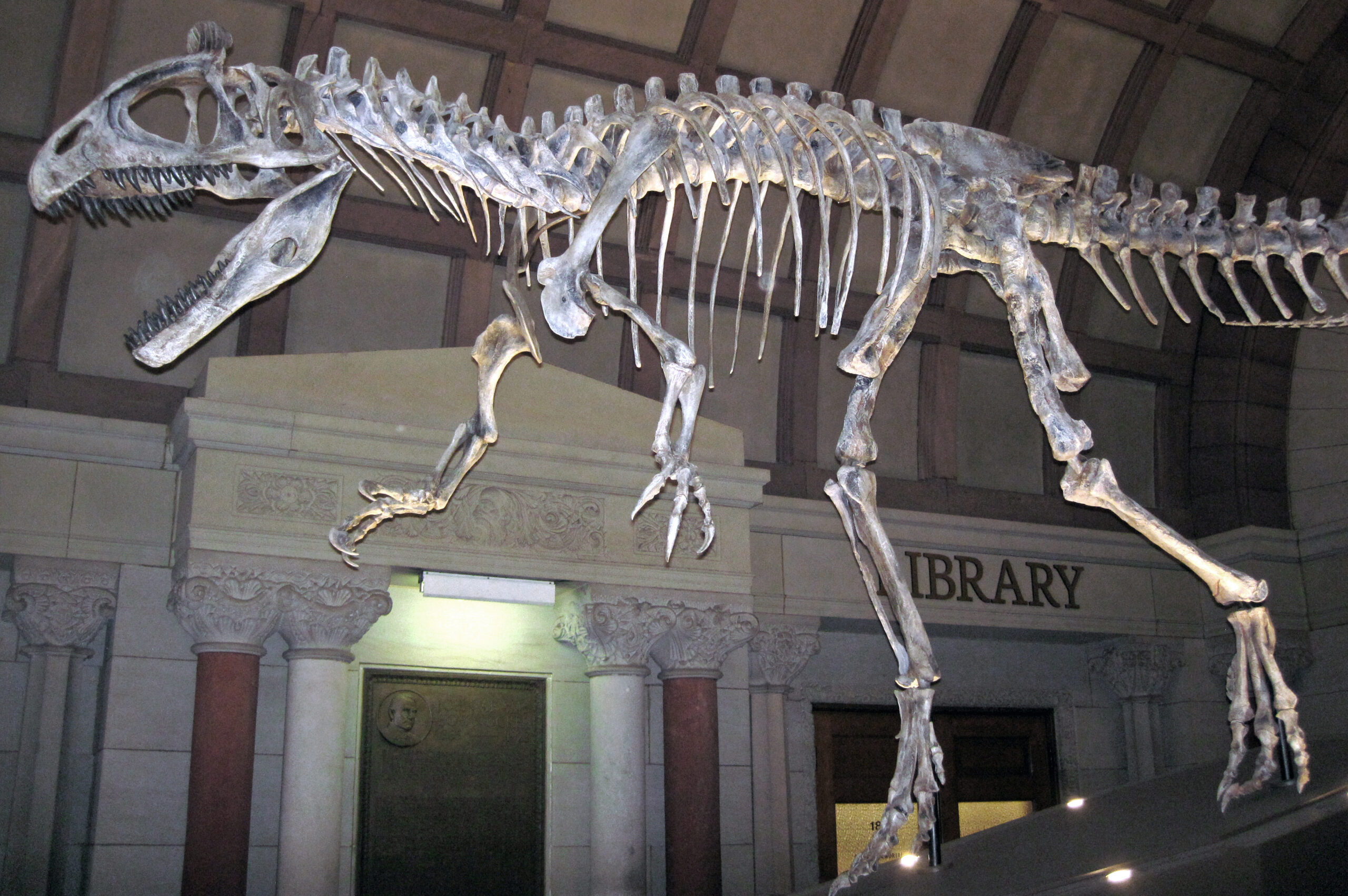 Photo Credit: James St. John / Wikimedia
In the frigid realms of ancient Antarctica, a remarkable dinosaur known as Cryolophosaurus, or “frozen crested lizard,” roamed the icy landscapes over 190 million years ago. Picture a world where towering mountains kissed the sky and the sun struggled to break through thick clouds, casting a pale light over the snow-dusted ground. Cryolophosaurus, measuring about 20 feet long, stood out with its slender body and a distinctive crest atop its head, resembling a frozen wave. This unique feature not only made it visually striking but also sparked the curiosity of scientists and dinosaur enthusiasts alike, as they ponder the purpose of such an elaborate adornment.
As a carnivore, Cryolophosaurus thrived in this harsh environment, hunting for herbivorous dinosaurs that lumbered through the icy terrain. Its sharp teeth and agile body made it a formidable predator, perfectly adapted to the challenges of its chilly habitat. The presence of Cryolophosaurus in this ancient ecosystem highlights the intricate balance of life during the Early Jurassic period, where every creature played a role in the survival of the fittest. Join us as we delve deeper into the life and times of Cryolophosaurus, exploring its fascinating adaptations, behaviors, and the mysteries that continue to captivate our imaginations today.
Cryolophosaurus is a captivating dinosaur that roamed the Earth during the Early Jurassic period, around 190 million years ago. This dinosaur belongs to the family Dilophosauridae, which is known for its distinctive crests on the head. What sets Cryolophosaurus apart in the animal kingdom is not just its impressive size—growing up to 20 feet long—but also its unique adaptations to a cold environment. Its name, which means “frozen crested lizard,” hints at its discovery in Antarctica, a place that was once much warmer and teeming with life. This fascinating creature provides a glimpse into the diversity of life that existed in ancient ecosystems.
| Taxonomic Rank | Scientific Name | Meaning & Significance |
|---|---|---|
| Kingdom | Animalia | This rank includes all animals, highlighting Cryolophosaurus as part of the vast animal kingdom. |
| Phylum | Chordata | Meaning “having a notochord,” this group includes animals with a backbone, like Cryolophosaurus. |
| Class | Reptilia | This class encompasses reptiles, indicating that Cryolophosaurus shares traits with modern reptiles, such as scaly skin. |
| Order | Saurischia | Meaning “lizard-hipped,” this order includes theropods and sauropodomorphs, showcasing Cryolophosaurus’s connection to both meat-eating and plant-eating dinosaurs. |
| Family | Dilophosauridae | This family is known for its distinctive crests, which Cryolophosaurus exemplifies, suggesting possible display or species recognition. |
| Genus | Cryolophosaurus | Translating to “frozen crested lizard,” this name reflects its icy habitat in Antarctica and its unique head crest. |
Understanding where Cryolophosaurus fits in the tree of life reveals much about its evolutionary history. As a member of the Theropoda clade, it shares a lineage with modern birds, showcasing the incredible journey of evolution from ancient reptiles to the feathered creatures we see today. The adaptations that allowed Cryolophosaurus to thrive in a once-warm Antarctica highlight the dynamic nature of Earth’s climate and ecosystems over millions of years. This dinosaur not only enriches our understanding of prehistoric life but also serves as a reminder of the ever-changing tapestry of life on our planet.
The evolutionary journey of Cryolophosaurus takes us back to the Early Jurassic period, around 190 million years ago. This time was marked by a diverse array of life forms, as dinosaurs began to dominate the land. Cryolophosaurus, a member of the Dilophosauridae family, emerged during this exciting chapter in Earth’s history, showcasing the remarkable adaptations that would help it thrive in its environment.
Cryolophosaurus is believed to have evolved from earlier theropod dinosaurs, which were primarily bipedal and carnivorous. These ancestors laid the groundwork for the unique features that Cryolophosaurus would later develop. One significant transition was the evolution of its distinctive crest, which likely played a role in communication or mating displays. As the climate shifted and ecosystems changed, Cryolophosaurus adapted to its surroundings, becoming a skilled predator in the lush, prehistoric landscapes of what is now Antarctica.
These adaptations were crucial for Cryolophosaurus’s survival in a rapidly changing world. The crest not only helped it communicate but also established its presence among peers. Its long limbs and sharp teeth made it a formidable predator, while the lightweight structure of its bones enhanced its agility. The potential for endothermic traits allowed Cryolophosaurus to thrive in the colder regions of Antarctica, showcasing the incredible ways in which evolution shapes life on Earth.
Cryolophosaurus stands out as a striking figure from the past, with its impressive size and distinctive features. This dinosaur, measuring about 20 feet long, had a long, slender body that was both agile and powerful. Its most eye-catching characteristic is the pompadour-like crest on its head, which adds a touch of flair to its otherwise streamlined form. With strong legs built for running, Cryolophosaurus was well-equipped to navigate the lush landscapes of its time, making it a formidable predator.
| Feature | Description |
|---|---|
| Size | Approximately 20 feet long |
| Crest | Pompadour-like crest on the head, likely used for display or communication |
| Color | Speculated to have had vibrant colors, possibly for camouflage or attracting mates |
| Skin Type | Covered in scaly skin, similar to modern reptiles |
| Leg Structure | Strong, long legs designed for speed and agility |
The combination of Cryolophosaurus’s impressive size, striking crest, and powerful legs created a creature that was not only visually stunning but also highly functional. The crest may have played a crucial role in attracting mates or establishing dominance among peers, while its agile body allowed it to chase down prey effectively. Together, these features illustrate how evolution shapes animals to thrive in their environments, making Cryolophosaurus a fascinating example of nature’s creativity.
Imagine a land of icy expanses and towering mountains, where the sun barely peeks through thick clouds. This is the world of Cryolophosaurus, a dinosaur that called ancient Antarctica home. During the Early Jurassic period, this region was not the frozen wasteland we know today. Instead, it was a lush, temperate environment, filled with forests and rivers, teeming with life. The landscape was dotted with ferns and conifers, providing a rich habitat for various species, including this fascinating dinosaur.
Cryolophosaurus thrived in a climate that was milder than the icy conditions we associate with Antarctica today. The environment featured a mix of warm and cool seasons, allowing for a variety of plant life to flourish. This dinosaur likely enjoyed a temperate climate, where rainfall was sufficient to support the lush vegetation that formed its diet. The presence of rivers and lakes would have provided ample drinking water and a habitat for other creatures, creating a vibrant ecosystem.
To survive in this unique habitat, Cryolophosaurus developed several adaptations. Its long legs and agile body allowed it to navigate through dense forests and uneven terrain with ease. The dinosaur’s diet likely consisted of the abundant plant life, which it could reach with its elongated neck. Additionally, its distinctive crest may have played a role in communication or attracting mates, helping it thrive in a competitive environment. These adaptations made Cryolophosaurus well-suited to its ancient Antarctic home, allowing it to flourish in a world that was both beautiful and challenging.
Cryolophosaurus led a life filled with activity and adventure in the chilly landscapes of ancient Antarctica. Each day began with the rising sun, casting a pale light over the icy terrain. As a carnivorous dinosaur, Cryolophosaurus spent its mornings hunting for food, using its keen senses to detect the movements of smaller dinosaurs and other prey. With its long legs, it could sprint across the snow, showcasing agility that helped it catch meals. After a successful hunt, it would often bask in the sun, allowing its body to warm up before continuing its daily pursuits.
Social interactions played a significant role in the life of Cryolophosaurus. These dinosaurs were likely to be social animals, often seen in small groups. This social structure provided advantages, such as cooperative hunting and protection against larger predators. Communication among members of the group was essential, possibly involving a mix of vocalizations and body language. The distinctive crest on their heads may have also played a role in social signaling, helping them to identify each other and establish dominance within the group.
| Behavior Type | Description |
|---|---|
| Activity Patterns | Cryolophosaurus was active during the day, hunting for food and basking in the sun to regulate body temperature. |
| Social Structure | These dinosaurs likely lived in small groups, which helped them hunt cooperatively and protect each other from threats. |
| Communication Methods | They may have used vocalizations and body language, with their head crests possibly serving as visual signals to convey information. |
The behaviors of Cryolophosaurus were finely tuned to ensure survival in a harsh environment. By hunting in groups, they increased their chances of catching prey, while social bonds provided safety in numbers. Their ability to communicate effectively allowed them to coordinate activities and respond to dangers. In this way, Cryolophosaurus thrived in its icy world, showcasing the intricate balance of life in the ancient ecosystems of Antarctica.
Cryolophosaurus was a carnivore, meaning it primarily ate meat. This dinosaur had a taste for herbivorous dinosaurs, including the massive sauropods, which were long-necked giants of its time. With its sharp teeth and strong jaws, Cryolophosaurus was well-equipped to hunt and consume these large prey. It likely used a combination of stealth and speed to ambush its meals, taking advantage of the icy terrain of ancient Antarctica to sneak up on unsuspecting herbivores.
| Dietary Aspect | Details |
|---|---|
| Diet Type | Carnivore |
| Favorite Foods | Herbivorous dinosaurs, particularly sauropods |
| Prey Items | Large plant-eating dinosaurs |
| Hunting/Foraging Strategies | Stealth and speed to ambush prey |
The diet of Cryolophosaurus played a crucial role in shaping its ecology and daily routine. By preying on large herbivores, it helped maintain the balance of its ecosystem, ensuring that plant life did not become overrun. This carnivorous lifestyle also meant that Cryolophosaurus had to be constantly on the move, searching for food and adapting to the challenges of its cold environment. Each hunt was not just a quest for survival but also a vital part of the intricate web of life in ancient Antarctica.
When it comes to mating, Cryolophosaurus likely engaged in elaborate courtship displays to attract potential partners. During the breeding season, which would have coincided with warmer months, males may have showcased their impressive crests and performed vocalizations to impress females. These displays were essential for establishing dominance and attracting mates in the competitive environment of ancient Antarctica.
| Reproductive Aspect | Details |
|---|---|
| Gestation Period | Approximately 3 to 6 months |
| Litter Size | 1 to 3 eggs |
| Age of Maturity | About 3 to 5 years |
| Name of Young | Hatchlings |
Once the eggs were laid, the young Cryolophosaurus, known as hatchlings, would emerge after a few months. These tiny dinosaurs were vulnerable and relied on their surroundings for protection. While there is limited evidence about parental care in Cryolophosaurus, it is possible that adults provided some level of protection for their young, helping them navigate the challenges of their icy habitat. As the hatchlings grew, they would learn to hunt and fend for themselves, gradually maturing into the impressive predators they were destined to become.
Cryolophosaurus occupied a significant position in its ancient food web, acting as a formidable predator in the icy landscapes of Early Jurassic Antarctica. With its sharp teeth and agile body, it hunted various herbivorous dinosaurs, ensuring its survival in a challenging environment. However, like all creatures, it faced dangers that threatened its existence.
To defend itself against these threats, Cryolophosaurus likely relied on its speed and agility, allowing it to escape from larger predators. Its keen senses would have helped it detect danger from afar, while its social behavior might have included hunting in groups to increase success rates and safety. By staying alert and using its environment wisely, Cryolophosaurus navigated the perils of its world, showcasing the resilience of life even in the harshest conditions.
A keystone species is an organism that plays a critical role in maintaining the structure of its ecosystem. This means that its presence or absence can significantly impact the environment and the other species living there. Cryolophosaurus, a carnivorous dinosaur from the Early Jurassic period, likely qualifies as a keystone species in its ancient Antarctic habitat. As a top predator, it would have influenced the populations of herbivorous dinosaurs and shaped the dynamics of its ecosystem.
Cryolophosaurus was a formidable predator, preying on various herbivorous dinosaurs, including the massive sauropods. By keeping these populations in check, it helped maintain a balance in the ecosystem. If herbivores were allowed to overpopulate, they could have overgrazed vegetation, leading to habitat degradation. This balance is crucial for the health of the ecosystem, as it ensures that resources are available for a variety of species, including plants and smaller animals.
Additionally, Cryolophosaurus may have contributed to nutrient cycling in its environment. When it hunted and consumed prey, its waste would have returned essential nutrients to the soil, promoting plant growth. This, in turn, would support a diverse array of life, from insects to larger herbivores. The presence of such a predator would also create opportunities for scavengers, which rely on the remains of its kills for food.
If Cryolophosaurus were to disappear from its ecosystem, the consequences could be severe. Without this apex predator, herbivore populations might explode, leading to overgrazing and a decline in plant life. This would not only affect the vegetation but also the entire food web, as many species depend on plants for survival. The loss of such a key player would ripple through the ecosystem, potentially leading to a collapse of the delicate balance that once thrived in ancient Antarctica.
Cryolophosaurus, a fascinating dinosaur from the Early Jurassic period, played a vital role in shaping its ecosystem in ancient Antarctica. As a carnivore, it occupied a crucial ecological niche, meaning it helped maintain the balance of life by controlling herbivore populations. This balance is essential for the health of any ecosystem, as it ensures that no single species dominates the landscape, allowing for a diverse array of plants and animals to thrive.
| Ecosystem Service | Impact |
|---|---|
| Predation | Controls herbivore populations, preventing overgrazing and promoting plant diversity. |
| Nutrient Cycling | Contributes to nutrient cycling through waste, enriching the soil and supporting plant growth. |
| Habitat Creation | Influences the structure of habitats by creating open spaces through hunting activities. |
In its icy environment, Cryolophosaurus influenced the ecosystem in several ways. By preying on herbivorous dinosaurs, it helped regulate their numbers, ensuring that vegetation was not overconsumed. This predation allowed various plant species to flourish, creating a rich habitat for other organisms. Additionally, as Cryolophosaurus moved through its environment, it would have left behind waste that returned nutrients to the soil, further supporting plant life. The presence of this dinosaur also likely shaped the physical landscape, as its hunting patterns could create open areas that other species could use for shelter or foraging.
The broader ecological importance of Cryolophosaurus cannot be overstated. As a keystone species, its role in the ecosystem was critical for maintaining balance and diversity. The interactions it had with other species, from plants to herbivores, created a dynamic web of life that supported a variety of organisms. Understanding the impact of Cryolophosaurus helps us appreciate the intricate connections within ecosystems, reminding us that every species, no matter how large or small, plays a part in the grand tapestry of life on Earth.
In the intricate web of life, symbiosis refers to the close interactions between different species, which can take on various forms. These relationships can be mutualistic, where both species benefit; parasitic, where one benefits at the expense of the other; or commensal, where one benefits while the other is neither helped nor harmed. Understanding these connections helps us appreciate how species like Cryolophosaurus interacted with their environment and other organisms in ancient Antarctica.
| Species/Type | Relationship Type | Description |
|---|---|---|
| Small herbivorous dinosaurs | Mutualistic | Cryolophosaurus may have benefited from the presence of smaller herbivores by keeping their populations in check, while these herbivores could have helped maintain the vegetation that Cryolophosaurus relied on for hunting. |
| Parasites (like small insects) | Parasitic | While Cryolophosaurus was a top predator, it could have been host to parasites that fed on its blood or skin, which would have weakened the dinosaur but provided sustenance for the parasites. |
| Scavengers (like small carnivores) | Commensal | After a successful hunt, Cryolophosaurus might have left behind scraps that smaller scavengers could feed on, benefiting them without affecting the dinosaur. |
These relationships evolved over millions of years, shaped by the needs and behaviors of the species involved. As Cryolophosaurus adapted to its environment, it likely developed interactions that enhanced its survival and reproductive success. The balance of these relationships illustrates the dynamic nature of ecosystems, where each species plays a role in the larger story of life on Earth. Understanding these connections not only enriches our knowledge of Cryolophosaurus but also highlights the importance of biodiversity in maintaining healthy ecosystems.
Cryolophosaurus is a captivating dinosaur that once roamed the icy landscapes of ancient Antarctica during the Early Jurassic period. This remarkable creature, with its striking features and unique adaptations, offers a glimpse into a world long gone.
The Cryolophosaurus, a dinosaur that roamed the icy expanses of ancient Antarctica, has captured the imagination of many throughout history. While humans and Cryolophosaurus never coexisted, the discovery of its fossils has sparked a cultural fascination. These fossils, unearthed in the 1990s, have provided a glimpse into a world long gone, inspiring stories, documentaries, and even artistic representations. The unique crest on its head has led to its nickname, “Elvisaurus,” due to its resemblance to the famous hairstyle of Elvis Presley. This connection to popular culture highlights how ancient creatures can influence modern storytelling and art.
Today, our interactions with the legacy of Cryolophosaurus are primarily through scientific research and education. Paleontologists study its fossils to understand the ecosystems of the past, which can inform current conservation efforts. By learning about the environments that supported such magnificent creatures, scientists can better appreciate the importance of preserving our own ecosystems. While there is no direct conflict or domestication involving Cryolophosaurus, the ongoing exploration of its habitat raises awareness about the fragility of polar ecosystems, which are increasingly threatened by climate change.
Looking ahead, the relationship between humanity and the legacy of Cryolophosaurus is poised to evolve. As we continue to uncover more about this fascinating dinosaur, we can use its story to inspire future generations to care for our planet. By understanding the past, we can make informed choices that protect the delicate balance of life on Earth. The lessons learned from Cryolophosaurus and its ancient world can guide us in our efforts to ensure a sustainable future for all living beings.
The conservation status of Cryolophosaurus is classified as extinct. This means that there are no living individuals of this dinosaur species today. Once a dominant predator in the icy landscapes of ancient Antarctica, Cryolophosaurus has not been seen for millions of years. Its extinction marks a significant loss in the diversity of life that once thrived during the Early Jurassic period.
| Conservation Factor | Status/Details |
|---|---|
| IUCN Status | Extinct |
| Population Estimates | None (extinct) |
| Trend Direction | Declining (extinct) |
The main threats that led to the extinction of Cryolophosaurus are not entirely clear, as they lived millions of years ago. However, factors such as climate change, habitat loss, and competition with other species likely played significant roles. As the Earth underwent dramatic shifts in temperature and environment, the ecosystems that supported these dinosaurs changed, making survival increasingly difficult.
Today, there are no active conservation efforts for Cryolophosaurus, as it is long gone. However, studying its fossils helps scientists understand the past and the factors that contribute to extinction. By learning from the history of species like Cryolophosaurus, we can better protect the animals that share our planet today. The lessons learned from this ancient predator remind us of the importance of preserving biodiversity and the delicate balance of ecosystems.
| Question | Answer |
|---|---|
| Where did Cryolophosaurus live? | Cryolophosaurus lived in what is now Antarctica during the Early Jurassic period, around 200 million years ago. This region was much warmer back then, covered in lush forests and rivers, making it a unique habitat for dinosaurs. |
| What did Cryolophosaurus eat? | Cryolophosaurus was a carnivore, meaning it primarily ate meat. Its sharp teeth and strong jaws suggest it hunted smaller dinosaurs and other animals that lived in its environment. |
| What was the behavior of Cryolophosaurus? | While we can't know for sure, scientists believe Cryolophosaurus may have been a social dinosaur, possibly hunting in packs. Its distinctive crest might have been used for communication or attracting mates, similar to how some birds use their feathers today. |
| How did Cryolophosaurus reproduce? | Like other dinosaurs, Cryolophosaurus likely laid eggs. Fossil evidence suggests that many dinosaurs cared for their young, so it’s possible that Cryolophosaurus parents may have protected their nests and helped their hatchlings survive. |
| What threats did Cryolophosaurus face? | As an extinct species, Cryolophosaurus faced threats from environmental changes, such as climate shifts that altered its habitat. Competition for food and predation from larger dinosaurs could also have impacted its survival. |
| What is a unique feature of Cryolophosaurus? | Cryolophosaurus is known for its striking pompadour-like crest on its head, which is quite unusual among dinosaurs. This crest may have played a role in display or communication, making it stand out in its prehistoric world. |
| Is Cryolophosaurus related to any modern animals? | Cryolophosaurus belongs to the theropod group of dinosaurs, which includes modern birds. This connection highlights how some features of dinosaurs have evolved into traits we see in birds today, such as feathers and certain behaviors. |