Taxonomy & Classification
- Kingdom
- Animalia
- Phylum
- Chordata
- Class
- Mammalia
- Order
- Carnivora
- Family
- Canidae
- Genus
- Canis
- Species
- Canis lupus familiaris

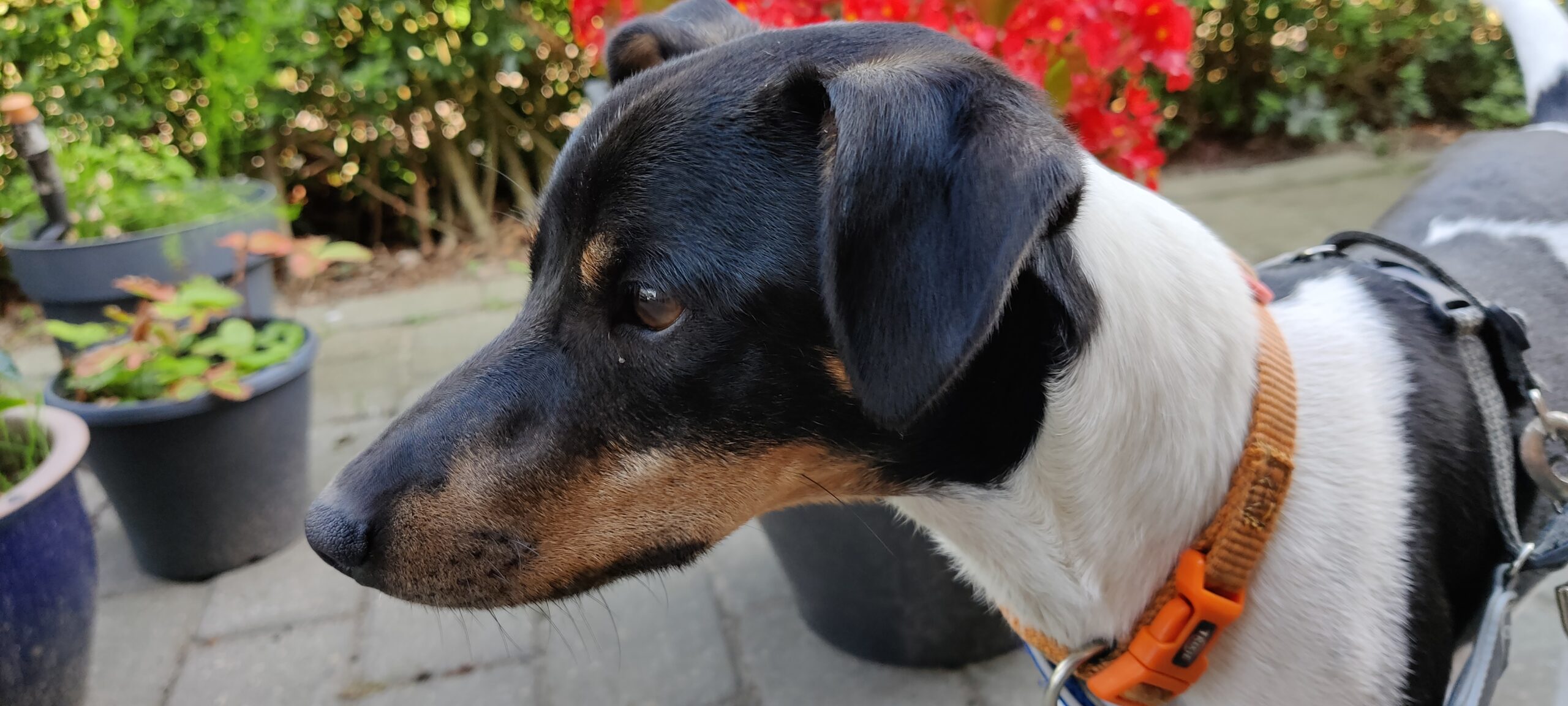 Photo Credit: .mw-parser-output .template-designermadsen-source{border:1px solid #a2a9b1;background-color:#f8f9fa;display:grid;padding-left:4em;padding-right:4em;grid-template-columns:1fr 8fr;grid-template-rows:1fr;grid-column-gap:4em}.mw-parser-output .tdm-flex-container-center{width:100%;margin:0px;padding:0px;display:flex;justify-content:center;flex-direction:row}.mw-parser-output .template-designermadsen-source .tdm-avatar{display:flex;justify-content:center;flex-wrap:wrap;flex-direction:column;width:100%;margin-top:1em;margin-bottom:1em}.mw-parser-output .tdm-avatar img{border:1px solid #a2a9b1;padding:0.25em 0.25em}.mw-parser-output .template-designermadsen-source .tdm-attributes{width:100%;display:flex;flex-direction:column;justify-content:center;margin-top:1em;margin-bottom:1em}.mw-parser-output .template-designermadsen-source .tdm-attributes p{width:100%;margin-top:0.5em;margin-bottom:0.5em}@media only screen and (max-width:764px){.mw-parser-output .template-designermadsen-source{grid-template-columns:1fr;grid-template-rows:1fr 1fr;grid-column-gap:0px}.mw-parser-output .template-designermadsen-source .tdm-avatar{}.mw-parser-output .template-designermadsen-source .tdm-attributes{justify-content:center;text-align:center}} Author: Kent Madsen Designermadsen Flickr Deviantart / Wikimedia
In the rolling hills of rural Denmark and Sweden, the Danish Swedish Farmdog, known scientifically as Canis lupus familiaris, thrives as a lively companion and diligent worker. Picture a sun-drenched morning where this spirited breed bounds across lush green fields, its sleek, muscular body glistening in the light. With a coat that often features a mix of white, brown, and black patches, this dog is not just a sight to behold; it embodies the very essence of farm life, blending seamlessly into the pastoral landscape. Its keen eyes and alert ears reveal a sharp intelligence, making it a favorite among farmers and nature enthusiasts alike.
What makes the Danish Swedish Farmdog particularly captivating is its remarkable adaptability and energetic nature. These dogs are not just pets; they are integral to the agricultural tapestry, helping to control pests and assist in herding livestock. Their playful demeanor and strong work ethic have earned them a special place in the hearts of those who appreciate the bond between humans and animals. Scientists are drawn to this breed not only for its historical significance but also for its role in maintaining the balance of rural ecosystems. As we explore the life of the Danish Swedish Farmdog, we will uncover the fascinating traits that make this breed a true gem of the animal kingdom.
The Danish Swedish Farmdog is a captivating member of the animal kingdom, nestled within the intricate web of life. This breed belongs to the family Canidae, which includes all dogs, wolves, and foxes. What sets the Danish Swedish Farmdog apart is its rich history as a versatile farm worker, known for its agility and intelligence. This breed has been cherished for centuries in Scandinavia, where it has played a vital role in herding and guarding livestock. Its unique blend of traits makes it a fascinating example of how domesticated animals can adapt to human needs while retaining their natural instincts.
| Taxonomic Rank | Scientific Name | Meaning & Significance |
|---|---|---|
| Kingdom | Animalia | This term means “animals” in Latin, highlighting that the Danish Swedish Farmdog is part of the vast group of multicellular organisms that are typically motile and consume organic material. |
| Phylum | Chordata | Chordata refers to animals with a notochord, a flexible rod that supports the body. This group includes all vertebrates, like the Danish Swedish Farmdog, which has a backbone. |
| Class | Mammalia | Mammalia means “mammals,” a class of animals characterized by having fur or hair and the ability to nurse their young with milk. The Danish Swedish Farmdog, like all mammals, shares these traits. |
| Order | Carnivora | Carnivora is the order that includes meat-eating mammals. While the Danish Swedish Farmdog is primarily a companion and working dog, its ancestors were hunters, which is reflected in its keen instincts. |
| Family | Canidae | Canidae is the family that encompasses dogs, wolves, and foxes. The Danish Swedish Farmdog is a domesticated member of this family, showcasing traits like loyalty and social behavior. |
| Genus | Canis | Canis is the genus that includes all dogs and their wild relatives. The name comes from the Latin word for “dog,” emphasizing the Danish Swedish Farmdog’s close ties to its wild ancestors. |
Understanding the taxonomic classification of the Danish Swedish Farmdog reveals much about its evolutionary journey. As a member of the Canidae family, it shares a common ancestry with wolves and other canines, showcasing the adaptability and diversity of this group. The breed’s development in the Scandinavian region highlights how humans have shaped its traits for specific tasks, such as herding and guarding. This fascinating lineage not only connects the Danish Swedish Farmdog to its wild relatives but also illustrates the deep bond between humans and dogs throughout history.
The Danish Swedish Farmdog has a rich evolutionary history that traces back thousands of years. This breed emerged from the ancient lineage of dogs, which were domesticated from wolves around 15,000 to 30,000 years ago. As humans began to settle and form agricultural communities, certain dogs adapted to life alongside them, leading to the development of various breeds, including the Danish Swedish Farmdog.
The ancestors of the Danish Swedish Farmdog were likely small, agile canines that excelled in hunting and herding. These early dogs were valued for their ability to control vermin and assist in farm tasks. Over time, selective breeding favored traits that enhanced their utility on farms, such as intelligence, loyalty, and a strong work ethic. This breed’s evolution was shaped by the needs of farmers in Denmark and Sweden, who required a versatile companion that could thrive in a variety of roles.
The adaptations of the Danish Swedish Farmdog have played a crucial role in its survival and success as a farm companion. Their intelligence and trainability allow them to perform a variety of tasks, from herding to guarding, while their adaptability ensures they can thrive in different settings. This blend of traits not only helped them assist humans effectively but also solidified their place in the hearts of families across Denmark and Sweden. As a result, the Danish Swedish Farmdog continues to be a beloved breed, embodying the spirit of cooperation between humans and animals.
The Danish Swedish Farmdog is a lively and compact breed that exudes both strength and agility. With a well-proportioned body, this dog stands at a medium height, typically around 14 to 18 inches tall at the shoulder. Its muscular build is complemented by a deep chest and a slightly arched back, giving it a robust appearance. The breed’s expressive face, adorned with bright, intelligent eyes, showcases its alertness and friendly demeanor. Overall, the Danish Swedish Farmdog presents a harmonious blend of power and grace, making it an excellent companion for both work and play.
| Feature | Description |
|---|---|
| Size | Medium, typically 14 to 18 inches tall at the shoulder |
| Weight | Usually between 20 to 30 pounds |
| Color | Commonly seen in white with patches of brown, black, or tan |
| Coat Type | Short, dense, and smooth, providing protection from the elements |
| Skin Type | Normal skin with a healthy sheen, indicating good care |
The combination of these physical traits not only enhances the Danish Swedish Farmdog’s appearance but also serves practical purposes. Its short coat allows for easy maintenance and helps regulate body temperature, making it well-suited for various climates. The breed’s muscular build and agile frame enable it to excel in activities like herding and agility sports, showcasing its versatility. With its keen senses and alert expression, this dog is always ready to engage with its environment, making it a beloved partner on farms and in homes alike.
The Danish Swedish Farmdog thrives in the picturesque landscapes of rural Denmark and Sweden, where rolling hills meet lush fields and quaint farms. This breed is often found in close-knit agricultural communities, where it plays a vital role in daily life. Imagine a charming countryside dotted with traditional red barns, vibrant green pastures, and the gentle sounds of livestock. Here, the Danish Swedish Farmdog is not just a pet; it’s a hardworking companion, helping farmers with various tasks and keeping the homestead lively.
This breed flourishes in a temperate climate, which means it enjoys mild summers and cool winters. The Danish Swedish Farmdog is well-suited to environments that offer a mix of sunshine and shade, allowing it to stay active without overheating. These dogs appreciate open spaces where they can run and play, but they also need shelter from harsh weather conditions. A cozy barn or a warm home is perfect for them to retreat to after a day of work or play.
Over time, the Danish Swedish Farmdog has adapted beautifully to its surroundings. With a keen intelligence and a strong work ethic, this breed has developed skills that make it an excellent farmhand. Its short coat helps it stay comfortable in varying temperatures, while its agile body allows it to navigate through fields and around livestock with ease. This adaptability not only showcases its resilience but also highlights the strong bond it shares with the land and the people it serves.
The Danish Swedish Farmdog leads a vibrant daily life filled with activity and purpose. These dogs are known for their energetic nature, often starting their day with a burst of enthusiasm. They enjoy a mix of playtime, exercise, and work, which can include herding livestock or chasing after small animals. Their keen instincts and agility make them excellent companions for farmers and families alike. Throughout the day, they engage in various activities, from exploring their surroundings to participating in games that challenge their intelligence and physical abilities.
Social behavior is a key aspect of the Danish Swedish Farmdog’s life. These dogs thrive in a community setting, whether it’s with their human family or other animals on the farm. They are known for their friendly and affectionate nature, often forming strong bonds with their owners. Their social structure is quite flexible; they can adapt to different roles, whether as a protector, a playmate, or a working partner. Communication is vital in their interactions, and they use a combination of barks, body language, and even facial expressions to convey their feelings and intentions. This social adaptability helps them integrate seamlessly into various environments.
| Behavior Type | Description |
|---|---|
| Activity Patterns | Danish Swedish Farmdogs are highly active, engaging in daily exercise through running, playing, and working. They require regular physical and mental stimulation to stay happy and healthy. |
| Social Structure | These dogs are social animals that thrive in groups. They often form strong bonds with their human families and can get along well with other pets, making them excellent companions. |
| Communication Methods | They communicate through a mix of vocalizations, such as barking and whining, as well as body language, including tail wagging and playful postures, to express their needs and emotions. |
The behaviors of the Danish Swedish Farmdog are not just charming; they are essential for their survival. Their active lifestyle keeps them fit and alert, which is crucial for their roles on farms. Their social nature ensures they can work effectively with humans and other animals, creating a harmonious environment. By communicating clearly and forming strong bonds, they can navigate their world with confidence, making them not only delightful companions but also invaluable partners in agricultural settings.
The Danish Swedish Farmdog has a diverse diet that reflects its omnivorous nature, meaning it enjoys both plant and animal foods. This breed is known for its adaptability, often scavenging for food around farms and rural areas. They are not picky eaters and will happily consume a variety of items, from grains and vegetables to meat. Their keen sense of smell and energetic personality make them skilled foragers, allowing them to find tasty treats in their environment.
| Dietary Aspect | Details |
|---|---|
| Diet Type | Omnivore |
| Favorite Foods | Grains, vegetables, and meat |
| Prey Items | Small rodents, birds, and insects |
| Hunting/Foraging Strategies | Scavenging and active foraging |
This varied diet plays a crucial role in the Danish Swedish Farmdog’s ecology and daily routine. By consuming a mix of foods, these dogs help control pest populations on farms, making them valuable companions for farmers. Their foraging behavior not only keeps them physically active but also stimulates their minds, ensuring they remain engaged and healthy. This connection to their environment highlights the important role they play in the agricultural landscape, blending seamlessly into the rhythm of rural life.
The mating behavior of the Danish Swedish Farmdog is both instinctual and social. During the breeding season, which typically occurs in the spring, females go into heat, a period when they are fertile and can conceive. Males are drawn to the scent of a female in heat, and they may engage in playful and assertive behaviors to attract her attention. This courtship can involve a series of playful interactions, showcasing their agility and energy. Once a pair has successfully mated, the female will carry the puppies for about two months before giving birth.
| Reproductive Aspect | Details |
|---|---|
| Gestation Period | Approximately 63 days |
| Litter Size | Typically 4 to 6 puppies |
| Age of Maturity | About 12 to 18 months |
| Name of Young | Puppies |
Once the puppies are born, the mother takes on the vital role of caregiver. She provides warmth, nourishment, and protection, ensuring her young are safe and healthy. The puppies are born blind and deaf, relying entirely on their mother for survival in those early days. As they grow, they begin to explore their surroundings, developing their senses and social skills. By the time they reach maturity, they are lively and well-adjusted dogs, ready to embrace the world with the same energy and enthusiasm as their parents. The bond between the mother and her puppies is strong, laying the foundation for their future behavior and interactions with humans and other animals.
The Danish Swedish Farmdog occupies a special niche in the food web, primarily as a companion and working dog on farms. While they are not apex predators, they play a vital role in controlling pests and maintaining the balance of their environment. Their keen instincts and agility help them navigate their surroundings, but they must also be aware of the dangers that lurk nearby.
To survive these threats, the Danish Swedish Farmdog employs a variety of defensive behaviors. Their alertness and quick reflexes allow them to detect danger early, often barking to warn their human companions. They are also known for their agility, which helps them escape from potential predators. Additionally, their strong bond with humans provides a layer of protection, as they often work closely with farmers who can help keep them safe. By staying vigilant and using their natural instincts, these dogs navigate the challenges of their environment with resilience and courage.
A keystone species is an organism that has a disproportionately large impact on its environment relative to its abundance. These species help maintain the structure of an ecosystem, influencing the types and numbers of other species present. The Danish Swedish Farmdog, while not a traditional keystone species like wolves or sea otters, plays a significant role in its agricultural habitat. Its presence contributes to the balance of the ecosystem, particularly in rural settings where it assists in managing pests and supporting farm life.
In the context of its ecosystem, the Danish Swedish Farmdog helps control populations of rodents and other small animals that can damage crops. By keeping these populations in check, the farmdog indirectly supports the health of the plants and crops that farmers rely on. This relationship is crucial, as a sudden increase in pest populations could lead to significant agricultural losses. Additionally, the farmdog’s omnivorous diet allows it to adapt to various food sources, which helps it thrive in diverse environments while also contributing to the nutrient cycle through its waste.
Moreover, the Danish Swedish Farmdog fosters a symbiotic relationship with farmers and livestock. By protecting livestock from potential threats, such as foxes or other predators, these dogs ensure the safety and productivity of farm animals. This protective role not only benefits the farmers but also helps maintain the balance of species within the ecosystem, as fewer predators are drawn to the area when livestock are safeguarded.
If the Danish Swedish Farmdog were to disappear from its ecosystem, the consequences could be significant. Without these dogs to manage pest populations, farmers might face increased crop damage, leading to lower yields and economic strain. Additionally, the absence of this breed could disrupt the balance of predator and prey dynamics, potentially allowing certain species to overpopulate. This shift could lead to a decline in biodiversity, affecting not just the farm but the entire ecosystem that relies on a delicate balance of interactions. The loss of the Danish Swedish Farmdog would ripple through the agricultural landscape, highlighting the interconnectedness of all species within an ecosystem.
The Danish Swedish Farmdog plays a vital role in its ecosystem, acting as a bridge between human agricultural practices and the natural world. This breed is not just a companion; it is a working dog that helps manage farm life, contributing to the balance of its environment. By controlling pests and assisting in livestock management, the Danish Swedish Farmdog helps maintain the health of crops and animals, ensuring a thriving agricultural landscape.
| Ecosystem Service | Impact |
|---|---|
| Pest Control | Reduces populations of rodents and insects, protecting crops and livestock. |
| Livestock Management | Assists farmers in herding and protecting animals, promoting animal welfare. |
| Soil Health | Encourages natural soil aeration through their movement, enhancing nutrient cycling. |
| Human Companionship | Strengthens the bond between humans and nature, fostering a sense of stewardship. |
The influence of the Danish Swedish Farmdog extends beyond mere companionship. For instance, their natural instinct to chase and control pests like rats and mice helps keep these populations in check, which is crucial for protecting crops from damage. Additionally, their herding abilities ensure that livestock remain safe and well-managed, reducing stress on both animals and farmers. This breed’s omnivorous diet allows it to adapt to various food sources, further enhancing its role in the ecosystem by participating in the food web.
The broader ecological importance of the Danish Swedish Farmdog cannot be overstated. As a keystone species, it helps maintain the structure of agricultural ecosystems, ensuring that both plant and animal life can flourish. By promoting biodiversity and supporting sustainable farming practices, this breed not only enriches its immediate environment but also contributes to the health of the planet. In a world where human activities often disrupt natural balances, the Danish Swedish Farmdog stands as a reminder of the harmonious relationship between humans and the ecosystems we inhabit.
In the intricate tapestry of nature, symbiosis refers to the close and often long-term interactions between different species. These relationships can take many forms, including mutualism, where both species benefit, commensalism, where one benefits while the other is neither helped nor harmed, and parasitism, where one species benefits at the expense of the other. The Danish Swedish Farmdog, with its lively spirit and adaptability, engages in various ecological relationships that highlight the interconnectedness of life on farms and in rural settings.
| Species/Type | Relationship Type | Description |
|---|---|---|
| Farm animals (e.g., chickens, sheep) | Mutualistic | The Danish Swedish Farmdog helps herd and protect farm animals, while the animals provide companionship and a sense of purpose for the dog. |
| Rodents (e.g., mice, rats) | Predatory | As a natural pest controller, the Danish Swedish Farmdog hunts rodents, benefiting farmers by reducing crop damage. |
| Humans | Mutualistic | The dog assists farmers in their daily tasks, while humans provide food, shelter, and care, creating a symbiotic bond. |
These relationships have evolved over time, shaped by the needs and behaviors of both the Danish Swedish Farmdog and the species it interacts with. As a working dog, it has developed skills that not only enhance its own survival but also support the agricultural practices of humans. This interdependence fosters a balanced ecosystem where each participant plays a vital role, demonstrating how cooperation can lead to thriving communities in the natural world.
The Danish Swedish Farmdog is a charming breed that has captured the hearts of many with its lively spirit and strong work ethic. This breed is not just a companion; it has a fascinating history and unique traits that make it stand out in the canine world.
The Danish Swedish Farmdog has a long and storied relationship with humanity, deeply rooted in the agricultural traditions of Denmark and Sweden. Historically, these dogs were bred to assist farmers, helping to manage livestock and control pests. Their presence on farms not only made daily tasks easier but also fostered a bond between humans and dogs that has endured for centuries. This breed symbolizes the close-knit relationship between people and their working animals, reflecting cultural values of cooperation and companionship.
In modern times, the Danish Swedish Farmdog continues to play a significant role in human life, though the nature of that role has evolved. While many of these dogs still serve on farms, their adaptability has allowed them to thrive in various environments, including urban settings. Today, they are cherished as family pets, known for their friendly demeanor and intelligence. However, challenges remain, such as the need for responsible breeding practices to ensure their health and well-being. As society changes, so too does the relationship between this breed and its human companions, highlighting the importance of understanding and respecting their needs.
As we look to the future, the relationship between the Danish Swedish Farmdog and humanity is poised for further growth and transformation. With increasing awareness of animal welfare and the importance of biodiversity, these dogs may find new roles that enhance both their lives and the lives of their human companions. By fostering a deeper understanding of their needs and capabilities, we can ensure that this remarkable breed continues to thrive alongside us, enriching our lives for generations to come.
The Danish Swedish Farmdog is currently classified as a breed of least concern, indicating that it is not facing immediate extinction. However, its population is relatively small and localized, primarily found in Denmark and Sweden. While the breed enjoys a stable presence in its native regions, there are concerns about its long-term viability due to limited genetic diversity and a shrinking population base.
| Conservation Factor | Status/Details |
|---|---|
| IUCN Status | Least Concern |
| Population Estimates | Approximately 5,000 to 10,000 |
| Trend Direction | Stable but localized |
One of the main threats to the Danish Swedish Farmdog is the decline in traditional farming practices, which has reduced the demand for working dogs. As agriculture modernizes, fewer farmers rely on these dogs for pest control and companionship. Additionally, the breed faces challenges from a limited gene pool, which can lead to health issues and reduced adaptability. Without careful management, these factors could jeopardize the breed’s future.
Conservation efforts are underway to promote the Danish Swedish Farmdog and ensure its survival. Breed enthusiasts and organizations are working to raise awareness about the importance of this breed in agricultural settings. By encouraging responsible breeding practices and fostering community interest, there is hope for a brighter future. With continued support, the Danish Swedish Farmdog can thrive, maintaining its role as a beloved companion and working partner in rural life.
| Question | Answer |
|---|---|
| What is the habitat of the Danish Swedish Farmdog? | The Danish Swedish Farmdog is a versatile breed that thrives in various environments. Originally bred for farm life, they are well-suited to rural settings but can also adapt to urban living as long as they receive enough exercise and mental stimulation. |
| What do Danish Swedish Farmdogs eat? | These dogs are omnivores, meaning they can eat both plant and animal-based foods. A balanced diet typically includes high-quality dog food, which can be supplemented with fruits and vegetables for added nutrients. |
| What is the behavior of a Danish Swedish Farmdog? | Danish Swedish Farmdogs are known for their friendly and energetic nature. They are social animals that enjoy being around people and other pets, making them great companions for families. |
| How do Danish Swedish Farmdogs reproduce? | Like most dogs, Danish Swedish Farmdogs reproduce through mating between a male and a female. The female typically goes into heat twice a year, and after a gestation period of about 63 days, she gives birth to a litter of puppies, usually ranging from 4 to 8 pups. |
| What threats do Danish Swedish Farmdogs face? | While the Danish Swedish Farmdog is not currently endangered, they can face threats from overbreeding and loss of habitat. Additionally, like all breeds, they are susceptible to certain health issues, so responsible breeding practices are essential. |
| What are some interesting characteristics of the Danish Swedish Farmdog? | This breed is known for its agility and intelligence, making them excellent at various dog sports. They also have a unique coat that is short and smooth, often featuring a mix of colors, which adds to their charm. |
| How much exercise do Danish Swedish Farmdogs need? | Danish Swedish Farmdogs are active and require regular exercise to stay healthy and happy. Daily walks, playtime, and mental challenges are essential to keep them engaged and prevent boredom. |