Taxonomy & Classification
- Kingdom
- Animalia
- Phylum
- Arthropoda
- Class
- Malacostraca
- Order
- Decapoda
- Family
- Majoidea
- Genus
- Camposcia

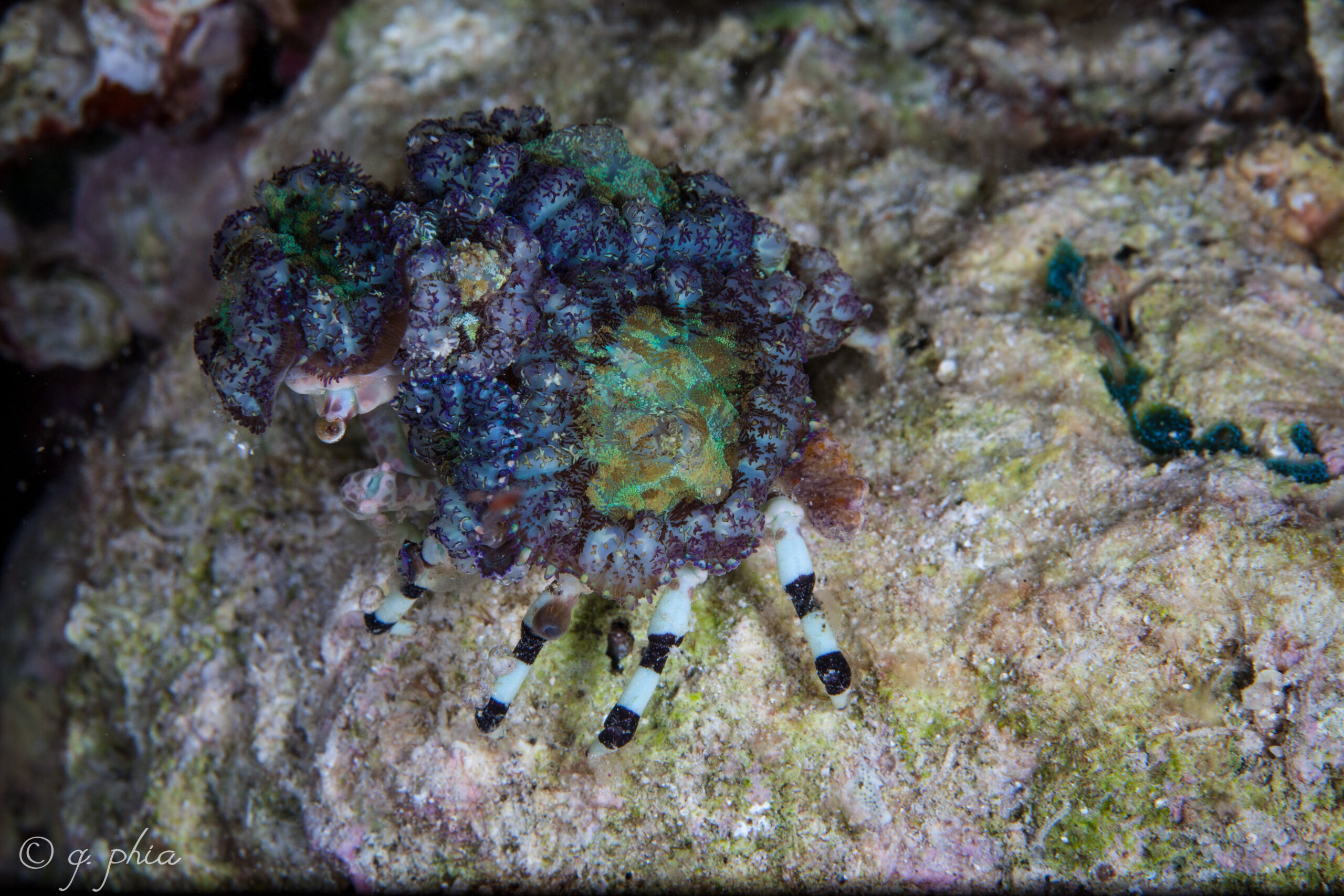 Photo Credit: Christian Ferrer / Wikimedia Commons
In the vibrant underwater world of coral reefs, the Decorator Crab, or Camposcia retusa, makes its home. Picture a small, crafty crab, no larger than a few inches across, scuttling along the seafloor. Its body is not just a simple shell; it is a canvas adorned with bits of seaweed, coral, and even small shells, all carefully chosen to blend seamlessly into its surroundings. This remarkable ability to camouflage itself is not just for show; it helps the crab evade predators and ambush unsuspecting prey. Scientists and nature enthusiasts alike are captivated by this clever crustacean, as it showcases the wonders of adaptation and survival in the ocean’s bustling ecosystem.
As the sun filters through the water, illuminating the colorful corals and swaying sea plants, the Decorator Crab goes about its daily routine. With its keen eye for detail, it forages for materials to enhance its disguise, transforming itself into a living piece of art. This fascinating behavior not only highlights the crab’s resourcefulness but also its role in the marine food web, where it serves as both predator and prey. The Decorator Crab’s unique lifestyle and its intricate relationship with the environment make it a subject of ongoing research, revealing the delicate balance of life beneath the waves. Join us as we dive deeper into the world of Camposcia retusa, exploring its habitat, diet, and the vital role it plays in the ocean’s ecosystem.
The Decorator Crab, scientifically known as Camposcia retusa, holds a special place in the animal kingdom due to its remarkable ability to camouflage itself using materials from its environment. This fascinating crustacean belongs to the phylum Arthropoda, which includes all animals with jointed legs and exoskeletons, like insects and spiders. What sets the Decorator Crab apart is its unique behavior of adorning its shell with bits of algae, sponges, and even small shells, allowing it to blend seamlessly into its surroundings. This clever adaptation not only helps it evade predators but also makes it a captivating subject for marine enthusiasts and researchers alike.
| Taxonomic Rank | Scientific Name | Meaning & Significance |
|---|---|---|
| Kingdom | Animalia | This name signifies that the Decorator Crab is part of the vast group of multicellular organisms known as animals, which are characterized by their ability to move and respond to their environment. |
| Phylum | Arthropoda | Derived from Greek words meaning “jointed feet,” this classification highlights the crab’s jointed limbs and exoskeleton, which are key features of this diverse group. |
| Class | Malacostraca | This term means “soft-bodied,” referring to the flexible body structure of crabs and their relatives, which allows for a wide range of movement in aquatic environments. |
| Order | Decapoda | Meaning “ten-footed,” this name reflects the ten limbs that crabs possess, which are essential for walking, swimming, and manipulating objects in their habitat. |
| Family | Majoidea | This family name is derived from the Latin word for “majestic,” which is fitting given the striking appearance of many crabs in this group, including the Decorator Crab. |
| Genus | Camposcia | This name is thought to be derived from a combination of Greek and Latin roots, possibly referring to the crab’s habitat and its unique adaptations for survival. |
| Species | retusa | This species name comes from the Latin word meaning “cut off” or “truncated,” which may refer to the crab’s distinctive body shape or the way it appears when decorated. |
The classification of the Decorator Crab reveals much about its evolutionary journey. As a member of the Arthropoda phylum, it shares a common ancestry with a vast array of other species, showcasing the incredible diversity of life forms that have adapted to various environments over millions of years. Its unique adaptations, such as camouflage and its specialized body structure, highlight the evolutionary pressures that have shaped its survival strategies in the complex marine ecosystems it inhabits. Understanding its place in the tree of life not only deepens our appreciation for this intriguing crab but also emphasizes the interconnectedness of all living organisms.
The evolutionary journey of the Decorator Crab, belonging to the family Majoidea and the genus Camposcia, stretches back millions of years. These crabs have adapted to their environments in remarkable ways, showcasing the power of evolution in shaping life forms to thrive in diverse habitats. Their story is one of survival, creativity, and the clever use of natural resources.
The ancestors of the Decorator Crab were likely similar to other early crabs, which emerged during the Jurassic period, around 150 million years ago. As they evolved, these crabs began to develop specialized behaviors and physical traits that set them apart. One of the most significant transitions was the development of their unique ability to camouflage. By using materials like algae, sponges, and even small shells, they became masters of disguise, blending seamlessly into their surroundings. This adaptation not only helped them avoid predators but also allowed them to ambush prey more effectively.
The adaptations of the Decorator Crab have been crucial for its survival in the wild. By mastering the art of camouflage, these crabs can evade predators, ensuring they live longer and reproduce successfully. Their ability to adapt to various habitats means they can find food and shelter in diverse environments, making them resilient in the face of changing conditions. This evolutionary tale highlights how creativity and adaptability can lead to success in the natural world, allowing the Decorator Crab to flourish in its underwater realm.
The Decorator Crab is a captivating sight, instantly drawing attention with its quirky and colorful appearance. Its body is compact and robust, typically measuring around 2 to 4 inches across. The crab’s shell is not just a protective barrier; it serves as a canvas for creativity. With a knack for artistry, the Decorator Crab adorns its shell with bits of algae, sponges, and even small rocks, blending seamlessly into its surroundings. This clever disguise helps it evade predators and ambush prey, making it a master of survival in the underwater world.
| Feature | Description |
|---|---|
| Weight | Varies |
| Skin Type | Shell |
| Most Distinctive Feature | Decorates its shell with objects from the environment |
The Decorator Crab’s ability to camouflage itself is not just for show; it plays a crucial role in its survival. By collecting materials from its habitat, the crab can blend into the ocean floor, making it nearly invisible to hungry predators. This clever adaptation allows it to thrive in a world where being seen can mean being eaten. The combination of its sturdy shell and artistic flair creates a perfect balance of protection and stealth, showcasing nature’s ingenuity in the animal kingdom.
The Decorator Crab thrives in vibrant underwater worlds, where soft substrates and coral reefs create a bustling habitat. Picture a lively seascape filled with colorful corals, swaying seaweed, and sandy ocean floors. This environment is not just beautiful; it provides the perfect backdrop for the Decorator Crab to showcase its incredible talent for disguise. By adorning itself with bits of algae, sponges, and other materials, it blends seamlessly into its surroundings, making it a master of camouflage.
The Decorator Crab prefers warm, shallow waters where sunlight can penetrate, allowing for a rich diversity of life. These crabs are often found in areas with gentle currents, which help bring in food and keep their surroundings clean. The soft substrates provide a comfortable place for them to burrow and hide, while the reefs offer plenty of materials to decorate their shells. The climate in these regions is typically warm, with temperatures that support a wide range of marine life, making it an ideal home for the Decorator Crab.
To thrive in these specific habitats, the Decorator Crab has developed some clever adaptations. Its ability to camouflage not only protects it from predators but also allows it to ambush unsuspecting prey. By using materials from its environment, it can change its appearance to match the surrounding corals and seaweeds. This skillful disguise is essential for survival, as it helps the crab remain hidden from larger fish and other threats. In this way, the Decorator Crab has turned its home into a canvas, showcasing nature’s artistry while ensuring its own safety.
As the sun rises over the shimmering ocean, the Decorator Crab begins its daily routine. These small, crafty crabs are often found scuttling along the seafloor, searching for materials to adorn their shells. With a keen eye, they gather bits of algae, small shells, and even pieces of sponge, using these items to create a disguise that helps them blend into their surroundings. This clever behavior not only provides protection from predators but also makes them look like part of the vibrant underwater landscape. Throughout the day, they engage in foraging, carefully picking through the sand and rocks, while occasionally pausing to ensure they remain hidden from any lurking threats.
While Decorator Crabs are primarily solitary creatures, they do exhibit interesting social behaviors during certain times. When they encounter one another, they may engage in brief interactions, often involving displays of their colorful decorations. These interactions can help establish territory and avoid conflicts. Although they prefer to live alone, the occasional meeting can lead to a fascinating exchange of visual signals, as each crab showcases its unique camouflage. This social dynamic, though limited, adds a layer of complexity to their otherwise independent lives.
| Behavior Type | Description |
|---|---|
| Foraging | Decorator Crabs search for materials like algae and shells to decorate their bodies, enhancing their camouflage. |
| Territorial Displays | When encountering other crabs, they may show off their decorations to establish territory and avoid conflict. |
| Hiding | They often remain still and blend into their surroundings to evade predators, using their decorations as effective camouflage. |
The behaviors of the Decorator Crab are essential for its survival in the bustling underwater world. By skillfully camouflaging themselves, they reduce the risk of being spotted by hungry predators. Their solitary nature allows them to maintain a low profile, while their occasional social interactions help them navigate the complexities of their environment. This combination of clever foraging, strategic hiding, and limited social engagement ensures that these crabs can thrive in their vibrant, yet perilous, ocean habitat.
The Decorator Crab is an omnivore, which means it enjoys a varied diet that includes both plant and animal matter. This clever little crab has a knack for foraging, using its surroundings to find food. It primarily feeds on invertebrates, such as small mollusks and other crustaceans, but it also nibbles on fish and squid when the opportunity arises. By scuttling along the ocean floor, the Decorator Crab uses its keen eyesight to spot potential meals, often hiding among the corals and seaweed to ambush unsuspecting prey.
| Dietary Aspect | Details |
|---|---|
| Diet Type | Omnivore |
| Favorite Foods | Invertebrates, fish, squid, other crustaceans |
| Prey Items | Small mollusks, shrimp, and other small marine animals |
| Hunting/Foraging Strategies | Scuttles along the seafloor, camouflaging itself to ambush prey |
This diverse diet plays a crucial role in the Decorator Crab’s ecology and daily life. By consuming a variety of foods, it helps maintain the balance of its underwater habitat, controlling the populations of smaller marine creatures. Additionally, its foraging behavior not only provides sustenance but also reinforces its ability to blend into the environment, making it a master of disguise. This clever strategy allows the crab to thrive in its vibrant ecosystem while avoiding predators, ensuring its survival in the bustling underwater world.
During the breeding season, which typically occurs in warmer months, Decorator Crabs engage in intriguing mating behaviors. Males often display their vibrant colors and elaborate decorations to attract females. Once a female is ready to mate, she will signal her interest, and the pair will engage in a courtship dance, showcasing their unique adornments. This ritual not only strengthens their bond but also ensures that the female selects a mate with the best camouflage, which is crucial for the survival of their offspring.
| Reproductive Aspect | Details |
|---|---|
| Gestation Period | Approximately 2 to 3 weeks |
| Litter Size | Up to 1,000 eggs |
| Age of Maturity | About 6 to 12 months |
| Name of Young | Zoea |
After the eggs are fertilized, the female carries them under her abdomen until they hatch into tiny larvae called Zoea. These delicate young crabs drift in the ocean currents, feeding on plankton and growing rapidly. As they develop, they undergo several molts, shedding their exoskeletons to accommodate their growing bodies. Parental care is minimal, as the young are left to fend for themselves in the vast ocean. However, their ability to camouflage, inherited from their parents, helps them evade predators as they transition into adulthood. Eventually, they settle on the seafloor, where they continue to grow and adopt the same crafty decorating habits that define their species.
The Decorator Crab plays a vital role in its underwater ecosystem, serving as both predator and prey. Positioned within the food web, it helps maintain the balance of marine life by feeding on small organisms while also being a target for larger animals. This crab’s ability to blend into its surroundings makes it a clever survivor, but it still faces numerous dangers in its ocean home.
To defend itself against these threats, the Decorator Crab employs a variety of survival strategies. Its most famous tactic is camouflage, as it decorates its shell with bits of algae, sponges, and even small shells, making it nearly invisible among the ocean floor. When threatened, it can quickly scuttle away to hide in crevices or under rocks. Additionally, its hard exoskeleton provides a layer of protection against predators. By using these clever adaptations, the Decorator Crab continues to thrive in a world full of challenges.
A keystone species is an organism that has a disproportionately large impact on its environment relative to its abundance. These species play critical roles in maintaining the structure of an ecosystem. The Decorator Crab, known scientifically as Camposcia retusa, qualifies as a keystone species due to its unique behaviors and interactions within its marine habitat. By influencing the dynamics of its ecosystem, this crafty crab helps to shape the underwater world around it.
The Decorator Crab is a master of disguise, using materials from its surroundings—like algae, sponges, and even small shells—to camouflage itself. This behavior not only protects the crab from predators but also affects the organisms around it. For instance, by covering itself with bits of coral or seaweed, the crab can alter the local biodiversity. This camouflage can influence the feeding habits of larger predators, as they may overlook the crab while hunting for more visible prey. Additionally, the crab’s foraging habits help control the growth of certain algae and plant species, promoting a balanced ecosystem.
Moreover, the Decorator Crab serves as a food source for various marine animals, including fish and larger crustaceans. By being part of the food web, it supports the survival of these predators. Its omnivorous diet allows it to consume both plant and animal matter, which helps recycle nutrients back into the ecosystem. This nutrient cycling is essential for the health of the reef, as it supports the growth of corals and other marine life.
If the Decorator Crab were to disappear, the effects on its ecosystem could be significant. Without this crab, the balance of predator and prey dynamics would shift, potentially leading to an overpopulation of certain species that the crab helps control. Algae could grow unchecked, smothering corals and disrupting the delicate balance of the reef. The loss of this keystone species would ripple through the food web, affecting not just the Decorator Crab’s immediate neighbors but the entire marine community. The vibrant underwater world we cherish could become less diverse and less resilient, highlighting the importance of every species, no matter how small.
The Decorator Crab, known scientifically as Camposcia retusa, occupies a fascinating ecological niche in marine environments. By skillfully camouflaging itself with materials from its surroundings, this crafty crustacean not only protects itself from predators but also influences the dynamics of its ecosystem. Found primarily in soft substrates and coral reefs, the Decorator Crab plays a vital role in maintaining the balance of life beneath the waves.
| Ecosystem Service | Impact |
|---|---|
| Camouflage | Helps avoid predators and influences predator-prey interactions. |
| Habitat Modification | Contributes to the structure of the reef by collecting materials. |
| Food Source | Serves as prey for larger marine animals, supporting the food web. |
| Foraging Behavior | Helps control algal growth by feeding on various organisms. |
The Decorator Crab’s influence extends beyond its own survival. By adorning itself with bits of algae, sponges, and even small shells, it not only becomes less visible to predators but also alters the appearance of its habitat. This behavior can affect the growth of algae and other organisms on the reef, as the crab’s foraging helps to keep these populations in check. Additionally, as it scuttles along the seafloor, it stirs up sediment, which can enhance nutrient cycling in the ecosystem, promoting a healthier environment for other marine life.
The broader ecological importance of the Decorator Crab cannot be overstated. As a keystone species, it plays a crucial role in maintaining the structure and function of its ecosystem. By influencing predator-prey dynamics and contributing to habitat complexity, the Decorator Crab helps ensure the health and diversity of marine environments. Its unique adaptations and behaviors remind us of the intricate connections that exist in nature, where even the smallest creatures can have a significant impact on the world around them.
In the intricate web of life beneath the waves, symbiosis plays a crucial role in shaping the relationships between different species. Symbiosis refers to the close interactions between organisms, which can be beneficial, harmful, or neutral. These ecological relationships can take many forms, such as mutualism, where both species gain advantages, parasitism, where one benefits at the other’s expense, and commensalism, where one species benefits while the other is neither helped nor harmed. The Decorator Crab, known for its clever camouflage, engages in various partnerships that highlight the complexity of marine ecosystems.
| Species/Type | Relationship Type | Description |
|---|---|---|
| Sea Anemones | Mutualistic | The Decorator Crab often adorns itself with sea anemones, which provide protection from predators while the crab helps the anemone by keeping it clean and possibly providing nutrients through its waste. |
| Algae | Commensal | Decorator Crabs may carry algae on their shells, benefiting from the camouflage it provides without significantly affecting the algae. |
| Small Fish | Parasitic | In some cases, small fish may take refuge in the crab’s decorations, feeding on parasites that could harm the crab, but the crab itself may not gain any direct benefit from this relationship. |
The evolution of these relationships showcases the adaptability and resourcefulness of the Decorator Crab. Over time, these partnerships have developed as a means of survival, allowing the crab to thrive in its environment. By forming connections with other species, the Decorator Crab not only enhances its own chances of survival but also contributes to the health of the ecosystem. These interactions remind us of the delicate balance in nature, where cooperation and competition coexist, shaping the vibrant tapestry of life in our oceans.
The Decorator Crab is a true marvel of the ocean, showcasing an incredible ability to blend into its surroundings. This crafty little crab not only uses its environment for protection but also adds a splash of creativity to its appearance. Here are some surprising facts that reveal just how extraordinary this creature is.
The Decorator Crab, known scientifically as Camposcia retusa, has intrigued humans for centuries. Historically, these crabs have been a source of fascination for coastal communities, often appearing in folklore and art. Their remarkable ability to camouflage themselves by adorning their shells with bits of seaweed, coral, and other materials has inspired stories and cultural significance. In some cultures, the crab’s unique appearance has been celebrated in local crafts and decorations, symbolizing creativity and adaptability in the face of changing environments.
In modern times, the relationship between Decorator Crabs and humans has evolved, reflecting both conservation efforts and challenges. As marine ecosystems face threats from pollution and climate change, these crabs serve as indicators of ocean health. Conservationists study their habitats to better understand the impacts of human activity on marine life. However, conflicts arise as coastal development and overfishing disrupt their environments. Some people even keep Decorator Crabs in aquariums, appreciating their beauty and unique behaviors, but this practice raises questions about the sustainability of removing them from their natural habitats.
As we look to the future, the relationship between Decorator Crabs and humanity holds both promise and responsibility. With increased awareness of marine conservation, there is hope that we can protect their habitats while appreciating their unique role in the ecosystem. By fostering a deeper understanding of these fascinating creatures, we can ensure that future generations will continue to marvel at their beauty and adaptability, celebrating the intricate connections between all life in our oceans.
The Decorator Crab, known scientifically as Camposcia retusa, currently holds a conservation status of “Not Listed” according to the International Union for Conservation of Nature (IUCN). This means that there is not enough information to determine if the species is facing significant threats or is at risk of extinction. While population estimates are not precisely known, the Decorator Crab appears to be relatively stable in its natural habitats, which include coral reefs and soft substrates in warm ocean waters. However, ongoing monitoring is essential to ensure that any potential changes in their population can be addressed promptly.
| Conservation Factor | Status/Details |
|---|---|
| IUCN Status | Not Listed |
| Population Estimates | Not precisely known |
| Trend Direction | Stable |
The main threats to the Decorator Crab stem from habitat loss and degradation, primarily due to human activities. Coral reefs, their preferred homes, are increasingly threatened by climate change, pollution, and destructive fishing practices. As ocean temperatures rise and water quality declines, the delicate balance of these ecosystems is disrupted, potentially impacting the Decorator Crab’s ability to find food and suitable materials for camouflage. Additionally, overfishing can reduce the availability of prey species, further stressing their populations.
Conservation efforts for the Decorator Crab are closely tied to the health of coral reef ecosystems. Protecting these habitats through marine reserves and sustainable fishing practices can help ensure that the Decorator Crab continues to thrive. Organizations and researchers are working to raise awareness about the importance of coral reefs and the species that depend on them. With continued efforts to monitor their populations and protect their environments, the outlook for the Decorator Crab remains cautiously optimistic, as long as we prioritize the health of our oceans.
| Question | Answer |
|---|---|
| What is the habitat of the Decorator Crab? | Decorator Crabs are typically found in soft substrates and coral reefs. These environments provide them with plenty of materials to decorate their shells, which helps them blend in with their surroundings. |
| What do Decorator Crabs eat? | Decorator Crabs are omnivores, meaning they eat both plants and animals. Their diet includes algae, small invertebrates, and detritus, which is decomposing organic material. |
| How do Decorator Crabs behave in their environment? | These crabs are known for their unique behavior of decorating their shells with objects like seaweed, sponges, and even small shells. This not only makes them look interesting but also helps them avoid predators by camouflaging them in their habitat. |
| How do Decorator Crabs reproduce? | During mating season, male Decorator Crabs attract females by displaying their decorated shells. After mating, females lay eggs, which they carry under their bodies until they hatch into tiny larvae. |
| What threats do Decorator Crabs face? | Decorator Crabs face threats from habitat destruction, pollution, and climate change. These factors can affect their food sources and the health of the reefs they depend on for survival. |
| What is a distinctive feature of the Decorator Crab? | The most distinctive feature of the Decorator Crab is its ability to decorate its shell with various objects from its environment. This behavior not only serves as camouflage but also showcases their adaptability and creativity. |
| Are Decorator Crabs endangered? | Decorator Crabs are currently not listed as endangered. However, their populations can be affected by environmental changes, so it's important to monitor their habitats to ensure their survival. |