Taxonomy & Classification
- Kingdom
- Animalia
- Phylum
- Chordata
- Class
- Mammalia
- Order
- Artiodactyla
- Family
- Bovidae
- Genus
- Madoqua
- Species
- Madoqua

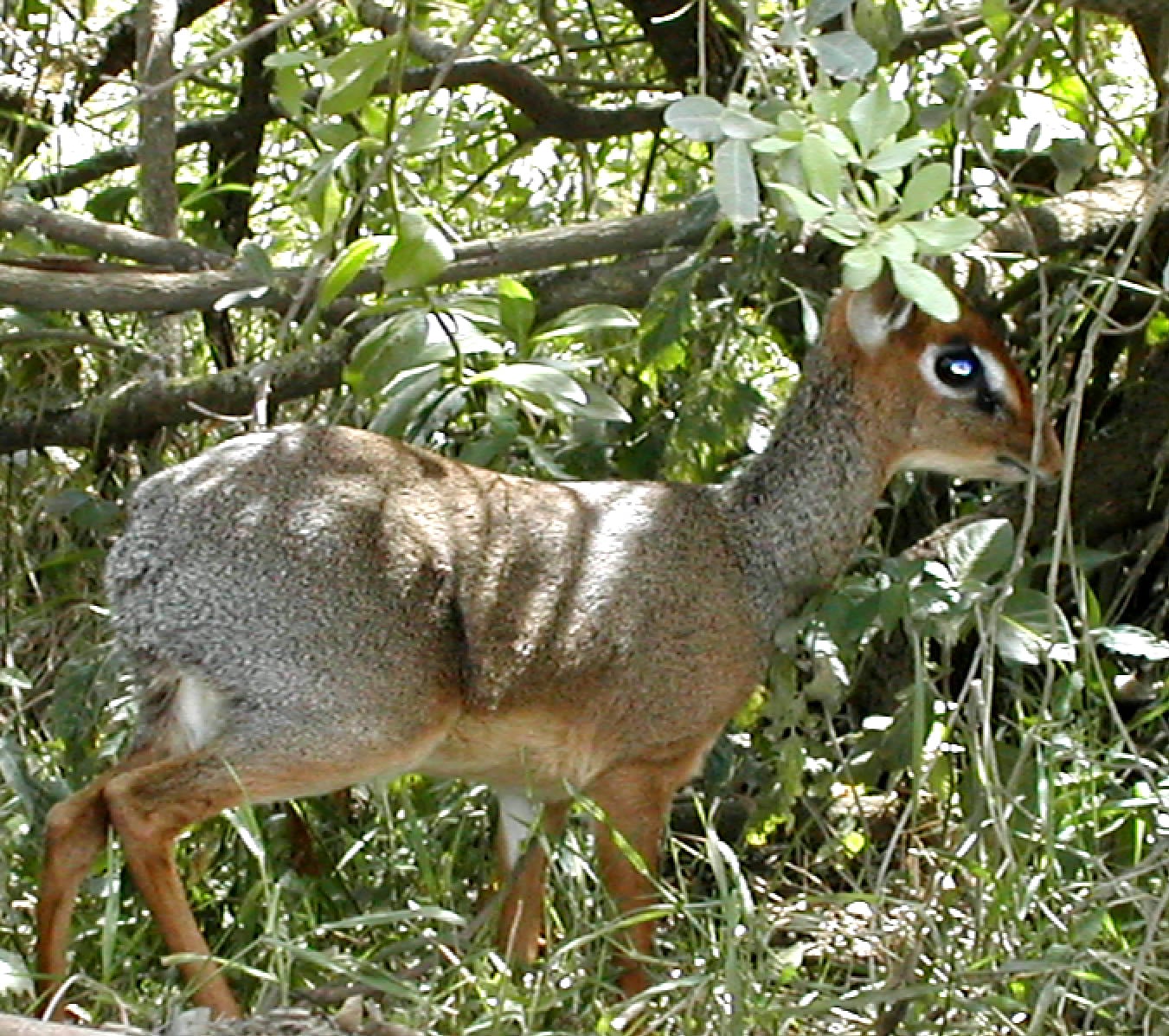 Photo Credit: Angela Sevin from SF Bay Area, US / Wikimedia
In the sun-drenched savannahs of Africa, the dik-dik, scientifically known as Madoqua, dances gracefully through the tall grasses. This petite antelope, standing only 12 to 16 inches tall at the shoulder, is a marvel of nature, captivating both scientists and wildlife enthusiasts alike. With its large, expressive eyes and delicate features, the dik-dik is not just a sight to behold; it embodies the intricate beauty of its ecosystem. Its small size and nimble movements allow it to navigate the dense shrublands and acacia-dotted landscapes with ease, making it a master of camouflage and agility.
What truly sets the dik-dik apart is its unique adaptations for survival. These charming creatures are herbivores, primarily munching on tender leaves, shoots, and fruits, which they find in their arid habitat. Their keen sense of smell and sharp hearing help them detect predators lurking nearby, while their remarkable ability to remain still allows them to blend seamlessly into their surroundings. As the sun rises and sets over the African plains, the dik-dik’s daily rituals unfold, revealing a world of social interactions and survival strategies that are as fascinating as they are essential to the balance of their environment. Join us as we explore the life of the dik-dik, uncovering the secrets of this enchanting antelope and its vital role in the rich tapestry of African wildlife.
The dik-dik is a small antelope that holds a special place in the animal kingdom, showcasing the incredible diversity of life on Earth. Scientifically classified within the kingdom Animalia, the phylum Chordata, and the class Mammalia, this tiny creature belongs to the order Artiodactyla, which includes even-toed ungulates like deer and cattle. What sets the dik-dik apart is its petite size, with adults standing only about 12 to 16 inches tall at the shoulder. Their large, expressive eyes and elongated snouts give them a distinctive appearance, while their ability to thrive in the arid savannas of East Africa highlights their remarkable adaptations to a challenging environment.
| Taxonomic Rank | Scientific Name | Meaning & Significance |
|---|---|---|
| Kingdom | Animalia | This name signifies that dik-diks are part of the vast group of multicellular organisms known as animals, which are characterized by their ability to move and respond to their environment. |
| Phylum | Chordata | Chordata means “having a notochord,” a flexible rod that supports the body. In dik-diks, this structure is present during their early development, showcasing their vertebrate lineage. |
| Class | Mammalia | Mammalia refers to mammals, which are warm-blooded animals that possess mammary glands to nurse their young. This classification highlights the dik-dik’s nurturing behavior and biological traits. |
| Order | Artiodactyla | Artiodactyla means “even-toed,” indicating that dik-diks have an even number of toes on each foot, a characteristic that aids in their swift movement across the savanna. |
| Family | Bovidae | Bovidae includes animals like antelopes, goats, and cattle. The name reflects their shared traits, such as having hollow horns and a ruminant digestive system, which helps them efficiently process plant material. |
| Genus | Madoqua | The genus name Madoqua is derived from a local term for small antelopes in East Africa, emphasizing the dik-dik’s small size and its adaptation to its habitat. |
The classification of the dik-dik reveals much about its evolutionary history and ecological niche. As a member of the Bovidae family, it shares common ancestry with other hoofed mammals, which have adapted to various environments over millions of years. The dik-dik’s small stature and unique adaptations, such as its ability to survive with minimal water, illustrate how evolution shapes species to thrive in specific habitats. This tiny antelope not only contributes to the rich tapestry of life in the savanna but also serves as a reminder of the intricate connections that bind all living organisms together in the grand story of evolution.
The evolutionary journey of the dik-dik, a small antelope belonging to the Bovidae family, stretches back millions of years. These charming animals are part of the genus Madoqua, which has adapted to the arid landscapes of eastern and southern Africa. Their story is one of survival and adaptation, shaped by the changing environments and challenges they faced over time.
Dik-diks are believed to have evolved from larger ancestors that roamed the African savannas. As the climate shifted and habitats changed, these ancestors gradually adapted to smaller sizes, which allowed them to thrive in dense bush and scrubland. This transition was crucial, as it enabled them to escape predators more effectively and utilize the limited resources available in their environment. Over time, their bodies became more streamlined, and they developed specialized features that enhanced their survival.
These adaptations have been vital for the dik-dik’s survival in a challenging environment. Their small size and camouflage help them avoid detection by predators, while their social structures and communication skills enhance their chances of staying safe. As they continue to thrive in their habitats, dik-diks remind us of the incredible ways life can adapt and flourish in the face of change.
The dik-dik is a delightful little antelope that captures the imagination with its petite stature and charming features. Standing only 12 to 16 inches tall at the shoulder, this nimble creature weighs between 7 and 14 pounds, making it one of the smallest members of the antelope family. Its body is slender and graceful, perfectly designed for darting through the underbrush of its savanna and woodland habitats. The most distinctive aspect of the dik-dik is its small, pointed snout, which gives it a curious and endearing appearance.
| Feature | Description |
|---|---|
| Height | 12-16 inches |
| Weight | 7-14 lbs |
| Skin Type | Hair |
| Most Distinctive Feature | Small pointed snout |
These physical characteristics are not just for show; they play vital roles in the dik-dik’s survival. The small size allows it to navigate through dense vegetation, where larger animals might struggle. Its pointed snout is perfectly adapted for foraging, helping it reach tender leaves and shoots. The hair covering its body provides protection from the elements and helps it blend into its surroundings, making it less visible to predators. Together, these features create a well-rounded package that enables the dik-dik to thrive in its natural habitat, showcasing the beauty of evolution in action.
The dik-dik calls the sun-drenched savannahs and lush shrublands of Africa its home. Picture wide-open spaces dotted with acacia trees, where the golden grass sways gently in the breeze. These small antelopes thrive in areas filled with bushes and shrubs, which provide both food and shelter. Their habitat is a vibrant tapestry of life, where the sounds of chirping birds and rustling leaves create a symphony of nature.
Dik-diks prefer warm climates, typically found in regions where temperatures can soar during the day. They thrive in environments that experience a mix of dry and wet seasons, allowing for a variety of plant life to flourish. The shrubs and bushes they inhabit not only offer food but also protection from predators. These areas often have a rich diversity of flora, which supports the dik-dik’s diet of leaves, shoots, and fruits.
To survive in their specific habitats, dik-diks have developed several clever adaptations. Their small size allows them to navigate through dense vegetation with ease, while their keen eyesight helps them spot danger from afar. Additionally, they are known for their ability to remain still and blend into their surroundings, making it harder for predators to spot them. This combination of agility and camouflage ensures that these delightful antelopes can thrive in the wild, even in the face of challenges.
As the sun rises over the African savannah, the dik-dik begins its day with a series of gentle stretches and cautious movements. These small antelopes are most active during the early morning and late afternoon, when the temperatures are cooler. They spend their time foraging for leaves, fruits, and tender shoots, using their keen sense of smell to locate the best snacks. With their large, expressive eyes, dik-diks are always on the lookout for potential predators, making quick, agile leaps to escape danger.
Dik-diks are known for their strong pair bonds, often seen in couples that stick together throughout the year. This social structure helps them navigate their environment more safely. While they may not form large herds like some other antelopes, these pairs communicate through a variety of sounds, including soft whistles and snorts. When danger approaches, they may also use a unique alarm call to warn their partner, ensuring that both are alert and ready to flee if needed.
| Behavior Type | Description |
|---|---|
| Activity Patterns | Dik-diks are crepuscular, meaning they are most active during dawn and dusk, foraging for food when temperatures are cooler. |
| Social Structure | They typically form monogamous pairs, maintaining strong bonds with their mate throughout the year. |
| Communication Methods | Dik-diks communicate using a range of sounds, including soft whistles and alarm calls to alert their partner of danger. |
In the wild, these behaviors are crucial for survival. By forming pairs, dik-diks can keep a watchful eye on their surroundings, increasing their chances of spotting predators early. Their communication skills further enhance their ability to stay safe, allowing them to react quickly to threats. This combination of social bonding and alertness helps ensure that these charming little antelopes thrive in their sunlit habitat.
The dik-dik is a herbivore, which means it primarily eats plants. These small antelopes have a diet that consists mainly of leaves, shoots, and fruits. They are particularly fond of tender vegetation found in their savannah and shrubland habitats. To obtain food, dik-diks use their keen sense of smell and sharp eyesight to locate tasty morsels. They often forage alone or in pairs, nibbling on the foliage while remaining alert to potential predators.
| Dietary Aspect | Details |
|---|---|
| Diet Type | Herbivore |
| Favorite Foods | Leaves, shoots, and fruits |
| Prey Items | None (as herbivores, they do not hunt) |
| Hunting/Foraging Strategies | Forage alone or in pairs, using keen senses to locate food |
The dik-dik’s diet plays a crucial role in its ecology and daily routine. By feeding on a variety of plants, these antelopes help maintain the balance of their ecosystem, promoting healthy plant growth. Their foraging habits also influence the distribution of plant species in their habitat. Additionally, their feeding times align with their active periods, allowing them to maximize their energy while staying vigilant against predators. This delicate balance of eating and evading danger is essential for their survival in the wild.
When it comes to mating, dik-diks are quite the romantic little antelopes! Their breeding season typically peaks during the rainy months, when food is plentiful and conditions are just right for raising young. Males are known to establish territories and attract females with their charming displays and soft vocalizations. Once a female is ready to mate, she will signal her interest, and the pair will engage in a courtship dance, which includes playful leaps and gentle nudges. This bonding ritual helps strengthen their connection before they embark on the journey of parenthood.
| Reproductive Aspect | Details |
|---|---|
| Gestation Period | 5-6 months |
| Litter Size | 1 |
| Age of Sexual Maturity | 12 months |
| Name of Young | Calf |
Once the calf is born, the mother dik-dik takes on the important role of caregiver. She is incredibly attentive, often hiding her young in dense vegetation to protect them from predators. For the first few weeks, the calf remains hidden while the mother forages for food nearby. This strategy keeps the little one safe while it grows stronger. As the calf matures, it will begin to follow its mother and learn essential survival skills, such as finding food and avoiding danger. By around one year of age, the young dik-dik is ready to venture out on its own, continuing the cycle of life in the vibrant African landscape.
In the intricate web of life, the dik-dik occupies a delicate position as both prey and herbivore. These small antelopes are a vital food source for various predators, which helps maintain the balance of their ecosystem. However, their size and gentle nature make them particularly vulnerable to a range of threats, both natural and human-induced.
To survive in the face of these dangers, dik-diks have developed several clever strategies. They rely on their keen senses to detect predators from a distance, often using their excellent eyesight and acute hearing to stay alert. When threatened, these nimble antelopes can make quick, zigzagging escapes, darting through the underbrush to evade capture. Additionally, their small size allows them to hide in dense vegetation, making it harder for predators to spot them. By combining these defensive behaviors with their natural instincts, dik-diks continue to thrive in their challenging environment.
A keystone species is an organism that plays a crucial role in maintaining the structure of its ecosystem. Its presence or absence can significantly impact the environment and other species within it. The dik-dik, a small antelope found in the savannahs and shrublands of Africa, does not fit the traditional definition of a keystone species. However, it still plays an important role in its habitat, influencing the dynamics of its ecosystem in various ways.
Dik-diks primarily feed on leaves, shoots, and fruits, which means they help control plant growth. By grazing on certain plants, they prevent any one species from dominating the landscape. This grazing behavior promotes biodiversity, allowing a variety of plants to thrive. Additionally, their foraging habits create open spaces in the vegetation, which can benefit other animals that rely on these areas for shelter or foraging.
Moreover, dik-diks serve as a vital food source for predators such as birds of prey and larger carnivores. Their presence supports the food web, as these predators rely on them for sustenance. When dik-diks are abundant, they help sustain the populations of these predators, which in turn helps regulate herbivore populations in the ecosystem. This balance is essential for maintaining a healthy environment.
If dik-diks were to disappear from their ecosystem, the effects could be significant. Without these small antelopes, plant species they typically graze on might become overly abundant, leading to a decline in plant diversity. This could disrupt the balance of the ecosystem, affecting not only the plants but also the animals that depend on them for food and shelter. Additionally, predators that rely on dik-diks for food would face challenges, potentially leading to a decline in their populations as well. The intricate web of life in the savannah would be altered, demonstrating just how interconnected all species are within their habitats.
The dik-dik, a small antelope native to the savannahs and shrublands of Africa, plays a vital role in its ecosystem. As a herbivore, it primarily feeds on leaves, shoots, and fruits, which helps shape the plant community in its habitat. By grazing on certain plants, dik-diks can influence which species thrive and which ones decline, creating a dynamic balance in their environment. This delicate interaction not only supports the dik-dik’s survival but also affects many other species that share its habitat.
| Ecosystem Service | Impact |
|---|---|
| Plant Grazing | Controls plant growth and diversity |
| Seed Dispersal | Helps spread seeds through droppings |
| Prey for Predators | Supports predator populations |
| Soil Fertility | Contributes nutrients through waste |
Dik-diks influence their environment in several specific ways. By selectively grazing on certain plants, they help maintain a balance between different species, preventing any one type from dominating the landscape. This grazing behavior encourages a variety of plants to flourish, which in turn supports a diverse array of insects and other wildlife. Additionally, when dik-diks eat fruits and leaves, they often disperse seeds through their droppings, promoting plant growth in new areas. This natural process is essential for the regeneration of their habitat.
The broader ecological importance of the dik-dik cannot be overstated. As a keystone species, its presence helps maintain the structure of the savannah ecosystem. Without dik-diks, the balance of plant life could shift dramatically, leading to a decline in biodiversity. This ripple effect can impact not only the plants and animals that share their habitat but also the overall health of the ecosystem. By understanding the role of the dik-dik, we gain insight into the intricate web of life that sustains our planet.
In the vibrant tapestry of nature, symbiosis refers to the close and often long-term interactions between different species. These relationships can take many forms, including mutualism, where both species benefit, commensalism, where one benefits while the other is neither helped nor harmed, and parasitism, where one species benefits at the expense of the other. The dik-dik, a small antelope found in Africa’s savannahs and shrublands, engages in various ecological partnerships that highlight the interconnectedness of life.
| Species/Type | Relationship Type | Description |
|---|---|---|
| Oxpecker Birds | Mutualistic | Oxpeckers perch on dik-diks, eating ticks and parasites from their skin. This helps keep the dik-dik healthy while providing food for the birds. |
| Acacia Trees | Commensal | Dik-diks often feed on the leaves and shoots of acacia trees. The trees benefit from the dik-dik’s grazing, as it helps control their growth, but the trees are not significantly affected. |
| Predators (e.g., Lions) | Parasitic | While not a direct relationship, dik-diks are prey for larger predators like lions. This relationship benefits the predators by providing them with food, but it poses a threat to the dik-dik population. |
These relationships have evolved over time, shaped by the needs and behaviors of the species involved. The mutualistic bond between dik-diks and oxpecker birds is a perfect example of how cooperation can enhance survival. By allowing birds to feed on their parasites, dik-diks gain a health advantage, while the birds secure a reliable food source. Similarly, the relationship with acacia trees illustrates how species can coexist and benefit from one another without causing harm. In contrast, the predatory relationship with lions serves as a reminder of the harsh realities of nature, where survival often hinges on the delicate balance of predator and prey. Through these interactions, dik-diks contribute to the rich ecological web that sustains life in their habitat.
The dik-dik, a tiny antelope found in the African savannahs, is full of surprises that even seasoned nature enthusiasts might not know. These little creatures are not just adorable; they have some fascinating traits and behaviors that make them truly special.
The dik-dik, a small antelope native to the African savannahs, has long captured the attention of humans. Historically, these charming creatures have been featured in local folklore and art, symbolizing grace and agility. In many cultures, the dik-dik represents the beauty of the wild, often serving as a reminder of the delicate balance between nature and humanity. Their small size and gentle demeanor have made them a subject of fascination, inspiring stories and cultural significance across various African communities.
Today, the relationship between dik-diks and humans is complex and multifaceted. As habitats change due to agriculture and urban development, these little antelopes face challenges that threaten their survival. Conservation efforts are underway to protect their natural habitats and ensure their populations remain stable. However, conflicts can arise when dik-diks venture into farmland, leading to competition for resources. While domestication is not a common practice for dik-diks, their presence in wildlife reserves and national parks highlights the importance of coexistence and the need for sustainable practices that benefit both humans and wildlife.
Looking ahead, the future of the dik-dik and its relationship with humanity hinges on our ability to adapt and find harmony with nature. As awareness grows about the importance of biodiversity and the role of each species in the ecosystem, there is hope for a more sustainable coexistence. By fostering respect for these delightful antelopes and their habitats, we can ensure that future generations will continue to marvel at their beauty and grace in the wild.
The dik-dik, a small and enchanting antelope, currently holds a conservation status of “Least Concern” according to the International Union for Conservation of Nature (IUCN). This means that, at present, the species is not facing an immediate threat of extinction. However, while the overall population size is classified as unknown, it is essential to monitor their numbers closely to ensure they remain stable.
| Conservation Factor | Status/Details |
|---|---|
| IUCN Status | Least Concern |
| Estimated Population Size | Unknown |
| Population Trend | Stable |
Despite their current status, dik-diks face several challenges that could impact their future. Habitat loss is a significant threat, primarily due to human activities such as agriculture and urban development. As people expand their farms and towns, the natural spaces where dik-diks thrive are shrinking. Additionally, hunting and poaching pose risks, as these small antelopes can be targeted for their meat and hides.
Conservation efforts are underway to protect the dik-dik and its habitat. Various organizations are working to raise awareness about the importance of preserving the savannah ecosystems where these charming antelopes live. By promoting sustainable land use and protecting natural areas, conservationists aim to ensure that dik-diks continue to roam the African landscapes for generations to come. With ongoing efforts and community involvement, the outlook for this delightful species remains hopeful.
| Question | Answer |
|---|---|
| What is a Dik-Dik's habitat? | Dik-Diks are typically found in the savannahs and shrublands of eastern and southern Africa. They prefer areas with plenty of bushes and shrubs, which provide both food and cover from predators. |
| What do Dik-Diks eat? | As herbivores, Dik-Diks primarily eat leaves, shoots, and fruits. They are known to be selective feeders, choosing the most nutritious plants available in their environment. |
| How do Dik-Diks behave in the wild? | Dik-Diks are generally shy and elusive animals. They are known for their unique behavior of freezing in place when they sense danger, which helps them avoid detection by predators. |
| How do Dik-Diks reproduce? | Dik-Diks are monogamous, meaning they form pairs that mate for life. The female typically gives birth to a single fawn after a gestation period of about six months, and the young are hidden in dense vegetation for safety. |
| What are the main threats to Dik-Diks? | While Dik-Diks are currently classified as Least Concern, they face threats from habitat loss due to agriculture and urban development. Predators like leopards and hyenas also pose a risk to their survival. |
| What is a unique characteristic of Dik-Diks? | One of the most distinctive features of Dik-Diks is their small, pointed snout. This unique shape helps them forage for food and is part of what makes them so adorable! |
| How do Dik-Diks communicate? | Dik-Diks communicate using a variety of sounds, including whistles and snorts. They also use scent marking to establish territory and communicate with other Dik-Diks in the area. |