Taxonomy & Classification
- Kingdom
- Animalia
- Phylum
- Chordata
- Class
- Aves
- Order
- Columbiformes
- Family
- Columbidae
- Genus
- Raphus
- Species
- Raphus cucullatus

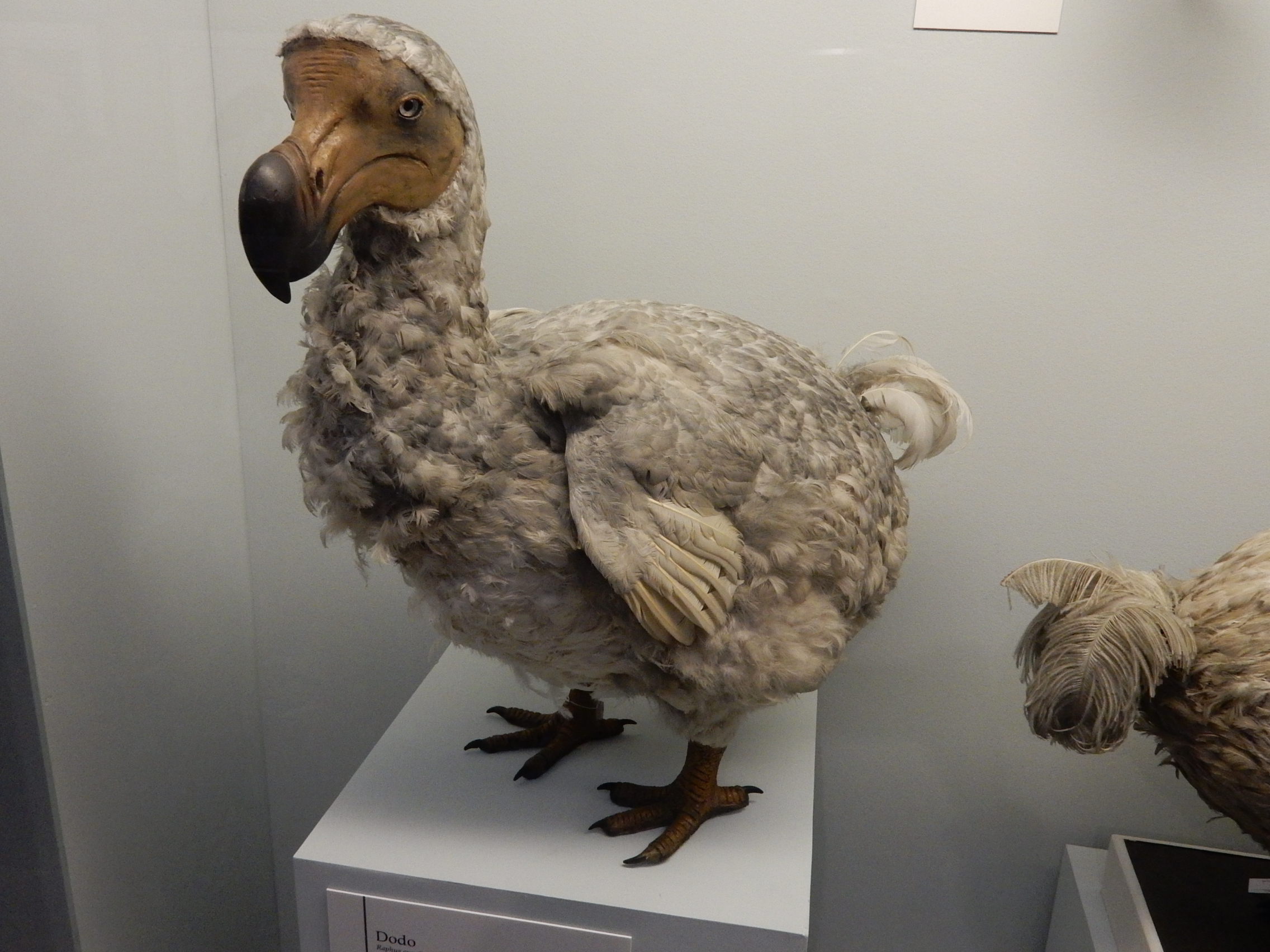 Photo Credit: Julienhoffmann / Wikimedia Commons
In the heart of the Indian Ocean, the dodo, known scientifically as Raphus cucullatus, once thrived in the vibrant forests of Mauritius. Picture a lush paradise, where towering trees stretch toward the sky, their leaves whispering in the gentle breeze. Amidst this greenery, the dodo stood out with its plump body, stout beak, and fluffy, grayish feathers. This flightless bird, about the size of a turkey, was a true marvel of evolution, perfectly adapted to its island home. Its curious appearance, with a large, rounded belly and a tuft of curly feathers on its rear, has captivated the imaginations of scientists and nature lovers alike.
The dodo’s story is not just one of beauty but also of mystery and loss. Once a keystone species in its ecosystem, the dodo played a vital role in maintaining the balance of life on Mauritius. As an omnivore, it foraged for fruits, seeds, and even small invertebrates, helping to disperse seeds and promote plant growth. However, the arrival of humans and invasive species led to its tragic extinction in the late 17th century. Today, the dodo serves as a poignant reminder of the delicate connections within ecosystems and the importance of conservation. Join us as we explore the fascinating life of this extraordinary bird, its unique adaptations, and the lessons it leaves behind for future generations.
The dodo, a flightless bird that once roamed the lush forests of Mauritius, holds a special place in the tree of life. Taxonomically, it belongs to the Kingdom Animalia, Phylum Chordata, Class Aves, Order Columbiformes, Family Columbidae, and Genus Raphus. What makes the dodo particularly intriguing is its evolutionary journey. This bird, which became extinct in the late 17th century, is often remembered as a symbol of extinction and human impact on the environment. Its unique adaptations, such as a stout body and a large beak, reflect its specialized lifestyle on an island where it had few natural predators.
| Taxonomic Rank | Scientific Name | Meaning & Significance |
|---|---|---|
| Kingdom | Animalia | This term means “animals” and includes all multicellular organisms that are not plants, fungi, or bacteria. |
| Phylum | Chordata | Chordata refers to animals with a backbone, which includes mammals, birds, reptiles, amphibians, and fish. |
| Class | Aves | Aves is the class of birds, characterized by feathers, beaks, and the ability to lay eggs. |
| Order | Columbiformes | This order includes pigeons and doves, known for their stout bodies and strong, pointed beaks. |
| Family | Columbidae | Columbidae is the family of pigeons and doves, which are often social and can be found in various habitats. |
| Genus | Raphus | The name Raphus is derived from the Greek word for “to seize,” reflecting the dodo’s unique feeding habits and adaptations. |
The classification of the dodo reveals much about its evolutionary history. As a member of the Columbidae family, it shares a common ancestor with modern pigeons and doves, showcasing how species can adapt to their environments in remarkable ways. The dodo’s flightlessness is a prime example of island evolution, where isolation leads to unique adaptations. Understanding its place in the tree of life not only highlights the dodo’s distinct characteristics but also serves as a poignant reminder of the fragility of ecosystems and the importance of conservation.
The story of the dodo begins millions of years ago, during a time when the Earth was a very different place. This flightless bird, known scientifically as Raphus cucullatus, evolved on the isolated island of Mauritius in the Indian Ocean. The dodo’s ancestors were likely small, pigeon-like birds that took to the skies, but as they settled on this lush island, they underwent significant changes over time, adapting to their unique environment.
As the dodo’s ancestors arrived on Mauritius, they faced a world without natural predators. This allowed them to lose the ability to fly, a transition that is quite common among island species. Over generations, they developed a robust body and a large, hooked beak, perfect for cracking open fruits and seeds. Their feathers became soft and fluffy, providing insulation in the humid climate. These adaptations were crucial for thriving in the dense forests and abundant food sources of their island home.
These adaptations were vital for the dodo’s survival in its isolated habitat. By becoming flightless, it could focus on foraging for food without the energy costs of flying. The large beak allowed it to access a variety of food sources, while its robust body helped it thrive in the dense underbrush. However, these very adaptations also made the dodo vulnerable when humans arrived on the island, leading to its tragic extinction. The dodo’s story serves as a powerful reminder of the delicate balance between adaptation and survival in the ever-changing tapestry of life.
The dodo presents a striking image, a bird that captures the imagination with its unusual form. Standing about one meter tall, or roughly three feet, this hefty bird had a stout body that was both round and robust. Its weight, around 20 kilograms (44 pounds), gave it a solid presence, making it look almost comical as it waddled through the dense underbrush of its island home. With a large, hooked beak and a tuft of curly feathers on its rear, the dodo was a sight to behold, embodying the charm of a creature that had adapted to a life without the need for flight.
| Feature | Description |
|---|---|
| Height | 1 meter (3 feet) |
| Weight | 20 kilograms (44 pounds) |
| Skin Type | Feathers |
The dodo’s physical features were not just for show; they played vital roles in its survival. Its sturdy body and weight helped it navigate the forest floor, where it foraged for fruits and seeds. The large beak was perfectly designed for cracking open hard-shelled nuts, allowing the dodo to access a rich food source. The feathers, while not suited for flight, provided insulation and protection from the elements. Together, these characteristics made the dodo a well-adapted inhabitant of its unique environment, thriving in a world where it had few natural predators.
The dodo once called the tropical forests of Mauritius its home, a paradise filled with vibrant greenery and rich biodiversity. Imagine walking through a dense, sun-dappled forest where towering trees stretch high into the sky, their leaves creating a lush canopy overhead. The air is warm and humid, filled with the sounds of chirping birds and rustling leaves. This enchanting environment provided the dodo with everything it needed to thrive, from food sources to nesting sites.
The climate of Mauritius is characterized by warm temperatures and high humidity, typical of tropical regions. The island experiences a wet season, which brings heavy rains, and a dry season, where the sun shines brightly. These conditions create a rich habitat for various plants and animals, allowing the dodo to find plenty of fruits, seeds, and nuts to eat. The dodo preferred the sheltered areas of the forest, where it could forage safely away from potential predators.
To adapt to its forest home, the dodo developed several interesting traits. Its stout body and strong legs were perfect for navigating the underbrush, while its beak was well-suited for cracking open hard seeds and fruits. Since it lived in an environment without natural predators, the dodo lost the ability to fly, allowing it to conserve energy and focus on foraging. This unique adaptation made the dodo perfectly suited to its tropical forest habitat, where it could roam freely among the trees and thrive in its lush surroundings.
The dodo’s daily life was a blend of foraging, socializing, and resting in the lush forests of Mauritius. These flightless birds spent their mornings searching for food, pecking at the ground for fruits, seeds, and nuts. With their strong, hooked beaks, they could easily crack open hard-shelled fruits. As the sun rose higher in the sky, dodos would often take breaks, basking in the warmth or preening their feathers to keep them clean and healthy. Their afternoons were filled with more foraging, and as dusk approached, they would settle down in their nests, often built on the ground, to rest and prepare for another day.
Socially, dodos were known to be quite gregarious, often found in small flocks. These groups provided safety in numbers, allowing them to keep an eye out for potential predators. Within their flocks, dodos communicated through a series of coos and grunts, which helped maintain group cohesion. They would often engage in playful behaviors, such as chasing each other or engaging in gentle pecking, which strengthened their social bonds. This friendly interaction was essential for their well-being, as it fostered a sense of community among the birds.
| Behavior Type | Description |
|---|---|
| Foraging | Dodos searched for fruits, seeds, and nuts, using their strong beaks to crack open hard shells. |
| Social Structure | They lived in small flocks, which provided safety and companionship. |
| Communication | Dodos communicated with coos and grunts, helping to maintain group cohesion. |
| Playful Interactions | They engaged in playful behaviors, such as chasing and gentle pecking, to strengthen social bonds. |
These behaviors were crucial for the dodo’s survival in their unique environment. By foraging in groups, they could cover more ground and find food more efficiently. Their social interactions not only provided companionship but also helped them stay alert to dangers. In a world where threats loomed large, the dodo’s daily activities and social dynamics were key to thriving in the vibrant forests of Mauritius.
The dodo was an omnivore, meaning it enjoyed a varied diet that included both plant and animal matter. This flightless bird primarily foraged for food on the forest floor, using its strong beak to peck at the ground. The dodo’s feeding behavior was quite opportunistic, allowing it to consume whatever was available in its lush habitat. It particularly favored fruits, seeds, and nuts, which provided essential nutrients for its survival.
| Dietary Aspect | Details |
|---|---|
| Diet Type | Omnivore |
| Favorite Foods | Fruits, seeds, and nuts, especially tambalacoque fruit |
| Prey Items | Primarily plant-based, with occasional insects |
| Hunting/Foraging Strategies | Foraged on the ground, using its beak to dig and peck |
The dodo’s diet played a crucial role in shaping its ecology and daily routine. By consuming a variety of fruits and seeds, it helped to disperse plant seeds throughout its habitat, contributing to the health of the forest ecosystem. This relationship between the dodo and its environment highlights the interconnectedness of species and the importance of each animal in maintaining the balance of nature. As the dodo foraged, it not only nourished itself but also supported the growth of the very forests that provided it with shelter and sustenance.
When it comes to mating, dodos were known to be monogamous, meaning they often formed long-term pair bonds with a single partner. The breeding season typically occurred during the warmer months, when food was plentiful and conditions were just right for raising young. During this time, male dodos would engage in elaborate courtship displays, which included puffing up their bodies and making distinctive calls to attract females. This ritual not only showcased their health and vitality but also helped strengthen the bond between mates.
| Reproductive Aspect | Details |
|---|---|
| Gestation Period | Approximately 30 days |
| Litter Size | 1 |
| Age of Maturity | About 3 years |
| Name of Young | Chick |
After the eggs are laid, both parents take turns incubating them, ensuring they stay warm and safe. Once the chick hatches, it is covered in downy feathers and is relatively helpless. The parents are dedicated caregivers, providing food and protection as the young bird grows. Over the next few months, the chick develops its feathers and learns to forage for food alongside its parents. By the time it reaches about three years of age, the young dodo is ready to take on the world as an adult, continuing the cycle of life in the vibrant forests of Mauritius.
The dodo, a once-thriving inhabitant of Mauritius, occupied a unique niche in its ecosystem. As a flightless bird, it was not at the top of the food web, but rather a part of a delicate balance. With no natural predators on the island before human arrival, the dodo thrived in its lush habitat, foraging for fruits, seeds, and small invertebrates. However, this peaceful existence was shattered when humans and their introduced species arrived, leading to a series of dangers that would ultimately threaten the dodo’s survival.
Despite these overwhelming threats, the dodo had some defensive behaviors that helped it navigate its environment. With its strong beak, it could forage effectively, searching for food hidden beneath the forest floor. While it lacked the ability to fly, the dodo relied on its camouflage to blend into the forest, making it less visible to predators. Unfortunately, these strategies were not enough to protect it from the rapid changes brought by human activity and invasive species. The dodo’s story serves as a poignant reminder of the fragility of ecosystems and the impact of human actions on wildlife.
A keystone species is a vital part of its ecosystem, playing a crucial role in maintaining the structure and health of that environment. The dodo, a flightless bird that once inhabited the tropical forests of Mauritius, is often considered a keystone species due to its unique interactions with the ecosystem. Although it is extinct, understanding its role helps us appreciate the delicate balance of nature.
The dodo’s ecological impact was significant, particularly in its role as a seed disperser. By consuming fruits and seeds, the dodo helped to spread various plant species throughout its forest home. This process is essential for plant reproduction and growth, as it allows new plants to take root in different areas, promoting biodiversity. For example, the dodo was known to eat the large seeds of the tambalacoque tree, which relies on animals to help germinate its seeds. Without the dodo, the survival of this tree species became threatened, showcasing how interconnected life can be.
Additionally, the dodo’s foraging habits contributed to soil health. As it rummaged through the forest floor for food, it helped aerate the soil, allowing nutrients to circulate more freely. This activity supports the growth of various plants and maintains the overall health of the ecosystem. The dodo’s presence also provided a food source for other animals, creating a web of life that depended on its existence.
If the dodo had not gone extinct, its continued presence would have ensured a thriving ecosystem in Mauritius. The loss of this bird disrupted the balance, leading to a decline in certain plant species and affecting the animals that relied on those plants. The dodo’s extinction serves as a poignant reminder of how every species, no matter how seemingly small or insignificant, plays a vital role in the intricate tapestry of life.
The dodo, a fascinating bird that once thrived in the tropical forests of Mauritius, played a crucial role in its ecosystem. As an omnivore, it foraged for a variety of foods, including fruits, seeds, and small invertebrates. This unique diet allowed the dodo to influence the growth and distribution of plant species in its habitat. By consuming fruits and seeds, the dodo helped in seed dispersal, which is essential for the regeneration of many plants. This process not only supported the health of the forest but also provided food and shelter for countless other species.
| Ecosystem Service | Impact |
|---|---|
| Seed Dispersal | Helps plants grow in new areas, promoting biodiversity. |
| Soil Aeration | Foraging behavior loosens soil, improving nutrient availability. |
| Food Source | Serves as prey for other species, contributing to the food web. |
| Habitat Creation | Influences the growth of certain plants that provide shelter for other animals. |
The dodo’s foraging habits had a ripple effect throughout its environment. For instance, by eating fruits and then excreting the seeds in different locations, the dodo facilitated the growth of various tree species. This not only helped maintain the forest’s structure but also created habitats for other animals, from insects to birds. Additionally, as the dodo rummaged through the forest floor, it aerated the soil, allowing nutrients to circulate more freely. This process is vital for plant health and growth, showcasing how interconnected life can be in an ecosystem.
The extinction of the dodo serves as a poignant reminder of the delicate balance within ecosystems. As a keystone species, its absence has likely led to changes in plant populations and the overall health of the forest. The dodo’s role in seed dispersal and soil aeration highlights how every species, no matter how seemingly small or insignificant, contributes to the intricate web of life. Understanding the dodo’s impact encourages us to appreciate and protect the biodiversity that remains, ensuring that we do not lose more vital pieces of our planet’s ecological puzzle.
In the intricate web of life, symbiosis refers to the close and often long-term interactions between different species. These relationships can take many forms, including mutualism, where both species benefit, parasitism, where one benefits at the expense of the other, and commensalism, where one benefits while the other is neither helped nor harmed. Understanding these ecological relationships helps us appreciate how species like the dodo interacted with their environment and other organisms, creating a balanced ecosystem.
| Species/Type | Relationship Type | Description |
|---|---|---|
| Fruit-bearing plants | Mutualistic | The dodo helped disperse seeds by eating fruits and then excreting the seeds in different locations, promoting plant growth. |
| Insects | Commensal | Insects that lived in the dodo’s habitat benefited from the bird’s foraging activities, which disturbed the soil and exposed food sources. |
| Predatory birds | Parasitic | While not a direct relationship, predatory birds may have preyed on dodo eggs, impacting their population negatively. |
These relationships evolved over time, shaped by the dodo’s unique lifestyle and habitat. As the dodo foraged for food, it not only nourished itself but also played a crucial role in the ecosystem by aiding in seed dispersal. This mutualistic relationship with fruit-bearing plants ensured that both the dodo and the plants thrived together. However, the presence of predators introduced a parasitic element to the dodo’s life, highlighting the delicate balance of nature. Understanding these interactions helps us see how interconnected all species are, and how the loss of one can ripple through the entire ecosystem.
The dodo, a bird that has captured the imagination of many, is often remembered for its extinction in the late 17th century. However, there are many surprising aspects of this unique creature that highlight its fascinating life and the world it inhabited.
The dodo, a bird that once thrived on the island of Mauritius, has a storied history intertwined with humanity. When European sailors first encountered the dodo in the late 16th century, they were captivated by its unusual appearance and curious nature. This flightless bird quickly became a symbol of the impact humans can have on the environment. The dodo’s cultural significance grew as it became a cautionary tale about extinction, reminding us of the fragility of life and the consequences of human actions. Sadly, the dodo vanished from the earth by the late 17th century, largely due to hunting and the introduction of invasive species by humans.
Today, the dodo serves as a poignant reminder of the delicate balance between humans and wildlife. While the dodo itself is extinct, its legacy influences current conservation efforts aimed at protecting endangered species. Many organizations work tirelessly to restore habitats and prevent further extinctions. However, conflicts still arise as human activities, such as agriculture and urban development, encroach on natural habitats. The lessons learned from the dodo’s demise encourage us to consider how we interact with the environment and the animals that inhabit it, fostering a more harmonious relationship.
Looking ahead, the relationship between humans and wildlife is at a crossroads. As we learn from the dodo’s story, it is crucial to prioritize conservation and sustainable practices. By fostering respect for all living beings and their habitats, we can work towards a future where humans and animals coexist in balance. The dodo may be gone, but its legacy can inspire us to protect the biodiversity that remains, ensuring that future generations can enjoy the wonders of the natural world.
The dodo, a once-thriving bird native to the island of Mauritius, is classified as extinct. This means that there are no living individuals left, and the species has completely disappeared from our planet. The last confirmed sighting of a dodo was in the late 17th century, and since then, it has become a symbol of extinction and the fragility of ecosystems. The population trend for the dodo is a stark reminder of how quickly a species can vanish when faced with human impact and environmental changes.
| Conservation Factor | Status/Details |
|---|---|
| IUCN Status | Extinct |
| Population Estimates | None (species is extinct) |
| Trend Direction | Decreasing (leading to extinction) |
The main threats to the dodo were primarily human activities and the introduction of non-native species. When sailors arrived on Mauritius, they hunted dodos for food, and their habitats were destroyed to make way for settlements. Additionally, animals like rats, pigs, and monkeys, brought by humans, preyed on dodo eggs and competed for food. This combination of hunting and habitat destruction led to the rapid decline of the dodo population.
Despite the dodo’s extinction, its story has sparked important conversations about conservation and the need to protect vulnerable species. Today, many organizations work tirelessly to preserve the habitats of endangered birds and other wildlife. The dodo serves as a poignant reminder of the consequences of neglecting our natural world. By learning from the past, we can strive to ensure that other species do not share the same fate, fostering a future where biodiversity thrives.
| Question | Answer |
|---|---|
| What was the habitat of the Dodo? | The Dodo lived in tropical forests on the island of Mauritius in the Indian Ocean. These lush environments provided the perfect setting for the Dodo to thrive, with plenty of trees and underbrush for nesting and foraging. |
| What did the Dodo eat? | The Dodo was an omnivore, meaning it ate both plants and animals. Its diet included fruits, seeds, nuts, and possibly small invertebrates, which it found on the forest floor. |
| How did the Dodo behave? | Dodos were known to be flightless birds, which meant they spent most of their time on the ground. They were likely social creatures, often seen in groups, and they may have had a curious nature, exploring their surroundings without fear of predators. |
| How did Dodos reproduce? | Dodos laid eggs, similar to other birds. They built their nests on the ground, often in dense vegetation, to protect their eggs from potential threats. |
| What threats did the Dodo face? | The Dodo faced significant threats from humans and introduced species. When sailors arrived on Mauritius, they hunted Dodos for food and brought animals like rats and pigs that ate Dodo eggs, leading to their extinction. |
| What are some interesting characteristics of the Dodo? | The Dodo was a large bird, about three feet tall, with a distinctive hooked beak and a tuft of curly feathers on its rear. Its inability to fly and unique adaptations made it a fascinating example of evolution in isolation. |
| Why is the Dodo considered extinct? | The Dodo is considered extinct because it no longer exists anywhere on Earth. The last confirmed sighting was in the late 17th century, just a few decades after it was first discovered by humans. |