Taxonomy & Classification
- Kingdom
- Animalia
- Phylum
- Arthropoda
- Class
- Malacostraca
- Order
- Decapoda
- Family
- Cancridae
- Genus
- Metacarcinus
- Species
- Metacarcinus magister

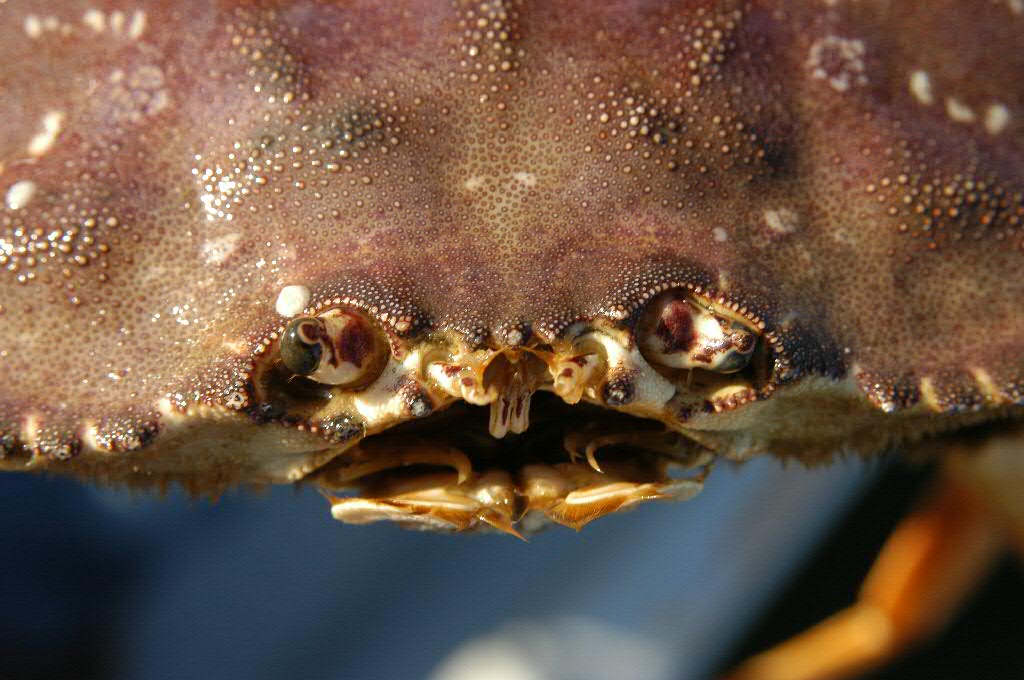 Photo Credit: Lycaon / Wikimedia Commons
In the shimmering waters of the Pacific Ocean, the Dungeness crab, or Metacarcinus magister, scuttles across sandy and muddy bottoms, showcasing its striking features. With a broad, oval-shaped carapace adorned with light-colored tips on its claws, this crustacean is not just a feast for the eyes but also a marvel of nature. Its hard shell serves as a protective armor, allowing it to thrive in a world filled with predators. Scientists and nature enthusiasts alike are captivated by the Dungeness crab’s unique adaptations and behaviors, which reveal the intricate balance of life beneath the waves.
As the sun dips below the horizon, the Dungeness crab comes alive, embarking on nightly adventures in search of food. These omnivorous creatures are opportunistic feeders, munching on everything from small fish to seaweed, making them vital players in their coastal ecosystem. Their role as both predator and prey highlights the delicate web of life in which they exist. With a rich evolutionary history and a keystone role in their habitat, the Dungeness crab invites us to explore the wonders of marine life and the importance of preserving these vibrant underwater communities.
The Dungeness crab, a beloved seafood delicacy, holds a special place in the animal kingdom. Taxonomically, it belongs to the Kingdom Animalia, which includes all animals, and is classified under the Phylum Arthropoda. This means it has a hard exoskeleton, jointed legs, and segmented body parts. Within the Class Malacostraca, which encompasses many familiar crustaceans, the Dungeness crab is further categorized in the Order Decapoda, known for its ten limbs. Its family, Cancridae, includes crabs that are often characterized by their robust bodies and strong claws. The genus Metacarcinus highlights its evolutionary ties to other crabs, showcasing its unique adaptations to life in coastal waters.
| Taxonomic Rank | Scientific Name | Meaning & Significance |
|---|---|---|
| Kingdom | Animalia | This name signifies “animals” in Latin, representing all multicellular organisms that are not plants, fungi, or bacteria. |
| Phylum | Arthropoda | Derived from Greek, meaning “jointed feet,” this term reflects the jointed limbs and segmented bodies that are hallmarks of this diverse group. |
| Class | Malacostraca | This name comes from Greek, meaning “soft shell,” which describes the flexible exoskeletons of many crustaceans in this class. |
| Order | Decapoda | From Greek, meaning “ten-footed,” this term refers to the ten limbs that crabs, including the Dungeness, possess. |
| Family | Cancridae | This name is derived from the Latin word for crab, “cancer,” indicating its close relationship with other crabs in this family. |
| Genus | Metacarcinus | This name suggests a connection to earlier crab forms, with “meta” meaning “beyond” in Greek, hinting at its evolutionary advancements. |
The classification of the Dungeness crab reveals a rich evolutionary history that connects it to a vast array of marine life. Its position within the arthropods highlights the incredible adaptability of this group, which has thrived in various environments for millions of years. The unique features that define the Dungeness crab, from its ten limbs to its soft shell, are not just adaptations for survival; they also tell a story of evolution, showcasing how this species has adapted to its coastal habitat. Understanding its taxonomy helps us appreciate the intricate web of life in our oceans and the remarkable journey of these crabs through time.
The Dungeness crab, scientifically known as Metacarcinus magister, has a rich evolutionary history that stretches back millions of years. This fascinating journey began in the depths of the ocean, where its ancestors first emerged during the late Cretaceous period, around 100 million years ago. Over time, these early crustaceans adapted to their environments, leading to the diverse forms we see today.
The ancestors of the Dungeness crab were likely small, simple creatures that lived in marine habitats. As they evolved, they developed key features that allowed them to thrive in various coastal environments. One major transition was the development of a hard exoskeleton, which provided protection from predators and harsh conditions. This adaptation was crucial for survival, as it allowed these crabs to venture into new territories and exploit different food sources.
Another significant evolutionary step was the adaptation of their claws. Over generations, Dungeness crabs evolved powerful pincers that not only helped them catch prey but also defend against threats. These adaptations made them more efficient hunters and better equipped to compete for resources in their habitats.
The Dungeness crab also developed a unique reproductive strategy, with females capable of carrying thousands of eggs. This high reproductive output increases the chances of survival for the species, ensuring that at least some offspring reach maturity despite the many challenges they face in the wild.
These evolutionary adaptations have played a vital role in the Dungeness crab’s success. By developing a sturdy exoskeleton, powerful claws, and a robust reproductive strategy, they have become well-suited to their coastal habitats. These traits not only help them survive but also allow them to thrive in the ever-changing marine environment, making them a key player in the ecosystem.
The Dungeness crab is a captivating sight, with its oval-shaped carapace that gives it a distinctive profile. This hard outer shell, a protective armor, is not just for show; it plays a crucial role in the crab’s survival. The body is robust and sturdy, allowing the crab to navigate through rocky ocean floors and sandy beaches with ease. Its claws, powerful and formidable, are perfectly designed for foraging and defense, showcasing the crab’s adaptability in its coastal habitat.
| Feature | Description |
|---|---|
| Weight | 2-3 pounds |
| Skin Type | Hard Outer Shell |
| Most Distinctive Feature | Oval-shaped carapace |
These physical characteristics work together to create a resilient and efficient predator. The hard shell not only protects the Dungeness crab from potential threats but also helps it retain moisture, which is vital for survival in its intertidal environment. The oval shape of the carapace allows for streamlined movement through water and sand, while its weight provides stability against strong currents. Together, these features make the Dungeness crab a master of its coastal domain, thriving in the rich ecosystems of the Pacific Northwest.
The Dungeness crab thrives in the vibrant coastal waters of the Pacific Ocean, where it finds its home among sandy or muddy bottoms. These crabs often seek refuge in eelgrass beds, which are underwater meadows that provide both shelter and food. Picture a bustling underwater world, where sunlight filters through the water, illuminating the swaying grasses that dance with the currents. Here, the Dungeness crab scuttles along the ocean floor, blending in with its surroundings as it searches for tasty morsels.
The Dungeness crab prefers a temperate climate, thriving in waters that range from 50 to 65 degrees Fahrenheit. These crabs are often found in areas with a mix of saltwater and fresh water, which helps create the perfect environment for their growth and reproduction. The presence of eelgrass beds is crucial, as they not only provide food but also serve as a nursery for young crabs, offering protection from predators in their early stages of life.
Adaptation is key to the Dungeness crab’s success in its habitat. Its hard shell protects it from predators, while its ability to blend into the sandy or muddy seafloor helps it avoid detection. The crab’s diet consists of a variety of organisms, including small fish, clams, and other invertebrates, allowing it to thrive in diverse environments. With these adaptations, the Dungeness crab has become a vital part of the coastal ecosystem, playing a role in maintaining the balance of marine life.
As the sun sets over the Pacific Ocean, the Dungeness crab begins its nightly adventures. These crabs are primarily nocturnal, meaning they are most active during the night. As darkness falls, they emerge from their hiding spots in the sandy or muddy ocean floor to forage for food. Their diet consists of a variety of tasty morsels, including clams, shrimp, and even detritus, which is organic matter that has broken down. With their keen sense of smell, they navigate the underwater world, searching for their next meal while avoiding potential predators.
Dungeness crabs exhibit interesting social behaviors that can vary from solitary to group dynamics. While they often prefer to roam alone, they can also be found in small groups, especially during mating season or when food is abundant. When they gather, they communicate through subtle movements and postures, signaling their intentions to one another. This social interaction helps them establish a hierarchy, where larger crabs may dominate feeding areas. However, they are also known to be quite territorial, defending their space from intruders with aggressive displays.
| Behavior Type | Description |
|---|---|
| Activity Patterns | Nocturnal foraging for food, primarily at night. |
| Social Structure | Can be solitary or form small groups, especially during mating or when food is plentiful. |
| Communication Methods | Use body language and postures to signal intentions and establish dominance. |
The behaviors of Dungeness crabs are finely tuned to ensure their survival in a dynamic environment. By being nocturnal, they reduce the risk of predation while maximizing their foraging opportunities. Their ability to adapt to both solitary and group living allows them to thrive in various situations, whether they are defending their territory or seeking companionship during the breeding season. These strategies not only help them find food but also play a crucial role in their overall success in the wild.
The Dungeness crab is an omnivore, which means it enjoys a varied diet that includes both plant and animal matter. These crabs are opportunistic feeders, meaning they will eat whatever is available in their environment. They primarily hunt for small fish and shrimp, but they also munch on algae, plankton, and detritus—tiny bits of organic material that settle on the ocean floor. With their strong pincers, they can easily crack open shells and access the tasty morsels inside.
| Dietary Aspect | Details |
|---|---|
| Diet Type | Omnivore |
| Favorite Foods | Fish, shrimp, algae, and detritus |
| Prey Items | Small fish and shrimp |
| Hunting/Foraging Strategies | Opportunistic feeding, using strong pincers to crack open shells |
This diverse diet plays a crucial role in the Dungeness crab’s ecology and daily routine. By consuming a wide range of foods, these crabs help maintain the balance of their marine ecosystem. Their foraging activities also contribute to the recycling of nutrients in the ocean, making them important players in their habitat. As they scuttle along the ocean floor, searching for their next meal, they not only sustain themselves but also support the health of the underwater world around them.
When it comes to the Dungeness crab’s mating rituals, the ocean becomes a stage for a fascinating dance. Breeding season typically occurs in late spring to early summer, when males and females come together in shallow waters. Males attract females by waving their claws and performing intricate movements. Once a female is ready to mate, she will shed her old shell in a process called molting, allowing the male to fertilize her eggs. This special timing is crucial, as the female is most receptive right after she molts.
| Reproductive Aspect | Details |
|---|---|
| Gestation Period | About 2 weeks |
| Litter Size | Up to 2 million eggs |
| Age of Maturity | 2-3 years |
| Name of Young | Zoea larvae |
After mating, the female carries her fertilized eggs under her abdomen for about two weeks before releasing them into the water. The tiny zoea larvae hatch and drift in the ocean currents, where they undergo several stages of development. During this time, they are vulnerable and rely on the rich marine environment for food and protection. As they grow, these larvae gradually transform into juvenile crabs, eventually settling on the ocean floor. While Dungeness crabs do not provide direct parental care, the early stages of their life are filled with adventure and challenges, shaping them into the resilient adults that will one day continue the cycle of life in the sea.
The Dungeness crab plays a vital role in the marine food web, serving as both predator and prey. These crabs feast on a variety of organisms, including small fish and mollusks, while also being a key food source for larger animals. Their presence helps maintain the balance of the ecosystem, but they face numerous dangers that threaten their survival.
To defend themselves against these threats, Dungeness crabs have developed several survival strategies. Their hard shells provide a sturdy barrier against predators, while their ability to burrow into the sand or mud offers a quick escape route. Additionally, they can use their strong pincers to fend off attackers. By being aware of their surroundings and using these tactics, Dungeness crabs continue to navigate the challenges of their underwater world.
A keystone species is an organism that has a disproportionately large impact on its environment relative to its abundance. In simpler terms, if you remove a keystone species, the entire ecosystem can change dramatically. The Dungeness crab, known scientifically as Metacarcinus magister, qualifies as a keystone species in its coastal habitat. Its presence and activities significantly influence the structure and health of the marine ecosystem.
Dungeness crabs play a crucial role in their environment by acting as both predators and prey. As omnivores, they consume a wide variety of food, including small fish, mollusks, and plant matter. This feeding behavior helps control the populations of these organisms, preventing any one species from becoming too dominant. For example, by eating certain types of algae and detritus, Dungeness crabs help maintain the balance of the underwater plant life, which is essential for the overall health of the ecosystem.
Moreover, Dungeness crabs are a vital food source for many marine animals, including sea otters, birds, and larger fish. Their abundance supports a diverse range of wildlife, creating a rich tapestry of life in coastal waters. When crabs are plentiful, they provide nourishment for these predators, which in turn helps maintain the balance of the food web. This interconnectedness highlights the importance of Dungeness crabs in sustaining the health of their marine community.
If Dungeness crabs were to disappear, the effects would ripple throughout the ecosystem. Without these crabs, the populations of their prey could explode, leading to overgrazing of underwater plants and a decline in biodiversity. This imbalance could ultimately harm other species that rely on a healthy marine environment, including the predators that depend on crabs for food. The loss of Dungeness crabs would not only disrupt the food web but could also lead to a decline in the overall health of coastal ecosystems, showcasing just how vital these crabs are to their underwater world.
The Dungeness crab, known scientifically as Metacarcinus magister, plays a vital role in shaping its coastal ecosystem. Found in the sandy and muddy bottoms of the Pacific Ocean, this omnivorous crustacean contributes to the health and balance of its environment. By feeding on a variety of plant and animal matter, it helps control populations of smaller organisms, ensuring that no single species dominates the ecosystem. This balance is crucial for maintaining biodiversity, which is the variety of life in a particular habitat.
| Ecosystem Service | Impact |
|---|---|
| Prey for larger animals | Supports marine food webs by providing a food source for fish, birds, and mammals. |
| Habitat modification | Burrowing behavior aerates the sediment, promoting healthier habitats for other marine life. |
| Nutrient cycling | Breaks down organic matter, returning nutrients to the ecosystem and supporting plant growth. |
| Commercial value | Supports local economies through fishing, which can lead to sustainable practices that benefit the ecosystem. |
The influence of the Dungeness crab extends beyond its immediate surroundings. For instance, as it forages for food, it stirs up the ocean floor, which can help oxygenate the sediment. This process is essential for the health of eelgrass beds, where many marine species find shelter and food. Additionally, by serving as prey for larger predators like seals and otters, Dungeness crabs are integral to the marine food web. Their presence helps sustain these larger populations, creating a dynamic interplay of life in the ocean.
The broader ecological importance of the Dungeness crab cannot be overstated. As a keystone species, its role is crucial for maintaining the balance of its ecosystem. If Dungeness crabs were to disappear, the effects would ripple through the food web, potentially leading to declines in predator populations and changes in the habitat structure. By supporting both the health of marine environments and local economies, the Dungeness crab exemplifies how interconnected life in the ocean truly is.
In the intricate web of life beneath the waves, the Dungeness crab engages in various partnerships with other species, showcasing the beauty of symbiosis and ecological relationships. Symbiosis refers to the close interactions between different species, which can be beneficial, harmful, or neutral. These relationships are essential for the health of marine ecosystems, as they help maintain balance and promote biodiversity. The Dungeness crab, with its adaptable nature, finds itself in a variety of roles, interacting with both friends and foes in its underwater world.
| Species/Type | Relationship Type | Description |
|---|---|---|
| Sea anemones | Mutualistic | Dungeness crabs may seek shelter among sea anemones, which provide protection from predators. In return, the crabs help keep the anemones clean by removing debris. |
| Parasitic isopods | Parasitic | Some isopods attach themselves to Dungeness crabs, feeding on their blood and tissues. This relationship harms the crab, as it can weaken its health over time. |
| Small fish | Commensal | Small fish often swim near Dungeness crabs, benefiting from the crab’s presence. The crabs stir up sediment while foraging, making it easier for fish to find food without affecting the crab. |
The evolution of these relationships is a testament to the adaptability of the Dungeness crab and its companions. Over time, species have developed ways to coexist, whether through mutual benefits or by finding their niche in the ecosystem. These interactions not only enhance the survival of the Dungeness crab but also contribute to the overall health of the marine environment. By understanding these connections, we can appreciate the delicate balance of life in our oceans and the importance of protecting these vibrant ecosystems.
The Dungeness crab is not just a tasty treat; it’s a fascinating creature with some surprising traits that make it stand out in the marine world. Let’s dive into some intriguing facts about this remarkable crab that will surely captivate nature enthusiasts of all ages.
The Dungeness crab has a long and storied relationship with humanity, dating back to the indigenous peoples of the Pacific Northwest. For centuries, these communities have harvested the crabs, not only for their delicious meat but also for their cultural significance. The crabs were often featured in traditional ceremonies and feasts, symbolizing abundance and connection to the ocean. As European settlers arrived, they too recognized the value of Dungeness crabs, leading to a booming fishery that has become a staple of coastal economies. Today, this crustacean is celebrated in festivals and culinary traditions, showcasing its importance in both history and culture.
In modern times, the interaction between Dungeness crabs and humans has evolved, reflecting both cooperation and conflict. Conservation efforts are crucial as overfishing and habitat loss threaten crab populations. Regulations are in place to ensure sustainable harvesting, allowing future generations to enjoy this seafood delicacy. However, conflicts can arise between fishermen and environmentalists, particularly regarding the impact of fishing practices on marine ecosystems. Additionally, some researchers are exploring the potential for aquaculture, or farming of Dungeness crabs, as a way to meet demand while reducing pressure on wild populations.
Looking ahead, the future of the relationship between Dungeness crabs and humanity will depend on our ability to balance enjoyment with responsibility. As we continue to appreciate the flavors and cultural significance of these crabs, it is essential to prioritize their conservation. By fostering a sustainable approach to harvesting and protecting their habitats, we can ensure that Dungeness crabs remain a cherished part of our coastal ecosystems and culinary experiences for generations to come.
The Dungeness crab, known scientifically as Metacarcinus magister, currently holds a conservation status of “Not Evaluated” according to the International Union for Conservation of Nature (IUCN). This means that there hasn’t been a formal assessment of its risk of extinction. However, population trends suggest that Dungeness crabs are generally abundant in their natural habitats along the Pacific coast. Their populations can fluctuate due to various environmental factors, but they remain a significant species in both ecological and commercial contexts.
| Conservation Factor | Status/Details |
|---|---|
| IUCN Status | Not Evaluated |
| Population Estimates | Generally abundant, specific numbers vary by region |
| Trend Direction | Fluctuating, but overall stable in many areas |
Despite their current abundance, Dungeness crabs face several threats that could impact their populations in the future. Climate change is a significant concern, as rising ocean temperatures can alter their habitats and food availability. Additionally, overfishing poses a risk, especially if fishing practices are not managed sustainably. Pollution and habitat degradation from coastal development also threaten the delicate ecosystems where these crabs thrive.
Conservation efforts are underway to ensure the long-term health of Dungeness crab populations. Sustainable fishing practices are being promoted to prevent overharvesting, and various organizations are working to monitor crab populations and their habitats. By raising awareness about the importance of these crabs in marine ecosystems, conservationists hope to protect them for future generations. With continued efforts, the outlook for the Dungeness crab remains cautiously optimistic, as they play a vital role in the coastal food web and the economy of many coastal communities.
| Question | Answer |
|---|---|
| Where do Dungeness Crabs live? | Dungeness Crabs are typically found in sandy or muddy bottoms along the Pacific Coast of North America. They also enjoy eelgrass beds, which provide shelter and food. |
| What do Dungeness Crabs eat? | These crabs are omnivores, meaning they eat both plants and animals. Their diet includes small fish, clams, and various types of algae, making them quite adaptable in their feeding habits. |
| How do Dungeness Crabs behave? | Dungeness Crabs are known for their active and curious nature. They often scuttle along the ocean floor, using their claws to dig and forage for food. |
| How do Dungeness Crabs reproduce? | During mating season, male Dungeness Crabs attract females by performing a courtship dance. After mating, females carry fertilized eggs under their bodies until they hatch, usually in the spring. |
| What threats do Dungeness Crabs face? | While Dungeness Crabs are not currently evaluated for conservation status, they face threats from overfishing and habitat loss. Changes in ocean temperature and pollution can also impact their populations. |
| What is a distinctive feature of Dungeness Crabs? | The most distinctive feature of Dungeness Crabs is their oval-shaped carapace, which is the hard shell that covers their body. This shape helps them move efficiently through their sandy or muddy habitats. |
| Are Dungeness Crabs important to the ecosystem? | Yes, Dungeness Crabs play a vital role in their ecosystem. They help control the population of smaller marine organisms and serve as a food source for larger predators, including sea otters and birds. |