Taxonomy & Classification
- Kingdom
- Animalia
- Phylum
- Chordata
- Class
- Trichoplacoidea
- Order
- Arthodira
- Family
- Dunkleosteidae
- Genus
- Dunkleosteus
- Species
- Dunkleosteus terrelli

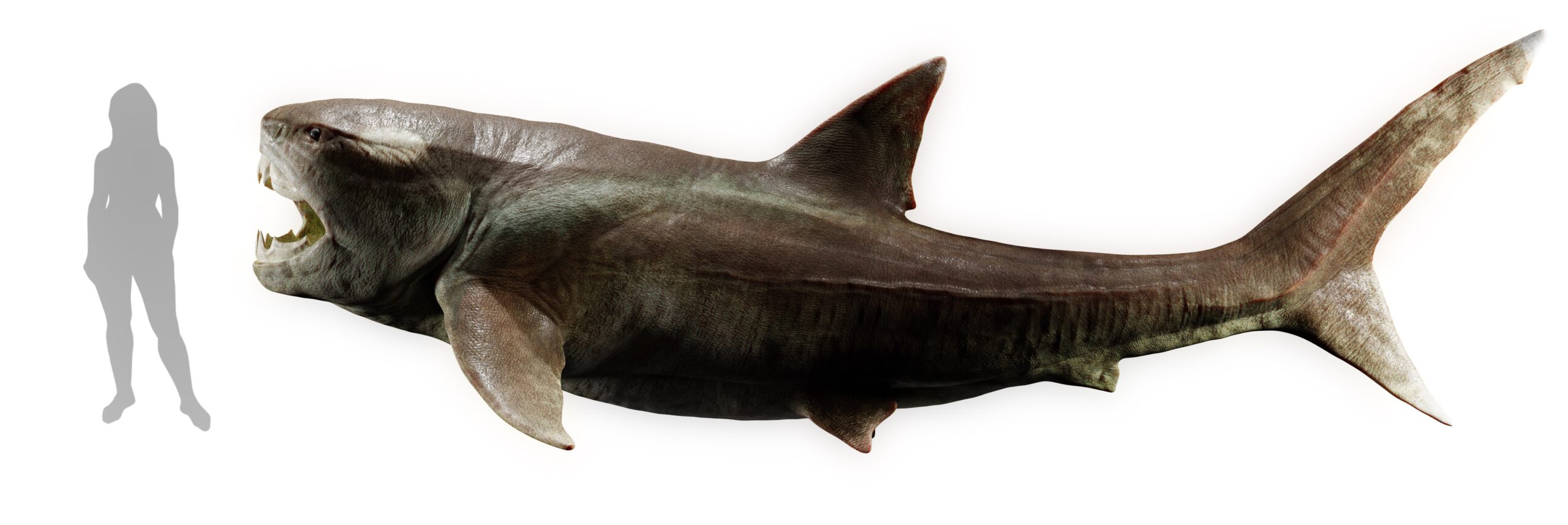 Photo Credit: Prehistorica CM / Wikimedia Commons
In the depths of the ancient seas, around 358 to 382 million years ago, swam a formidable predator known as Dunkleosteus terrelli. This colossal fish, reaching lengths of up to 33 feet, was a true titan of its time, gliding through vibrant underwater landscapes filled with coral reefs and diverse marine life. With its massive, armored head and powerful jaws, Dunkleosteus was not just a sight to behold; it was a top predator, ruling the ocean with an iron grip. Imagine the thrill of witnessing this prehistoric giant as it navigated the waters, its bony plates shimmering in the sunlight filtering through the waves.
What makes Dunkleosteus so captivating to scientists and nature enthusiasts alike is its unique combination of size, strength, and evolutionary adaptations. Unlike modern fish, Dunkleosteus had no teeth; instead, it sported sharp, bony plates that acted like a pair of powerful shears, allowing it to slice through the flesh of its prey with ease. This ancient fish played a crucial role in its ecosystem, helping to shape the marine life around it. As we explore the world of Dunkleosteus, we uncover not just a fascinating creature, but a glimpse into a time when the oceans were alive with extraordinary life forms, each contributing to the intricate tapestry of the Devonian period.
Dunkleosteus is a captivating figure in the tree of life, sitting within the phylum Chordata, which includes all animals with a backbone. This ancient fish lived during the late Devonian period, around 358 to 382 million years ago, and is part of the class Trichoplacoidea. What sets Dunkleosteus apart is its impressive size and formidable jaw structure, which made it one of the top predators of its time. With a length of up to 33 feet, it was not just a fish; it was a true giant of the seas, showcasing the incredible diversity of life that once thrived in our oceans.
| Taxonomic Rank | Scientific Name | Meaning & Significance |
|---|---|---|
| Kingdom | Animalia | This name signifies that Dunkleosteus belongs to the broad group of multicellular organisms known as animals, which are characterized by their ability to move and respond to their environment. |
| Phylum | Chordata | Chordata means “having a notochord,” a flexible rod that provides support. In Dunkleosteus, this structure was replaced by a more advanced backbone, showcasing its evolutionary step towards more complex vertebrates. |
| Class | Trichoplacoidea | This class name refers to a group of simple, flat-bodied animals. Dunkleosteus, however, is more complex, indicating the diversity within this classification. |
| Order | Arthodira | Arthodira translates to “jointed neck,” highlighting the unique joint structure that allowed Dunkleosteus to move its head independently, enhancing its predatory skills. |
| Family | Dunkleosteidae | This family is named after Dunkleosteus itself, emphasizing its significance as a key representative of this group of armored fish. |
| Genus | Dunkleosteus | The name Dunkleosteus means “Dunkle’s bone,” named in honor of David Dunkle, who discovered the first fossils. This highlights the importance of fossil records in understanding ancient life. |
Understanding Dunkleosteus’s classification reveals much about its evolutionary history. As a member of the Dunkleosteidae family, it showcases the transition from primitive jawless fish to more advanced jawed vertebrates. Its unique adaptations, such as powerful jaws and a robust body, illustrate how life in the oceans evolved to become more complex and specialized. Dunkleosteus not only helps us understand the past but also highlights the incredible journey of life on Earth, reminding us of the diverse forms that have existed long before us.
The story of Dunkleosteus unfolds during the late Devonian period, around 358 to 382 million years ago. This era, often called the “Age of Fishes,” was a time when the oceans teemed with diverse marine life. Dunkleosteus, a member of the family Dunkleosteidae, was one of the largest and most formidable fish of its time, showcasing a fascinating evolutionary journey that highlights the adaptations that allowed it to thrive in a dynamic environment.
Dunkleosteus evolved from earlier armored fish known as placoderms, which were among the first jawed vertebrates. These ancestors had bony plates covering their bodies, providing protection against predators. Over time, Dunkleosteus developed a more streamlined body and powerful jaws, which were a significant shift from its ancestors. This transition marked a move towards a more predatory lifestyle, allowing it to hunt larger prey effectively. The evolution of its unique jaw structure, which could open wide and snap shut with incredible force, was a game-changer in the world of ancient marine predators.
Dunkleosteus’s adaptations were vital for its survival in the competitive waters of the Devonian seas. Its powerful jaws and streamlined body made it an efficient hunter, while its armored plating offered protection from rival predators. The combination of these features not only allowed Dunkleosteus to dominate its environment but also paved the way for future generations of predatory fish. This ancient giant remains a testament to the incredible evolutionary processes that shape life in our oceans.
Dunkleosteus was a true titan of the ancient seas, leaving a lasting impression with its formidable presence. Imagine a massive fish, reaching lengths of up to 33 feet, gliding through the water with a powerful grace. Its body was sleek yet robust, designed for both speed and strength. The most striking aspect of Dunkleosteus was its thick, tank-like armor that encased its head, providing protection against predators and rivals alike. This armor, combined with its muscular build, made it a fearsome predator in its underwater realm.
| Feature | Description |
|---|---|
| Weight | 8,800 pounds |
| Length | Up to 33 feet |
| Color | Dark, possibly grayish or brownish tones |
| Skin Type | Thick, armored plates |
| Jaw Structure | Powerful, with sharp bony plates instead of teeth |
The combination of Dunkleosteus’s impressive weight and its armored head created a perfect storm of survival advantages. The thick plates not only shielded it from attacks but also allowed it to dominate its environment as a top predator. Its powerful jaws, lined with sharp bony edges, were designed to crush prey, making it an efficient hunter. Together, these features made Dunkleosteus a master of its domain, thriving in the rich, diverse ecosystems of the Devonian seas.
Dunkleosteus thrived in the vibrant marine ecosystems of the late Devonian period, a time when the oceans were alive with a variety of life forms. Picture a world beneath the waves, where coral reefs flourished and schools of smaller fish darted among the shadows. This ancient predator called the ocean floor its home, often lurking in the depths, ready to ambush unsuspecting prey. The seafloor was a bustling habitat, filled with the remains of other marine creatures, providing Dunkleosteus with ample opportunities to hunt.
The climate during the late Devonian was warm and tropical, creating ideal conditions for marine life to flourish. The waters were rich in nutrients, supporting a diverse array of organisms. Dunkleosteus preferred shallow coastal areas where sunlight penetrated, allowing for the growth of algae and other plants that formed the base of the food web. These environments were often teeming with life, making them perfect hunting grounds for this formidable fish.
To thrive in its specific habitat, Dunkleosteus developed several adaptations. Its powerful jaws, equipped with sharp bony plates instead of teeth, allowed it to crush the shells of mollusks and other hard-shelled prey. This adaptation was crucial in a world where competition for food was fierce. Additionally, its streamlined body enabled swift movement through the water, making it an efficient predator. By perfectly fitting into the dynamic marine ecosystem of its time, Dunkleosteus became a dominant force in the ancient seas.
Dunkleosteus led a life filled with action and adventure in the ancient seas. Each day began with the sun’s rays filtering through the water, illuminating the vibrant underwater world. As a powerful predator, Dunkleosteus spent much of its time hunting for food. It would glide through the ocean, using its keen senses to detect the movements of smaller fish and other marine creatures. With its massive jaw and sharp bony plates, it was well-equipped to capture and consume its prey. This daily routine of hunting and foraging was essential for maintaining its energy and strength.
In the depths of the ocean, Dunkleosteus was not a solitary creature. It often swam in groups, which provided safety in numbers. These social gatherings allowed individuals to communicate and coordinate their hunting efforts. By working together, they could corner schools of fish, making it easier to catch their meals. The social structure of Dunkleosteus was likely fluid, with individuals forming temporary alliances based on the availability of food and environmental conditions. This dynamic interaction among members of the group helped them thrive in their challenging habitat.
| Behavior Type | Description |
|---|---|
| Hunting Patterns | Dunkleosteus actively hunted smaller fish and marine animals, using its powerful jaws to capture prey. |
| Social Structure | Often found in groups, Dunkleosteus benefited from the safety and efficiency of collective hunting. |
| Communication Methods | While specific methods are unknown, it likely used body language and movements to signal to others in its group. |
The behaviors of Dunkleosteus were finely tuned to ensure its survival in a competitive environment. By hunting in groups, it increased its chances of capturing food, while social interactions helped strengthen bonds among individuals. This combination of teamwork and communication not only made them formidable predators but also allowed them to adapt to the ever-changing conditions of their underwater world. In the vast oceans of the late Devonian period, Dunkleosteus was a true master of its domain, thriving through cooperation and instinct.
Dunkleosteus was a fierce carnivore, meaning it primarily ate meat. This ancient fish had a diet that included a variety of marine creatures, showcasing its role as a top predator in its ecosystem. With its powerful jaws and sharp bony plates instead of teeth, Dunkleosteus was well-equipped to capture and consume its prey. It likely used a combination of stealth and speed to ambush fish, sharks, and even cephalopods, which are relatives of modern squids and octopuses. Imagine this giant fish gliding through the water, ready to strike at any moment!
| Dietary Aspect | Details |
|---|---|
| Diet Type | Carnivore |
| Favorite Foods | Fishes, sharks, cephalopods, ammonites |
| Prey Items | Smaller fish, other marine predators, and shelled creatures |
| Hunting/Foraging Strategies | Ambush predator using speed and stealth |
The diet of Dunkleosteus played a crucial role in shaping its ecology and daily routine. As a top predator, it helped maintain the balance of marine life in its environment. By preying on various species, Dunkleosteus influenced the population dynamics of its prey, ensuring that no single species became too dominant. This not only affected its own survival but also the health of the entire ecosystem. Each hunt was a vital part of its life, driving Dunkleosteus to explore different habitats and adapt to the ever-changing world of the ancient seas.
Dunkleosteus, the ancient armored fish, had intriguing mating behaviors that likely took place during specific breeding seasons. While we can’t observe these magnificent creatures today, scientists believe that they may have engaged in elaborate courtship displays to attract mates. These displays could have included swimming patterns or physical posturing, similar to what we see in some modern fish. The timing of these activities would have been crucial, as it aligned with the availability of food and optimal environmental conditions for raising young.
| Reproductive Aspect | Details |
|---|---|
| Gestation Period | Approximately 9 to 12 months |
| Litter Size | Up to 20 young |
| Age of Maturity | About 5 to 10 years |
| Name of Young | Fry |
Once the young Dunkleosteus, known as fry, were born, they faced a world filled with challenges. While there is limited evidence about parental care in Dunkleosteus, it is possible that these ancient fish provided some level of protection for their young. As fry grew, they would have relied on their instincts to navigate the complex underwater environment, learning to hunt and avoid predators. Over time, these young fish would mature into the formidable adults that once ruled the seas, continuing the cycle of life in the vibrant ecosystems of the Devonian period.
Dunkleosteus was a dominant predator in its ancient marine ecosystem, sitting at the top of the food web during the late Devonian period. With its massive size and powerful jaws, it had few rivals. However, even the mightiest can face dangers, especially from their own kind. Larger Dunkleosteus individuals posed a significant threat to smaller members of the species, creating a complex dynamic where survival often depended on size and strength.
To navigate these dangers, Dunkleosteus likely employed a range of survival strategies. Its armored body provided a formidable defense against attacks, while its speed and agility allowed it to escape from larger threats. Additionally, being a top predator meant it could choose its battles wisely, often avoiding confrontations with larger rivals unless absolutely necessary. This combination of physical prowess and strategic thinking helped Dunkleosteus thrive in a world filled with challenges.
A keystone species is a vital part of its ecosystem, playing a crucial role in maintaining the structure and balance of that environment. Dunkleosteus, an ancient fish that swam the seas over 350 million years ago, certainly qualifies as a keystone species. As a top predator, it influenced the populations of other marine creatures, helping to shape the community of life in its underwater world.
Dunkleosteus was a bottom-dweller, meaning it lived near the ocean floor, where it hunted a variety of prey. Its powerful jaws and sharp bony plates allowed it to consume large marine animals, including other fish and possibly even smaller Dunkleosteus. By preying on these species, it helped control their populations, preventing any one group from becoming too dominant. This balance is essential for a healthy ecosystem, as it allows for a diverse range of species to thrive.
Moreover, Dunkleosteus likely played a role in the nutrient cycle of its habitat. As it consumed prey, it contributed to the energy flow within the ecosystem. When it died, its body would decompose, returning nutrients to the ocean floor and supporting the growth of other organisms. This process is vital for maintaining the health of marine environments, as it ensures that essential nutrients are recycled and made available to other life forms.
If Dunkleosteus had disappeared from its ecosystem, the effects would have been profound. Without this top predator, populations of smaller fish and other marine creatures could have exploded, leading to overgrazing of algae and other vital resources. This imbalance could have resulted in a decline in biodiversity, as some species would outcompete others for food and space. The entire marine ecosystem would have suffered, demonstrating just how crucial Dunkleosteus was to the health and stability of its ancient world.
Dunkleosteus was a dominant force in the ancient marine ecosystems of the late Devonian period. As a bottom-dweller, it occupied a unique ecological niche, thriving in the depths of the ocean where it could hunt for prey. This massive fish, with its powerful jaws and armored body, played a crucial role in shaping the environment around it. By being a top predator, Dunkleosteus helped regulate the populations of other marine creatures, ensuring a balanced ecosystem.
| Ecosystem Service | Impact |
|---|---|
| Predation | Controls the population of smaller marine animals, preventing overpopulation. |
| Habitat Structuring | Influences the distribution of species by creating a dynamic environment through its hunting activities. |
| Nutrient Cycling | Contributes to the cycling of nutrients in the ecosystem through its feeding habits. |
Dunkleosteus had a significant influence on its surroundings. By preying on various marine animals, it kept their populations in check, which allowed for a diverse range of species to thrive. For instance, its hunting likely affected the numbers of smaller fish and invertebrates, creating a ripple effect throughout the food web. This balance was essential for maintaining the health of the ecosystem, as too many or too few of any species could lead to instability. Additionally, as Dunkleosteus hunted, it may have disturbed the seafloor, which could have influenced the growth of plants and other organisms that relied on stable substrates.
The broader ecological importance of Dunkleosteus cannot be overstated. As a keystone species, it played a vital role in maintaining the structure and balance of its environment. The interactions it had with other marine life helped shape the evolutionary paths of many species, influencing the development of future ecosystems. By understanding the role of Dunkleosteus, we gain insight into the complex web of life that existed millions of years ago, reminding us of the interconnectedness of all living things in our planet’s history.
In the intricate web of life, symbiosis plays a vital role in shaping ecosystems. This term refers to the close relationships between different species, which can be beneficial, harmful, or neutral. These interactions can take many forms, such as mutualism, where both species gain advantages, parasitism, where one benefits at the other’s expense, and commensalism, where one species benefits while the other is neither helped nor harmed. Understanding these relationships helps us appreciate the balance of nature and the interconnectedness of all living things.
| Species/Type | Relationship Type | Description |
|---|---|---|
| Small fish (e.g., cleaner wrasse) | Mutualistic | These small fish may have cleaned parasites off Dunkleosteus, benefiting from a food source while helping the larger fish maintain its health. |
| Ammonites | Commensal | Ammonites, which had hard shells, might have shared the same habitat as Dunkleosteus without directly affecting it, living in the same waters but not interacting significantly. |
| Smaller predatory fish | Parasitic | Some smaller predatory fish could have fed on the wounds or scraps left by Dunkleosteus, benefiting from its hunting while potentially causing harm. |
These relationships evolved over millions of years, shaped by the needs and behaviors of the species involved. Dunkleosteus, as a dominant predator, created opportunities for smaller species to thrive in its presence. The mutualistic relationships, like those with cleaner fish, highlight how cooperation can lead to better health for both parties. Meanwhile, the parasitic interactions remind us that nature is a complex dance of survival, where every species plays a role in the grand tapestry of life. Understanding these dynamics helps us appreciate the delicate balance that sustains ecosystems, both ancient and modern.
Dunkleosteus is a fascinating glimpse into the ancient oceans, showcasing a time when massive armored fish ruled the seas. This prehistoric predator, with its unique adaptations and impressive size, continues to capture the imagination of nature enthusiasts.
Dunkleosteus, a colossal predator from the ancient seas, has captured the imagination of many throughout history. This prehistoric fish, which swam over 350 million years ago, has been featured in various cultural narratives, from folklore to modern media. Its impressive size and fearsome appearance have made it a symbol of strength and power. In some ways, Dunkleosteus represents humanity’s fascination with the ocean’s mysteries and the creatures that once ruled it. As we explore the depths of our planet’s history, this ancient fish serves as a reminder of the vast and diverse life forms that have existed long before us.
Today, Dunkleosteus exists primarily in the realm of scientific study and popular culture, as it is long extinct. However, its legacy influences how we understand marine ecosystems and the evolution of fish. Researchers study fossils to learn about its anatomy and behavior, which helps us appreciate the complexity of life in ancient oceans. While we cannot interact with Dunkleosteus directly, its story informs conservation efforts aimed at protecting modern marine species. By understanding the past, we can better safeguard the future of our oceans and the creatures that inhabit them.
As we look to the future, the relationship between Dunkleosteus and humanity will continue to evolve. While we may never encounter this ancient giant in the flesh, its story will inspire generations to explore the wonders of the natural world. By studying Dunkleosteus and other prehistoric creatures, we gain valuable insights into the importance of biodiversity and the need for conservation. The lessons learned from the past can guide us in protecting our oceans today, ensuring that the legacy of Dunkleosteus lives on in the vibrant marine life of the future.
Dunkleosteus, the ancient armored fish that once ruled the seas, is classified as extinct. This means that there are no living members of this species today. The last Dunkleosteus swam the oceans over 350 million years ago, and since then, it has vanished from the planet. As a result, there are no population trends to report, as this magnificent creature no longer exists in our world.
| Conservation Factor | Status/Details |
|---|---|
| IUCN Status | Extinct |
| Population Estimates | None |
| Trend Direction | N/A |
The main threats to Dunkleosteus were likely environmental changes and competition with other marine species during its time. As the Devonian period progressed, the oceans underwent significant transformations, including shifts in climate and habitat. These changes could have led to the decline of Dunkleosteus and other marine life. Additionally, the rise of new predators and competitors may have put pressure on this formidable fish, contributing to its eventual extinction.
While Dunkleosteus itself cannot be conserved, studying its fossils helps scientists understand the ancient ecosystems it inhabited. By learning about the past, researchers can gain insights into how modern marine environments function and how to protect them. Conservation efforts today focus on preserving the habitats of living marine species, ensuring that the oceans remain vibrant and diverse. The story of Dunkleosteus serves as a reminder of the importance of safeguarding our planet’s ecosystems for future generations.
| Question | Answer |
|---|---|
| What was the habitat of Dunkleosteus? | Dunkleosteus lived in the Devonian marine ecosystem, which existed around 358 to 382 million years ago. It was a bottom-dweller, meaning it spent most of its time near the ocean floor, where it could hunt for prey. |
| What did Dunkleosteus eat? | This ancient fish was a carnivore, which means it primarily ate other animals. Dunkleosteus had powerful jaws and sharp bony plates instead of teeth, allowing it to crush the shells of its prey, including smaller fish and invertebrates. |
| How did Dunkleosteus behave? | Dunkleosteus was likely an active predator, using its size and strength to dominate its environment. Its thick armor provided protection, allowing it to hunt confidently in the waters of its time. |
| How did Dunkleosteus reproduce? | While we don't have direct evidence of Dunkleosteus reproduction, it is believed that like many fish, it laid eggs. The exact details of its reproductive behavior remain a mystery, as Dunkleosteus is long extinct. |
| What threats did Dunkleosteus face? | As a top predator in its ecosystem, Dunkleosteus had few natural threats. However, it eventually faced extinction, likely due to changes in the environment and the evolution of new species that competed for food and habitat. |
| What is an interesting characteristic of Dunkleosteus? | One of the most distinctive features of Dunkleosteus was its thick, tank-like armor covering its head. This armor not only protected it from predators but also made it a formidable hunter in the ancient seas. |
| Why is Dunkleosteus important in paleontology? | Dunkleosteus is significant because it represents one of the largest and most advanced placoderm fish, a group that thrived during the Devonian period. Studying Dunkleosteus helps scientists understand the evolution of early vertebrates and the dynamics of ancient marine ecosystems. |