Taxonomy & Classification
- Kingdom
- Animalia
- Phylum
- Chordata
- Class
- Mammalia
- Order
- Rodentia
- Family
- Cricetidae
- Genus
- Cricetulus
- Species
- Cricetulus barabensis

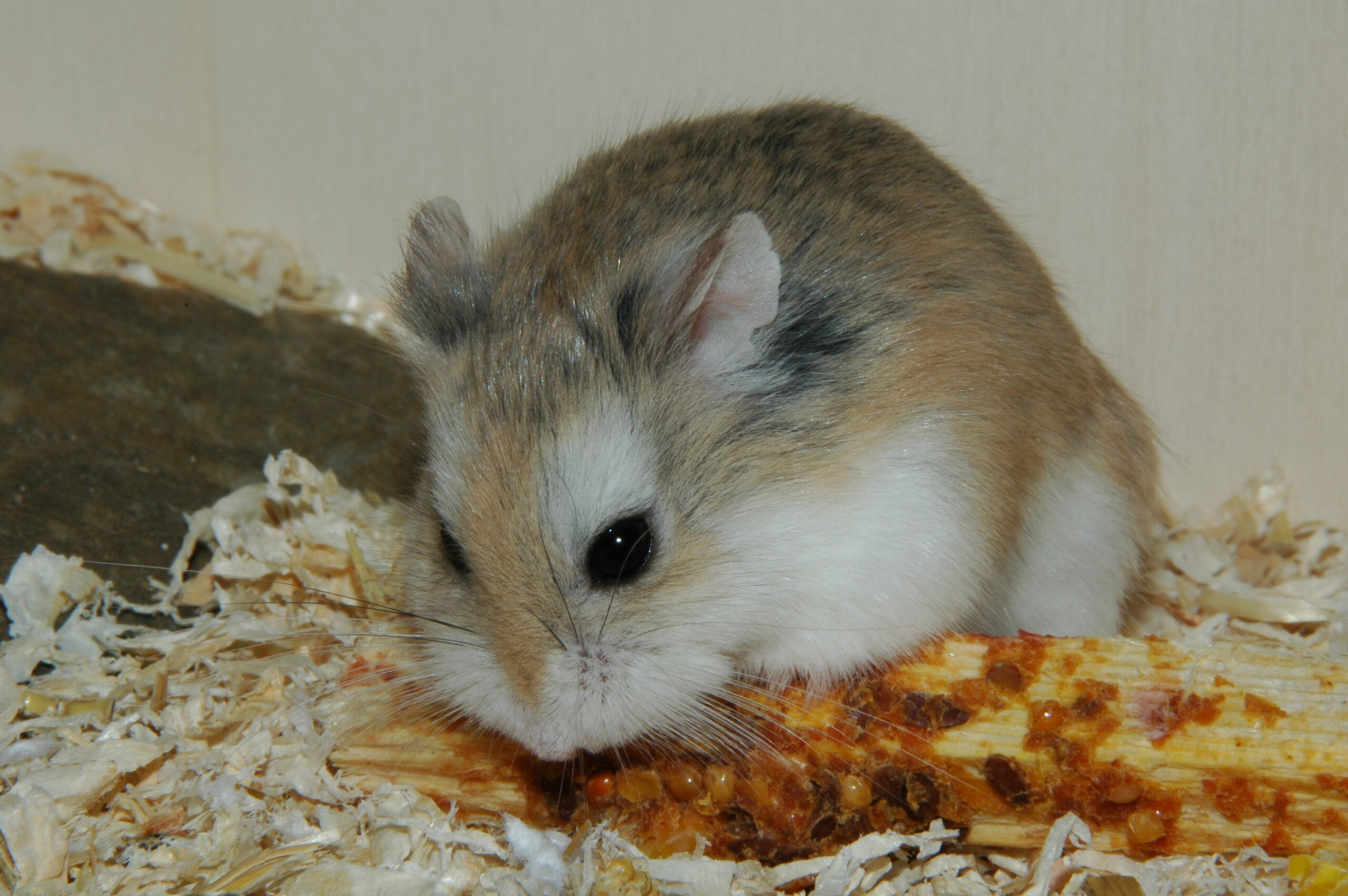 Photo Credit: Torben Schink / Wikimedia Commons
In the sun-drenched deserts and scrublands of Central Asia, the Dwarf Hamster, scientifically known as Phodopus, scurries about in search of food and adventure. With its tiny body, measuring just a few inches long, and its round, fluffy cheeks, this little rodent is a delightful sight. Its soft fur, often a mix of sandy browns and creamy whites, helps it blend seamlessly into its arid surroundings, making it a master of camouflage. Scientists and nature enthusiasts alike are captivated by these charming creatures, not only for their adorable appearance but also for their remarkable behaviors and adaptations.
As night falls, the Dwarf Hamster comes alive, emerging from its burrow to forage for seeds, grains, and even the occasional insect. These nocturnal foragers are equipped with cheek pouches—small pockets in their cheeks that allow them to store food for later. This clever adaptation helps them survive in their often harsh environments, where food can be scarce. Their playful antics and social interactions add to their allure, making them a favorite among pet owners and wildlife watchers. Join us as we delve deeper into the fascinating world of Dwarf Hamsters, exploring their habitats, behaviors, and the vital roles they play in their ecosystems.
Dwarf hamsters are small, charming rodents that belong to the family Cricetidae, which includes many other types of hamsters and voles. These little animals are part of the order Rodentia, the largest group of mammals, known for their continuously growing front teeth. What makes dwarf hamsters particularly interesting is their adaptability to various environments, from deserts to grasslands, showcasing their remarkable survival skills. Their small size and playful nature have made them popular pets, but they also play important roles in their ecosystems as prey for larger animals.
| Taxonomic Rank | Scientific Name | Meaning & Significance |
|---|---|---|
| Kingdom | Animalia | This name comes from the Latin word “animalis,” meaning “having breath.” It signifies all living creatures that breathe and move. |
| Phylum | Chordata | Derived from the Latin “chorda,” meaning “string,” this term refers to animals with a notochord, a flexible rod that supports the body during development. |
| Class | Mammalia | This name comes from “mamma,” the Latin word for “breast,” highlighting that mammals nurse their young with milk produced by mammary glands. |
| Order | Rodentia | From the Latin “rodere,” meaning “to gnaw,” this name reflects the defining characteristic of rodents: their ever-growing incisors that they must constantly wear down. |
| Family | Cricetidae | This name is derived from the Latin “cricetus,” which refers to a type of hamster. It emphasizes the family’s connection to these small, burrowing rodents. |
| Genus | Cricetulus | Meaning “little hamster” in Latin, this name highlights the small size of these animals compared to their larger relatives. |
Understanding the taxonomic classification of dwarf hamsters reveals much about their evolutionary journey. As members of the Rodentia order, they share common ancestors with a diverse group of animals that have adapted to various habitats around the world. Their classification within the Cricetidae family indicates a close relationship with other small mammals, showcasing the evolutionary adaptations that have allowed them to thrive in different environments. This lineage not only highlights their physical traits but also their ecological roles, reminding us of the intricate web of life that connects all living beings.
The evolutionary journey of the dwarf hamster is a captivating tale that stretches back millions of years. These small rodents belong to the family Cricetidae, which has a rich history that dates back to the late Eocene epoch, around 34 million years ago. As the world changed, so did the ancestors of dwarf hamsters, adapting to new environments and challenges, leading to the charming little creatures we see today.
The ancestors of dwarf hamsters were likely larger and more generalized rodents, living in diverse habitats. Over time, as climates shifted and ecosystems evolved, these early rodents began to adapt to specific environments. One major transition occurred when some species developed smaller body sizes, which allowed them to thrive in arid regions. This size reduction not only helped them conserve water but also made it easier to navigate through tight spaces in their burrows. Another significant change was the development of cheek pouches, which are special pockets in their cheeks that allow them to store food. This adaptation is crucial for survival, especially in environments where food sources can be scarce.
These adaptations have been vital for the survival of dwarf hamsters in their natural habitats. Their small size and burrowing behavior allow them to escape from predators and find shelter, while their cheek pouches ensure they can gather and store food efficiently. By being nocturnal, they can navigate their environment with less risk, making the most of the resources available to them. Through millions of years of evolution, dwarf hamsters have become perfectly suited to their roles in the ecosystem, showcasing the incredible power of adaptation in the animal kingdom.
Dwarf hamsters are delightful little beings that capture the imagination with their compact bodies and playful demeanor. These tiny rodents typically weigh between 0.71 and 0.88 ounces, making them light enough to fit in the palm of your hand. Their bodies are round and stout, covered in soft fur that adds to their cuddly appearance. One of their most charming features is their pouch-like cheeks, which can expand to hold food and bedding, allowing them to store supplies for later. With their small, beady eyes and twitching noses, dwarf hamsters exude an aura of curiosity and energy.
| Feature | Description |
|---|---|
| Size | Small, typically weighing between 0.71 and 0.88 ounces |
| Color | Varies, often featuring shades of brown, gray, and white |
| Skin Type | Soft fur that provides warmth and protection |
| Most Distinctive Feature | Pouch-like cheeks for storing food and nesting materials |
These physical traits are not just for show; they play vital roles in the dwarf hamster’s survival. The soft fur helps keep them warm in their natural habitats, which can be quite chilly. Their small size allows them to navigate through tight spaces, making it easier to find shelter and evade predators. The cheek pouches are particularly useful, enabling them to gather and transport food back to their burrows, ensuring they have enough to eat during times when food is scarce. Together, these features create a well-adapted little creature that thrives in its environment, showcasing the wonders of nature’s design.
Dwarf hamsters thrive in a variety of habitats that paint a picture of resilience and adaptability. These small rodents can be found in arid deserts, where the sun blazes down and the ground is often dry and sandy. They also inhabit the edges of these deserts, as well as steppe regions, which are vast grasslands that can be both open and sparse. In addition, they make their homes in mountainous areas and forests, where they can find shelter among the trees and shrubs. Scrublands, with their mix of low-growing plants and open spaces, also provide a perfect environment for these little creatures to explore and thrive.
Dwarf hamsters prefer climates that are not too extreme, although they are quite hardy. They are often found in areas with a temperate climate, which means they experience mild temperatures and seasonal changes. These habitats can have hot summers and cold winters, but dwarf hamsters have adapted to cope with these variations. They enjoy environments that offer a mix of dry and slightly moist conditions, allowing them to dig burrows and create cozy nests where they can stay warm and safe.
To survive in their diverse habitats, dwarf hamsters have developed several clever adaptations. Their burrowing behavior is one of the most significant; they dig intricate tunnels underground to escape the heat of the day and the chill of the night. These burrows not only provide shelter but also help them store food for later. Their small size and ability to go without water for extended periods allow them to thrive in dry environments. With their keen sense of smell and excellent hearing, they can detect predators and find food, making them well-suited to their surroundings.
Dwarf hamsters lead a lively and engaging daily life, filled with a mix of foraging, burrowing, and playful antics. As nocturnal creatures, they are most active during the night, when they emerge from their cozy burrows to explore their surroundings. Their tiny paws scurry across the ground as they search for seeds, grains, and other tasty morsels. With their keen sense of smell, they can sniff out food hidden beneath the surface, showcasing their impressive foraging skills. When they’re not busy hunting for snacks, you might catch them running on their wheels or engaging in playful wrestling with their siblings, if they happen to be in a group.
While dwarf hamsters are primarily solitary animals, they do exhibit interesting social behaviors when they are in the company of their siblings. Young hamsters may play together, engaging in gentle nibbles and chasing games that help them develop their physical skills. However, as they mature, they often prefer to live alone, marking their territory and establishing their own space. Communication among these little rodents is subtle but effective; they use a variety of sounds, such as squeaks and chirps, to express their feelings or warn others of danger. This mix of playful interaction and solitary living creates a unique balance in their social structure.
| Behavior Type | Description |
|---|---|
| Activity Patterns | Dwarf hamsters are nocturnal, meaning they are most active at night. They spend their evenings foraging for food, running on wheels, and exploring their environment. |
| Social Structure | These hamsters are generally solitary, preferring to live alone as adults. However, young hamsters may engage in playful interactions with their siblings. |
| Communication Methods | Dwarf hamsters communicate through a range of sounds, including squeaks and chirps, to express emotions or alert others to potential threats. |
The behaviors of dwarf hamsters are finely tuned to ensure their survival in the wild. Their nocturnal lifestyle helps them avoid predators while they forage for food, and their solitary nature reduces competition for resources. By honing their foraging skills and developing effective communication methods, these small rodents navigate their environment with agility and confidence. Each day is a new adventure, filled with opportunities to explore, play, and thrive in their unique habitats.
Dwarf hamsters are omnivores, which means they enjoy a varied diet that includes both plant and animal matter. These little foragers are known for their resourcefulness, often scurrying around their habitats to find tasty morsels. Their diet typically consists of seeds, grains, fruits, and vegetables, but they also nibble on insects and other small protein sources when available. This diverse menu helps them stay healthy and energetic, supporting their playful lifestyle.
| Dietary Aspect | Details |
|---|---|
| Diet Type | Omnivore |
| Favorite Foods | Seeds, grains, fruits, and vegetables |
| Prey Items | Insects and small protein sources |
| Hunting/Foraging Strategies | Scurrying and exploring their environment to find food |
The diet of dwarf hamsters plays a crucial role in their ecology and daily routines. By foraging for a variety of foods, they help maintain the balance of their ecosystems, dispersing seeds and contributing to plant growth. Their nocturnal habits mean they are most active at night, allowing them to take advantage of cooler temperatures while searching for food. This adaptability not only supports their survival but also enriches the environment they inhabit, making them an important part of their ecosystem.
Dwarf hamsters have a fascinating mating behavior that is closely tied to their breeding season. Typically, these little rodents breed in the spring and summer months when food is plentiful and conditions are favorable. During this time, males will often engage in playful chases and displays to attract females. Once a female is receptive, she will mate with the male, and the pair will form a brief bond during the breeding period. This courtship is essential for ensuring the survival of their young, as it helps establish a connection between the parents.
| Reproductive Aspect | Details |
|---|---|
| Gestation Period | 20-22 days |
| Litter Size | Typically 4-6 pups |
| Age of Maturity | 4-5 weeks old |
| Name of Young | Pups |
After the pups are born, the mother takes on the primary role of caregiver. She is incredibly attentive, nursing her young and keeping them warm and safe in their burrow. The pups are born hairless and blind, relying entirely on their mother for survival. As they grow, they begin to develop fur and open their eyes, usually around two weeks of age. By the time they reach four to five weeks, they are ready to venture out on their own, having learned essential skills from their mother. This nurturing phase is crucial, as it helps the young hamsters develop into independent adults, ready to explore the world around them.
Dwarf hamsters occupy a delicate position in the food web, serving as both prey and a contributor to the ecosystem. These small rodents are a vital food source for various predators, which helps maintain the balance of their habitats. However, they also face significant challenges from environmental changes and human activities that threaten their survival.
To defend themselves against these threats, dwarf hamsters have developed several clever survival strategies. They are masters of camouflage, blending into their surroundings to avoid detection. When danger approaches, they often freeze in place, relying on their small size and natural colors to remain hidden. Additionally, their burrowing behavior provides a safe haven from predators, allowing them to escape underground when necessary. These adaptations, combined with their quick reflexes, help them navigate the challenges of their environment and continue to thrive despite the odds.
A keystone species is an organism that plays a critical role in maintaining the structure of an ecosystem. Its presence or absence can significantly impact the environment and the other species living there. While dwarf hamsters may not be the first animal that comes to mind when thinking of keystone species, they do have an important role in their habitats, particularly in desert and scrubland ecosystems.
Dwarf hamsters are omnivores, meaning they eat both plants and small animals. This diverse diet allows them to influence the plant community by dispersing seeds and helping to control plant populations. As they forage for food, they dig through the soil, which aerates it and promotes healthy plant growth. Their burrowing behavior also creates homes for other small creatures, contributing to the biodiversity of their environment.
Additionally, dwarf hamsters serve as a vital food source for various predators, including birds of prey and snakes. By being part of the food web, they help sustain these larger animals, which in turn maintain the balance of the ecosystem. Their presence supports a network of life that relies on each other for survival, showcasing their interconnectedness with other species.
If dwarf hamsters were to disappear from their ecosystems, the effects could be profound. Without them, plant populations might become unbalanced, leading to overgrowth or decline of certain species. This could disrupt the food supply for predators that rely on them, potentially causing a ripple effect throughout the food web. The loss of their burrowing activities would also mean fewer homes for other small animals, reducing biodiversity. In essence, the absence of dwarf hamsters could lead to a less vibrant and resilient ecosystem, highlighting their understated yet significant role in nature.
Dwarf hamsters play a vital role in their ecosystems, acting as both foragers and prey. These small rodents inhabit diverse environments, including deserts, scrublands, and even forest edges. Their ecological niche is defined by their ability to adapt to various habitats, where they contribute to the balance of life. By digging burrows and foraging for food, they help aerate the soil and promote plant growth, making them essential players in their surroundings.
| Ecosystem Service | Impact |
|---|---|
| Soil Aeration | Dwarf hamsters dig extensive burrows, which helps to aerate the soil, allowing water and nutrients to reach plant roots more effectively. |
| Seed Dispersal | As omnivores, they consume seeds and fruits, and their movement helps spread these plants across their habitat, promoting biodiversity. |
| Prey for Predators | They serve as a food source for various predators, including birds of prey and snakes, thus supporting the food web. |
Dwarf hamsters influence their environment in several specific ways. For instance, their burrowing behavior not only aerates the soil but also creates habitats for other small creatures. When they forage for seeds and plants, they inadvertently help in the growth of new vegetation, as some seeds pass through their digestive systems and are deposited elsewhere. This process of seed dispersal is crucial for maintaining plant diversity in their habitats. Additionally, by being a food source for larger animals, they help sustain the populations of those predators, creating a balanced ecosystem.
The broader ecological importance of dwarf hamsters cannot be overstated. As keystone species, their presence supports a variety of life forms, from plants to larger mammals. By shaping their environment through burrowing and foraging, they contribute to the health of their ecosystems. This interconnectedness highlights the delicate balance of nature, where even the smallest creatures can have a significant impact on the world around them. Understanding the role of dwarf hamsters encourages us to appreciate the intricate web of life that sustains our planet.
In the intricate web of life, symbiosis refers to the close interactions between different species, which can take on various forms. These relationships can be mutualistic, where both species benefit, parasitic, where one benefits at the expense of the other, or commensal, where one benefits while the other is neither helped nor harmed. Dwarf hamsters, with their charming personalities and adaptable lifestyles, engage in several ecological relationships that highlight the interconnectedness of nature.
| Species/Type | Relationship Type | Description |
|---|---|---|
| Burrowing Owls | Mutualistic | Dwarf hamsters often share their burrows with burrowing owls. The owls benefit from the protection of the burrow, while the hamsters gain a natural predator that helps control insect populations around their habitat. |
| Parasites (e.g., fleas) | Parasitic | Fleas and other parasites can latch onto dwarf hamsters, feeding on their blood. This relationship is harmful to the hamsters, as it can lead to health issues and discomfort. |
| Plants (e.g., grasses) | Commensal | Dwarf hamsters feed on various plants, including grasses and seeds. While the plants provide food for the hamsters, they are not significantly affected by the hamsters’ foraging. |
These relationships have evolved over time, shaped by the needs and behaviors of the species involved. The mutualistic bond with burrowing owls showcases how cooperation can enhance survival for both parties. Meanwhile, the parasitic relationship with fleas highlights the challenges that come with living in close quarters with other organisms. The commensal relationship with plants illustrates the balance of ecosystems, where one species can thrive without negatively impacting another. Understanding these connections helps us appreciate the delicate balance of nature and the roles that each species plays in maintaining it.
Dwarf hamsters are not just adorable pets; they are fascinating little creatures with some surprising traits that make them stand out in the animal kingdom.
Dwarf hamsters have a long and intriguing history with humans, dating back to their discovery in the wild. These small rodents were first identified in the 1930s in Syria, where they were found scurrying through arid landscapes. Their charming appearance and playful nature quickly captured the hearts of many, leading to their rise in popularity as pets. In various cultures, these little creatures symbolize companionship and joy, often appearing in children’s stories and educational materials. Their endearing qualities have made them a beloved part of many households around the world.
Today, the relationship between dwarf hamsters and humans has evolved significantly. While many people keep them as pets, there are also important conservation efforts aimed at protecting their natural habitats. In some regions, habitat loss due to urban development poses a threat to wild populations. Domestication has led to various breeds, each with unique traits, but it also raises concerns about genetic diversity and health issues. Additionally, conflicts can arise when pet owners are unprepared for the care these active animals require, leading to abandonment or neglect.
As we look to the future, the relationship between dwarf hamsters and humanity holds both promise and challenges. With increased awareness of animal welfare and conservation, there is hope for a more harmonious coexistence. By fostering responsible pet ownership and supporting habitat preservation, we can ensure that these delightful little rodents continue to thrive, both in our homes and in the wild. The journey ahead invites us to deepen our understanding and appreciation of these small yet significant creatures, reminding us of the vital connections we share with the natural world.
The conservation status of dwarf hamsters is currently classified as “Least Concern” by the International Union for Conservation of Nature (IUCN). This means that, at present, they are not facing an immediate threat of extinction. With an estimated population size of around 57 million, these small rodents are relatively abundant in their natural habitats. However, it is essential to keep an eye on their population trends to ensure they remain stable and healthy.
| Conservation Factor | Status/Details |
|---|---|
| IUCN Status | Least Concern |
| Estimated Population Size | 57 million |
| Population Trend | Stable |
Despite their current stable status, dwarf hamsters face several threats that could impact their populations in the future. Habitat loss is a significant concern, as urban development and agricultural expansion encroach on their natural environments. Additionally, climate change can alter the delicate ecosystems where these hamsters thrive, affecting their food sources and living conditions. Predation from natural enemies also poses a risk, as these small rodents are a vital food source for various predators.
Conservation efforts for dwarf hamsters focus on habitat preservation and monitoring population trends. By protecting their natural environments and ensuring that they have access to the resources they need, conservationists aim to maintain healthy populations of these charming rodents. The outlook for dwarf hamsters remains positive, but continued awareness and action are crucial to safeguard their future in the wild.
| Question | Answer |
|---|---|
| What is the natural habitat of Dwarf Hamsters? | Dwarf Hamsters are found in a variety of habitats, including deserts, desert edges, steppe regions, mountains, forests, and scrublands. They prefer areas where they can dig burrows, which provide shelter and protection from predators. |
| What do Dwarf Hamsters eat? | Dwarf Hamsters are omnivores, meaning they eat both plants and animals. Their diet typically includes seeds, grains, fruits, vegetables, and occasionally insects, which provide them with the necessary nutrients to thrive. |
| How do Dwarf Hamsters behave in the wild? | Dwarf Hamsters are generally nocturnal, meaning they are most active at night. They are social creatures that often live in small groups, and they communicate with each other through a variety of sounds and body language. |
| How do Dwarf Hamsters reproduce? | Dwarf Hamsters have a relatively short gestation period of about 18 to 21 days. After this time, a female can give birth to a litter of 3 to 12 pups, which are born blind and hairless, relying on their mother for warmth and food. |
| What threats do Dwarf Hamsters face? | While Dwarf Hamsters are currently classified as Least Concern, they still face threats from habitat loss due to human activities like agriculture and urban development. Predation from animals such as birds of prey and snakes also poses a risk to their populations. |
| What is a unique characteristic of Dwarf Hamsters? | One of the most distinctive features of Dwarf Hamsters is their pouch-like cheeks. These cheek pouches allow them to store food and transport it back to their burrows, helping them gather supplies for later consumption. |
| Can Dwarf Hamsters be kept as pets? | Yes, Dwarf Hamsters are popular pets due to their small size and friendly nature. They require a suitable habitat, a balanced diet, and regular interaction to thrive in a home environment. |