Taxonomy & Classification
- Kingdom
- Animalia
- Phylum
- Chordata
- Class
- Aves
- Order
- Passeriformes
- Family
- Tyrannidae
- Genus
- Sayornis
- Species
- Sayornis phoebe

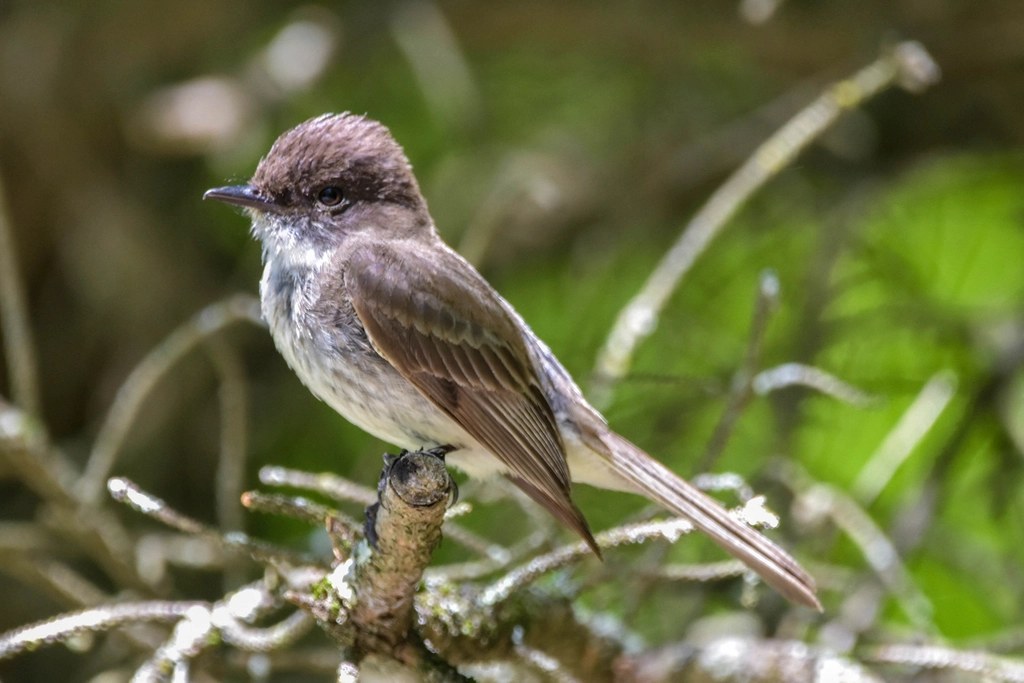 Photo Credit: Rawpixel
In the heart of North America’s woodlands and gardens, the Eastern Phoebe, known scientifically as Sayornis phoebe, flits about with a lively spirit that captures the imagination. This small songbird, measuring just about 7.5 inches in length, is easily recognized by its soft gray-brown plumage and distinctive blackish head. With its cheerful, whistled call echoing through the trees, the Eastern Phoebe brings a sense of joy to anyone lucky enough to spot it. Its adaptability to various habitats, from lush forests to open fields, makes it a familiar sight in many backyards, where it often perches on low branches or fences, ready to catch insects in mid-air.
What makes the Eastern Phoebe particularly intriguing to scientists and nature enthusiasts alike is its role in the ecosystem. As an insect-eater, this charming bird helps control pest populations, making it a natural ally for gardeners and farmers. During the spring, the male Eastern Phoebe performs energetic displays, singing its signature “phoebe” call to attract a mate and establish its territory. This behavior not only showcases its vibrant personality but also highlights the intricate dance of life that unfolds in our natural world. As we delve deeper into the life of the Eastern Phoebe, we will explore its fascinating habits, its vital role in the ecosystem, and the connections it shares with humans and the environment.
The Eastern Phoebe is a small, lively bird that holds a special place in the tree of life. Belonging to the kingdom Animalia, this charming avian is part of the phylum Chordata, which includes all animals with a backbone. It is classified under the class Aves, meaning it is a bird, and falls within the order Passeriformes, often referred to as perching birds or songbirds. What makes the Eastern Phoebe particularly interesting is its family, Tyrannidae, which is known for its insect-eating habits and distinctive behaviors. This bird is not just another feathered friend; it plays a vital role in controlling insect populations and is a delightful sight in gardens and parks across North America.
| Taxonomic Rank | Scientific Name | Meaning & Significance |
|---|---|---|
| Kingdom | Animalia | This name signifies that the Eastern Phoebe is part of the vast group of multicellular organisms that are primarily heterotrophic, meaning they consume other organisms for energy. |
| Phylum | Chordata | Chordata refers to animals that possess a notochord, a flexible rod that supports the body. In birds, this structure evolves into a backbone, allowing for greater mobility and strength. |
| Class | Aves | Aves is the class that includes all birds, characterized by feathers, beaks, and the ability to lay eggs. The Eastern Phoebe, like all birds, showcases these traits, making it a true member of this class. |
| Order | Passeriformes | This order is known for its diverse group of songbirds, which are often recognized for their vocal abilities. The Eastern Phoebe is a skilled singer, using its calls to communicate and establish territory. |
| Family | Tyrannidae | The name Tyrannidae comes from the Latin word “tyrannus,” meaning “tyrant.” This reflects the aggressive behavior of many flycatchers in this family, including the Eastern Phoebe, as they defend their territory fiercely. |
| Genus | Sayornis | Sayornis is derived from the Greek words “sayo,” meaning “to say,” and “ornis,” meaning “bird.” This name highlights the vocal nature of these birds, emphasizing their role in the avian chorus. |
Understanding the Eastern Phoebe’s classification reveals much about its evolutionary journey. As a member of the Tyrannidae family, it shares a lineage with other flycatchers, showcasing adaptations that have allowed it to thrive in various habitats. Its ability to catch insects mid-air and its distinctive calls are not just traits of a single species but are part of a broader evolutionary strategy that has helped these birds survive and flourish. The Eastern Phoebe’s place in the tree of life is a testament to the intricate connections between species and the fascinating story of evolution that continues to unfold in the natural world.
The Eastern Phoebe, a small songbird known for its cheerful call, has a rich evolutionary history that stretches back millions of years. This bird is part of the family Tyrannidae, which includes a variety of flycatchers. The story of the Eastern Phoebe begins in the late Cretaceous period, around 100 million years ago, when the ancestors of modern birds began to emerge from theropod dinosaurs. Over time, these early birds adapted to various environments, leading to the diverse avian species we see today.
The Eastern Phoebe’s lineage can be traced back to small, insect-eating birds that thrived in forested areas. As these birds evolved, they developed traits that allowed them to better catch flying insects, their primary food source. One major transition occurred when these ancestors adapted to a more open habitat, leading to the development of their distinctive perching behavior. This adaptation allowed them to spot prey from a distance and swoop down to catch it mid-air.
These adaptations have played a vital role in the Eastern Phoebe’s survival. By evolving to thrive in open habitats and developing effective hunting techniques, they have become adept at finding food. Their vocalizations help them communicate and establish territories, ensuring they can attract mates and defend their homes. Additionally, their clever nesting choices have allowed them to coexist with humans, further enhancing their chances of survival in a changing world. The Eastern Phoebe’s evolutionary journey is a testament to the resilience and adaptability of life.
The Eastern Phoebe is a delightful little bird that captures the eye with its lively demeanor and charming presence. Measuring up to 7.5 inches in height, this petite avian weighs between 0.6 to 0.7 ounces, making it light enough to flit about with ease. Its body is compact and sturdy, perfectly designed for quick movements and agile flights. The Eastern Phoebe’s feathers are soft and provide a warm, inviting appearance, while its most distinctive feature is its habit of wagging its tail as it perches, adding a playful touch to its character.
| Feature | Description |
|---|---|
| Height | Up to 7.5 inches |
| Weight | 0.6 to 0.7 ounces |
| Skin Type | Feathers |
| Most Distinctive Feature | Wags its tail as it sits |
The combination of its petite size and lively tail-wagging behavior serves important survival purposes. The Eastern Phoebe’s small stature allows it to navigate through dense foliage and dart between branches with agility, making it an adept hunter of insects. Its feathers not only provide insulation but also help it blend into its surroundings, offering protection from predators. The tail-wagging is not just for show; it can signal to other birds and help maintain balance while perched. Together, these features create a bird that is not only charming to watch but also finely tuned to thrive in its environment.
The Eastern Phoebe finds its home in a variety of inviting habitats that reflect its adaptable nature. Picture a serene landscape where lush forests meet open gardens, and gentle streams weave through marshy areas. This small bird thrives in environments that offer both shelter and food, often seen flitting about in the underbrush or perched on low branches, ready to catch insects in mid-air. Its cheerful call adds a lively soundtrack to these vibrant settings, making it a delightful presence in the natural world.
The Eastern Phoebe prefers climates that are mild and temperate, which means it enjoys warm summers and cooler winters. These birds are often found in areas with plenty of vegetation, as they rely on trees and shrubs for nesting and hunting. They thrive in places where water is nearby, such as streams and marshes, which provide a rich source of insects. The combination of these environmental conditions creates a perfect playground for the Eastern Phoebe, allowing it to flourish.
Adaptation is key to the Eastern Phoebe’s success in its chosen habitats. With its ability to nest in various locations, including man-made structures like barns and bridges, this bird has become quite resourceful. Its diet primarily consists of insects, which it skillfully catches in flight, showcasing its agility. The Eastern Phoebe’s adaptability to different environments not only helps it survive but also allows it to thrive in a range of settings, from bustling gardens to tranquil forests.
The Eastern Phoebe starts its day with a burst of energy, flitting from branch to branch in search of breakfast. These small birds are known for their insect-catching skills, often perching on a low branch and darting out to snatch up flying insects like flies and moths. As the sun rises, you might hear their distinctive call, a cheerful “fee-bee,” echoing through the trees. Throughout the day, they engage in a variety of activities, including preening their feathers to keep them clean and in top condition, and occasionally taking a break to bask in the sun.
Socially, Eastern Phoebes are quite interesting. While they are often seen alone or in pairs, they can also be found in small groups, especially during migration. These birds communicate with each other through a series of chirps and calls, which help them establish territory and attract mates. When nesting, they may tolerate the presence of other phoebes nearby, creating a lively neighborhood of chirping and fluttering. Their social interactions are crucial, as they help maintain a balance in their environment, ensuring that they can find food and avoid predators together.
| Behavior Type | Description |
|---|---|
| Feeding | Eastern Phoebes catch insects mid-air, showcasing their agility and quick reflexes. |
| Nesting | They build nests in sheltered areas, often using mud and plant materials, which they defend from intruders. |
| Communication | These birds use a variety of calls and songs to communicate with each other, marking territory and attracting mates. |
| Social Structure | While often solitary, they can form small groups, especially during migration, enhancing their safety in numbers. |
The behaviors of the Eastern Phoebe are finely tuned to ensure their survival in the wild. Their ability to catch insects efficiently allows them to thrive in various habitats, while their social interactions help them navigate challenges like finding food and avoiding predators. By working together, even in small groups, they create a supportive community that enhances their chances of success in the ever-changing landscape of nature.
The Eastern Phoebe is an omnivorous bird, which means it enjoys a varied diet that includes both animal and plant matter. This lively little songbird primarily feeds on insects, making it a natural pest controller in its environment. With its keen eyesight and agile flight, the Eastern Phoebe expertly catches flying insects mid-air or forages for them on the ground. Its feeding behavior is not just about survival; it also plays a crucial role in maintaining the balance of its ecosystem.
| Dietary Aspect | Details |
|---|---|
| Diet Type | Omnivore |
| Favorite Foods | Insects, including wasps, bees, flies, grasshoppers, and spiders |
| Prey Items | Ticks, millipedes, and various other insects |
| Hunting/Foraging Strategies | Perches on low branches to spot prey, then swoops down to catch insects in mid-air or searches the ground |
The Eastern Phoebe’s diet significantly influences its daily routine and ecological role. By consuming a wide range of insects, it helps control pest populations, benefiting both plants and other animals in its habitat. This bird’s foraging habits also encourage a healthy environment, as it contributes to the natural cycle of life. As it flits about, the Eastern Phoebe not only sustains itself but also plays a vital part in the intricate web of nature, showcasing the interconnectedness of all living things.
As spring arrives, the Eastern Phoebe begins its courtship rituals, signaling the start of the breeding season. Males are known for their energetic displays, often singing a cheerful “phoebe” call to attract females. Once a pair forms, they work together to find a suitable nesting site, typically in sheltered areas like under eaves or in abandoned buildings. This cooperative spirit sets the stage for a nurturing environment where their young can thrive.
| Reproductive Aspect | Details |
|---|---|
| Gestation Period | About 14 to 16 days |
| Litter Size | 3 to 7 eggs |
| Age of Maturity | About 1 year |
| Name of Young | Chicks |
After the eggs hatch, both parents take on the important role of feeding and caring for their chicks. The young are born blind and helpless, relying entirely on their parents for warmth and nourishment. As they grow, the chicks develop feathers and begin to explore their surroundings. Within a few weeks, they are ready to leave the nest, embarking on their own adventures. This nurturing process not only strengthens the bond between the parents and their young but also ensures that the next generation of Eastern Phoebes is well-prepared for life in the wild.
The Eastern Phoebe plays a vital role in its ecosystem, sitting comfortably within the food web as both a predator and prey. This small songbird primarily feeds on insects, helping to control their populations. However, it also faces various dangers that threaten its survival, making it an important part of the balance in nature.
To combat these threats, the Eastern Phoebe has developed several clever survival strategies. When it senses danger, it often takes flight, darting away with quick, agile movements. Phoebes are also known to build their nests in sheltered locations, such as under eaves or in dense foliage, providing some protection from predators. Additionally, their ability to adapt to various environments helps them find safe places to raise their young, ensuring that this lively bird continues to thrive in the wild.
A keystone species is an organism that has a disproportionately large impact on its environment relative to its abundance. These species help maintain the structure of an ecosystem, and their presence or absence can significantly affect many other organisms. The Eastern Phoebe, with its role as an insect predator and its interactions with various plants and animals, qualifies as a keystone species in its habitat.
The Eastern Phoebe plays a crucial role in controlling insect populations. By feeding on a variety of insects, including flies and beetles, this small bird helps keep these populations in check. This is particularly important in agricultural areas where pests can damage crops. Without the Eastern Phoebe, these insect populations could explode, leading to increased crop damage and a ripple effect throughout the food web.
Additionally, the Eastern Phoebe contributes to seed dispersal. As it flits from tree to tree, it may inadvertently carry seeds on its feathers or in its droppings. This helps promote plant diversity in its habitat, allowing new plants to grow and thrive. Healthy plant life, in turn, supports a wide range of other species, from insects to larger mammals.
The Eastern Phoebe also serves as a food source for various predators, including hawks and snakes. By being part of the food web, it supports the survival of these larger animals. If the Eastern Phoebe were to disappear, it would create a gap in the food web, potentially leading to declines in predator populations that rely on it for sustenance.
If the Eastern Phoebe were to vanish from its ecosystem, the consequences could be significant. Insect populations might surge, leading to increased crop damage and a decline in plant health. This could create a cascading effect, disrupting the balance of the entire ecosystem. Predators that rely on the Eastern Phoebe for food would struggle to find enough to eat, potentially leading to their decline as well. The loss of this small but mighty bird would echo throughout its habitat, highlighting the interconnectedness of life in nature.
The Eastern Phoebe occupies a vital ecological niche, acting as both a predator and a contributor to the health of its environment. This small songbird thrives in diverse habitats, from lush forests to open gardens and even agricultural areas. By feeding on insects, the Eastern Phoebe helps regulate insect populations, which can otherwise explode and disrupt the balance of its ecosystem. Its presence signals a healthy environment, as these birds are sensitive to changes in habitat quality.
| Ecosystem Service | Impact |
|---|---|
| Insect Control | Reduces pest populations, promoting plant health. |
| Seed Dispersal | Helps in the spread of various plant species through its diet. |
| Food Source | Serves as prey for larger birds and mammals, supporting the food web. |
| Indicator Species | Reflects the health of the ecosystem, signaling environmental changes. |
The Eastern Phoebe’s influence extends beyond its immediate actions. For instance, by consuming a variety of insects, including flies and beetles, it helps maintain a balance in the insect community. This is particularly important in agricultural areas, where pest control is crucial for crop health. Additionally, as the Eastern Phoebe flits from tree to tree, it inadvertently aids in seed dispersal, allowing new plants to grow and thrive in different areas. This not only supports plant diversity but also creates habitats for other wildlife.
The broader ecological importance of the Eastern Phoebe cannot be overstated. As a keystone species, its presence is essential for maintaining the structure of its ecosystem. By controlling insect populations and supporting plant growth, the Eastern Phoebe contributes to a balanced environment that benefits countless other species. Its cheerful call and lively behavior remind us of the interconnectedness of life, highlighting how even the smallest creatures play a significant role in the grand tapestry of nature.
In the intricate web of life, many species form partnerships that enhance their survival and well-being. These relationships can be classified into three main types: mutualism, where both species benefit; commensalism, where one species benefits while the other is neither helped nor harmed; and parasitism, where one species benefits at the expense of another. The Eastern Phoebe, a small and lively songbird, engages in various ecological relationships that illustrate the beauty of nature’s interconnectedness.
| Species/Type | Relationship Type | Description |
|---|---|---|
| Insects (various species) | Mutualistic | The Eastern Phoebe helps control insect populations by feeding on them, which benefits farmers and gardeners by reducing pests. |
| Plants (various species) | Commensal | As the Eastern Phoebe nests in trees and shrubs, it provides shelter for other small creatures, like insects and spiders, without affecting the plants. |
| Brood parasites (like the Brown-headed Cowbird) | Parasitic | Sometimes, the Eastern Phoebe may unknowingly raise the young of brood parasites, which can harm its own reproductive success. |
These relationships have evolved over time, shaped by the needs and behaviors of the species involved. The Eastern Phoebe’s role as an insect predator not only aids its survival but also supports the health of its environment by keeping pest populations in check. Meanwhile, its nesting habits create opportunities for other organisms, showcasing the delicate balance of nature. Understanding these connections helps us appreciate the complexity of ecosystems and the importance of every species, no matter how small.
The Eastern Phoebe is a small but captivating bird that brings joy to nature lovers with its lively antics and cheerful song. Here are some surprising facts that showcase the wonders of this delightful avian.
The Eastern Phoebe has long been a companion to humanity, weaving its way into our lives through history and culture. Native to North America, this small songbird is often one of the first to return in spring, heralding the change of seasons. Its cheerful “phoebe” call has inspired many, becoming a symbol of renewal and the joys of nature. In various cultures, the Eastern Phoebe has been celebrated in folklore and art, representing resilience and adaptability. As people have settled in new areas, they have often found themselves sharing their spaces with these lively birds, creating a bond that has lasted for generations.
Today, the relationship between Eastern Phoebes and humans is multifaceted. While many people appreciate their presence, there can also be conflicts. For instance, these birds often build their nests on human structures, such as porches and barns, which can lead to concerns about cleanliness and property damage. However, conservation efforts are underway to protect their habitats and ensure their populations remain stable. Birdwatching has become a popular pastime, allowing people to connect with these charming creatures while fostering a greater appreciation for wildlife.
As we look to the future, the relationship between Eastern Phoebes and humanity holds promise. With increasing awareness of environmental issues, more people are advocating for the protection of natural habitats. This could lead to healthier ecosystems where Eastern Phoebes thrive alongside us. By fostering a spirit of coexistence, we can ensure that these delightful birds continue to grace our lives with their songs and presence for generations to come.
The Eastern Phoebe is currently classified as a species of Least Concern by the International Union for Conservation of Nature (IUCN). This means that, overall, the population is stable and not facing immediate threats of extinction. With an estimated population size of around 32 million individuals as of 2015, these lively birds are thriving in their habitats across North America. Their adaptability to various environments has contributed to their resilience, allowing them to maintain a healthy population.
| Conservation Factor | Status/Details |
|---|---|
| IUCN Status | Least Concern |
| Estimated Population Size | Approximately 32 million (as of 2015) |
| Population Trend | Stable |
Despite their stable status, Eastern Phoebes face some challenges in their environment. Habitat loss is a significant threat, as urban development and agricultural expansion can reduce the natural spaces they rely on for nesting and foraging. Additionally, climate change poses risks by altering their migratory patterns and the availability of food sources. These factors can impact their breeding success and overall health, making it essential to monitor their populations closely.
Conservation efforts for the Eastern Phoebe focus on habitat preservation and restoration. By protecting wetlands, forests, and other natural areas, we can help ensure that these birds have the resources they need to thrive. Public awareness campaigns also play a crucial role in educating communities about the importance of maintaining healthy ecosystems. With continued efforts, the outlook for the Eastern Phoebe remains positive, allowing future generations to enjoy the cheerful songs of this delightful bird.
| Question | Answer |
|---|---|
| What is the habitat of the Eastern Phoebe? | The Eastern Phoebe is quite adaptable and can be found in a variety of habitats. These include forests, swamps, marshes, gardens, streams, and even agricultural areas. They prefer places where they can easily spot insects, their main food source. |
| What does the Eastern Phoebe eat? | This bird is an omnivore, which means it eats both plants and animals. Its diet mainly consists of insects like flies and beetles, but it also enjoys berries and seeds. This varied diet helps it thrive in different environments. |
| How does the Eastern Phoebe behave? | The Eastern Phoebe is known for its distinctive behavior of wagging its tail while perched. This tail-wagging is not just for show; it helps the bird maintain balance and communicate with others. They are also quite territorial and will defend their nesting areas vigorously. |
| How does the Eastern Phoebe reproduce? | During the breeding season, Eastern Phoebes build their nests in sheltered locations, often under eaves or in tree branches. The female typically lays 3 to 6 eggs, which she incubates for about two weeks. Once the chicks hatch, both parents help feed them until they are ready to leave the nest. |
| What threats do Eastern Phoebes face? | While the Eastern Phoebe is currently classified as Least Concern, it still faces some threats. Habitat loss due to urban development and agricultural practices can impact their nesting sites. Additionally, they can fall victim to predators like cats and hawks. |
| What is a unique characteristic of the Eastern Phoebe? | One of the most distinctive features of the Eastern Phoebe is its tail-wagging behavior. This charming action not only adds to its personality but also helps it stay alert and balanced while watching for food. Their soft, grayish-brown plumage also makes them quite appealing to birdwatchers. |
| Where can I find Eastern Phoebes? | Eastern Phoebes are commonly found across eastern North America, especially during migration seasons. They are often seen near water sources, making gardens and parks great places to spot them. Keep an eye out for their tail-wagging as they perch on branches or fences! |