Taxonomy & Classification
- Kingdom
- Animalia
- Phylum
- Chordata
- Class
- Aves
- Order
- Anseriformes
- Family
- Anatidae
- Genus
- Somateria
- Species
- S. mollissima, S. fischeri, S. spectabilis

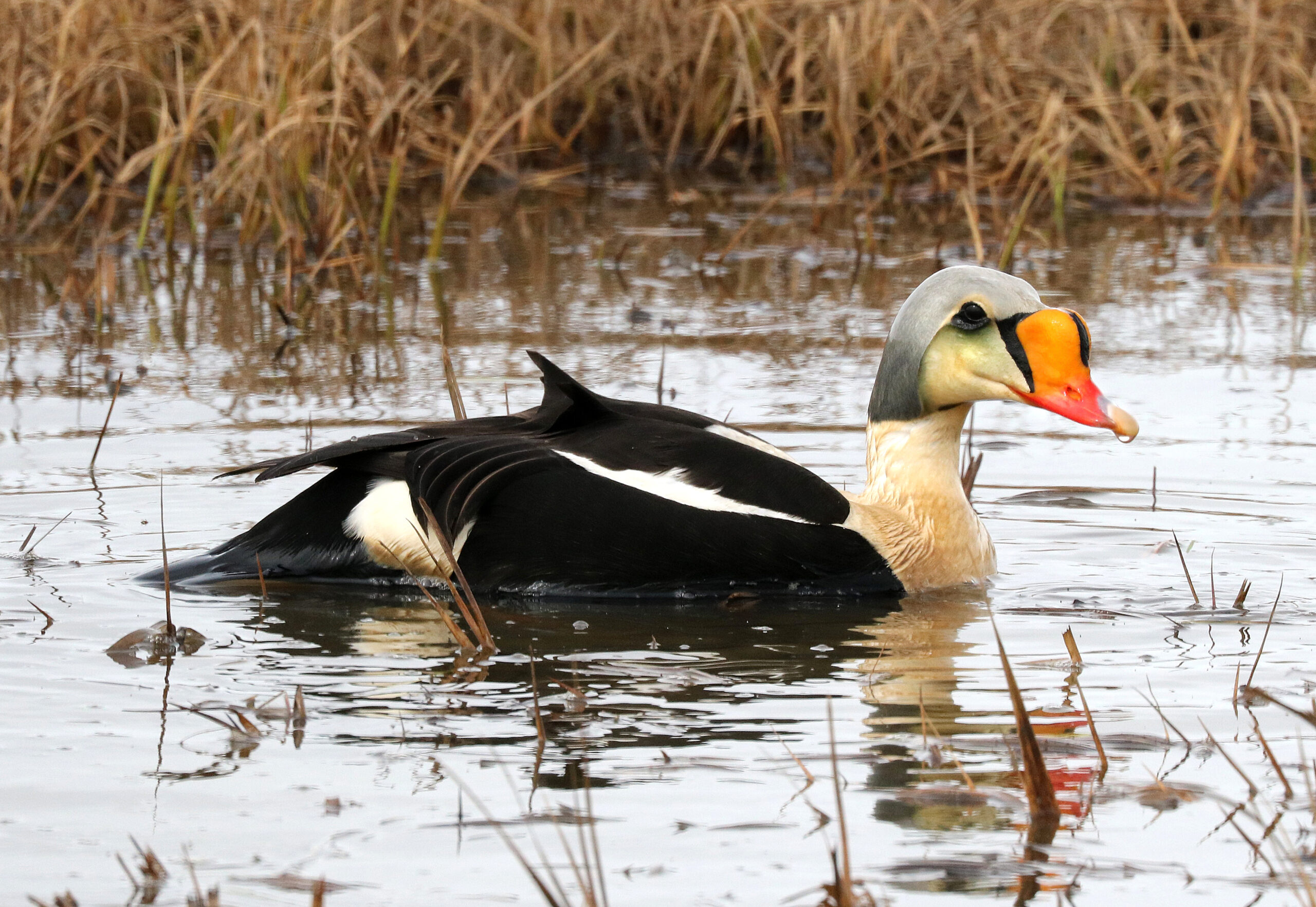 Photo Credit: Fæ / Wikimedia Commons
In the chilly embrace of the Arctic, where the land meets the sea, the Eider duck, scientifically known as Somateria, glides gracefully across the water’s surface. With its robust body and striking plumage, the Eider is a sight to behold. Males flaunt their vibrant colors, showcasing a mix of white, black, and soft pastel hues that shimmer in the sunlight. These ducks are not just beautiful; they are also known for their incredibly soft down feathers, which have fascinated both scientists and nature lovers alike. This down, which keeps them warm in frigid temperatures, has made them a target for collectors, adding a layer of intrigue to their story.
As the sun rises over the icy landscape, Eiders embark on their daily adventures, diving beneath the waves to forage for food. Their diet is diverse, consisting of everything from mollusks to seaweed, showcasing their adaptability in a challenging environment. Eiders are also known for their unique courtship rituals, where males perform elaborate displays to attract females, adding a touch of drama to their lives. With their vital role in the ecosystem and their captivating behaviors, Eider ducks invite us to explore the wonders of the natural world, reminding us of the delicate balance that sustains life in the Arctic.
The Eider, a captivating duck known for its striking plumage and soft down feathers, occupies a special place in the tree of life. Scientifically classified within the kingdom Animalia, the phylum Chordata, and the class Aves, Eiders belong to the family Anatidae, which includes all ducks, geese, and swans. What sets Eiders apart is their remarkable adaptation to cold environments, particularly in the Arctic and sub-Arctic regions. These birds are not just beautiful; they are also skilled divers, often plunging into icy waters to forage for food. Their unique characteristics and behaviors make them a fascinating subject of study in the avian world.
| Taxonomic Rank | Scientific Name | Meaning & Significance |
|---|---|---|
| Kingdom | Animalia | This name comes from the Latin word for “animal,” highlighting that Eiders are part of the vast group of living organisms that are multicellular and consume organic material. |
| Phylum | Chordata | Derived from the Greek word “chordē,” meaning “string,” this refers to the notochord, a flexible rod that supports the body in all chordates, including Eiders. |
| Class | Aves | From the Latin word for “bird,” this classification emphasizes the unique features of birds, such as feathers and beaks, which Eiders possess. |
| Order | Anseriformes | This name combines the Latin “anser,” meaning “goose,” and “forma,” meaning “shape,” indicating that this order includes waterfowl like ducks and geese, including Eiders. |
| Family | Anatidae | From the Latin “anates,” meaning “duck,” this family encompasses all ducks, geese, and swans, showcasing the Eider’s close relatives. |
| Genus | Somateria | This name is derived from the Greek “soma,” meaning “body,” and “teria,” meaning “to hold,” referring to the Eider’s robust body structure. |
Understanding the Eider’s classification reveals much about its evolutionary journey. As a member of the Anatidae family, Eiders share a common ancestry with other waterfowl, tracing back millions of years. Their adaptations to cold climates and diving behaviors reflect the evolutionary pressures they have faced in their habitats. By studying their taxonomy, we gain insights into how these birds have evolved to thrive in some of the harshest environments on Earth, showcasing the incredible diversity and resilience of life.
The evolutionary journey of the Eider duck stretches back millions of years, weaving through the complex tapestry of life on Earth. This fascinating bird belongs to the family Anatidae, which includes all ducks, geese, and swans. The Eider’s ancestors emerged during the late Cretaceous period, around 100 million years ago, when the first birds began to take flight. As the world changed, so did these birds, adapting to new environments and challenges.
Eiders are part of a lineage that can be traced back to the early ancestors of modern birds, known as theropods, which were small, feathered dinosaurs. Over time, these ancestors evolved into various forms, leading to the diverse group of birds we see today. The Eider’s evolutionary path took a significant turn as it adapted to life in colder climates, developing features that would help it thrive in harsh conditions.
These adaptations have been crucial for the Eider’s survival in its chilly habitats. The insulating down feathers keep them warm, while their streamlined bodies and strong feet enable them to hunt and evade predators in the water. Social behavior enhances their chances of finding food and staying safe, while their vibrant plumage plays a role in reproduction and social dynamics. Together, these traits illustrate how the Eider has successfully navigated the challenges of its environment, continuing to thrive in a world that is ever-changing.
The Eider duck presents a striking silhouette, characterized by its robust body and graceful lines. With a sturdy frame, these birds can weigh anywhere from 1 to 6 pounds, giving them a solid presence on the water. Their long necks and broad heads contribute to an overall impression of elegance, while their distinctive plumage adds a splash of color that captures the eye. Males, in particular, are known for their vibrant hues, making them stand out in their coastal habitats.
| Feature | Description |
|---|---|
| Size | 1 to 6 pounds |
| Skin Type | Feathers |
| Most Distinctive Feature | Large, colorful males |
The combination of size, feathered skin, and striking coloration plays a crucial role in the Eider’s survival. The soft down feathers not only provide insulation against the cold waters they inhabit but also help them float effortlessly. The vibrant colors of the males are not just for show; they attract mates and signal health and vitality. Together, these features create a bird that is not only beautiful but also perfectly adapted to thrive in its environment.
The Eider duck thrives in some of the most breathtaking habitats on Earth. Picture vast stretches of Arctic tundra, where the ground is often blanketed in snow and dotted with hardy vegetation. These ducks also favor rocky coastlines, where the waves crash against the shore and the salty air fills their lungs. Here, they find the perfect blend of land and sea, allowing them to forage for food and nest in relative safety. The stunning landscapes they call home are not just beautiful; they are essential for their survival.
Eiders are well-suited to the chilly climates of their habitats. They prefer areas where temperatures can drop significantly, especially during the winter months. The Arctic tundra and coastal regions provide a unique environment with cold winds and icy waters. These conditions are crucial for their breeding and feeding habits. Eiders often dive into the frigid waters to catch fish and mollusks, relying on their thick layers of down feathers to keep warm in the biting cold.
To thrive in such extreme environments, Eiders have developed remarkable adaptations. Their down feathers, which are incredibly soft and insulating, trap heat close to their bodies, allowing them to stay warm even in freezing temperatures. Additionally, their strong, webbed feet make them excellent swimmers, enabling them to navigate the icy waters with ease. These adaptations not only help them survive but also allow them to flourish in the rugged beauty of their Arctic and coastal homes.
Eiders lead a vibrant daily life, filled with activities that reflect their diurnal nature, meaning they are active during the day. As the sun rises, these ducks begin their morning routines, foraging for food along the coastlines and in shallow waters. They dive beneath the surface to catch small fish, crustaceans, and mollusks, using their strong, webbed feet to propel themselves. Throughout the day, they engage in preening, a behavior where they clean and arrange their feathers to maintain their waterproofing and insulation. As evening approaches, Eiders settle down in their chosen resting spots, often gathering in groups to roost together.
Social behavior is a key aspect of Eider life. These ducks are known for their strong group dynamics, often forming flocks that can number in the hundreds. This social structure provides safety in numbers, as they can watch for predators together. Communication among Eiders is lively, with a variety of quacks and whistles that help them stay connected. When they are in a group, you might see them engaging in synchronized swimming or playful interactions, which strengthen their bonds and enhance their social cohesion.
| Behavior Type | Description |
|---|---|
| Activity Patterns | Eiders are diurnal, meaning they are most active during the day, foraging for food and preening their feathers. |
| Social Structure | They often form large flocks, providing safety in numbers and enhancing their chances of spotting predators. |
| Communication Methods | Eiders use a range of vocalizations, including quacks and whistles, to communicate with each other and maintain group cohesion. |
The behaviors of Eiders are not just fascinating; they are essential for their survival. By foraging in groups, they increase their chances of finding food while also reducing the risk of becoming prey themselves. Their social interactions help them build strong relationships, which can be crucial during breeding seasons and in raising their young. In a world filled with challenges, these daily activities and social structures ensure that Eiders thrive in their stunning coastal habitats.
Eiders are omnivores, which means they enjoy a varied diet that includes both animal and plant matter. These ducks are particularly skilled at foraging in coastal waters, where they dive beneath the surface to hunt for their favorite foods. Their diet primarily consists of marine invertebrates, such as mussels, clams, and scallops, but they also munch on small plants and insects when the opportunity arises. This adaptability in their feeding habits allows them to thrive in diverse environments, from rocky shorelines to sandy beaches.
| Dietary Aspect | Details |
|---|---|
| Diet Type | Omnivore |
| Favorite Foods | Mussels, clams, scallops, starfish, crabs, sea urchins, small plants, and insects |
| Prey Items | Marine invertebrates and some plant matter |
| Hunting/Foraging Strategies | Diving underwater to catch prey and foraging along the shore |
The Eider’s diet plays a crucial role in shaping its ecology and daily routine. By feeding on a variety of marine life, these ducks help maintain the balance of their coastal ecosystems. Their foraging habits not only provide them with essential nutrients but also influence the populations of the species they consume. As they dive and search for food, Eiders contribute to the health of their habitats, showcasing the interconnectedness of life in the natural world.
As spring approaches, Eider ducks engage in a captivating courtship ritual that sets the stage for their breeding season. Males display their vibrant plumage and perform elaborate dances to attract females. Once a pair has formed, they will seek out a suitable nesting site, often on remote islands or coastal areas, where they can lay their eggs in safety. This season of love and nesting typically occurs from late April to early June, when the days grow longer and food becomes more abundant.
| Reproductive Aspect | Details |
|---|---|
| Gestation Period | About 28 days |
| Litter Size | 4 to 6 eggs |
| Age of Maturity | 2 years |
| Name of Young | Chicks |
Once the eggs hatch, the mother Eider takes on the vital role of caregiver. She leads her fluffy chicks to water, teaching them how to swim and forage for food. These little ones are precocial, meaning they are relatively mature and mobile shortly after hatching. As they grow, the chicks develop their adult feathers and learn essential survival skills. The mother remains protective, guiding them through their early days until they are ready to fend for themselves. By the time they reach maturity at around two years old, these young Eiders are well-equipped to embark on their own adventures in the wild.
The Eider duck plays a vital role in its ecosystem, sitting comfortably in the middle of the food web. As a prey species, it provides nourishment for various predators while also contributing to the health of its environment through its foraging habits. Eiders are particularly important in coastal areas, where they help maintain the balance of marine life by feeding on a variety of organisms.
To survive these threats, Eiders have developed several clever strategies. They often nest in remote areas, making it harder for predators to find them. When danger approaches, Eiders can quickly dive underwater, using their strong swimming abilities to evade capture. Additionally, their ability to blend into their surroundings helps them avoid detection. By staying alert and using their natural instincts, Eiders continue to thrive despite the challenges they face in their environment.
A keystone species is a vital part of its ecosystem, meaning its presence has a significant impact on the environment and other living things. The Eider duck, with its unique behaviors and ecological interactions, qualifies as a keystone species. By influencing the structure and health of its habitat, the Eider plays a crucial role in maintaining the balance of its ecosystem.
Eiders are social birds that thrive in the Arctic tundra and along rocky coastlines. Their foraging habits, which include diving for food, help control the populations of various marine organisms. By feeding on mollusks and other invertebrates, Eiders help maintain the health of coastal ecosystems. When these ducks dive, they not only consume prey but also stir up the sediment, which can promote the growth of underwater plants. These plants, in turn, provide shelter and food for many other species, creating a rich and diverse habitat.
Moreover, Eiders are an important food source for predators such as foxes and large birds of prey. Their presence supports a variety of wildlife, ensuring that the food web remains intact. Additionally, the down feathers of Eiders are highly prized for their insulating properties, which humans have harvested sustainably for centuries. This relationship between Eiders and humans highlights the interconnectedness of species within an ecosystem.
If Eiders were to disappear from their habitats, the effects would ripple through the ecosystem. Without these ducks, the populations of marine invertebrates could surge, leading to overgrazing of underwater vegetation. This imbalance would not only affect the plants but also the many species that rely on them for food and shelter. Additionally, predators that depend on Eiders for sustenance would struggle to find alternative food sources, potentially leading to declines in their populations as well. The loss of Eiders would disrupt the delicate balance of life in their ecosystems, demonstrating just how crucial they are to the health of their environment.
The Eider duck plays a crucial role in its ecosystem, acting as both a forager and a prey species. Found in the Arctic tundra and along rocky coastlines, these ducks thrive in environments that are rich in biodiversity. Their presence helps maintain the balance of their habitats, as they interact with various plants and animals. By foraging for food, Eiders contribute to the health of their ecosystems, ensuring that nutrients are cycled effectively.
| Ecosystem Service | Impact |
|---|---|
| Foraging | Helps control invertebrate populations and promotes plant growth. |
| Nutrient Cycling | Contributes to the nutrient cycle through waste, enriching the soil. |
| Prey for Predators | Serves as a food source for various predators, supporting the food web. |
| Habitat Creation | Influences the structure of coastal habitats through nesting behaviors. |
Eiders are not just passive inhabitants of their environment; they actively shape it. For example, their foraging habits help control populations of small invertebrates, which can otherwise overpopulate and disrupt local plant life. Additionally, when Eiders nest, they often create depressions in the ground that can collect water, providing habitats for other species. Their droppings also enrich the soil, promoting the growth of vegetation that supports a variety of other wildlife.
The broader ecological importance of the Eider duck cannot be overstated. As a keystone species, their presence is vital for maintaining the health of their ecosystems. By supporting predator populations and influencing plant communities, Eiders help create a balanced environment where many species can thrive. Their role highlights the interconnectedness of life in the Arctic tundra and coastal regions, reminding us that every creature, no matter how small, plays a part in the grand tapestry of nature.
In the intricate web of life, symbiosis refers to the close interactions between different species, which can take on various forms. These relationships can be mutualistic, where both species benefit, parasitic, where one benefits at the other’s expense, or commensal, where one benefits while the other is neither helped nor harmed. Understanding these ecological relationships helps us appreciate how interconnected life is, especially in delicate ecosystems like those inhabited by the Eider duck.
| Species/Type | Relationship Type | Description |
|---|---|---|
| Sea urchins | Mutualistic | Eiders feed on sea urchins, helping control their population while gaining a nutritious meal. |
| Seabirds | Commensal | Eiders often nest near seabirds, benefiting from the protection offered by the larger birds without affecting them. |
| Parasites (like lice) | Parasitic | Some Eiders may host parasites, which feed on their blood or feathers, harming the ducks in the process. |
These relationships have evolved over time, shaped by the needs and behaviors of the species involved. The mutualistic interactions, like those with sea urchins, highlight how Eiders contribute to their environment while also securing food. Meanwhile, the commensal relationships with seabirds demonstrate the benefits of living in close proximity to other species for safety. However, parasitic relationships remind us that not all interactions are beneficial. Each of these connections plays a role in the balance of the ecosystem, showcasing the dynamic nature of life in the Arctic tundra and rocky coastlines where Eiders thrive.
Eider ducks are not just beautiful; they are full of surprises that make them truly captivating. Here are some intriguing facts that will delight nature enthusiasts of all ages.
Throughout history, Eider ducks have held a special place in the hearts and cultures of people living in coastal regions. Indigenous communities in the Arctic have long revered these birds, not only for their striking beauty but also for their soft down feathers, which are highly prized for insulation. In many cultures, Eiders symbolize resilience and adaptability, reflecting the harsh environments they inhabit. Their presence has inspired folklore and traditions, showcasing the deep connection between these birds and the communities that rely on them.
In modern times, the relationship between Eiders and humanity has evolved, marked by both conservation efforts and challenges. As climate change threatens their Arctic habitats, conservationists are working tirelessly to protect these ducks and their breeding grounds. However, conflicts can arise, particularly in areas where hunting and habitat encroachment occur. Some communities still hunt Eiders for food and feathers, leading to a delicate balance between cultural practices and the need for sustainable management. Additionally, domestication efforts have emerged, with some people raising Eiders for their down, which raises questions about the impact on wild populations.
As we look to the future, the relationship between Eider ducks and humanity will likely continue to evolve. With increasing awareness of environmental issues, there is hope for a more harmonious coexistence. By prioritizing conservation and sustainable practices, we can ensure that these magnificent birds thrive alongside us. The story of the Eider is not just about survival; it is a testament to the interconnectedness of all life and the importance of respecting the natural world. Together, we can create a future where both Eiders and humans flourish.
The Eider duck, known for its striking beauty and soft down feathers, currently holds a conservation status of Near Threatened. This designation indicates that while the species is not yet at critical risk, it faces challenges that could lead to a decline in its population if not addressed. The exact population size remains unknown, but trends suggest that certain populations may be decreasing, prompting conservationists to keep a close watch on their numbers.
| Conservation Factor | Status/Details |
|---|---|
| IUCN Status | Near Threatened |
| Estimated Population Size | Unknown |
| Population Trend | Decreasing in some areas |
The Eider duck faces several significant threats that jeopardize its survival. Habitat loss is a major concern, as coastal development and climate change alter the delicate ecosystems where these ducks thrive. Additionally, pollution and human activities can disrupt their breeding grounds, making it harder for them to raise their young. Predation by introduced species and hunting pressures also contribute to the challenges Eiders encounter in the wild.
Despite these threats, there are ongoing conservation efforts aimed at protecting the Eider duck and its habitats. Organizations are working to monitor populations and restore critical breeding areas. Public awareness campaigns help educate communities about the importance of preserving these beautiful birds and their environments. With continued dedication and support, there is hope that the Eider duck can stabilize its population and thrive in the wild for generations to come.
| Question | Answer |
|---|---|
| What is the habitat of the Eider? | Eiders are commonly found in the Arctic tundra and along rocky coastlines. They prefer areas where they can dive for food and have access to open water, especially during the breeding season. |
| What do Eiders eat? | Eiders are omnivores, which means they eat both plants and animals. Their diet mainly consists of marine invertebrates like mollusks and crustaceans, as well as some aquatic plants. |
| How do Eiders behave in the wild? | Eiders are social birds that often form large flocks, especially during migration. They are known for their strong swimming abilities and can dive deep to find food, using their webbed feet to propel themselves underwater. |
| How do Eiders reproduce? | During the breeding season, male Eiders display their colorful plumage to attract females. After mating, the female builds a nest on the ground, usually near water, where she lays a clutch of eggs and incubates them until they hatch. |
| What threats do Eiders face? | Eiders are currently listed as Near Threatened due to habitat loss, climate change, and hunting pressures. Their nesting sites are particularly vulnerable to disturbances from human activities and rising sea levels. |
| What is a distinctive feature of the Eider? | The most distinctive feature of Eiders is the large, colorful males, especially during the breeding season. Males often have striking plumage with shades of green, white, and black, making them stand out in their natural habitat. |
| Are Eiders migratory birds? | Yes, Eiders are migratory birds that travel long distances between their breeding and wintering grounds. They typically migrate to warmer coastal areas during the winter months, returning to the Arctic for breeding in the spring. |