Taxonomy & Classification
- Kingdom
- Animalia
- Phylum
- Chordata
- Class
- Mammalia
- Order
- Carnivora
- Family
- Mustelidae
- Genus
- Mustela
- Species
- Mustela erminea

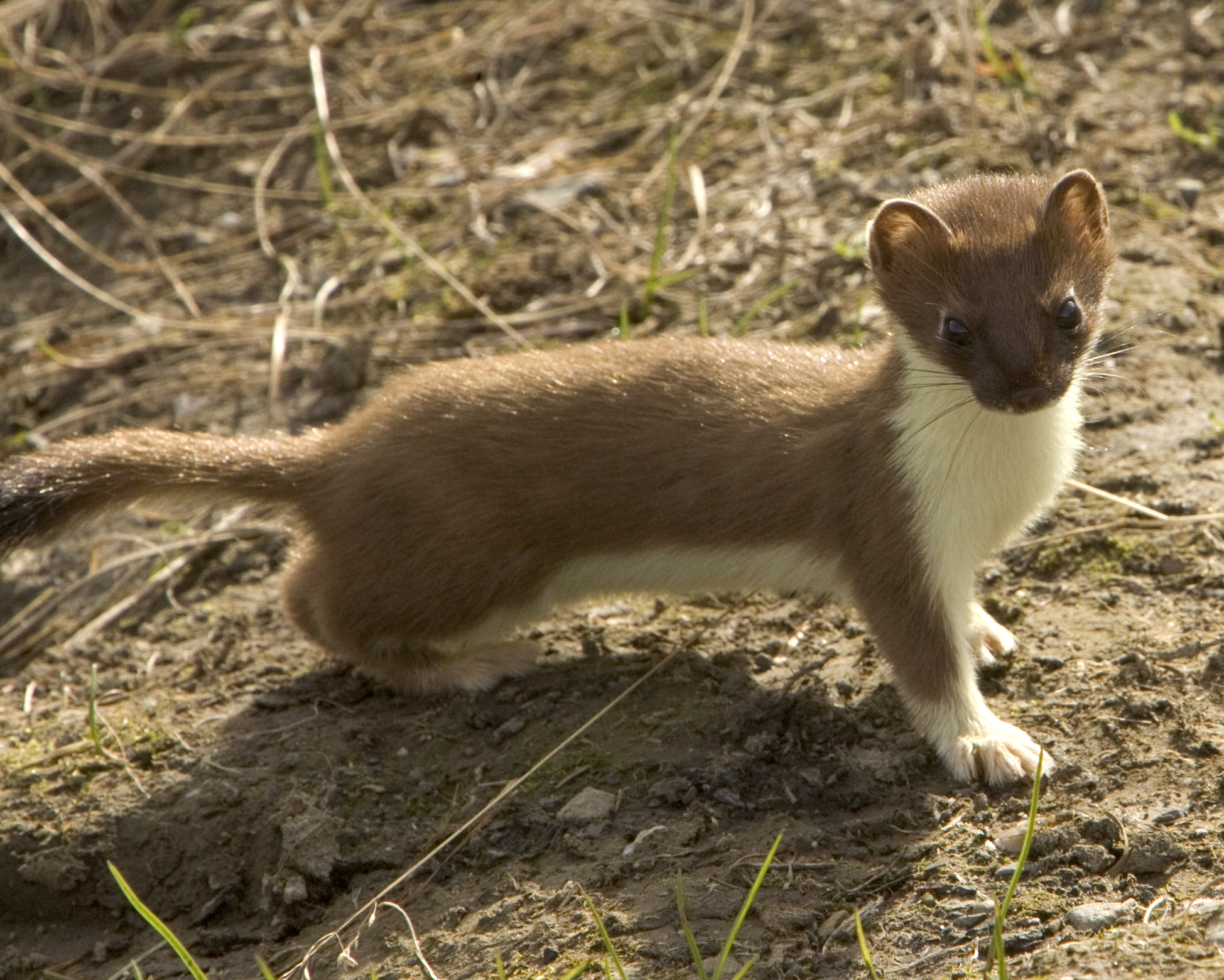 Photo Credit: Ellicrum / Wikimedia Commons
In the heart of lush woodlands and rolling hills, the ermine, scientifically known as Mustela erminea, dances through the underbrush with a grace that captivates all who are lucky enough to catch a glimpse. With its sleek, slender body and striking coat that shifts from rich brown in summer to a dazzling white in winter, this small mammal is a master of disguise. The ermine’s ability to blend seamlessly into its surroundings not only aids in hunting but also helps it evade predators, making it a fascinating subject for scientists and nature lovers alike.
Imagine a crisp winter morning, where the world is blanketed in fresh snow. The ermine emerges, its white fur glistening like a jewel against the icy landscape. This agile creature, no larger than a house cat, is not just a pretty sight; it plays a crucial role in its ecosystem. As a skilled hunter, the ermine helps control populations of small rodents and birds, maintaining a balance in the food web. Its lively spirit and sharp instincts make it a remarkable survivor in the wild, showcasing the wonders of adaptation and the intricate connections that define life in the forest. As we explore the world of the ermine, we will uncover its behaviors, diet, and the vital role it plays in its habitat, revealing why this small mammal is so much more than meets the eye.
The ermine, also known as the stoat, holds a special place in the animal kingdom, showcasing a blend of agility and adaptability. Taxonomically, it belongs to the Kingdom Animalia, which includes all animals, and is classified under the Phylum Chordata, meaning it has a backbone. As a member of the Class Mammalia, the ermine shares characteristics like fur and live births with other mammals. Its position in the Order Carnivora highlights its meat-eating habits, while the Family Mustelidae groups it with weasels, otters, and badgers. What makes the ermine particularly captivating is its seasonal coat change, transforming from a rich brown in summer to a striking white in winter, a clever adaptation for camouflage in snowy environments.
| Taxonomic Rank | Scientific Name | Meaning & Significance |
|---|---|---|
| Kingdom | Animalia | This name comes from the Latin word for “animal,” highlighting that all members are living organisms that can move and respond to their environment. |
| Phylum | Chordata | Derived from the Greek word “chordē,” meaning “string,” this refers to the notochord, a flexible rod that supports the body, found in all members during some stage of development. |
| Class | Mammalia | This term comes from the Latin “mamma,” meaning “breast,” indicating that females possess mammary glands to nurse their young, a key feature of this class. |
| Order | Carnivora | From the Latin “carnivorus,” meaning “meat-eater,” this order includes animals that primarily consume meat, showcasing their role as predators in ecosystems. |
| Family | Mustelidae | This name is derived from the Latin “mustela,” meaning “weasel,” which reflects the family’s weasel-like characteristics, including their slender bodies and sharp teeth. |
| Genus | Mustela | Also from the Latin “mustela,” this genus encompasses various small, carnivorous mammals, emphasizing their agile and predatory nature. |
The classification of the ermine reveals much about its evolutionary journey. As a member of the Mustelidae family, it shares a common ancestor with other mustelids, which adapted to various habitats and hunting strategies over millions of years. The ermine’s ability to change its coat color not only aids in survival but also illustrates the dynamic relationship between species and their environments. This fascinating adaptation highlights how evolution shapes the traits of animals, allowing them to thrive in diverse ecosystems. Understanding where the ermine fits in the tree of life helps us appreciate the intricate connections that bind all living beings together.
The evolutionary journey of the ermine, or stoat, stretches back millions of years, tracing its lineage through the family Mustelidae, which includes weasels, otters, and badgers. This small mammal has adapted to various environments, showcasing a remarkable ability to thrive in diverse habitats. The story of the ermine is one of survival, marked by significant changes that have allowed it to become a skilled predator and a master of camouflage.
The ancestors of the ermine emerged during the late Eocene epoch, around 35 million years ago. These early mustelids were small, agile creatures that roamed the forests and grasslands of what is now Europe and North America. Over time, they evolved into specialized hunters, developing traits that enhanced their predatory skills. One major transition occurred during the Miocene epoch, about 20 million years ago, when the ancestors of modern mustelids began to diversify, adapting to various ecological niches. This led to the emergence of the genus Mustela, which includes the ermine.
These evolutionary adaptations have been crucial for the ermine’s survival in the wild. The ability to change fur color not only aids in hunting but also protects it from larger predators. Its small size and agility allow it to pursue prey through tight spaces, while its sharp teeth and claws ensure it can capture and consume food effectively. Together, these traits have made the ermine a successful and resilient species, capable of thriving in a variety of environments.
The ermine, with its sleek body and lively spirit, presents an enchanting sight in the wild. This small mammal, often no larger than a house cat, boasts a slender form that allows it to dart through its environment with remarkable agility. Its long, flexible body is perfectly designed for weaving through dense underbrush and snow, making it a master of stealth and speed. The ermine’s movements are characterized by a playful zig-zagging pattern, which not only adds to its charm but also helps it evade predators.
| Feature | Description |
|---|---|
| Weight | 60g – 110g (2.1oz – 3.9oz) |
| Skin Type | Fur |
| Most Distinctive Feature | Zig-zagging movement |
The ermine’s lightweight frame and soft fur serve essential roles in its survival. The fur not only provides insulation against the cold but also offers camouflage, especially in winter when it turns white to blend in with the snow. This clever adaptation helps it avoid detection by both prey and predators alike. Together, these features create a creature that is not just a marvel of nature but also a skilled survivor in its ever-changing habitat.
The ermine thrives in a variety of habitats, primarily favoring woodlands and forests. Picture a serene landscape where tall trees stretch toward the sky, their leaves whispering in the gentle breeze. Underneath, a rich tapestry of underbrush and fallen leaves creates a perfect playground for this agile little mammal. The dappled sunlight filters through the branches, casting playful shadows on the forest floor, where the ermine can often be seen darting about, its sleek body blending seamlessly with the surroundings.
The ermine prefers climates that offer a mix of cool temperatures and seasonal changes. It thrives in areas where winters can be cold, as this allows it to don its stunning white winter coat, providing excellent camouflage against the snow. These environments often feature a variety of trees and shrubs, which not only provide shelter but also a rich source of food. The presence of small mammals, birds, and insects in these regions ensures that the ermine has plenty to hunt and eat.
Adaptation is key to the ermine’s survival in these habitats. Its ability to change fur color with the seasons is one of its most impressive traits. In summer, its coat is a warm brown, helping it blend in with the earthy tones of the forest. When winter arrives, it transforms into a brilliant white, making it nearly invisible against the snow. This clever adaptation not only aids in hunting but also protects it from predators. The ermine’s agility and keen senses further enhance its ability to navigate the complex forest environment, allowing it to thrive where many other animals might struggle.
The daily life of an ermine is a blend of stealth and agility, filled with activities that showcase its hunting prowess and adaptability. As dawn breaks, these small mammals emerge from their dens, ready to explore their surroundings. They spend much of their day hunting for small rodents, birds, and insects, using their keen sense of smell and sharp eyesight to locate prey. With a playful spirit, they often engage in short bursts of energetic activity, darting through underbrush and climbing over fallen logs. As night falls, they retreat to their burrows, resting and preparing for another day of adventure.
Ermines are primarily solitary animals, preferring to navigate their world alone rather than in groups. This independence allows them to be stealthy hunters, as they can move quietly and quickly without the distraction of others. While they may occasionally cross paths with fellow ermines, they generally maintain a distance, marking their territory with scent to communicate their presence. This solitary lifestyle helps them avoid competition for food and reduces the risk of attracting predators.
| Behavior Type | Description |
|---|---|
| Hunting | Ermines are skilled hunters, primarily targeting small mammals like voles and mice. They rely on their agility and sharp senses to catch prey. |
| Territorial Marking | To establish their territory, ermines use scent marking, which helps them communicate with other ermines and avoid conflicts. |
| Solitary Living | These animals prefer to live alone, which allows them to be stealthy and efficient hunters without the competition of a group. |
| Playful Behavior | Young ermines often engage in playful activities, which help them develop their hunting skills and agility. |
The behaviors of the ermine are finely tuned to ensure its survival in the wild. By being solitary, they minimize competition for food and reduce the chances of being detected by predators. Their hunting skills, combined with their ability to communicate through scent, allow them to thrive in various environments. Each day is a new adventure, filled with challenges that test their agility and cunning, ensuring that these small mammals continue to flourish in their habitats.
The ermine is a carnivore, which means it primarily eats meat. This small mammal has a diet that consists mainly of small rodents, such as voles and mice, but it also enjoys birds and insects. With its keen sense of hearing and sharp eyesight, the ermine is an expert hunter. It uses its agility and stealth to sneak up on its prey, often pouncing with incredible speed. This hunting behavior is not just about catching food; it’s a vital part of the ermine’s daily life and survival in the wild.
| Dietary Aspect | Details |
|---|---|
| Diet Type | Carnivore |
| Favorite Foods | Small rodents, birds, and insects |
| Prey Items | Voles, mice, and occasionally small birds |
| Hunting/Foraging Strategies | Stealthy approach, quick pounces, and keen senses |
The ermine’s diet plays a crucial role in its ecology and daily routine. By preying on small mammals, it helps control their populations, which can prevent overgrazing and maintain a balanced ecosystem. This small predator is also a key player in the food web, serving as both a hunter and a potential prey for larger animals. The need to hunt for food drives the ermine’s active lifestyle, making it a fascinating part of the natural world.
As the seasons change, so does the life of the ermine. Mating typically occurs in late spring, when the days grow longer and warmer. During this time, male ermines become quite spirited, engaging in playful chases and displays to attract females. This courtship can be a lively affair, filled with energetic movements and vocalizations. After a successful pairing, the female prepares for the arrival of her young, entering a crucial phase of her life.
| Reproductive Aspect | Details |
|---|---|
| Gestation Period | About 30 days |
| Litter Size | Typically 4 to 6 kits |
| Age of Maturity | A few months to a year |
| Name of Young | Kits |
Once the kits are born, the female ermine becomes a dedicated mother. She provides warmth and protection in their cozy den, which she often lines with soft materials to keep her young comfortable. The kits are born blind and helpless, relying entirely on their mother for food and safety. As they grow, they begin to explore their surroundings, learning essential skills like hunting and climbing. By the time they reach maturity, these young ermines are ready to venture out on their own, equipped with the instincts and knowledge needed to thrive in the wild.
The ermine occupies a crucial role in the food web, acting as both predator and prey. This small mammal is agile and cunning, allowing it to hunt small rodents and birds effectively. However, it is also vulnerable to various predators, making its survival a delicate balance within its ecosystem.
To defend itself against these threats, the ermine employs a range of survival strategies. Its slender body allows it to slip into tight spaces, providing quick escape routes from predators. Additionally, the ermine’s fur changes color with the seasons, turning white in winter to blend in with the snow, and brown in summer to match the earth. This clever camouflage helps it avoid detection, while its quick reflexes and sharp senses keep it alert to danger. By staying vigilant and using its natural adaptations, the ermine continues to thrive in a world filled with challenges.
A keystone species is an organism that plays a critical role in maintaining the structure of its ecosystem. These species have a disproportionately large impact on their environment relative to their abundance. The ermine, also known as the stoat, qualifies as a keystone species due to its significant influence on the populations of small mammals and birds in its habitat.
Ermines are skilled hunters, primarily preying on small rodents like voles and mice. By controlling these populations, they help maintain a balance in the ecosystem. If the number of these small mammals were to rise unchecked, they could overconsume vegetation, leading to habitat degradation. Additionally, ermines themselves serve as prey for larger predators, such as hawks and foxes. This dual role as both predator and prey helps to sustain the food web, ensuring that energy flows through the ecosystem effectively.
Moreover, the ermine’s presence can influence the behavior of other species. For instance, the fear of being hunted by ermines can cause small rodents to alter their foraging habits, which in turn affects plant growth and distribution. This ripple effect showcases how the ermine’s hunting strategies can shape the entire woodland ecosystem.
If ermines were to disappear from their ecosystems, the consequences could be severe. Without these agile hunters, populations of small rodents could explode, leading to overconsumption of vegetation. This could result in habitat loss for many other species, including birds and insects that rely on healthy plant life. The balance of the ecosystem would be disrupted, potentially leading to a decline in biodiversity and the overall health of the woodland environment. In essence, the absence of the ermine would create a domino effect, illustrating just how vital this small mammal is to its ecosystem.
The ermine, also known as the stoat, occupies a vital ecological niche in woodlands and forests. As a small carnivore, it plays a significant role in controlling populations of small mammals and birds. By preying on species like voles and mice, the ermine helps maintain a balance in the ecosystem. This balance is crucial because it prevents any one species from becoming too dominant, which could lead to overgrazing or other ecological issues. The ermine’s presence ensures that the food web remains healthy and diverse.
| Ecosystem Service | Impact |
|---|---|
| Population Control | Regulates numbers of small mammals, preventing overpopulation. |
| Prey for Larger Predators | Serves as a food source for birds of prey and larger mammals. |
| Soil Aeration | Through its burrowing and movement, it helps aerate the soil. |
| Seed Dispersal | May contribute to seed dispersal through its foraging activities. |
The ermine’s influence on its environment is evident in various ways. For instance, by keeping the populations of rodents in check, it indirectly supports the growth of vegetation. When rodent numbers are controlled, plants have a better chance to thrive, which in turn provides habitat and food for other wildlife. Additionally, the ermine itself becomes a target for larger predators, such as hawks and foxes, creating a dynamic food web. This interconnectedness highlights how the ermine’s hunting habits ripple through the ecosystem, affecting many other species.
Understanding the broader ecological importance of the ermine reveals its role as a keystone species. Keystone species are those that have a disproportionately large impact on their environment relative to their abundance. The ermine’s predation helps maintain the balance of species in its habitat, ensuring that ecosystems remain resilient and diverse. By supporting various plant and animal life, the ermine contributes to the overall health of woodlands and forests, making it an essential player in the intricate web of life.
In the intricate web of life, symbiosis refers to the close interactions between different species, which can take on various forms. These relationships can be mutualistic, where both species benefit; parasitic, where one benefits at the expense of the other; or commensal, where one benefits while the other is neither helped nor harmed. The ermine, a small yet agile carnivore, engages in several fascinating ecological relationships that highlight the interconnectedness of nature.
| Species/Type | Relationship Type | Description |
|---|---|---|
| Rodents (e.g., voles) | Predatory | The ermine preys on small rodents, helping to control their populations and maintain ecological balance. |
| Birds (e.g., nestlings) | Predatory | Ermines may hunt young birds, which provides them with essential nutrients while impacting bird populations. |
| Fungi (e.g., mycorrhizal fungi) | Commensal | While not directly interacting, ermines benefit from the healthy ecosystems supported by mycorrhizal fungi in their habitats. |
The evolution of these relationships showcases the dynamic nature of ecosystems. Over time, the ermine has adapted to its role as a predator, honing its skills to hunt effectively while also influencing the populations of its prey. This balance is crucial, as it ensures that no single species dominates the environment, allowing for a diverse and thriving ecosystem. The connections between the ermine and other species illustrate the beauty of nature’s design, where every interaction plays a part in the grand story of life.
The ermine, also known as the stoat, is a small but mighty mammal that captivates nature enthusiasts with its agility and adaptability. This fascinating creature is full of surprises that reveal the wonders of the natural world.
Throughout history, the ermine has woven itself into the fabric of human culture and tradition. In ancient times, this small mammal was highly valued for its luxurious fur, which was often used to adorn the robes of royalty and nobility. The striking white coat of the ermine, especially during winter, symbolized purity and status. Many cultures have celebrated the ermine in folklore and art, recognizing its beauty and agility. This connection between the ermine and humanity has created a lasting legacy, where the animal is not just seen as a creature of the wild, but as a symbol of elegance and grace.
In modern times, the relationship between humans and ermines has evolved, reflecting both conservation efforts and challenges. As habitats change due to urbanization and climate change, conservationists work to protect these small mammals and their environments. However, conflicts can arise, particularly in agricultural areas where ermines may prey on small livestock or poultry. Interestingly, some people have also considered domestication, although this is rare. The focus now is on finding a balance that allows for the coexistence of ermines and humans, ensuring that both can thrive in a shared landscape.
As we look to the future, the relationship between ermines and humanity holds promise and challenges. With ongoing efforts in conservation and habitat restoration, there is hope for a harmonious coexistence. By understanding the ecological importance of ermines and respecting their role in nature, we can foster a relationship that benefits both species. As we learn more about these agile mammals, we can appreciate their place in our world, ensuring that future generations can enjoy the beauty and significance of the ermine.
The ermine, or stoat, currently holds a conservation status of “Least Concern” according to the International Union for Conservation of Nature (IUCN). This means that, at present, the species is not facing immediate threats of extinction. However, while the overall population is considered stable, specific population estimates remain unknown. This uncertainty highlights the need for ongoing monitoring to ensure that these agile mammals continue to thrive in their natural habitats.
| Conservation Factor | Status/Details |
|---|---|
| IUCN Status | Least Concern |
| Estimated Population Size | Unknown |
| Population Trend | Stable |
Despite their current stable status, ermines face several threats that could impact their populations in the future. Habitat loss due to urban development and agricultural expansion poses a significant risk, as these changes can fragment the environments where ermines hunt and breed. Additionally, climate change may alter their habitats and food availability, making it harder for them to find the small mammals they rely on for sustenance. Predation by larger animals and competition with other species can also affect their survival.
Conservation efforts for the ermine focus on habitat preservation and monitoring population dynamics. By protecting the woodlands and forests where these small mammals thrive, conservationists aim to ensure that ermines have the space they need to flourish. Public awareness campaigns also play a crucial role in educating communities about the importance of maintaining healthy ecosystems. With continued efforts, the outlook for the ermine remains positive, allowing this agile predator to continue its vital role in the natural world.
| Question | Answer |
|---|---|
| What is the habitat of the Ermine? | Ermines are commonly found in woodlands and forests. They prefer areas with plenty of cover, such as shrubs and trees, which help them hide from predators and stalk their prey. |
| What do Ermines eat? | Ermines are carnivores, meaning they primarily eat meat. Their diet mainly consists of small mammals like mice and voles, but they will also hunt birds and insects when the opportunity arises. |
| How do Ermines behave? | Ermines are known for their playful and curious nature. They often exhibit a distinctive zig-zagging movement when they run, which helps them evade predators and catch their prey. |
| How do Ermines reproduce? | Ermines typically mate in late spring, and after a gestation period of about 30 days, the female gives birth to a litter of 4 to 6 kits. The young are born blind and rely on their mother for food and protection until they are old enough to venture out on their own. |
| What threats do Ermines face? | While Ermines are currently classified as Least Concern, they face threats from habitat loss and climate change. Additionally, they can fall prey to larger predators like hawks and foxes. |
| What is an interesting characteristic of the Ermine? | One of the most distinctive features of the Ermine is its beautiful winter coat, which turns white to blend in with snowy environments. This camouflage helps them avoid detection by both predators and prey. |
| Are Ermines social animals? | Ermines are generally solitary creatures, preferring to hunt and live alone. However, they may come together during the breeding season or when a mother is raising her young. |