Taxonomy & Classification
- Kingdom
- Animalia
- Phylum
- Chordata
- Class
- Mammalia
- Order
- Carnivora
- Family
- Mustelidae
- Genus
- Pekania
- Species
- Pekania pennanti

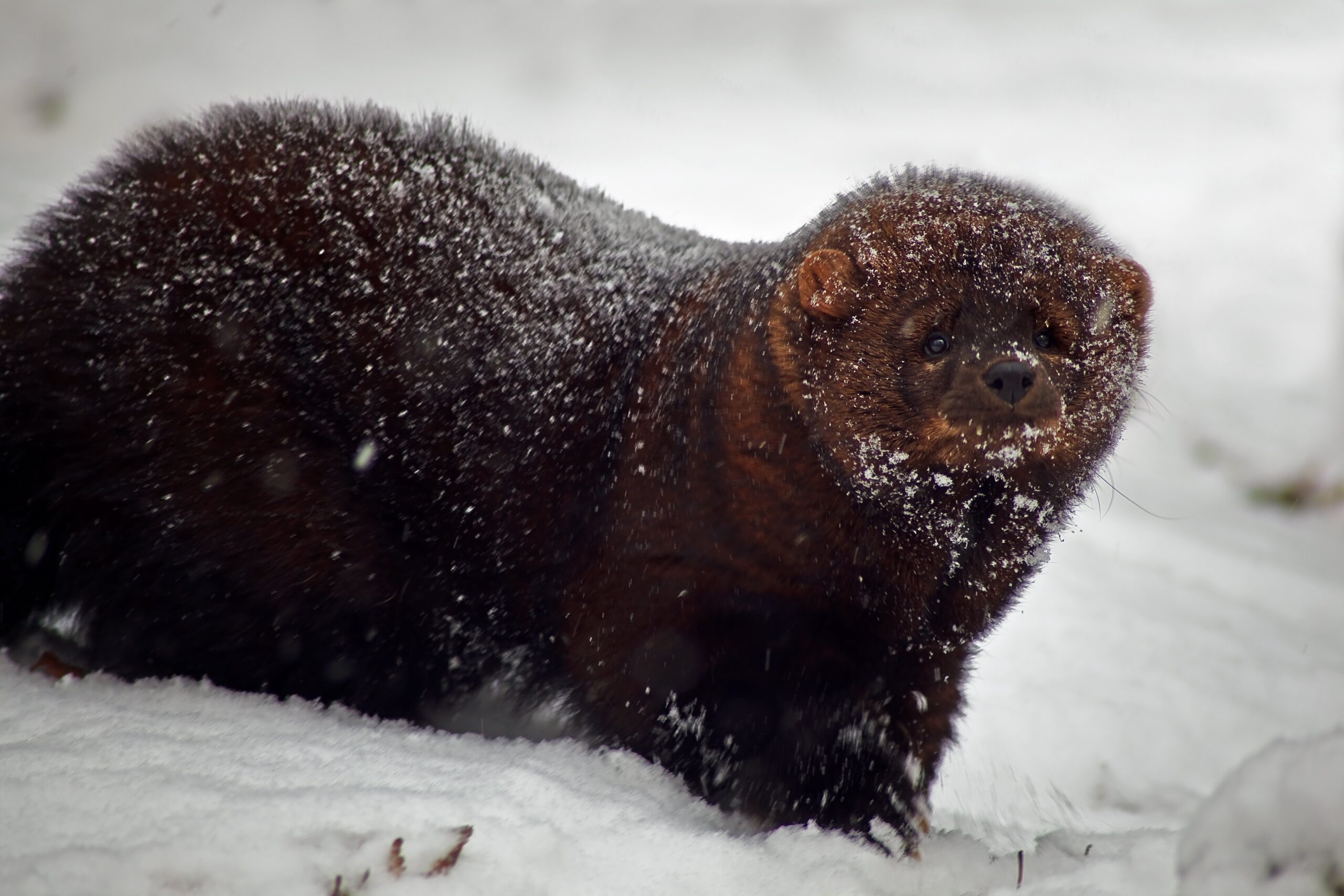 Photo Credit: ForestWander Nature Photography (www.ForestWander.com) [1] / Wikimedia
In the heart of North America’s dense forests, the fisher, scientifically known as Pekania pennanti, weaves through the underbrush with a grace that belies its size. This agile mammal, often referred to as the black cat or black fox, boasts a sleek, elongated body and a bushy tail that helps it maintain balance as it navigates the towering trees. With a weight ranging from 4 to 13 pounds, the fisher is perfectly built for life in the wild, showcasing a rich coat of dark brown fur that glistens in the dappled sunlight filtering through the leaves. Its sharp, intelligent eyes and keen sense of smell make it a formidable hunter, capable of taking down prey much larger than itself.
Scientists and nature enthusiasts alike are captivated by the fisher’s unique role in its ecosystem. As an omnivore, it thrives on a varied diet that includes small mammals, birds, and even fruits, allowing it to adapt to the changing seasons. This adaptability not only helps the fisher survive but also plays a crucial part in maintaining the balance of its forest home. With its stealthy movements and cunning hunting skills, the fisher is a master of its domain, embodying the spirit of the wild. As we delve deeper into the life of this remarkable creature, we will explore its behaviors, habitat, and the vital role it plays in the intricate web of life that thrives in the woods.
The fisher, a sleek and agile mammal, occupies a distinctive place in the tree of life. Classified within the kingdom Animalia, it belongs to the phylum Chordata, which includes all animals with a backbone. As a member of the class Mammalia, fishers are warm-blooded, have fur, and nurse their young with milk. They are part of the order Carnivora, which encompasses meat-eating animals like lions and wolves. What sets the fisher apart is its unique family, Mustelidae, which includes weasels, otters, and badgers. This family is known for its slender bodies and sharp claws, making fishers exceptional hunters in their forested habitats.
| Taxonomic Rank | Scientific Name | Meaning & Significance |
|---|---|---|
| Kingdom | Animalia | The name “Animalia” comes from the Latin word “animalis,” meaning “having breath” or “living.” This reflects the vital, breathing nature of all animals. |
| Phylum | Chordata | “Chordata” is derived from the Latin “chorda,” meaning “string” or “cord.” This refers to the notochord, a flexible rod that supports the body in the early stages of development, a feature all chordates share. |
| Class | Mammalia | The term “Mammalia” comes from the Latin “mamma,” meaning “breast.” This highlights the defining characteristic of mammals: females produce milk to nourish their young. |
| Order | Carnivora | “Carnivora” means “meat-eater” in Latin, which is fitting since this order includes animals that primarily consume meat, showcasing their role as predators in ecosystems. |
| Family | Mustelidae | The name “Mustelidae” is derived from the Latin “mustela,” meaning “weasel.” This family is known for its agile and cunning members, all of which share similar physical traits. |
| Genus | Pekania | “Pekania” is a name that reflects the fisher’s unique characteristics and its distinction from other mustelids, emphasizing its specialized adaptations for hunting. |
Understanding the fisher’s classification reveals much about its evolutionary journey. As a member of the Mustelidae family, fishers have adapted to a life of agility and stealth, traits that have evolved over millions of years. Their position in the Carnivora order highlights their role as predators, showcasing their importance in maintaining the balance of their forest ecosystems. This classification not only helps us appreciate the fisher’s unique adaptations but also connects it to a broader narrative of survival and evolution among mammals.
The evolutionary journey of the fisher, a member of the Mustelidae family, stretches back millions of years. This agile mammal, known for its cunning hunting skills and bushy tail, has adapted to various environments across North America. Its ancestors roamed the forests long before modern humans walked the Earth, evolving through a series of significant changes that shaped its current form.
The fisher’s lineage can be traced to early mustelids, small carnivorous mammals that emerged around 30 million years ago. These ancestors were likely similar to modern-day weasels, living in diverse habitats and preying on small animals. Over time, as the climate and ecosystems shifted, the fisher adapted to a more specialized lifestyle. One major transition occurred when it developed a preference for forested areas, allowing it to become an expert climber. This adaptation enabled it to hunt arboreal prey, such as squirrels, which were abundant in the trees.
These evolutionary adaptations have been crucial for the fisher’s survival. By mastering the art of climbing, it can access food sources that many other predators cannot reach. Its thick fur keeps it warm during frigid winters, while its ability to communicate effectively helps maintain social bonds and defend its territory. The fisher’s dietary flexibility ensures that it can thrive in changing environments, making it a resilient and resourceful inhabitant of North America’s forests.
The fisher is a striking animal that captures attention with its sleek, elongated body and agile movements. With a weight ranging from 4 to 13 pounds, it is neither too heavy nor too light, allowing it to navigate through its forested habitat with grace. Its limbs are strong and well-muscled, perfect for climbing trees and darting through underbrush. The fisher’s most eye-catching feature is its dense, luxurious coat of fur, which not only adds to its beauty but also serves important functions in its daily life.
| Feature | Description |
|---|---|
| Weight | 4-13 lbs |
| Skin Type | Fur |
| Most Distinctive Feature | Dense, luxurious coat of fur |
The fisher’s physical attributes work together seamlessly to enhance its survival in the wild. Its fur not only provides insulation against the cold but also helps it blend into the forest environment, making it less visible to both prey and predators. The combination of its agile body and strong limbs allows the fisher to be an adept climber, often pursuing prey like squirrels and birds in the trees. This blend of features makes the fisher a master of its woodland domain, showcasing the beauty and functionality of nature’s designs.
The fisher thrives in the lush, dense forests of North America, where towering trees create a vibrant canopy overhead. These woodlands are often filled with a mix of coniferous and deciduous trees, providing the perfect backdrop for this agile mammal. The underbrush is rich with shrubs and fallen logs, offering ample hiding spots and hunting grounds. The sounds of rustling leaves and chirping birds fill the air, creating a lively atmosphere that suits the fisher’s adventurous spirit.
Fisher habitats are typically characterized by cool, moist climates that support a diverse range of plant and animal life. These areas experience seasonal changes, with cold winters and mild summers, allowing the fisher to adapt its behavior accordingly. The forests provide not only shelter but also a rich supply of food, including small mammals, birds, and even fruits and nuts during the warmer months.
To thrive in these environments, the fisher has developed several clever adaptations. Its sharp claws and strong limbs enable it to climb trees with ease, allowing it to escape predators and hunt for prey. The fisher’s thick fur keeps it warm during chilly winters, while its keen sense of smell helps it locate food even in dense underbrush. This combination of physical traits and behavioral strategies makes the fisher a master of its forest home, perfectly suited to navigate the challenges of its habitat.
Fisher’s daily life is a blend of stealth and agility, marked by a series of activities that showcase its adaptability. As dawn breaks, these nimble mammals emerge from their dens, often nestled in tree hollows or under fallen logs. Their day typically revolves around hunting, foraging, and exploring their forested territories. With keen senses, fishers are on the lookout for small mammals, birds, and even fruits, which make up their varied diet. They are most active during the early morning and late afternoon, taking advantage of the cooler temperatures to hunt and roam.
While fishers are primarily solitary animals, they do exhibit interesting social behaviors, especially during mating season. Males and females come together briefly to mate, but after this, they return to their independent lifestyles. This solitary nature allows them to maintain their territories without the competition that comes from living in groups. However, fishers communicate with each other through a range of vocalizations, including growls and chattering sounds, especially when feeling threatened or during the mating season. Their ability to mark territory with scent also plays a crucial role in their social interactions.
| Behavior Type | Description |
|---|---|
| Activity Patterns | Fishers are most active during dawn and dusk, hunting and foraging for food. |
| Social Structure | Primarily solitary, coming together only for mating. |
| Communication Methods | Use vocalizations like growls and chattering, along with scent marking to communicate. |
The behaviors of fishers are finely tuned to ensure their survival in the wild. Their solitary nature allows them to avoid competition for resources, while their keen hunting skills enable them to thrive in their forest habitats. By communicating effectively and marking their territories, fishers maintain their independence while still being aware of their surroundings. This combination of traits not only helps them find food but also keeps them safe from potential threats, ensuring they continue to flourish in the vibrant ecosystems they call home.
The fisher is an omnivore, which means it enjoys a varied diet that includes both plants and animals. This adaptable feeding behavior allows the fisher to thrive in its forested habitat. It primarily hunts small mammals like rodents and hares, but it also has a taste for birds and even porcupines, showcasing its impressive hunting skills. With a keen sense of smell and sharp claws, the fisher is a stealthy predator, often stalking its prey before pouncing with agility.
| Dietary Aspect | Details |
|---|---|
| Diet Type | Omnivore |
| Favorite Foods | Rodents, hares, birds, fruits, mushrooms, and nuts |
| Prey Items | Shrews, porcupines, and various small mammals |
| Hunting/Foraging Strategies | Stealthy stalking, climbing trees, and using sharp claws to catch prey |
The fisher’s diverse diet plays a crucial role in its ecology and daily routine. By consuming a wide range of foods, it helps control populations of small mammals, which can impact the health of the forest ecosystem. Additionally, its foraging habits allow it to adapt to seasonal changes, ensuring it can find food year-round. This flexibility not only supports the fisher’s survival but also contributes to the balance of its woodland home, making it an important player in the forest community.
The mating behavior of fishers is quite intriguing, as these animals are known for their unique courtship rituals. Breeding season typically occurs in late winter to early spring, when males and females come together to mate. During this time, males may engage in vocalizations and scent-marking to attract potential partners. After a successful mating, the female fisher will prepare for the arrival of her young, creating a cozy den in a tree hollow or a sheltered area on the forest floor.
| Reproductive Aspect | Details |
|---|---|
| Gestation Period | 10-12 months |
| Litter Size | 1-6 kits |
| Age of Maturity | 1-2 years |
| Name of Young | Kits |
Once the kits are born, the female fisher takes on the role of a dedicated caregiver. She provides warmth, nourishment, and protection to her young during their early weeks of life. The kits are born blind and helpless, relying entirely on their mother for survival. As they grow, they begin to explore their surroundings and learn essential skills for hunting and foraging. By the time they reach maturity at about one to two years old, these young fishers are ready to venture out on their own, equipped with the knowledge and instincts needed to thrive in the wild.
The fisher plays a vital role in its ecosystem, sitting comfortably in the middle of the food web. As a skilled predator, it helps control populations of small mammals, birds, and even insects. However, this agile creature is not without its own set of challenges. While it is adept at hunting, it must also be wary of larger predators and human activities that threaten its survival.
To defend itself against these threats, the fisher employs a variety of clever strategies. Its sharp claws and powerful legs allow it to climb trees swiftly, escaping from ground-based predators. Additionally, fishers are known for their agility and speed, which help them evade larger animals. When cornered, they can be fierce and will defend themselves with sharp teeth and a loud, intimidating growl. By using these tactics, the fisher continues to thrive in its forest home, despite the dangers it faces.
A keystone species is an organism that has a disproportionately large impact on its environment relative to its abundance. This means that if it were removed, the ecosystem would change dramatically. The fisher, a small but powerful mammal found in North American forests, qualifies as a keystone species due to its significant role in maintaining the balance of its ecosystem.
Fishers are skilled predators that help regulate populations of various small mammals, including rodents and rabbits. By keeping these populations in check, fishers prevent overgrazing and overpopulation, which can lead to habitat degradation. For example, when fishers hunt and consume porcupines, they help control the porcupine population, which in turn protects trees and other vegetation from being stripped bare. This balance is crucial for the health of the forest ecosystem, as it allows a diverse range of plant and animal life to thrive.
Additionally, fishers are omnivores, meaning they eat both plants and animals. This varied diet allows them to influence the distribution of plant species in their habitat. By consuming fruits and seeds, fishers help disperse these plants, promoting growth in different areas of the forest. Their foraging behavior also creates opportunities for other species, as they disturb the leaf litter and soil, making it easier for smaller animals to find food.
If fishers were to disappear from their ecosystems, the consequences would be profound. Without these agile predators, populations of small mammals could explode, leading to overgrazing and a decline in plant diversity. This imbalance would ripple through the food web, affecting not only the plants but also the other animals that rely on them for food and shelter. The forest would become less vibrant and diverse, showcasing just how vital the fisher is to its habitat.
The fisher is a fascinating mammal that plays a crucial role in its forest ecosystem. As an omnivore, it thrives in the dense woodlands of North America, where it helps maintain the balance of various species. By preying on small mammals and birds, the fisher keeps their populations in check, ensuring that no single species dominates the environment. This balance is essential for the health of the forest, as it allows for a diverse range of plants and animals to flourish.
| Ecosystem Service | Impact |
|---|---|
| Population Control | Regulates numbers of small mammals and birds, preventing overpopulation. |
| Seed Dispersal | Contributes to forest regeneration by spreading seeds through its diet. |
| Habitat Creation | Creates opportunities for other species by maintaining a balanced ecosystem. |
The fisher’s influence extends beyond just hunting. For instance, when it preys on rodents, it helps control their populations, which in turn affects the plants that those rodents feed on. If rodent numbers were to rise unchecked, they could overconsume vegetation, leading to a decline in plant diversity. Additionally, as fishers move through their habitat, they inadvertently help disperse seeds from the fruits and nuts they eat, promoting new plant growth and contributing to the overall health of the forest.
The broader ecological importance of the fisher cannot be overstated. As a keystone species, its presence is vital for maintaining the structure of its ecosystem. If fishers were to disappear, the balance of the forest would shift dramatically, potentially leading to a decline in biodiversity. This highlights the interconnectedness of life in the forest, where each species, no matter how small, plays a significant role in the grand tapestry of nature. By understanding the fisher’s impact, we gain insight into the delicate balance that sustains our natural world.
Symbiosis is a captivating concept in nature, where different species interact in ways that can be beneficial, harmful, or neutral. These ecological relationships shape the lives of countless organisms, creating a web of connections that sustain ecosystems. For fishers, these interactions can take many forms, from mutualistic partnerships that enhance survival to parasitic relationships that can be detrimental. Understanding these dynamics helps us appreciate the complexity of life in the forests where fishers roam.
| Species/Type | Relationship Type | Description |
|---|---|---|
| Red squirrels | Mutualistic | Fishers and red squirrels share a habitat, where fishers help control the squirrel population, benefiting the forest ecosystem. |
| Ticks | Parasitic | Ticks can latch onto fishers, feeding on their blood, which can weaken the fisher and transmit diseases. |
| Woodpeckers | Commensal | Woodpeckers create cavities in trees that fishers may use for shelter, benefiting from the woodpecker’s work without affecting the bird. |
These relationships have evolved over time, shaped by the needs and behaviors of the species involved. Mutualistic interactions, like those with red squirrels, highlight how cooperation can enhance survival for both parties. On the other hand, parasitic relationships, such as those with ticks, remind us of the challenges that come with living in a shared environment. Commensal relationships, like that with woodpeckers, show how one species can benefit from another’s actions without causing harm. Together, these connections illustrate the intricate balance of life in the forest, where every species plays a role in the grand tapestry of nature.
The fisher is a captivating mammal that often surprises those who take the time to learn about it. Here are some intriguing facts that showcase the fisher’s unique traits and behaviors.
Throughout history, the fisher has woven itself into the fabric of human culture and folklore. Native American tribes often revered this agile mammal, seeing it as a symbol of cunning and adaptability. Stories passed down through generations highlighted the fisher’s stealthy hunting skills, making it a creature of intrigue and respect. Early European settlers also took note of the fisher, often associating it with the dense forests of North America. Its fur was valued for its warmth and beauty, leading to its role in the fur trade, which significantly impacted both fisher populations and the ecosystems they inhabit.
In modern times, the relationship between fishers and humans has evolved, marked by both conservation efforts and conflicts. As urban areas expand, fishers face habitat loss, which threatens their survival. However, wildlife organizations and conservationists are working hard to protect these animals and their habitats. They aim to educate the public about the importance of fishers in maintaining healthy ecosystems. Unfortunately, conflicts can arise when fishers prey on small pets or livestock, leading to misunderstandings and negative perceptions. Balancing the needs of wildlife with those of human communities remains a challenge.
As we look to the future, the relationship between fishers and humanity holds both promise and challenges. With increased awareness and understanding, there is potential for a more harmonious coexistence. By prioritizing conservation and fostering respect for wildlife, we can ensure that fishers continue to thrive in their natural habitats. The journey ahead will require collaboration between communities, conservationists, and researchers, all working together to protect this remarkable species and the ecosystems they inhabit.
The fisher, a nimble and elusive member of the weasel family, currently holds a conservation status of “Least Concern.” This means that, while it is not facing immediate threats of extinction, its population is being monitored. With an estimated population size of around 100,000 individuals, fishers are relatively stable in their habitats across North America. However, ongoing changes in their environment could impact their future.
| Conservation Factor | Status/Details |
|---|---|
| IUCN Status | Least Concern |
| Estimated Population Size | Approximately 100,000 |
| Population Trend | Stable |
Despite their stable status, fishers face several threats that could affect their populations in the long run. Habitat loss is a significant concern, as forests are cleared for development and agriculture. Additionally, climate change can alter their habitats, making it harder for them to find food and shelter. Human activities, such as trapping and road construction, can also pose risks, leading to accidental deaths and fragmentation of their living spaces.
Conservation efforts are underway to ensure the fisher continues to thrive in its natural environment. Wildlife organizations are working to protect and restore forest habitats, which are crucial for the fisher’s survival. Education programs aim to raise awareness about the importance of this species and its role in the ecosystem. With continued support and effective management, the outlook for the fisher remains positive, allowing future generations to appreciate this agile mammal in the wild.
| Question | Answer |
|---|---|
| What is the habitat of the Fisher? | Fishers primarily live in forests, especially those with dense tree cover. They prefer areas with plenty of hiding spots and places to climb, which helps them evade predators and hunt for food. |
| What do Fishers eat? | Fishers are omnivores, meaning they eat both plants and animals. Their diet includes small mammals, birds, fruits, and nuts, allowing them to adapt to different food sources depending on the season. |
| How do Fishers behave in the wild? | Fishers are known for their playful and curious nature. They are mostly solitary animals, but they can be quite social during mating season, and they are excellent climbers, often seen leaping between tree branches. |
| How do Fishers reproduce? | Fishers typically mate in late winter, and after a gestation period of about a year, females give birth to a litter of 1 to 6 kits in the spring. The young are born blind and rely on their mother for food and protection until they are old enough to venture out on their own. |
| What threats do Fishers face? | While Fishers are currently classified as Least Concern, they face threats from habitat loss due to logging and urban development. Additionally, they can be affected by vehicle collisions and trapping, which can impact their populations. |
| What is a unique characteristic of Fishers? | One of the most distinctive features of Fishers is their dense, luxurious coat of fur, which helps keep them warm in cold climates. This beautiful fur has made them targets for fur trapping in the past, but conservation efforts have helped their populations recover. |
| Are Fishers good climbers? | Yes, Fishers are exceptional climbers! Their long bodies and sharp claws allow them to navigate trees with ease, making them agile hunters and helping them escape from larger predators. |