Taxonomy & Classification
- Kingdom
- Animalia
- Phylum
- Chordata
- Class
- Mammalia
- Order
- Carnivora
- Family
- Felidae
- Genus
- Puma
- Species
- Puma concolor couguar

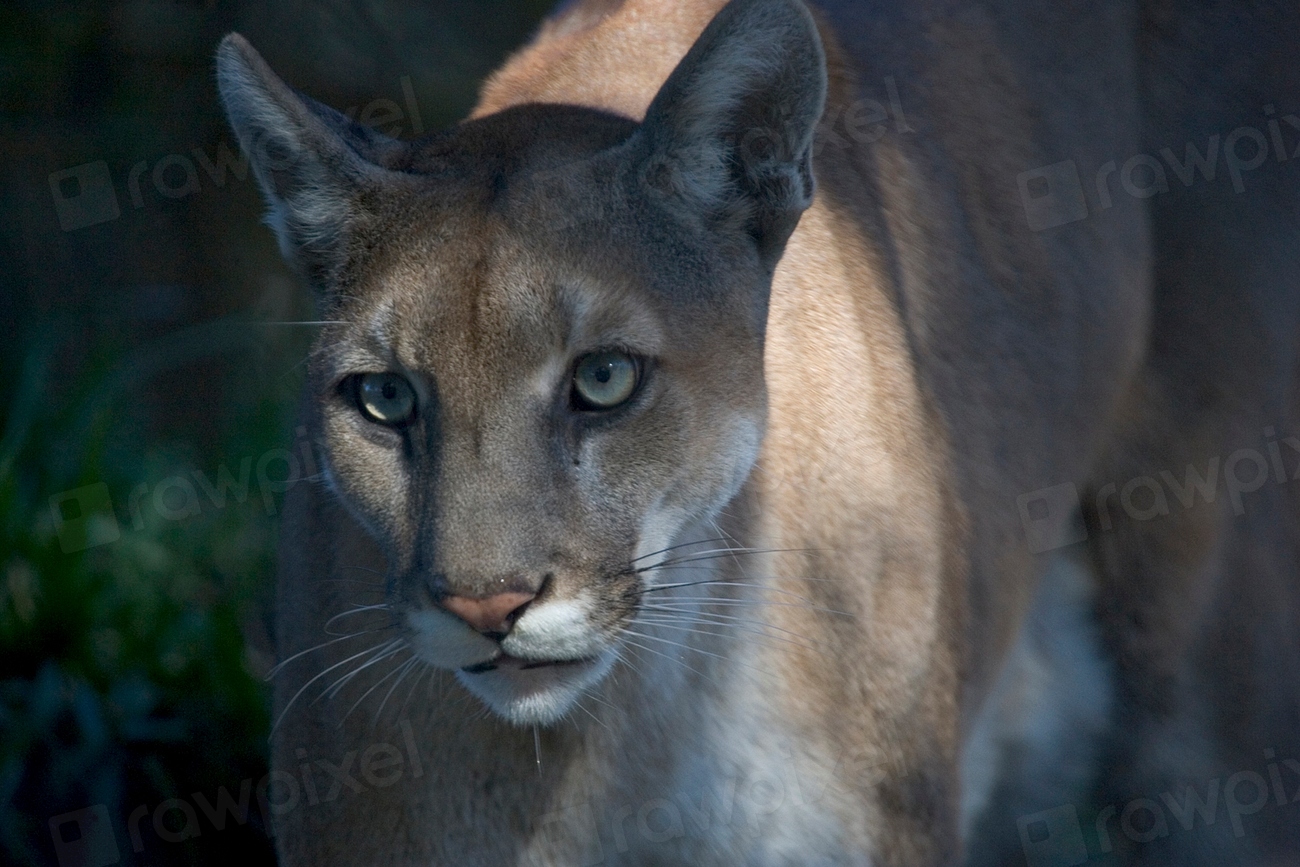 Photo Credit: National Park Service / Rawpixel
In the heart of southern Florida, where the sun-drenched swamps meet lush forests, roams the elusive Florida Panther, scientifically known as Puma concolor coryi. This magnificent big cat, often called the Florida mountain lion or Florida cougar, is a symbol of wild beauty and resilience. With its sleek, muscular body and striking tawny coat, the Florida Panther is not just a sight to behold; it is a marvel of evolution, perfectly adapted to its unique habitat. Its long, powerful legs allow it to navigate the dense underbrush with grace, while its keen senses make it a masterful hunter in the twilight hours.
As the sun sets and the world begins to cool, the Florida Panther emerges from its hidden lair, ready to prowl through the vibrant landscape. This nocturnal predator plays a crucial role in its ecosystem, helping to maintain the balance of life in the wetlands and forests it calls home. Scientists and nature enthusiasts alike are captivated by the Florida Panther’s story, from its struggle against habitat loss to its remarkable adaptations that have allowed it to survive in a rapidly changing world. Join us as we explore the life of this extraordinary creature, uncovering the secrets of its behavior, diet, and the conservation efforts aimed at ensuring its future in the wild.
The Florida Panther, a subspecies of the cougar, holds a special place in the animal kingdom. Scientifically classified as Puma concolor coryi, it is a member of the Felidae family, which includes all cats, from the tiny domestic cat to the majestic lion. What makes the Florida Panther particularly intriguing is its status as one of the most endangered mammals in North America. With its sleek body, long tail, and distinctive tawny coat, this big cat is not just a symbol of Florida’s wilderness but also a vital part of the ecosystem, playing a crucial role as a top predator.
| Taxonomic Rank | Scientific Name | Meaning & Significance |
|---|---|---|
| Kingdom | Animalia | This name means “animals” in Latin, highlighting that Florida Panthers are part of the vast group of living organisms that are multicellular and capable of movement. |
| Phylum | Chordata | Chordata refers to animals with a backbone. Florida Panthers, like all mammals, have a spinal column that supports their body and protects their nervous system. |
| Class | Mammalia | Mammalia means “mammals,” which are warm-blooded animals that have fur or hair and typically give live birth. Florida Panthers nurse their young with milk, a key characteristic of mammals. |
| Order | Carnivora | Carnivora is the order that includes meat-eating mammals. Florida Panthers are skilled hunters, relying on their keen senses and powerful bodies to catch prey. |
| Family | Felidae | Felidae is the family of cats, known for their retractable claws and sharp teeth. This family includes both big cats like the Florida Panther and smaller wild cats. |
| Genus | Puma | The genus name Puma comes from the Quechua word for the animal, emphasizing its significance in various cultures and its adaptability across different environments. |
| Species | concolor | Concolor means “of one color,” referring to the Florida Panther’s uniform coat, which helps it blend into its natural habitat. |
| Subspecies | coryi | This subspecies name honors the American naturalist Dr. Edward Cory, who contributed to the study of wildlife in Florida. |
Understanding the Florida Panther’s classification reveals much about its evolutionary journey. As a member of the Felidae family, it shares common ancestors with other cats, showcasing adaptations that have allowed it to thrive in its specific environment. The Panther’s unique traits, such as its powerful limbs and keen hunting skills, are the result of millions of years of evolution, allowing it to become a master of its domain. This classification not only highlights its biological connections but also underscores the importance of conserving this magnificent animal and its habitat for future generations.
The evolutionary journey of the Florida Panther stretches back thousands of years, weaving through the tapestry of time and adaptation. This subspecies of the cougar, known scientifically as Puma concolor coryi, has evolved in response to the unique challenges of its environment in the southeastern United States. As the climate and landscape changed, so too did the Florida Panther, adapting to survive in a world that was constantly shifting.
The ancestors of the Florida Panther can be traced back to the larger, more widespread populations of cougars that roamed North America. Over time, as the climate warmed and habitats transformed, these big cats began to diverge. The Florida Panther emerged as a distinct subspecies, adapting to the subtropical forests and wetlands of Florida. This transition involved not just physical changes, but also behavioral adaptations that allowed them to thrive in a more isolated environment.
These adaptations have been vital for the Florida Panther’s survival in a challenging environment. The ability to camouflage effectively allows it to ambush prey, while its strong legs and sharp teeth are essential for both hunting and defense. With excellent night vision, the panther can navigate and hunt in the dark, maximizing its chances of finding food. Together, these traits have helped the Florida Panther endure in a landscape that is both beautiful and perilous, showcasing the incredible power of evolution in shaping life on Earth.
The Florida Panther is an awe-inspiring sight, embodying the grace and power of a true wild cat. With a sleek, muscular body, it stands about two feet tall at the shoulder, showcasing a blend of strength and agility. Its long legs and large paws are perfectly designed for swift movements through the dense underbrush of its habitat. The panther’s most distinctive feature is its crooked tail, which adds a unique character to its silhouette, making it easily recognizable among other big cats.
| Feature | Description |
|---|---|
| Height | 0.6m-0.7m (24in-28in) |
| Weight | 45kg-73kg (100lbs-160lbs) |
| Skin Type | Hair |
| Most Distinctive Feature | Crooked tail |
These physical traits work together to enhance the Florida Panther’s survival in its natural environment. The combination of its powerful build and agile limbs allows it to navigate the challenging terrain of Florida’s swamps and forests with ease. The panther’s fur, which is typically a tawny color, helps it blend into the dappled sunlight filtering through the trees, providing excellent camouflage while stalking prey. Meanwhile, the crooked tail, while unusual, may aid in balance and communication with other panthers. Together, these features make the Florida Panther a masterful predator, perfectly adapted to its unique ecosystem.
The Florida Panther roams a vibrant and diverse landscape that is a blend of forests, wetlands, and grasslands. Imagine a place where tall trees stretch toward the sky, their leaves whispering in the warm breeze. Below, the underbrush is alive with the sounds of chirping birds and rustling leaves, while shimmering wetlands provide a refreshing oasis. This unique habitat is not just beautiful; it is essential for the survival of this elusive feline, offering both shelter and hunting grounds.
The climate in this region plays a crucial role in the Florida Panther’s life. The area experiences a subtropical climate, characterized by hot, humid summers and mild winters. Rainfall is abundant, especially during the summer months, creating lush vegetation and plentiful water sources. These environmental conditions are vital, as they support the diverse ecosystems that the panther relies on for food and shelter.
Adaptation is key to the Florida Panther’s survival in its habitat. With its keen senses and powerful physique, it has evolved to be an expert hunter, capable of stalking prey through dense underbrush and swamps. Its tawny coat provides excellent camouflage among the grasses and trees, allowing it to blend seamlessly into its surroundings. Additionally, the panther’s ability to traverse both land and water makes it a versatile predator, perfectly suited to the varied landscapes of its home.
The daily life of a Florida Panther is a blend of stealth, skill, and survival. These magnificent cats are primarily nocturnal, meaning they are most active at night. As the sun sets, they emerge from their hidden spots in the dense underbrush, ready to hunt. Their activities revolve around finding food, patrolling their territory, and resting during the day. With keen senses and powerful bodies, they stalk through their habitat, using their excellent night vision to spot prey.
Florida Panthers are solitary animals, preferring to live alone rather than in groups. This independence allows them to maintain large territories, which they mark with scent to communicate their presence to other panthers. While they may come together during mating season, they generally avoid each other outside of that time. This solitary lifestyle helps reduce competition for food and resources, ensuring that each panther can thrive in its own space.
| Behavior Type | Description |
|---|---|
| Activity Patterns | Nocturnal hunters, primarily active at night, resting during the day. |
| Social Structure | Solitary animals, maintaining large territories to avoid competition. |
| Communication Methods | Use scent marking and vocalizations to communicate with others. |
The behaviors of the Florida Panther are finely tuned to ensure their survival in the wild. By being nocturnal, they can avoid the heat of the day and hunt when their prey is most vulnerable. Their solitary nature allows them to control vast territories, reducing competition for food. These adaptations, combined with their keen senses and stealthy movements, make the Florida Panther a master of its environment, perfectly equipped to thrive in the wild landscapes of Florida.
The Florida Panther is a carnivore, which means it primarily eats meat. Its diet mainly consists of white-tailed deer, but it also hunts smaller animals when the opportunity arises. These big cats are skilled hunters, using their keen senses and stealth to stalk their prey. They often rely on their excellent night vision and acute hearing to locate food, making them effective predators in the twilight hours.
| Dietary Aspect | Details |
|---|---|
| Diet Type | Carnivore |
| Favorite Foods | White-tailed deer |
| Prey Items | Smaller mammals, birds, and reptiles |
| Hunting Strategies | Stalking and ambushing prey, primarily at night |
The diet of the Florida Panther plays a crucial role in its ecology and daily routine. By primarily preying on white-tailed deer, these panthers help maintain the balance of their ecosystem. Their hunting habits not only influence the population of their prey but also affect the vegetation in their habitat, as deer graze on plants. This intricate relationship highlights the importance of the Florida Panther in its environment, showcasing how its dietary choices shape the world around it.
The mating behavior of the Florida Panther is as intriguing as it is essential for the survival of the species. Breeding typically occurs from December to March, a time when the male panthers become particularly vocal, using deep calls to attract females. These calls echo through the forests, signaling their readiness to mate. Once a female is receptive, she and her chosen mate will engage in a series of courtship behaviors, including playful chases and affectionate nuzzles. This bonding period is crucial, as it helps establish a connection between the two before they embark on the journey of parenthood.
| Reproductive Aspect | Details |
|---|---|
| Gestation Period | 92-96 days |
| Litter Size | 1-4 kittens |
| Age of Sexual Maturity | 18-36 months |
| Name of Young | Kittens |
Once the kittens are born, the mother panther takes on the role of a dedicated caregiver. She typically gives birth in a secluded den, often hidden among dense vegetation to protect her young from potential threats. The kittens are born blind and helpless, relying entirely on their mother for warmth, food, and safety. As they grow, the mother teaches them essential survival skills, such as hunting and climbing. By the time they reach sexual maturity at 18 to 36 months, these young panthers are ready to venture out on their own, continuing the cycle of life in the wild. The bond between mother and kittens is a testament to the nurturing spirit of these magnificent animals, ensuring that the legacy of the Florida Panther endures.
The Florida Panther occupies a crucial role in its ecosystem, sitting at the top of the food web as a predator. This majestic cat helps maintain the balance of its environment by controlling the populations of herbivores, particularly white-tailed deer. By keeping these populations in check, the Florida Panther indirectly supports the health of the vegetation and the overall biodiversity of its habitat.
To survive against these threats, Florida Panthers have developed several defensive behaviors. They are incredibly stealthy hunters, using their keen senses to detect danger and avoid confrontation. When threatened, they can quickly climb trees or hide in dense vegetation, making it difficult for predators or humans to spot them. Additionally, their solitary nature means they often rely on their own skills to navigate the challenges of their environment, showcasing their adaptability and resilience in the face of adversity.
A keystone species is an organism that plays a critical role in maintaining the structure of its ecosystem. The Florida Panther, a subspecies of the cougar, certainly qualifies as a keystone species. Its presence influences the populations of other species and helps maintain the balance of its habitat, which includes forests, wetlands, and grasslands. By understanding the Florida Panther’s role, we can appreciate how interconnected life is in the wild.
The ecological impact of the Florida Panther is profound. As a top predator, it primarily preys on white-tailed deer, which helps regulate their population. Without the Florida Panther, deer numbers could skyrocket, leading to overgrazing. This overgrazing can damage vegetation, which in turn affects other species that rely on those plants for food and shelter. The Florida Panther also indirectly supports the health of the ecosystem by controlling smaller predator populations, ensuring that no single species dominates the landscape.
Moreover, the Florida Panther’s solitary nature means it requires large territories to thrive. This need for space encourages the preservation of vast areas of land, which benefits countless other species. By roaming these territories, the panther helps maintain genetic diversity among prey populations, ensuring that they remain resilient to diseases and environmental changes.
If the Florida Panther were to disappear, the consequences would ripple through the ecosystem. Deer populations would likely surge, leading to overconsumption of vegetation. This could result in habitat degradation, affecting not only the plants but also the many animals that depend on them for survival. The loss of this majestic cat would disrupt the delicate balance of its environment, highlighting just how vital the Florida Panther is to the health of its ecosystem.
The Florida Panther plays a vital role in shaping its ecosystem, acting as a keystone species that helps maintain the balance of its environment. As a top predator, it influences the populations of various prey species, which in turn affects the entire food web. By controlling the numbers of herbivores like white-tailed deer, the Florida Panther ensures that plant life can thrive, creating a healthier habitat for many other organisms. This intricate web of interactions highlights the importance of the Florida Panther in its natural surroundings.
| Ecosystem Service | Impact |
|---|---|
| Population Control | Regulates herbivore numbers, preventing overgrazing and promoting plant diversity. |
| Habitat Maintenance | Encourages a balanced ecosystem that supports various plant and animal species. |
| Genetic Diversity | Contributes to the genetic health of the population, which is crucial for resilience against diseases. |
| Tourism and Education | Attracts visitors, fostering awareness and conservation efforts for the region’s wildlife. |
The influence of the Florida Panther extends beyond just its immediate prey. For instance, by keeping the white-tailed deer population in check, these big cats help maintain the health of the forests and wetlands where they live. When deer numbers are too high, they can overbrowse vegetation, leading to habitat degradation. This, in turn, affects other species that rely on those plants for food and shelter. Additionally, the presence of the Florida Panther can create a ripple effect, encouraging other wildlife to thrive in a balanced ecosystem.
The broader ecological importance of the Florida Panther cannot be overstated. As a keystone species, its presence is essential for the health of the entire ecosystem. When the Florida Panther thrives, it signals a well-functioning environment, rich in biodiversity. Protecting this magnificent cat not only safeguards its future but also ensures the survival of countless other species that share its habitat. By understanding and appreciating the role of the Florida Panther, we can better appreciate the intricate connections that sustain life in the wild.
In the intricate web of life, symbiosis refers to the close interactions between different species, which can take on various forms. These relationships can be mutualistic, where both species benefit, parasitic, where one benefits at the expense of the other, or commensal, where one benefits while the other is neither helped nor harmed. The Florida Panther, a majestic predator, engages in several ecological relationships that highlight the interconnectedness of nature. Understanding these partnerships not only reveals the complexity of ecosystems but also emphasizes the importance of each species in maintaining balance.
| Species/Type | Relationship Type | Description |
|---|---|---|
| White-tailed Deer | Predatory | The Florida Panther preys on white-tailed deer, helping to control their population and maintain a healthy ecosystem. |
| Ticks | Parasitic | Ticks can attach to Florida Panthers, feeding on their blood, which can lead to health issues for the panther. |
| Birds (e.g., oxpeckers) | Commensal | Some birds may perch on the panther, feeding on parasites found on its fur without affecting the panther. |
These relationships have evolved over time, shaped by the needs and behaviors of the species involved. The Florida Panther’s role as a predator is crucial; by hunting white-tailed deer, it helps keep their numbers in check, which in turn supports the health of the vegetation they feed on. Meanwhile, the presence of parasites like ticks serves as a reminder of the challenges these big cats face in the wild. Commensal relationships, such as those with certain birds, illustrate how species can coexist, benefiting from each other without causing harm. Together, these interactions highlight the delicate balance of ecosystems and the importance of every species in sustaining life on our planet.
The Florida Panther is a captivating symbol of wildlife conservation, embodying both beauty and resilience. This elusive big cat, found only in the swamps and forests of southern Florida, has some surprising traits that make it truly special.
The Florida Panther has long been intertwined with human history, serving as both a symbol of the wild and a subject of fascination. Native American tribes revered this majestic cat, often weaving it into their folklore and cultural practices. As settlers arrived in Florida, encounters with the panther became more frequent, leading to a mix of admiration and fear. The panther’s powerful presence inspired stories and legends, while its elusive nature sparked curiosity about the untamed wilderness of the region. Over time, the Florida Panther has come to represent the struggle for conservation, embodying the delicate balance between humanity and the natural world.
Today, the relationship between the Florida Panther and humans is complex and multifaceted. Conservation efforts are underway to protect this endangered subspecies, which has seen its population dwindle due to habitat loss and human encroachment. Organizations and government agencies work tirelessly to create wildlife corridors, allowing panthers to roam safely between habitats. However, conflicts arise as these big cats sometimes venture into human-populated areas in search of food, leading to concerns about livestock predation and road accidents. While domestication is not a factor for the Florida Panther, the need for coexistence is more pressing than ever, as both species navigate the challenges of a shared environment.
Looking ahead, the future of the Florida Panther and its relationship with humanity hinges on our ability to adapt and collaborate. As urban development continues to expand, it is crucial to prioritize conservation efforts that protect the panther’s habitat while fostering understanding among communities. By embracing innovative solutions and promoting coexistence, we can ensure that this iconic species not only survives but thrives in the wild. The Florida Panther stands as a testament to the resilience of nature and the potential for harmony between humans and wildlife.
The Florida Panther is currently classified as endangered, with a population estimated at around 125 individuals. This number reflects a slow but positive trend in recent years, as conservation efforts have helped stabilize the population after decades of decline. However, the species remains at risk, and ongoing efforts are crucial to ensure its survival in the wild.
| Conservation Factor | Status/Details |
|---|---|
| IUCN Status | Endangered |
| Population Estimates | Approximately 125 individuals |
| Trend Direction | Slowly increasing |
The main threats to the Florida Panther include habitat loss, vehicle collisions, and genetic inbreeding. As urban areas expand, the natural habitats of these big cats are shrinking, making it harder for them to find food and mates. Additionally, many panthers are killed in accidents on roads that cut through their territories. Genetic inbreeding, which occurs when a population is small and isolated, can lead to health problems and reduced fertility, further complicating their recovery.
Conservation efforts are underway to protect the Florida Panther and its habitat. Organizations and government agencies are working to create wildlife corridors that allow panthers to safely cross roads and access different areas. Habitat restoration projects aim to improve the quality of the land where these cats live. With continued dedication and support, there is hope that the Florida Panther will thrive once again, serving as a powerful symbol of wildlife conservation in Florida.
| Question | Answer |
|---|---|
| What is the habitat of the Florida Panther? | Florida Panthers primarily live in forests, wetlands, and grasslands. These environments provide them with the cover they need for hunting and raising their young. |
| What do Florida Panthers eat? | As carnivores, Florida Panthers mainly hunt deer, but they also eat smaller animals like raccoons and birds. Their sharp senses help them locate prey in their dense habitats. |
| How do Florida Panthers behave? | Florida Panthers are solitary animals, meaning they prefer to live alone except during mating season or when a mother is raising her cubs. They are also known for their stealthy hunting techniques, often stalking their prey before pouncing. |
| How do Florida Panthers reproduce? | Florida Panthers typically mate in the winter and spring. After a gestation period of about 90 to 95 days, the female gives birth to a litter of one to four cubs, which she raises alone. |
| What are the main threats to Florida Panthers? | Florida Panthers face several threats, including habitat loss due to urban development and vehicle collisions. They are also vulnerable to inbreeding, which can lead to health issues. |
| What is a unique characteristic of the Florida Panther? | One of the most distinctive features of the Florida Panther is its crooked tail. This unusual trait is thought to be a result of inbreeding and can affect their balance and agility. |
| Are Florida Panthers endangered? | Yes, Florida Panthers are classified as endangered. Conservation efforts are ongoing to protect their habitat and increase their population, which is crucial for the species' survival. |