Taxonomy & Classification
- Kingdom
- Animalia
- Phylum
- Chordata
- Class
- Aves
- Order
- Passeriformes
- Family
- Muscicapidae & Tyrannidae

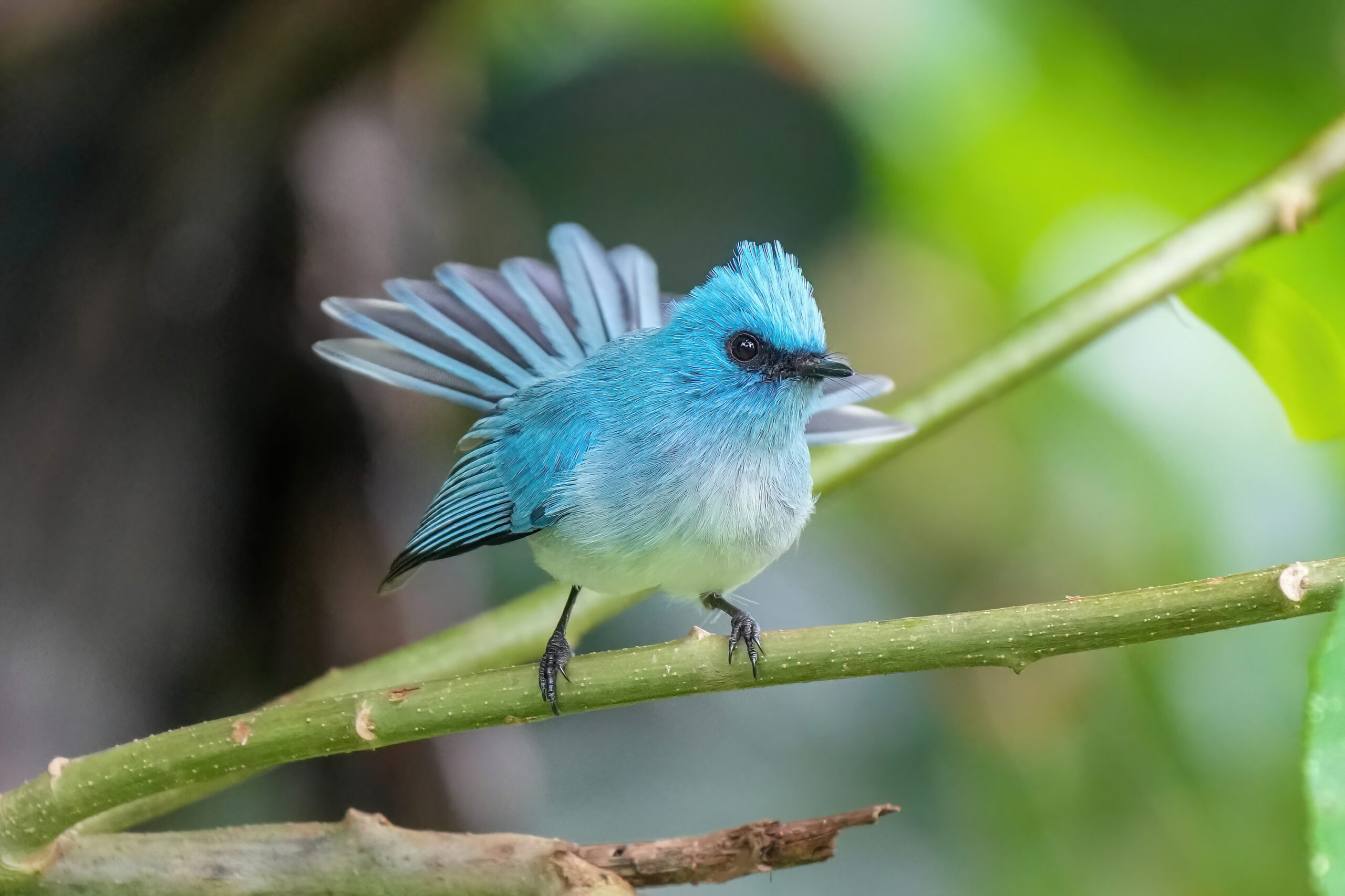 Photo Credit: Giles Laurent / Wikimedia Commons
In the heart of a sun-dappled forest, the Eastern Flycatcher, known scientifically as Empidonax virescens, flits gracefully among the branches, a small yet vibrant presence in the lush greenery. With its delicate frame measuring just 5 to 6 inches long, this charming bird is adorned with soft olive-green feathers that blend seamlessly into its surroundings. Its bright, alert eyes and distinctive, slightly hooked bill make it a master of its domain, ready to snatch up insects mid-flight. This remarkable ability to catch prey on the wing not only showcases its agility but also highlights its role as a key player in the ecosystem, helping to control insect populations.
Scientists and nature enthusiasts alike are drawn to the Eastern Flycatcher for its lively behavior and melodious songs that echo through the trees. As the sun rises, these birds come alive, filling the air with their cheerful calls and energetic movements. Their adaptability to various habitats, from dense woodlands to open fields, allows them to thrive in diverse environments, making them a fascinating subject of study. With each flutter and chirp, the Eastern Flycatcher invites us to explore the wonders of nature, reminding us of the intricate connections that bind all living things together.
The Flycatcher is a captivating member of the animal kingdom, nestled within the vast and intricate tree of life. This small bird belongs to the class Aves, which encompasses all birds, and is part of the order Passeriformes, known for its diverse and melodious songbirds. What sets Flycatchers apart is their remarkable hunting technique; they are adept at catching insects mid-air, showcasing agility and precision. With their vibrant plumage and varied calls, Flycatchers not only contribute to the beauty of their habitats but also play a crucial role in controlling insect populations.
| Taxonomic Rank | Scientific Name | Meaning & Significance |
|---|---|---|
| Kingdom | Animalia | This name signifies that Flycatchers are part of the animal kingdom, which includes all multicellular organisms that are not plants, fungi, or bacteria. |
| Phylum | Chordata | Chordata means “having a notochord,” a flexible rod that supports the body. This feature is a key characteristic of all vertebrates, including Flycatchers. |
| Class | Aves | Aves is the Latin word for birds. This classification highlights their feathers, beaks, and ability to lay eggs, which are essential traits of all birds. |
| Order | Passeriformes | Passeriformes translates to “perching birds.” This name reflects their unique foot structure, which allows them to easily grasp branches and perch. |
| Family | Muscicapidae & Tyrannidae | Muscicapidae, or Old World Flycatchers, and Tyrannidae, or New World Flycatchers, indicate their geographical distribution and evolutionary adaptations, showcasing their diverse habitats and behaviors. |
Understanding the Flycatcher’s classification reveals much about its evolutionary journey. As part of the Passeriformes order, Flycatchers share a common ancestry with a wide array of songbirds, highlighting their evolutionary adaptations to various environments. Their ability to catch insects in flight not only showcases their specialized hunting skills but also reflects the ecological niches they occupy. This classification helps scientists trace the evolutionary paths that have shaped these birds, revealing how they have adapted to thrive in diverse habitats around the world.
The evolutionary journey of the Flycatcher spans millions of years, tracing back to the time when birds first emerged from their dinosaur ancestors. This timeline reveals a rich tapestry of adaptations and transformations that have allowed these agile birds to thrive in diverse environments. The Flycatcher, belonging to the families Muscicapidae and Tyrannidae, showcases a fascinating blend of traits that have evolved to enhance their survival and hunting prowess.
The ancestors of modern Flycatchers were small, insect-eating birds that roamed the Earth during the late Cretaceous period. As the climate changed and forests expanded, these early birds began to adapt to new habitats. Over time, they developed specialized hunting techniques, such as the ability to catch insects mid-air. This transition marked a significant evolutionary step, as it allowed them to exploit a food source that was abundant and often overlooked by other predators. The evolution of their distinctive vocalizations also played a crucial role, helping them communicate and establish territories in their increasingly complex environments.
The adaptations of the Flycatcher have been vital for their survival in a world filled with challenges. Their agile flight and keen hunting skills enable them to capture elusive prey, while their colorful plumage and vocalizations help them navigate social interactions and attract mates. By being flexible in their feeding habits, they can thrive in various environments, ensuring their place in the intricate web of life. As they continue to evolve, Flycatchers remind us of the incredible power of adaptation in the natural world.
The Flycatcher is a small yet striking bird that captures the eye with its lively presence. With a body that typically measures between 4 to 8 inches in length, it boasts a compact form that is both agile and graceful. Its slender build allows for quick movements, making it a master of aerial acrobatics as it darts through the air to catch insects. The Flycatcher’s wings are long and pointed, perfectly designed for swift flight, while its tail is often slightly notched, adding to its aerodynamic shape.
| Feature | Description |
|---|---|
| Weight | 0.15 to 3.5 ounces, varying by species |
| Skin Type | Feathers, providing insulation and waterproofing |
| Coloration | Often features a mix of earthy tones, with some species displaying vibrant colors |
| Beak | Short and wide, ideal for catching insects in mid-air |
These physical traits work together harmoniously to enhance the Flycatcher’s survival. Its lightweight body allows for quick takeoffs and agile maneuvers, essential for snatching insects on the fly. The feathers not only keep the bird warm but also help it blend into its surroundings, providing camouflage from predators. The short, wide beak is perfectly suited for its diet, enabling it to capture prey efficiently. Together, these features create a bird that is not only beautiful but also finely tuned to thrive in its environment.
The Flycatcher thrives in a variety of habitats that paint a vibrant picture of nature’s diversity. These small birds can be found flitting through lush forests, perched on branches in open woodlands, and even darting around gardens and parks. Their homes are often filled with the sounds of rustling leaves and the gentle hum of insects, as they expertly navigate through their surroundings in search of food. The Flycatcher’s adaptability allows it to blend seamlessly into these environments, making it a delightful sight for birdwatchers and nature enthusiasts alike.
The Flycatcher prefers climates that range from temperate to tropical, thriving in areas where the weather is mild and the vegetation is abundant. These birds are often found in regions with a mix of open spaces and dense foliage, which provides both shelter and hunting grounds. They enjoy environments that experience seasonal changes, as these fluctuations can bring a variety of insects, their primary food source. The Flycatcher is particularly fond of areas with plenty of insects buzzing about, as this makes for an easy meal.
To survive and flourish in these diverse habitats, the Flycatcher has developed several clever adaptations. Its keen eyesight allows it to spot insects from a distance, while its agile flight enables it to swoop down and catch prey mid-air. The bird’s coloration often mimics the natural surroundings, providing camouflage against predators. Additionally, its ability to thrive in both urban and wild settings showcases its remarkable flexibility, allowing it to make the most of the environments it calls home.
The Flycatcher leads a lively daily life, filled with energetic activities that reflect its diurnal nature, meaning it is active during the day. As the sun rises, these small birds begin their morning routines, darting from branch to branch in search of insects. Their keen eyesight helps them spot tiny flying bugs, which they catch mid-air with impressive agility. Throughout the day, they engage in a variety of behaviors, including preening their feathers to keep them clean and in top condition, and singing melodious tunes to communicate with others. As evening approaches, they settle down, often finding a cozy perch to rest for the night.
Socially, Flycatchers are known for their pair bonding, which means they often form strong partnerships with a mate. These pairs work together to defend their territory from intruders, ensuring they have enough food and space to thrive. While they may not form large flocks like some other birds, their interactions are rich and meaningful. They communicate through a series of chirps and calls, which help them stay connected and alert each other to potential dangers. This social structure fosters a sense of community, even if it is just between two birds.
| Behavior Type | Description |
|---|---|
| Activity Patterns | Active during the day, hunting insects and preening feathers. |
| Social Structure | Typically forms strong pair bonds with a mate. |
| Communication Methods | Uses chirps and calls to communicate and alert each other. |
The behaviors of the Flycatcher are not just charming; they are essential for survival. By being active during the day, they maximize their chances of finding food and avoiding predators. Their pair bonding ensures that they have a partner to help defend their territory and raise their young. Through effective communication, they can alert each other to dangers, enhancing their chances of staying safe. Together, these behaviors create a well-rounded strategy for thriving in the wild, showcasing the beauty of nature’s design.
The Flycatcher has a diverse diet that showcases its adaptability and resourcefulness. As an omnivore, it enjoys a wide range of foods, primarily focusing on insects and other invertebrates. These small birds are known for their agile hunting skills, often catching prey mid-air with quick, darting movements. They also supplement their diet with small reptiles, amphibians, and even tiny mammals and fish, making them versatile foragers in their habitats.
| Dietary Aspect | Details |
|---|---|
| Diet Type | Omnivore |
| Favorite Foods | Insects, small reptiles, amphibians, and occasionally small mammals and fish |
| Prey Items | Flies, beetles, spiders, and other invertebrates |
| Hunting/Foraging Strategies | Agile flight to catch insects mid-air, perching to scan for prey, and sometimes foraging on the ground |
This varied diet plays a crucial role in the Flycatcher’s ecology and daily routine. By consuming a wide array of food sources, these birds help control insect populations, contributing to the balance of their ecosystems. Their energetic foraging habits not only keep them well-fed but also ensure they remain active and engaged in their surroundings, making them an essential part of the vibrant tapestry of life in their habitats.
As the days grow longer and warmer, Flycatchers enter their breeding season, a time filled with vibrant courtship displays and melodious songs. Males often take center stage, showcasing their colorful plumage and performing aerial acrobatics to attract potential mates. This lively behavior not only helps them find a partner but also establishes their territory, ensuring they have a safe space to raise their young. Once a pair has formed, they work together to build a cozy nest, often hidden in dense foliage, where they can lay their eggs in safety.
| Reproductive Aspect | Details |
|---|---|
| Gestation Period | About 12 to 14 days |
| Litter Size | 3 to 6 eggs |
| Age of Maturity | Approximately 1 year |
| Name of Young | Chicks |
After the eggs hatch, the real adventure begins. The parents are dedicated caregivers, tirelessly feeding their chicks a diet rich in insects to help them grow strong. The young Flycatchers develop quickly, gaining feathers and strength as they prepare to leave the nest. Within a few weeks, they are ready to take their first flights, exploring the world around them. This nurturing phase is crucial, as it equips the chicks with the skills they need to thrive independently in their vibrant habitats. As they grow, they will eventually join the ranks of the adult Flycatchers, continuing the cycle of life in the wild.
The Flycatcher occupies a crucial role in the food web, acting as both predator and prey. As it flits through its habitat, it helps control insect populations, making it an important player in maintaining ecological balance. However, this small bird is not without its challenges. It faces various dangers that threaten its survival, from natural predators to human-induced hazards.
To defend itself against these threats, the Flycatcher employs a range of survival strategies. Its quick, agile flight allows it to dart away from predators in the blink of an eye. Additionally, it often chooses nesting sites that are well-hidden, providing a layer of protection from prying eyes. By being vigilant and using its keen senses, the Flycatcher can detect danger early, giving it a better chance to escape and thrive in its environment.
A keystone species is a vital part of its ecosystem, meaning its presence and activities have a significant impact on the environment and other living things. The Flycatcher, with its role as an insect-eater and its interactions with various plants and animals, qualifies as a keystone species. By controlling insect populations and influencing plant growth, the Flycatcher helps maintain the balance of its ecosystem.
One of the Flycatcher’s most important ecological contributions is its role in controlling insect populations. By feeding on a variety of insects, including pests that can damage crops and plants, the Flycatcher helps keep these populations in check. This natural pest control is essential for the health of the ecosystem, as it allows plants to thrive and supports other wildlife that depends on those plants for food and shelter.
Additionally, the Flycatcher’s presence can influence the distribution of certain plant species. As it moves through its habitat, it may inadvertently help disperse seeds through its droppings. This seed dispersal can lead to the growth of new plants, promoting biodiversity and creating a more resilient ecosystem.
Moreover, the Flycatcher serves as a food source for larger predators, such as hawks and snakes. Its role in the food web highlights its importance in supporting various levels of the ecosystem. Without the Flycatcher, these predators might struggle to find enough food, which could lead to a decline in their populations as well.
If the Flycatcher were to disappear, the effects would ripple through its ecosystem. Insect populations could surge, leading to potential crop damage and a decline in plant health. This imbalance would affect other animals that rely on those plants for food and shelter, ultimately disrupting the entire food web. The loss of the Flycatcher would not only diminish biodiversity but could also lead to the decline of other species, showcasing just how crucial this small bird is to its environment.
The Flycatcher plays a vital role in its ecosystem, acting as both a predator and a contributor to the balance of nature. This small bird occupies a unique ecological niche, primarily feeding on insects and other invertebrates. By controlling insect populations, Flycatchers help maintain the health of their habitats, ensuring that plant life can thrive without being overwhelmed by pests. Their presence is a clear indicator of a balanced ecosystem, as they rely on a healthy environment to find food and raise their young.
| Ecosystem Service | Impact |
|---|---|
| Insect Control | Reduces pest populations, benefiting plants and agriculture. |
| Food Source | Serves as prey for larger birds and mammals, supporting the food web. |
| Seed Dispersal | Helps in the spread of certain plant species through their droppings. |
| Habitat Indicator | Reflects the health of the ecosystem, signaling changes in environmental conditions. |
Flycatchers influence their surroundings in several specific ways. For instance, by consuming large quantities of insects, they help protect crops and gardens from potential damage. This natural pest control is especially important in agricultural areas, where farmers rely on these birds to keep harmful insect populations in check. Additionally, Flycatchers contribute to seed dispersal, as they often consume fruits and berries, later excreting the seeds in different locations. This process aids in the growth of new plants, promoting biodiversity in their habitats.
The broader ecological importance of Flycatchers cannot be overstated. As keystone species, their activities support a wide range of life forms, from the plants they help grow to the predators that rely on them for food. By maintaining the balance of their ecosystems, Flycatchers ensure that various species can coexist and thrive. Their presence is a reminder of the interconnectedness of life, highlighting how even the smallest creatures can have a profound impact on the world around them.
In the intricate web of life, symbiosis refers to the close and often long-term interactions between different species. These relationships can take many forms, including mutualism, where both species benefit, parasitism, where one benefits at the expense of the other, and commensalism, where one benefits while the other is neither helped nor harmed. Understanding these ecological relationships helps us appreciate the delicate balance of ecosystems and the roles that various species play within them.
| Species/Type | Relationship Type | Description |
|---|---|---|
| Ants | Mutualistic | Flycatchers often benefit from the presence of ants, which help control insect populations. In return, Flycatchers may feed on insects that are disturbed by the ants, creating a win-win situation. |
| Ticks | Parasitic | Some Flycatchers can host ticks, which feed on their blood. This relationship can weaken the birds, making them more vulnerable to disease and predation. |
| Trees | Commensal | Flycatchers nest in trees, benefiting from the shelter and safety they provide. The trees, however, are not affected by the presence of the birds. |
These relationships have evolved over time, shaped by the needs and behaviors of the species involved. Mutualistic partnerships, like that with ants, highlight how cooperation can enhance survival for both parties. Meanwhile, parasitic relationships, such as those with ticks, remind us of the challenges that come with living in a shared environment. Commensal relationships, like those with trees, illustrate how some species can thrive without impacting others. Together, these interactions create a dynamic ecosystem where each species plays a vital role in maintaining balance and promoting biodiversity.
The Flycatcher is a small bird that captivates nature lovers with its vibrant personality and intriguing behaviors. Here are some surprising facts that showcase just how remarkable this little avian marvel truly is.
Throughout history, Flycatchers have danced through the pages of human culture, often symbolizing freedom and the beauty of nature. Ancient civilizations admired these small birds for their vibrant colors and lively songs, often incorporating them into folklore and art. In many cultures, Flycatchers have been seen as messengers, flitting between the earthly realm and the skies above. Their presence in gardens and parks has inspired poets and artists alike, reminding us of the delicate balance between humanity and the natural world.
Today, our interactions with Flycatchers are a mix of admiration and concern. As urban areas expand, these birds face challenges such as habitat loss and pollution. Conservation efforts are underway to protect their environments, with organizations working to restore natural habitats and educate the public about the importance of these birds. However, conflicts can arise when Flycatchers nest in areas where humans prefer to maintain control, such as agricultural fields or urban developments. Understanding these dynamics is crucial for fostering a harmonious relationship between Flycatchers and people.
As we look to the future, the relationship between Flycatchers and humanity holds both promise and challenges. With increased awareness of environmental issues, more people are recognizing the importance of protecting these small birds and their habitats. By working together, we can create spaces where Flycatchers thrive alongside us, enriching our lives with their beauty and songs. The journey ahead will require cooperation and respect for the natural world, ensuring that future generations can enjoy the wonders of Flycatchers just as we do today.
The conservation status of Flycatchers varies by species, but many face significant challenges in their natural habitats. Overall, population trends indicate that some Flycatcher species are experiencing declines due to habitat loss and environmental changes. While certain populations remain stable, the future of these charming birds hangs in the balance, prompting conservationists to take action.
| Conservation Factor | Status/Details |
|---|---|
| IUCN Status | Varies by species; some are listed as Near Threatened or Vulnerable |
| Population Estimates | Estimates range widely; some species have populations in the thousands, while others are much lower |
| Trend Direction | Many species are experiencing population declines |
The main threats to Flycatchers stem from habitat destruction, primarily due to deforestation and urban development. As forests are cleared for agriculture or urban expansion, these birds lose their nesting sites and food sources. Climate change also poses a significant risk, altering weather patterns and affecting the availability of insects, which are crucial for their diet. Additionally, pollution and pesticide use can harm Flycatcher populations by contaminating their food supply.
Conservation efforts are underway to protect Flycatchers and their habitats. Organizations are working to restore natural environments and create protected areas where these birds can thrive. Public awareness campaigns aim to educate communities about the importance of preserving these vibrant species. With continued efforts and support, there is hope that Flycatcher populations can stabilize and even recover, allowing future generations to enjoy their lively presence in the wild.
| Question | Answer |
|---|---|
| What is the habitat of Flycatchers? | Flycatchers are commonly found in a variety of habitats, including forests, woodlands, and open fields. They prefer areas with plenty of trees or shrubs where they can perch and hunt for insects. |
| What do Flycatchers eat? | Flycatchers are omnivores, which means they eat both plants and animals. Their diet mainly consists of insects, but they also enjoy berries and fruits, especially during the breeding season when they need extra energy. |
| How do Flycatchers behave? | Flycatchers are known for their agile flying skills. They often sit quietly on a branch, waiting for an insect to fly by, and then they dart out to catch it mid-air. This hunting technique is called "hawking." |
| How do Flycatchers reproduce? | During the breeding season, Flycatchers build nests in trees or shrubs, often using materials like twigs and leaves. The female typically lays 3 to 6 eggs, which she incubates for about two weeks before they hatch. |
| What threats do Flycatchers face? | Flycatchers face several threats, including habitat loss due to deforestation and urban development. Additionally, climate change can affect their food supply and nesting sites, making survival more challenging. |
| What are some interesting characteristics of Flycatchers? | One fascinating feature of Flycatchers is their wide range of vocalizations. They use different calls to communicate with each other, especially during mating season. Some species also have striking plumage, making them a delight to observe. |
| Are Flycatchers migratory? | Many Flycatcher species are migratory, traveling long distances between their breeding and wintering grounds. This migration helps them find food and suitable nesting sites, as they often move to warmer climates during the colder months. |