Taxonomy & Classification
- Kingdom
- Animalia
- Phylum
- Chordata
- Class
- Actinopterygii
- Order
- Lophiformes
- Family
- Antennariidae
- Genus
- Antennarius

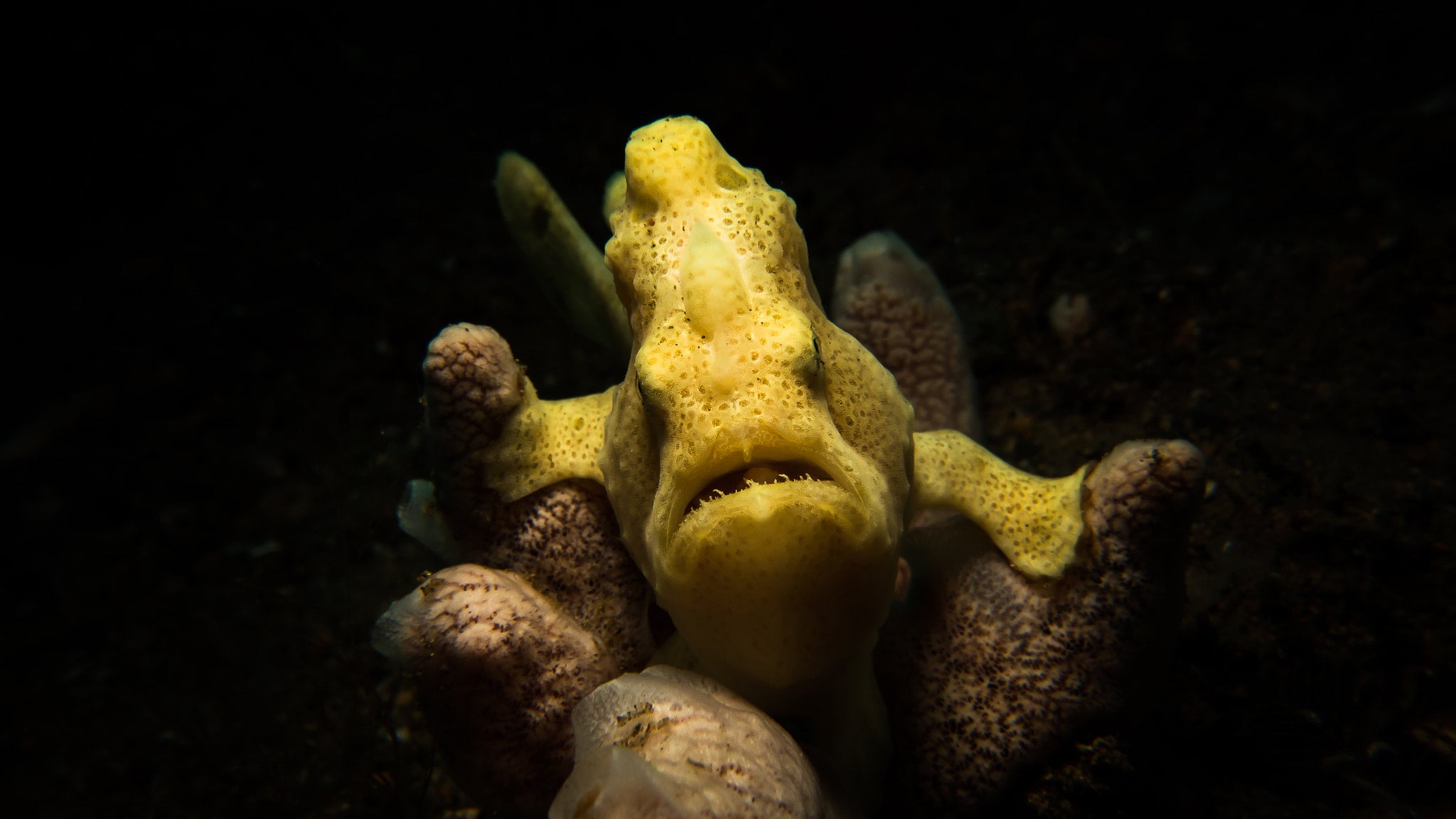 Photo Credit: Kris Mikael Krister / Wikimedia
In the vibrant depths of the ocean, where sunlight filters through the waves, lives a remarkable creature known as the frogfish, or Antennarius. With its stout, rounded body and a texture that mimics the surrounding coral and rocks, the frogfish is a master of disguise. This clever fish can change its color and texture to blend seamlessly into its environment, making it nearly invisible to both predators and prey. Imagine a small, lumpy rock suddenly snapping its mouth wide open to catch an unsuspecting shrimp! This extraordinary hunting technique, combined with its unique appearance, has captivated scientists and nature enthusiasts alike.
Frogfish inhabit the warm, tropical waters of the world’s oceans, often found resting on the seafloor among colorful corals and seaweed. Their fascinating adaptations allow them to thrive in these bustling underwater communities. With a diet primarily consisting of crustaceans and small fish, frogfish are not just passive observers of their environment; they are skilled hunters, using their exceptional camouflage to ambush their meals. As we dive deeper into the world of frogfish, we will explore their intriguing behaviors, unique reproductive rituals, and the vital role they play in their ecosystems. Join us on this underwater adventure to uncover the secrets of these extraordinary fish!
Frogfish are truly captivating members of the animal kingdom, sitting within the intricate web of life as part of the class Actinopterygii, which includes all ray-finned fishes. These extraordinary fish belong to the order Lophiformes, known for their unique adaptations and unusual body shapes. Frogfish are particularly notable for their ability to camouflage themselves among coral and rocks, using their remarkable skin textures and colors to blend seamlessly into their surroundings. This skill not only helps them evade predators but also makes them effective ambush hunters, waiting patiently for unsuspecting prey to swim by.
| Taxonomic Rank | Scientific Name | Meaning & Significance |
|---|---|---|
| Kingdom | Animalia | This name signifies that frogfish are part of the vast group of multicellular organisms that are primarily heterotrophic, meaning they consume other organisms for energy. |
| Phylum | Chordata | Chordata refers to animals that have a notochord, a flexible rod that supports the body. In frogfish, this structure is present during their development, showcasing their evolutionary link to other vertebrates. |
| Class | Actinopterygii | This class name means “ray-finned fishes,” highlighting the bony rays that support their fins, a characteristic that distinguishes them from other fish groups. |
| Order | Lophiformes | The name Lophiformes comes from the Greek word “lophos,” meaning crest or tuft, which refers to the unique dorsal fin structure that many members of this order possess. |
| Family | Antennariidae | This family name is derived from “antenna,” referring to the fish’s modified pectoral fins that resemble antennae, enhancing their ability to attract prey. |
| Genus | Antennarius | The genus name also relates to the antenna-like features of these fish, emphasizing their distinctive morphology and hunting strategies. |
Understanding the taxonomic classification of frogfish reveals much about their evolutionary journey. As members of the Lophiformes order, they share a lineage with other unusual fish that have adapted to life in diverse marine environments. Their unique adaptations, such as their ability to camouflage and their specialized hunting techniques, highlight the incredible ways life evolves to thrive in various habitats. By studying frogfish and their relatives, scientists can gain insights into the evolutionary pressures that shape the diversity of life in our oceans.
The evolutionary journey of frogfish stretches back millions of years, tracing its roots to the ancient oceans of the Eocene epoch, around 56 million years ago. These fascinating fish belong to the family Antennariidae and the genus Antennarius, showcasing a lineage that has adapted remarkably to their underwater environments. As they evolved, frogfish developed a series of unique traits that set them apart from their ancestors and allowed them to thrive in diverse marine habitats.
Frogfish are believed to have descended from more generalized fish ancestors, which were more streamlined and less specialized. Over time, these fish underwent significant changes, adapting to a life of ambush predation. One of the major transitions was the development of their distinctive body shape, which became more flattened and blob-like. This change allowed them to blend seamlessly into their surroundings, mimicking the textures and colors of coral and seaweed. Additionally, their pectoral fins evolved into limb-like structures, enabling them to “walk” along the ocean floor, a behavior that is quite unusual for fish.
Frogfish have thrived in their underwater realms thanks to these remarkable adaptations. Their ability to camouflage helps them avoid detection, while their anglerfish lure is a clever tool for catching food. With a slow metabolism, they can endure long periods without eating, which is essential in the often unpredictable ocean environment. The flexibility of their jaws allows them to take advantage of a wide range of prey, ensuring they can find sustenance even in challenging conditions. Together, these traits have made frogfish successful survivors in the vast and varied oceans of our planet.
The frogfish is a marvel of nature, showcasing a body that is as intriguing as it is unusual. With a stout, rounded shape, these fish can appear almost like a small, lumpy rock or a piece of coral. Their bodies are often adorned with a variety of colors and textures, allowing them to blend seamlessly into their surroundings. This clever disguise is not just for show; it plays a crucial role in their survival. Frogfish have a wide, gaping mouth that can open to swallow prey whole, making them formidable hunters despite their seemingly unassuming appearance.
| Feature | Description |
|---|---|
| Weight | At least 1.12 ounces |
| Skin Type | Scales |
| Most Distinctive Feature | Ability to camouflage |
The combination of their weight, scale-covered bodies, and exceptional camouflage abilities allows frogfish to thrive in their underwater habitats. By mimicking the textures and colors of their environment, they can ambush unsuspecting prey while avoiding predators themselves. This clever adaptation not only enhances their hunting skills but also ensures their safety in the vibrant yet perilous world of coral reefs and ocean floors. Each feature of the frogfish works in harmony, creating a creature that is both a master of disguise and a skilled predator.
Frogfish thrive in the vibrant underwater world of semitropical and tropical seas, where the sun’s rays dance through the water, creating a kaleidoscope of colors. These remarkable fish often find their homes among coral reefs, rocky outcrops, and seagrass beds. The rich biodiversity of these habitats provides not only shelter but also a buffet of prey, making it an ideal environment for frogfish to hunt and hide.
Frogfish prefer warm waters, typically found in areas where the temperature ranges from 20 to 30 degrees Celsius (68 to 86 degrees Fahrenheit). These fish are often spotted at depths of up to 200 meters (656 feet), where they can enjoy the calm and stable conditions of the ocean floor. The environments they inhabit are usually rich in structure, providing plenty of nooks and crannies for them to blend in and ambush unsuspecting prey.
To thrive in these specific habitats, frogfish have developed some clever adaptations. Their ability to change color and texture allows them to camouflage perfectly with their surroundings, making them nearly invisible to both predators and prey. This skill is essential for their hunting strategy, as they rely on stealth to catch small fish and crustaceans. Additionally, their unique body shape and specialized fins enable them to “walk” along the ocean floor, giving them access to a variety of hiding spots and hunting grounds.
Frogfish lead a life that is both intriguing and strategic, filled with daily activities that revolve around hunting and camouflage. These fish are primarily solitary, spending their days nestled among corals or resting on the ocean floor, where they blend seamlessly into their surroundings. Their unique ability to change color and texture allows them to become nearly invisible, making them expert ambush predators. As night falls, they become more active, using their specialized lure to attract unsuspecting prey, such as small fish and crustaceans.
In terms of social behavior, frogfish are not known for forming groups or schools. Instead, they prefer a solitary existence, which allows them to maintain their stealth and hunting efficiency. While they may occasionally encounter other frogfish, these meetings are typically brief and do not involve complex social interactions. Communication among frogfish is subtle, often relying on body language and color changes rather than vocalizations. This solitary lifestyle helps them avoid competition for food and reduces the risk of predation.
| Behavior Type | Description |
|---|---|
| Activity Patterns | Frogfish are mostly inactive during the day, resting in camouflage, and become active hunters at night. |
| Social Structure | Frogfish are solitary creatures, preferring to hunt and live alone rather than in groups. |
| Communication Methods | They communicate through body language and color changes, rather than sounds, to signal their presence or mood. |
These behaviors are essential for the survival of frogfish in their underwater habitats. By remaining solitary and camouflaged, they can effectively hunt without drawing attention to themselves. Their unique hunting strategy, combined with their ability to adapt their appearance, ensures they can thrive in the vibrant yet competitive marine environment. This clever approach to daily life not only secures their meals but also helps them evade potential threats, allowing them to flourish in the depths of the ocean.
Frogfish are carnivorous hunters, primarily feasting on a diet that includes crustaceans and other fish. Their feeding behavior is as captivating as their appearance. With a remarkable ability to blend into their surroundings, these fish use camouflage to ambush unsuspecting prey. When a potential meal swims too close, the frogfish employs a lightning-fast technique known as suction feeding, where it opens its mouth wide to create a powerful vacuum that pulls the prey in. This method allows them to catch food with incredible efficiency, making them formidable predators in their underwater realm.
| Dietary Aspect | Details |
|---|---|
| Diet Type | Carnivore |
| Favorite Foods | Crustaceans and other fish |
| Prey Items | Small fish, shrimp, and even other frogfish |
| Hunting Strategies | Camouflage and suction feeding |
Frogfish play a vital role in their ecosystem, helping to maintain the balance of marine life by controlling the populations of their prey. Their unique diet shapes their daily routine, as they spend much of their time waiting patiently for the perfect moment to strike. This strategic approach not only highlights their adaptability but also underscores the intricate connections within the underwater food web. By understanding their feeding habits, we gain insight into the delicate balance of life beneath the waves.
Frogfish have a fascinating mating ritual that takes place during the warmer months, typically in the spring and summer. During this breeding season, males and females engage in a unique courtship dance, where the male often follows the female closely, displaying vibrant colors to attract her attention. This colorful display is not just for show; it helps the female choose a mate based on the male’s health and vitality. Once a pair has formed, they will swim together to a suitable location to lay their eggs.
| Reproductive Aspect | Details |
|---|---|
| Gestation Period | Two months |
| Litter Size | Hundreds to thousands of eggs |
| Age of Maturity | About 6 to 12 months |
| Name of Young | Fry |
After the eggs are laid, the female frogfish does not provide any parental care. Instead, the eggs are left to develop on their own, usually attached to a substrate like rocks or coral. The tiny fry hatch after about two months and are incredibly vulnerable at this stage. They are free-swimming and must fend for themselves right away. As they grow, these young frogfish will gradually develop the unique features of their species, including their remarkable ability to camouflage and hunt. With time, they will transform into the extraordinary adults that thrive in the ocean’s depths.
Frogfish occupy a unique position in the marine food web, acting as both predator and prey. These clever hunters use their exceptional camouflage to blend into their surroundings, making them effective at ambushing unsuspecting prey. However, their striking appearance and hunting skills also attract a variety of predators, putting them at risk in their vibrant underwater habitats.
To survive against these threats, frogfish have developed several fascinating defensive behaviors. Their ability to camouflage allows them to hide from larger predators, making them nearly invisible among rocks and coral. Additionally, some species can inflate their bodies to appear larger when threatened, deterring potential attackers. By using these clever strategies, frogfish can navigate the challenges of their underwater world, ensuring their survival in the face of danger.
A keystone species is a vital part of an ecosystem, meaning its presence has a significant impact on the environment and other living things. If removed, the ecosystem could change dramatically. Frogfish, with their unique hunting strategies and role in the food web, can be considered a keystone species in their tropical and semitropical habitats. Their ability to camouflage and ambush prey makes them essential players in maintaining the balance of marine life.
Frogfish are carnivorous hunters that primarily feed on crustaceans and smaller fish. By preying on these species, they help control their populations, preventing any one group from becoming too dominant. This balance is crucial for the health of coral reefs and other marine environments, where a variety of species must coexist. Additionally, frogfish serve as prey for larger predators, such as bigger fish and seabirds, contributing to the overall food web. Their unique ability to blend into their surroundings not only aids in their survival but also influences the behavior of other species that share their habitat.
The presence of frogfish also encourages biodiversity. By creating a dynamic hunting environment, they help maintain a variety of species within their ecosystem. This diversity is essential for resilience against environmental changes, such as climate shifts or pollution. When frogfish thrive, they support a complex web of life that includes many other marine organisms, from the smallest crustaceans to larger predators.
If frogfish were to disappear from their habitats, the consequences could be severe. Without these skilled hunters, populations of smaller fish and crustaceans could explode, leading to overgrazing of algae and other vital resources. This imbalance could harm coral reefs, which rely on a diverse range of species to thrive. The ripple effects would extend throughout the ecosystem, potentially leading to a decline in biodiversity and the overall health of marine environments. In essence, the loss of frogfish would not only affect their immediate surroundings but could also disrupt the intricate balance of life in the oceans.
Frogfish play a crucial role in their marine ecosystems, acting as both predators and prey. These fascinating fish inhabit semitropical and tropical seas, where they blend seamlessly into their surroundings. Their unique ability to camouflage allows them to ambush unsuspecting prey, while also making them vulnerable to larger predators. By maintaining a balance in the food web, frogfish help regulate populations of smaller fish and crustaceans, ensuring a healthy ecosystem.
| Ecosystem Service | Impact |
|---|---|
| Predation | Controls populations of smaller fish and crustaceans, preventing overpopulation. |
| Camouflage | Provides a habitat for other organisms by mimicking the environment, enhancing biodiversity. |
| Food Source | Serves as prey for larger marine animals, contributing to the food web. |
| Habitat Structure | Influences the physical structure of coral reefs by their presence and behavior. |
Frogfish are not just passive participants in their environment; they actively shape it. For example, their predation on crustaceans helps keep these populations in check, which in turn allows for a diverse array of marine life to thrive. When frogfish camouflage themselves among corals and rocks, they create microhabitats that can support other small organisms. This interaction fosters a rich tapestry of life, where various species coexist and rely on one another for survival.
The broader ecological importance of frogfish cannot be overstated. As a keystone species, their presence is vital for maintaining the balance of their ecosystems. If frogfish were to disappear, the ripple effects could be profound, leading to overpopulation of certain species and a decline in biodiversity. By understanding and protecting these remarkable fish, we help safeguard the intricate web of life in our oceans, ensuring that future generations can marvel at the wonders of the underwater world.
In the vibrant tapestry of marine life, symbiosis plays a crucial role in shaping the relationships between different species. Symbiosis refers to the close interactions between organisms, which can be beneficial, harmful, or neutral. These ecological relationships can take many forms, such as mutualism, where both species gain advantages, parasitism, where one benefits at the expense of the other, and commensalism, where one species benefits while the other is neither helped nor harmed. Frogfish, with their unique adaptations and behaviors, engage in various partnerships that highlight the complexity of life beneath the waves.
| Species/Type | Relationship Type | Description |
|---|---|---|
| Cleaner Shrimp | Mutualistic | Cleaner shrimp remove parasites and dead skin from frogfish, benefiting from a meal while keeping the frogfish healthy. |
| Sea Anemones | Commensal | Frogfish may hide among sea anemones for protection, gaining safety without affecting the anemones. |
| Parasitic Isopods | Parasitic | Some isopods attach to frogfish, feeding on their blood or tissues, which can harm the frogfish. |
These relationships have evolved over time, shaped by the needs and survival strategies of the species involved. Mutualistic partnerships, like that with cleaner shrimp, enhance the health of frogfish, allowing them to thrive in their environments. Meanwhile, commensal relationships provide safety without significant impact on the host species. On the other hand, parasitic interactions can pose challenges for frogfish, highlighting the delicate balance of life in the ocean. Understanding these connections not only reveals the intricacies of marine ecosystems but also emphasizes the importance of preserving these habitats for future generations.
Frogfish are truly extraordinary animals that showcase the wonders of evolution and adaptation in the underwater world. With their unique features and behaviors, they captivate both scientists and nature lovers alike.
Frogfish have long intrigued humans, weaving their way into the tapestry of cultural stories and scientific exploration. Historically, these peculiar fish have been encountered by fishermen and marine enthusiasts alike, often sparking curiosity due to their unusual appearance and behavior. In various cultures, they have been depicted in art and folklore, symbolizing the mysteries of the ocean. Their ability to camouflage and blend into their surroundings has made them a subject of fascination, inspiring tales of the hidden wonders beneath the waves.
In contemporary times, the relationship between frogfish and humanity has evolved, focusing on conservation and education. As marine ecosystems face threats from pollution and climate change, efforts are underway to protect these unique creatures and their habitats. Researchers study frogfish to understand their role in the marine food web and the health of coral reefs. However, conflicts can arise, particularly in areas where fishing practices threaten their populations. While frogfish are not commonly kept as pets, their captivating nature has led to interest in marine aquariums, where enthusiasts can appreciate their beauty and behavior in a controlled environment.
Looking ahead, the future of the relationship between frogfish and humanity holds promise and challenges. As awareness of marine conservation grows, there is hope that more people will appreciate the importance of protecting these extraordinary fish and their environments. By fostering a deeper understanding of frogfish and their role in the ocean, we can work together to ensure that future generations can marvel at their beauty and complexity. The journey of discovery continues, reminding us that every creature, no matter how small or strange, plays a vital part in the grand story of life on Earth.
Frogfish currently hold a conservation status of “Least Concern,” according to the International Union for Conservation of Nature (IUCN). This means that, at present, they are not considered at risk of extinction. However, specific population estimates remain elusive, as these fascinating fish have not been thoroughly evaluated in terms of their numbers. While they are not facing immediate threats, ongoing monitoring is essential to ensure their populations remain stable.
| Conservation Factor | Status/Details |
|---|---|
| IUCN Status | Least Concern |
| Estimated Population Size | Unknown |
| Population Trend | Stable |
Frogfish face several challenges that could impact their future. One of the main threats is habitat degradation, particularly due to human activities like coastal development and pollution. As these fish rely on coral reefs and other marine structures for shelter and hunting, the destruction of these habitats can have serious consequences. Additionally, climate change poses a risk, as rising ocean temperatures and acidification can disrupt the delicate balance of their ecosystems.
Conservation efforts for frogfish are still in the early stages, but awareness is growing. Marine protected areas (MPAs) are being established in some regions to safeguard their habitats and promote biodiversity. By protecting these vital ecosystems, we can help ensure that frogfish continue to thrive in our oceans. With ongoing research and conservation initiatives, the outlook for frogfish remains hopeful, as they play an important role in maintaining the health of marine environments.
| Question | Answer |
|---|---|
| Where do Frogfish live? | Frogfish are found in semitropical and tropical seas around the world, except for the Mediterranean. They prefer shallow waters, often hiding among coral reefs and rocky areas where they can easily blend in with their surroundings. |
| What do Frogfish eat? | Frogfish are carnivores, meaning they primarily eat other animals. Their diet mainly consists of small fish and crustaceans, which they catch using their unique hunting technique of ambush, where they wait patiently and then strike quickly. |
| How do Frogfish behave? | Frogfish are known for their fascinating behavior, especially their ability to camouflage. They can change their color and texture to match their environment, making them nearly invisible to both predators and prey. |
| How do Frogfish reproduce? | Frogfish reproduce by laying eggs, which are often found in floating masses. The male fertilizes the eggs externally, and after a few weeks, the eggs hatch into tiny fish that are independent from birth. |
| What threats do Frogfish face? | While Frogfish are currently classified as Least Concern, they still face threats from habitat destruction and pollution. Coral reef degradation can impact their homes, making it harder for them to find food and shelter. |
| What is a unique characteristic of Frogfish? | One of the most distinctive features of Frogfish is their incredible ability to camouflage. This skill allows them to blend seamlessly into their surroundings, making them effective hunters and helping them avoid predators. |
| Can Frogfish swim well? | Frogfish are not strong swimmers. Instead of swimming gracefully, they prefer to use their pectoral fins to "walk" along the ocean floor, which allows them to stay close to their hiding spots while searching for food. |