Taxonomy & Classification
- Kingdom
- Animalia
- Phylum
- Chordata
- Class
- Chondrichthyes
- Order
- Carcharhiniformes
- Family
- Carcharhinidae
- Genus
- Carcharhinus
- Species
- Carcharhinus galapagensis

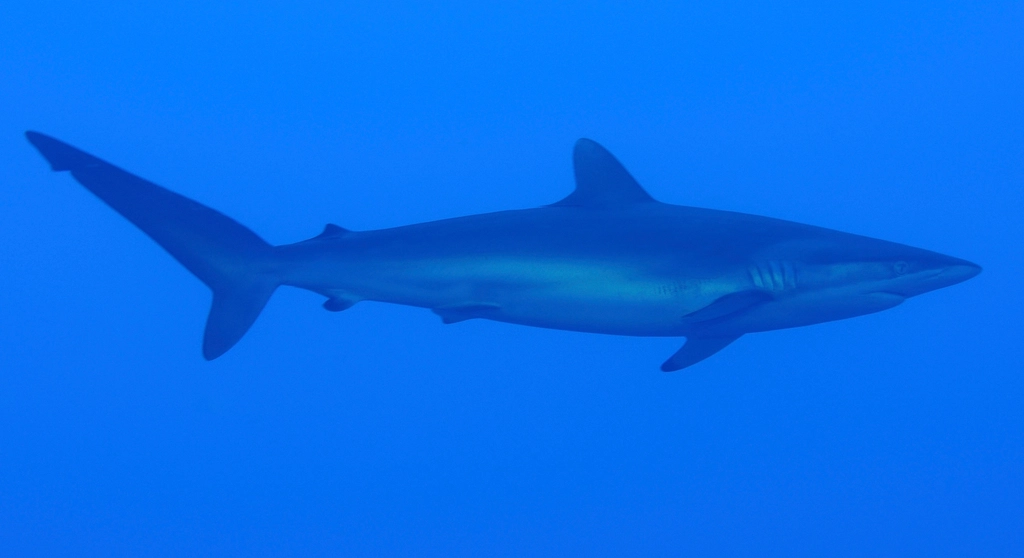 Photo Credit: Rawpixel
In the crystal-clear waters of the Galapagos Islands, the Galapagos shark, or Carcharhinus galapagensis, glides effortlessly through its vibrant underwater realm. With a sleek, streamlined body that can reach lengths of up to 10 feet, this magnificent predator is a sight to behold. Its dark gray back contrasts beautifully with its lighter belly, a clever design that helps it blend into the ocean depths while hunting for its next meal. As it navigates the coral reefs, the Galapagos shark showcases its powerful fins, propelling itself with grace and agility, embodying the very essence of oceanic elegance.
Scientists and nature enthusiasts alike are captivated by the Galapagos shark not just for its striking appearance, but also for its vital role in the marine ecosystem. As a top predator, it helps maintain the balance of life beneath the waves, controlling populations of fish and other marine creatures. This keystone species is essential for the health of coral reefs, making it a focal point for conservation efforts. With its intriguing behaviors and complex social interactions, the Galapagos shark invites us to explore the mysteries of the ocean and understand the delicate web of life that thrives within it. Join us as we dive deeper into the world of this remarkable shark, uncovering its habits, challenges, and the wonders of its habitat.
The Galapagos shark, scientifically known as Carcharhinus galapagensis, occupies a significant position in the tree of life. This species belongs to the kingdom Animalia, which includes all animals, and is part of the phylum Chordata, meaning it has a backbone. What sets the Galapagos shark apart is its adaptability to various marine environments, particularly around the Galapagos Islands. With its streamlined body and keen hunting skills, this shark is a vital predator in its ecosystem, showcasing the intricate balance of life in the ocean.
| Taxonomic Rank | Scientific Name | Meaning & Significance |
|---|---|---|
| Kingdom | Animalia | This name signifies that the Galapagos shark is part of the vast group of multicellular organisms known as animals. |
| Phylum | Chordata | Chordata means “having a notochord,” which is a flexible rod that supports the body, a feature present in all vertebrates, including this shark. |
| Class | Chondrichthyes | This class includes fish with cartilaginous skeletons instead of bones, highlighting the Galapagos shark’s unique structure. |
| Order | Carcharhiniformes | This order is known as “ground sharks,” which refers to their typical habitat near the ocean floor, where they hunt for prey. |
| Family | Carcharhinidae | This family includes many species of requiem sharks, known for their adaptability and diverse feeding habits. |
| Genus | Carcharhinus | The name Carcharhinus comes from Greek, meaning “sharp nose,” which describes the pointed snout of these sharks. |
| Species | galapagensis | This species name indicates its strong association with the Galapagos Islands, where it is commonly found. |
Understanding the Galapagos shark’s classification reveals much about its evolutionary journey. As a member of the Chondrichthyes class, it shares a lineage with ancient fish that have thrived for millions of years. This evolutionary history highlights the shark’s adaptations to its environment, showcasing how it has evolved to become a successful predator in the rich waters of the Galapagos. The unique features and behaviors of the Galapagos shark not only reflect its ecological role but also tell a story of survival and adaptation in the ever-changing marine world.
The evolutionary journey of the Galapagos shark, or Carcharhinus galapagensis, stretches back millions of years, intertwining with the history of the oceans themselves. This species is part of the Carcharhinidae family, which includes many other sharks, and has adapted to thrive in the unique marine environments of the Galapagos Islands. The timeline of its evolution reveals a story of survival and adaptation, shaped by the challenges of its habitat.
The ancestors of the Galapagos shark likely swam the oceans during the late Cretaceous period, around 100 million years ago. These early sharks were quite different from their modern relatives, possessing simpler body shapes and less specialized hunting techniques. Over time, as the oceans evolved and diversified, so did the sharks. The transition from these primitive forms to the sleek, agile hunters we see today involved significant changes in their anatomy and behavior. For instance, the development of a more streamlined body allowed for faster swimming, while enhanced sensory systems improved their ability to detect prey in murky waters.
The adaptations of the Galapagos shark have been crucial for its survival in a dynamic ecosystem. Their streamlined bodies and sharp senses enable them to be efficient hunters, while their social behavior enhances their success in capturing prey. By being adaptable to different habitats, they can exploit a variety of food sources, ensuring their place in the intricate web of life in the Galapagos Islands. This evolutionary tale is a testament to the resilience and ingenuity of nature, showcasing how species can thrive in the face of change.
The Galapagos shark is an impressive sight, gliding gracefully through the azure waters of its namesake islands. With a streamlined body designed for speed, it can reach lengths of up to 10 feet. Its powerful form is complemented by a distinctive erect dorsal fin that stands tall like a sail, giving it a commanding presence in the ocean. The overall impression is one of strength and agility, making this shark a true master of its aquatic domain.
| Feature | Description |
|---|---|
| Weight | Up to 430 pounds |
| Skin Type | Covered in tough, protective scales |
| Most Distinctive Feature | Erect dorsal fin |
The combination of its robust weight and sleek, scaled skin allows the Galapagos shark to navigate its environment with ease. The scales not only provide protection from predators and parasites but also reduce drag as it swims. The erect dorsal fin plays a crucial role in stabilizing the shark during swift movements, helping it to maintain balance while hunting or evading threats. Together, these features make the Galapagos shark a formidable predator, perfectly adapted to thrive in the rich marine ecosystems of the Galapagos Islands.
The Galapagos shark calls the vibrant waters of the tropical oceans its home, particularly favoring the shallow areas where sunlight dances on the surface. These sharks are often found near coral reefs, rocky outcrops, and sandy bottoms, where they can easily navigate through the currents. The lively underwater world teems with colorful fish and other marine life, creating a bustling environment that supports their hunting and social behaviors.
The climate in these regions is typically warm, with water temperatures ranging from 70 to 85 degrees Fahrenheit. Galapagos sharks thrive in areas with strong currents, which help to bring in a steady supply of food. These currents also provide oxygen-rich waters, essential for their survival. The environment is often characterized by clear visibility, allowing these sharks to spot prey from a distance.
Adapted to their specific habitats, Galapagos sharks have developed keen senses that help them navigate and hunt effectively. Their streamlined bodies allow for swift movement through the water, while their excellent eyesight and acute sense of smell enable them to detect prey even in murky conditions. This combination of physical traits and behavioral adaptations makes them well-suited to thrive in the dynamic ecosystems of the tropical oceans.
The daily life of the Galapagos shark is a blend of solitary exploration and strategic hunting. As the sun rises over the shimmering waters of the Galapagos Islands, these sharks begin their day by patrolling their territory. They glide through the warm, clear waters, using their keen senses to detect potential prey. Their diet mainly consists of fish and squid, which they hunt with a combination of stealth and speed. Throughout the day, they may rest in the shade of coral formations or rocky outcrops, conserving energy for their next hunt.
While Galapagos sharks are primarily solitary, they do exhibit interesting social behaviors during certain times. They may gather in small groups, especially around abundant food sources or during mating season. These gatherings can be a chance for them to interact, but they still maintain a level of independence. Communication among these sharks is subtle, relying on body language and movements rather than vocalizations. When they swim close to one another, they may display specific postures that signal their intentions, whether it’s to assert dominance or to show curiosity.
| Behavior Type | Description |
|---|---|
| Hunting | Galapagos sharks use stealth and speed to ambush fish and squid, often employing a quick burst of energy to catch their prey. |
| Resting | During the day, they may rest in shaded areas, allowing them to conserve energy for hunting. |
| Social Interaction | While mostly solitary, they can gather in small groups around food sources or during mating, using body language to communicate. |
| Territorial Behavior | Galapagos sharks patrol their territory, asserting dominance through displays of size and movement. |
The behaviors of the Galapagos shark are finely tuned to ensure their survival in the competitive marine environment. By balancing solitary hunting with occasional social interactions, they maximize their chances of finding food while minimizing risks. Their ability to adapt to different situations, whether hunting alone or gathering with others, showcases their resilience and intelligence as apex predators in their ecosystem.
The Galapagos shark is a carnivore, meaning it primarily eats meat. This sleek predator has a varied diet that includes a range of marine animals. It is known to hunt octopus, squid, seals, sea lions, marine iguanas, and even smaller sharks. With its keen senses and agile body, the Galapagos shark employs a mix of stealth and speed to catch its prey, often lurking near the ocean floor or around coral reefs before launching a swift attack.
| Dietary Aspect | Details |
|---|---|
| Diet Type | Carnivore |
| Favorite Foods | Octopus, squid, seals, sea lions, marine iguanas, small sharks |
| Prey Items | Octopus, squid, seals, sea lions, marine iguanas, small sharks |
| Hunting/Foraging Strategies | Stealthy approach, quick bursts of speed, often found near coral reefs |
The diet of the Galapagos shark plays a crucial role in its ecological niche. By preying on various marine species, it helps maintain the balance of the underwater ecosystem. This shark’s hunting habits also influence the behavior of its prey, creating a dynamic interaction that shapes the community of life in the Galapagos waters. As it navigates its environment, the Galapagos shark not only fulfills its own dietary needs but also contributes to the health of its habitat, making it an essential player in the ocean’s intricate web of life.
The mating behavior of the Galapagos shark is a captivating spectacle that unfolds in the warm waters of the Galapagos Islands. During the breeding season, which typically occurs in the late spring to early summer, males engage in a series of courtship displays. These displays can include swimming in circles around females and gently biting their fins. This ritual not only helps establish dominance but also allows the female to choose her mate. Once a pair has formed, they will mate, and the female will carry the developing young for nearly a year.
| Reproductive Aspect | Details |
|---|---|
| Gestation Period | 12 months |
| Average Litter Size | 4-16 |
| Age of Sexual Maturity | 10 years |
| Name of Young | Pups |
After a long gestation period, the female gives birth to live young known as pups. These pups are born fully formed and ready to swim away, which is crucial for their survival. Unlike many other species, Galapagos sharks do not exhibit parental care after birth. Instead, the pups must fend for themselves from the moment they enter the world. As they grow, they learn to navigate their environment and develop their hunting skills, gradually maturing into the impressive predators they are destined to become. This journey from pup to adult is a vital part of their life cycle, ensuring the continuation of this remarkable species in the vibrant waters of the Galapagos.
The Galapagos shark plays a crucial role in its marine ecosystem, acting as both predator and prey. Positioned near the top of the food web, it helps maintain the balance of ocean life by controlling the populations of smaller fish and other marine creatures. This balance is essential for the health of coral reefs and the overall biodiversity of the waters around the Galapagos Islands.
To defend themselves against these threats, Galapagos sharks have developed several survival strategies. They are agile swimmers, allowing them to quickly evade potential dangers. Their keen senses help them detect changes in their environment, alerting them to predators or disturbances. Additionally, they often seek refuge in the complex structures of coral reefs, where they can hide from larger threats. By adapting to their surroundings and using their natural instincts, these sharks continue to navigate the challenges of their ocean home.
A keystone species is an organism that has a disproportionately large impact on its environment relative to its abundance. In the case of the Galapagos shark, or Carcharhinus galapagensis, it certainly qualifies as a keystone species in its ecosystem. This shark plays a vital role in maintaining the balance of marine life in the waters around the Galapagos Islands, influencing the populations of various species and the overall health of the ecosystem.
The Galapagos shark is a top predator, which means it helps regulate the populations of its prey, such as octopus, squid, and even seals. By keeping these populations in check, the shark ensures that no single species dominates the ecosystem, allowing for a diverse range of marine life to thrive. For example, if the shark were to disappear, the number of smaller fish and invertebrates could explode, leading to overgrazing of seagrass beds and coral reefs. This would not only harm those habitats but also the myriad of species that depend on them for survival.
Additionally, the Galapagos shark contributes to the health of the ocean by scavenging on sick or weak animals. This behavior helps to prevent the spread of disease among marine populations. By removing these vulnerable individuals, the shark promotes a healthier, more resilient ecosystem. Its presence also supports the local fishing industry, as a balanced ecosystem can lead to more abundant fish stocks for fishermen.
If the Galapagos shark were to vanish from its habitat, the consequences would be profound. The delicate balance of the marine ecosystem would be disrupted, leading to a cascade of changes that could threaten the survival of many species. Over time, this could result in the degradation of coral reefs and seagrass beds, which are crucial for many marine organisms. The loss of this keystone species would not only impact the ocean’s health but also the livelihoods of those who depend on it, highlighting the interconnectedness of life in our oceans.
The Galapagos shark, known scientifically as Carcharhinus galapagensis, plays a vital role in its marine ecosystem. As a top predator, it occupies an ecological niche that helps maintain the balance of life in the vibrant waters of the Galapagos Islands. By preying on various marine species, this shark influences the population dynamics of its prey, ensuring that no single species dominates the ecosystem. This balance is crucial for the health of coral reefs and the overall biodiversity of the area.
| Ecosystem Service | Impact |
|---|---|
| Population Control | Regulates the numbers of prey species, preventing overpopulation. |
| Habitat Maintenance | Supports healthy coral reefs by controlling herbivore populations. |
| Nutrient Cycling | Contributes to the flow of nutrients through the food web. |
| Tourism Attraction | Draws divers and tourists, boosting local economies. |
The influence of the Galapagos shark extends beyond just its role as a predator. For instance, by hunting species like octopus and squid, it helps maintain a balance that allows other marine life to thrive. This predation prevents any one species from becoming too abundant, which could lead to a decline in biodiversity. Additionally, the presence of these sharks can encourage the growth of healthy coral reefs, as they help control the populations of herbivorous fish that graze on algae. This dynamic interaction fosters a rich and diverse underwater environment.
The broader ecological importance of the Galapagos shark cannot be overstated. As a keystone species, its presence is essential for the stability of the marine ecosystem. When populations of Galapagos sharks decline, it can lead to cascading effects throughout the food web, disrupting the balance of life in the ocean. Protecting these sharks is not just about preserving a single species; it is about safeguarding the intricate web of life that depends on their existence. By understanding and valuing the role of the Galapagos shark, we can better appreciate the delicate balance of our planet’s ecosystems.
In the intricate web of life beneath the ocean’s surface, symbiosis plays a crucial role in shaping the relationships between different species. Symbiosis refers to the close interactions between organisms, which can be beneficial, harmful, or neutral. These relationships can be classified into three main types: mutualism, where both species benefit; parasitism, where one species benefits at the expense of another; and commensalism, where one species benefits while the other is neither helped nor harmed. The Galapagos shark, a fascinating inhabitant of the tropical waters, engages in various ecological partnerships that highlight the complexity of marine life.
| Species/Type | Relationship Type | Description |
|---|---|---|
| Remora fish | Mutualistic | Remoras attach themselves to the Galapagos shark, gaining transportation and access to food scraps, while the shark benefits from the cleaning of parasites. |
| Cleaner wrasse | Mutualistic | These small fish clean the shark’s skin by eating parasites and dead tissue, promoting the shark’s health while receiving a meal. |
| Sea turtles | Commensal | Galapagos sharks may follow sea turtles, benefiting from the disturbance of prey as the turtles forage, without affecting the turtles. |
The evolution of these relationships is a testament to the adaptability of species in the marine environment. Over time, the Galapagos shark and its partners have developed these interactions to enhance their survival and well-being. Mutualistic relationships, like those with remora fish and cleaner wrasse, showcase how cooperation can lead to healthier individuals and thriving ecosystems. Meanwhile, commensal relationships, such as those with sea turtles, illustrate the interconnectedness of ocean life, where one species can benefit from the actions of another without causing harm. These partnerships not only enrich the lives of the species involved but also contribute to the overall health of the marine ecosystem.
The Galapagos shark is a captivating inhabitant of the vibrant waters surrounding the Galapagos Islands. Known for its striking appearance and intriguing behaviors, this species offers a wealth of surprises that even seasoned nature enthusiasts may not know.
The Galapagos shark, or Carcharhinus galapagensis, has a long history of encounters with humans, particularly in the stunning Galapagos Islands. These sharks have been part of local folklore and cultural narratives for centuries, often symbolizing the wild and untamed spirit of the ocean. Early explorers and naturalists, including Charles Darwin, documented their presence, noting their role in the marine ecosystem. The sharks have inspired awe and respect, becoming a vital part of the identity of the islands and their surrounding waters.
Today, the relationship between Galapagos sharks and humanity is complex and evolving. On one hand, conservation efforts are underway to protect these magnificent creatures and their habitats, recognizing their importance in maintaining the health of marine ecosystems. On the other hand, conflicts arise, particularly with fishing practices that threaten their populations. While some communities embrace ecotourism, allowing people to observe these sharks in their natural environment, others still engage in fishing, leading to a delicate balance between preservation and exploitation.
As we look to the future, the relationship between Galapagos sharks and humans holds both promise and challenges. With increased awareness of the ecological importance of these sharks, there is hope for stronger conservation measures and sustainable practices. By fostering a deeper understanding and respect for these incredible animals, we can work towards a future where both humans and Galapagos sharks thrive together in harmony, ensuring the health of our oceans for generations to come.
The Galapagos shark, known scientifically as Carcharhinus galapagensis, currently holds a conservation status of Near Threatened according to the International Union for Conservation of Nature (IUCN). This designation indicates that while the species is not yet endangered, it faces significant risks that could lead to a decline in its population if protective measures are not implemented. The exact population size remains unknown, but trends suggest that numbers may be decreasing due to various environmental pressures.
| Conservation Factor | Status/Details |
|---|---|
| IUCN Status | Near Threatened |
| Estimated Population Size | Unknown |
| Population Trend | Decreasing |
The main threats to the Galapagos shark stem from human activities. Overfishing is a significant concern, as these sharks are often caught unintentionally in fishing gear or targeted for their fins, which are highly valued in some cultures. Additionally, habitat degradation, particularly in coral reef areas where they thrive, poses a risk to their survival. Climate change also plays a role, as rising ocean temperatures can disrupt their breeding and feeding patterns, further endangering their populations.
Conservation efforts are underway to protect the Galapagos shark and its habitat. Various organizations are working to establish marine protected areas, which help safeguard these sharks from fishing and habitat destruction. Education and awareness campaigns are also crucial, as they inform local communities and visitors about the importance of preserving this species. With continued efforts and global cooperation, there is hope that the Galapagos shark can recover and thrive in its natural environment.
| Question | Answer |
|---|---|
| Where do Galapagos Sharks live? | Galapagos Sharks thrive in shallow tropical waters, particularly around the Galapagos Islands. They prefer areas with strong currents, which help them find food and stay active. |
| What do Galapagos Sharks eat? | As carnivores, Galapagos Sharks primarily feed on fish and squid. Their sharp teeth and keen sense of smell make them effective hunters in their ocean habitat. |
| How do Galapagos Sharks behave? | Galapagos Sharks are known for their curious nature and can often be seen swimming in groups. They are generally not aggressive towards humans, but they can be protective of their territory. |
| How do Galapagos Sharks reproduce? | Galapagos Sharks reproduce through a process called ovoviviparity, meaning the eggs hatch inside the mother, and she gives birth to live young. This method helps protect the young sharks from predators during their early life stages. |
| What threats do Galapagos Sharks face? | Galapagos Sharks are classified as Near Threatened due to overfishing and habitat loss. They are often caught accidentally in fishing gear, and their populations are affected by the decline of their prey. |
| What is a distinctive feature of Galapagos Sharks? | One of the most distinctive features of Galapagos Sharks is their erect dorsal fin, which stands tall above the water when they swim. This unique fin helps them stabilize while navigating through strong currents. |
| Are Galapagos Sharks social animals? | Yes, Galapagos Sharks are often seen swimming in groups, especially around feeding areas. This social behavior can help them find food more efficiently and offers some protection from larger predators. |