Taxonomy & Classification
- Kingdom
- Animalia
- Phylum
- Chordata
- Class
- Actinopterygii
- Order
- Lepisosteiformes
- Family
- Lepisosteidae
- Genus
- Lepisosteus
- Species
- Lepisosteidae

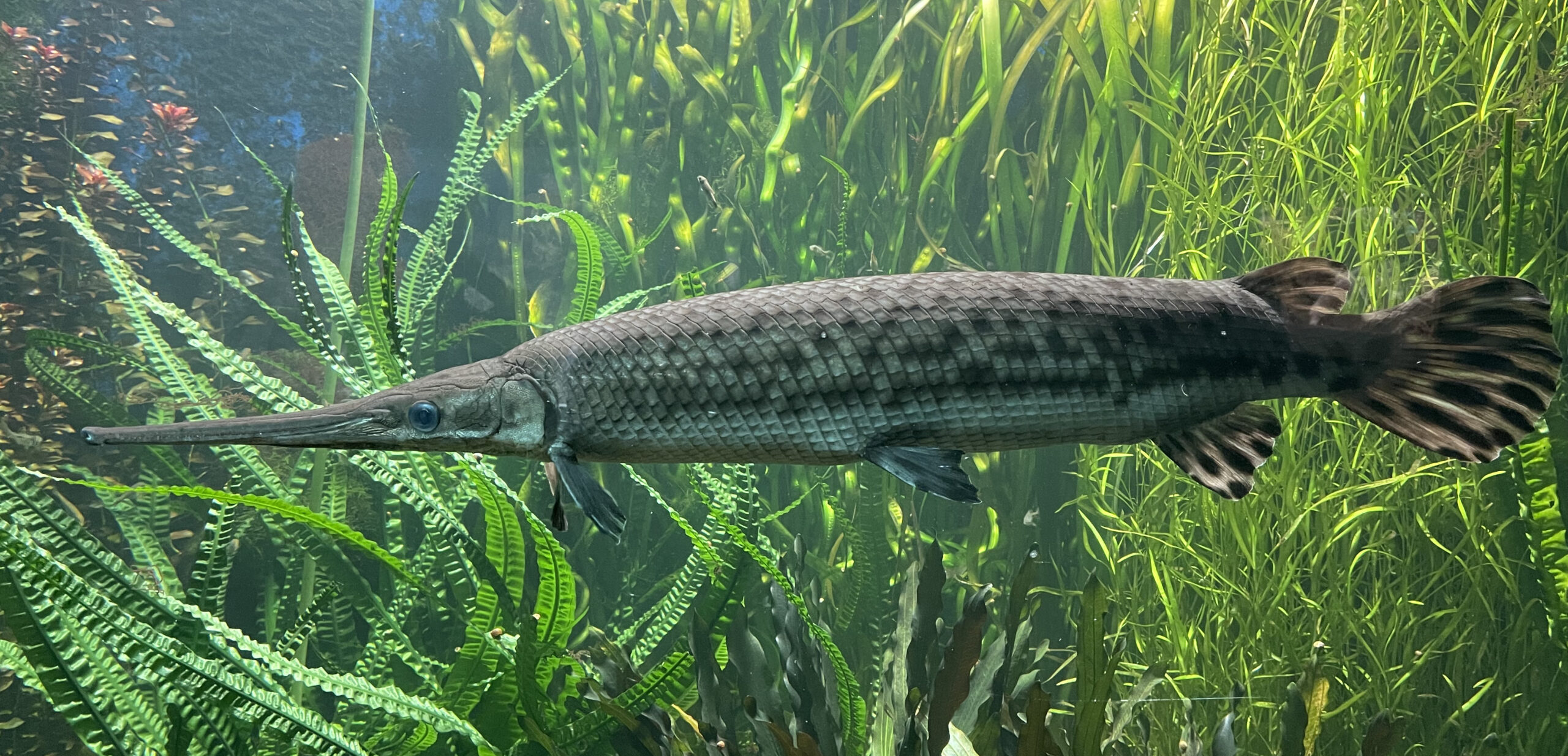 Photo Credit: Amada44 / Wikimedia Commons
In the shimmering waters of North America, the gar, scientifically known as Lepisosteidae, glides with an elegance that seems almost otherworldly. With its long, slender body and sharp, conical snout lined with needle-like teeth, this ancient fish is a living testament to the Earth’s evolutionary history. Imagine a winding river, its surface sparkling under the sun, where the gar lurks just beneath, waiting patiently for its next meal. This remarkable predator, often reaching lengths of up to ten feet, has been swimming in our waters for over 150 million years, making it one of the oldest surviving lineages of fish.
What makes the gar particularly captivating to scientists and nature lovers alike is not just its impressive size but also its unique adaptations. With a tough, armored skin covered in ganoid scales, the gar is built to withstand the rigors of its environment. Its ability to breathe air, thanks to a specialized swim bladder, allows it to thrive in low-oxygen waters where other fish might struggle. As it prowls through the murky depths of rivers and lakes, the gar plays a crucial role in maintaining the balance of aquatic ecosystems, acting as both predator and prey. Join us as we dive deeper into the world of the gar, exploring its fascinating behaviors, diet, and the vital role it plays in the natural world.
The gar is a captivating fish that swims through the waters of North America, Central America, and parts of the Caribbean. It belongs to a group of ancient fish that have been around for millions of years, making it a living link to the past. Gar are unique in the animal kingdom due to their long, slender bodies, sharp teeth, and distinctive armored scales. These features not only help them thrive in their aquatic environments but also set them apart from many other fish species. Their evolutionary history is rich, showcasing adaptations that have allowed them to survive through various geological eras.
| Taxonomic Rank | Scientific Name | Meaning & Significance |
|---|---|---|
| Kingdom | Animalia | This name signifies that gar are part of the vast group of multicellular organisms that are primarily heterotrophic, meaning they consume other organisms for energy. |
| Phylum | Chordata | Chordata refers to animals that have a notochord, a flexible rod that supports the body. In gar, this structure is present during their development, showcasing their place in the animal kingdom. |
| Class | Actinopterygii | This class includes ray-finned fishes, which have fins supported by bony rays. Gar are part of this group, highlighting their evolutionary adaptations for swimming. |
| Order | Lepisosteiformes | The name comes from the Greek words “lepis,” meaning scale, and “osteon,” meaning bone. This reflects the gar’s tough, bony scales that provide protection. |
| Family | Lepisosteidae | This family name is derived from the same Greek roots as the order, emphasizing the unique bony features of gar that distinguish them from other fish. |
| Genus | Lepisosteus | The genus name also comes from the Greek “lepis” for scale, indicating the characteristic armor-like scales of these fish. |
The classification of gar reveals a fascinating evolutionary journey that stretches back to the time of the dinosaurs. Their position in the tree of life highlights their resilience and adaptability, allowing them to thrive in diverse environments. As one of the oldest groups of fish still swimming today, gar provide valuable insights into the history of vertebrates and the changes that have shaped aquatic ecosystems over millions of years. Understanding their taxonomy not only enriches our knowledge of these remarkable fish but also underscores the importance of preserving their habitats for future generations.
The evolutionary journey of the gar stretches back over 150 million years, making it one of the oldest surviving lineages of fish. These ancient creatures first appeared during the late Jurassic period, a time when dinosaurs roamed the Earth. As the world changed, so did the gar, adapting to various environments while maintaining its distinctive features. This long history has allowed the gar to witness the rise and fall of many other species, all while thriving in freshwater and brackish habitats.
The ancestors of modern gar were part of a group known as the actinopterygians, or ray-finned fishes, which emerged in the Devonian period. Over time, these fish developed unique adaptations that set them apart from their relatives. One major transition was the evolution of their elongated bodies and long snouts, which are perfect for catching prey. Their tough, diamond-shaped scales evolved to provide protection against predators, while their ability to breathe air through a modified swim bladder allowed them to survive in low-oxygen environments. This adaptability has been crucial for their survival in diverse habitats, from slow-moving rivers to coastal marshes.
These adaptations have played a vital role in the gar’s survival over millions of years. Their streamlined bodies and sharp teeth make them formidable predators, while their ability to breathe air allows them to thrive in challenging environments. The tough scales provide a defense against threats, ensuring that these ancient fish continue to swim through our waters today. As they navigate their habitats, gar remind us of the resilience and adaptability of life on Earth.
The gar is an impressive sight, gliding through the water with an air of ancient grace. Its elongated body, often reaching lengths of up to ten feet, is streamlined for swift movement. The most striking feature is its long, narrow snout, which resembles a spear, giving it a predatory look. This unique shape not only enhances its hunting prowess but also adds to its prehistoric charm, making it seem like a living fossil from a time long past.
| Feature | Description |
|---|---|
| Weight | Up to 350 pounds |
| Skin Type | Scales |
| Most Distinctive Feature | Long snout |
The gar’s features work together beautifully for survival. Its heavy, scaled skin provides protection against predators and environmental hazards, while its impressive weight allows it to dominate its territory. The long snout is not just for show; it helps the gar catch fish with precision, allowing it to thrive in its aquatic habitat. Together, these characteristics make the gar a formidable predator, perfectly adapted to its environment.
The gar calls a variety of freshwater habitats home, thriving in the murky waters of rivers, lakes, and estuaries. Picture a winding river, its surface glistening under the sun, surrounded by lush vegetation and the sounds of nature. In these environments, the gar can often be found lurking among submerged logs and aquatic plants, where it waits patiently for its next meal. The stillness of bayous, with their slow-moving waters and rich biodiversity, also provides an ideal setting for these ancient fish.
The gar prefers warm, shallow waters that are rich in vegetation. These habitats often experience a range of temperatures, but the gar thrives best in warmer climates. The water quality is crucial, as they need a balance of oxygen and nutrients to support their growth and health. In areas where the water is slow-moving and filled with organic matter, the gar can find plenty of food and shelter, making these environments perfect for their lifestyle.
Over time, the gar has developed several adaptations that help it survive in these specific habitats. Its long, streamlined body allows it to navigate through dense vegetation with ease, while its sharp teeth are perfect for catching slippery prey. The gar’s ability to breathe air through a specialized swim bladder means it can thrive in low-oxygen waters, giving it an edge over other fish. These adaptations not only enhance its hunting skills but also ensure its survival in the diverse ecosystems it inhabits.
The daily life of a gar is a blend of solitary and social activities, depending on the species and environmental conditions. Typically, these fish are most active during dawn and dusk, a behavior known as crepuscular activity. During these times, they glide through their aquatic homes, searching for food. Gar are opportunistic feeders, meaning they eat whatever is available, including fish, crustaceans, and even insects. Their sharp teeth and long snouts make them efficient hunters, allowing them to catch prey with surprising speed and precision.
In terms of social behavior, gar can be found both alone and in groups. While many prefer the solitude of their own company, some species exhibit social tendencies, especially during breeding seasons. When in groups, gar often swim in loose formations, which can help them avoid predators and increase their chances of finding food. Communication among gar is subtle; they rely on body language and movements rather than vocal sounds. This silent interaction helps them maintain their social structure without drawing attention to themselves.
| Behavior Type | Description |
|---|---|
| Feeding | Gar are opportunistic feeders, hunting at dawn and dusk for fish, crustaceans, and insects. |
| Social Structure | Gar can be solitary or social, often forming loose groups during breeding seasons. |
| Communication | They communicate through body language and movements, avoiding vocal sounds to stay discreet. |
The behaviors of gar are finely tuned to ensure their survival in diverse environments. Their crepuscular feeding habits allow them to take advantage of the low light, making it easier to catch prey while minimizing the risk of being seen by larger predators. The ability to adapt between solitary and social living provides flexibility in their lifestyle, enabling them to thrive in various habitats. By mastering these behaviors, gar have successfully navigated the waters for millions of years, showcasing the intricate balance of life in aquatic ecosystems.
The gar is a carnivorous fish, meaning it primarily eats other animals. With its sharp teeth and long, slender body, the gar is an efficient predator in its watery domain. It often hunts by lying in wait, using its excellent camouflage to blend into the surroundings. When prey comes too close, the gar strikes with lightning speed, capturing its meal with a swift snap of its jaws. This feeding behavior allows the gar to thrive in various freshwater habitats, where it can find a diverse menu of tasty treats.
| Dietary Aspect | Details |
|---|---|
| Diet Type | Carnivore |
| Favorite Foods | Crustaceans, insects, frogs, and fish |
| Prey Items | Small fish, aquatic insects, and other small animals |
| Hunting/Foraging Strategies | Ambush predator, using camouflage and quick strikes |
The gar’s diet plays a crucial role in its ecosystem. By preying on smaller fish and invertebrates, it helps maintain a balance in the aquatic food web. This not only keeps populations of these species in check but also ensures that the gar itself has a steady supply of food. Its hunting habits, combined with its adaptability to different environments, shape its daily routine, making it a key player in the health of its habitat.
During the breeding season, which typically occurs in late spring to early summer, gar engage in fascinating mating behaviors. Males often display their vibrant colors and perform elaborate courtship rituals to attract females. These rituals can include swimming in circles and nudging the female with their snouts. Once a female is ready to mate, she will lay her eggs in shallow waters, often among vegetation, where they can be well-hidden from predators.
| Reproductive Aspect | Details |
|---|---|
| Gestation Period | A few days |
| Litter Size | Hundreds to thousands of eggs |
| Age of Maturity | 3 to 5 years |
| Name of Young | Fry |
After the eggs are laid, they hatch into tiny fry, which are vulnerable and rely on their surroundings for protection. The young gar grow quickly, developing their distinctive features as they mature. Parental care is minimal, as the fry must fend for themselves almost immediately after hatching. As they grow, they learn to navigate their environment, honing their hunting skills and adapting to life in the water. By the time they reach maturity, usually between three to five years, they are well-equipped to thrive in their aquatic habitats, continuing the ancient lineage of these remarkable fish.
The gar occupies a unique position in the food web, serving as both predator and prey. As a carnivorous fish, it plays a vital role in controlling the populations of smaller fish and aquatic creatures. However, its size and predatory nature also make it a target for larger animals and humans alike. This dual role highlights the delicate balance of ecosystems, where every species, including the gar, contributes to the health of its environment.
To survive these threats, the gar has developed several defensive behaviors. Its tough, armored scales provide a layer of protection against predators, making it difficult for them to bite. Additionally, the gar’s ability to remain still and blend into its surroundings helps it avoid detection. When threatened, it can swiftly dart away, using its streamlined body to escape danger. These adaptations, combined with its keen senses, allow the gar to navigate the challenges of its aquatic world.
A keystone species is a vital part of its ecosystem, one that has a disproportionately large impact on its environment relative to its abundance. The gar, with its ancient lineage and predatory habits, qualifies as a keystone species in many freshwater habitats. By maintaining the balance of aquatic life, the gar plays a crucial role in the health of its ecosystem.
Gar are carnivorous fish that primarily feed on smaller fish and aquatic creatures. This predatory behavior helps regulate the populations of these species, preventing any one group from becoming too dominant. For example, if smaller fish like minnows were to overpopulate, they could deplete the vegetation in their habitat, leading to a decline in water quality and affecting other species that rely on that environment. By keeping these populations in check, gar contribute to a balanced ecosystem where various species can thrive.
Additionally, gar serve as prey for larger predators, such as birds of prey and larger fish. This dual role as both predator and prey helps to create a dynamic food web, where energy flows through different levels of the ecosystem. Their presence supports not only the species they hunt but also those that hunt them, illustrating the interconnectedness of life in freshwater habitats.
If gar were to disappear from their ecosystems, the consequences could be severe. Without these fish to control the populations of smaller species, there could be an explosion of certain fish populations, leading to overgrazing of aquatic plants. This would not only harm the water quality but also disrupt the entire food web, affecting countless other species. The loss of gar would ripple through the ecosystem, demonstrating just how crucial these ancient fish are to the health and stability of their watery homes.
The gar plays a crucial role in its ecosystem, acting as a keystone species that helps maintain the balance of aquatic life. Found in rivers, lakes, and estuaries, these ancient fish are not just fascinating to observe; they are essential for the health of their habitats. By preying on smaller fish and aquatic creatures, the gar helps regulate populations, ensuring that no single species dominates the ecosystem. This balance is vital for the overall health of the water bodies they inhabit.
| Ecosystem Service | Impact |
|---|---|
| Population Control | Regulates the numbers of smaller fish and aquatic organisms, preventing overpopulation. |
| Habitat Maintenance | Contributes to the health of aquatic plants by controlling herbivore populations. |
| Nutrient Cycling | Facilitates the transfer of nutrients through the food web, enhancing ecosystem productivity. |
| Prey for Larger Predators | Serves as a food source for larger fish and birds, supporting higher trophic levels. |
The influence of the gar extends beyond its role as a predator. For instance, by keeping the populations of smaller fish in check, gar help maintain a diverse community of aquatic life. This diversity is crucial for the health of the ecosystem, as it allows for various species to thrive and interact. Additionally, the presence of gar can indicate a healthy environment; their sensitivity to pollution means that thriving gar populations often signal clean waters. In this way, they act as both hunters and indicators of ecosystem health.
The broader ecological importance of the gar cannot be overstated. As a keystone species, its presence or absence can significantly alter the structure of the aquatic community. By influencing the populations of other species, the gar helps maintain the delicate balance of its ecosystem. This balance is essential not only for the survival of various aquatic organisms but also for the overall health of the waterways they inhabit. In essence, the gar is a guardian of its environment, ensuring that life in the water continues to flourish.
In the intricate web of life, many species form partnerships that enhance their survival and well-being. These relationships, known as symbiosis, can take various forms, including mutualism, where both species benefit, parasitism, where one benefits at the other’s expense, and commensalism, where one benefits while the other is neither helped nor harmed. Understanding these connections helps us appreciate the delicate balance of ecosystems and the roles different species play within them.
| Species/Type | Relationship Type | Description |
|---|---|---|
| Remora Fish | Mutualistic | Remoras attach themselves to larger fish, like the gar, using a special suction disk. They get a free ride and feed on leftover scraps, while the gar benefits from having parasites removed by the remora. |
| Leeches | Parasitic | Some leeches may attach to the gar and feed on its blood. This relationship is harmful to the gar, as it loses nutrients and energy. |
| Water Hyacinth | Commensal | Water hyacinths can grow in the same waters as gar. While they do not directly benefit the gar, they provide shelter for smaller fish, which can attract gar looking for prey. |
These relationships have evolved over time, shaped by the needs and behaviors of the species involved. The mutualistic bond between the gar and remora fish showcases how cooperation can lead to greater success in the wild. Meanwhile, parasitic relationships, like that of leeches, highlight the challenges some species face. Commensal relationships, such as that with water hyacinths, illustrate how one species can create a habitat that indirectly benefits others. Together, these interactions reveal the complexity of ecosystems and the importance of every species in maintaining the balance of nature.
Gars are truly captivating fish that have been swimming in our waters for millions of years. Their ancient lineage and unique adaptations make them a subject of fascination for nature enthusiasts of all ages.
Throughout history, gars have held a special place in the hearts and minds of various cultures. Indigenous peoples in North America have long recognized the gar as a vital source of food and a symbol of strength. These ancient fish, with their formidable appearance and impressive size, have inspired myths and stories that celebrate their resilience. In some cultures, they are seen as guardians of the waters, embodying the spirit of the rivers and lakes they inhabit. This deep-rooted connection highlights the significance of gars not just as fish, but as integral parts of human heritage and tradition.
In modern times, the relationship between gars and humanity has evolved, reflecting both cooperation and conflict. Conservation efforts are underway to protect these ancient fish, as many species face threats from habitat loss and pollution. Some communities have embraced sustainable fishing practices, recognizing the ecological importance of gars in maintaining healthy aquatic ecosystems. However, conflicts can arise when gars are perceived as competitors for fish stocks or when they inadvertently damage fishing gear. Interestingly, some people have even explored the idea of domestication, raising gars in controlled environments for educational purposes or as exotic pets, showcasing their unique beauty and fascinating behaviors.
Looking ahead, the future of the relationship between gars and humanity will likely hinge on our ability to balance ecological stewardship with cultural appreciation. As awareness of environmental issues grows, more people are recognizing the importance of preserving not just the gar, but the entire ecosystems they inhabit. By fostering a sense of respect and understanding, we can ensure that these ancient fish continue to thrive alongside us, enriching our lives and the natural world for generations to come.
The conservation status of the gar is currently classified as Least Concern by the International Union for Conservation of Nature (IUCN). This means that, overall, gars are not facing immediate threats that could lead to their extinction. However, while their population is stable, it is essential to monitor their numbers closely, as changes in habitat and environmental conditions can impact their future.
| Conservation Factor | Status/Details |
|---|---|
| IUCN Status | Least Concern |
| Estimated Population Size | Stable, but specific numbers are not well-documented |
| Population Trend | Stable |
Despite their current stable status, gars face several threats that could jeopardize their future. Habitat destruction is a significant concern, as rivers and lakes are often altered for agriculture, urban development, and dam construction. Pollution from agricultural runoff and industrial waste can also harm their habitats, affecting water quality and the availability of prey. Additionally, overfishing and the introduction of invasive species can disrupt the delicate balance of their ecosystems, putting pressure on gar populations.
Conservation efforts are underway to ensure the long-term survival of gars. Many organizations are working to protect their habitats through restoration projects and sustainable fishing practices. Education and awareness campaigns help communities understand the importance of these ancient fish and their role in the ecosystem. With continued efforts, the outlook for gars remains positive, allowing them to thrive in the waters they have inhabited for millions of years.
| Question | Answer |
|---|---|
| What is the habitat of Gar? | Gar are commonly found in rivers, bayous, lakes, and estuaries. These habitats provide them with plenty of space to swim and hunt for food. |
| What do Gar eat? | Gar are carnivores, which means they primarily eat meat. Their diet consists of fish, crustaceans, and sometimes even small mammals that venture too close to the water. |
| How do Gar behave in the wild? | Gar are known for their unique swimming style, often gliding through the water with minimal movement. They are generally solitary creatures but can be seen in small groups when hunting or during mating season. |
| How do Gar reproduce? | Gar typically spawn in shallow waters during the warmer months. The female lays thousands of eggs, which are fertilized by the male, and the eggs stick to vegetation until they hatch. |
| What threats do Gar face? | While Gar are currently listed as Least Concern, they face threats from habitat destruction and pollution. Overfishing and competition with invasive species can also impact their populations. |
| What is a distinctive feature of Gar? | One of the most distinctive features of Gar is their long snout, which is filled with sharp teeth. This unique adaptation helps them catch slippery prey in the water. |
| Are Gar good for the ecosystem? | Yes, Gar play an important role in their ecosystems by helping to control fish populations. Their presence indicates a healthy aquatic environment, as they thrive in clean waters. |