Taxonomy & Classification
- Kingdom
- Animalia
- Phylum
- Chordata
- Class
- Mammalia
- Order
- Rodentia
- Family
- Muridae
- Genus
- Gerbillus

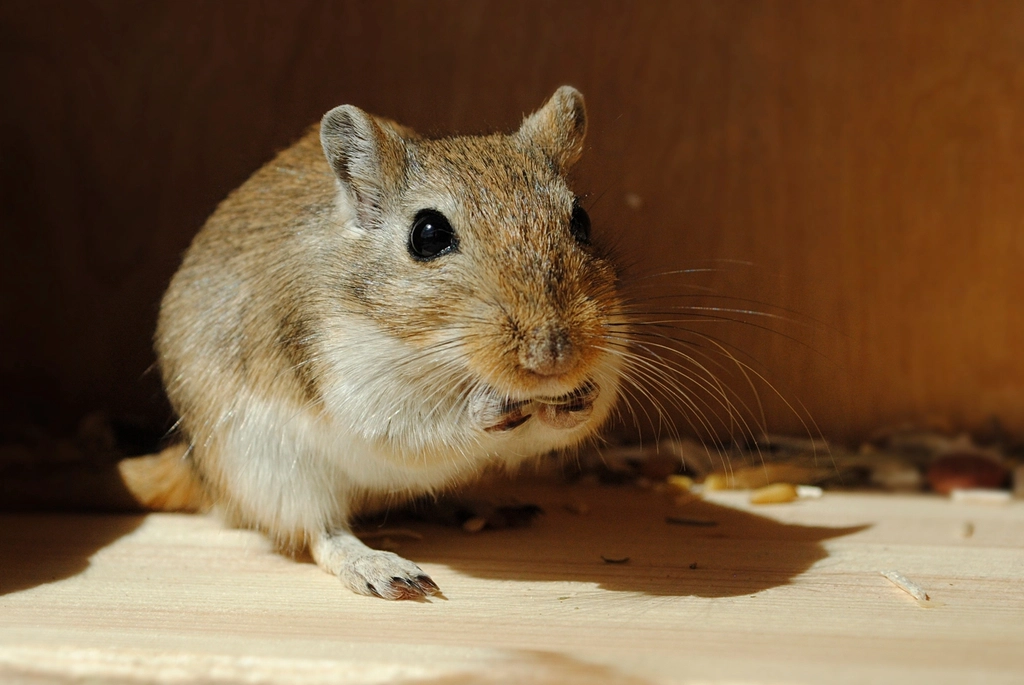 Photo Credit: Rawpixel
In the sun-baked expanses of the desert, where golden grains of sand stretch endlessly, lives the charming gerbil, scientifically known as Meriones unguiculatus. With its small, compact body and long, tufted tail, this lively little mammal is a master of agility, darting through its sandy burrows with remarkable speed. Gerbils are not just cute; they are fascinating creatures that have captured the attention of scientists and nature lovers alike. Their ability to thrive in harsh environments showcases their incredible adaptability and resilience.
As the sun rises, the gerbil emerges from its cozy underground home, ready to explore the world around it. With large, expressive eyes and soft fur that ranges from sandy brown to gray, these animals are perfectly camouflaged against their desert surroundings. Their playful antics and social behavior make them a joy to observe, whether in the wild or as beloved pets. Gerbils play a vital role in their ecosystems, helping to aerate the soil and serving as a food source for various predators. This unique position in the food web highlights their importance in maintaining the balance of life in their arid habitats. Join us as we delve deeper into the captivating world of gerbils, exploring their behavior, diet, and the fascinating relationships they form with their environment.
Gerbils are small, lively mammals that belong to the vast and diverse animal kingdom, specifically within the phylum Chordata, which includes all animals with a backbone. These little creatures are part of the class Mammalia, meaning they are warm-blooded and nurse their young with milk. What sets gerbils apart in the animal kingdom is their incredible adaptability to arid environments, particularly in the deserts of Asia and Africa. Their unique physical features, such as long hind legs for jumping and a tufted tail for balance, help them thrive in these challenging habitats.
| Taxonomic Rank | Scientific Name | Meaning & Significance |
|---|---|---|
| Kingdom | Animalia | This name comes from the Latin word “animalis,” meaning “having breath,” which reflects the living nature of these organisms. |
| Phylum | Chordata | Derived from the Greek word “chordē,” meaning “string,” this refers to the notochord, a flexible rod that supports the body in the early stages of development. |
| Class | Mammalia | This term comes from the Latin “mamma,” meaning “breast,” highlighting the defining feature of mammals: the ability to produce milk for their young. |
| Order | Rodentia | From the Latin “rodere,” meaning “to gnaw,” this name emphasizes the characteristic front teeth of rodents, which continuously grow and need to be worn down. |
| Family | Muridae | This family name is derived from the Latin “mus,” meaning “mouse,” indicating the close relationship between gerbils and other small rodents. |
| Genus | Gerbillus | The name “Gerbillus” is derived from the Arabic word “gerbil,” which refers to the small size and burrowing habits of these animals. |
Understanding the taxonomic classification of gerbils reveals much about their evolutionary journey. As members of the rodent family, they share common ancestors with other small mammals, adapting over millions of years to their specific environments. Their classification not only highlights their physical traits but also their behaviors and ecological roles, showcasing how life on Earth has evolved in response to diverse habitats. Gerbils are a testament to the wonders of evolution, demonstrating how even the smallest creatures can thrive in the most challenging conditions.
The evolutionary journey of gerbils stretches back millions of years, weaving through the tapestry of time to reveal how these small mammals adapted to their environments. Gerbils belong to the family Muridae, which is home to a wide variety of rodents. Their ancestors roamed the Earth during the late Eocene epoch, around 34 million years ago, when the climate was warmer and more humid than today. As the world changed, so did the gerbils, evolving to thrive in the arid landscapes that would come to define their habitats.
The earliest ancestors of gerbils were likely similar to other small rodents, living in lush environments. However, as the climate shifted towards drier conditions, these ancestors began to adapt. Over time, they developed traits that allowed them to survive in harsher climates, such as the ability to conserve water and dig extensive burrow systems. These adaptations were crucial as they transitioned from forested areas to the open deserts and grasslands where modern gerbils are commonly found.
The adaptations that gerbils have developed over time have been essential for their survival in challenging environments. Their ability to conserve water and dig burrows not only protects them from the elements but also from predators. Living in social groups enhances their chances of finding food and staying safe. These evolutionary traits showcase the incredible resilience of gerbils, allowing them to thrive in some of the most unforgiving landscapes on Earth.
Gerbils are small, energetic mammals that capture the imagination with their lively antics and charming appearance. Their bodies are compact and well-proportioned, designed for agility and quick movements. With a weight ranging from just 0.35 to 8 ounces, they are light enough to dart through their sandy habitats with ease. Their fur-covered bodies are not only soft to the touch but also serve as excellent insulation, keeping them warm in cooler environments.
| Feature | Description |
|---|---|
| Size | Typically weighs between 0.35 to 8 ounces |
| Skin Type | Covered in soft fur |
| Distinctive Feature | Remarkable jumping ability, capable of leaping up to 11.5 feet |
The combination of their lightweight bodies and powerful hind legs allows gerbils to perform impressive jumps, which is crucial for escaping predators in the wild. Their fur not only provides warmth but also helps them blend into their surroundings, offering camouflage against potential threats. Together, these features make gerbils well-suited for survival in their natural habitats, where agility and stealth are key to thriving in the wild.
Gerbils thrive in a variety of habitats, but they are most commonly associated with the dry, sandy expanses of deserts and arid regions. Picture a sun-drenched landscape where the golden grains of sand stretch endlessly, dotted with sparse vegetation. These small mammals are perfectly at home in this environment, where they dig intricate burrow systems beneath the surface, creating a cozy refuge from the harsh conditions above. Their lively presence brings a spark of life to these otherwise quiet landscapes.
To flourish in their chosen habitats, gerbils require specific climate and environmental conditions. They are well-suited to warm temperatures, often thriving in areas where the sun blazes down during the day and cools off at night. These little animals are also adept at surviving with limited water, as they have evolved to extract moisture from the seeds and plants they consume. The dry, sandy soil of their homes allows them to dig and create burrows, which provide shelter from both predators and the elements.
Gerbils have developed remarkable adaptations that help them navigate their challenging environments. Their burrowing behavior not only protects them from extreme temperatures but also creates a network of tunnels that can lead to food sources and safe resting spots. Additionally, their ability to conserve water and their efficient metabolism allow them to thrive in places where other animals might struggle. This clever combination of traits ensures that gerbils can make the most of their arid habitats, turning the harshness of the desert into a thriving home.
Gerbils lead a vibrant daily life filled with activity and exploration. As the sun rises, these small mammals emerge from their burrows, ready to greet the day. Their mornings are often spent foraging for seeds, grains, and other tasty treats hidden in the sandy soil. With their keen sense of smell and sharp eyesight, gerbils scurry about, nibbling on food and occasionally pausing to groom their fur. This grooming not only keeps them clean but also helps them bond with others in their group. As the day progresses, they engage in playful antics, darting around and digging tunnels, which are essential for their survival.
While gerbils are primarily solitary creatures, they can also be found in small groups, especially when it comes to foraging and socializing. These groups, often referred to as flocks, allow gerbils to share information about food sources and potential dangers. Communication is key in these social interactions, and gerbils use a variety of sounds, such as chirps and squeaks, to express their feelings and alert others to threats. This social behavior helps them maintain a balance between independence and community, ensuring they can thrive in their environment.
| Behavior Type | Description |
|---|---|
| Activity Patterns | Gerbils are most active during the early morning and late afternoon, taking advantage of cooler temperatures to forage and explore. |
| Social Structure | While generally solitary, gerbils can form small flocks for foraging and social interaction, allowing them to share resources and information. |
| Communication Methods | Gerbils communicate through a range of sounds, including chirps and squeaks, to express emotions and warn others of danger. |
The behaviors of gerbils are finely tuned to ensure their survival in the wild. By balancing solitary foraging with social interactions, they maximize their chances of finding food while staying alert to predators. Their ability to communicate effectively within their groups enhances their awareness of threats, making them more resilient in their often harsh environments. Through these daily activities and social dynamics, gerbils demonstrate the intricate dance of life that helps them thrive in the wild.
Gerbils are omnivores, which means they enjoy a varied diet that includes both plant and animal matter. In the wild, they primarily feed on seeds, grains, and roots, but they also supplement their diet with insects and even the occasional bird nestling. This diverse menu helps them thrive in their arid habitats, where food sources can be scarce. Gerbils are skilled foragers, using their keen sense of smell and sharp eyesight to locate food. They often dig through the sand and soil to uncover hidden treasures, making their feeding behavior an adventurous part of their daily routine.
| Dietary Aspect | Details |
|---|---|
| Diet Type | Omnivore |
| Favorite Foods | Seeds, grains, roots, and insects |
| Prey Items | Insects, bird nestlings, and occasionally other gerbils |
| Hunting/Foraging Strategies | Using keen senses to locate food, digging through sand and soil |
This varied diet not only supports the gerbil’s health but also plays a crucial role in its ecological niche. By consuming seeds and insects, gerbils help control insect populations and contribute to seed dispersal, which promotes plant growth in their environment. Their foraging habits shape their daily routines, as they spend a significant amount of time searching for food, which keeps them active and engaged in their surroundings. This constant quest for nourishment is essential for their survival and helps maintain the balance of their desert ecosystems.
When it comes to mating, gerbils are quite social and often form strong bonds with their partners. The breeding season typically occurs in the spring and summer months when conditions are just right for raising young. During this time, males will display courtship behaviors, such as grooming and nuzzling the female, to attract her attention. Once a pair has formed a bond, they can mate multiple times, leading to the arrival of adorable pups.
| Reproductive Aspect | Details |
|---|---|
| Gestation Period | Three to four weeks if the female is not nursing, longer if she is. |
| Average Litter Size | 8 |
| Age of Sexual Maturity | 10 to 16 weeks |
| Name of Young | Pup |
After the pups are born, the mother gerbil takes on the crucial role of caregiver. She keeps her young safe and warm in their burrow, nursing them until they are ready to explore the world. The pups are born hairless and blind, relying entirely on their mother for nourishment and protection. As they grow, they begin to develop fur and open their eyes, becoming more curious about their surroundings. By the time they reach sexual maturity at around 10 to 16 weeks, they are well-prepared to venture out on their own, continuing the cycle of life for these lively little mammals.
Gerbils play a crucial role in their ecosystems, often serving as a vital food source for various predators. Positioned in the middle of the food web, these small mammals are both foragers and prey, creating a balance in their habitats. Their presence supports the survival of larger animals while also helping to control plant growth through their eating habits.
To survive against these threats, gerbils have developed several clever defensive behaviors. They are quick and agile, allowing them to dart into their burrows at the first sign of danger. Their keen sense of hearing helps them detect predators from afar, while their ability to dig rapidly provides a quick escape route. Additionally, gerbils often stay in groups, which enhances their safety through vigilance and shared alertness. By using these strategies, they navigate the challenges of their environment, ensuring their survival in a world filled with dangers.
A keystone species is an organism that has a disproportionately large impact on its environment relative to its abundance. This means that if it were removed, the ecosystem would change dramatically. Gerbils, while not typically classified as keystone species, do play an important role in their habitats, particularly in arid regions. Their activities contribute to the health and balance of their ecosystems, making them significant players in the natural world.
Gerbils are known for their burrowing behavior, which helps aerate the soil and promote water infiltration. This is especially important in desert environments where water is scarce. By digging tunnels, gerbils create spaces that allow rainwater to seep into the ground, benefiting plants and other organisms. Additionally, their foraging habits help disperse seeds, which can lead to the growth of new plants. This not only supports plant diversity but also provides food and shelter for other animals.
Moreover, gerbils serve as a crucial food source for various predators, including birds of prey and snakes. Their presence in the food web supports the survival of these predators, which in turn helps maintain the balance of the ecosystem. When gerbils are active, they also contribute to nutrient cycling by breaking down organic matter, which enriches the soil and promotes healthy plant growth.
If gerbils were to disappear from their ecosystems, the effects could be significant. Soil health might decline due to reduced aeration and water infiltration, leading to less vegetation. This could create a ripple effect, impacting the animals that rely on plants for food and shelter. Predators that depend on gerbils for sustenance would struggle to find enough food, potentially leading to their decline as well. In essence, the absence of gerbils could disrupt the delicate balance of their ecosystems, highlighting their importance even if they are not classified as keystone species.
Gerbils occupy a fascinating ecological niche, primarily in arid environments like deserts and scrub forests. These small mammals are not just adorable; they play a significant role in shaping their ecosystems. By burrowing into the ground, gerbils create tunnels that help aerate the soil, allowing water and nutrients to reach plant roots more effectively. Their foraging habits also influence the distribution of seeds and plants, making them essential players in their habitats.
| Ecosystem Service | Impact |
|---|---|
| Soil Aeration | Gerbils dig extensive burrow systems, which help to aerate the soil and improve its quality. |
| Seed Dispersal | By foraging for seeds, gerbils inadvertently spread plant life, promoting biodiversity. |
| Food Source | Gerbils serve as prey for various predators, supporting the food web in their ecosystems. |
| Nutrient Cycling | Their waste contributes organic matter to the soil, enriching it and supporting plant growth. |
Gerbils influence their environment in several specific ways. For instance, their burrowing activities not only create homes for themselves but also provide shelter for other small animals and insects. This interconnectedness fosters a diverse community of life in otherwise harsh conditions. Additionally, as gerbils consume seeds and roots, they help control plant populations, ensuring that no single species dominates the landscape. This balance is crucial for maintaining healthy ecosystems.
The broader ecological importance of gerbils cannot be overstated. As a keystone species, their presence supports a variety of life forms, from plants to predators. If gerbils were to disappear, the ripple effects would be felt throughout their ecosystems, leading to changes in plant communities and the animals that rely on them. By understanding the role of gerbils, we gain insight into the delicate balance of nature and the importance of every species, no matter how small.
In the intricate web of life, animals often form partnerships that benefit them in various ways. These relationships can be classified into three main types: mutualism, where both species gain; commensalism, where one benefits while the other is neither helped nor harmed; and parasitism, where one species benefits at the expense of another. Gerbils, with their lively nature and adaptability, engage in several of these ecological relationships, showcasing the interconnectedness of life in their arid habitats.
| Species/Type | Relationship Type | Description |
|---|---|---|
| Burrowing Owls | Mutualistic | Gerbils help aerate the soil with their burrowing, which benefits the owls by providing a better hunting ground for insects and small animals. |
| Ticks | Parasitic | Ticks attach to gerbils to feed on their blood, which can weaken the gerbils and expose them to diseases. |
| Desert Plants | Commensal | Gerbils dig burrows near desert plants, which can provide shade and protection for the gerbils while the plants remain unaffected. |
These relationships have evolved over time, shaped by the needs and behaviors of the species involved. For instance, the mutualistic bond between gerbils and burrowing owls highlights how one species can enhance the living conditions of another, creating a thriving ecosystem. Meanwhile, the parasitic relationship with ticks serves as a reminder of the challenges that come with survival. Understanding these connections not only enriches our knowledge of gerbils but also emphasizes the delicate balance of nature, where every species plays a role in the grand tapestry of life.
Gerbils are not just adorable pets; they are fascinating creatures with some surprising traits that make them stand out in the animal kingdom. Here are some intriguing facts that will surely captivate nature enthusiasts of all ages.
Throughout history, gerbils have shared a unique bond with humanity, often serving as symbols of resilience and adaptability. These small mammals, native to the arid regions of Asia and Africa, have been part of human culture for centuries. In ancient times, they were sometimes kept as pets and even featured in folklore, representing cleverness and resourcefulness. Their lively nature and ability to thrive in harsh environments have made them a source of fascination, inspiring stories and art that celebrate their tenacity.
In modern times, the relationship between gerbils and humans has evolved significantly. Today, many people keep gerbils as pets, enjoying their playful antics and social behaviors. These little creatures are often seen as ideal companions for children, teaching responsibility and empathy. However, the interaction isn’t always harmonious. In some regions, wild gerbils can become pests, damaging crops and competing with livestock for resources. Conservation efforts are also underway to protect their natural habitats, ensuring that these small mammals can continue to thrive in the wild.
As we look to the future, the relationship between gerbils and humanity is likely to continue evolving. With growing awareness of animal welfare and conservation, more people may choose to adopt gerbils as pets while also advocating for their wild counterparts. Education about their ecological roles can foster a deeper appreciation for these small mammals, encouraging efforts to protect their habitats. By nurturing this connection, we can ensure that gerbils remain a cherished part of our world, both in our homes and in the wild.
Gerbils currently hold a conservation status of “Least Concern,” which means they are not facing immediate threats of extinction. However, it’s important to note that while many gerbil species are thriving, some are classified as endangered. This indicates that their populations are declining or at risk due to various environmental pressures. Overall, the population trends for gerbils vary widely depending on the specific species and their habitats.
| Conservation Factor | Status/Details |
|---|---|
| IUCN Status | Least Concern (some species endangered) |
| Estimated Population Size | Unknown, varies by species |
| Population Trend | Varies; some species declining |
Gerbils face several threats that can impact their populations. Habitat loss is a significant concern, often caused by human activities such as agriculture and urban development. As their natural environments shrink, gerbils may struggle to find food and shelter. Additionally, climate change poses a risk, altering the delicate balance of their ecosystems. Changes in temperature and precipitation can affect the availability of resources that gerbils rely on for survival.
Conservation efforts are underway to protect gerbils and their habitats. Organizations are working to raise awareness about the importance of preserving these small mammals and their ecosystems. By promoting sustainable land use and protecting natural areas, we can help ensure that gerbils continue to thrive in the wild. The outlook for gerbils remains hopeful, especially for those species that are currently stable, but ongoing vigilance is essential to safeguard their future.
| Question | Answer |
|---|---|
| Where do gerbils live? | Gerbils are native to deserts and other dry areas, but they can also be found in pastures, woodlands, scrub forests, and mountain valleys. Their natural habitats are often sandy or loose soil, which helps them dig burrows for shelter and safety. |
| What do gerbils eat? | Gerbils are omnivores, meaning they eat both plants and animals. Their diet typically includes seeds, grains, fruits, and occasionally insects, providing them with the nutrients they need to thrive in their arid environments. |
| How do gerbils behave? | Gerbils are social animals that enjoy living in groups. They are known for their playful and curious nature, often engaging in activities like digging, climbing, and exploring their surroundings. |
| How do gerbils reproduce? | Gerbils can breed year-round, with females giving birth to litters of 3 to 7 pups after a gestation period of about 24 days. The young are born blind and hairless, but they grow quickly and are weaned by about three weeks old. |
| What threats do gerbils face? | While gerbils are currently classified as Least Concern in terms of conservation status, they can face threats from habitat destruction and predation. In the wild, they are preyed upon by birds of prey, snakes, and other carnivorous animals. |
| What is a unique characteristic of gerbils? | One of the most distinctive features of gerbils is their incredible jumping ability. Some species can leap as far as 11.5 feet, which helps them escape predators and navigate their sandy habitats. |
| Can gerbils be kept as pets? | Yes, gerbils are popular pets due to their friendly nature and relatively low maintenance. They thrive in pairs or small groups, making them great companions for families and individuals alike. |