Taxonomy & Classification
- Kingdom
- Animalia
- Phylum
- Arthropoda
- Class
- Insecta
- Order
- Orthoptera
- Family
- Anostostomatidae
- Genus
- Deinacrida
- Species
- Deinacrida

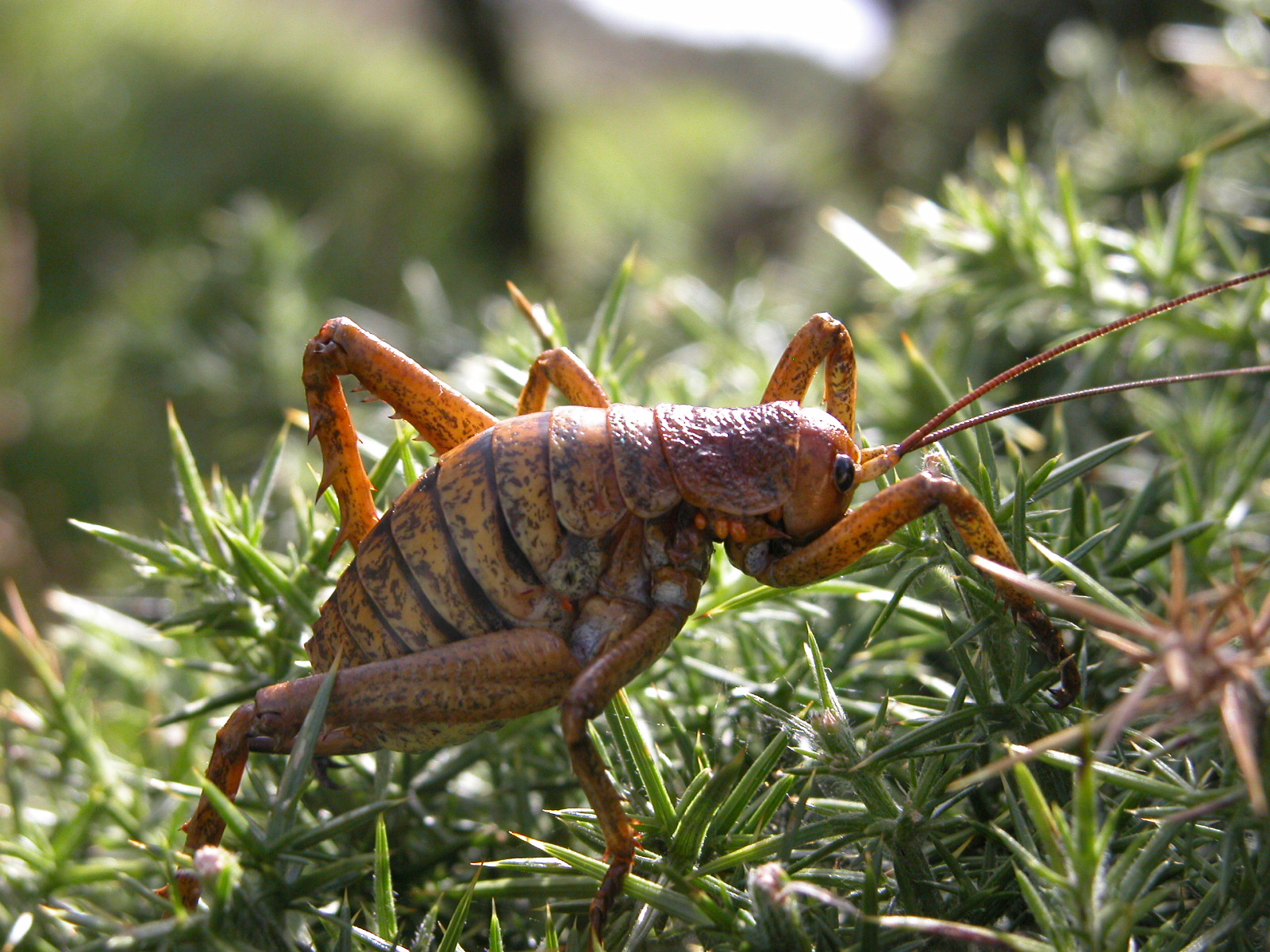 Photo Credit: Giantflightlessbirds / Wikimedia Commons
In the heart of New Zealand’s lush forests, the Giant Weta, known scientifically as Deinacrida heteracantha, emerges as a true marvel of nature. Picture a warm, moonlit night where this hefty insect, one of the largest in the world, stretches its impressive four-inch body against the backdrop of vibrant greenery. With its robust legs and long antennae, the Giant Weta is not just a sight to behold; it is a living testament to the wonders of evolution. Its earthy brown color helps it blend seamlessly into the forest floor, making it a master of disguise among the leaves and twigs.
What makes the Giant Weta particularly captivating to scientists and nature lovers alike is its unique lifestyle and ecological role. As a nocturnal creature, it comes alive under the cover of darkness, foraging for leaves and other plant materials that make up its diet. This omnivorous diet not only sustains the Weta but also plays a crucial part in the ecosystem, helping to recycle nutrients back into the soil. With a fascinating reproductive cycle that includes laying 200 to 300 eggs, the Giant Weta is a key player in its environment, showcasing the intricate connections that bind all living things together. As we delve deeper into the world of the Giant Weta, we will uncover the secrets of its life, its challenges, and the vital role it plays in New Zealand’s rich biodiversity.
The Giant Weta, a captivating insect native to New Zealand, holds a special place in the tree of life. Taxonomically, it belongs to the Kingdom Animalia, which includes all animals, and is classified under the Phylum Arthropoda, known for its jointed limbs and exoskeletons. Within the Class Insecta, the Giant Weta is part of the Order Orthoptera, which encompasses grasshoppers and crickets. What sets the Giant Weta apart is its impressive size; it can weigh as much as a small bird, making it one of the heaviest insects in the world. This extraordinary weight and its unique adaptations to the New Zealand environment make it a true marvel of evolution.
| Taxonomic Rank | Scientific Name | Meaning & Significance |
|---|---|---|
| Kingdom | Animalia | The name means “animals” in Latin, highlighting the diverse life forms that share this classification. |
| Phylum | Arthropoda | This term means “jointed feet” in Greek, referring to the jointed limbs that are a characteristic feature of this group. |
| Class | Insecta | Derived from the Latin word for “cut,” this name reflects the segmented body structure typical of insects. |
| Order | Orthoptera | This name comes from Greek words meaning “straight wings,” which describes the wing structure of many members of this order. |
| Family | Anostostomatidae | The name is derived from Greek, meaning “without a sound,” which relates to the silent nature of many weta species. |
| Genus | Deinacrida | This name combines Greek words meaning “terrible” and “grasshopper,” reflecting the Giant Weta’s large size and formidable appearance. |
The classification of the Giant Weta reveals much about its evolutionary journey. As a member of the Anostostomatidae family, it shares a lineage with other large, flightless insects that have adapted to New Zealand’s unique ecosystems. This isolation has allowed the Giant Weta to evolve distinct traits, such as its impressive size and nocturnal habits, which help it thrive in a world where few predators exist. Understanding its taxonomic position not only highlights its biological significance but also underscores the importance of conservation efforts to protect this extraordinary insect and its habitat.
The Giant Weta, a fascinating insect from New Zealand, has a rich evolutionary history that stretches back millions of years. This journey begins in the ancient forests of Gondwana, a supercontinent that existed around 500 million years ago. As the landmasses drifted apart, the ancestors of the Giant Weta adapted to their isolated environments, leading to the unique species we see today.
The Giant Weta’s ancestors were likely small, flight-capable insects that roamed the lush landscapes of prehistoric New Zealand. Over time, as the climate and ecosystems evolved, these insects underwent significant changes. One major transition was the loss of flight, which allowed them to conserve energy and thrive in the dense underbrush of their forest homes. This adaptation was crucial as it reduced the risk of predation and allowed them to exploit the abundant plant life for food.
The adaptations of the Giant Weta have been vital for its survival in New Zealand’s unique ecosystems. By growing larger, developing effective camouflage, and becoming nocturnal, these insects have successfully navigated the challenges of their environment. Their strong legs and specialized diet further enhance their ability to thrive in a world where competition and predation are constant threats. As a result, the Giant Weta stands as a testament to the power of evolution in shaping life on Earth.
The Giant Weta is an astonishing sight to behold, with its impressive size and robust form. This hefty insect can grow up to four inches long, making it one of the largest insects in the world. Its body is thick and bulky, giving it a powerful presence as it navigates through the underbrush of New Zealand’s forests. With long, spindly legs and large, curved antennae, the Giant Weta looks like a creature straight out of a fantasy tale. Its earthy tones blend seamlessly with the forest floor, providing excellent camouflage against predators.
| Feature | Description |
|---|---|
| Weight | 1.2 oz |
| Body Length | Up to 4 inches |
| Color | Earthy browns and greens |
| Skin Type | Rugged exoskeleton |
| Antennae | Long and curved |
| Legs | Long and spindly |
The Giant Weta’s physical features are not just for show; they play vital roles in its survival. Its bulky body helps it store energy and withstand the rigors of its environment, while its rugged exoskeleton protects it from predators and harsh weather. The earthy colors provide excellent camouflage, allowing it to blend into the forest floor and avoid detection. Long antennae and spindly legs enhance its ability to navigate through dense vegetation, making it a master of its habitat. Together, these characteristics create a well-adapted insect that thrives in the unique ecosystems of New Zealand.
The Giant Weta thrives in a variety of habitats that paint a vivid picture of New Zealand’s diverse landscapes. Imagine lush shrublands, dense forests, and open grasslands, all teeming with life. These environments provide the perfect backdrop for the Giant Weta, where it can find shelter among the leaves and underbrush. Caves also serve as cozy retreats, offering protection from predators and harsh weather. This insect’s home is a tapestry of greenery and earth, where it can blend in seamlessly with its surroundings.
The climate in these regions is generally mild, with warm summers and cool winters. Giant Wetas prefer areas with high humidity, which helps them stay hydrated. They are most active during the night, a behavior known as being nocturnal, which allows them to avoid the heat of the day and the prying eyes of daytime predators. The combination of moist air and temperate conditions creates an ideal environment for these large insects to thrive.
To survive in their specific habitats, Giant Wetas have developed several clever adaptations. Their brown and green coloration helps them camouflage among the leaves and soil, making it difficult for predators to spot them. Additionally, their strong legs allow them to hop quickly away from danger, while their ability to go without food for extended periods helps them endure times when resources are scarce. These adaptations ensure that the Giant Weta not only survives but flourishes in the enchanting landscapes of New Zealand.
As night falls over the lush landscapes of New Zealand, the Giant Weta begins its daily activities. These large, nocturnal insects come alive under the cover of darkness, venturing out to explore their surroundings. With their keen sense of smell and touch, they navigate through the underbrush, searching for food. Their diet mainly consists of leaves, flowers, and fruits, which they munch on with their powerful jaws. This feeding frenzy often lasts for several hours, allowing them to gather the energy they need for the night ahead.
Giant Wetas are not solitary creatures; they thrive in groups, often found huddled together in the safety of their chosen habitats. This social behavior is crucial for their survival, as it provides protection from predators. Within these groups, they communicate through a variety of methods, including subtle movements and vibrations. These interactions help establish a social hierarchy, where larger individuals may dominate feeding spots, while smaller ones find their place in the group. This dynamic fosters a sense of community, allowing them to share resources and enhance their chances of survival.
| Behavior Type | Description |
|---|---|
| Activity Patterns | Nocturnal foraging for leaves, flowers, and fruits, primarily during the night. |
| Social Structure | Live in groups, establishing a hierarchy based on size and strength. |
| Communication Methods | Use movements and vibrations to convey messages and maintain group cohesion. |
The behaviors of the Giant Weta are finely tuned to ensure their survival in a world filled with challenges. By foraging at night, they avoid many daytime predators, while their social structure provides safety in numbers. The ability to communicate effectively within their groups enhances their chances of finding food and staying safe. Together, these behaviors create a resilient community, allowing the Giant Weta to thrive in the vibrant ecosystems of New Zealand.
The Giant Weta has a diverse diet that reflects its omnivorous nature, meaning it enjoys both plant and animal matter. Primarily, these impressive insects feast on leaves, which they find in their lush New Zealand habitats. However, they are not picky eaters and will also munch on smaller insects when the opportunity arises. Their feeding behavior is quite fascinating; they use their strong mandibles, or jaws, to chew through tough plant material, making them well-adapted to their leafy diet.
| Dietary Aspect | Details |
|---|---|
| Diet Type | Omnivore |
| Favorite Foods | Mainly leaves, but also smaller insects |
| Prey Items | Leaves from various plants and occasional smaller insects |
| Hunting/Foraging Strategies | Uses strong mandibles to chew leaves; forages at night |
This varied diet plays a crucial role in the Giant Weta’s ecology and daily routine. By feeding on leaves, they help control plant growth and contribute to the health of their ecosystem. Their nocturnal foraging habits allow them to avoid many predators, making nighttime the perfect time for a meal. As they navigate their environment, they not only sustain themselves but also participate in the intricate web of life that defines New Zealand’s unique habitats.
When it comes to reproduction, Giant Wetas have a fascinating courtship ritual that takes place during the warmer months of the year. Mating usually occurs in the spring and summer, when temperatures rise and food is plentiful. Male Wetas attract females by producing a series of soft sounds, known as stridulation, which is similar to a gentle song. Once a female is interested, she will approach, and the pair will engage in a dance-like display before mating. This process is not just about reproduction; it’s also a way for them to bond and ensure the best chance of survival for their future offspring.
| Reproductive Aspect | Details |
|---|---|
| Gestation Period | 8 months |
| Litter Size | Approximately 20-30 eggs |
| Age of Maturity | About 2 years |
| Name of Young | Nymphs |
After mating, the female Giant Weta lays her eggs in the ground, where they will remain safe until they hatch. The young, known as nymphs, emerge after about eight months. These nymphs look like miniature versions of adults but lack wings. They will go through several molts, shedding their exoskeletons as they grow. This process allows them to develop into fully grown adults, which can take up to two years. During this time, the nymphs are mostly independent, but they benefit from the protective environment of their natural habitat, where they can find food and shelter as they mature into the impressive insects they are destined to become.
The Giant Weta occupies a crucial role in New Zealand’s food web, serving as both a herbivore and a prey species. These large insects munch on leaves and other plant materials, helping to recycle nutrients back into the ecosystem. However, they are also a food source for various predators, making their survival a delicate balance within their environment.
To defend themselves against these threats, Giant Wetas have developed several survival strategies. They often rely on their impressive size and camouflage to blend into their surroundings, making it harder for predators to spot them. When threatened, they can also use their powerful legs to leap away quickly, escaping danger. Additionally, their tough exoskeleton provides a layer of protection, allowing them to withstand some attacks. These adaptations help ensure that the Giant Weta continues to thrive in its unique habitat, despite the challenges it faces.
A keystone species is an organism that plays a critical role in maintaining the structure of its ecosystem. Its presence and activities significantly influence the types and numbers of other species in that environment. The Giant Weta, a large insect native to New Zealand, qualifies as a keystone species due to its unique interactions within its habitat. By affecting both plant life and the animals that depend on it, the Giant Weta helps shape the ecological community around it.
The Giant Weta contributes to its ecosystem in several important ways. As an omnivore, it feeds on a variety of plant materials, including leaves and fruits, which helps control plant growth and promotes biodiversity. By munching on these plants, the Giant Weta prevents any single species from dominating the landscape, allowing for a rich tapestry of flora to thrive. This, in turn, supports a variety of other species that rely on those plants for food and shelter.
Additionally, the Giant Weta serves as a food source for several predators, including birds and reptiles. Its presence in the food web is vital, as it provides essential nutrients to these higher-level consumers. Without the Giant Weta, these predators would struggle to find enough food, which could lead to declines in their populations. Furthermore, the Giant Weta’s activities help in the decomposition process, as its waste products enrich the soil, promoting healthy plant growth.
If the Giant Weta were to disappear, the consequences would ripple through its ecosystem. Without this insect, plant populations could become unbalanced, leading to overgrowth of certain species and a decline in overall biodiversity. Predators that rely on the Giant Weta for food would face starvation, potentially leading to their decline as well. The loss of this keystone species would disrupt the delicate balance of the ecosystem, highlighting just how interconnected all living things are in the natural world.
The Giant Weta occupies a vital ecological niche in New Zealand’s diverse environments, including shrublands, forests, and grasslands. As a nocturnal insect, it plays a significant role in its ecosystem, influencing both plant life and the animals that share its habitat. By feeding on leaves and other plant materials, the Giant Weta helps to shape the vegetation structure, which in turn affects the entire community of organisms that depend on these plants for food and shelter.
| Ecosystem Service | Impact |
|---|---|
| Herbivory | Controls plant growth and diversity by feeding on leaves. |
| Soil Aeration | Burrowing behavior helps to aerate the soil, promoting healthy plant growth. |
| Food Source | Serves as prey for various predators, including birds and reptiles. |
| Seed Dispersal | May aid in the dispersal of seeds through its feeding habits. |
The Giant Weta’s influence can be seen in specific examples throughout its habitat. For instance, by munching on leaves, it helps to maintain a balance in plant populations, preventing any single species from dominating the landscape. This herbivory encourages a variety of plant species to thrive, which in turn supports a diverse array of insects, birds, and other wildlife. Additionally, as the Giant Weta burrows into the ground, it aerates the soil, allowing water and nutrients to reach plant roots more effectively. This process is essential for the health of the ecosystem, as it promotes robust plant growth.
The broader ecological importance of the Giant Weta cannot be overstated. As a keystone species, its presence is crucial for maintaining the balance of its ecosystem. The interactions it has with plants and other animals create a web of life that supports the entire community. By ensuring that various plant species flourish and providing a food source for predators, the Giant Weta helps to sustain the rich biodiversity of New Zealand. Protecting this remarkable insect is not just about preserving one species; it is about safeguarding the intricate connections that make up the natural world.
In the intricate web of life, symbiosis plays a vital role in shaping ecosystems. Symbiosis refers to the close and often long-term interactions between different species. These relationships can be mutualistic, where both species benefit, parasitic, where one benefits at the expense of the other, or commensal, where one benefits while the other is neither helped nor harmed. The Giant Weta, a fascinating insect from New Zealand, engages in various ecological partnerships that highlight the complexity and interdependence of life in its habitat.
| Species/Type | Relationship Type | Description |
|---|---|---|
| Fungi | Mutualistic | Giant Wetas may interact with fungi in their environment, where the fungi help decompose organic matter, enriching the soil, while the Wetas benefit from the nutrient-rich plants that grow in this improved soil. |
| Birds (e.g., Kiwi) | Commensal | Some birds may benefit from the presence of Giant Wetas, as they can find food in the same areas. The Wetas are not affected by the birds’ foraging. |
| Parasites (e.g., nematodes) | Parasitic | Certain nematodes can infect Giant Wetas, drawing nutrients from them, which can weaken the Wetas but does not typically lead to immediate death. |
These relationships have evolved over time, shaped by the needs and adaptations of the species involved. The mutualistic interactions, like those with fungi, enhance the health of the ecosystem, allowing both the Wetas and the fungi to thrive. Meanwhile, the parasitic relationships remind us of the delicate balance of nature, where one species can impact another’s health. Understanding these connections helps us appreciate the complexity of ecosystems and the importance of every species, no matter how small, in maintaining the health of our planet.
The Giant Weta is not just any insect; it’s a true giant of the insect world, captivating nature enthusiasts with its size and unique characteristics. Native to New Zealand, this remarkable creature has some surprising traits that make it stand out even more.
The Giant Weta, a colossal insect native to New Zealand, has a rich history intertwined with human culture. Early Māori people regarded this impressive creature as a symbol of strength and resilience. In their stories and traditions, the Giant Weta often represented the connection between the land and its people. As settlers arrived in New Zealand, encounters with the Giant Weta sparked curiosity and sometimes fear due to its size and unusual appearance. This fascinating insect has become a part of New Zealand’s identity, celebrated in art and folklore, while also serving as a reminder of the unique biodiversity found on the islands.
Today, the relationship between humans and Giant Wetas is evolving, especially as conservation efforts gain momentum. With habitat loss and the introduction of predators like rats and stoats, the Giant Weta faces significant threats. Conservationists are working tirelessly to protect these remarkable insects and their habitats. Some initiatives involve breeding programs and habitat restoration, aiming to ensure that future generations can experience the wonder of the Giant Weta. However, conflicts can arise, particularly when these insects venture into gardens or homes, leading to misunderstandings about their role in the ecosystem.
As we look to the future, the relationship between humans and the Giant Weta holds promise. With increased awareness and dedicated conservation efforts, there is hope for a thriving population of these extraordinary insects. By fostering a deeper understanding of their ecological role and cultural significance, we can ensure that the Giant Weta continues to be a cherished part of New Zealand’s natural heritage. Together, we can create a world where both humans and Giant Wetas coexist harmoniously, celebrating the wonders of nature.
The Giant Weta, a fascinating insect native to New Zealand, currently faces a precarious conservation status. While it is not listed on the IUCN Red List, its population trends are concerning. Habitat loss and predation by introduced species have led to a decline in numbers in certain areas. Conservationists are closely monitoring these trends to ensure that this remarkable insect does not slip further into decline.
| Conservation Factor | Status/Details |
|---|---|
| IUCN Status | Not Listed |
| Population Estimates | Unknown, but declining in some regions |
| Trend Direction | Decreasing in certain habitats |
The main threats to the Giant Weta stem from habitat destruction and invasive species. As New Zealand’s landscapes change due to human activity, the natural homes of these insects are being altered or destroyed. Additionally, predators like rats and stoats, which were introduced to the islands, pose a significant risk. These animals hunt the Giant Weta, leading to increased mortality rates and further endangering their populations.
Despite these challenges, there is hope for the Giant Weta thanks to ongoing conservation efforts. Organizations are working tirelessly to protect their habitats and control invasive species. Some areas have even been designated as safe havens, where Giant Wetas can thrive without the threat of predators. With continued support and awareness, there is a chance for this extraordinary insect to rebound and maintain its place in New Zealand’s rich biodiversity.
| Question | Answer |
|---|---|
| What is a Giant Weta's habitat? | Giant Wetas are found in a variety of habitats, including shrublands, forests, grasslands, and even caves. They thrive in places with plenty of vegetation, which provides both food and shelter from predators. |
| What do Giant Wetas eat? | Giant Wetas are omnivores, meaning they eat both plants and other small creatures. Their diet includes leaves, flowers, and fruits, as well as insects and decaying organic matter, making them important recyclers in their ecosystem. |
| How do Giant Wetas behave? | Giant Wetas are mostly nocturnal, which means they are active at night. During the day, they often hide under rocks or in vegetation to avoid the sun and predators, making them masters of camouflage. |
| How do Giant Wetas reproduce? | During the breeding season, female Giant Wetas lay their eggs in the ground, often in soft soil or decaying wood. The eggs can take several months to hatch, and once they do, the young Wetas resemble miniature versions of the adults. |
| What threats do Giant Wetas face? | Giant Wetas are threatened by habitat loss due to human activities like farming and urban development. They also face predation from introduced species such as rats and cats, which can significantly impact their populations. |
| What is the most distinctive feature of a Giant Weta? | The most distinctive feature of a Giant Weta is its bulky body, which can grow up to 4 inches long. This size makes them one of the heaviest insects in the world, and their robust appearance is quite striking. |
| Are Giant Wetas social insects? | Giant Wetas are generally solitary creatures, preferring to live alone rather than in groups. However, they may be found in close proximity to others during the breeding season or when food is abundant. |