Taxonomy & Classification
- Kingdom
- Animalia
- Phylum
- Chordata
- Class
- Aves
- Order
- Anseriformes
- Family
- Anatidae
- Genus
- Anser

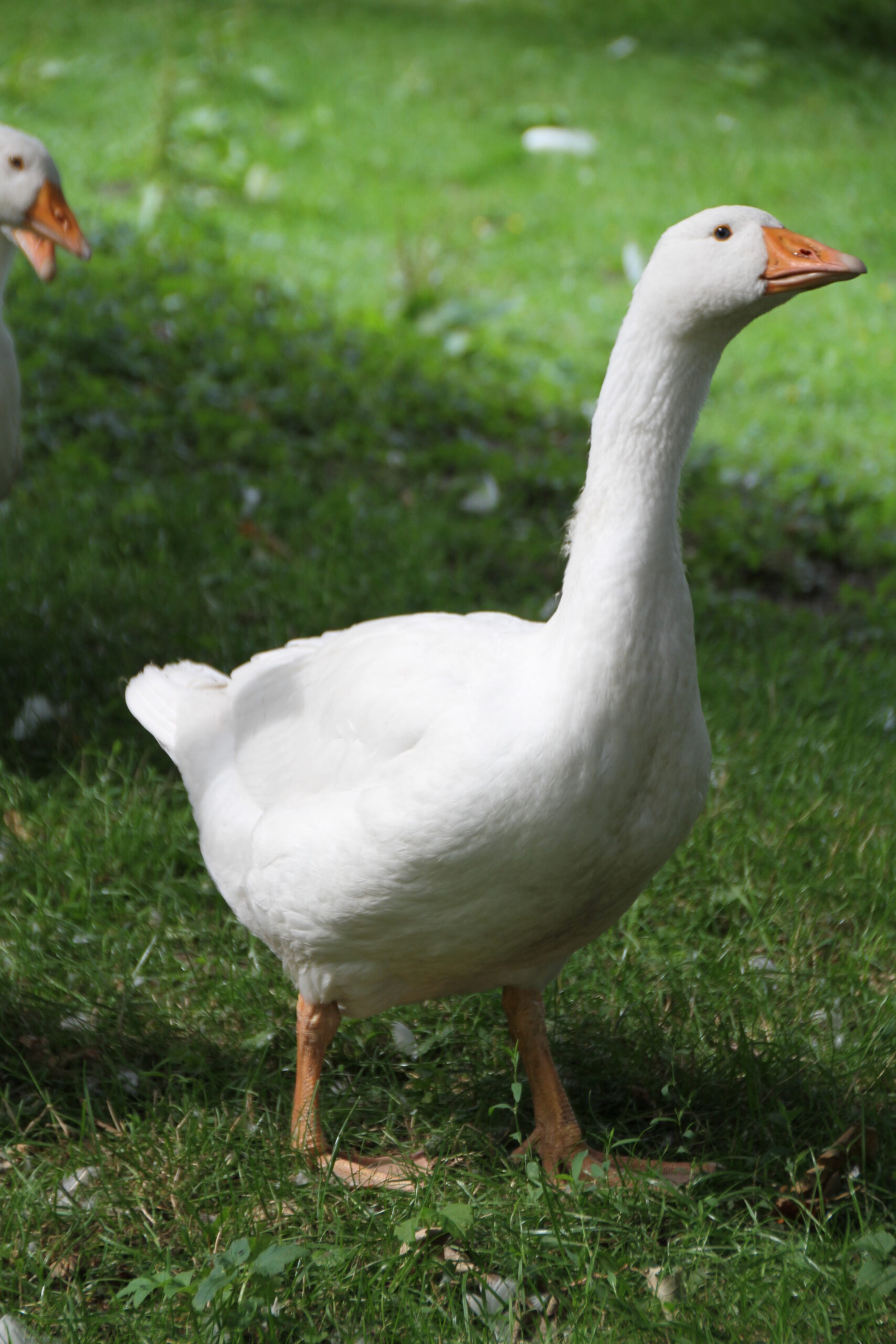 Photo Credit: Bjoertvedt / Wikimedia
Meet the goose, scientifically known as Anser, a bird that embodies the beauty and complexity of nature. Picture a serene lake at dawn, where the soft ripples of water reflect the golden hues of the rising sun. Here, a flock of geese glides gracefully across the surface, their sturdy bodies and long necks creating a striking silhouette against the vibrant sky. With their distinctive honking calls echoing through the air, these birds are not just a sight to behold; they are a vital part of their ecosystem, thriving in wetlands where land meets water.
Geese are fascinating for many reasons, from their social behavior to their impressive migratory patterns. These omnivores, meaning they eat both plants and animals, forage in groups, often seen grazing on grasses and seeds. Their adaptability and intelligence have captured the attention of scientists and nature enthusiasts alike. As they engage in elaborate courtship displays during the breeding season, they reveal a complex social structure that highlights their strong family bonds. Join us as we explore the world of geese, uncovering their unique traits, behaviors, and the important roles they play in our environment.
The goose occupies a fascinating position in the tree of life, showcasing the incredible diversity of the animal kingdom. Classified within the Kingdom Animalia, these birds belong to the Phylum Chordata, which includes all animals with a backbone. As members of the Class Aves, or birds, geese are warm-blooded, feathered creatures that lay eggs. Their Order, Anseriformes, is home to waterfowl like ducks and swans, while the Family Anatidae encompasses all ducks, geese, and swans. The Genus Anser specifically refers to the true geese, highlighting their unique adaptations and behaviors that set them apart from their relatives.
| Taxonomic Rank | Scientific Name | Meaning & Significance |
|---|---|---|
| Kingdom | Animalia | This name comes from the Latin word “animalis,” meaning “having breath” or “living.” It signifies all living organisms that are not plants or fungi. |
| Phylum | Chordata | Derived from the Greek word “chordē,” meaning “string,” this name refers to animals with a notochord, a flexible rod that supports the body during development. |
| Class | Aves | This term comes from the Latin word for “bird.” It highlights the defining features of birds, such as feathers and beaks. |
| Order | Anseriformes | From the Latin “anser,” meaning “goose,” this name indicates the group of waterfowl that includes geese, ducks, and swans, emphasizing their aquatic lifestyle. |
| Family | Anatidae | This name is derived from the Latin “anatis,” meaning “duck.” It encompasses all species of ducks, geese, and swans, showcasing their close relationships. |
| Genus | Anser | Also from the Latin word for “goose,” this name specifically identifies the true geese, which are known for their strong social bonds and migratory behaviors. |
The classification of geese reveals much about their evolutionary history and adaptations. As members of the Anseriformes order, geese have evolved alongside other waterfowl, developing traits that help them thrive in aquatic environments. Their strong bodies and webbed feet make them excellent swimmers, while their social structures and migratory patterns highlight their intelligence and adaptability. Understanding where geese fit in the tree of life not only deepens our appreciation for these birds but also illustrates the intricate connections among all living organisms.
The evolutionary journey of the goose stretches back millions of years, weaving through the rich tapestry of avian history. Geese belong to the family Anatidae, which also includes ducks and swans. This family emerged during the late Eocene epoch, around 40 million years ago, when the Earth was a very different place. As the climate shifted and habitats changed, these birds adapted to thrive in various environments, leading to the diverse species we see today.
The ancestors of modern geese were likely small, water-dwelling birds that inhabited wetlands and lakes. Over time, they evolved larger bodies and stronger wings, allowing them to migrate long distances in search of food and suitable nesting sites. One major transition was the development of a more robust bill, which enabled them to graze on grasses and aquatic plants. This adaptation was crucial as it allowed them to exploit a wider range of food sources, especially in temperate regions where they often reside.
These evolutionary adaptations have been essential for the survival of geese in a variety of environments. Their webbed feet allow them to thrive in aquatic habitats, while their migratory instincts ensure they can escape harsh winters. The ability to communicate effectively and live in social groups enhances their chances of finding food and avoiding danger. Together, these traits have helped geese flourish across the globe, showcasing the power of evolution in shaping life on Earth.
The goose presents a striking silhouette, characterized by its sturdy body and graceful neck. With a robust frame, these birds can weigh anywhere from 1.5 to 8 kilograms, which is about 3.3 to 17 pounds. Their long necks give them an elegant appearance, while their broad wings are designed for powerful flight. The overall impression is one of strength and agility, making them adept at both land and water navigation.
| Feature | Description |
|---|---|
| Size | 1.5 kg to 8 kg (3.3 lbs to 17 lbs) |
| Color | Typically gray or brown, with variations including white and black |
| Skin Type | Feathers, providing insulation and waterproofing |
| Neck Length | Long and flexible, aiding in foraging and communication |
| Beak Shape | Broad and flat, perfect for grazing on grasses and aquatic plants |
These physical features work together to enhance the goose’s survival in various environments. The feathers not only keep them warm but also help them stay dry while swimming. Their long necks allow them to reach food in water and on land, while their strong beaks are perfectly adapted for their herbivorous diet. Together, these characteristics make the goose a well-equipped bird, thriving in both terrestrial and aquatic habitats.
The goose thrives in a variety of wetland habitats, where water meets land in a beautiful dance of nature. Picture large ponds, shimmering rivers, and the gentle shores of lakes, all serving as perfect homes for these birds. They often gather in flocks, creating a lively scene as they waddle along the water’s edge or take to the skies in graceful formations. These environments are not just picturesque; they provide essential resources for feeding, nesting, and raising their young.
Geese prefer climates that offer a mix of temperate conditions, where they can enjoy both warm summers and cold winters. They are often found in areas with abundant freshwater, which is crucial for their survival. These birds need access to grassy areas for grazing, as well as open water for swimming and foraging. The presence of wetlands is vital, as it provides a rich habitat for the plants and small creatures that make up their diet.
To thrive in these diverse environments, geese have developed several clever adaptations. Their strong bodies and webbed feet make them excellent swimmers, allowing them to navigate through water with ease. Their long necks help them reach underwater vegetation, while their keen eyesight enables them to spot predators from a distance. Additionally, their migratory behavior allows them to move between habitats as seasons change, ensuring they always have access to the resources they need.
Geese lead a vibrant daily life filled with activities that reflect their social nature and adaptability. As dawn breaks, they often begin their day with a hearty breakfast, foraging for grasses, seeds, and aquatic plants. This feeding ritual is crucial, as it provides the energy they need for the day ahead. After their meal, geese engage in preening, a behavior where they clean and arrange their feathers to maintain waterproofing and insulation. Throughout the day, they alternate between resting, socializing, and keeping a watchful eye for potential predators.
Social behavior is at the heart of a goose’s life. These birds are known for their strong bonds within their flocks, often forming lifelong partnerships. They communicate through a variety of vocalizations, from honks to soft murmurs, which help maintain group cohesion and alert others to danger. When flying, geese often form a V-shaped formation, which not only conserves energy but also enhances their ability to navigate. This teamwork is essential, as it allows them to travel long distances during migration, showcasing their remarkable ability to work together.
| Behavior Type | Description |
|---|---|
| Feeding | Geese forage for grasses, seeds, and aquatic plants, which provide essential nutrients. |
| Preening | They clean and arrange their feathers to ensure they remain waterproof and insulated. |
| Socializing | Geese engage in vocal communication, using honks and murmurs to maintain flock cohesion. |
| Group Dynamics | They form strong bonds and often mate for life, enhancing their social structure. |
| Migration | During migration, they fly in V-shaped formations, which helps conserve energy and improve navigation. |
The behaviors of geese are not just fascinating; they are vital for their survival. By foraging together, they maximize their chances of finding food, while preening helps them stay healthy and warm. Their social structures and communication methods ensure that they can respond quickly to threats, keeping the flock safe. Ultimately, these daily activities and social interactions create a strong community that thrives in the wild, showcasing the beauty of cooperation in nature.
Geese are omnivores, which means they enjoy a varied diet that includes both plant and animal matter. Their feeding behavior is quite social, often seen foraging in groups. These birds primarily graze on grasses, seeds, and berries, using their strong bills to uproot plants and pick at the ground. They are also known to dabble in shallow waters, where they can find aquatic plants and small invertebrates. This diverse diet not only sustains them but also plays a crucial role in their social interactions and daily routines.
| Dietary Aspect | Details |
|---|---|
| Diet Type | Omnivore |
| Favorite Foods | Grass, seeds, berries |
| Prey Items | Aquatic plants, small invertebrates |
| Hunting/Foraging Strategies | Grazing in groups, dabbling in shallow waters |
The diet of geese significantly shapes their ecology and daily activities. By foraging on grasses and seeds, they help maintain the health of their habitats, promoting plant growth and providing food for other animals. Their social feeding habits also strengthen bonds within flocks, making them more effective at finding food and avoiding predators. As they move through their environments, geese play an essential role in the ecosystem, demonstrating how interconnected life can be in the natural world.
As spring arrives, geese engage in a captivating courtship dance that sets the stage for their breeding season. Males, known as ganders, perform elaborate displays to attract females, or geese. This often includes honking, head bobbing, and even gentle nipping. Once a pair has formed a bond, they will mate and prepare to nest. The breeding season typically occurs between March and June, depending on the species and location. During this time, the female will seek out a safe and suitable spot to lay her eggs, often near water sources.
| Reproductive Aspect | Details |
|---|---|
| Gestation Period | 28 to 30 days |
| Litter Size | 3 to 8 eggs |
| Age of Maturity | 1 to 3 years |
| Name of Young | Gosling |
Once the goslings hatch, they are precocial, meaning they are relatively mature and mobile shortly after birth. The parents play a crucial role in their development, leading them to water and teaching them how to forage for food. Geese are known for their strong family bonds, and both parents are involved in protecting and nurturing their young. As the goslings grow, they learn essential survival skills, such as flying and finding food, under the watchful eyes of their parents. This nurturing phase is vital, as it helps the young geese transition into independent adults, ready to take on the world.
Geese play an important role in the food web, serving as both prey and predators in their ecosystems. As herbivores, they primarily feed on grasses, seeds, and aquatic plants, but they are also a source of food for various predators. This dual role highlights their significance in maintaining the balance of nature, as they help control plant populations while also supporting the diets of other animals.
To defend themselves against these threats, geese have developed several clever survival strategies. They often travel in flocks, which provides safety in numbers, making it harder for predators to single out an individual. When threatened, geese can be quite aggressive, using loud honks and physical displays to ward off intruders. Additionally, their strong flight capabilities allow them to escape danger quickly, soaring high into the sky to evade ground-based predators. These behaviors, combined with their keen awareness of their surroundings, help geese navigate the challenges of their environment.
A keystone species is an organism that has a disproportionately large impact on its environment relative to its abundance. This means that if it were removed, the ecosystem would change dramatically. Geese can indeed be considered a keystone species in their habitats, particularly in wetland ecosystems. Their presence influences the structure and health of these environments, making them vital players in the ecological community.
Geese contribute to their ecosystems in several significant ways. First, their grazing habits help maintain plant diversity. By feeding on grasses and aquatic plants, they prevent any single species from dominating the landscape. This grazing not only promotes a variety of plant life but also creates open spaces that benefit other animals. Additionally, geese are known to aerate the soil as they forage, which improves water infiltration and nutrient cycling. This process is essential for the health of the wetland ecosystem, supporting a wide range of other species.
Moreover, geese serve as a food source for various predators, including foxes, eagles, and even humans. Their eggs and young goslings are particularly vulnerable, providing nourishment for many animals. This connection highlights the role of geese in the food web, where they help sustain a balance among different species. Furthermore, their droppings enrich the soil with nutrients, promoting plant growth and benefiting the entire ecosystem.
If geese were to disappear from their ecosystems, the consequences would be profound. Without their grazing, certain plant species could overgrow, leading to a decline in biodiversity. This shift would affect not only the plants but also the animals that rely on a diverse habitat for food and shelter. The absence of geese would disrupt the food web, leaving predators without a crucial food source. Overall, the loss of geese would create a ripple effect, altering the balance of life in wetlands and potentially leading to the decline of other species.
The goose plays a vital role in its ecosystem, acting as a bridge between land and water environments. These birds are often found in large flocks near wetlands, where they contribute to the health of their habitats. By foraging for food, geese help to control plant growth and maintain the balance of their surroundings. Their presence supports a variety of other species, making them an essential part of the ecological community.
| Ecosystem Service | Impact |
|---|---|
| Grazing | Controls plant growth and promotes biodiversity |
| Nutrient Cycling | Contributes to soil fertility through droppings |
| Seed Dispersal | Helps spread plant species across the landscape |
| Food Source | Serves as prey for various predators |
Geese influence their environment in several specific ways. When they graze on grasses and aquatic plants, they not only keep these plants in check but also create open spaces that allow other species to thrive. Their droppings enrich the soil with nutrients, which supports the growth of diverse plant life. Additionally, as they move from one area to another, they inadvertently help disperse seeds, allowing new plants to take root in different locations. This movement fosters a dynamic ecosystem where various species can coexist and flourish.
The broader ecological importance of geese cannot be overstated. As a keystone species, their activities have a ripple effect throughout their habitats. If geese were to disappear, the balance of their ecosystems would be disrupted, leading to overgrown vegetation and a decline in plant and animal diversity. By maintaining healthy wetlands and supporting a variety of life forms, geese help ensure that their ecosystems remain vibrant and resilient. Their presence is a reminder of the interconnectedness of all living things and the importance of protecting our natural world.
In the intricate web of life, many species form partnerships that enhance their survival and well-being. These relationships, known as symbiosis, can take various forms, including mutualism, where both species benefit, commensalism, where one benefits while the other is neither helped nor harmed, and parasitism, where one benefits at the expense of the other. Geese, with their social nature and adaptability, engage in several fascinating ecological relationships that illustrate the interconnectedness of life.
| Species/Type | Relationship Type | Description |
|---|---|---|
| Fish | Mutualistic | Geese often forage in shallow waters where fish stir up sediment. The fish benefit by having the sediment disturbed, which helps them find food, while the geese enjoy easier access to aquatic plants. |
| Waterfowl | Commensal | Geese may share habitats with other waterfowl, such as ducks. The ducks benefit from the geese’s presence, as they often lead the way to food sources, while the geese are unaffected. |
| Ticks | Parasitic | Ticks can latch onto geese, feeding on their blood. This relationship is harmful to the geese, as it can lead to health issues, but the ticks gain nourishment. |
These relationships have evolved over time, shaped by the needs and behaviors of the species involved. Mutualistic partnerships, like those with fish, highlight how cooperation can lead to shared benefits, while commensal relationships demonstrate the subtle ways species can coexist. On the other hand, parasitic interactions remind us that not all relationships are beneficial. Understanding these dynamics helps us appreciate the delicate balance of ecosystems and the roles that geese and their partners play in maintaining it.
Geese are more than just graceful birds gliding across lakes; they are fascinating creatures with surprising traits and behaviors that can captivate anyone interested in nature. Here are some intriguing facts about these remarkable birds that might just inspire your next adventure in the great outdoors.
Throughout history, geese have held a special place in human culture and society. Ancient civilizations revered these birds, often associating them with various deities and using them in rituals. In many cultures, geese symbolize loyalty and vigilance, thanks to their strong family bonds and protective nature. The famous story of the “Geese of Rome” tells how these birds alerted the city to an impending attack, showcasing their role as guardians. From folklore to art, geese have inspired countless tales, reflecting their significance in our lives.
Today, our interactions with geese are multifaceted, ranging from conservation efforts to conflicts in urban areas. As wetlands are threatened by development, conservationists work tirelessly to protect the habitats that geese rely on for nesting and feeding. However, in some regions, geese have become a source of conflict, particularly in parks and golf courses where their droppings can create challenges for land management. Additionally, domestication has led to various breeds of geese being raised for their meat, eggs, and feathers, further intertwining their lives with ours.
As we look to the future, the relationship between geese and humanity will likely continue to evolve. With increasing awareness of environmental issues, more people are recognizing the importance of preserving natural habitats for these birds. Balancing conservation with urban development will be crucial in ensuring that geese can thrive alongside human populations. By fostering a deeper understanding of these remarkable birds, we can create a harmonious coexistence that benefits both geese and people alike.
The conservation status of geese is currently classified as “Least Concern” by the International Union for Conservation of Nature (IUCN). This means that, overall, geese are not facing immediate threats that could lead to their extinction. Their populations are generally stable, although some local populations may experience fluctuations due to environmental changes and human activities.
| Conservation Factor | Status/Details |
|---|---|
| IUCN Status | Least Concern |
| Population Estimates | Stable, with millions of individuals worldwide |
| Trend Direction | Generally stable, with some local variations |
Despite their overall stable status, geese face several threats that can impact specific populations. Habitat loss is a significant concern, as wetlands and grasslands are often drained or developed for agriculture and urbanization. Additionally, hunting and poaching can reduce local numbers, especially in areas where regulations are not strictly enforced. Climate change also poses a risk, altering migration patterns and affecting food availability.
Conservation efforts are underway to protect geese and their habitats. Many organizations work to preserve wetlands and promote sustainable land use practices. Public awareness campaigns help educate communities about the importance of these birds and their ecosystems. With continued efforts, the outlook for geese remains positive, ensuring that future generations can enjoy their beauty and ecological significance.
| Question | Answer |
|---|---|
| What is the natural habitat of geese? | Geese are commonly found near large ponds, rivers, and lake shores. They prefer areas with plenty of water and grassy fields where they can graze and rest. |
| What do geese eat? | Geese are omnivores, which means they eat both plants and animals. Their diet mainly consists of grasses, seeds, and grains, but they also enjoy small insects and aquatic plants. |
| How do geese behave in the wild? | Geese are social animals that often live in flocks. They are known for their strong family bonds and can be quite vocal, using honks and calls to communicate with each other. |
| How do geese reproduce? | Geese typically mate for life, forming strong pair bonds. During the breeding season, females build nests near water and lay a clutch of eggs, which they incubate for about 28 days until they hatch. |
| What threats do geese face? | While geese are currently classified as Least Concern, they still face threats from habitat loss and pollution. Additionally, hunting and climate change can impact their populations and migratory patterns. |
| What are some interesting characteristics of geese? | Geese are known for their impressive migratory abilities, traveling thousands of miles between their breeding and wintering grounds. They also have a unique way of flying in a V-formation, which helps them conserve energy during long flights. |
| Can geese be aggressive? | Yes, geese can be quite protective of their nests and young goslings. If they feel threatened, they may hiss, flap their wings, or charge at intruders to defend their territory. |