Taxonomy & Classification
- Kingdom
- Animalia
- Phylum
- Chordata
- Class
- Mammalia
- Order
- Rodentia
- Family
- Geomyidae
- Genus
- Geomys
- Species
- Geomys bursarius

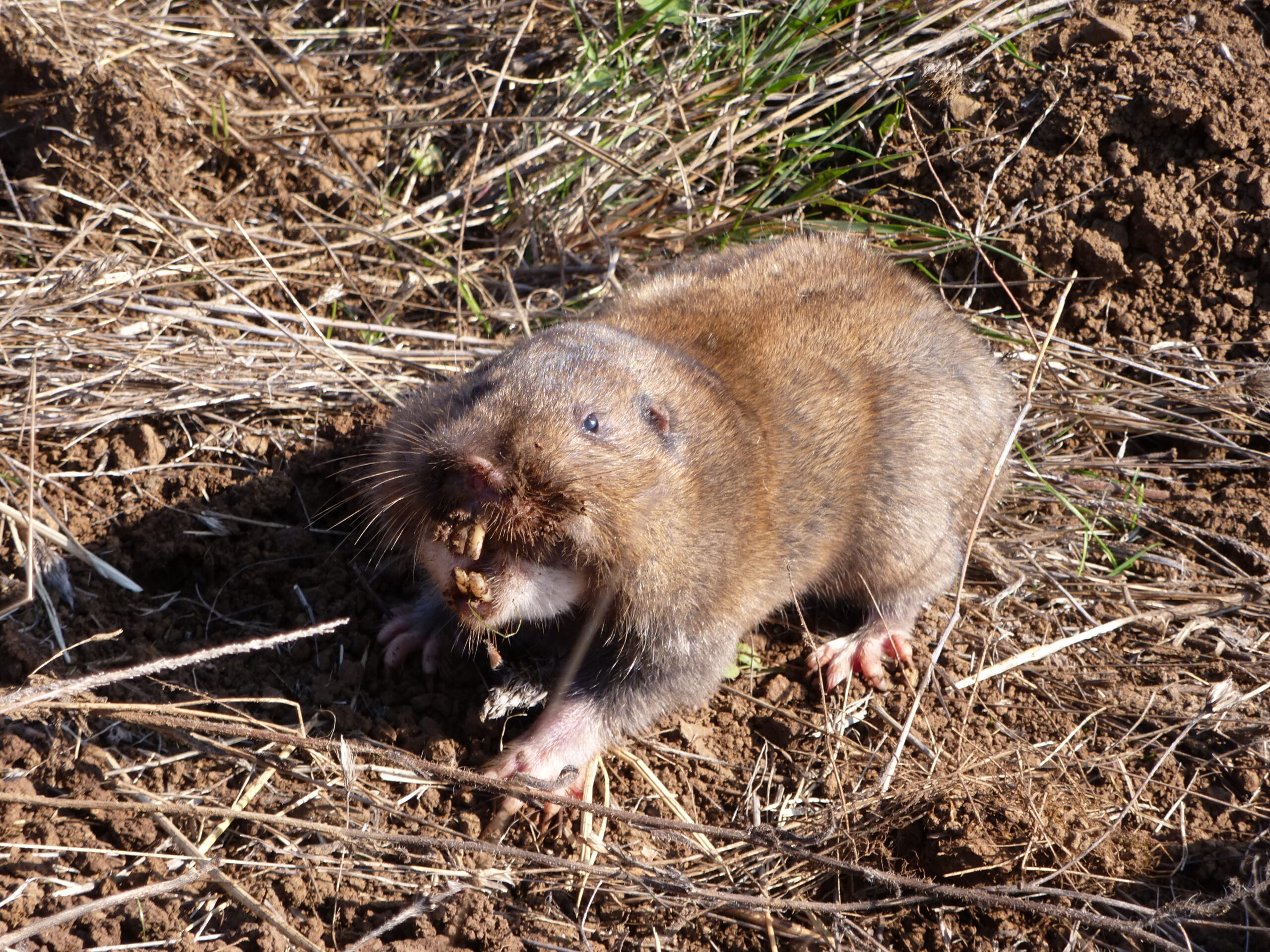 Photo Credit: Ian Silvernail, Institute for Applied Ecology / Wikimedia
In the sun-drenched grasslands and woodlands of North America, the gopher, scientifically known as Geomyidae, scurries about, a small yet mighty burrowing rodent. With its stout body, powerful limbs, and distinctive cheek pouches, this little creature is perfectly designed for a life spent digging intricate tunnel systems beneath the earth. Gophers are not just adorable; they are fascinating animals that play a crucial role in their ecosystems. Their burrowing habits aerate the soil, helping plants grow and creating homes for other creatures.
Imagine a warm afternoon where the ground is soft and inviting, and the air is filled with the sounds of nature. As you watch, a gopher emerges from its burrow, its tiny eyes sparkling with curiosity. With a few swift movements, it digs into the earth, searching for roots and seeds to munch on. Scientists and nature enthusiasts alike are captivated by gophers not only for their charming appearance but also for their impressive adaptations and behaviors. These little engineers of the soil are vital to the health of their habitats, making them a subject of study and admiration in the world of wildlife. As we explore the life of the gopher, we will uncover the secrets of its underground world, its diet, and its important role in the ecosystem.
Gophers are intriguing members of the animal kingdom, classified within the vast and diverse phylum Chordata. This group includes all animals with a backbone, and gophers stand out as burrowing rodents belonging to the family Geomyidae. What makes gophers particularly interesting is their specialized adaptations for life underground. With their strong forelimbs and large claws, they are expert diggers, creating extensive tunnel systems that serve as homes and foraging grounds. These adaptations not only help them escape predators but also allow them to thrive in various environments, from grasslands to deserts.
| Taxonomic Rank | Scientific Name | Meaning & Significance |
|---|---|---|
| Kingdom | Animalia | This name comes from the Latin word “animalis,” meaning “having breath,” which reflects the living, breathing nature of these organisms. |
| Phylum | Chordata | Derived from the Latin “chorda,” meaning “string,” this term refers to the notochord, a flexible rod that supports the body in all chordates during some stage of development. |
| Class | Mammalia | This name comes from “mamma,” the Latin word for “breast,” highlighting the defining feature of mammals: females nurse their young with milk. |
| Order | Rodentia | From the Latin “rodere,” meaning “to gnaw,” this name reflects the characteristic front teeth of rodents, which continuously grow and need to be worn down by gnawing. |
| Family | Geomyidae | This family name is derived from the Greek “geo,” meaning “earth,” and “mys,” meaning “mouse,” indicating their burrowing lifestyle and rodent classification. |
| Genus | Geomys | Similar to the family name, “Geomys” combines “geo” for “earth” and “mys” for “mouse,” emphasizing their identity as earth-dwelling rodents. |
The classification of gophers reveals a rich evolutionary history that connects them to a wide array of life forms. As members of the class Mammalia, they share traits with all mammals, such as warm-bloodedness and fur. Their place in the order Rodentia highlights their unique adaptations for survival, particularly their gnawing teeth and burrowing behavior. Understanding where gophers fit in the tree of life not only showcases their biological significance but also illustrates the intricate web of relationships that bind all living organisms together. This interconnectedness is a reminder of the diverse strategies life has developed to thrive on our planet.
The evolutionary journey of gophers stretches back millions of years, weaving through the tapestry of life on Earth. These small, burrowing rodents belong to the family Geomyidae and have adapted to their underground habitats over time. Their ancestors roamed the land during the late Eocene epoch, around 34 million years ago, when the world was a very different place. As climates changed and environments evolved, gophers adapted to thrive in diverse ecosystems, particularly in North America.
The early ancestors of gophers were likely similar to other rodents, living in trees and foraging for food. However, as grasslands expanded, these creatures began to dig into the earth, seeking safety from predators and a stable food supply. This transition to a burrowing lifestyle marked a significant evolutionary shift. Over time, gophers developed strong forelimbs and specialized claws, perfect for digging intricate tunnel systems. Their bodies became more compact, allowing them to navigate through narrow underground passages with ease.
These adaptations have been crucial for gophers’ survival in a world filled with challenges. Their burrowing behavior not only protects them from predators but also helps aerate the soil, benefiting the ecosystem. With their ability to store food and navigate underground, gophers have carved out a niche that allows them to flourish in various habitats. As they continue to dig and thrive, gophers remind us of the incredible power of evolution and adaptation in the natural world.
Gophers are small, sturdy rodents that capture the imagination with their compact bodies and powerful limbs. Their overall impression is one of strength and adaptability, perfectly designed for a life spent underground. With a rounded shape and a robust build, gophers are equipped for digging, featuring strong forelimbs that end in sharp claws. Their short tails and small ears give them a somewhat endearing appearance, while their fur-covered bodies provide both warmth and camouflage in their natural habitats.
| Feature | Description |
|---|---|
| Weight | 220-1,000 grams (7.8-35.2 ounces) |
| Skin Type | Fur |
The combination of their weight and fur plays a crucial role in their survival. The fur not only keeps them warm in cooler climates but also helps them blend into their surroundings, making it harder for predators to spot them. Their sturdy build and strong limbs allow them to dig extensive tunnel systems, which provide shelter and a safe place to store food. Together, these features create a well-rounded package that enables gophers to thrive in their underground world.
Gophers thrive in a variety of habitats, primarily found in woodland areas and expansive grass prairies. Imagine a sun-drenched landscape where the ground is soft and rich, perfect for digging. These small rodents create intricate tunnel systems beneath the surface, where they can find safety and food. The gentle rustle of grass and the dappled sunlight filtering through trees create a serene environment, making it an ideal home for these industrious creatures.
Gophers prefer climates that offer a mix of warmth and moisture, which helps sustain the vegetation they rely on for food. They are often found in areas where the soil is loose and easy to dig, allowing them to create their extensive burrows. These burrows not only provide shelter from predators but also help regulate temperature and moisture levels, making it a cozy home for gophers. The grasslands and woodlands they inhabit often experience seasonal changes, with warm summers and cooler winters, which influence their behavior and lifestyle.
To thrive in their specific habitats, gophers have developed remarkable adaptations. Their strong forelimbs and sharp claws are perfect for digging, allowing them to create complex tunnel systems that can stretch for miles. These tunnels help them escape from predators and store food for later. Additionally, gophers have a keen sense of smell and touch, which aids them in navigating their underground world. Their ability to adapt to different soil types and vegetation ensures they can find food and shelter, making them well-suited for life beneath the surface.
Gophers lead a busy life filled with digging, foraging, and socializing. As daylight breaks, these small rodents emerge from their burrows, ready to explore their surroundings. Their day typically revolves around searching for food, which includes roots, tubers, and other plant materials. Gophers are expert diggers, using their strong front limbs to tunnel through the soil. This not only helps them find food but also creates a complex underground network of tunnels that serves as their home and a safe haven from predators.
Social behavior is a key part of a gopher’s life. These rodents often live in colonies, which can consist of several individuals. Within these groups, gophers communicate through a variety of sounds and scents, helping them maintain social bonds and alert each other to danger. They engage in playful interactions, which strengthen their relationships and establish a hierarchy. This social structure is vital, as it allows them to work together to defend their territory and share resources, ensuring that everyone in the group has access to food and safety.
| Behavior Type | Description |
|---|---|
| Activity Patterns | Gophers are most active during the day, spending time foraging for food and digging tunnels. |
| Social Structure | They live in colonies, which helps them share resources and protect each other from predators. |
| Communication Methods | Gophers use a mix of vocalizations and scent marking to communicate with one another. |
The behaviors of gophers are finely tuned to ensure their survival in the wild. By living in social groups, they can better defend against threats and find food more efficiently. Their ability to dig extensive tunnel systems not only provides shelter but also helps them escape from predators. Through teamwork and communication, gophers create a thriving community that enhances their chances of survival in a challenging environment.
Gophers are omnivores, which means they enjoy a varied diet that includes both plant and animal matter. Their primary feeding behavior revolves around foraging for roots, fruits, and leaves. With their strong front paws, gophers dig through the soil to uncover tasty underground treasures. This digging not only helps them find food but also creates extensive burrow systems that serve as their homes and protection from predators.
| Dietary Aspect | Details |
|---|---|
| Diet Type | Omnivore |
| Favorite Foods | Roots, fruits, and leaves |
| Prey Items | Primarily plant material, but may consume small insects |
| Hunting/Foraging Strategies | Digging through soil to find roots and other vegetation |
This diverse diet plays a crucial role in shaping the gopher’s ecology and daily routine. By foraging for various plant materials, gophers help aerate the soil, promoting healthy plant growth in their habitats. Their burrowing activities also create homes for other animals, contributing to a vibrant ecosystem. As they dig and munch throughout the day, gophers not only sustain themselves but also support the intricate web of life around them.
When it comes to reproduction, gophers have a fascinating mating ritual that takes place during the spring months. As the weather warms up, male gophers become quite active, seeking out females to court. This courtship often involves a series of playful chases and vocalizations, which help establish their readiness to mate. Once a pair has formed a bond, they will mate multiple times over a short period, ensuring the female is well-prepared for pregnancy.
| Reproductive Aspect | Details |
|---|---|
| Gestation Period | Approximately 24 to 30 days |
| Litter Size | Average of 6 |
| Age of Maturity | About 2 to 3 months |
| Name of Young | Pups |
After the gestation period, the female gopher gives birth to a litter of pups, which are born blind and hairless, relying entirely on their mother for warmth and nourishment. Parental care is crucial during this early stage, as the mother stays close to her young, nursing them until they are strong enough to venture out of the burrow. As the pups grow, they begin to explore their surroundings, learning essential survival skills from their mother. By the time they reach maturity at around two to three months, they are ready to start their own lives, continuing the cycle of life in the underground world of gophers.
Gophers play a crucial role in their ecosystem, serving as both prey and soil engineers. Positioned in the middle of the food web, they help maintain the balance of their environment. Their burrowing activities aerate the soil, allowing water and nutrients to reach plant roots, which in turn supports a variety of other wildlife. However, this important role also makes them targets for numerous predators.
To survive against these threats, gophers have developed several clever defensive behaviors. They are expert diggers, quickly retreating into their burrows when danger approaches. Their tunnels provide a safe haven from predators, allowing them to escape and hide. Additionally, gophers have sharp incisors that they use not only for foraging but also for defending themselves if necessary. By staying alert and using their underground homes, gophers cleverly navigate the challenges of their environment, ensuring their survival in the wild.
A keystone species is an organism that has a disproportionately large impact on its environment relative to its abundance. In simpler terms, if you remove a keystone species, the entire ecosystem can change dramatically. Gophers qualify as a keystone species because their activities significantly influence the health and structure of their habitats, particularly in woodland areas and grass prairies.
Gophers are often referred to as “ecosystem engineers.” This means they modify their environment in ways that benefit many other species. Their burrowing activities aerate the soil, allowing air and water to penetrate deeper, which is essential for plant growth. This process not only helps the plants thrive but also creates a more diverse habitat for other organisms. For example, the tunnels they dig can provide shelter for smaller animals, such as insects and even other rodents, creating a bustling community underground.
Moreover, gophers play a vital role in nutrient cycling. As they forage for roots and leaves, they help break down organic matter, returning nutrients to the soil. This is crucial for maintaining soil fertility, which supports a variety of plant life. The plants, in turn, provide food and shelter for countless other species, from insects to larger mammals.
In addition to their role in soil health, gophers are also a food source for various predators, including hawks, snakes, and foxes. By serving as prey, they help sustain these populations, contributing to the balance of the food web. Their presence ensures that these predators have enough to eat, which is essential for their survival.
If gophers were to disappear from their ecosystems, the consequences would be significant. Without their burrowing, the soil would become compacted, leading to reduced plant growth and a decline in plant diversity. This would ripple through the food web, affecting not only the plants but also the animals that rely on them for food and shelter. Predators that depend on gophers for sustenance would struggle to find enough food, potentially leading to their decline as well. In essence, the absence of gophers would disrupt the delicate balance of their ecosystems, highlighting just how crucial these small rodents are to the health of their environments.
Gophers play a vital role in shaping their ecosystems, particularly in woodland areas and grass prairies. As burrowing rodents, they create extensive tunnel systems beneath the ground. These tunnels not only serve as homes for gophers but also provide habitats for other creatures. By digging and moving soil, gophers help aerate the earth, allowing water and nutrients to reach plant roots more effectively. This process is essential for maintaining healthy plant life, which in turn supports a diverse range of animals and insects.
| Ecosystem Service | Impact |
|---|---|
| Soil Aeration | Improves water infiltration and nutrient availability for plants. |
| Seed Dispersal | Helps spread seeds through their foraging activities, promoting plant diversity. |
| Habitat Creation | Provides shelter for other animals, including insects and small mammals. |
| Food Source | Serves as prey for various predators, contributing to the food web. |
Gophers influence their environment in several specific ways. For instance, their burrowing activities create a network of tunnels that can be used by other animals, such as snakes and insects, for shelter. This not only increases biodiversity but also helps maintain the balance of the ecosystem. Additionally, as gophers forage for roots and tubers, they inadvertently assist in seed dispersal. This means that new plants can grow in different areas, enhancing the variety of life in their habitat. Their presence encourages a thriving community of plants and animals, all interconnected in a delicate web of life.
The broader ecological importance of gophers cannot be overstated. As a keystone species, their activities have a ripple effect throughout their environment. When gophers dig, they not only create homes for themselves but also improve soil health, which benefits countless other organisms. By serving as both prey and soil engineers, gophers help maintain the balance of their ecosystems. Without them, the intricate relationships between plants, animals, and the soil could be disrupted, leading to a less vibrant and diverse natural world. In essence, gophers are unsung heroes of the ecosystems they inhabit, quietly working to sustain life all around them.
In the intricate web of life, gophers engage in various partnerships with other species, showcasing the beauty of symbiosis. Symbiosis refers to the close interactions between different species, which can be beneficial, harmful, or neutral. These relationships can take many forms, such as mutualism, where both species gain advantages, parasitism, where one benefits at the other’s expense, and commensalism, where one species benefits while the other is neither helped nor harmed. Understanding these connections helps us appreciate how gophers fit into their ecosystems and the roles they play alongside other organisms.
| Species/Type | Relationship Type | Description |
|---|---|---|
| Plants (e.g., grasses and roots) | Mutualistic | Gophers help aerate the soil through their burrowing, which benefits plant growth. In return, they feed on the roots and leaves, creating a balance that supports both parties. |
| Fungi (mycorrhizae) | Mutualistic | Gophers often disturb the soil where mycorrhizal fungi thrive. These fungi enhance nutrient absorption for plants, while gophers benefit from healthier vegetation. |
| Predators (e.g., hawks and snakes) | Parasitic | While gophers are essential for the ecosystem, they also fall prey to various predators. This relationship is harmful to gophers but supports the food chain. |
| Burrowing owls | Commensal | Burrowing owls often use abandoned gopher tunnels for nesting. The owls benefit from the shelter, while gophers are largely unaffected by their presence. |
These relationships have evolved over time, shaped by the needs and behaviors of the species involved. Gophers, with their burrowing habits, create environments that benefit not only themselves but also a variety of plants and other animals. As they dig, they aerate the soil, allowing nutrients to circulate and helping plants thrive. In turn, the plants provide food for gophers, creating a cycle of mutual benefit. Understanding these connections highlights the importance of gophers in their ecosystems, illustrating how every species, no matter how small, plays a vital role in the grand tapestry of life.
Gophers are more than just cute, furry rodents; they are fascinating creatures with surprising traits that make them stand out in the animal kingdom. Here are some intriguing facts that will surely captivate nature enthusiasts of all ages.
Gophers have long been a part of human history, weaving their way into our cultural narratives and agricultural practices. These small, burrowing rodents have been both admired and reviled throughout the ages. In many Native American cultures, gophers were seen as symbols of industriousness, representing the hard work and perseverance needed to thrive in the natural world. However, as agriculture developed, gophers also became known as pests, digging up crops and causing frustration for farmers. This duality in perception highlights the complex relationship humans have had with these creatures over time.
Today, our interactions with gophers continue to evolve. While some people still view them as nuisances, others recognize their ecological importance. Gophers are essential for soil aeration and nutrient cycling, helping to maintain healthy ecosystems. Conservation efforts are underway in some areas to protect their habitats, as urban development encroaches on their natural environments. However, conflicts arise when gophers invade gardens and lawns, leading to a tug-of-war between conservation and control. Interestingly, some farmers have even explored humane methods of coexistence, finding ways to manage gopher populations without resorting to harmful practices.
As we look to the future, the relationship between gophers and humanity is likely to remain dynamic. With growing awareness of environmental issues, more people may come to appreciate the vital roles gophers play in their ecosystems. By fostering a sense of coexistence rather than conflict, we can learn to value these small rodents not just as pests, but as important contributors to the health of our landscapes. Embracing this perspective could lead to innovative solutions that benefit both gophers and humans alike, ensuring a balanced relationship for generations to come.
The conservation status of gophers is currently classified as Near Threatened. This means that while they are not yet at critical risk of extinction, their populations are declining and could face more significant threats in the future. Factors such as habitat loss and environmental changes are contributing to this downward trend, making it essential to monitor their numbers closely.
| Conservation Factor | Status/Details |
|---|---|
| IUCN Status | Near Threatened |
| Population Estimates | Varies by species; some populations are decreasing |
| Trend Direction | Declining |
One of the main threats to gophers is habitat destruction, primarily due to urban development and agricultural expansion. As humans continue to build cities and cultivate land, gophers lose their natural homes, which are essential for their survival. Additionally, climate change poses a significant risk, altering the ecosystems where gophers thrive. These changes can affect food availability and the overall health of their habitats.
Conservation efforts are underway to help protect gopher populations and their habitats. Organizations are working to restore natural areas and promote sustainable land use practices that benefit both wildlife and humans. By raising awareness about the importance of gophers in their ecosystems, conservationists hope to inspire communities to take action. With continued efforts, there is hope that gopher populations can stabilize and thrive in the wild once more.
| Question | Answer |
|---|---|
| What is the habitat of a gopher? | Gophers typically live in woodland areas and grass prairies. They dig extensive burrow systems underground, which provide them with shelter and protection from predators. |
| What do gophers eat? | Gophers are omnivores, meaning they eat both plants and small animals. Their diet mainly consists of roots, tubers, and some insects, which they find while digging in the soil. |
| How do gophers behave? | Gophers are mostly solitary creatures, spending much of their time underground. They are known for their digging skills, using their strong front claws to create tunnels and burrows. |
| How do gophers reproduce? | Gophers typically mate in the spring, and after a gestation period of about 30 days, the female gives birth to a litter of 2 to 6 young. The babies are born blind and hairless, relying on their mother for warmth and food. |
| What threats do gophers face? | Gophers are considered near threatened due to habitat loss and predation. They are preyed upon by animals like hawks, snakes, and foxes, which can impact their populations. |
| What are some interesting characteristics of gophers? | Gophers have cheek pouches that allow them to store food while they dig. They also have a unique way of communicating through vocalizations and scent marking, which helps them establish territory. |
| How do gophers impact their ecosystem? | Gophers play a vital role in their ecosystem by aerating the soil through their burrowing activities. This helps improve soil health and promotes the growth of plants, benefiting other wildlife in the area. |