Taxonomy & Classification
- Kingdom
- Animalia
- Phylum
- Chordata
- Class
- Reptilia
- Order
- Squamata
- Family
- Colubridae
- Genus
- Natrix
- Species
- Natrix natrix

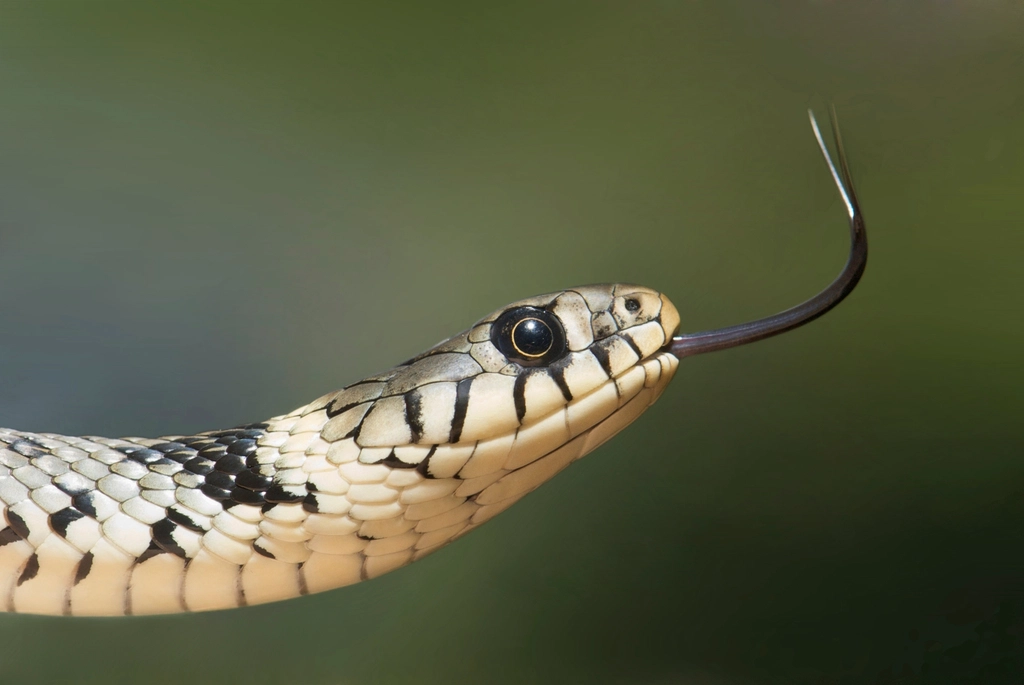 Photo Credit: Rawpixel
In the sun-dappled marshes and along the gentle banks of slow-moving streams, the grass snake, known scientifically as Natrix natrix, glides through its lush habitat with an elegance that captivates all who encounter it. With its sleek, elongated body reaching lengths of up to 1.5 meters (about 5 feet), this non-venomous reptile is adorned with smooth, shiny scales that shimmer in the sunlight. Its striking greenish or brownish coloration, often marked with dark spots, allows it to blend seamlessly into the reeds and grasses, making it a master of camouflage. This ability to hide in plain sight not only fascinates nature enthusiasts but also plays a crucial role in its survival.
Scientists are particularly intrigued by the grass snake’s diet, which primarily consists of amphibians, such as frogs and toads. This diet makes it an important player in its ecosystem, helping to control the populations of these creatures. As a keystone species, the grass snake’s presence is vital for maintaining the balance of life in its watery surroundings. Observing this remarkable reptile in action—whether it’s basking in the sun, hunting for food, or engaging in its unique courtship rituals during spring—offers a glimpse into the intricate web of life that thrives in these vibrant habitats. The grass snake is not just a creature of beauty; it is a key player in the story of nature, inviting us to explore and appreciate the wonders of the wild.
The grass snake, known scientifically as Natrix natrix, occupies a special place in the tree of life. This intriguing reptile belongs to the kingdom Animalia, which includes all animals, and is classified under the phylum Chordata, meaning it has a backbone. As a member of the class Reptilia, grass snakes are cold-blooded and lay eggs, characteristics typical of reptiles. What sets them apart is their ability to thrive in a variety of habitats, particularly near water, where they hunt for amphibians and fish. Their striking greenish coloration and distinctive yellow or white collar make them easily recognizable, adding to their charm in the animal kingdom.
| Taxonomic Rank | Scientific Name | Meaning & Significance |
|---|---|---|
| Kingdom | Animalia | This name signifies that grass snakes are part of the vast group of multicellular organisms known as animals. |
| Phylum | Chordata | Chordata means “having a notochord,” which is a flexible rod that supports the body, a feature present in all vertebrates, including grass snakes. |
| Class | Reptilia | Reptilia refers to reptiles, which are characterized by their scaly skin and cold-blooded nature, traits that help grass snakes adapt to their environments. |
| Order | Squamata | Squamata means “scaly,” highlighting the grass snake’s distinctive scales that protect its body and aid in movement. |
| Family | Colubridae | Colubridae is the family of colubrid snakes, which are known for their diverse diets and non-venomous nature, making grass snakes safe for humans. |
| Genus | Natrix | Natrix is derived from the Latin word for “water snake,” reflecting the grass snake’s affinity for aquatic habitats. |
| Species | natrix | This species name is simply a continuation of the genus name, emphasizing its identity within the water-loving group of snakes. |
The classification of the grass snake reveals much about its evolutionary journey. As a member of the Colubridae family, it shares a lineage with many other non-venomous snakes, showcasing a successful adaptation to various environments. Its affinity for water and unique physical traits, such as its coloration and behavior, highlight how evolution has shaped this species to thrive in its ecological niche. Understanding where the grass snake fits in the tree of life not only deepens our appreciation for this remarkable reptile but also illustrates the intricate connections among all living organisms.
The evolutionary journey of the grass snake, or Natrix natrix, stretches back millions of years, weaving through the tapestry of life on Earth. This species belongs to the family Colubridae, a diverse group of snakes that has adapted to various environments. The grass snake’s ancestors roamed the planet during the late Cretaceous period, around 100 million years ago, when dinosaurs still dominated the landscape. As the world changed, so did the snakes, evolving traits that would help them thrive in a variety of habitats.
The grass snake’s lineage can be traced to early reptiles that emerged from amphibian ancestors. These early reptiles were among the first to adapt to life on land, developing scaly skin to prevent water loss. Over time, some of these reptiles evolved into snakes, losing their limbs and becoming more streamlined for movement. The transition from a lizard-like form to a fully serpentine body allowed for greater agility and efficiency in hunting. As the grass snake evolved, it developed a keen ability to swim, which is essential for its survival in wetland habitats. This adaptation is a significant evolutionary step, allowing it to hunt aquatic prey and escape predators.
These evolutionary adaptations have played a crucial role in the grass snake’s survival. The streamlined body and swimming ability allow it to thrive in aquatic environments, while its camouflage helps it avoid detection. By being non-venomous, the grass snake can rely on its agility and stealth, making it a successful predator without the risks associated with venom. Together, these traits have enabled the grass snake to flourish in diverse habitats across Europe and Asia, showcasing the wonders of evolution in action.
The grass snake is a striking sight, gliding gracefully through its habitat with a sleek, elongated body that can reach lengths of up to 1.5 meters (about 5 feet). Its smooth, shiny scales shimmer in the sunlight, showcasing a palette of greens and yellows that help it blend seamlessly into the lush grasses and reeds of its environment. With a slender form and a slightly flattened head, this snake is perfectly designed for a life spent in water and on land, making it an agile swimmer and a stealthy predator.
| Feature | Description |
|---|---|
| Size | Can grow up to 1.5 meters (5 feet) long |
| Color | Primarily green with yellow or white markings |
| Skin Type | Smooth, shiny scales that reflect light |
| Head Shape | Slender and slightly flattened, aiding in swimming |
| Eyes | Large and round, providing excellent vision |
The grass snake’s vibrant colors serve a dual purpose: they not only provide camouflage among the reeds and grasses, but they also signal to potential mates during the breeding season. Its smooth scales reduce friction as it moves through water, allowing for swift and agile swimming. This combination of features makes the grass snake a master of its environment, adept at hunting small fish and amphibians while evading predators. Each aspect of its physical form is a testament to the wonders of evolution, perfectly tailored for survival in a world full of challenges.
The grass snake thrives in lush environments, often found near tranquil bodies of water like ponds, lakes, and slow-moving streams. Picture a sun-dappled marsh or a serene riverbank, where reeds sway gently in the breeze and the air is filled with the sounds of chirping birds and rustling leaves. This habitat provides not only a perfect hunting ground for the grass snake but also a safe haven for basking in the sun, which is essential for regulating its body temperature.
The grass snake prefers climates that are mild and temperate, thriving in areas where the weather is not too extreme. It enjoys environments with plenty of vegetation, which offers both cover and hunting opportunities. These snakes are often found in wetlands, where the humidity is higher, and the presence of water supports a rich ecosystem filled with frogs, fish, and other prey.
In adapting to these specific habitats, the grass snake has developed several clever strategies. Its excellent swimming ability allows it to glide through water with ease, making it a proficient hunter of aquatic prey. The grass snake’s coloration, often a mix of greens and browns, helps it blend seamlessly into the lush surroundings, providing camouflage from predators and allowing it to ambush unsuspecting meals. This combination of physical traits and behavioral adaptations makes the grass snake a true master of its watery domain.
The grass snake, or Natrix natrix, leads a life that is both intriguing and essential to its ecosystem. As a primarily solitary creature, its daily activities revolve around hunting, basking, and exploring its lush habitat. Early in the morning, the grass snake emerges from its hiding spot, often a pile of leaves or a burrow, to soak up the sun’s warmth. This basking behavior helps regulate its body temperature, as snakes are ectothermic, meaning they rely on external heat sources to stay active. Throughout the day, it hunts for small prey, such as frogs and fish, using its keen sense of smell and sight to locate food.
While grass snakes are generally solitary, they do exhibit interesting social behaviors during the breeding season. Males may engage in competitive displays to attract females, showcasing their strength and agility. These interactions can involve wrestling, where two males entwine and push against each other, a fascinating sight that highlights their physical prowess. After mating, females will lay eggs in warm, moist environments, often in decaying vegetation, which provides the perfect conditions for the eggs to develop.
| Behavior Type | Description |
|---|---|
| Hunting | Grass snakes actively hunt for small animals like frogs and fish, using their excellent vision and sense of smell. |
| Basking | They bask in the sun to warm their bodies, which is crucial for their activity levels since they are ectothermic. |
| Breeding Displays | During mating season, males may wrestle to compete for female attention, showcasing their strength and agility. |
| Solitary Behavior | Outside of breeding, grass snakes prefer to live alone, marking their territory and avoiding competition. |
| Communication | Grass snakes communicate through body language, using movements and postures to signal their intentions to others. |
These behaviors are vital for the grass snake’s survival. By effectively hunting and basking, they maintain their energy levels and health. The solitary nature of their lifestyle helps reduce competition for resources, while their unique breeding displays ensure the continuation of their species. Each aspect of their daily life is finely tuned to thrive in their environment, making the grass snake a remarkable example of adaptation in the wild.
The grass snake, or Natrix natrix, has a diverse diet that primarily consists of amphibians, making it an omnivore. This means it eats both plant and animal matter, but it particularly favors creatures like frogs and toads. With its keen sense of smell and excellent swimming abilities, the grass snake is a skilled hunter. It often hunts near water, where it can stealthily approach its prey, striking quickly when the moment is right.
| Dietary Aspect | Details |
|---|---|
| Diet Type | Omnivore |
| Favorite Foods | Frogs, toads, and other amphibians |
| Prey Items | Small fish and occasionally small mammals |
| Hunting Strategies | Stealthy swimming and ambush tactics |
This diet plays a crucial role in the grass snake’s ecology. By preying on amphibians, it helps control their populations, which can prevent overpopulation and maintain a balanced ecosystem. The grass snake’s daily routine revolves around hunting in the early morning or late afternoon, when its prey is most active. This not only ensures the snake gets enough food but also allows it to bask in the sun during the warmer parts of the day, keeping its body temperature regulated.
As spring arrives, the grass snake begins its courtship rituals, a time filled with excitement and energy. Males engage in a captivating dance, intertwining their bodies and displaying their vibrant colors to attract females. This mating season typically occurs from April to June, when temperatures rise and the days grow longer. After a successful courtship, the female prepares for the next stage of her life: laying eggs.
| Reproductive Aspect | Details |
|---|---|
| Gestation Period | Approximately 6 to 8 weeks |
| Litter Size | 10 to 40 eggs |
| Age of Maturity | 2 to 3 years |
| Name of Young | Hatchling |
Once the eggs are laid, the female grass snake leaves them to develop on their own, showing little parental care. The eggs are often hidden in warm, moist environments, such as rotting vegetation or sandy soil, where they can incubate. After about 6 to 8 weeks, the hatchlings emerge, ready to face the world. These tiny snakes are independent from the moment they break free from their eggs, equipped with instincts that help them find food and avoid predators. As they grow, they will shed their skin several times, gradually transforming into the sleek adults they are destined to become.
The grass snake, or Natrix natrix, plays a vital role in its ecosystem, sitting comfortably in the middle of the food web. As a predator, it helps control populations of amphibians and small fish, while also serving as a meal for larger animals. This balance is crucial for maintaining healthy environments, but it also means the grass snake faces various dangers that threaten its survival.
To defend itself against these threats, the grass snake has developed several clever survival strategies. When faced with danger, it can play dead, a behavior known as thanatosis, which can confuse predators. Additionally, it has a remarkable ability to blend into its surroundings, thanks to its greenish or brownish coloration. This camouflage helps it avoid detection in the lush vegetation of its habitat. By using these tactics, the grass snake increases its chances of evading predators and continuing its important role in the ecosystem.
A keystone species is a vital part of its ecosystem, meaning its presence or absence can significantly impact the environment and other living things within it. The grass snake, or Natrix natrix, qualifies as a keystone species due to its role in controlling populations of prey and influencing the health of its habitat. By maintaining balance in the ecosystem, the grass snake helps ensure that various species can thrive.
The grass snake primarily feeds on amphibians, such as frogs and toads, which are crucial for controlling insect populations. By keeping these amphibian numbers in check, the grass snake indirectly supports the health of plant life, as fewer insects can lead to less damage to vegetation. Additionally, the grass snake itself serves as prey for larger animals, such as birds of prey and mammals, creating a link in the food web that sustains various species. This interconnectedness highlights the grass snake’s importance in maintaining ecological balance.
The grass snake also contributes to nutrient cycling in its habitat. When it consumes prey, it helps break down organic matter, returning nutrients to the soil through its waste. This process enriches the environment, promoting plant growth and supporting a diverse array of life. Furthermore, the presence of grass snakes can indicate a healthy ecosystem, as they thrive in areas with clean water and abundant food sources.
If the grass snake were to disappear from its ecosystem, the consequences could be severe. Without this predator, amphibian populations could explode, leading to overgrazing of vegetation by insects. This imbalance could result in a decline in plant diversity and health, affecting other species that rely on those plants for food and shelter. The ripple effects would extend throughout the ecosystem, demonstrating just how crucial the grass snake is to maintaining the delicate balance of life in its habitat.
The grass snake, known scientifically as Natrix natrix, plays a crucial role in its ecosystem, particularly in areas near bodies of water. This adaptable reptile thrives in lush environments, where it contributes to the balance of life. As an omnivore, it feeds on a variety of prey, including amphibians and small fish, which helps regulate their populations. By doing so, the grass snake maintains the health of its habitat, ensuring that no single species overwhelms the ecosystem.
| Ecosystem Service | Impact |
|---|---|
| Population Control | Regulates numbers of amphibians and small fish, preventing overpopulation. |
| Food Source | Serves as prey for larger predators, supporting the food web. |
| Habitat Maintenance | Contributes to the health of wetland ecosystems by influencing species diversity. |
| Indicator Species | Reflects the health of the environment, signaling changes in ecosystem conditions. |
The grass snake’s influence extends beyond its immediate diet. For instance, by preying on amphibians, it helps keep their populations in check, which is vital for maintaining the balance of aquatic ecosystems. When amphibian numbers are controlled, it allows for a diverse range of plant and animal life to flourish. Additionally, the grass snake itself becomes a food source for larger predators, such as birds of prey, thus weaving itself into the intricate web of life that characterizes its habitat.
The broader ecological importance of the grass snake cannot be overstated. As a keystone species, its presence is essential for the stability of its environment. When grass snakes thrive, they help ensure that the ecosystems they inhabit remain vibrant and diverse. Conversely, a decline in their population can signal trouble for the entire ecosystem, indicating shifts that could affect many other species. By understanding the role of the grass snake, we gain insight into the delicate balance of nature and the interconnectedness of all living things.
In the intricate web of life, symbiosis refers to the close relationships between different species, where they interact in various ways. These ecological partnerships can be mutualistic, where both species benefit; parasitic, where one benefits at the other’s expense; or commensal, where one benefits while the other is neither helped nor harmed. The grass snake, or Natrix natrix, engages in several fascinating relationships with other species, showcasing the complexity of nature and the interconnectedness of life.
| Species/Type | Relationship Type | Description |
|---|---|---|
| Amphibians (e.g., frogs) | Mutualistic | The grass snake preys on amphibians, helping to control their populations, which can benefit the ecosystem by preventing overpopulation. |
| Birds of prey (e.g., hawks) | Parasitic | Grass snakes can fall prey to birds of prey, illustrating a predator-prey relationship where the snake is at a disadvantage. |
| Water plants (e.g., reeds) | Commensal | Grass snakes often use dense vegetation for cover while hunting or basking, benefiting from the plants without affecting them. |
These relationships have evolved over time, shaped by the needs and behaviors of the species involved. The grass snake’s role as a predator helps maintain balance in its habitat, while its interactions with other species highlight the delicate dance of survival in nature. By understanding these connections, we can appreciate how each species, including the grass snake, contributes to the health of its ecosystem, ensuring that life continues to thrive in harmony.
The grass snake, or Natrix natrix, is a captivating reptile that often surprises those who take the time to learn about it. Here are some intriguing facts that showcase its unique traits and behaviors.
Throughout history, the grass snake, or Natrix natrix, has woven itself into the fabric of human culture and folklore. In many regions, this non-venomous snake has been revered and feared in equal measure. Ancient civilizations often viewed it as a symbol of transformation and renewal, reflecting its ability to shed its skin. In some cultures, grass snakes were believed to bring good fortune, while in others, they were seen as omens of danger. These historical encounters have shaped our understanding and perception of this fascinating reptile, making it a significant part of local myths and stories.
Today, the relationship between grass snakes and humans is complex and multifaceted. As urban areas expand, these snakes often find themselves in conflict with people, especially when their habitats are threatened. However, conservation efforts are underway to protect their natural environments, recognizing the important role they play in ecosystems. Grass snakes help control populations of amphibians and small fish, making them valuable allies in maintaining ecological balance. While domestication is not a part of their story, education about their benefits can foster a more harmonious coexistence.
As we look to the future, the relationship between grass snakes and humanity holds promise. With increased awareness and education, we can learn to appreciate these remarkable reptiles for their ecological contributions rather than fear them. By fostering a sense of stewardship for their habitats, we can ensure that grass snakes continue to thrive alongside us. Together, we can create a world where humans and grass snakes coexist in harmony, celebrating the beauty and diversity of our shared environment.
The grass snake, or Natrix natrix, currently holds a conservation status of “Least Concern” according to the International Union for Conservation of Nature (IUCN). This means that, overall, the species is not facing immediate threats of extinction. However, local populations can vary significantly, with some areas experiencing declines due to habitat loss and environmental changes. While the grass snake is relatively widespread across Europe and parts of Asia, its numbers are not uniform, and certain regions may see a decrease in their populations.
| Conservation Factor | Status/Details |
|---|---|
| IUCN Status | Least Concern |
| Population Estimates | Varies by region; generally stable in many areas |
| Trend Direction | Stable, but some local declines |
The main threats to the grass snake include habitat destruction, pollution, and climate change. As wetlands and natural habitats are drained for agriculture or urban development, the grass snake loses its essential living spaces. Additionally, the use of pesticides can reduce the availability of prey, such as amphibians, which are crucial for the snake’s diet. Climate change also poses a risk, as it can alter the delicate balance of ecosystems where these snakes thrive.
Conservation efforts are underway to protect the grass snake and its habitats. Many organizations are working to restore wetlands and promote sustainable land use practices. Education programs aim to raise awareness about the importance of this species and its role in the ecosystem. With continued efforts and public support, the outlook for the grass snake remains hopeful, as it adapts to changing environments while maintaining its vital place in nature.
| Question | Answer |
|---|---|
| Where do Grass Snakes live? | Grass Snakes are commonly found in areas near bodies of water, such as ponds, lakes, and rivers. They prefer habitats with plenty of vegetation, which provides cover and hunting grounds. |
| What do Grass Snakes eat? | Grass Snakes are omnivores, meaning they eat both plants and animals. Their diet mainly consists of amphibians, like frogs, but they also enjoy fish and small mammals when available. |
| How do Grass Snakes behave? | Grass Snakes are generally calm and non-aggressive. They are excellent swimmers and often bask in the sun to regulate their body temperature, which is important for their health. |
| How do Grass Snakes reproduce? | Grass Snakes typically mate in the spring. Females lay eggs in warm, moist places, such as compost heaps or rotting vegetation, where the eggs can incubate safely until they hatch. |
| What threats do Grass Snakes face? | Grass Snakes face several threats, including habitat loss due to urban development and pollution of their water sources. They are also at risk from predators like birds of prey and larger mammals. |
| What are some interesting characteristics of Grass Snakes? | One fascinating feature of Grass Snakes is their ability to mimic the behavior of more dangerous snakes when threatened. They can also produce a foul-smelling substance to deter predators, making them quite unique in the snake world. |
| Are Grass Snakes dangerous to humans? | No, Grass Snakes are not dangerous to humans. They are non-venomous and prefer to avoid confrontation, often fleeing when approached. |