Taxonomy & Classification
- Kingdom
- Animalia
- Phylum
- Chordata
- Class
- Aves
- Order
- Pelecaniformes
- Family
- Ardeidae
- Genus
- Ardea
- Species
- Ardea alba

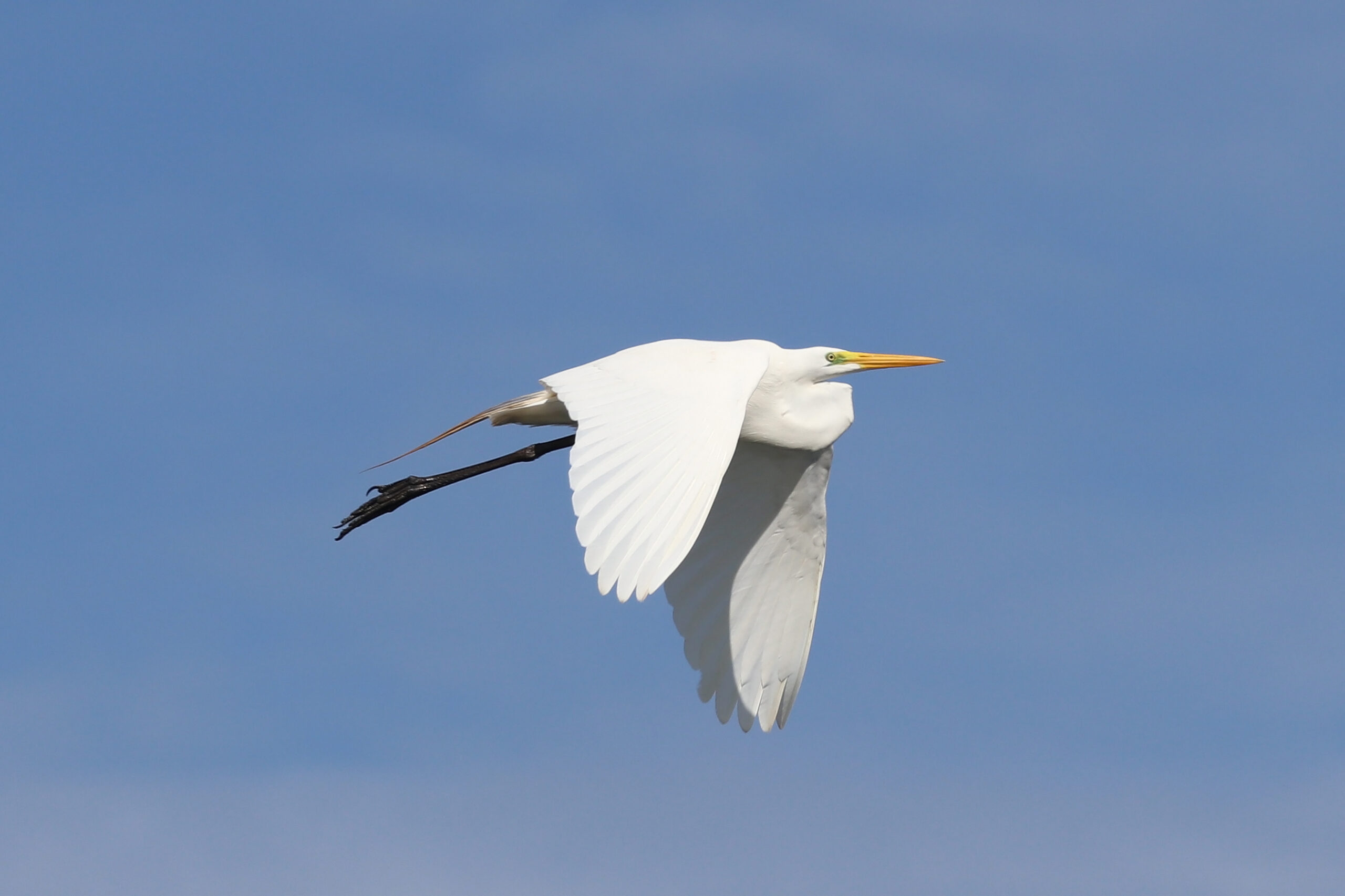 Photo Credit: Charlesjsharp / Wikimedia Commons
In the shimmering wetlands of North America, the Great Egret, or Ardea alba, stands as a symbol of elegance and grace. With its long, slender neck and striking white feathers, this magnificent bird captures the attention of anyone lucky enough to spot it. Picture a tranquil morning, where the sun casts a golden glow over a still lake, and the Great Egret wades through the shallow waters, its sharp beak poised to catch a glimmering fish. This scene is not just beautiful; it’s a glimpse into the life of a creature that plays a vital role in its ecosystem.
The Great Egret is not only known for its stunning appearance but also for its fascinating behaviors and adaptations. Standing about five feet tall, it is one of the largest herons in the world. Its keen eyesight and stealthy hunting techniques make it a skilled predator, allowing it to thrive in various wetland habitats. Scientists and nature enthusiasts alike are drawn to this bird, not just for its beauty but for its role as a keystone species, meaning its presence significantly impacts the environment around it. As we explore the world of the Great Egret, we will uncover the secrets of its life cycle, diet, and the delicate balance it maintains within its watery home.
The Great Egret, a stunning bird known for its striking white plumage and long, elegant neck, occupies a special place in the tree of life. Scientifically classified within the kingdom Animalia, this bird belongs to the phylum Chordata, which includes all animals with a backbone. As a member of the class Aves, or birds, the Great Egret showcases the unique adaptations that allow it to thrive in various wetland habitats. Its classification within the order Pelecaniformes, which includes pelicans and herons, highlights its close relationships with other aquatic birds. The Great Egret stands out not only for its beauty but also for its role in the ecosystem as a skilled hunter, using its keen eyesight and patience to catch fish and other small prey.
| Taxonomic Rank | Scientific Name | Meaning & Significance |
|---|---|---|
| Kingdom | Animalia | This name signifies that the Great Egret is part of the vast group of multicellular organisms known as animals, which are characterized by their ability to move and respond to their environment. |
| Phylum | Chordata | Chordata means “having a notochord,” which is a flexible rod that supports the body. This feature is a key characteristic of all vertebrates, including the Great Egret. |
| Class | Aves | Aves is the class that includes all birds. This name reflects their unique adaptations for flight, such as feathers and hollow bones, which the Great Egret possesses. |
| Order | Pelecaniformes | This order includes birds that are often found near water and have similar feeding habits. The Great Egret shares this classification with other wading birds, emphasizing its aquatic lifestyle. |
| Family | Ardeidae | The family name Ardeidae refers to herons and egrets, highlighting their long legs and necks, which are perfect for wading in shallow waters. |
| Genus | Ardea | Ardea is derived from Latin, meaning “heron.” This name connects the Great Egret to its relatives, showcasing its elegant form and hunting techniques. |
The classification of the Great Egret reveals much about its evolutionary history. As a member of the Ardeidae family, it shares common ancestors with other wading birds, indicating a long lineage of adaptations for life in aquatic environments. Its position within the order Pelecaniformes suggests that it has evolved alongside other birds that rely on similar habitats and feeding strategies. This evolutionary journey has equipped the Great Egret with the skills it needs to thrive, making it a vital part of the ecosystems it inhabits. Understanding its place in the tree of life not only highlights its beauty but also underscores the intricate connections between species in the natural world.
The Great Egret, a symbol of grace and beauty, has a rich evolutionary history that stretches back millions of years. This elegant bird belongs to the family Ardeidae, which includes herons, egrets, and bitterns. The lineage of the Great Egret can be traced to the late Eocene epoch, around 34 to 56 million years ago, when the ancestors of modern wading birds began to emerge. Over time, these birds adapted to various environments, leading to the diverse species we see today.
The ancestors of the Great Egret were likely similar to other early wading birds, characterized by long legs and necks that allowed them to hunt in shallow waters. As they evolved, they developed specialized features that enhanced their survival. One major transition was the development of their long, sharp beaks, perfect for spearing fish and other aquatic prey. Additionally, their striking white plumage evolved not just for beauty but also for camouflage in the sun-drenched wetlands where they thrive.
These adaptations have played a crucial role in the Great Egret’s success as a species. The combination of long legs and a sharp beak allows it to be a skilled forager, while its white plumage provides both beauty and stealth. As a result, the Great Egret has flourished in wetlands around the world, showcasing the power of evolution in shaping life to fit the environment.
The Great Egret is a vision of elegance and poise, standing tall at about one meter, or roughly 3.3 feet. Its slender body is draped in pure white feathers that shimmer in the sunlight, creating a striking contrast against the blue sky or the lush greenery of its wetland habitat. With a long, graceful neck and a sharp, pointed beak, this bird embodies a sense of sophistication. Its long, slender legs allow it to wade through shallow waters with ease, making it a masterful hunter in its aquatic domain.
| Feature | Description |
|---|---|
| Height | 1 meter (3.3 feet) |
| Weight | 1 kilogram (2.5 pounds) |
| Skin Type | Feathers |
| Most Distinctive Feature | Long, slender legs |
The Great Egret’s features are not just for show; they play vital roles in its survival. The long legs enable it to wade into deeper waters, where it can hunt for fish and amphibians. Its lightweight body and long neck allow for swift movements, making it easier to catch prey. The striking white feathers, while beautiful, also serve a purpose during mating displays, attracting potential partners. Together, these characteristics create a bird that is not only a stunning sight but also a highly skilled predator in its natural habitat.
The Great Egret thrives in a variety of wetland habitats that paint a picturesque scene of tranquility and life. Imagine vast lakes shimmering under the sun, bordered by lush swamps and wooded wetlands. These areas are alive with the sounds of nature, where the gentle rustle of reeds and the soft splashes of water create a serene backdrop. Here, the Great Egret can be seen wading gracefully through shallow waters, its long legs perfectly adapted for navigating the marshy terrain.
To flourish in these environments, the Great Egret prefers climates that offer a mix of warmth and moisture. It thrives in regions where the weather is mild, allowing for the growth of rich vegetation that provides both food and shelter. These birds are often found in areas with abundant fish and amphibians, as they rely on these creatures for sustenance. The wetlands they inhabit are typically characterized by seasonal flooding, which creates the perfect conditions for hunting and nesting.
Adaptation is key to the Great Egret’s success in these habitats. Its long neck and sharp beak are perfectly designed for catching fish, while its white feathers provide excellent camouflage among the reeds and grasses. This clever bird has also developed a keen sense of timing, often hunting during the early morning or late evening when its prey is most active. By blending into its surroundings and utilizing the resources of its wetland home, the Great Egret has become a master of survival in these vibrant ecosystems.
The Great Egret begins its day at dawn, when the world is still waking up. As the sun rises, this elegant bird stretches its long neck and wings, preparing for a day filled with activity. Typically, Great Egrets spend their mornings hunting for food in shallow waters, using their keen eyesight to spot fish and other small creatures. With a swift and graceful motion, they strike with their sharp beaks, catching breakfast with impressive precision. Throughout the day, they alternate between hunting, preening their feathers, and resting, ensuring they stay clean and ready for flight.
Socially, Great Egrets are often seen in flocks, especially during the breeding season. These gatherings can be quite lively, as the birds communicate through a variety of calls and body language. They establish a hierarchy within the group, with dominant individuals often taking the best hunting spots. This social structure helps them work together to find food and protect each other from potential threats. When they are not hunting, you might see them standing close together, sharing warmth and vigilance, which strengthens their bonds and enhances their survival.
| Behavior Type | Description |
|---|---|
| Hunting | Great Egrets use their sharp beaks to catch fish and small aquatic animals, often standing still for long periods before striking. |
| Social Structure | They form flocks, establishing a hierarchy that helps them find food and protect against predators. |
| Communication | These birds communicate through various calls and body language, signaling their intentions and maintaining group cohesion. |
The behaviors of the Great Egret are finely tuned to ensure their survival in the wild. By hunting in groups, they increase their chances of finding food, while their social interactions help them stay alert to dangers. Their ability to communicate effectively within their flocks fosters cooperation, making them not just beautiful to watch, but also incredibly adept at thriving in their wetland homes.
The Great Egret is a carnivore, which means it primarily eats meat. This elegant bird has a diverse diet that includes fish, frogs, snakes, and even small mammals like mice. With its keen eyesight and patient demeanor, the Great Egret employs a fascinating hunting technique. It often stands still in shallow waters, waiting for the perfect moment to strike. When a fish or other prey swims by, it quickly lunges forward, using its sharp beak to catch its meal. This method of hunting showcases the bird’s remarkable ability to blend into its surroundings, making it a skilled predator in its wetland habitat.
| Dietary Aspect | Details |
|---|---|
| Diet Type | Carnivore |
| Favorite Foods | Fish, frogs, snakes, mice, crayfish, and insects |
| Prey Items | Small fish, amphibians, reptiles, and various invertebrates |
| Hunting/Foraging Strategies | Stands still in shallow water, waiting to strike; uses stealth and quick movements |
The Great Egret’s diet plays a crucial role in its ecology and daily routine. By feeding on a variety of prey, it helps maintain the balance of the wetland ecosystem. This bird not only controls fish populations but also contributes to the health of its habitat by preying on species that could otherwise become too numerous. As it hunts, the Great Egret also interacts with other wildlife, creating a dynamic web of life in its environment. Each meal is not just a source of energy; it is a vital part of the intricate dance of nature that sustains the wetlands where it thrives.
The Great Egret’s mating behavior is a captivating spectacle, especially during the breeding season, which typically occurs in spring. During this time, males perform elaborate courtship displays to attract females. They puff out their feathers, stretch their necks, and engage in graceful dances, showcasing their beauty and vigor. Once a pair forms, they work together to build a nest, often in colonies with other egrets, where they can find safety in numbers.
| Reproductive Aspect | Details |
|---|---|
| Gestation Period | Approximately 3 weeks |
| Litter Size | 2 to 6 eggs |
| Age of Maturity | 1 to 3 years |
| Name of Young | Chicks |
After the eggs hatch, both parents take on the important role of caring for their chicks. The young Great Egrets are born covered in downy feathers and are initially helpless. They rely on their parents for food, which the adults catch and bring back to the nest. As the chicks grow, they begin to develop their feathers and learn to stand and move around the nest. Over the next few weeks, they become more independent, eventually taking their first flights. This journey from vulnerable chicks to graceful adults is a testament to the dedication of their parents and the wonders of nature.
The Great Egret plays a vital role in its ecosystem, acting as both predator and prey within the intricate web of life. As a skilled hunter, it helps control fish populations and other aquatic creatures, while also serving as a food source for larger predators. This balance is essential for maintaining healthy wetland environments, where the Great Egret thrives.
To survive these challenges, the Great Egret has developed several defensive behaviors. When threatened, it can quickly take flight, using its long wings to soar away from danger. Additionally, it often relies on its keen eyesight to spot potential threats from a distance, allowing it to react swiftly. By nesting in colonies, the Great Egret also benefits from the safety of numbers, as the presence of many birds can deter predators. These strategies help ensure that this elegant bird continues to grace our wetlands for generations to come.
A keystone species is a vital part of its ecosystem, meaning its presence and activities have a significant impact on the environment and other organisms. The Great Egret qualifies as a keystone species due to its role in maintaining the balance of wetland ecosystems. By controlling fish populations and influencing the dynamics of other species, this elegant bird helps ensure the health and stability of its habitat.
The Great Egret primarily feeds on fish, frogs, and other small aquatic animals, making it an important predator in its ecosystem. By hunting these creatures, it helps regulate their populations, preventing any one species from becoming too dominant. This balance is crucial because an overabundance of certain fish can lead to overgrazing of aquatic plants, which in turn affects water quality and the overall health of the wetland.
Moreover, the Great Egret’s nesting habits also contribute to the ecosystem. When they build their nests in trees near water bodies, they create a habitat for other species. The nests can provide shelter for smaller birds and even insects, promoting biodiversity. Additionally, their droppings enrich the soil, which can enhance plant growth in the surrounding area, further supporting a variety of life forms.
If the Great Egret were to disappear, the consequences could be profound. Without this skilled predator, fish and amphibian populations might explode, leading to overgrazing of aquatic vegetation. This could degrade water quality and disrupt the entire wetland ecosystem. Other species that rely on the Great Egret for nesting or as an indicator of environmental health would also suffer. The loss of this elegant bird would ripple through the ecosystem, highlighting just how interconnected life truly is.
The Great Egret plays a crucial role in shaping its ecosystem, particularly in wetland environments like lakes, swamps, and wooded wetlands. As a skilled predator, this elegant bird helps maintain the balance of aquatic life. By hunting fish, frogs, and other small creatures, the Great Egret influences the populations of these species, ensuring that no single group becomes too dominant. This balance is essential for the health of the entire ecosystem, as it allows for a diverse range of organisms to thrive.
| Ecosystem Service | Impact |
|---|---|
| Population Control | Regulates fish and amphibian numbers, preventing overpopulation. |
| Nutrient Cycling | Contributes to nutrient distribution through its feeding habits. |
| Habitat Creation | Helps maintain wetland health, which supports various species. |
| Indicator Species | Reflects the health of wetland ecosystems, signaling environmental changes. |
The Great Egret’s influence extends beyond just its hunting prowess. For instance, when it wades through shallow waters, it stirs up sediment, which can release nutrients into the water. This process supports the growth of aquatic plants, which in turn provide shelter and food for other wildlife. Additionally, the presence of Great Egrets can indicate a healthy ecosystem; their population numbers often reflect the overall condition of their wetland habitats. When these birds thrive, it suggests that the environment is balanced and supports a variety of life forms.
In a broader ecological context, the Great Egret serves as a keystone species, meaning its activities are vital for the stability of its ecosystem. By controlling prey populations and contributing to nutrient cycling, this elegant bird helps maintain the intricate web of life in wetlands. Protecting the Great Egret and its habitat is essential not only for the bird itself but also for the countless other species that depend on the health of these vibrant ecosystems. In this way, the Great Egret is not just a beautiful sight to behold; it is a guardian of the wetlands, ensuring that life continues to flourish.
In the intricate tapestry of nature, symbiosis refers to the close and often long-term interactions between different species. These relationships can take many forms, including mutualism, where both species benefit, commensalism, where one benefits while the other is neither helped nor harmed, and parasitism, where one species benefits at the expense of another. The Great Egret, with its striking white feathers and graceful demeanor, engages in various ecological partnerships that highlight the interconnectedness of life in its wetland habitats.
| Species/Type | Relationship Type | Description |
|---|---|---|
| Oxpeckers | Mutualistic | Oxpeckers often perch on the backs of large mammals, such as buffalo or giraffes, feeding on ticks and parasites. In return, the mammals benefit from reduced pest loads. |
| Fish | Commensal | As Great Egrets hunt in shallow waters, they stir up sediment, which can help fish escape hiding spots. The fish benefit from the disturbance, while the egrets catch more prey. |
| Other Wading Birds | Mutualistic | Great Egrets often forage alongside other wading birds. By working together, they can flush out fish and other prey, making it easier for all to find food. |
The evolution of these relationships showcases the adaptability and resourcefulness of the Great Egret and its partners. Over time, these species have developed behaviors that enhance their survival and success in shared environments. By forming partnerships, the Great Egret not only improves its own hunting efficiency but also contributes to the health of its ecosystem. These interactions remind us that in nature, cooperation can be just as vital as competition, creating a balanced and thriving community.
The Great Egret is not just a beautiful bird; it’s a fascinating creature with many surprising traits that make it stand out in the animal kingdom. Here are some intriguing facts that will captivate nature enthusiasts of all ages.
The Great Egret has long captivated human imagination, weaving its way into the fabric of various cultures throughout history. In ancient Egypt, these elegant birds were revered, often depicted in art and mythology, symbolizing purity and grace. Their striking white feathers were so highly prized that they became a target for hunters, leading to significant declines in their populations. This historical connection highlights not only the beauty of the Great Egret but also the impact of human activity on wildlife. As societies evolved, the Great Egret continued to inspire stories and traditions, reminding us of the delicate balance between nature and humanity.
Today, the relationship between Great Egrets and humans is complex and multifaceted. On one hand, conservation efforts have gained momentum, with many organizations working to protect wetland habitats that are crucial for the survival of these birds. On the other hand, conflicts can arise, particularly in areas where human development encroaches on their natural habitats. While some people appreciate the presence of Great Egrets in their local ecosystems, others may view them as pests, especially when they hunt fish in commercial ponds. This duality reflects the ongoing challenge of coexisting with wildlife in a rapidly changing world.
As we look to the future, the relationship between Great Egrets and humanity holds both promise and challenges. With increased awareness of environmental issues, more people are advocating for the protection of wetlands and the species that inhabit them. By fostering a sense of stewardship and understanding, we can create a world where Great Egrets thrive alongside us. The journey ahead will require collaboration and respect for nature, ensuring that these magnificent birds continue to grace our skies for generations to come.
The Great Egret, with its striking white feathers and graceful demeanor, currently holds a conservation status of “Least Concern.” This means that, overall, the species is not facing immediate threats of extinction. In fact, population estimates suggest there are between 590,000 and 2.2 million mature individuals in the wild. While the numbers indicate a stable population, it is essential to keep an eye on trends and potential threats that could impact their future.
| Conservation Factor | Status/Details |
|---|---|
| IUCN Status | Least Concern |
| Estimated Population Size | 590,000 – 2.2 million mature individuals |
| Population Trend | Stable |
Despite their current stable status, Great Egrets face several threats that could impact their populations. Habitat loss is a significant concern, as wetlands are drained for agriculture and urban development. Pollution also poses a risk, as chemicals can contaminate the water and food sources that these birds rely on. Additionally, climate change is altering their habitats, affecting the availability of food and nesting sites. These challenges highlight the importance of ongoing conservation efforts.
Conservation initiatives are crucial for ensuring the Great Egret continues to thrive. Many organizations are working to protect wetland habitats and promote sustainable practices that benefit both wildlife and humans. Public awareness campaigns help educate communities about the importance of preserving these ecosystems. With continued efforts, the outlook for the Great Egret remains positive, allowing future generations to enjoy the beauty of this elegant bird in its natural habitat.
| Question | Answer |
|---|---|
| What is the habitat of the Great Egret? | The Great Egret is commonly found in lakes, swamps, and wooded wetlands. These environments provide the shallow waters and abundant vegetation that are perfect for hunting and nesting. |
| What does the Great Egret eat? | This bird is a carnivore, meaning it primarily eats meat. Its diet mainly consists of fish, frogs, and small invertebrates, which it catches using its sharp beak. |
| How does the Great Egret behave? | Great Egrets are known for their graceful movements and patience while hunting. They often stand still for long periods, waiting for the perfect moment to strike at their prey. |
| How do Great Egrets reproduce? | During the breeding season, Great Egrets build nests in trees or shrubs near water. They typically lay 3 to 5 eggs, which both parents help to incubate until they hatch. |
| What threats do Great Egrets face? | While the Great Egret is currently listed as Least Concern, it still faces threats from habitat loss and pollution. Wetland destruction and climate change can impact their breeding and feeding grounds. |
| What is a distinctive feature of the Great Egret? | One of the most distinctive features of the Great Egret is its long, slender legs. These legs not only help it wade through shallow waters but also make it an elegant sight as it moves. |
| Are Great Egrets social birds? | Yes, Great Egrets are often seen in groups, especially during the breeding season. They can form large colonies, which helps them find food and protect their nests from predators. |