Taxonomy & Classification
- Kingdom
- Animalia
- Phylum
- Chordata
- Class
- Aves
- Order
- Pelecaniformes
- Family
- Ardeidae
- Genus
- Butorides
- Species
- Butorides virescens

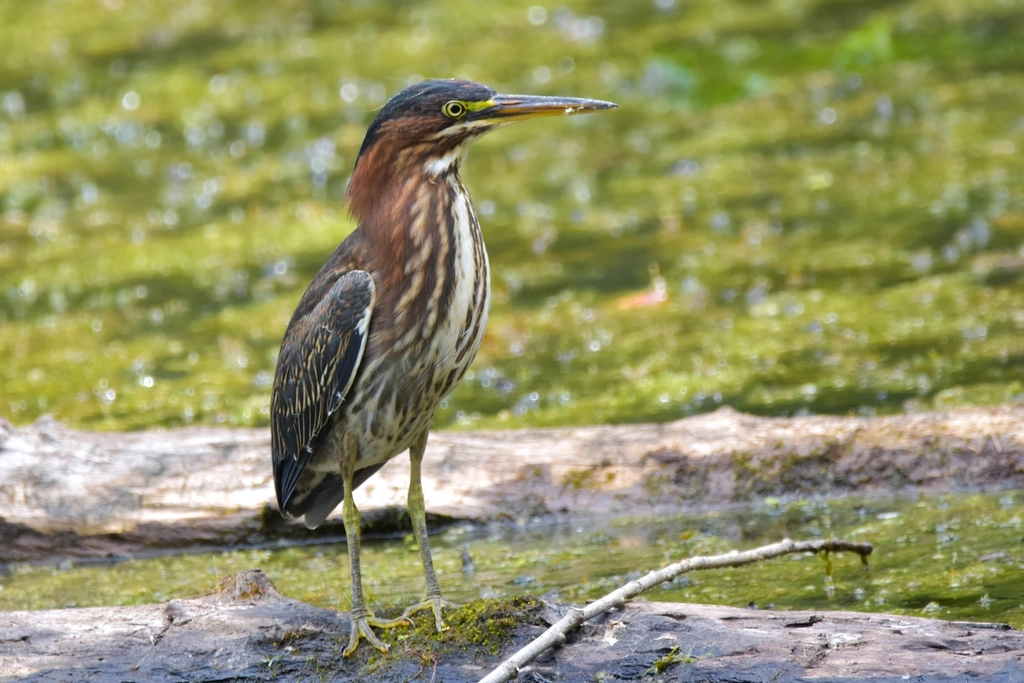 Photo Credit: Rawpixel
In the shimmering wetlands of North America, the Green Heron, scientifically known as Butorides virescens, stands as a master of stealth and grace. With its striking emerald and chestnut plumage, this small bird blends seamlessly into the lush greenery that surrounds its watery home. Picture a tranquil pond, where the sun dances on the surface, and the air is filled with the gentle rustle of reeds. Here, the Green Heron patiently waits, its sharp eyes scanning the water for a glimpse of movement, ready to strike with precision.
What makes the Green Heron particularly captivating is not just its vibrant colors but also its clever hunting techniques. This bird is known for its unique ability to use tools, like dropping bait to lure fish closer. Such behavior intrigues scientists and nature lovers alike, as it showcases a level of intelligence that is rare among birds. As we explore the life of the Green Heron, we will uncover its fascinating habits, its role in the ecosystem, and the delicate balance it maintains within its watery world. Join us on this adventure to learn more about this remarkable avian hunter and the secrets of its habitat.
The Green Heron, a captivating bird found in wetlands and along shorelines, holds a special place in the animal kingdom. Taxonomically, it belongs to the Kingdom Animalia, which includes all animals, and is classified under the Phylum Chordata, meaning it has a backbone. As a member of the Class Aves, or birds, the Green Heron showcases the incredible diversity of avian life. Its unique behaviors, such as using tools to catch fish, set it apart from many other birds, highlighting its intelligence and adaptability.
| Taxonomic Rank | Scientific Name | Meaning & Significance |
|---|---|---|
| Kingdom | Animalia | This name signifies all animals, emphasizing the Green Heron’s place among living organisms that share certain biological characteristics. |
| Phylum | Chordata | Chordata means “having a cord,” referring to the notochord, a flexible rod that supports the body, which is a key feature of this bird and its relatives. |
| Class | Aves | Aves is the Latin word for birds, highlighting the Green Heron’s feathers, beak, and ability to fly, which are essential traits of this class. |
| Order | Pelecaniformes | This order includes wading birds like herons and pelicans, known for their long legs and specialized feeding habits, which the Green Heron exemplifies. |
| Family | Ardeidae | Ardeidae refers to herons and egrets, emphasizing the Green Heron’s long neck and legs, which are perfect for stalking prey in shallow waters. |
| Genus | Butorides | This genus name is derived from the Latin word “butor,” meaning “heron,” and it reflects the bird’s close relationship with other herons, while also hinting at its unique behaviors. |
Understanding the Green Heron’s classification reveals much about its evolutionary journey. As a member of the Ardeidae family, it shares a common ancestor with other herons, which adapted to life in aquatic environments. The Green Heron’s ability to use tools, like dropping bait to attract fish, showcases its advanced cognitive skills, a trait that has evolved over time. This fascinating bird not only represents a specific branch of the avian family tree but also illustrates the intricate connections between species and their environments, reminding us of the wonders of evolution.
The evolutionary journey of the Green Heron stretches back millions of years, tracing its lineage through the rich tapestry of avian history. This bird, scientifically known as Butorides virescens, is part of the Ardeidae family, which includes other herons and egrets. The ancestors of modern herons began to diverge from other bird groups during the late Cretaceous period, around 70 million years ago, as they adapted to life in wetland environments.
Early herons were likely similar to their relatives, the wading birds, which thrived in marshy habitats. Over time, these ancestors developed longer legs and necks, allowing them to wade through shallow waters in search of food. The transition from forest-dwelling birds to those that could exploit aquatic environments marked a significant evolutionary step. As they adapted to hunting fish and invertebrates, their beaks became more specialized for catching slippery prey.
These evolutionary adaptations have been crucial for the Green Heron’s survival in diverse wetland ecosystems. The combination of long legs and a sharp beak allows it to navigate and hunt effectively in its watery habitat. Meanwhile, its camouflaged plumage provides protection from predators, ensuring that it can stealthily approach its prey. The ability to use tools not only demonstrates intelligence but also enhances its hunting success, allowing the Green Heron to thrive in a competitive environment. Through these adaptations, this bird has carved out a niche that showcases the wonders of evolution in action.
The Green Heron is a striking bird that captures attention with its elegant form and vibrant colors. Standing at about 18 to 24 inches tall, this bird has a compact body that is both agile and graceful. Its long legs and neck give it a poised appearance, perfect for stalking through shallow waters. The Green Heron’s overall silhouette is sleek, allowing it to blend seamlessly into its wetland habitat, where it often waits patiently for fish and other prey.
| Feature | Description |
|---|---|
| Weight | 8.5 oz. |
| Skin Type | Feathers |
| Most Distinctive Feature | Dark crown feathers, sometimes forming a crest |
| Coloration | Rich greenish-blue back, chestnut-colored neck, and white streaks on the face |
| Legs | Long and yellow, ideal for wading |
The combination of the Green Heron’s striking colors and physical features plays a crucial role in its survival. The dark crown feathers not only add to its beauty but also help it blend into the shadows of its environment, making it less visible to both prey and predators. Its long legs are perfectly adapted for wading through water, allowing it to hunt efficiently. With its keen eyesight and stealthy movements, the Green Heron is a master of its domain, showcasing how form and function work together in the natural world.
The Green Heron thrives in a world of shimmering waters and lush greenery. Picture a tranquil wetland, where the sun glistens off the surface of a pond, and tall grasses sway gently in the breeze. This bird loves to perch on low branches or rocks, scanning the water for its next meal. Its preferred habitats include marshes, lakes, and slow-moving rivers, where it can find plenty of fish and other tasty treats. The combination of water and vegetation creates a perfect playground for this skilled hunter.
The Green Heron is quite adaptable when it comes to climate. It prefers warm, temperate regions, often found in areas where the weather is mild and wet. These birds are most active during the warmer months, as they rely on the abundance of food that comes with the season. They thrive in environments that provide both shelter and hunting grounds, making wetlands and riparian zones—areas along rivers and streams—ideal for their lifestyle.
To make the most of its habitat, the Green Heron has developed some clever adaptations. Its slender body and long legs allow it to wade through shallow waters with ease, while its sharp eyesight helps it spot fish from a distance. The bird’s ability to blend into its surroundings, thanks to its greenish and brown plumage, makes it a stealthy predator. This camouflage not only protects it from potential threats but also aids in its hunting strategy, allowing it to catch prey by surprise. In this way, the Green Heron has become a master of its watery domain.
The Green Heron leads a life filled with quiet observation and stealthy movements. Each day begins with the soft light of dawn, when this bird emerges from its hidden perch among reeds and branches. With keen eyes, it scans the water for breakfast, often catching small fish, frogs, or insects. The heron is a patient hunter, standing still for long periods, waiting for the perfect moment to strike. As the sun rises higher, it may take breaks to preen its feathers, ensuring they remain waterproof and sleek. This daily routine is a blend of hunting, resting, and maintaining its plumage, all essential for survival in its watery habitat.
While the Green Heron is primarily a solitary bird, it does exhibit interesting social behaviors during certain times of the year. During the breeding season, these herons may gather in small groups, known as colonies, to nest in trees or shrubs near water. Here, they communicate through a series of soft calls and body movements, establishing their territory and attracting mates. Outside of breeding, however, they prefer to hunt alone, relying on their stealth and camouflage to catch prey without the distraction of other birds nearby.
| Behavior Type | Description |
|---|---|
| Hunting | Green Herons are patient hunters, often standing still for long periods to catch fish, frogs, and insects. |
| Social Structure | Primarily solitary, they form small colonies during breeding season for nesting and mate attraction. |
| Communication | They use soft calls and body language to communicate, especially during the breeding season. |
The behaviors of the Green Heron are finely tuned to ensure its survival in a world filled with both opportunities and challenges. By mastering the art of patience in hunting and knowing when to socialize for breeding, this bird effectively balances its need for solitude with the benefits of community. Each action, from the way it stalks its prey to the soft calls it makes, plays a crucial role in its life, helping it thrive in the diverse ecosystems it calls home.
The Green Heron has a diverse diet that primarily consists of small fish, but it also enjoys a variety of other tasty treats. This clever bird is known for its patient hunting style, often standing still for long periods while scanning the water for movement. When it spots a potential meal, it strikes with impressive speed and precision. The Green Heron is not just a fish-eater; it also dines on grasshoppers, snakes, earthworms, snails, and even small rodents, showcasing its adaptability in finding food.
| Dietary Aspect | Details |
|---|---|
| Diet Type | Omnivorous |
| Favorite Foods | Small fish, grasshoppers, snakes, earthworms, snails, rodents |
| Prey Items | Small fish, insects, amphibians, and small mammals |
| Hunting/Foraging Strategies | Stealthy stalking, waiting motionless, and quick strikes |
The Green Heron’s varied diet plays a crucial role in its ecological niche, helping to control populations of both aquatic and terrestrial organisms. By feeding on small fish and insects, it helps maintain a balance in the ecosystem, ensuring that no single species becomes too dominant. This adaptability in diet also influences the bird’s daily routine, as it must constantly seek out different food sources depending on the season and availability, making each day an adventure in survival.
As the breeding season approaches, Green Herons engage in a captivating courtship display. Males perform a series of elaborate rituals, including puffing up their feathers, bowing, and making soft calls to attract a mate. This season typically occurs in late spring to early summer, when the days are longer and food is plentiful. Once a pair forms, they work together to find a suitable nesting site, often in dense vegetation near water, where they can keep their young safe from predators.
| Reproductive Aspect | Details |
|---|---|
| Gestation Period | About 21 to 25 days |
| Litter Size | 3 to 6 eggs |
| Age of Maturity | 1 year |
| Name of Young | Chicks |
After the eggs hatch, both parents take on the important role of caring for their chicks. The young Green Herons are born helpless, covered in downy feathers, and rely entirely on their parents for food and protection. As they grow, they begin to develop their hunting skills, learning to catch small fish and insects. By the time they reach maturity at about one year old, these young herons are ready to take on the world, equipped with the skills they need to thrive in their watery habitats. The bond between parent and chick is strong, ensuring that the next generation of Green Herons is well-prepared for life in the wild.
The Green Heron occupies a vital role in the food web, acting as both predator and prey. This small, agile bird primarily hunts fish and other aquatic creatures, helping to maintain the balance in its wetland ecosystem. However, it is not without its own challenges, as various predators and environmental threats loom large in its world.
To survive these dangers, the Green Heron employs a range of defensive behaviors. It often relies on its excellent camouflage, blending seamlessly into the reeds and shadows of its habitat. When threatened, it may freeze in place, becoming nearly invisible to predators. Additionally, this clever bird is known to be quite agile, allowing it to take flight quickly if danger approaches. By using these strategies, the Green Heron navigates the challenges of its environment, showcasing its resilience in the face of adversity.
A keystone species is an organism that plays a crucial role in maintaining the structure of its ecosystem. Its presence and activities significantly influence the environment and the other species that inhabit it. The Green Heron, with its unique hunting techniques and dietary habits, qualifies as a keystone species in its wetland habitat. By controlling fish populations and interacting with various aquatic organisms, this bird helps to maintain the balance of its ecosystem.
The Green Heron primarily feeds on small fish, but its diet also includes amphibians, crustaceans, and insects. By preying on these species, it helps regulate their populations, preventing any one group from overwhelming the ecosystem. For example, if the Green Heron were to disappear, the number of small fish could skyrocket, leading to overgrazing of aquatic plants. This imbalance could harm other species that rely on those plants for shelter and food.
Additionally, the Green Heron’s hunting behavior contributes to nutrient cycling in its environment. When it catches and consumes prey, it not only removes individuals from the population but also contributes organic matter to the ecosystem through waste. This waste enriches the water, promoting the growth of algae and aquatic plants, which are essential for the health of the entire habitat.
The Green Heron also serves as an indicator species, meaning its health reflects the overall condition of the wetland ecosystem. If the Green Heron is thriving, it suggests that the environment is healthy and supports a diverse range of life. Conversely, a decline in its population could signal problems, such as pollution or habitat loss, prompting conservation efforts.
If the Green Heron were to vanish from its ecosystem, the consequences could be profound. The balance of aquatic life would be disrupted, leading to overpopulation of certain species and a decline in others. This could result in a less diverse ecosystem, making it more vulnerable to diseases and environmental changes. The loss of this bird would not only affect the immediate area but could also ripple through the entire food web, demonstrating just how vital the Green Heron is to its habitat.
The Green Heron is a fascinating bird that plays a vital role in its ecosystem, particularly in wetland environments. As a skilled hunter, it helps regulate fish populations and other aquatic creatures, ensuring a balanced food web. This bird’s presence indicates a healthy habitat, as it thrives in areas rich in biodiversity. By foraging in shallow waters, the Green Heron not only finds its meals but also influences the distribution of prey species, shaping the community of organisms that share its environment.
| Ecosystem Service | Impact |
|---|---|
| Predation | Controls fish and amphibian populations, preventing overpopulation. |
| Habitat Indicator | Signifies healthy wetland ecosystems, attracting other wildlife. |
| Nutrient Cycling | Contributes to nutrient distribution through its feeding habits. |
| Seed Dispersal | May aid in the spread of aquatic plants through its movement. |
The Green Heron’s influence extends beyond its immediate hunting activities. For example, by preying on small fish and invertebrates, it helps maintain the balance of aquatic life. This predation prevents certain species from dominating the ecosystem, allowing for a diverse range of organisms to thrive. Additionally, as it moves through its habitat, the Green Heron can inadvertently assist in the dispersal of seeds from aquatic plants, promoting plant diversity and stability in its environment.
The broader ecological importance of the Green Heron cannot be overstated. As a keystone species, its presence supports a complex web of life in wetlands. By regulating prey populations and contributing to nutrient cycling, the Green Heron helps maintain the health of its ecosystem. This bird not only enriches its habitat but also serves as a reminder of the interconnectedness of all living things. Protecting the Green Heron and its environment is essential for preserving the delicate balance of nature that sustains countless species, including our own.
In the intricate web of nature, symbiosis refers to the close and often long-term interactions between different species. These relationships can take many forms, including mutualism, where both species benefit, parasitism, where one benefits at the expense of the other, and commensalism, where one benefits while the other is neither helped nor harmed. The Green Heron, a solitary bird known for its stealthy hunting techniques, engages in various ecological relationships that highlight the interconnectedness of life in its wetland habitat.
| Species/Type | Relationship Type | Description |
|---|---|---|
| Fish | Mutualistic | While hunting fish, the Green Heron helps control their populations, which can benefit the overall health of the aquatic ecosystem. |
| Insects (e.g., dragonflies) | Commensal | As the Green Heron stirs up the water while hunting, it may inadvertently flush out insects, providing an easy meal for itself while the insects are disturbed. |
| Water plants (e.g., reeds) | Commensal | The Green Heron often perches on reeds and other aquatic plants, which provide it with a vantage point for hunting without harming the plants. |
These relationships have evolved over time, shaped by the needs and behaviors of the species involved. The Green Heron’s hunting practices not only benefit itself but also play a role in maintaining the balance of its ecosystem. By controlling fish populations, it helps ensure that aquatic environments remain healthy and vibrant. Meanwhile, the interactions with insects and plants illustrate how even solitary creatures can have a significant impact on their surroundings, highlighting the beauty of nature’s interconnectedness.
The Green Heron is a small but captivating bird that often surprises those who take the time to observe its behavior and adaptations. With its striking appearance and clever hunting techniques, this bird is full of delightful surprises.
The Green Heron has long been a part of human culture, often appearing in folklore and art. Native American tribes revered this bird, seeing it as a symbol of patience and resourcefulness. In many cultures, the Green Heron is associated with water, reflecting its habitat in wetlands and along shorelines. Historical encounters between humans and these birds have often been marked by admiration, as their graceful movements and striking colors capture the imagination. Artists and poets have drawn inspiration from the heron’s elegance, embedding it into the tapestry of human expression.
Today, the relationship between Green Herons and humanity is multifaceted. While many people appreciate these birds for their beauty and ecological role, conflicts can arise, especially in urban areas where wetlands are shrinking. Conservation efforts are underway to protect their habitats, as these birds rely on healthy ecosystems for survival. Some communities have embraced the Green Heron as a symbol of local biodiversity, promoting awareness and education about wetland conservation. However, as human development continues to encroach on natural spaces, the challenge remains to balance our needs with the preservation of these remarkable birds.
Looking ahead, the future of the Green Heron and its relationship with humanity hinges on our commitment to conservation. As awareness grows about the importance of wetlands and the species that inhabit them, there is hope for a more harmonious coexistence. By protecting their habitats and promoting sustainable practices, we can ensure that future generations will continue to marvel at the grace of the Green Heron. Together, we can foster a world where both humans and wildlife thrive, sharing the beauty of nature in all its forms.
The Green Heron, a charming bird often spotted in wetlands and along shorelines, currently holds a conservation status of “Not Evaluated” according to the International Union for Conservation of Nature (IUCN). While specific population estimates are unknown, this species is considered widespread and stable across its range. This means that, for now, the Green Heron is not facing immediate threats that would push it toward endangerment. However, ongoing monitoring is essential to ensure that its populations remain healthy.
| Conservation Factor | Status/Details |
|---|---|
| IUCN Status | Not Evaluated |
| Estimated Population Size | Unknown, but widespread and stable |
| Population Trend | Stable |
Despite its current stability, the Green Heron faces several threats that could impact its future. Habitat loss is a significant concern, as wetlands are often drained for agriculture or urban development. Pollution from pesticides and other chemicals can also harm the delicate ecosystems where these birds thrive. Additionally, climate change poses a risk by altering water levels and temperatures, which can affect the availability of food and nesting sites.
Conservation efforts for the Green Heron focus on habitat protection and restoration. Organizations and local communities are working to preserve wetland areas, ensuring that these birds have safe places to live and hunt. Public awareness campaigns also play a crucial role in educating people about the importance of wetlands and the species that depend on them. With continued efforts, the outlook for the Green Heron remains hopeful, as it adapts to changing environments while maintaining its role in the ecosystem.
| Question | Answer |
|---|---|
| What is the habitat of the Green Heron? | Green Herons are commonly found in wetlands, marshes, and along the edges of lakes and rivers. They prefer areas with dense vegetation, which provides cover and hunting grounds. |
| What do Green Herons eat? | These birds are carnivorous, meaning they primarily eat meat. Their diet mainly consists of fish, amphibians, and insects, which they catch using their sharp beaks. |
| How do Green Herons behave? | Green Herons are known for their stealthy hunting techniques. They often stand still for long periods, waiting patiently for prey to come close before striking with quick movements. |
| How do Green Herons reproduce? | During the breeding season, Green Herons build nests in trees or shrubs near water. The female typically lays 3 to 5 eggs, and both parents help care for the chicks once they hatch. |
| What threats do Green Herons face? | While Green Herons are not currently evaluated for conservation status, they face threats from habitat loss due to urban development and pollution. These factors can reduce their food supply and nesting sites. |
| What is a distinctive feature of the Green Heron? | The most distinctive feature of the Green Heron is its dark crown feathers, which can sometimes form a crest. This striking appearance helps them blend into their surroundings while hunting. |
| Are Green Herons social birds? | Green Herons are generally solitary, preferring to hunt alone. However, they may be seen in small groups during migration or in areas with abundant food. |