Taxonomy & Classification
- Kingdom
- Animalia
- Phylum
- Chordata
- Class
- Actinopterygii
- Order
- Perciformes
- Family
- Centrarchidae
- Genus
- Lepomis
- Species
- Lepomis cyanellus

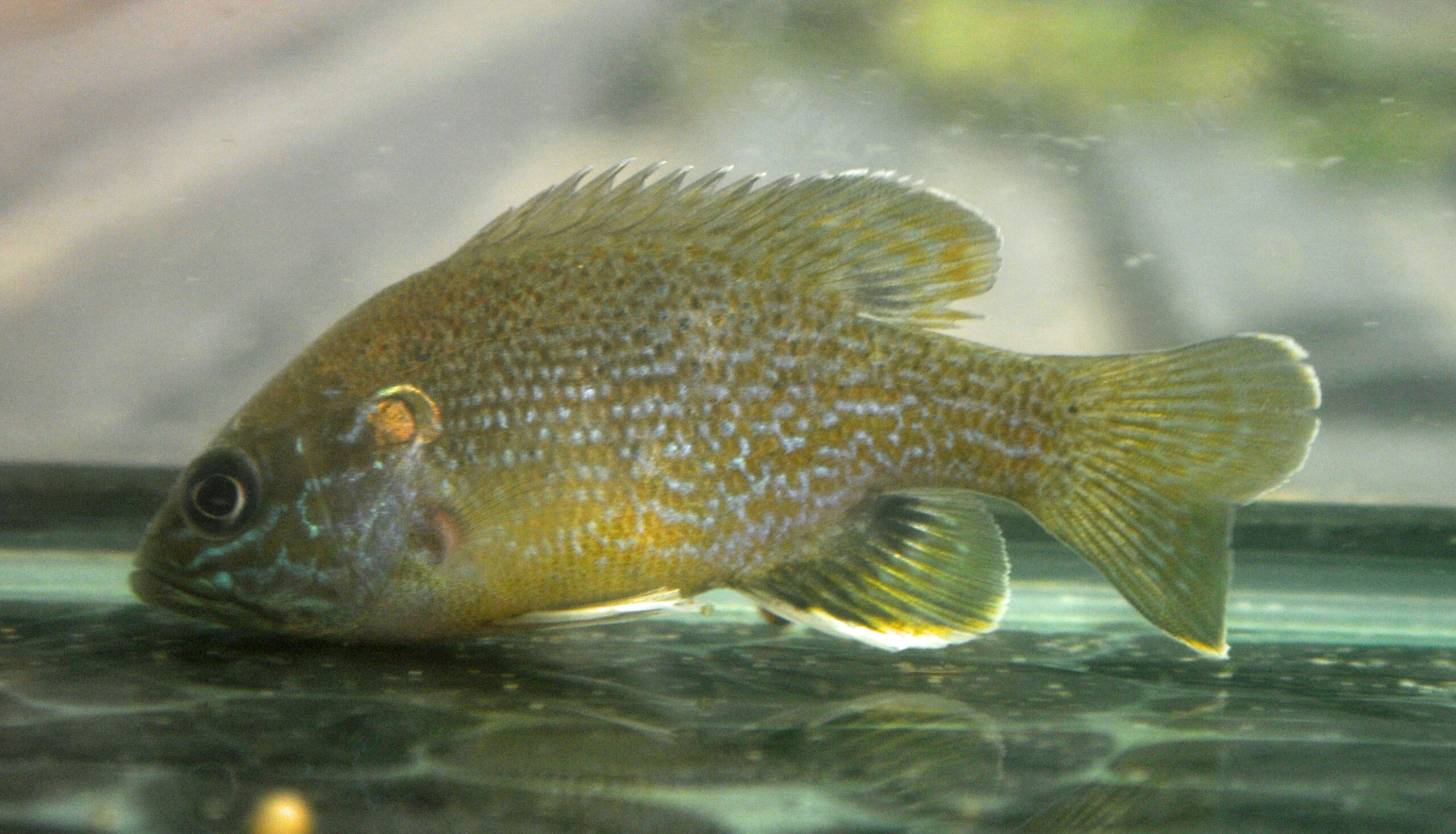 Photo Credit: Fredlyfish4 / Wikimedia Commons
In the shimmering waters of North America’s lakes and rivers, the Green Sunfish, or Lepomis cyanellus, glides gracefully among the reeds and rocks. With its vibrant green and yellow hues, this fish is a true gem of freshwater ecosystems. Its rounded body, which can grow up to 8 inches long, is adorned with striking blue spots that seem to dance in the sunlight. As it swims, the Green Sunfish showcases its unique ability to adapt to various habitats, making it a favorite among scientists and nature lovers alike.
Imagine a warm summer day, where the sun filters through the leaves, casting playful shadows on the water’s surface. Here, the Green Sunfish is not just a pretty face; it plays a vital role in its environment. As an omnivore, it feasts on a mix of insects, small fish, and plant matter, helping to maintain the balance of life beneath the waves. Its lively courtship rituals in spring, where males flaunt their brilliant colors to attract females, add a splash of excitement to the underwater world. This fascinating fish is more than just a colorful inhabitant of our lakes; it is a key player in the intricate web of life that thrives in these freshwater habitats.
The Green Sunfish, scientifically known as Lepomis cyanellus, occupies a distinctive position in the tree of life. This vibrant fish belongs to the kingdom Animalia, which includes all animals, and is part of the phylum Chordata, characterized by having a backbone. Within the class Actinopterygii, or ray-finned fishes, the Green Sunfish showcases its unique adaptations and behaviors. It is a member of the order Perciformes, which is the largest order of vertebrates, and the family Centrarchidae, known for its sunfish and bass species. What sets the Green Sunfish apart is its striking coloration and the ability to thrive in a variety of freshwater habitats, making it a favorite among anglers and nature enthusiasts alike.
| Taxonomic Rank | Scientific Name | Meaning & Significance |
|---|---|---|
| Kingdom | Animalia | This name signifies the broad category of multicellular organisms that are heterotrophic, meaning they consume organic material for energy. |
| Phylum | Chordata | Derived from the Latin word “chorda,” meaning “string,” this name refers to animals with a notochord, a flexible rod that supports the body during development. |
| Class | Actinopterygii | This term means “ray-finned fishes,” highlighting the structure of their fins, which are supported by bony rays rather than fleshy lobes. |
| Order | Perciformes | From the Latin “perca,” meaning “perch,” this name reflects the order’s diverse group of fish that often have a similar body shape and fin structure. |
| Family | Centrarchidae | This name comes from the Greek “kentron,” meaning “sharp point,” and “archos,” meaning “ruler,” referring to the spiny dorsal fins that many members of this family possess. |
| Genus | Lepomis | Derived from the Greek words “lepis,” meaning “scale,” and “omos,” meaning “shoulder,” this name highlights the fish’s scaled body and its distinctive shape. |
| Species | cyanellus | This species name comes from the Latin word “cyaneus,” meaning “dark blue,” which describes the beautiful blue-green coloration of the fish. |
The classification of the Green Sunfish reveals much about its evolutionary journey. As a member of the Centrarchidae family, it shares a common ancestor with other sunfish and bass, showcasing adaptations that have allowed it to thrive in freshwater environments. Its unique features, such as vibrant coloration and a specialized body shape, reflect the ecological niches it occupies. Understanding its taxonomic position not only highlights its biological traits but also connects it to the broader tapestry of life, illustrating how species evolve and adapt over time in response to their environments.
The evolutionary journey of the Green Sunfish, or Lepomis cyanellus, stretches back millions of years, intertwining with the history of freshwater ecosystems in North America. This fish is part of the Centrarchidae family, which includes a variety of sunfish species. The story of the Green Sunfish is one of adaptation and survival, showcasing how life evolves in response to changing environments.
The ancestors of the Green Sunfish emerged during the late Cretaceous period, around 100 million years ago. These early fish were part of a diverse group of bony fish known as teleosts, which began to dominate aquatic habitats. Over time, as continents shifted and climates changed, these ancestral forms adapted to various freshwater environments. The evolution of the Centrarchidae family marked a significant transition, as these fish developed specialized traits that allowed them to thrive in lakes, rivers, and ponds.
These adaptations have been crucial for the Green Sunfish’s survival in diverse habitats. Their ability to camouflage helps them evade predators, while their agile body shape allows for quick escapes and efficient hunting. The unique nesting behavior not only protects their young but also enhances reproductive success. With a flexible diet, they can thrive in different environments, ensuring that they remain a vibrant part of North America’s freshwater ecosystems. The evolutionary tale of the Green Sunfish is a testament to nature’s ingenuity in crafting life that can endure and flourish.
The Green Sunfish is a striking sight in the waters it inhabits. With a rounded body that can reach up to 8 inches in length, it boasts a robust and compact form. Its profile is slightly flattened, giving it a unique silhouette that glides gracefully through freshwater habitats. The fish’s vibrant colors, ranging from deep greens to shimmering blues, create a dazzling display, especially when sunlight dances across its scales. This colorful appearance is not just for show; it plays a role in attracting mates and warding off rivals.
| Feature | Description |
|---|---|
| Size | Up to 8 inches long |
| Color | Deep greens and blues with hints of yellow |
| Skin Type | Covered in scales |
| Body Shape | Rounded and slightly flattened |
The combination of its vibrant colors and sturdy body shape serves multiple purposes in the wild. The Green Sunfish’s scales not only provide protection from predators but also reflect light, enhancing its dazzling appearance. This visual spectacle can attract potential mates during the breeding season, ensuring the continuation of its species. Additionally, its compact form allows for agile movements, helping it navigate through aquatic plants and evade threats. Together, these features create a well-adapted fish that thrives in its freshwater environment.
The Green Sunfish thrives in a variety of freshwater habitats, painting a lively picture of life beneath the surface. These fish are often found in warm, shallow waters, where sunlight dances on the surface and plants sway gently with the current. They prefer areas with plenty of vegetation, such as lily pads and submerged grasses, which provide both shelter and hunting grounds. The vibrant colors of the Green Sunfish blend beautifully with the greens and browns of their surroundings, making them a delightful sight for anyone lucky enough to spot them.
Green Sunfish prefer warm waters, typically thriving in temperatures ranging from 70 to 80 degrees Fahrenheit. They are often found in areas with a moderate flow of water, which helps keep their environment rich in oxygen. These fish enjoy habitats that are not too deep, usually staying in waters less than 10 feet deep. The presence of aquatic plants is crucial, as they provide both food and protection from predators. The clarity of the water also plays a role, as Green Sunfish are more likely to be found in clean, clear waters where they can easily spot their prey.
Adaptation is key to the survival of the Green Sunfish in its chosen habitats. Their flattened bodies allow them to maneuver easily among the plants and rocks, while their vibrant colors help them blend in with the dappled light of their environment. They have developed a diet that includes insects, small crustaceans, and even smaller fish, making them versatile hunters. Additionally, their ability to thrive in a range of water conditions—from ponds to rivers—demonstrates their resilience and adaptability, allowing them to flourish in diverse ecosystems.
The daily life of the Green Sunfish is a vibrant tapestry woven with activity and interaction. As a diurnal species, these fish are most active during the day, darting through their warm, shallow habitats. They spend their mornings exploring the underwater landscape, searching for food like insects, small crustaceans, and plant matter. As the sun rises higher, they engage in playful swimming, often seen gliding gracefully among the aquatic plants. Their day is filled with foraging, resting, and socializing, creating a lively atmosphere in their watery world.
Social behavior is a key aspect of the Green Sunfish’s life. These fish are known to form schools, which are groups that swim together for safety and companionship. Within these schools, they establish a social hierarchy, where larger individuals often dominate feeding spots. Communication among them is vital; they use body language and subtle movements to signal their intentions and maintain group cohesion. This social structure not only helps them find food more efficiently but also provides protection from predators lurking in the shadows.
| Behavior Type | Description |
|---|---|
| Activity Patterns | Active during the day, engaging in foraging and swimming. |
| Social Structure | Forms schools with a hierarchy, where larger fish often lead. |
| Communication Methods | Uses body language and movements to convey messages within the group. |
The behaviors of the Green Sunfish are finely tuned to ensure their survival in a dynamic environment. By being active during the day, they maximize their chances of finding food while avoiding nocturnal predators. Their social structure not only enhances their feeding efficiency but also provides a safety net against threats. In this way, the Green Sunfish exemplifies how cooperation and communication can lead to thriving in the diverse ecosystems of freshwater habitats.
The Green Sunfish is an omnivore, which means it enjoys a varied diet that includes both plant and animal matter. This adaptability allows it to thrive in diverse environments. Green Sunfish primarily feed on smaller fish, crayfish, and various invertebrates, making them skilled hunters in their aquatic world. They often use their keen eyesight to spot prey and then dart in quickly to capture it. Their feeding behavior is not just about speed; they also forage among rocks and vegetation, using their mouths to sift through the substrate for hidden snacks like fish eggs and snails.
| Dietary Aspect | Details |
|---|---|
| Diet Type | Omnivore |
| Favorite Foods | Crayfish, smaller fish, fish eggs, zooplankton, invertebrates, and snails |
| Prey Items | Crayfish, smaller fish, fish eggs, and various invertebrates |
| Hunting/Foraging Strategies | Uses keen eyesight to spot prey, darts quickly to capture, and forages among rocks and vegetation |
This diverse diet plays a crucial role in the Green Sunfish’s ecology and daily routine. By consuming a wide range of food sources, these fish help maintain the balance of their freshwater ecosystems. Their feeding habits not only influence their own growth and health but also impact the populations of the species they prey upon. As they hunt and forage, Green Sunfish contribute to the dynamic interactions within their habitats, showcasing the intricate web of life that thrives beneath the water’s surface.
As the warm days of spring arrive, the Green Sunfish begins its lively courtship rituals. Males become particularly vibrant, showcasing their bright colors to attract females. During this breeding season, which typically occurs from late spring to early summer, males establish territories in shallow waters. They create nests by clearing away debris on the bottom, often in sandy or gravelly areas. Once a female approaches, the male performs a series of dances and displays to entice her to lay her eggs in his nest.
| Reproductive Aspect | Details |
|---|---|
| Gestation Period | Eggs hatch in about 3 to 5 days |
| Litter Size | Typically 1,000 to 5,000 eggs |
| Age of Maturity | About 1 year |
| Name of Young | Fry |
After the eggs are laid, the male takes on the role of protector. He guards the nest fiercely, ensuring that predators stay away from the developing eggs. Once the eggs hatch, the tiny fry emerge and are initially vulnerable. They rely on their father’s watchful eye as they begin to explore their surroundings. Over the next few weeks, the fry grow rapidly, feeding on tiny organisms in the water. As they mature, they gradually gain independence, eventually venturing out on their own. This nurturing behavior helps ensure that some of the young will survive to adulthood, continuing the cycle of life in their vibrant aquatic world.
The Green Sunfish plays a vital role in its aquatic ecosystem, sitting comfortably in the middle of the food web. As an omnivore, it feasts on a variety of foods, including insects, small fish, and plant matter. This adaptability not only helps it thrive but also makes it a target for various predators. In turn, it contributes to the diet of larger fish and birds, creating a dynamic balance in its habitat.
To survive these threats, the Green Sunfish employs several clever strategies. When danger approaches, it can quickly dart into dense vegetation or hide among rocks, using its coloration to blend in with the surroundings. This camouflage helps it avoid detection. Additionally, its ability to swim swiftly allows it to escape from larger predators. By staying alert and using its environment wisely, the Green Sunfish continues to thrive despite the challenges it faces in the wild.
A keystone species is a vital part of its ecosystem, meaning its presence and activities have a significant impact on the environment and other organisms. The Green Sunfish, or Lepomis cyanellus, qualifies as a keystone species in many freshwater habitats. Its role is crucial because it helps maintain the balance of the ecosystem, influencing both the community of plants and animals around it.
Green Sunfish contribute to their ecosystems in several important ways. As omnivores, they consume a wide variety of food, including insects, small fish, and plant matter. This diverse diet helps control populations of these organisms, preventing any one species from becoming too dominant. For example, by eating insects, they help keep pest populations in check, which can benefit aquatic plants and other fish species. Additionally, their feeding habits can stir up sediment on the bottom of lakes and rivers, which can promote the growth of algae and other aquatic plants by making nutrients more available.
Moreover, Green Sunfish are social creatures that often school together. This behavior not only provides safety in numbers but also influences the behavior of other fish species in the area. When they gather in groups, they can create a dynamic environment that encourages other fish to thrive. Their presence can attract larger predators, which helps maintain the balance of the food web.
If Green Sunfish were to disappear from their ecosystems, the effects could be profound. Without these fish, insect populations could surge, leading to overpopulation and potential harm to aquatic plants. This imbalance could ripple through the food web, affecting not only other fish but also birds and mammals that rely on these fish as a food source. The loss of Green Sunfish would disrupt the delicate balance of their habitats, highlighting just how important they are to the health of freshwater ecosystems.
The Green Sunfish, known scientifically as Lepomis cyanellus, plays a crucial role in its ecosystem, acting as both a predator and prey within freshwater habitats. This vibrant fish thrives in warm, shallow waters, where it interacts with various species and contributes to the balance of its environment. By feeding on a diverse diet of insects, small fish, and plant matter, the Green Sunfish helps regulate populations of these organisms, ensuring that no single species dominates the ecosystem. Its presence supports a rich tapestry of life, making it an essential player in the aquatic community.
| Ecosystem Service | Impact |
|---|---|
| Predation | Controls populations of insects and smaller fish, preventing overpopulation. |
| Food Source | Serves as prey for larger fish, birds, and mammals, contributing to the food web. |
| Habitat Structure | Creates nesting sites that provide shelter for other aquatic organisms. |
| Nutrient Cycling | Contributes to the breakdown of organic matter, enriching the ecosystem. |
The influence of the Green Sunfish extends beyond its immediate interactions. For instance, by preying on insects, it helps maintain a balance that benefits aquatic plants, which rely on clear waters for sunlight. Additionally, the nesting behavior of male Green Sunfish creates small depressions in the substrate, which can serve as habitats for other species, such as invertebrates. This nesting activity not only provides shelter but also encourages biodiversity, as various organisms take advantage of the structures created by these fish.
The broader ecological importance of the Green Sunfish cannot be overstated. As a keystone species, its presence is vital for maintaining the health of freshwater ecosystems. By regulating populations and providing food for larger predators, the Green Sunfish helps sustain the intricate web of life in its habitat. Its adaptability and role in nutrient cycling further enhance the resilience of these ecosystems, ensuring they can thrive even in changing environmental conditions. In essence, the Green Sunfish is not just a colorful inhabitant of our waters; it is a cornerstone of aquatic life, supporting a diverse and balanced ecosystem.
In the intricate web of life, symbiosis refers to the close and often long-term interactions between different species. These relationships can take many forms, including mutualism, where both species benefit, parasitism, where one benefits at the expense of the other, and commensalism, where one benefits while the other is neither helped nor harmed. The Green Sunfish, or Lepomis cyanellus, engages in various ecological partnerships that highlight the dynamic interactions within its freshwater habitat.
| Species/Type | Relationship Type | Description |
|---|---|---|
| Cleaner Fish | Mutualistic | Green Sunfish may allow small cleaner fish to remove parasites from their skin, benefiting from reduced parasite loads while the cleaner fish gain a meal. |
| Water Plants | Commensal | Green Sunfish often seek shelter among aquatic plants, which provide protection from predators. The plants are not affected by this behavior. |
| Leeches | Parasitic | Leeches can attach to Green Sunfish, feeding on their blood. This relationship harms the fish while benefiting the leech. |
These relationships have evolved over time, shaped by the needs and behaviors of the species involved. The mutualistic interactions, like those with cleaner fish, showcase how cooperation can enhance survival for both parties. Meanwhile, the parasitic connections, such as with leeches, illustrate the challenges that come with living in a shared environment. Understanding these partnerships not only highlights the complexity of ecosystems but also emphasizes the importance of each species in maintaining the balance of their habitats.
The Green Sunfish is a captivating fish that brings color and life to freshwater ecosystems. With its vibrant hues and intriguing behaviors, this species has some surprising traits that even seasoned nature enthusiasts might not know.
The Green Sunfish, or Lepomis cyanellus, has a long history of interaction with humans, dating back to the early days of fishing and cultural storytelling. Native American tribes often revered this colorful fish, incorporating it into their folklore and using it as a food source. The vibrant hues of the Green Sunfish have inspired artists and nature enthusiasts alike, symbolizing the beauty of freshwater ecosystems. As settlers moved across North America, they recognized the Green Sunfish as a valuable catch, leading to its popularity among anglers. This relationship has evolved over time, reflecting both admiration and practical use.
Today, the interactions between Green Sunfish and humans are multifaceted. While many people still enjoy fishing for them, there are growing concerns about conservation and habitat preservation. Urban development and pollution threaten the delicate balance of freshwater ecosystems where these fish thrive. Conservationists are working to protect these habitats, ensuring that the Green Sunfish can continue to flourish. Additionally, some communities have embraced sustainable fishing practices, promoting a harmonious relationship with nature. However, conflicts can arise when invasive species disrupt local ecosystems, leading to competition for resources.
As we look to the future, the relationship between Green Sunfish and humanity holds promise and challenges. With increased awareness of environmental issues, more people are advocating for the protection of freshwater habitats. By fostering a sense of stewardship, we can ensure that future generations will not only enjoy the thrill of fishing for Green Sunfish but also appreciate their vital role in the ecosystem. Together, we can create a sustainable future where both humans and Green Sunfish thrive in harmony.
The Green Sunfish, known scientifically as Lepomis cyanellus, currently holds a conservation status of “Not Listed” according to the International Union for Conservation of Nature (IUCN). This means that, as of now, there are no immediate concerns regarding its population levels. However, while the species is not currently threatened, ongoing monitoring is essential to ensure that it remains stable. Population trends suggest that Green Sunfish are relatively abundant in their native habitats across North America, particularly in warm, shallow waters.
| Conservation Factor | Status/Details |
|---|---|
| IUCN Status | Not Listed |
| Population Estimates | Relatively abundant |
| Trend Direction | Stable |
Despite its current stable status, the Green Sunfish faces several threats that could impact its future. Habitat degradation is a significant concern, as pollution and development can lead to the loss of the warm, shallow waters these fish prefer. Additionally, competition with invasive species can disrupt local ecosystems, putting pressure on native fish populations, including the Green Sunfish. Overfishing in some areas can also pose a risk, as it may reduce their numbers and affect their breeding success.
Conservation efforts for the Green Sunfish focus on habitat protection and restoration. By maintaining clean waterways and preserving natural habitats, we can help ensure that this vibrant fish continues to thrive. Community awareness and responsible fishing practices are also vital in supporting the species. With ongoing efforts and a commitment to protecting their environments, the outlook for the Green Sunfish remains positive, allowing future generations to enjoy their colorful presence in freshwater ecosystems.
| Question | Answer |
|---|---|
| What is the habitat of the Green Sunfish? | Green Sunfish are commonly found in warm, shallow waters like ponds, lakes, and slow-moving rivers. They prefer areas with plenty of vegetation, which provides shelter and places to hunt for food. |
| What do Green Sunfish eat? | These fish are omnivores, meaning they eat both plants and animals. Their diet includes insects, small crustaceans, and even algae, making them adaptable to different food sources in their environment. |
| How do Green Sunfish behave? | Green Sunfish are known for their curious and sometimes aggressive nature. They often defend their territory, especially during the breeding season, and can be seen darting around their habitat in search of food or to chase away intruders. |
| How do Green Sunfish reproduce? | During the breeding season, male Green Sunfish create nests by clearing out a spot on the bottom of their habitat. They attract females to these nests, where the female lays eggs, and the male fertilizes them, guarding the nest until the eggs hatch. |
| What threats do Green Sunfish face? | While Green Sunfish are not currently listed as endangered, they can face threats from habitat destruction and pollution. Changes in water quality and the introduction of invasive species can also impact their populations. |
| What are some interesting characteristics of Green Sunfish? | Green Sunfish are known for their vibrant colors, which can include shades of green, blue, and yellow. They also have a distinctive dark spot at the base of their dorsal fin, making them easy to identify among other sunfish species. |
| Can Green Sunfish be kept in aquariums? | Yes, Green Sunfish can be kept in aquariums, but they require a spacious tank with plenty of hiding spots. They can be territorial, so it's best to keep them with other fish that are similar in size and temperament. |