Taxonomy & Classification
- Kingdom
- Animalia
- Phylum
- Chordata
- Class
- Chondrichthyes
- Order
- Carcharhiniformes
- Family
- Carcharhinidae
- Genus
- Carcharhinus
- Species
- Carcharhinus amblyrhynchos

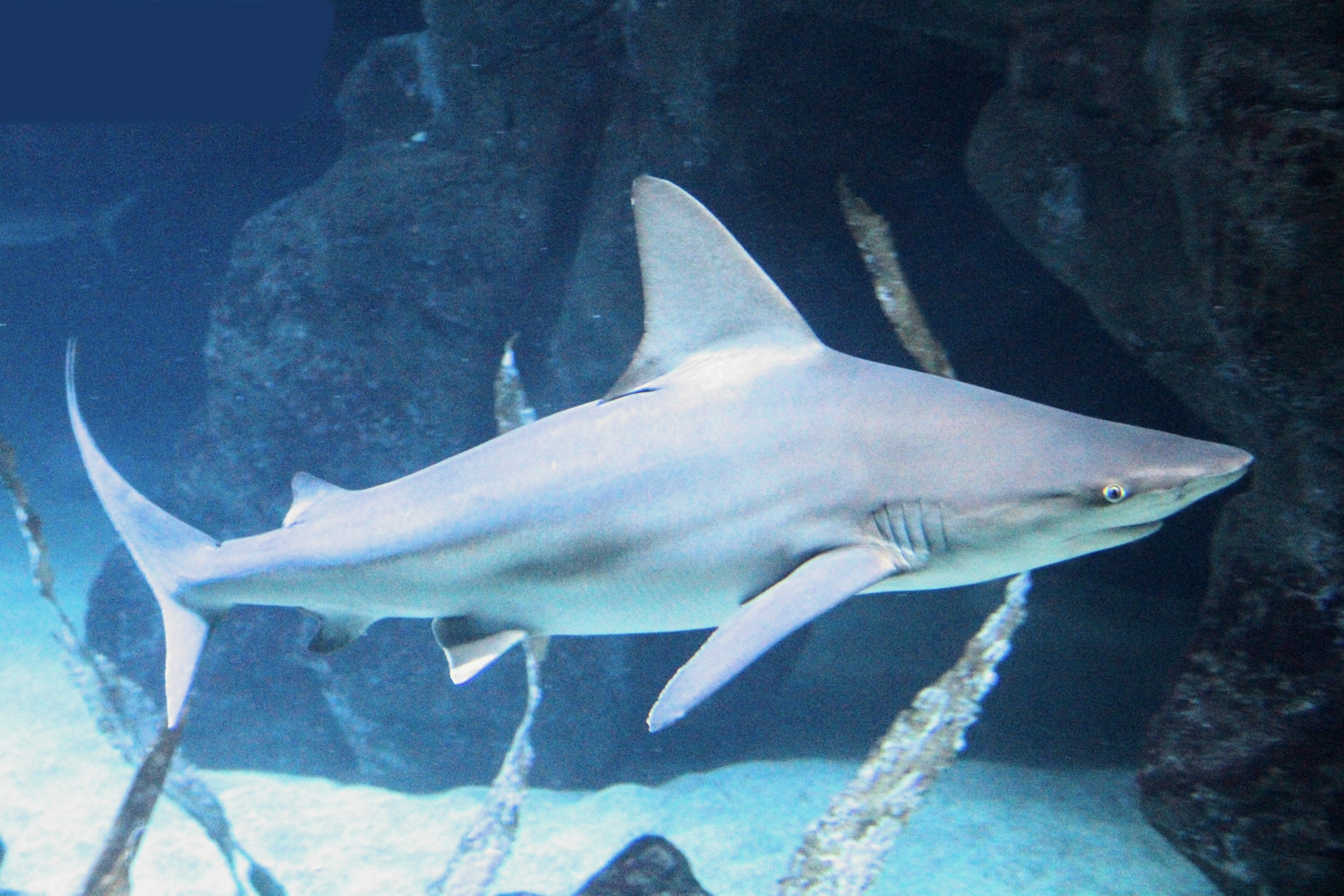 Photo Credit: Tupungato / Wikimedia Commons
In the shimmering blue waters of tropical oceans, the Grey Reef Shark, or Carcharhinus amblyrhynchos, glides with an effortless grace that captivates all who encounter it. With its sleek, torpedo-shaped body and distinctive grey coloration, this shark is a master of its underwater realm. As it weaves through vibrant coral reefs, the Grey Reef Shark showcases its keen hunting skills, darting after schools of fish with remarkable speed and agility. Scientists and nature enthusiasts alike are drawn to this creature not just for its beauty, but for its vital role in maintaining the balance of marine ecosystems.
Imagine a bustling underwater city, where the Grey Reef Shark reigns as a top predator, patrolling the coral gardens that rise like colorful skyscrapers from the sandy ocean floor. Its presence is crucial; as a keystone species, it helps regulate fish populations, ensuring that the delicate web of life in the ocean remains intact. The Grey Reef Shark’s fascinating behaviors, from its social interactions to its unique mating rituals, reveal a complex world that is both mysterious and essential to our planet’s health. As we dive deeper into the life of this remarkable shark, we uncover the intricate connections it shares with its environment and the challenges it faces in a rapidly changing world.
The Grey Reef Shark, scientifically known as Carcharhinus amblyrhynchos, occupies a significant position in the tree of life, showcasing the incredible diversity of the animal kingdom. As a member of the class Chondrichthyes, which includes all sharks and rays, this species is distinguished by its cartilaginous skeleton—meaning its body is made of cartilage rather than bone. This unique feature allows for greater flexibility and buoyancy in the water, making the Grey Reef Shark an agile predator in its oceanic habitat. With its sleek body and keen hunting skills, it plays a vital role in maintaining the balance of marine ecosystems.
| Taxonomic Rank | Scientific Name | Meaning & Significance |
|---|---|---|
| Kingdom | Animalia | This classification includes all animals, highlighting the Grey Reef Shark’s status as a complex, multicellular organism. |
| Phylum | Chordata | Chordates are characterized by having a notochord, a flexible rod that supports the body. In sharks, this is replaced by a backbone during development. |
| Class | Chondrichthyes | This class is known for its members having cartilaginous skeletons, which is a key adaptation for life in the ocean. |
| Order | Carcharhiniformes | This order includes ground sharks, which are typically characterized by their elongated bodies and well-developed senses, perfect for hunting. |
| Family | Carcharhinidae | Commonly known as requiem sharks, this family includes many species that are known for their adaptability and wide distribution in warm waters. |
| Genus | Carcharhinus | The name means “sharp snout,” referring to the pointed shape of the shark’s head, which aids in its predatory lifestyle. |
| Species | amblyrhynchos | This name translates to “blunt snout,” describing the shark’s distinctive head shape, which is a key feature for identification. |
The classification of the Grey Reef Shark reveals much about its evolutionary history. As a member of the Chondrichthyes class, it shares a lineage that dates back over 400 million years, long before the dinosaurs roamed the Earth. This ancient ancestry highlights the shark’s successful adaptations to marine life, allowing it to thrive in diverse environments. Understanding its taxonomic position not only sheds light on its biological characteristics but also emphasizes the importance of conserving such species, which are integral to the health of our oceans.
The evolutionary journey of the Grey Reef Shark, or Carcharhinus amblyrhynchos, stretches back millions of years, tracing its lineage to ancient ancestors that swam the oceans long before dinosaurs roamed the Earth. Sharks, in general, have been around for over 400 million years, making them one of the oldest groups of vertebrates. The Grey Reef Shark, specifically, has adapted and evolved through various environmental changes, showcasing the resilience and adaptability of its species.
The ancestors of modern sharks were quite different from the sleek hunters we see today. Early sharks had a more primitive body structure, with less streamlined shapes and fewer specialized features. Over time, as the oceans changed, these ancestral forms underwent significant transformations. The development of a more hydrodynamic body allowed for faster swimming, while the evolution of keen senses, such as acute vision and the ability to detect electrical fields, enhanced their hunting capabilities. These adaptations were crucial as they began to occupy various ecological niches, leading to the diverse shark species we know today.
The adaptations of the Grey Reef Shark have played a vital role in its survival. The streamlined body not only aids in speed but also helps it navigate complex reef environments. Its acute senses allow it to hunt effectively, even in challenging conditions. The powerful jaws ensure that it can tackle a variety of prey, while social behavior enhances its chances of finding food and avoiding danger. Together, these traits have enabled the Grey Reef Shark to thrive in the diverse and often competitive ecosystems of coral reefs, showcasing the wonders of evolution in action.
The Grey Reef Shark glides through the ocean with an air of confidence and grace. Its streamlined body is built for speed, allowing it to navigate the waters with ease. With a sleek, torpedo-like shape, this shark can reach impressive lengths, making it a formidable presence in its underwater realm. The combination of its powerful fins and muscular build gives it the agility to dart through coral reefs and open waters alike, showcasing its prowess as a skilled predator.
| Feature | Description |
|---|---|
| Weight | 20-30 kg (44-66 lbs) |
| Skin Type | Rough |
The Grey Reef Shark’s physical features are not just for show; they play crucial roles in its survival. Its rough skin, covered in tiny, tooth-like structures called dermal denticles, reduces drag as it swims, allowing for swift movements. This adaptation is essential for catching prey and evading larger predators. The shark’s weight, while significant, is perfectly balanced with its muscular build, enabling it to make quick turns and sudden bursts of speed. Together, these characteristics make the Grey Reef Shark a master of its aquatic environment, perfectly adapted to thrive in the vibrant ecosystems of the ocean.
The Grey Reef Shark thrives in the vibrant, sunlit waters of tropical and subtropical oceans. Picture a bustling underwater city, where colorful coral reefs rise like skyscrapers from the sandy ocean floor. These reefs are not just beautiful; they provide essential shelter and hunting grounds for the Grey Reef Shark. As it swims gracefully through the clear blue waters, it navigates around the intricate structures of coral, always on the lookout for its next meal.
This shark prefers warm waters, typically ranging from 68 to 86 degrees Fahrenheit (20 to 30 degrees Celsius). These temperatures are ideal for the coral reefs where it resides, as they support a rich diversity of marine life. The Grey Reef Shark is often found in shallow waters, usually less than 100 feet deep, where sunlight can penetrate and fuel the growth of the corals. The clear waters also allow the shark to spot prey from a distance, making it an effective hunter.
Adapted to its coral reef habitat, the Grey Reef Shark has developed keen senses and agile swimming abilities. Its streamlined body allows it to maneuver swiftly through the complex reef structures, while its excellent eyesight helps it detect movement in the water. Additionally, its ability to tolerate varying salinity levels means it can thrive in different environments, from the open ocean to the edges of lagoons. These adaptations not only enhance its survival but also make it a vital part of the reef ecosystem, helping to maintain the balance of marine life.
The daily life of a Grey Reef Shark is a blend of stealth and agility, as it navigates the vibrant coral reefs and open waters of its tropical home. These sharks are primarily active during the day, using their keen senses to hunt for food. They often patrol their territory, gliding gracefully through the water in search of fish, crustaceans, and other marine life. With their sharp eyesight and acute sense of smell, they can detect prey from a distance, making them efficient hunters.
While Grey Reef Sharks are known for their solitary lifestyle, they can also be seen in small groups, especially around abundant food sources. These gatherings are not permanent; rather, they are temporary alliances formed during feeding times. When they come together, they exhibit fascinating social behaviors, such as swimming in synchronized patterns and maintaining a respectful distance from one another. This social structure helps them avoid conflicts while still benefiting from the safety of numbers.
| Behavior Type | Description |
|---|---|
| Hunting | Grey Reef Sharks actively hunt during the day, using their keen senses to locate prey like fish and crustaceans. |
| Social Structure | While primarily solitary, they form temporary groups around food sources, showcasing a flexible social behavior. |
| Communication | They communicate through body language, such as swimming patterns and postures, to establish dominance or avoid conflict. |
The behaviors of Grey Reef Sharks are finely tuned to ensure their survival in a dynamic marine environment. Their ability to hunt effectively, adapt to social situations, and communicate with one another allows them to thrive in the competitive world of the ocean. By balancing solitary and social behaviors, these sharks maximize their chances of finding food while minimizing risks, showcasing the intricate dance of life beneath the waves.
The Grey Reef Shark is a carnivore, meaning it primarily eats meat. This sleek predator has a taste for a variety of marine life, including fish, crabs, and squid. With its keen senses and agile body, the Grey Reef Shark employs a mix of stealth and speed to hunt. It often patrols the coral reefs, where it can ambush unsuspecting prey. This hunting strategy allows it to thrive in its vibrant underwater environment, making it a key player in the ocean’s food web.
| Dietary Aspect | Details |
|---|---|
| Diet Type | Carnivore |
| Favorite Foods | Fish, Crab, Squid |
| Prey Items | Small to medium-sized fish, crustaceans, and cephalopods |
| Hunting/Foraging Strategies | Stealthy ambush and quick bursts of speed |
The diet of the Grey Reef Shark plays a crucial role in shaping its ecology and daily routine. By preying on various marine species, it helps maintain the balance of the reef ecosystem. This predator not only controls fish populations but also contributes to the health of coral reefs by ensuring that no single species dominates. As it hunts, the Grey Reef Shark moves gracefully through its habitat, embodying the dynamic interplay of life beneath the waves.
The mating behavior of the Grey Reef Shark is as intriguing as it is essential for the continuation of the species. During the breeding season, which typically occurs in the warmer months, males engage in a courtship ritual that involves swimming closely alongside females. This dance can be quite a spectacle, as males may bite the females gently to establish dominance and show their interest. Once a female is receptive, the pair will mate, and the female will carry the developing embryos inside her body.
| Reproductive Aspect | Details |
|---|---|
| Gestation Period | About 10 to 12 months |
| Litter Size | Average of 4 |
| Age of Maturity | Around 5 to 6 years |
| Name of Young | Pups |
Once the pups are ready to enter the world, the female gives birth to live young, a process known as viviparity. This means that instead of laying eggs, the pups develop inside her and are born fully formed. After birth, the young Grey Reef Sharks are independent and must fend for themselves right away. They often seek refuge in shallow waters or among coral reefs, where they can find food and avoid larger predators. As they grow, these pups will gradually venture into deeper waters, maturing into the agile hunters they are destined to become. The journey from pup to adult is filled with challenges, but it is a vital part of the life cycle of these magnificent sharks.
The Grey Reef Shark plays a crucial role in the marine food web, acting as both predator and prey. As a skilled hunter, it helps maintain the balance of ocean ecosystems by controlling the populations of smaller fish and invertebrates. However, this apex predator is not without its challenges. It faces various threats that can impact its survival and the health of its habitat.
To defend itself against these dangers, the Grey Reef Shark employs several survival strategies. It often relies on its speed and agility to evade larger predators, darting through the water with impressive bursts of energy. Additionally, these sharks are known to use their environment to their advantage, hiding among coral reefs and rocky outcrops. By staying alert and using their keen senses, Grey Reef Sharks can detect threats early, allowing them to react swiftly and escape danger.
A keystone species is an organism that has a disproportionately large impact on its environment relative to its abundance. In the case of the Grey Reef Shark, or Carcharhinus amblyrhynchos, it certainly qualifies as a keystone species in its ecosystem. This shark plays a vital role in maintaining the balance of marine life, particularly in the vibrant coral reefs where it resides.
Grey Reef Sharks are skilled predators, and their presence helps regulate the populations of various fish and invertebrates. By preying on species such as smaller fish and crustaceans, they prevent any one group from becoming too dominant. This balance is crucial for the health of coral reefs, which rely on a diverse array of species to thrive. For example, if a particular fish species were to overpopulate, it could lead to overgrazing of algae, which in turn could harm the coral itself.
Moreover, these sharks contribute to the overall health of the reef ecosystem by promoting biodiversity. When Grey Reef Sharks hunt, they often target the sick or weak individuals in a population. This natural selection process helps ensure that the strongest and healthiest individuals survive and reproduce, leading to a more resilient ecosystem. Their hunting behavior also creates opportunities for other species, as the remains of their meals provide food for scavengers like cleaner fish and crabs.
If Grey Reef Sharks were to disappear from their habitats, the consequences could be dire. Without these apex predators, smaller fish populations could explode, leading to overgrazing of algae and a decline in coral health. This imbalance could result in the degradation of the entire reef ecosystem, affecting countless marine species and the livelihoods of communities that depend on healthy oceans. The loss of Grey Reef Sharks would not only disrupt the intricate web of life in the ocean but also diminish the beauty and diversity of coral reefs that many people cherish.
The Grey Reef Shark, known scientifically as Carcharhinus amblyrhynchos, plays a vital role in its ecosystem, particularly in the warm waters and coral reefs it calls home. As a top predator, it helps maintain the balance of marine life by controlling the populations of various fish and invertebrates. This balance is crucial for the health of coral reefs, which are bustling hubs of biodiversity. By keeping prey species in check, the Grey Reef Shark ensures that no single species dominates the ecosystem, allowing for a rich tapestry of life to flourish.
| Ecosystem Service | Impact |
|---|---|
| Population Control | Regulates the numbers of smaller fish and invertebrates, preventing overpopulation. |
| Habitat Health | Supports coral reef health by maintaining a balanced food web. |
| Nutrient Cycling | Contributes to nutrient cycling through its feeding habits, which helps sustain marine life. |
| Tourism and Economy | Attracts divers and tourists, supporting local economies and conservation efforts. |
The influence of the Grey Reef Shark extends beyond mere predation. For instance, by preying on herbivorous fish, it helps prevent these fish from overgrazing on algae that can smother corals. This dynamic is essential for the health of coral reefs, which provide habitat for countless marine species. Additionally, the presence of Grey Reef Sharks can enhance the diversity of fish populations, as their hunting activities create opportunities for other species to thrive. In this way, they act as a catalyst for a vibrant underwater community.
The broader ecological importance of the Grey Reef Shark cannot be overstated. As a keystone species, its presence is crucial for the stability of the marine ecosystem. When Grey Reef Sharks are abundant, the entire reef system benefits, leading to healthier corals and a more diverse array of marine life. Conversely, when their numbers decline, the effects can ripple throughout the ecosystem, leading to imbalances that threaten the very fabric of coral reef habitats. Protecting these magnificent sharks is not just about preserving a single species; it is about safeguarding the intricate web of life that depends on them.
In the intricate web of ocean life, symbiosis plays a crucial role in shaping the relationships between different species. Symbiosis refers to the close interactions between organisms, which can be beneficial, harmful, or neutral. These relationships can be classified into three main types: mutualism, where both species benefit; commensalism, where one species benefits while the other is neither helped nor harmed; and parasitism, where one species benefits at the expense of the other. The Grey Reef Shark, a skilled predator of the coral reefs, engages in various partnerships that highlight the complexity of marine ecosystems.
| Species/Type | Relationship Type | Description |
|---|---|---|
| Cleaner Wrasse | Mutualistic | The Grey Reef Shark allows cleaner wrasses to remove parasites and dead skin from its body. In return, the wrasses get a meal, and the shark enjoys better health. |
| Remora Fish | Commensal | Remoras attach themselves to the Grey Reef Shark, gaining protection and transportation. The shark is generally unaffected by their presence. |
| Sea Turtles | Parasitic | While not a direct relationship, Grey Reef Sharks may prey on sick or injured sea turtles, benefiting from the weakened state of the turtles. |
These relationships have evolved over time, shaped by the needs and behaviors of the species involved. The mutualistic bond between the Grey Reef Shark and cleaner wrasses is a perfect example of how cooperation can enhance survival. By allowing wrasses to clean them, sharks reduce their parasite load, which can lead to better health and increased hunting efficiency. Meanwhile, remoras benefit from hitching a ride, gaining safety in numbers without harming the shark. Even the more predatory interactions, like those with sea turtles, illustrate the balance of life in the ocean, where every species plays a role in the grand tapestry of marine ecosystems. Understanding these connections helps us appreciate the delicate balance of nature and the importance of preserving these relationships for future generations.
The Grey Reef Shark is not just another fish in the sea; it’s a fascinating predator that plays a vital role in its underwater ecosystem. Here are some surprising facts that showcase the incredible life of this remarkable shark.
The relationship between Grey Reef Sharks and humanity has evolved over centuries, marked by a blend of reverence and fear. Historically, these sharks have held significant cultural importance in many coastal communities. In some Pacific Island cultures, they are seen as guardians of the sea, embodying strength and resilience. Ancient myths often depict them as powerful spirits, while fishermen have long respected their role in the ocean’s ecosystem. However, this admiration is often shadowed by fear, as stories of shark attacks have fueled a perception of these creatures as dangerous predators.
In contemporary times, interactions between Grey Reef Sharks and humans have become more complex. As awareness of marine conservation grows, efforts to protect these sharks have increased. Organizations are working to establish marine protected areas, where fishing is restricted to help maintain healthy shark populations. Yet, conflicts still arise, particularly in regions where fishing industries clash with conservation efforts. Some communities rely on fishing for their livelihoods, leading to tensions over shark conservation. Additionally, the rise of ecotourism has introduced a new dynamic, with divers seeking to observe these magnificent sharks in their natural habitat, fostering a greater appreciation for their role in the ecosystem.
As we look to the future, the relationship between Grey Reef Sharks and humanity stands at a crossroads. With increasing awareness of the importance of biodiversity and healthy oceans, there is hope for a more harmonious coexistence. By fostering respect and understanding, we can work towards protecting these incredible sharks while supporting the communities that depend on the sea. The journey ahead will require collaboration, education, and a commitment to preserving the delicate balance of marine ecosystems, ensuring that both humans and Grey Reef Sharks can thrive together.
The Grey Reef Shark, known scientifically as Carcharhinus amblyrhynchos, is currently classified as Endangered. This status reflects a concerning decline in its population, primarily due to human activities. Overfishing and habitat degradation have significantly impacted their numbers, leading to a worrying trend that calls for immediate attention and action. As these sharks are vital to the health of coral reef ecosystems, their decline poses a threat not only to their species but also to the marine environments they inhabit.
| Conservation Factor | Status/Details |
|---|---|
| IUCN Status | Endangered |
| Population Estimates | Unknown, but significantly declining |
| Trend Direction | Decreasing |
The main threats to the Grey Reef Shark stem from human activities. Overfishing, particularly for their fins, has led to drastic reductions in their populations. Shark finning, the practice of removing fins and discarding the rest of the shark, is especially harmful. Additionally, habitat destruction from coastal development and pollution further endangers these sharks. As they rely on healthy coral reefs for food and shelter, the degradation of these ecosystems directly impacts their survival.
Conservation efforts are underway to protect the Grey Reef Shark and its habitat. Marine protected areas (MPAs) have been established in some regions, providing safe havens where these sharks can thrive without the pressures of fishing. Education and awareness campaigns are also crucial, helping communities understand the importance of sharks in maintaining healthy oceans. While the outlook for the Grey Reef Shark remains challenging, ongoing conservation initiatives offer hope for their recovery and the preservation of the vibrant ecosystems they support.
| Question | Answer |
|---|---|
| Where do Grey Reef Sharks live? | Grey Reef Sharks are found in warm waters, particularly around coral reefs. They prefer shallow areas where they can hunt and find shelter, making places like the Pacific and Indian Oceans their favorite homes. |
| What do Grey Reef Sharks eat? | As carnivores, Grey Reef Sharks primarily eat fish and invertebrates. Their diet includes smaller fish like snapper and grouper, as well as crustaceans, which they skillfully hunt in their reef habitats. |
| How do Grey Reef Sharks behave? | Grey Reef Sharks are known for their curious and social nature. They often swim in groups, called schools, and can be seen patrolling their territory, showcasing their agile swimming skills. |
| How do Grey Reef Sharks reproduce? | Grey Reef Sharks are viviparous, meaning they give birth to live young rather than laying eggs. After a gestation period of about 10 to 12 months, females give birth to around 4 to 6 pups, which are independent from the moment they are born. |
| What threats do Grey Reef Sharks face? | Grey Reef Sharks are currently classified as endangered due to overfishing and habitat loss. Their populations are declining because of fishing practices that target them for their fins and meat, as well as the destruction of coral reefs where they live. |
| What are some interesting characteristics of Grey Reef Sharks? | One fascinating feature of Grey Reef Sharks is their ability to sense electrical fields in the water, which helps them locate prey. They also have a distinctive grey coloration on their backs, which provides camouflage against the ocean floor. |
| How fast can Grey Reef Sharks swim? | Grey Reef Sharks are quite fast swimmers, capable of reaching speeds up to 25 miles per hour (40 kilometers per hour). This speed helps them catch prey and evade larger predators in their environment. |