Taxonomy & Classification
- Kingdom
- Animalia
- Phylum
- Chordata
- Class
- Mammalia
- Order
- Carnivora
- Family
- Ursidae
- Genus
- Ursus
- Species
- Ursus Arctos Horriblis

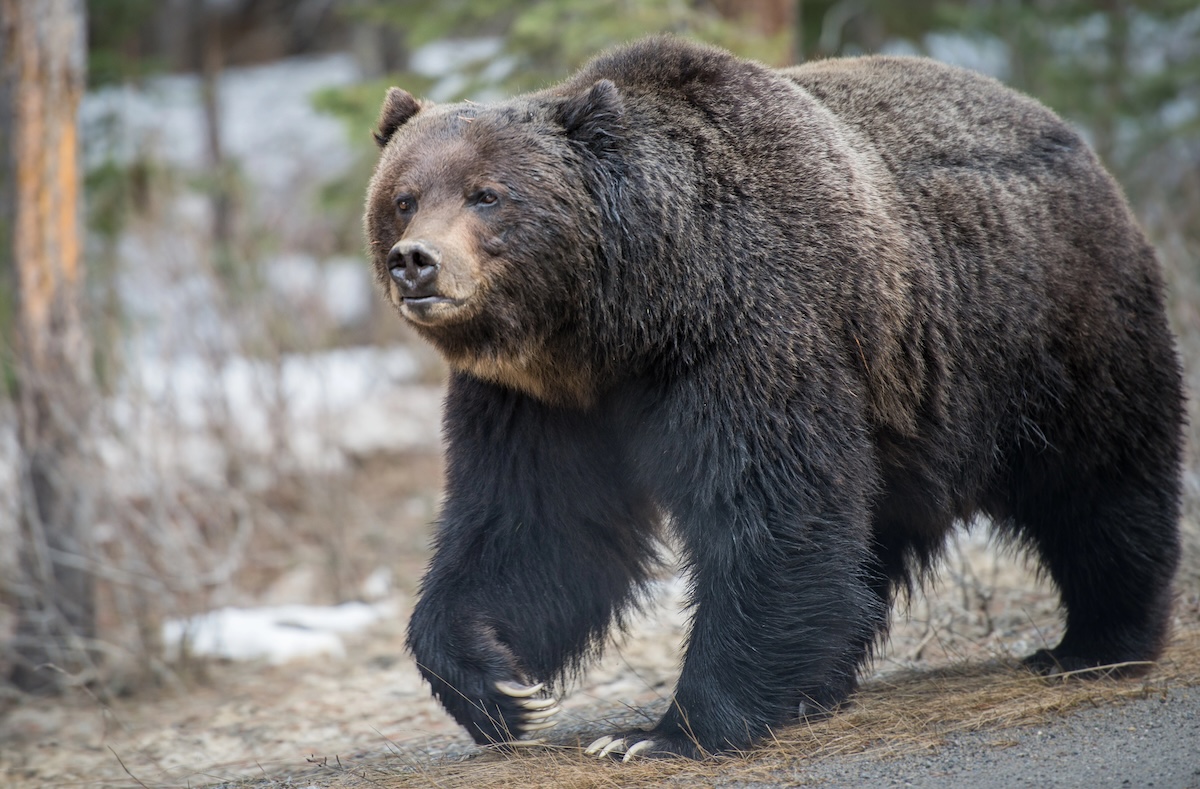 Photo Credit: jill@ghostbear.org_ at Deposit Photos
In the heart of North America’s wild landscapes roams the grizzly bear, scientifically known as Ursus arctos horribilis. With its massive frame, powerful limbs, and distinctive hump of muscle over its shoulders, this bear is a true titan of the wilderness. Picture a grizzly standing tall, its thick fur glistening in the sunlight, as it surveys its domain of lush forests and rugged mountains. The sight is both awe-inspiring and humbling, reminding us of the raw beauty and strength of nature.
Grizzly bears are not just remarkable for their size; they are also fascinating creatures that play a vital role in their ecosystems. As omnivores, they feast on a varied diet that includes everything from berries and roots to fish and small mammals, adapting their eating habits with the changing seasons. This adaptability makes them a keystone species, meaning their presence is crucial for maintaining the balance of their environment. Scientists and nature enthusiasts alike are captivated by their intelligence and social behaviors, which reveal a complex world of communication and interaction. As we delve deeper into the life of the grizzly bear, we uncover the intricate connections that bind them to their habitat and the challenges they face in a rapidly changing world.
The grizzly bear, a powerful symbol of the wild, holds a significant place in the tree of life. Taxonomically, it belongs to the Kingdom Animalia, which includes all animals, and is classified under the Phylum Chordata, known for animals with a backbone. As a member of the Class Mammalia, grizzly bears share traits like fur and the ability to nurse their young with milk. They fall under the Order Carnivora, which includes meat-eating mammals, but grizzlies are omnivores, meaning they eat both plants and animals. Within the Family Ursidae, they are closely related to other bears, showcasing their unique adaptations for survival in diverse habitats. The grizzly’s scientific classification reflects its evolutionary journey and the traits that make it a fascinating part of our planet’s biodiversity.
| Taxonomic Rank | Scientific Name | Meaning & Significance |
|---|---|---|
| Kingdom | Animalia | This name comes from the Latin word “animalis,” meaning “having breath” or “living.” It signifies all living creatures that breathe and move. |
| Phylum | Chordata | Derived from the Greek word “chordē,” meaning “string,” this term refers to animals with a notochord, a flexible rod that supports the body, which in vertebrates becomes the backbone. |
| Class | Mammalia | This name comes from the Latin “mamma,” meaning “breast,” highlighting the defining feature of mammals: the ability to produce milk for their young. |
| Order | Carnivora | From the Latin “carnivorus,” meaning “meat-eating,” this classification includes animals that primarily consume meat, although many, like the grizzly, have a varied diet. |
| Family | Ursidae | This name is derived from the Latin word “ursus,” meaning “bear.” It groups together all bear species, emphasizing their shared characteristics. |
| Genus | Ursus | Also from the Latin “ursus,” this genus includes all true bears, highlighting their common ancestry and physical traits. |
The classification of the grizzly bear reveals much about its evolutionary history. As a member of the Ursidae family, it shares a lineage with other bears, indicating a common ancestor that adapted to various environments. The grizzly’s omnivorous diet and robust physical features, such as its powerful limbs and thick fur, showcase how evolution has shaped it to thrive in diverse habitats, from dense forests to open plains. Understanding its place in the animal kingdom not only highlights its unique adaptations but also emphasizes the interconnectedness of life on Earth, reminding us of the intricate web of relationships that sustain our natural world.
The evolutionary journey of the grizzly bear stretches back millions of years, weaving through the tapestry of time and adaptation. This magnificent animal, scientifically known as Ursus arctos horribilis, is a subspecies of the brown bear and belongs to the family Ursidae. The story of the grizzly begins in the late Miocene epoch, around 10 million years ago, when the ancestors of modern bears began to diverge from other carnivorous mammals.
The early bear ancestors were small, tree-dwelling creatures that roamed the forests of North America and Eurasia. Over time, these animals adapted to various environments, leading to significant evolutionary changes. One of the major transitions occurred during the Pleistocene epoch, about 2.6 million years ago, when the climate shifted dramatically. This period saw the rise of larger, more robust bears, as they adapted to colder climates and the availability of different food sources. The grizzly bear, with its powerful build and keen foraging skills, emerged as a dominant species in diverse habitats, from coastal regions to mountainous terrains.
The adaptations of the grizzly bear have been vital for its survival in the wild. Their powerful limbs and keen foraging abilities enable them to access food sources that many other animals cannot. The thick fur not only provides warmth but also protects them from the elements. Being omnivorous allows grizzlies to take advantage of seasonal food availability, ensuring they can find sustenance throughout the year. Finally, hibernation is a remarkable strategy that allows them to endure the harsh winters when food is limited. Together, these traits have helped the grizzly bear thrive in diverse habitats, making it a true survivor of the natural world.
The grizzly bear is an awe-inspiring sight, a true giant of the wilderness. Standing tall, these bears can reach heights of up to 3 meters (10 feet) when on their hind legs, making them one of the largest land mammals in North America. Their robust bodies are covered in thick fur that ranges in color from deep brown to lighter shades, often with a distinctive grizzled appearance due to the lighter tips of their fur. With powerful limbs and massive paws, grizzlies are built for strength and agility, allowing them to navigate their rugged habitats with ease.
| Feature | Description |
|---|---|
| Height | 2.1m – 3m (7ft – 10ft) |
| Weight | 181kg – 318kg (400lbs – 800lbs) |
| Skin Type | Fur |
These impressive features are not just for show; they play crucial roles in the bear’s survival. The thick fur provides insulation against cold temperatures, keeping the bear warm in its often chilly habitat. Their large size and weight allow them to assert dominance over other animals and access a variety of food sources, from berries to fish. With powerful limbs, grizzlies can dig for roots or climb trees, showcasing their adaptability. Together, these characteristics make the grizzly bear a formidable presence in the wild, perfectly equipped to thrive in its environment.
The grizzly bear roams through a stunning tapestry of forests and mountainous regions, where towering trees and rugged peaks create a breathtaking backdrop. These majestic animals thrive in environments that offer a mix of dense woodlands, open meadows, and alpine areas. The interplay of sunlight filtering through the leaves and the cool, crisp air of the mountains provides the perfect setting for these powerful mammals to live, forage, and raise their young.
Grizzly bears prefer climates that range from temperate to subarctic, where they can find the resources they need to survive. These areas typically experience cold winters and mild summers, allowing for a rich variety of plant life. The seasonal changes are crucial, as they dictate the availability of food sources like berries, roots, and fish. Grizzlies are also known to hibernate during the harsh winter months, retreating to dens where they can conserve energy and stay warm.
Adaptation is key to the grizzly bear’s success in these diverse habitats. Their thick fur provides insulation against the cold, while their powerful limbs and sharp claws help them dig for food or climb trees. Grizzlies have also developed keen senses, particularly their sense of smell, which is one of the best in the animal kingdom. This allows them to locate food from miles away, ensuring they can thrive in the wild landscapes they call home.
Grizzly bears lead a life that is both solitary and dynamic, filled with daily activities that revolve around their need for food, safety, and territory. As dawn breaks, these magnificent animals begin their day by foraging for breakfast, which often includes berries, roots, and the occasional fish. They are most active during the early morning and late afternoon, taking advantage of cooler temperatures to hunt and explore their surroundings. Throughout the day, grizzlies may wander several miles in search of food, marking their territory with powerful scratches on trees and leaving behind scent markings to communicate their presence to others.
While grizzly bears are primarily solitary creatures, they do exhibit interesting social behaviors, especially during certain times of the year. For instance, during the salmon spawning season, multiple bears may gather at rivers to feast on the fish. This temporary congregation allows them to establish a social hierarchy, where larger, more dominant bears often get the first pick of the catch. Communication among grizzlies is subtle yet effective, involving a mix of vocalizations, body language, and scent marking. These interactions help them navigate their relationships, whether it’s asserting dominance or signaling a desire to avoid conflict.
| Behavior Type | Description |
|---|---|
| Foraging | Grizzlies search for food, including berries, roots, and fish, primarily in the early morning and late afternoon. |
| Territorial Marking | They scratch trees and leave scent markings to establish and communicate their territory to other bears. |
| Social Hierarchy | During food-rich seasons, bears may gather, establishing a pecking order based on size and strength. |
| Communication | Grizzlies use vocalizations, body language, and scent to communicate with each other, helping to avoid conflicts. |
The behaviors of grizzly bears are finely tuned to ensure their survival in the wild. By foraging effectively and marking their territory, they secure the resources they need to thrive. Their social interactions, though limited, allow them to navigate the complexities of sharing food and space, which is crucial during times of abundance. Each action, from the way they communicate to how they establish dominance, plays a vital role in their ability to adapt and flourish in their natural habitat.
Grizzly bears are omnivores, which means they eat both plants and animals. Their diet is diverse and changes with the seasons, allowing them to take advantage of whatever food sources are available. Grizzlies are known for their impressive foraging skills, often using their keen sense of smell to locate food from miles away. They are opportunistic feeders, meaning they will eat whatever is easiest to find and catch, whether it’s a tasty berry bush or a stream full of salmon.
| Dietary Aspect | Details |
|---|---|
| Diet Type | Omnivore |
| Favorite Foods | Salmon, berries, roots, and nuts |
| Prey Items | Fish, small mammals, and carrion (dead animals) |
| Hunting/Foraging Strategies | Using keen sense of smell, fishing in streams, and foraging in forests |
The grizzly bear’s varied diet plays a crucial role in its ecology and daily routine. By consuming a wide range of foods, these bears help maintain the balance of their ecosystem. For example, when they catch salmon, they not only nourish themselves but also contribute nutrients to the forest when they leave remains behind. This nutrient cycling supports plant growth and benefits other wildlife. As they forage and hunt, grizzlies also shape their environment, making them vital players in the health of their habitats.
Grizzly bears have a fascinating mating ritual that begins in late spring and continues through early summer. During this time, males will often roam large distances to find females, engaging in displays of strength and dominance to attract a mate. Once a female is ready to breed, she will signal her interest through specific behaviors, and the pair will mate multiple times over a few days. After this brief but intense courtship, the female will go through a period of delayed implantation, where the fertilized egg does not immediately attach to the uterus. This clever strategy allows her to time the birth of her cubs for the spring when food is more plentiful.
| Reproductive Aspect | Details |
|---|---|
| Gestation Period | Approximately 6 to 8 months |
| Litter Size | Average of 2 cubs |
| Age of Maturity | 3 to 5 years |
| Name of Young | Cubs |
Once the cubs are born, usually in January or February, they are tiny and helpless, weighing only about a pound each. The mother bear provides exceptional care, nursing them with her rich milk and keeping them warm in the den. As spring arrives, the family emerges from hibernation, and the cubs begin to explore their surroundings. The mother is fiercely protective, teaching her young how to find food and stay safe from dangers. Over the next couple of years, the cubs will learn essential survival skills, growing stronger and more independent until they are ready to venture out on their own. This nurturing phase is crucial, as it shapes the future of these magnificent animals in the wild.
Grizzly bears are apex predators, meaning they sit at the top of their food web. They play a crucial role in maintaining the balance of their ecosystems, helping to control populations of other animals and disperse seeds through their foraging habits. However, despite their powerful position, grizzly bears face a variety of dangers that threaten their survival.
To defend themselves against these threats, grizzly bears have developed a range of survival strategies. They are known for their impressive strength and size, which can intimidate potential predators. When faced with danger, a grizzly may stand tall on its hind legs to assess the situation or make loud vocalizations to scare off intruders. Additionally, their keen sense of smell helps them detect threats from afar, allowing them to avoid confrontations whenever possible. These behaviors, combined with their adaptability, help ensure that grizzly bears continue to thrive in the wild.
A keystone species is an organism that has a disproportionately large impact on its environment relative to its abundance. In simpler terms, these species play a crucial role in maintaining the structure of an ecosystem. The grizzly bear, with its impressive size and diverse diet, certainly qualifies as a keystone species. Its presence influences many other plants and animals in its habitat, making it a vital player in the ecological drama of forests and mountainous regions.
Grizzly bears are omnivores, meaning they eat both plants and animals. This varied diet allows them to affect the populations of many species. For instance, when grizzlies forage for berries, they help disperse seeds through their droppings, promoting plant growth. This not only supports the plant community but also provides food and shelter for other wildlife. Additionally, as apex predators, grizzly bears help control the populations of herbivores like deer and elk. By keeping these populations in check, they prevent overgrazing, which can lead to habitat degradation.
Moreover, grizzly bears contribute to nutrient cycling in their ecosystems. When they catch fish, such as salmon, they often leave behind remains that enrich the soil. This nutrient boost supports a variety of plant life, which in turn benefits other animals. The presence of grizzlies can also create opportunities for scavengers, like ravens and coyotes, who take advantage of the leftovers from the bears’ meals.
If grizzly bears were to disappear from their ecosystems, the consequences would be profound. Without these powerful animals, herbivore populations could surge, leading to overgrazing and a decline in plant diversity. This, in turn, would affect other species that rely on those plants for food and habitat. The entire balance of the ecosystem could shift, resulting in a less resilient environment. The loss of grizzly bears would not only diminish the wilderness’s wildness but also disrupt the intricate web of life that depends on their presence.
The grizzly bear occupies a vital ecological niche in its habitat, acting as a keystone species that significantly influences the environment around it. These magnificent animals roam through forests and mountainous regions, where they play a crucial role in maintaining the balance of their ecosystems. As omnivores, grizzly bears consume a wide variety of foods, from berries and roots to fish and small mammals. This diverse diet not only sustains them but also helps shape the plant and animal communities in their territory.
| Ecosystem Service | Impact |
|---|---|
| Seed Dispersal | Grizzly bears help spread seeds through their droppings, promoting plant growth and diversity. |
| Predator Control | As apex predators, they help regulate populations of other animals, preventing overgrazing and maintaining healthy ecosystems. |
| Nutrient Cycling | When bears catch fish, they often leave remains that enrich the soil, benefiting plants and other wildlife. |
| Habitat Creation | By digging for roots and creating dens, grizzly bears modify their environment, which can create new habitats for other species. |
Grizzly bears influence their ecosystems in many specific ways. For instance, when they catch salmon during spawning season, they not only feast on the fish but also leave behind nutrient-rich remains. These leftovers nourish the surrounding soil and plants, creating a healthier environment for other species. Additionally, as they forage for berries and roots, they help to disperse seeds, allowing new plants to grow in different areas. This process enhances biodiversity, which is essential for a resilient ecosystem.
The broader ecological importance of grizzly bears cannot be overstated. By maintaining the balance of their habitats, they support a wide range of other species, from plants to smaller mammals. Their presence indicates a healthy ecosystem, as they require large territories and abundant food sources. Protecting grizzly bears and their habitats ultimately helps preserve the intricate web of life that depends on them, ensuring that future generations can enjoy the beauty and complexity of nature.
In the intricate web of nature, animals often form partnerships that can be beneficial, harmful, or neutral. These relationships, known as symbiosis, play a crucial role in the survival and thriving of species. Grizzly bears, with their powerful presence in forested and mountainous regions, engage in various ecological relationships with other species. Understanding these connections helps us appreciate the balance of ecosystems and the roles different animals play within them.
| Species/Type | Relationship Type | Description |
|---|---|---|
| Birds (e.g., Ravens) | Mutualistic | Ravens often follow grizzly bears to scavenge leftover food from their meals. In return, the bears benefit from the birds alerting them to potential dangers. |
| Ticks | Parasitic | Ticks can latch onto grizzly bears, feeding on their blood. This relationship can harm the bears by causing irritation and potentially transmitting diseases. |
| Plants (e.g., Berry Bushes) | Commensal | Grizzly bears help disperse seeds from the berries they eat. While the plants benefit from the spread of their seeds, the bears are unaffected by the plants’ presence. |
These relationships have evolved over time, shaped by the needs and behaviors of the species involved. Mutualistic partnerships, like those with ravens, enhance the survival of both species, while parasitic relationships, such as with ticks, can pose challenges for the bears. Commensal relationships, like those with berry bushes, illustrate how one species can thrive without impacting the other. Together, these interactions highlight the complexity of ecosystems and the importance of each species in maintaining the delicate balance of nature.
Grizzly bears are not just powerful predators; they are also full of surprises that reveal their incredible adaptability and intelligence. Here are some intriguing facts that showcase the remarkable life of these majestic animals.
Throughout history, grizzly bears have held a prominent place in the hearts and minds of many cultures. Native American tribes often revered these magnificent animals, viewing them as symbols of strength and courage. Stories and legends featuring grizzlies are woven into the fabric of their traditions, highlighting the bear’s significance in their spiritual beliefs. Early European settlers, too, encountered these powerful creatures, often depicting them as fierce adversaries in their quest for land and resources. This complex relationship has shaped how humans perceive and interact with grizzly bears, blending admiration with fear.
In modern times, the relationship between grizzly bears and humanity has evolved, marked by both cooperation and conflict. Conservation efforts have gained momentum as people recognize the importance of protecting these iconic animals and their habitats. However, conflicts can arise when bears wander into human-populated areas in search of food, leading to dangerous encounters. While domestication of grizzly bears is not feasible due to their wild nature and specific needs, some individuals have sought to rehabilitate injured bears, showcasing a different aspect of human-animal interaction. The balance between protecting these majestic creatures and ensuring human safety remains a delicate dance.
Looking ahead, the future of the relationship between grizzly bears and humanity hinges on our ability to coexist harmoniously. As urban areas expand and climate change alters habitats, it is crucial to find innovative solutions that protect both people and bears. By fostering understanding and respect for these incredible animals, we can ensure that future generations will continue to marvel at the strength and beauty of grizzly bears in the wild. Together, we can create a world where humans and grizzlies thrive side by side.
The conservation status of the grizzly bear is currently classified as Near Threatened by the International Union for Conservation of Nature (IUCN). This means that while the species is not yet endangered, it faces significant risks that could lead to a decline in its population if not addressed. Grizzly bear populations have shown some recovery in certain areas, particularly in the northern Rocky Mountains, but overall numbers remain vulnerable due to habitat loss and human activities.
| Conservation Factor | Status/Details |
|---|---|
| IUCN Status | Near Threatened |
| Population Estimates | Approximately 55,000 in North America |
| Trend Direction | Stable in some areas, declining in others |
Despite their impressive adaptability, grizzly bears face several threats that jeopardize their survival. Habitat destruction due to urban development, logging, and agriculture reduces the space they need to roam and find food. Additionally, climate change impacts their food sources, particularly salmon populations, which are crucial for their diet. Human-bear conflicts often arise as bears venture into populated areas in search of food, leading to dangerous encounters and sometimes lethal outcomes for the bears.
Conservation efforts are underway to protect grizzly bears and their habitats. Organizations and government agencies are working to establish wildlife corridors that allow bears to move safely between different areas. Education programs aim to raise awareness about the importance of grizzly bears in ecosystems and how to coexist with them. With continued efforts and public support, there is hope that grizzly bear populations can stabilize and thrive, ensuring that these magnificent animals remain a part of our natural world for generations to come.
| Question | Answer |
|---|---|
| What is the habitat of Grizzly Bears? | Grizzly Bears primarily live in forested and mountainous regions. They prefer areas with plenty of food sources, such as berries, fish, and small mammals, and often roam near rivers and lakes. |
| What do Grizzly Bears eat? | Grizzly Bears are omnivores, meaning they eat both plants and animals. Their diet includes berries, roots, fish, and even small mammals, making them adaptable to different environments and food availability. |
| How do Grizzly Bears behave? | Grizzly Bears are generally solitary animals, except for mothers with cubs or during mating season. They are known for their strong territorial instincts and can be quite protective of their space, especially when food is involved. |
| How do Grizzly Bears reproduce? | Grizzly Bears mate in the spring, and after a gestation period of about 6 to 8 months, females give birth to one to four cubs in a den during winter. The cubs stay with their mother for about two years, learning essential survival skills. |
| What threats do Grizzly Bears face? | Grizzly Bears are considered near threatened due to habitat loss, climate change, and human activities like hunting and development. These factors can reduce their food sources and living space, making survival more challenging. |
| What are some interesting characteristics of Grizzly Bears? | Grizzly Bears have a distinctive hump on their shoulders, which is made of muscle and helps them dig and run. They can weigh between 400 to 1,500 pounds and are known for their impressive sense of smell, which is about seven times stronger than that of a bloodhound. |
| How fast can Grizzly Bears run? | Despite their large size, Grizzly Bears can run at speeds of up to 30 miles per hour. This speed is surprising and shows that they can be quite agile when they need to be, especially when chasing prey or escaping threats. |