Taxonomy & Classification
- Kingdom
- Animalia
- Phylum
- Chordata
- Class
- Mammalia
- Order
- Lagomorpha
- Family
- Leporidae
- Genus
- Lepus
- Species
- Lepus

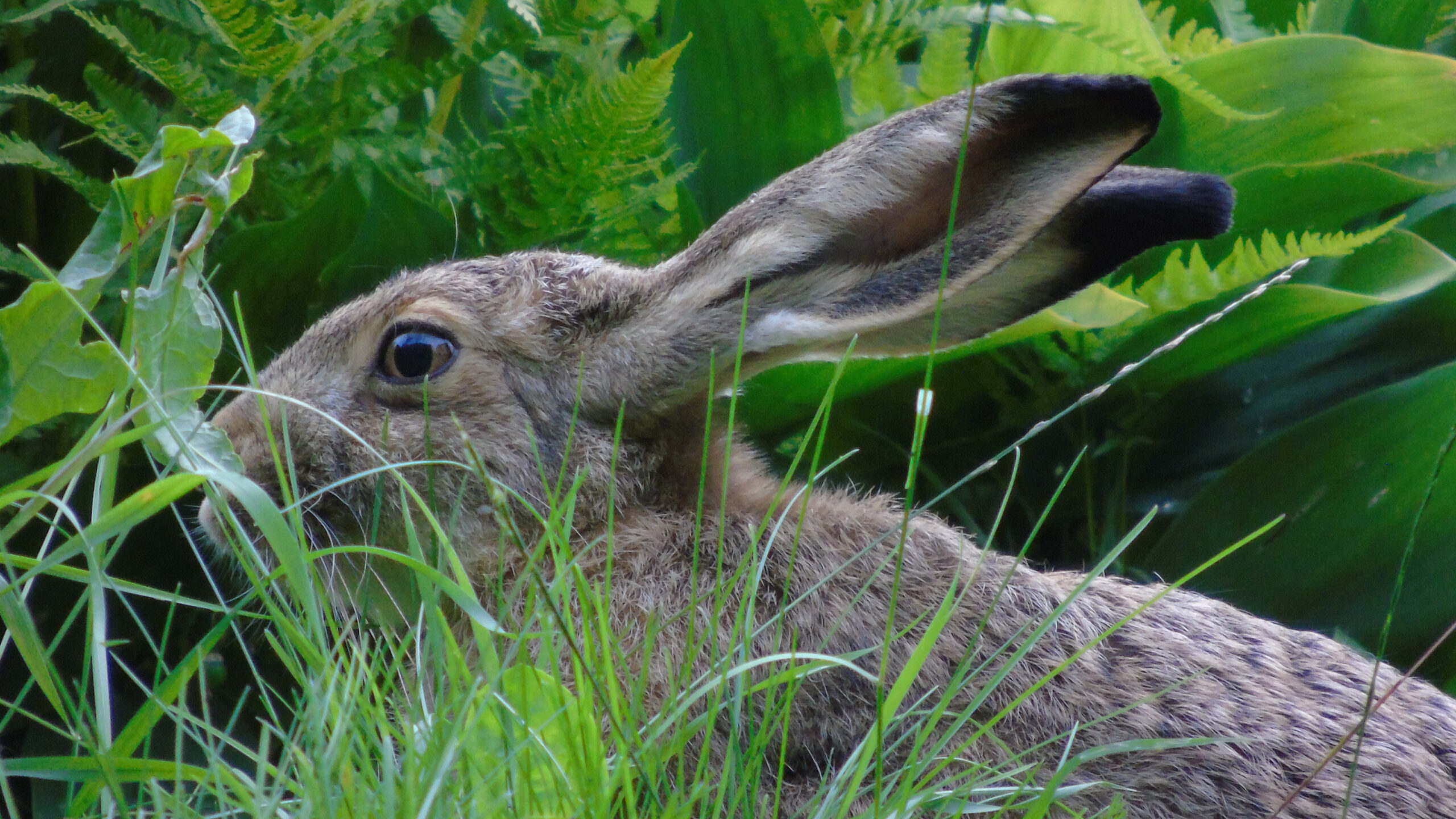 Photo Credit: Kahvilokki / Wikimedia Commons
In the golden light of dawn, the hare, known scientifically as Lepus, emerges from its hidden nest in the tall grass. With its long ears perked up and powerful hind legs poised for action, this agile animal is a master of its domain. Hares are not just any ordinary creatures; they are built for speed and grace, with sleek bodies that allow them to dart away from predators in the blink of an eye. Their large, expressive eyes can see nearly all around them, making them vigilant and alert in their open habitats, which range from lush meadows to sprawling farmlands.
What makes hares particularly captivating to scientists and nature enthusiasts alike is their remarkable adaptability and unique behaviors. Unlike rabbits, hares are born fully furred and with their eyes open, ready to hop away from danger almost immediately. This fascinating trait, along with their crepuscular lifestyle—meaning they are most active during the twilight hours—adds layers to their already intriguing existence. As they graze on tender herbs and fresh grass, hares play a vital role in their ecosystems, serving as both grazers and prey. Their presence helps maintain the balance of life in their habitats, making them essential players in the natural world. Join us as we hop deeper into the life of the hare, exploring its behaviors, diet, and the challenges it faces in a rapidly changing environment.
Hares hold a special place in the tree of life, showcasing a blend of agility and adaptability that sets them apart in the animal kingdom. Classified within the order Lagomorpha, which also includes rabbits and pikas, hares are distinguished by their long ears, powerful hind legs, and unique reproductive strategies. Unlike rabbits, hares are born fully furred and with their eyes open, ready to hop away from danger almost immediately. This remarkable trait, along with their ability to thrive in diverse habitats, makes them a captivating subject of study for both scientists and nature enthusiasts alike.
| Taxonomic Rank | Scientific Name | Meaning & Significance |
|---|---|---|
| Kingdom | Animalia | The name “Animalia” comes from the Latin word “animalis,” meaning “having breath” or “living.” This classification includes all multicellular organisms that are capable of movement and responsive to their environment. |
| Phylum | Chordata | “Chordata” is derived from the Latin word “chorda,” meaning “string” or “cord.” This refers to the notochord, a flexible rod that supports the body, which is a key feature during the early development of all chordates, including hares. |
| Class | Mammalia | The term “Mammalia” comes from the Latin “mamma,” meaning “breast.” This name highlights the defining characteristic of mammals: females possess mammary glands that produce milk to nourish their young. |
| Order | Lagomorpha | “Lagomorpha” is derived from the Greek words “lagos,” meaning “hare,” and “morphe,” meaning “form.” This name reflects the distinct physical characteristics shared by hares and their relatives, such as their long ears and strong hind limbs. |
| Family | Leporidae | The name “Leporidae” comes from the Latin word “lepus,” meaning “hare.” This family encompasses both hares and rabbits, emphasizing their close evolutionary relationship and similar adaptations. |
| Genus | Lepus | “Lepus” is the Latin word for “hare.” This genus includes various species of hares, highlighting their unique adaptations and behaviors that differentiate them from other members of the Leporidae family. |
Understanding the taxonomic classification of hares reveals much about their evolutionary journey. As members of the order Lagomorpha, they share a common ancestor with rabbits and pikas, showcasing a lineage that has adapted to various environments over millions of years. Their unique physical traits and behaviors, such as their ability to evade predators and thrive in open habitats, illustrate the evolutionary pressures that have shaped them. By studying hares, we gain insight into the intricate web of life and the remarkable adaptations that allow species to survive and flourish in our ever-changing world.
The evolutionary journey of hares stretches back millions of years, weaving through the tapestry of time and showcasing the remarkable adaptations that have allowed them to thrive in diverse environments. Hares belong to the family Leporidae and the genus Lepus, with their ancestors dating back to the late Eocene epoch, around 35 million years ago. This timeline reveals a story of survival, adaptation, and the relentless march of evolution.
The earliest ancestors of modern hares were small, rabbit-like mammals that roamed the forests and grasslands. Over time, these creatures underwent significant changes, adapting to their environments in ways that would enhance their chances of survival. One major transition occurred as they evolved from tree-dwelling animals to ground dwellers, leading to longer limbs and a more powerful build. This shift allowed them to run faster and escape predators more effectively. As they spread across various continents, they developed different traits suited to their habitats, from the snowy tundras to arid deserts.
These adaptations have been crucial for hares in their quest for survival. The combination of speed, agility, and keen senses allows them to navigate their environments effectively, while their ability to reproduce quickly ensures that they can maintain their populations despite the challenges posed by predators and changing habitats. As they continue to thrive in various ecosystems, hares remind us of the power of evolution and the intricate connections that bind all living things.
Hares are enchanting animals that capture the imagination with their graceful forms and lively movements. With long, powerful hind legs and a compact body, they are built for speed and agility. Their large ears stand tall, constantly twitching to catch even the faintest sounds in their surroundings. This combination of features gives hares a striking silhouette, making them look both elegant and alert as they navigate through their habitats.
| Feature | Description |
|---|---|
| Weight | 1-5.5 kg (3-12 lbs) |
| Skin Type | Fur |
| Body Structure | Compact body with long hind legs |
| Ears | Large and upright, excellent for hearing |
The physical features of hares are not just for show; they play crucial roles in their survival. Their lightweight bodies and powerful legs allow them to make quick escapes from predators, darting away with impressive speed. The large ears help them detect danger from afar, giving them a head start when it comes to fleeing. The soft fur provides insulation, keeping them warm in cooler climates while also offering some camouflage among the grasses and underbrush. Together, these characteristics create a perfect blend of form and function, enabling hares to thrive in a variety of environments.
Hares are often found in a variety of habitats that paint a picture of open spaces and lush greenery. Imagine vast fields of golden grass swaying in the breeze, dotted with wildflowers and bordered by patches of woodland. These areas provide the perfect backdrop for hares to thrive, as they enjoy the freedom to roam and the cover of tall grasses to hide from predators. Whether it’s the gentle slopes of a countryside meadow or the edges of a forest, hares make their homes in places where they can easily blend into their surroundings.
Hares prefer climates that offer a mix of warmth and coolness, allowing them to be active throughout the day and night. They thrive in areas with moderate rainfall, which helps keep their food sources plentiful. These animals are quite adaptable, often found in regions that experience seasonal changes, from the vibrant blooms of spring to the crisp air of autumn. The right balance of sun and shade is essential, as it helps them regulate their body temperature and find shelter when needed.
To survive in these diverse habitats, hares have developed some clever adaptations. Their long legs not only allow them to sprint away from danger but also help them navigate through tall grasses and uneven terrain. Their fur changes color with the seasons, providing camouflage that helps them blend in with their surroundings, whether it’s the browns and greens of summer or the whites of winter. This ability to adapt to different environments ensures that hares can thrive in a variety of landscapes, making them a common sight in many regions around the world.
Hares lead a life filled with activity and excitement, primarily during the twilight hours of dawn and dusk. These agile animals are crepuscular, meaning they are most active during these times. As the sun rises or sets, hares emerge from their hiding spots, ready to forage for food. Their diet mainly consists of grasses, herbs, and leaves, which they nibble on with their strong front teeth. Throughout the day, they often rest in shallow depressions called forms, where they can stay hidden from predators. This daily routine of feeding and resting is crucial for their survival in the wild.
While hares are generally solitary creatures, they do exhibit interesting social behaviors, especially during the breeding season. Males, known as bucks, may engage in playful chases with females, called does, as part of their courtship rituals. These interactions can be quite lively, showcasing their speed and agility. Although they prefer to live alone, hares can sometimes be seen in small groups, particularly in areas with abundant food. Communication among hares is subtle; they rely on body language and occasional vocalizations, like soft grunts or whines, to express their feelings or alert others to danger.
| Behavior Type | Description |
|---|---|
| Activity Patterns | Hares are crepuscular, being most active during dawn and dusk, foraging for food and resting during the day. |
| Social Structure | Primarily solitary, but can form small groups during feeding or breeding seasons. |
| Communication Methods | Use body language and soft vocalizations to communicate with each other, especially during courtship. |
The behaviors of hares are finely tuned to ensure their survival in the wild. By being active during twilight, they can avoid many predators that hunt during the day or night. Their solitary nature allows them to be stealthy and less noticeable, while their quick reflexes and powerful legs help them escape danger when necessary. These adaptations, combined with their unique social interactions during breeding, create a balance that supports their existence in a world full of challenges.
Hares are herbivores, which means they primarily eat plants. Their diet consists of a variety of vegetation, including tender herbs, fresh grass, seeds, and even the bark of shrubs. Hares are skilled foragers, using their keen sense of smell and sharp eyesight to locate food. They often graze in open fields or meadows, nibbling on the lush greenery that surrounds them. This feeding behavior not only sustains them but also plays a crucial role in shaping their environment.
| Dietary Aspect | Details |
|---|---|
| Diet Type | Herbivore |
| Favorite Foods | Herbs, grass, seeds, shrub bark |
| Prey Items | Primarily plant material |
| Hunting/Foraging Strategies | Grazing in open areas, using keen senses to locate food |
The diet of hares significantly influences their ecology and daily routine. By consuming a variety of plants, they help maintain the health of their habitats, promoting new growth and supporting other wildlife. Their foraging habits also dictate their active hours, as they tend to feed during the cooler parts of the day, avoiding the heat of midday. This connection between their diet and behavior highlights the delicate balance of nature, where every creature plays a part in the ecosystem.
When it comes to reproduction, hares have some intriguing behaviors that set them apart from many other animals. The breeding season typically occurs in the spring, when the days grow longer and warmer. During this time, male hares engage in a lively courtship dance, showcasing their agility and strength. They may chase females in a series of quick hops and turns, demonstrating their fitness as potential mates. This energetic display is not just for show; it helps females choose the strongest partners to ensure the survival of their young.
| Reproductive Aspect | Details |
|---|---|
| Gestation Period | About 42 days |
| Litter Size | Average of 6 |
| Age of Maturity | Around 3 to 6 months |
| Name of Young | Leveret |
After the gestation period of about 42 days, the female hare gives birth to a litter of leverets, which are the young hares. These tiny creatures are born fully furred and with their eyes open, ready to face the world almost immediately. Unlike many other mammals, leverets are precocial, meaning they can move around and start foraging for food shortly after birth. The mother hare provides minimal direct care, often leaving her young hidden in a nest made of grass and fur to protect them from predators. This strategy allows her to return to feed them while keeping them safe. As the leverets grow, they learn to navigate their environment and develop the skills they need to thrive as independent adults, maturing in just a few months.
Hares occupy a crucial position in the food web, serving as both prey and a vital part of the ecosystem. Their herbivorous diet makes them a key food source for various predators, while their rapid movements and keen senses help them evade danger. This delicate balance highlights the importance of hares in maintaining the health of their habitats, as they contribute to plant growth and serve as a link between different species.
To survive against these threats, hares have developed several clever defensive behaviors. Their incredible speed allows them to dart away from danger in a flash, often zigzagging to confuse predators. Additionally, hares rely on their excellent camouflage, blending into their surroundings to avoid detection. When cornered, they may freeze in place, hoping to go unnoticed. These strategies, combined with their keen senses, help hares navigate the challenges of their environment and continue to thrive despite the dangers they face.
A keystone species is an organism that plays a critical role in maintaining the structure of its ecosystem. This means that its presence or absence can significantly impact the environment and the other species living there. Hares qualify as a keystone species due to their unique position in the food web and their influence on plant communities.
Hares are herbivores, meaning they primarily eat plants, and their grazing habits help shape the vegetation in their habitats. By consuming a variety of grasses and herbs, they prevent any single plant species from dominating the landscape. This promotes biodiversity, allowing different plants to thrive and providing a rich environment for other animals. For example, when hares munch on young shoots, they create space for other plants to grow, which in turn supports a wider range of insects and birds that rely on those plants for food and shelter.
Moreover, hares serve as a vital food source for many predators, including foxes, hawks, and owls. Their abundance helps sustain these predator populations, creating a balanced ecosystem. When hares are plentiful, they support a diverse array of wildlife, contributing to the overall health of their environment. In this way, they act as a bridge between plant life and higher-level predators, ensuring that energy flows through the ecosystem efficiently.
If hares were to disappear from their ecosystems, the consequences would be significant. Without their grazing, certain plant species could overgrow, leading to a decline in biodiversity. This could disrupt the balance of the ecosystem, affecting not only the plants but also the animals that depend on them for food and shelter. Predators that rely on hares for sustenance would struggle to find enough food, potentially leading to their decline as well. The ripple effects of losing hares would be felt throughout the entire ecosystem, highlighting just how important these agile animals are to the natural world.
Hares play a vital role in shaping their ecosystems, acting as both grazers and prey within their habitats. Found in open farmland, grasslands, and woodlands, these agile animals contribute to the balance of their environments. By feeding on a variety of plants, hares help control vegetation growth, which in turn supports a diverse range of other species. Their presence is essential for maintaining the health of the ecosystems they inhabit, making them a key player in the natural world.
| Ecosystem Service | Impact |
|---|---|
| Vegetation Control | Hares help manage plant growth by consuming grasses and herbs, preventing overgrowth and promoting biodiversity. |
| Food Source | As prey for various predators, hares are a crucial food source, supporting the populations of animals like foxes and birds of prey. |
| Soil Health | Their grazing habits can stimulate new plant growth, which contributes to healthier soil and a more robust ecosystem. |
| Seed Dispersal | By eating and later excreting seeds, hares assist in the spread of various plant species, promoting plant diversity. |
Hares influence their ecosystems in several specific ways. For instance, by grazing on young plants, they prevent any single species from dominating the landscape. This grazing behavior encourages a mix of plant life, which is essential for many other animals that rely on diverse habitats for food and shelter. Additionally, when hares are active, they create pathways through dense vegetation, making it easier for other animals to navigate their environment. This not only benefits other species but also helps maintain the overall health of the ecosystem.
The broader ecological importance of hares cannot be overstated. As a keystone species, their presence significantly impacts the structure and function of their habitats. Without hares, the balance of plant and animal life would be disrupted, leading to a decline in biodiversity. Their role in the food web highlights the interconnectedness of life, reminding us that every species, no matter how small, plays a part in the grand tapestry of nature. By understanding and appreciating the contributions of hares, we can better protect the ecosystems they help sustain.
In the intricate web of life, many species form partnerships that enhance their survival and well-being. These relationships, known as symbiosis, can take various forms, including mutualism, where both species benefit, parasitism, where one benefits at the other’s expense, and commensalism, where one benefits while the other is neither helped nor harmed. Hares, with their herbivorous diet and unique behaviors, engage in several fascinating ecological relationships that illustrate the interconnectedness of nature.
| Species/Type | Relationship Type | Description |
|---|---|---|
| Birds (e.g., meadowlarks) | Mutualistic | Hares and certain birds share a beneficial relationship. As hares graze, they disturb insects, making it easier for birds to catch their meals. In return, the birds help alert hares to potential predators. |
| Ticks | Parasitic | Ticks are small parasites that latch onto hares to feed on their blood. This relationship can harm the hare, as it may lead to blood loss and transmit diseases. |
| Plants (e.g., clover) | Commensal | Hares feed on clover and other plants, which thrive in the same habitats. While the plants benefit from being grazed (as it encourages new growth), the relationship is primarily beneficial to the hares. |
These relationships have evolved over time, shaped by the needs and behaviors of the species involved. Hares have adapted to their environments, forming partnerships that not only help them survive but also contribute to the health of their ecosystems. By interacting with other species, hares play a vital role in maintaining the balance of their habitats, showcasing the beauty of nature’s interconnectedness.
Hares are truly captivating animals, filled with surprises that can spark the curiosity of nature lovers of all ages. Here are some intriguing facts that showcase their unique traits and behaviors.
Throughout history, hares have woven themselves into the fabric of human culture and mythology. From ancient folklore to modern literature, these swift creatures have often symbolized fertility, rebirth, and the arrival of spring. In many cultures, they are celebrated during festivals, such as Easter, where the Easter Bunny has become a beloved figure. Hares have also appeared in art and stories, representing cleverness and agility. This long-standing relationship highlights not only our fascination with these animals but also their significance in our shared narratives.
In contemporary times, the relationship between hares and humans has evolved, marked by both cooperation and conflict. Conservation efforts are underway to protect hare populations, especially as their habitats face threats from urban development and agriculture. However, conflicts can arise when hares damage crops, leading farmers to view them as pests. Interestingly, some people have embraced hares as pets, leading to domestication efforts that have resulted in various breeds. This duality of admiration and challenge reflects the complex dynamics of our interactions with these remarkable animals.
Looking ahead, the future of the relationship between hares and humanity will likely hinge on our ability to balance conservation with agricultural needs. As we continue to learn more about these fascinating animals, we can foster a deeper understanding and appreciation for their role in our ecosystems. By promoting coexistence and protecting their habitats, we can ensure that hares remain a vibrant part of our natural world, enriching our lives and inspiring future generations.
The conservation status of hares is currently classified as Near Threatened according to the International Union for Conservation of Nature (IUCN). This means that while they are not yet endangered, their populations are declining and could face greater risks in the future if current trends continue. Factors such as habitat loss and hunting pressures have contributed to this decline, making it essential to monitor their numbers closely.
| Conservation Factor | Status/Details |
|---|---|
| IUCN Status | Near Threatened |
| Population Estimates | Varies by region; some areas report significant declines |
| Trend Direction | Declining |
The main threats to hares stem from human activities that disrupt their natural habitats. Urban development, agriculture, and deforestation are leading to the loss of open spaces where hares thrive. Additionally, hunting and predation by domestic animals can further reduce their numbers. As these pressures mount, the delicate balance of their ecosystems is at risk, making it crucial to address these challenges.
Conservation efforts are underway to help protect hare populations and their habitats. Organizations are working to create wildlife corridors that allow hares to move safely between areas, reducing the impact of habitat fragmentation. Public awareness campaigns also aim to educate communities about the importance of preserving these animals and their environments. With continued efforts and support, there is hope that hare populations can stabilize and even recover, ensuring that these agile animals remain a vibrant part of our natural world.
| Question | Answer |
|---|---|
| What type of habitat do hares live in? | Hares are found in open farmland, grasslands, and woodland habitats. They prefer areas where they can easily hide from predators while having plenty of space to run and forage for food. |
| What do hares eat? | Hares are herbivores, which means they primarily eat plants. Their diet consists of grasses, leaves, and even the bark of young trees, making them well-suited for their grassy and wooded environments. |
| How do hares behave in the wild? | Hares are known for their incredible speed and agility, which help them escape from predators. They are mostly solitary animals, but they can sometimes be seen in small groups, especially during mating season. |
| How do hares reproduce? | Hares have a unique breeding system where females can mate with multiple males. After a gestation period of about 42 days, the female gives birth to a litter of 2 to 4 young, called leverets, which are born fully furred and with their eyes open. |
| What are the main threats to hares? | Hares face several threats, including habitat loss due to agriculture and urban development. They are also vulnerable to predation from animals like foxes, birds of prey, and domestic pets. |
| What are some interesting characteristics of hares? | One fascinating feature of hares is their long hind legs, which allow them to leap great distances—up to 10 feet in a single bound! They also have large ears that help them detect sounds from far away, keeping them alert to danger. |
| Are hares endangered? | Hares are currently classified as Near Threatened, meaning they are at risk of becoming endangered in the near future. Conservation efforts are important to protect their habitats and ensure their survival. |