Taxonomy & Classification
- Kingdom
- Animalia
- Phylum
- Chordata
- Class
- Aves
- Order
- Charadriiformes
- Family
- Laridae
- Genus
- Larus
- Species
- Larus Smithsonianus

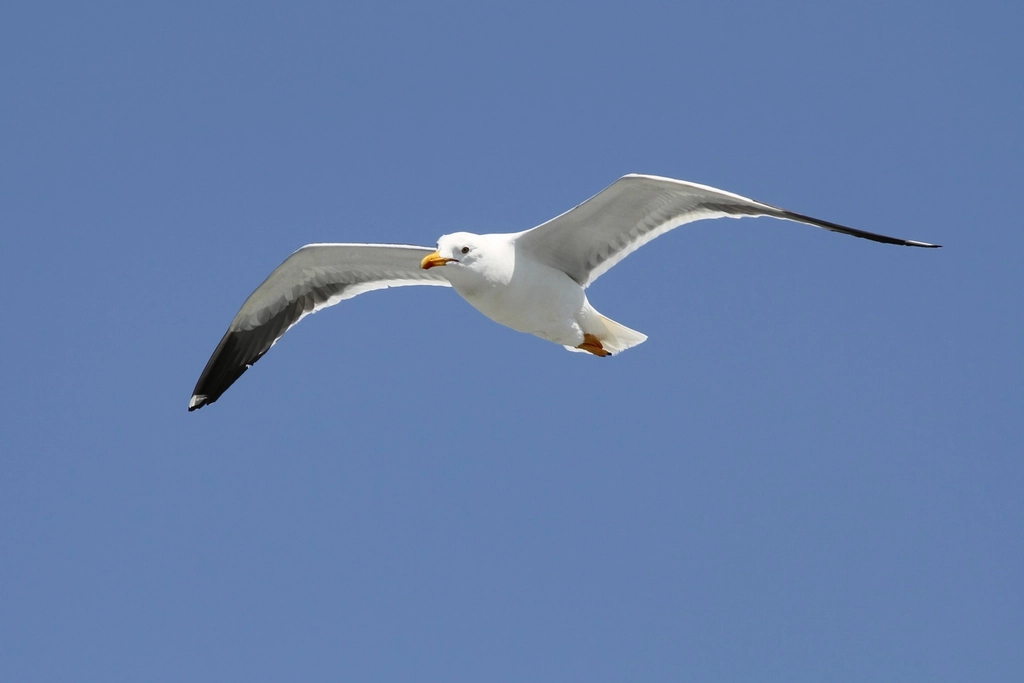 Photo Credit: Rawpixel
Meet the Herring Gull, scientifically known as Larus argentatus, a bird that embodies the spirit of coastal life. Picture this: a sunny day at the beach, where the salty breeze dances through the air and the sound of crashing waves fills your ears. Above, the Herring Gull glides effortlessly, its broad wings outstretched against the azure sky. With its striking gray and white plumage, a sloping forehead, and a full chest, this bird is hard to miss. Its sharp, yellow beak is perfectly designed for snatching up tasty morsels, making it a master of the shoreline.
Herring Gulls are not just beautiful; they are also incredibly adaptable, thriving in both natural coastal habitats and bustling urban environments. Scientists and nature enthusiasts alike are captivated by their clever feeding strategies and social behaviors. These birds are known for their intelligence, often using teamwork to find food or even stealing from one another. As we explore the world of the Herring Gull, we will uncover the secrets of its diet, its role in the ecosystem, and the fascinating relationships it shares with humans and other species. Join us on this adventure to learn more about this remarkable avian companion of the coast!
The Herring Gull, a striking bird often seen along coastlines and in urban areas, holds a special place in the animal kingdom. Taxonomically, it belongs to the Kingdom Animalia, which includes all animals, and is classified under the Phylum Chordata, meaning it has a backbone. This bird is part of the Class Aves, which encompasses all birds, and it falls within the Order Charadriiformes, a diverse group that includes shorebirds and gulls. The Herring Gull is a member of the Family Laridae, known for their adaptability and intelligence. Its scientific name, Larus argentatus, reflects its distinctive features and behaviors, making it a fascinating subject for both scientists and birdwatchers alike.
| Taxonomic Rank | Scientific Name | Meaning & Significance |
|---|---|---|
| Kingdom | Animalia | This name signifies that Herring Gulls are part of the vast group of multicellular organisms that are heterotrophic, meaning they consume organic material for energy. |
| Phylum | Chordata | Chordata indicates that these birds possess a notochord, a flexible rod that supports their body, which is a key feature of vertebrates. |
| Class | Aves | Aves is the class that includes all birds, characterized by feathers, beaks, and the ability to lay eggs. |
| Order | Charadriiformes | This order includes shorebirds and gulls, known for their diverse habitats and feeding strategies, often found near water. |
| Family | Laridae | The family name Laridae encompasses gulls and terns, highlighting their shared traits, such as webbed feet and a strong affinity for aquatic environments. |
| Genus | Larus | The genus name Larus is derived from the Latin word for “gull,” emphasizing the bird’s identity within this group. |
| Species | argentatus | This species name means “silver” in Latin, referring to the bird’s striking gray and white plumage that resembles the color of silver. |
The classification of the Herring Gull reveals much about its evolutionary journey. As a member of the Charadriiformes order, it shares a lineage with a variety of shorebirds, showcasing the adaptability of these birds to different environments. The Herring Gull’s ability to thrive in both coastal and urban settings speaks to its intelligence and resourcefulness, traits that have evolved over time. Understanding its taxonomic position not only highlights its physical characteristics but also provides insight into the ecological roles it plays, from scavenging to maintaining the balance of coastal ecosystems. This bird is not just a common sight; it is a testament to the intricate web of life that connects all living beings.
The evolutionary journey of the Herring Gull stretches back millions of years, tracing its lineage through the vast tapestry of avian history. This bird, part of the Laridae family, has adapted and thrived in diverse environments, from rocky coastlines to bustling cities. Its ancestors roamed the Earth during the late Cretaceous period, around 70 million years ago, when the first birds began to emerge from their dinosaur relatives. Over time, these early avians evolved into various forms, leading to the modern gulls we see today.
The Herring Gull’s ancestors were likely small, shore-dwelling birds that began to exploit marine resources. As they adapted to life near water, they developed traits that would help them thrive in this environment. One major transition was the development of a more robust body and longer wings, allowing for efficient flight over open water. This adaptation enabled them to cover large distances in search of food, a crucial survival skill. Additionally, their beaks evolved to become more versatile, allowing them to consume a wide range of food, from fish to scraps left by humans.
These adaptations have been vital for the Herring Gull’s survival in a changing world. Their ability to fly long distances allows them to migrate and find food in various habitats, while their sharp beaks and keen eyesight make them effective hunters. Living in social groups not only enhances their foraging success but also offers protection from predators. As a result, the Herring Gull has become a familiar sight along coastlines and urban areas, showcasing the remarkable power of evolution in shaping life on Earth.
The Herring Gull is a striking sight, often soaring gracefully above coastal waters or bustling urban landscapes. With a robust body and long wings, this bird commands attention. Its size can range from medium to large, giving it a commanding presence. The Herring Gull’s long, slender bill is particularly distinctive, perfectly designed for its scavenging lifestyle. Its overall appearance is a blend of elegance and practicality, making it well-suited for life both at sea and on land.
| Feature | Description |
|---|---|
| Weight | 1.3 to 3.6 pounds |
| Skin Type | Feathers |
| Most Distinctive Feature | Long bills |
The combination of the Herring Gull’s features plays a crucial role in its survival. Its lightweight body allows for agile flight, while its long wings enable it to glide effortlessly over the ocean, searching for food. The long bill is not just for show; it is a powerful tool for foraging, allowing the gull to snatch up fish, crustaceans, and even scraps from human activity. Together, these characteristics make the Herring Gull a master of adaptability, thriving in diverse environments and showcasing the beauty of nature’s design.
The Herring Gull thrives in a vibrant tapestry of coastal environments, where land meets sea. Picture sandy beaches, rocky shores, and bustling bays filled with the sounds of crashing waves and the calls of seabirds. These birds are often seen perched on piers or scavenging along the water’s edge, their keen eyes scanning for food. The salty air and the rhythm of the tides create a lively backdrop for their daily activities, making these habitats a perfect home for the Herring Gull.
Herring Gulls are well-suited to a variety of climates, but they particularly favor temperate regions. These areas experience moderate temperatures, which allow the gulls to thrive year-round. They are often found in places where the weather is mild, but they can also endure colder conditions, especially during the winter months. Their adaptability to different environmental conditions, including the availability of food and nesting sites, plays a crucial role in their survival.
Over time, Herring Gulls have developed impressive adaptations to their coastal habitats. Their strong wings enable them to soar effortlessly over the ocean, while their sharp beaks are perfect for foraging. They are opportunistic feeders, meaning they will eat whatever is available, from fish to discarded human food. This flexibility in diet allows them to thrive in both natural and urban settings, showcasing their remarkable ability to coexist with humans while still embracing their wild nature.
The Herring Gull leads a lively and dynamic daily life, filled with a variety of activities that reflect its adaptability and resourcefulness. As a diurnal bird, it rises with the sun, taking to the skies to search for food and socialize with its fellow gulls. Throughout the day, you can find these birds foraging along beaches, scavenging in urban areas, or diving into the water for fish. Their keen eyesight helps them spot potential meals from great heights, while their strong wings allow them to glide effortlessly over the landscape.
Social interactions are a vital part of the Herring Gull’s life. These birds are known for their strong group dynamics, often seen in flocks that can number in the hundreds. Within these groups, they communicate through a variety of calls and body language, establishing a social hierarchy. Younger gulls learn from older, more experienced members, picking up essential survival skills. This social structure not only helps them find food more efficiently but also provides safety in numbers, as they can alert each other to potential threats.
| Behavior Type | Description |
|---|---|
| Foraging | Herring Gulls search for food along coastlines and urban areas, using their sharp eyesight to spot potential meals. |
| Social Structure | They often gather in large flocks, where younger gulls learn from older ones, creating a hierarchy that aids in survival. |
| Communication | These birds use a range of vocalizations and body language to convey messages, helping maintain group cohesion and alerting others to danger. |
The behaviors of the Herring Gull are finely tuned to ensure their survival in a variety of environments. By foraging in groups, they increase their chances of finding food while also benefiting from the safety that comes with numbers. Their social interactions foster learning and cooperation, which are crucial for navigating the challenges of their habitats. In essence, the daily life of a Herring Gull is a blend of adventure, community, and instinct, all working together to thrive in a world full of opportunities and challenges.
The Herring Gull is a carnivore, meaning it primarily eats meat. This adaptable bird has a diverse diet that includes a variety of marine invertebrates. It is known for its clever feeding strategies, often scavenging along coastlines or diving into the water to catch its prey. Herring Gulls are opportunistic feeders, which means they will take advantage of whatever food sources are available, whether that’s hunting for fresh seafood or snatching up leftovers from human activities.
| Dietary Aspect | Details |
|---|---|
| Diet Type | Carnivore |
| Favorite Foods | Marine invertebrates, including mussels, squid, sea urchins, and crabs |
| Prey Items | Mussels, squid, sea urchins, crabs |
| Hunting/Foraging Strategies | Scavenging along coastlines, diving for food, and stealing from other birds |
The Herring Gull’s diet plays a crucial role in its ecology and daily routine. By feeding on a variety of marine life, it helps maintain the balance of coastal ecosystems. Its scavenging behavior also connects it to human environments, where it often finds food scraps. This adaptability not only supports its survival but also influences the dynamics of the habitats it occupies, showcasing the intricate relationships between species and their environments.
As spring arrives, Herring Gulls engage in a lively courtship ritual that sets the stage for their breeding season. Males perform impressive aerial displays, showcasing their strength and agility to attract a mate. Once paired, these birds are monogamous, meaning they often stick with the same partner for many breeding seasons. Nesting typically occurs on coastal cliffs, sandy beaches, or even rooftops in urban areas, where they create shallow depressions lined with grass and other materials. This careful selection of nesting sites helps protect their eggs and chicks from predators.
| Reproductive Aspect | Details |
|---|---|
| Gestation Period | About 28 days |
| Litter Size | 2 to 3 eggs |
| Age of Maturity | 4 to 5 years |
| Name of Young | Chicks |
Once the eggs hatch, the devoted parents take on the important role of caregivers. Herring Gull chicks are precocial, which means they are relatively mature and mobile shortly after hatching. They quickly learn to forage for food, guided by their parents’ calls and behaviors. The adults are protective, often using loud calls and aggressive posturing to ward off potential threats. As the chicks grow, they develop their feathers and learn to fly, eventually becoming independent. This nurturing process is crucial, as it helps ensure that the next generation of Herring Gulls is ready to thrive in their coastal habitats.
The Herring Gull occupies a crucial role in the coastal food web, acting as both predator and prey. These birds feast on a variety of marine life, including fish and invertebrates, while also being a food source for larger predators. Their adaptability allows them to thrive in diverse environments, from sandy beaches to urban areas, but this versatility also exposes them to various dangers.
To defend themselves against these threats, Herring Gulls have developed several survival strategies. They often nest in colonies, which provides safety in numbers, making it harder for predators to target individual birds. When threatened, they can be quite vocal, using loud calls to alert others of danger. Additionally, their ability to fly quickly and maneuver skillfully helps them evade larger birds of prey. By being resourceful and alert, Herring Gulls continue to navigate the challenges of their environment.
A keystone species is an organism that plays a critical role in maintaining the structure of an ecosystem. Its presence or absence can significantly impact the environment and the other species that inhabit it. The Herring Gull qualifies as a keystone species due to its influential role in coastal ecosystems, where it helps regulate populations of various marine organisms and contributes to the overall health of its habitat.
Herring Gulls are opportunistic feeders, meaning they eat a wide variety of foods, which allows them to thrive in diverse environments. By preying on marine invertebrates and fish, they help control these populations, preventing any one species from becoming too dominant. For example, when Herring Gulls consume large numbers of crabs or small fish, they help maintain a balance in the food web, ensuring that these species do not overpopulate and disrupt the ecosystem. Additionally, their scavenging behavior aids in the decomposition process, as they consume dead animals and leftover food, recycling nutrients back into the environment.
Moreover, Herring Gulls are social birds that often gather in large flocks. This group behavior can influence the foraging strategies of other species. When Herring Gulls find a food source, their presence can attract other birds and animals, creating a bustling scene of activity. This not only benefits the gulls but also supports a variety of other species that rely on the same food sources. Their interactions with other animals highlight their role as a connector within the ecosystem, linking different species through shared resources.
If Herring Gulls were to disappear from their habitats, the effects would ripple through the ecosystem. Without these birds to control fish and invertebrate populations, certain species could become overabundant, leading to imbalances that could harm other marine life. The absence of scavenging would also slow down the decomposition process, resulting in a buildup of organic waste. This could degrade the quality of the environment, affecting not only the marine ecosystem but also the birds and animals that depend on it. In essence, the loss of Herring Gulls would create a chain reaction, highlighting their vital role in maintaining the health and balance of coastal ecosystems.
The Herring Gull occupies a vital ecological niche along coastlines and urban areas, where it plays a significant role in shaping its environment. As a carnivore, this bird primarily feeds on marine invertebrates and fish, but its diet is quite flexible, allowing it to thrive in various habitats. By scavenging and hunting, the Herring Gull helps regulate populations of its prey, ensuring a balanced ecosystem. Its presence is a clear indicator of the health of coastal environments, as these birds are often found in areas rich in biodiversity.
| Ecosystem Service | Impact |
|---|---|
| Scavenging | Helps clean up waste and dead animals, preventing the spread of disease. |
| Predation | Controls populations of fish and invertebrates, maintaining balance in the food web. |
| Seed Dispersal | Contributes to plant growth by spreading seeds through its droppings. |
| Indicator Species | Reflects the health of coastal ecosystems, signaling changes in environmental conditions. |
The Herring Gull’s influence can be seen in various ways. For instance, when it scavenges on fish remains left by fishermen, it not only reduces waste but also prevents potential health hazards that could arise from decaying organic matter. Additionally, by preying on smaller fish and invertebrates, the Herring Gull helps maintain a balanced population of these species, which is crucial for the overall health of marine ecosystems. Its droppings, rich in nutrients, can even promote plant growth, contributing to the lush vegetation found along shorelines.
The broader ecological importance of the Herring Gull cannot be overstated. As a keystone species, its activities support a diverse range of life in coastal habitats. The balance it helps maintain among various species ensures that ecosystems remain resilient and productive. By understanding the role of the Herring Gull, we gain insight into the intricate web of life that exists in our natural world, reminding us of the interconnectedness of all living things.
In the intricate web of nature, symbiosis refers to the close and often long-term interactions between different species. These relationships can take many forms, including mutualism, where both species benefit, parasitism, where one benefits at the expense of the other, and commensalism, where one benefits while the other is neither helped nor harmed. The Herring Gull, a common sight along shores and urban areas, engages in various ecological partnerships that highlight the complexity of life in its environment.
| Species/Type | Relationship Type | Description |
|---|---|---|
| Other seabirds | Commensal | Herring Gulls often follow larger seabirds, like pelicans, to scavenge leftovers from their catches, benefiting from the larger birds’ hunting efforts without affecting them. |
| Fish | Parasitic | While not a direct parasite, Herring Gulls can disrupt fish populations by overfeeding on juvenile fish, impacting their survival rates. |
| Coastal vegetation | Mutualistic | Herring Gulls contribute to seed dispersal through their droppings, helping coastal plants to spread and thrive, while benefiting from the habitat these plants provide. |
These relationships have evolved over time, shaped by the needs and behaviors of the species involved. The Herring Gull’s ability to adapt and thrive in various environments has allowed it to form beneficial connections with other organisms. By scavenging from larger birds, it maximizes its food intake without competing directly for resources. Meanwhile, its interactions with coastal vegetation not only support its habitat but also promote biodiversity in the ecosystem. Such partnerships illustrate the interconnectedness of life and the importance of each species in maintaining the balance of their environment.
The Herring Gull is a captivating bird that often captures our attention with its striking appearance and lively behavior. But there’s so much more to discover about this coastal dweller that might surprise even the most seasoned nature enthusiasts.
The Herring Gull has long been a companion to humanity, often seen as a symbol of coastal life. Historically, these birds have been part of maritime folklore and culture, inspiring stories and art. Sailors once viewed them as omens, believing their presence indicated nearby land or changes in weather. In many coastal communities, Herring Gulls have been celebrated for their role in the ecosystem, serving as indicators of a healthy marine environment. Their striking appearance and vocal nature have made them a familiar sight, weaving them into the fabric of human life along the shores.
Today, the relationship between Herring Gulls and people is complex and multifaceted. As urban areas expand, these adaptable birds have increasingly taken to city life, scavenging for food in parks, parking lots, and beaches. This shift has led to both conservation efforts and conflicts. While some communities work to protect their nesting sites, others view Herring Gulls as pests, particularly when they raid trash bins or steal food from unsuspecting beachgoers. Interestingly, their ability to thrive in human-dominated landscapes has sparked discussions about wildlife management and the balance between conservation and urban living.
As we look to the future, the relationship between Herring Gulls and humanity will likely continue to evolve. With climate change and urbanization affecting their habitats, these birds may face new challenges. However, their resilience and adaptability suggest that they will find ways to coexist with us. By fostering a deeper understanding of their role in our ecosystems, we can work together to ensure that both Herring Gulls and humans thrive in harmony along our coastlines.
The Herring Gull is currently classified as “Least Concern” by the International Union for Conservation of Nature (IUCN). This means that, at present, the species is not facing an immediate threat of extinction. Population estimates suggest that there are between 430,000 and 520,000 individuals in the wild. While this number indicates a stable population, it is essential to monitor trends closely to ensure that these numbers do not decline in the future.
| Conservation Factor | Status/Details |
|---|---|
| IUCN Status | Least Concern |
| Estimated Population Size | 430,000 to 520,000 |
| Population Trend | Stable |
Despite its current stable status, the Herring Gull faces several threats that could impact its future. Habitat loss is a significant concern, particularly as coastal areas are developed for human use. Pollution, especially plastic waste, can also pose dangers, as these birds may ingest harmful materials while foraging. Additionally, climate change is altering their habitats and food availability, which could disrupt their breeding and feeding patterns.
Conservation efforts are underway to protect the Herring Gull and its habitats. Organizations are working to reduce pollution in coastal areas and promote sustainable practices that benefit both wildlife and humans. Public awareness campaigns help educate communities about the importance of keeping our oceans clean and preserving natural habitats. With continued efforts, the outlook for the Herring Gull remains positive, ensuring that future generations can enjoy the sight of these magnificent birds soaring along our coastlines.
| Question | Answer |
|---|---|
| Where do Herring Gulls live? | Herring Gulls are commonly found along shores, beaches, and bays. They thrive in coastal areas, where they can easily find food and nesting sites. |
| What do Herring Gulls eat? | Herring Gulls are carnivores, meaning they primarily eat meat. Their diet includes fish, crustaceans, and even scraps from human food, making them opportunistic feeders. |
| How do Herring Gulls behave? | Herring Gulls are known for their loud calls and social behavior. They often gather in large groups, especially when feeding, and can be quite bold around humans. |
| How do Herring Gulls reproduce? | During the breeding season, Herring Gulls build nests on the ground, often in colonies. They typically lay 2 to 3 eggs, which both parents help to incubate until they hatch. |
| What threats do Herring Gulls face? | While Herring Gulls are currently classified as Least Concern, they face threats from habitat loss and pollution. Changes in food availability due to overfishing can also impact their populations. |
| What is a distinctive feature of Herring Gulls? | One of the most distinctive features of Herring Gulls is their long bills. These bills are perfectly adapted for catching fish and scavenging for food. |
| Are Herring Gulls migratory? | Herring Gulls are generally not migratory, but some populations may move to different areas in search of food during the winter months. They tend to stay close to their breeding grounds. |